EN


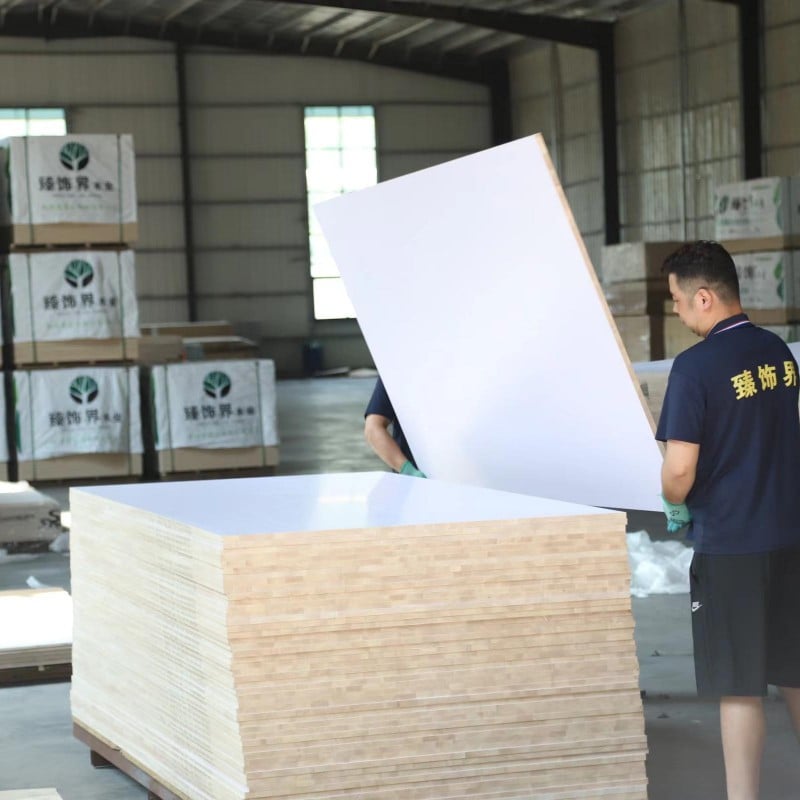
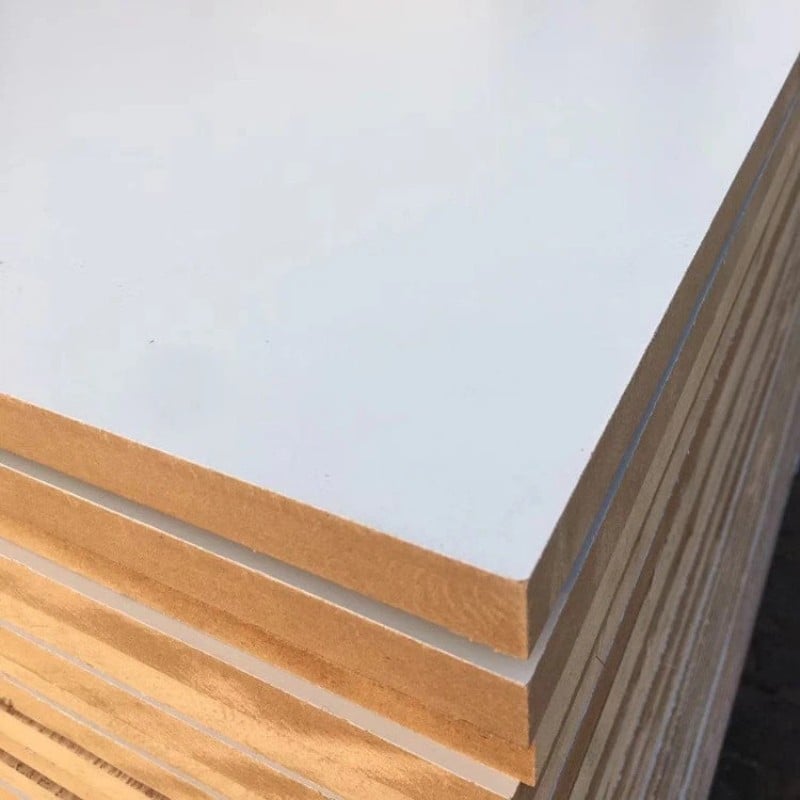
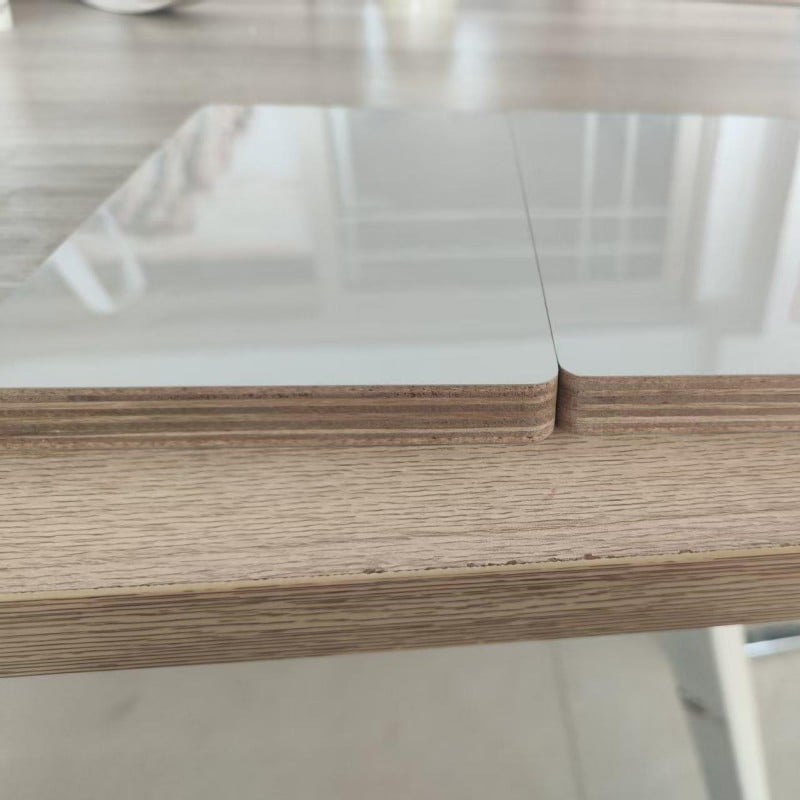
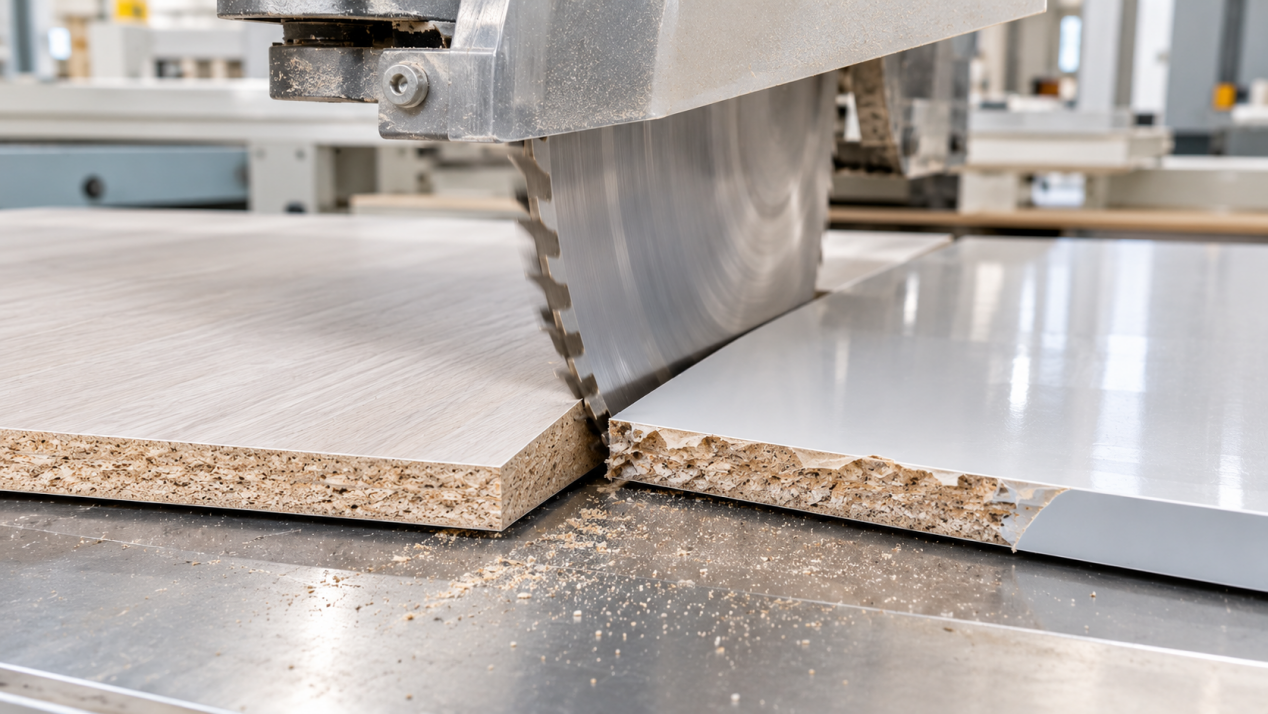 Edge chipping during cutting is the most common challenge encountered when processing PETfaced or melaminefaced panels, and one of the main manufacturing pain points frequently reported by overseas furniture manufacturers. Export orders impose stringent requirements on the appearance of these panels; edge chipping not only diminishes the aesthetic appeal of finished door panels and cabinetry components, but in severe cases, it can render an entire panel unusable, thereby increasing overall production waste. Furthermore, widespread edge chipping risks leading to order rejections or claims for compensation from clients.
Controlling edge chipping begins with the choice of cutting tool. When processing these two types of panels, diamondtipped saw blades are the preferred option, with a trapezoidalflat (TCTF) tooth profile being the most suitable option. The nature of edge chipping differs between the two materials: the melamineimpregnated paper surface is relatively brittle, making it prone to chipping on the top face during cutting. In contrast, PET film is tougher; if the saw blade lacks sufficient sharpness, the film may not shatter, but rather get pulled or lifted, resulting in peeling or curled edges. Since a dull saw blade is the root cause of most edgechipping issues, factories should implement regular maintenance and sharpening, and ensure blades are replaced promptly once they reach the end of their service life.
Next, it is essential to properly balance the cutting rotational speed with the feed rate. If the rotational speed is too low while the material is fed forward too quickly, the board will be exposed to sudden excessive impact, which can easily tear the surface finish. Parameters should be adjusted flexibly based on the thickness of the board: for thinner panels, increase the spindle speed and decrease the feed rate. Throughout the cutting process, the board must be firmly clamped in place; even the slightest vibration can result in rough cuts or chipped edges. Facilities with the necessary capabilities can install pressure rollers to minimize any shifting of the board during the cutting process.
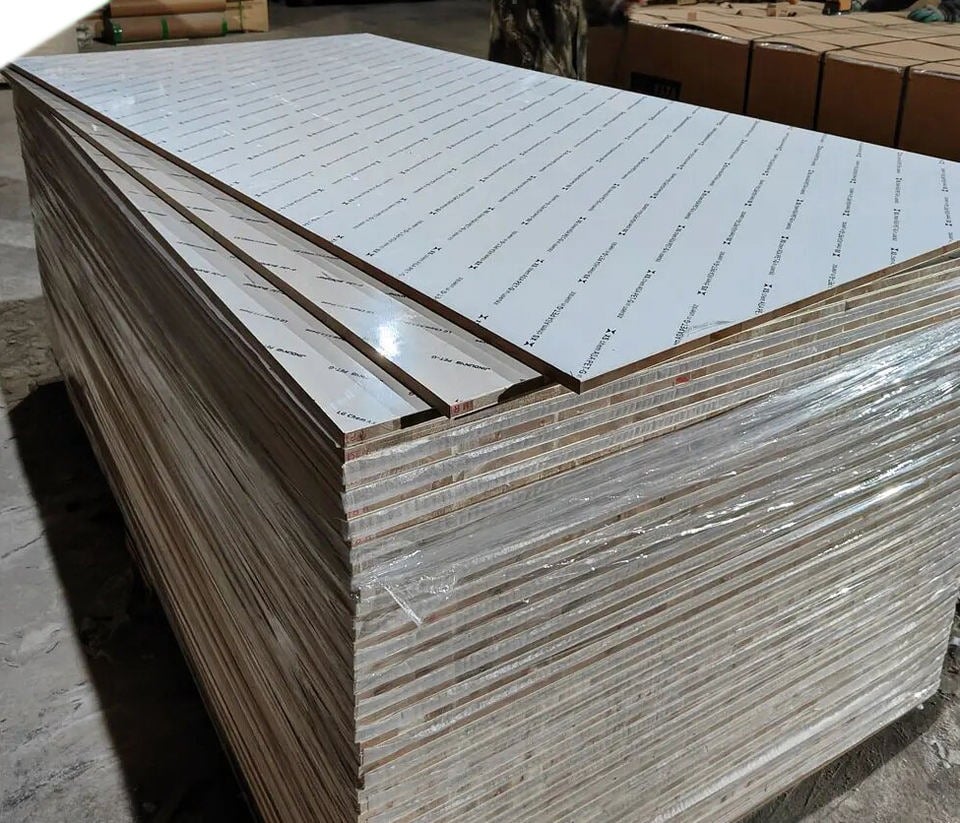
The cutting sequence and surface protection are equally critical. When cutting melamine boards, keep the decorative face oriented downward and supported by the table surface to minimize the risk of edge chipping on the front side. For PETfaced panels, it is advisable to leave the factoryapplied protective film in place until all cutting operations are complete; this film acts as a buffer against the pulling force exerted by the saw blade, effectively preventing the PET layer from peeling. If your equipment allows, the "prescoring" technique yields even better results: by first scoring a shallow groove into the decorative surface before cutting through the board from the reverse side, you can significantly reduce the likelihood of surface damage — a method frequently employed by highend furniture manufacturers producing for the export market.
Even with solid preventive measures implemented, minor edge chipping cannot be completely ruled out. While small nicks can be concealed or repaired during the subsequent edgebanding process, such repairs should be viewed strictly as a remedial measure rather than a standard operating procedure. For export orders, these cutting parameters can be shared with the contract manufacturer in advance, allowing them to calibrate their equipment accordingly and minimize waste caused by trial and error. Consistent cutting quality not only lowers production costs for the manufacturer but also ensures a uniform appearance across every shipment, thereby reducing the need for aftersales communication regarding processing defects.
 Hot News
2026-11-16
2026-11-13
2026-11-01
2026-10-29
Shandong Zhenshijie — China's trusted manufacturer of PET & melamine veneer panels for cabinets, kitchens & furniture. MDF, plywood, particleboard & more — custom sizes, textures & finishes.
located north of Xiaowan Line, Tanyi Town, Feixian County, Linyi City, Shandong Province.
Copyright © 2026 Shandong Zhenshijie International Trade CO,. LTD All rights reserved. Privacy Policy