EN


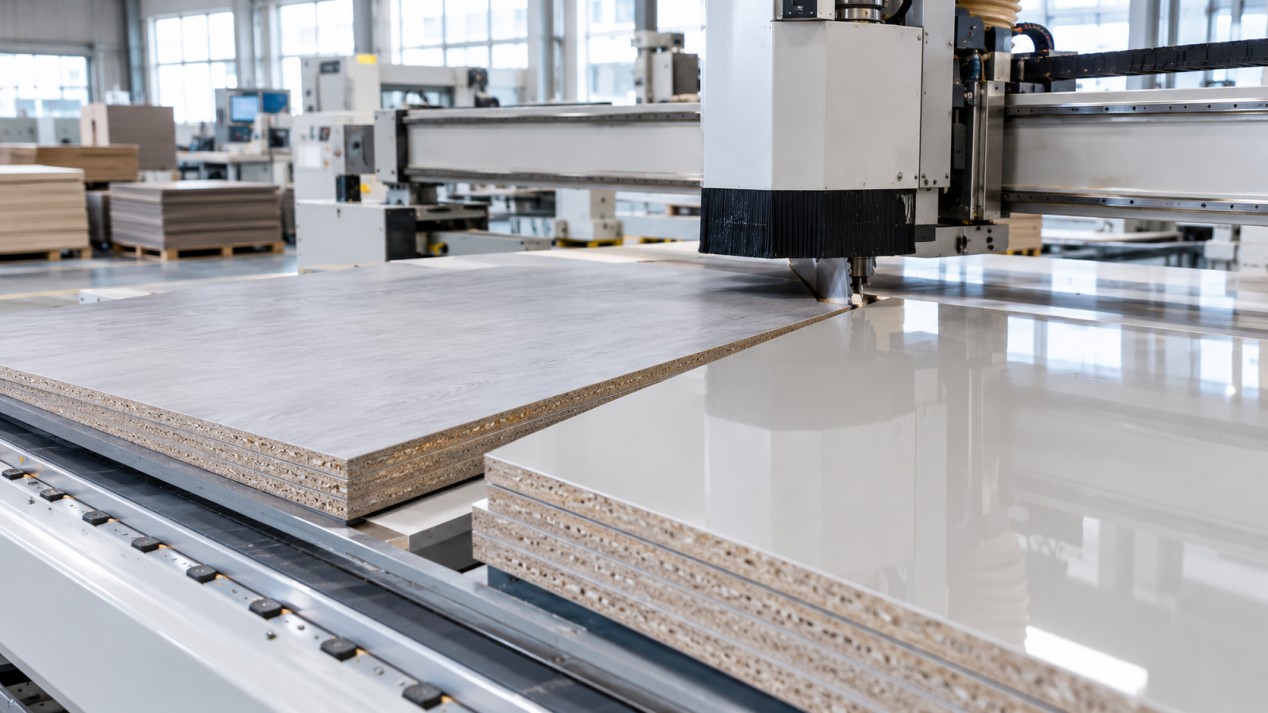
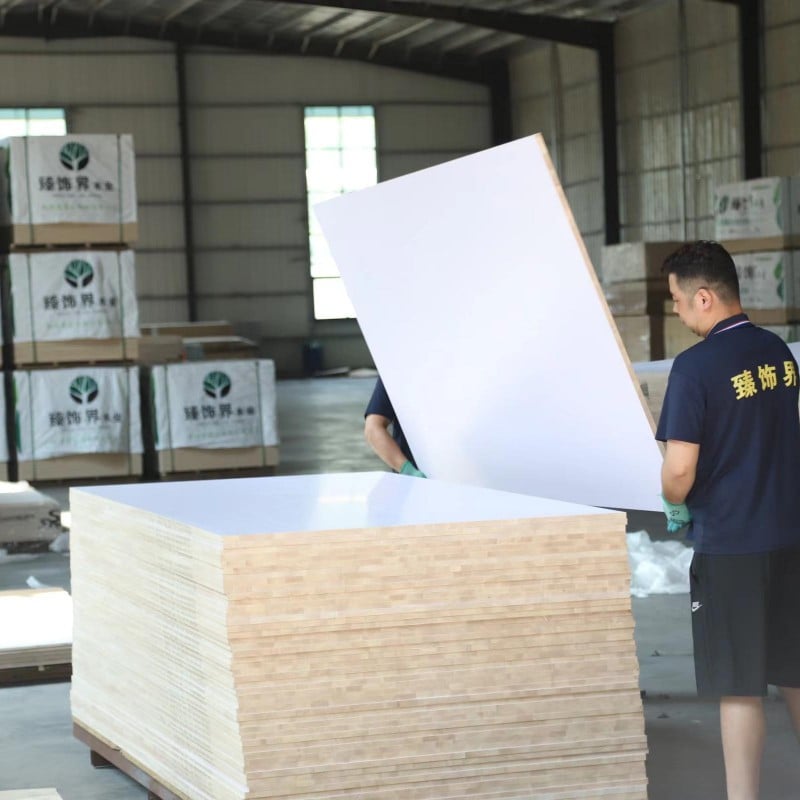
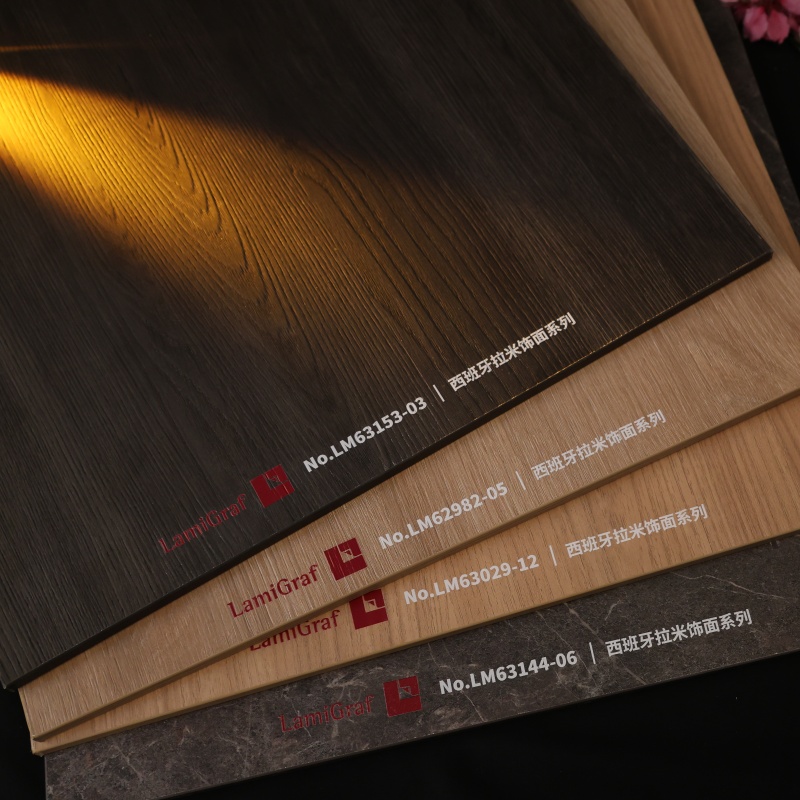
When selecting panels for overseas manufacturing, the initial focus is typically on the pattern and test reports. However, for the same set of cabinetry, the choice of surface finish and substrate can significantly affect cutting speed, edge chipping, and edge‑banding rework. Aggregated monthly, these differences directly impact production costs.
All panels can be supplied with CARB P2 / EPA TSCA Title VI‑compliant substrates; E1/E0 and FSC‑certified options are available upon request.
Cutting
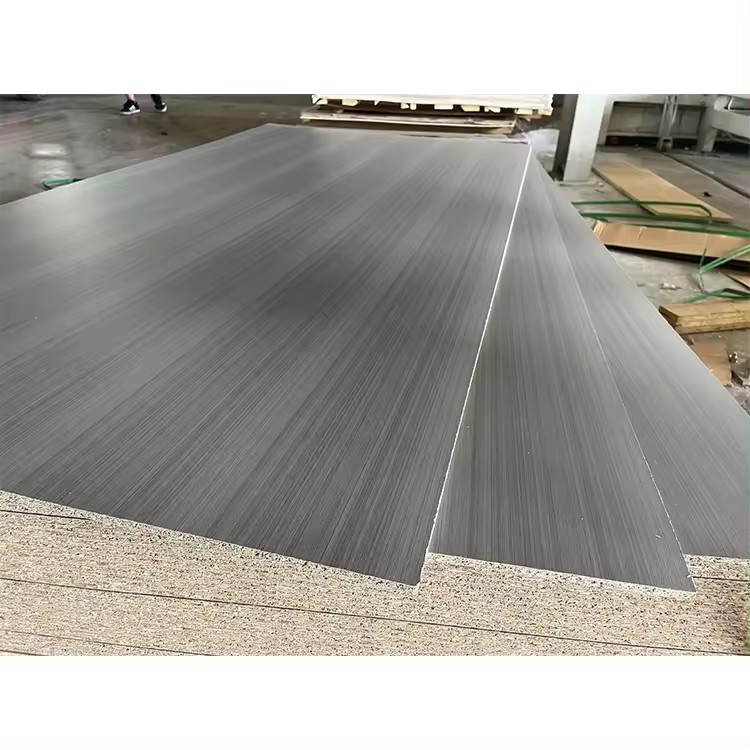
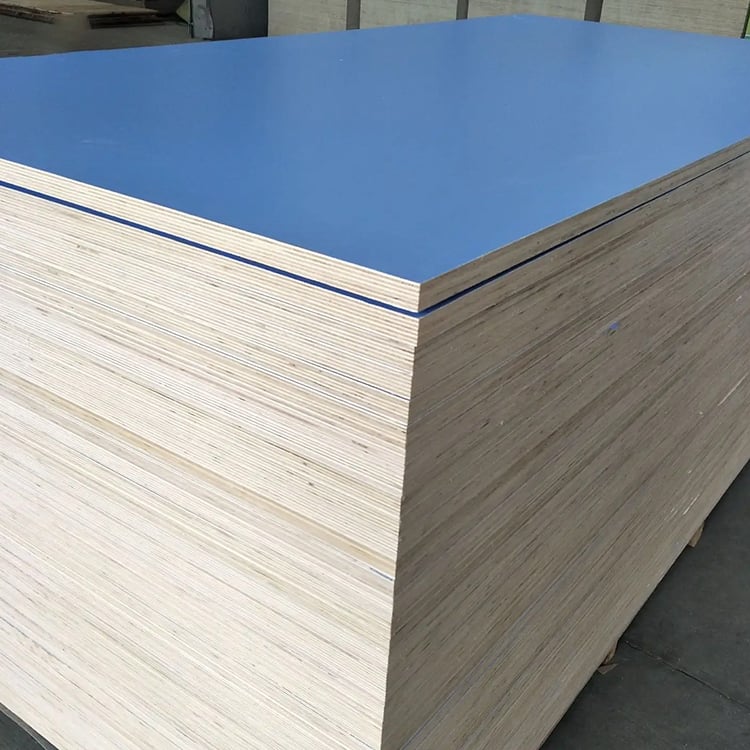
The melamine surface is hard but notably brittle. When cutting melamine particleboard , an improper match between blade tooth profile and feed rate can easily cause chipping within 1–2 mm of the cut line. Melamine MDF , with its uniform fiber structure, cuts more predictably; however, a worn blade can leave scorch marks. Melamine plywood and melamine blockboard contain veneer or solid wood cores, so cutting resistance varies between batches and parameters need to be adjusted accordingly.
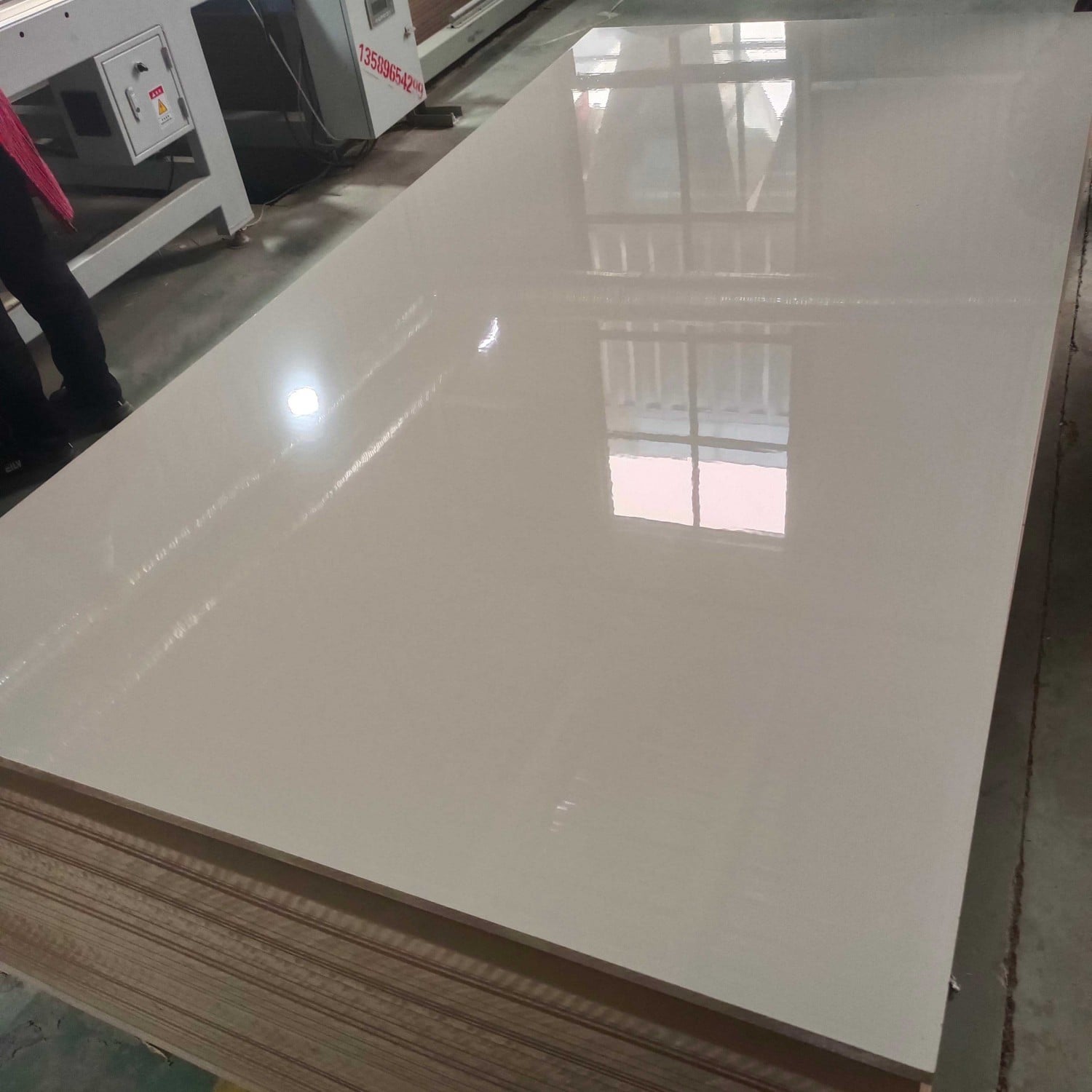
PETG is a thermoplastic film with greater toughness than melamine resin. When cutting PETG MDF , the film tends to stretch slightly rather than crack, typically resulting in a narrower chip zone; however, PETG debris can adhere to the blade, requiring more frequent cleaning. PETG particle board cuts much like standard melamine particleboard, with the toughness advantage showing up mainly in the subsequent edge‑banding stage. PETG plywood and PETG blockboard have denser substrates that demand higher sawing power, but the low‑friction PETG surface generates less blade heat, which can help extend blade life during continuous cutting.
Edge Banding
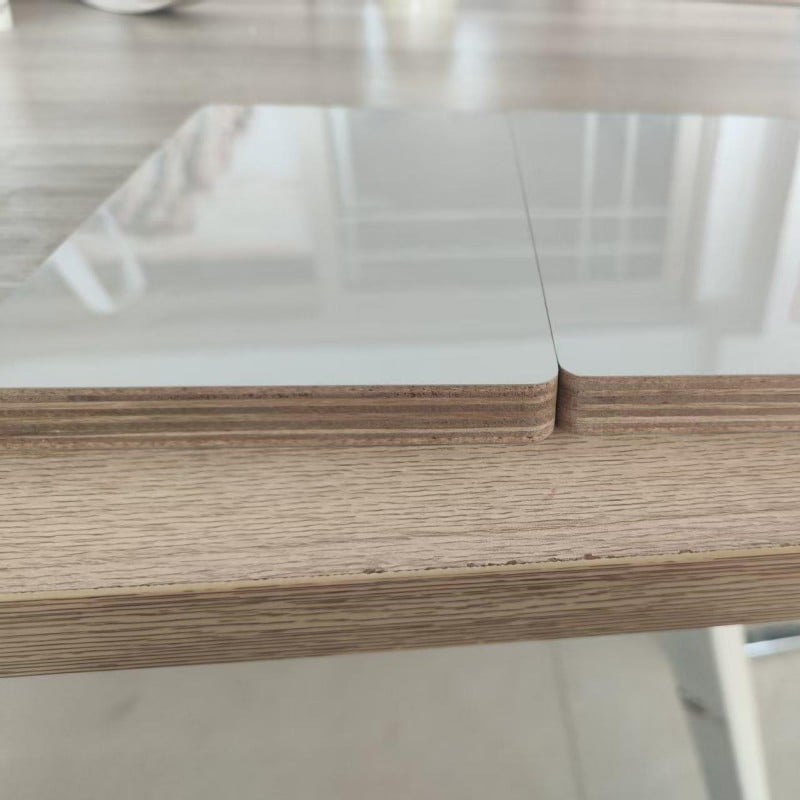
Edge‑banding yield is a key metric for distinguishing between panel types. After trimming melamine‑faced panels, an offset often remains between the surface layer and the exposed substrate. If melamine particleboard is poorly trimmed, the resulting gaps may not be fully filled by adhesive, leading to visible whitish glue lines over time. Melamine MDF edges are relatively dense, but fiber fuzzing during milling can lower the visual grade. Melamine plywood and melamine blockboard have varying grain directions along the edge, which typically requires an additional trimming step before banding.
PETG film bonds well with EVA and PUR edge‑banding adhesives, helping achieve a nearly seamless glue line after hot pressing. When PETG MDF is edge‑milled, the film slightly wraps the exposed fiber edges, limiting excessive adhesive penetration into the substrate. On PETG particle board, reduced exposure of edge pores allows more flexible adhesive open time and a wider pressing window. For lines equipped with laser edge banding, matching color and gloss between the PETG plywood or PETG blockboard face and the banding tape is generally easier than with melamine systems.
Selection Recommendations
For high‑volume standard cabinetry on conventional hot‑melt edge‑banding lines, melamine particle board and melamine MDF remain a practical balance between cost and efficiency; however, blade replacement frequency and chipping‑related rework should be factored into the cost model. For high‑end custom projects—particularly those with high‑gloss or soft‑touch finishes—PETG MDF and PETG particle board offer higher edge‑banding yields, which can partially offset the higher surface material cost. In high‑humidity regions or applications requiring greater structural strength, plywood and blockboard substrates (faced with either melamine or PETG) offer clear advantages. We recommend running a trial batch on your actual production line during prototyping—tracking edge‑chipping rate, edge‑banding peel strength, and hourly output—rather than relying solely on individual samples. Zhenshijie can provide test samples from these product series to help clients verify cutting and edge‑banding parameters before mass production.
 Hot News
2026-11-01
2026-10-29
2026-10-25
2026-10-22
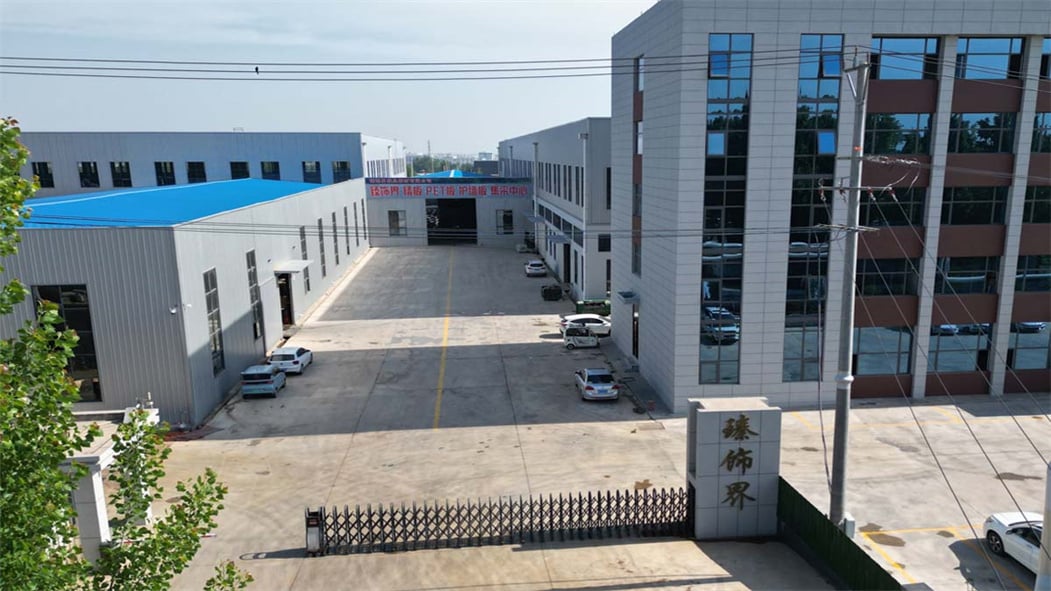
Shandong Zhenshijie — China's trusted manufacturer of PET & melamine veneer panels for cabinets, kitchens & furniture. MDF, plywood, particleboard & more — custom sizes, textures & finishes.
located north of Xiaowan Line, Tanyi Town, Feixian County, Linyi City, Shandong Province.
Copyright © 2026 Shandong Zhenshijie International Trade CO,. LTD All rights reserved. Privacy Policy