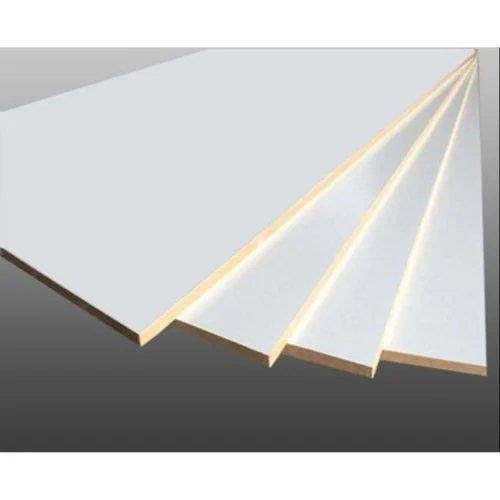
Versatile Applications and Easy Installation Benefits
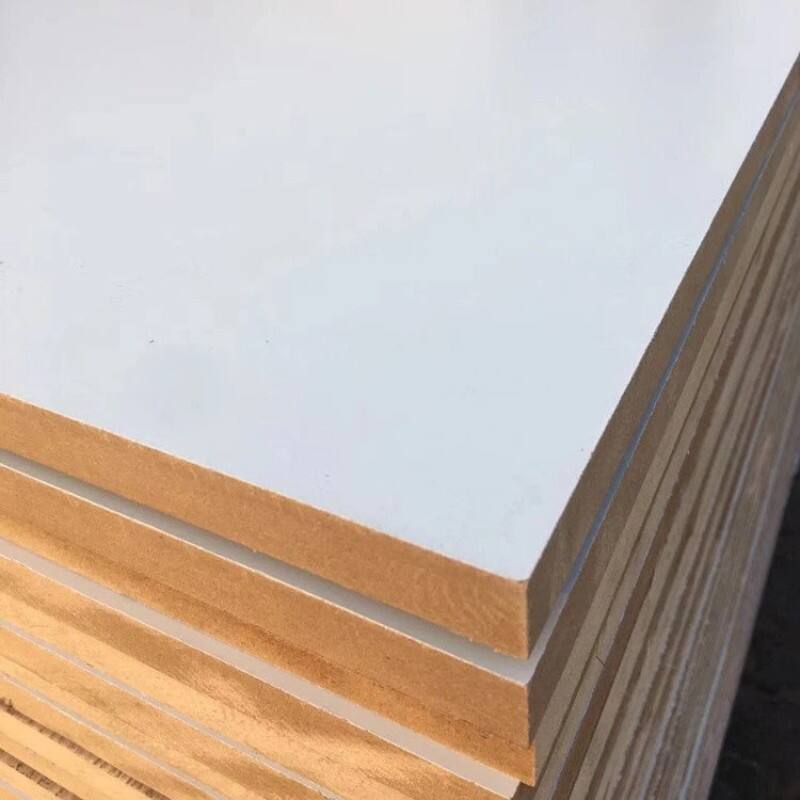
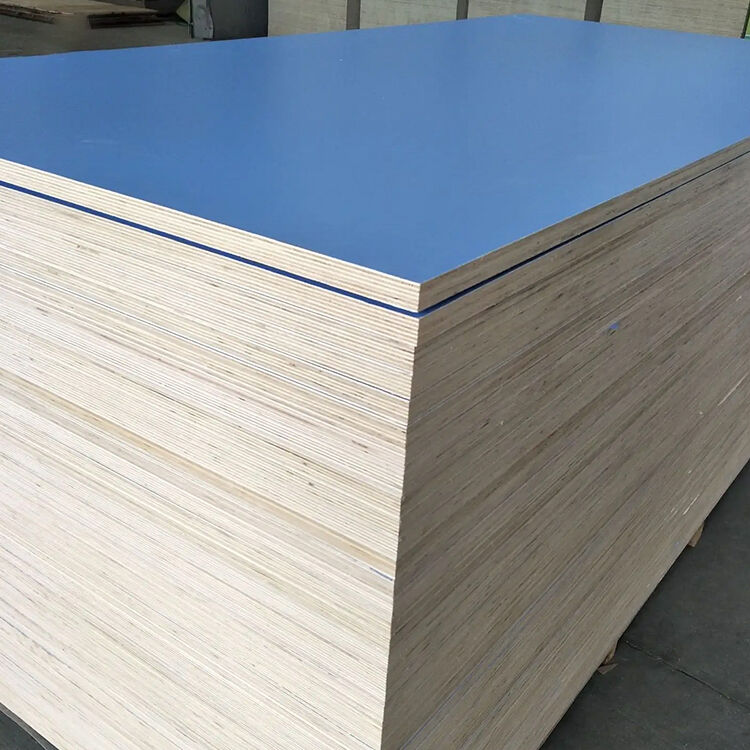
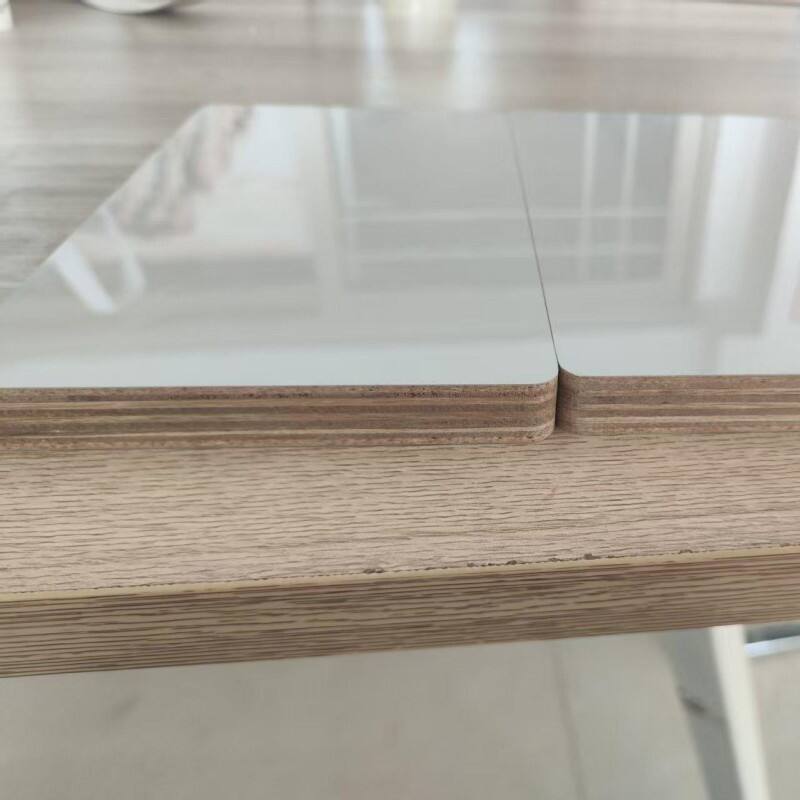
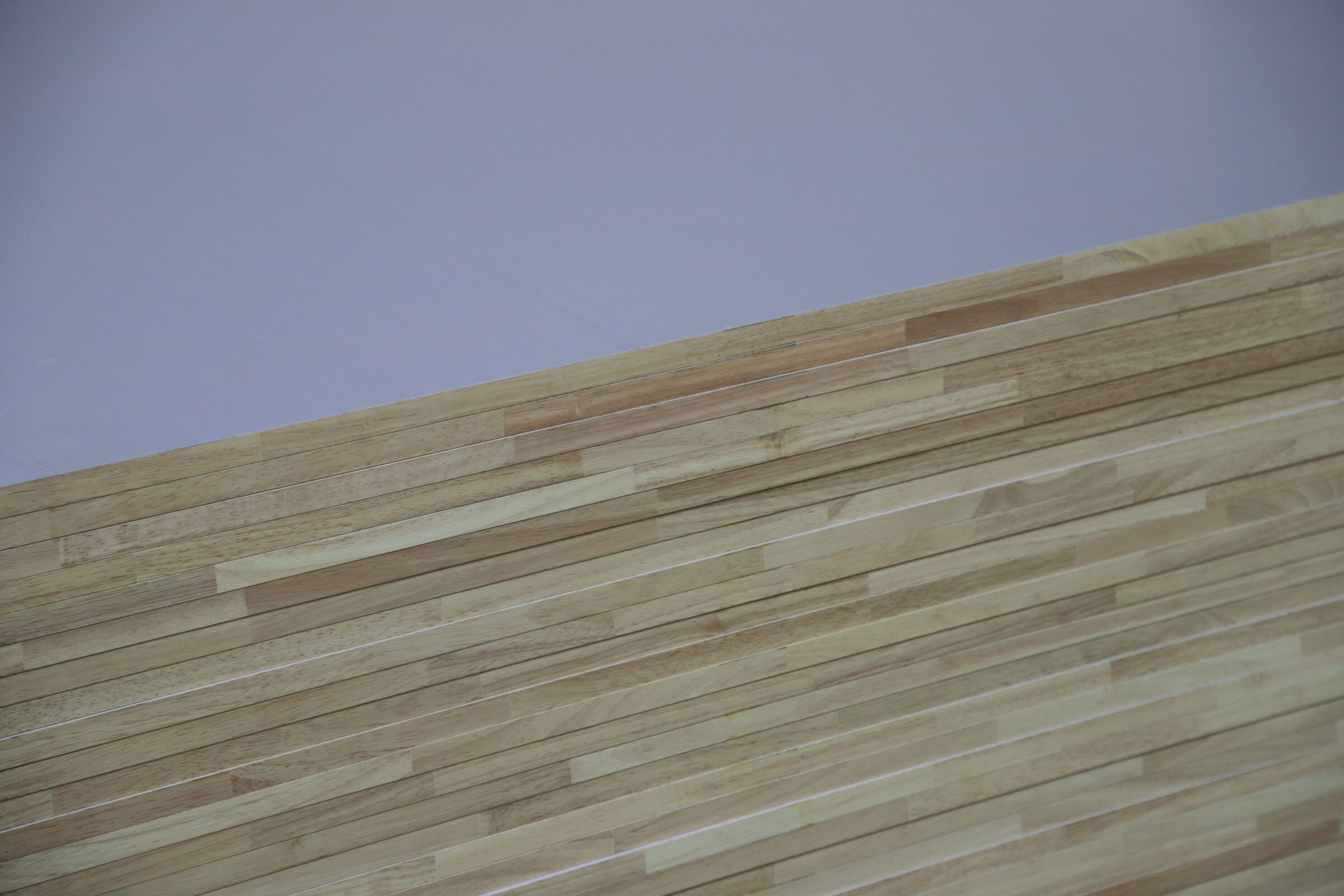
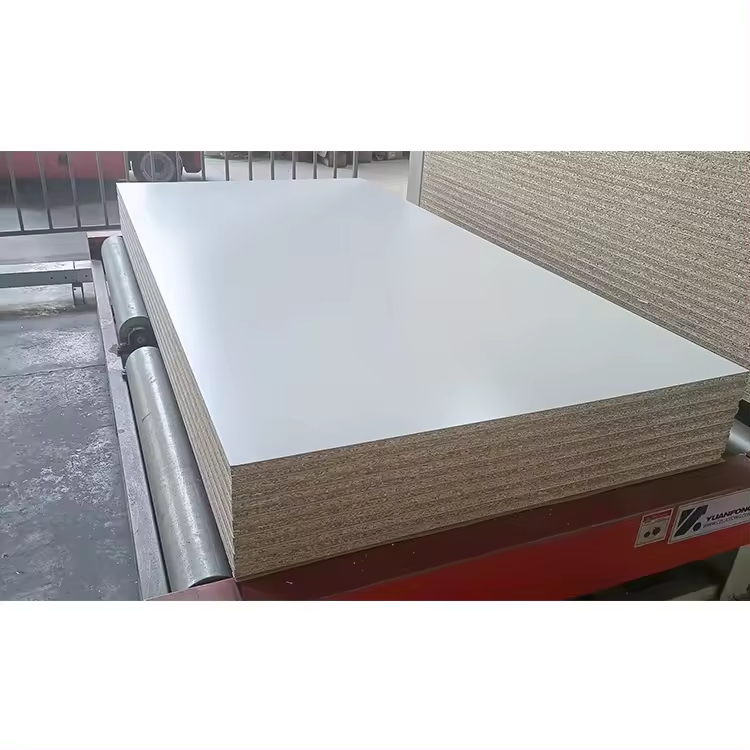
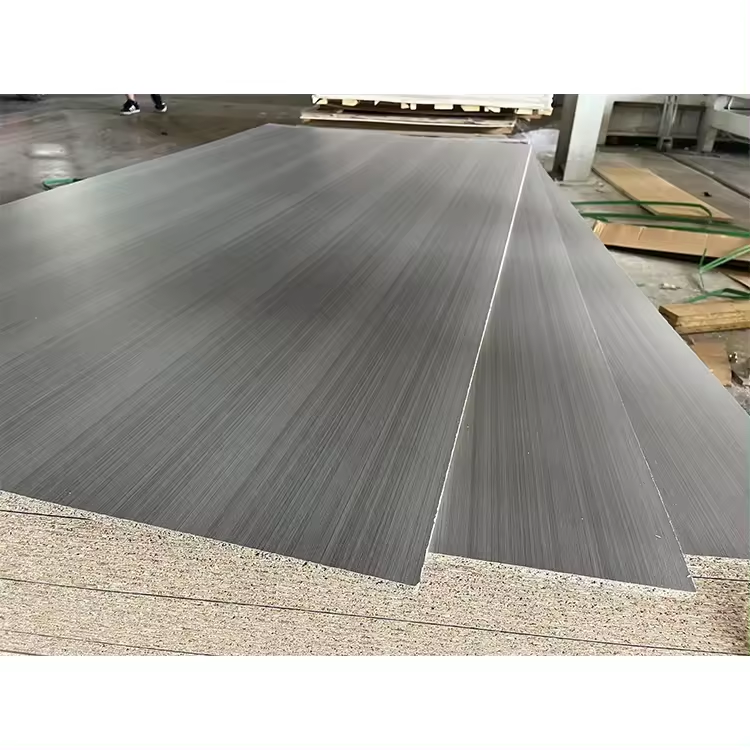
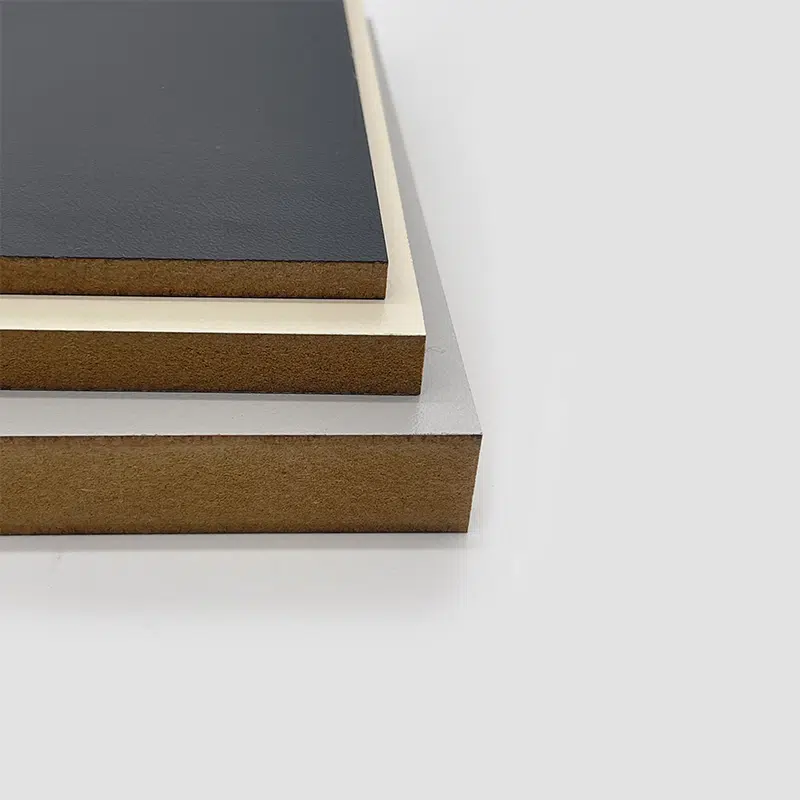
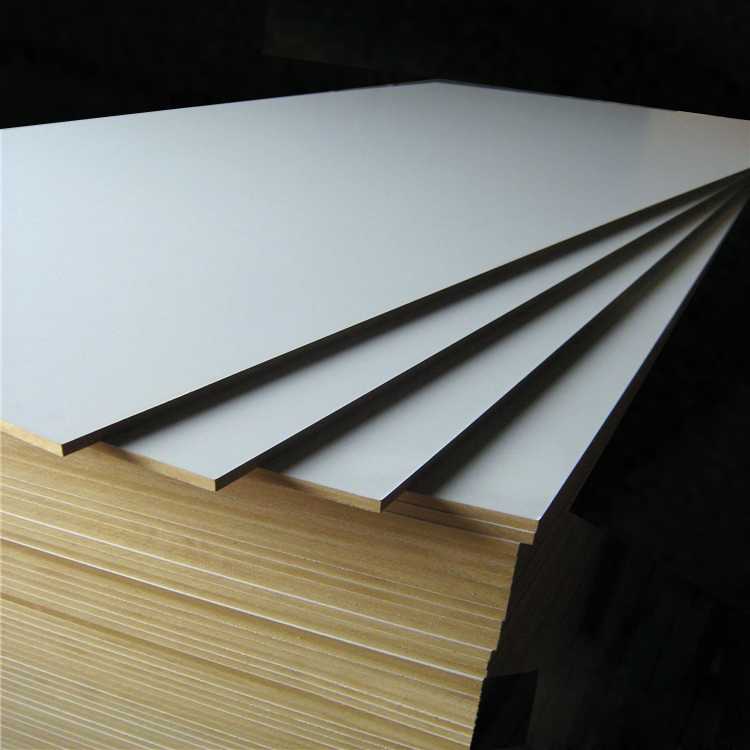
The versatility of waterproof melamine mdf board opens up unlimited possibilities for creative design and practical construction solutions across numerous industries and applications. This adaptability stems from the material's unique combination of water resistance, workability, and aesthetic appeal, making it suitable for environments where traditional materials would be inappropriate or impractical. In residential applications, waterproof melamine mdf board excels in bathroom vanities, kitchen cabinetry, laundry room storage, and basement finishing projects where moisture exposure is a constant concern. Commercial applications include restaurant fixtures, healthcare facilities, educational institutions, and retail displays where hygiene and durability are paramount considerations. The material's smooth, non-porous surface makes cleaning and maintenance effortless, while its water resistance prevents the growth of mold, mildew, and bacteria that can compromise indoor air quality. Installation advantages become immediately apparent to professionals and DIY enthusiasts alike, as waterproof melamine mdf board machines easily with standard woodworking tools without requiring specialized equipment or techniques. The consistent density eliminates tear-out and chipping common with other engineered products, ensuring clean edges and professional results even when cutting intricate shapes or profiles. The material accepts various fasteners reliably, from screws and nails to mechanical connectors, providing flexibility in assembly methods and structural connections. Edge banding and laminating processes work seamlessly with waterproof melamine mdf board, allowing for complex fabrication techniques and custom finishing options. The flat, smooth surface eliminates the need for extensive preparation work before applying finishes or overlays, significantly reducing labor time and material costs during installation. Transportation and handling benefits include lighter weight compared to solid wood alternatives, reducing shipping costs and making on-site maneuvering easier for installation crews. The standardized thickness tolerances ensure consistent results when multiple panels must align perfectly, eliminating the shimming and adjustment work often required with natural wood products.
 EN
EN