Premium Melamine MDF for Furniture - Durable, Versatile & Eco-Friendly Wood Alternative

Get a Free Quote

Our representative will contact you soon.
Email
Mobile/WhatsApp
Name
Company Name
Message
0/1000

melamine mdf for furniture

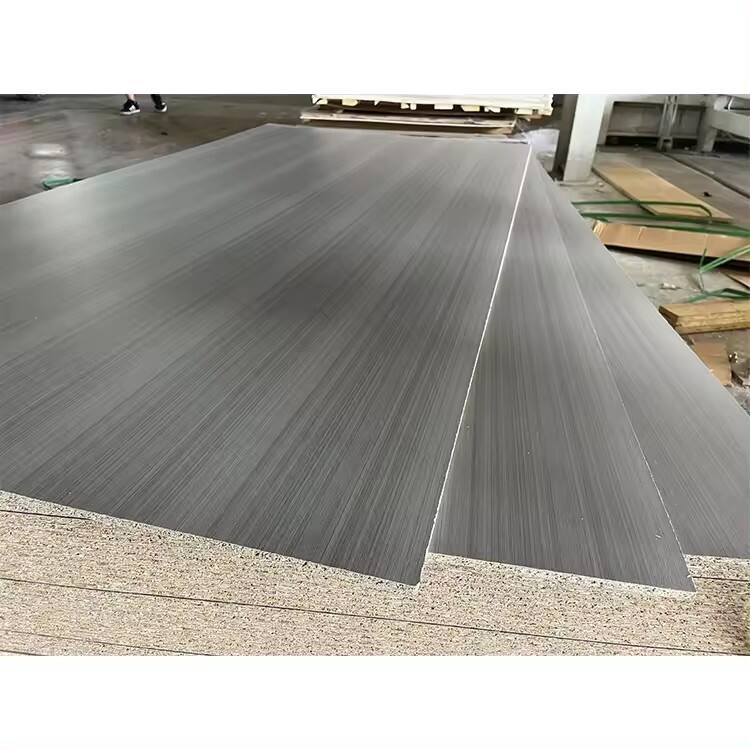
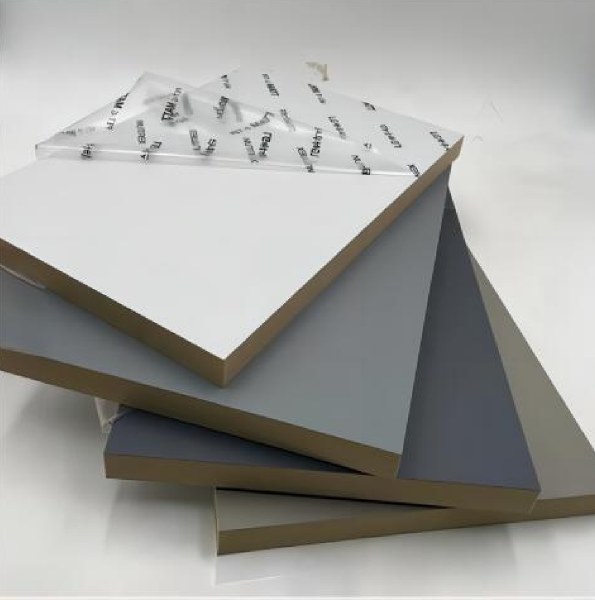
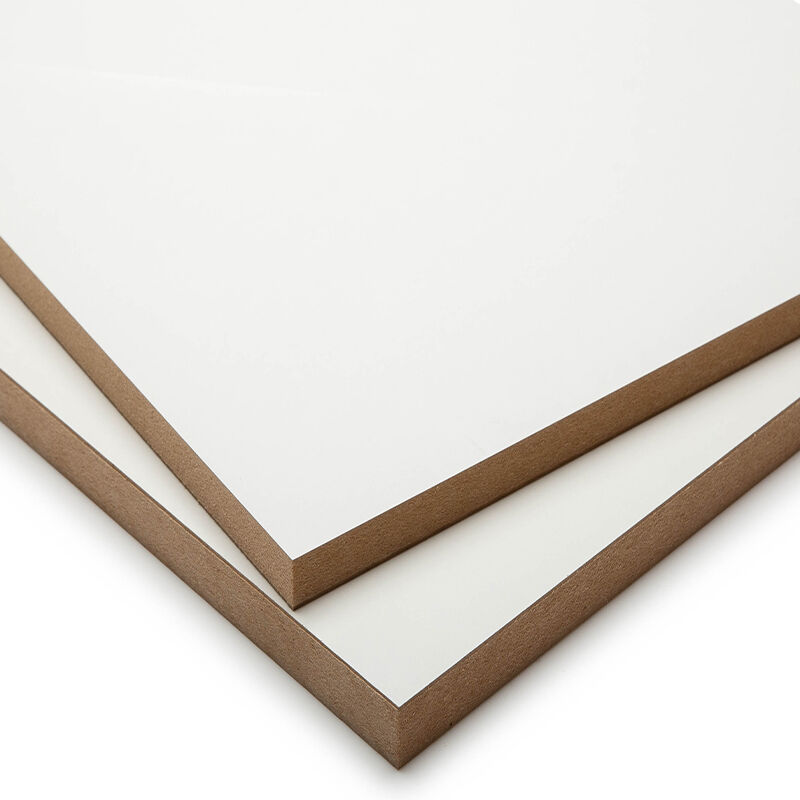
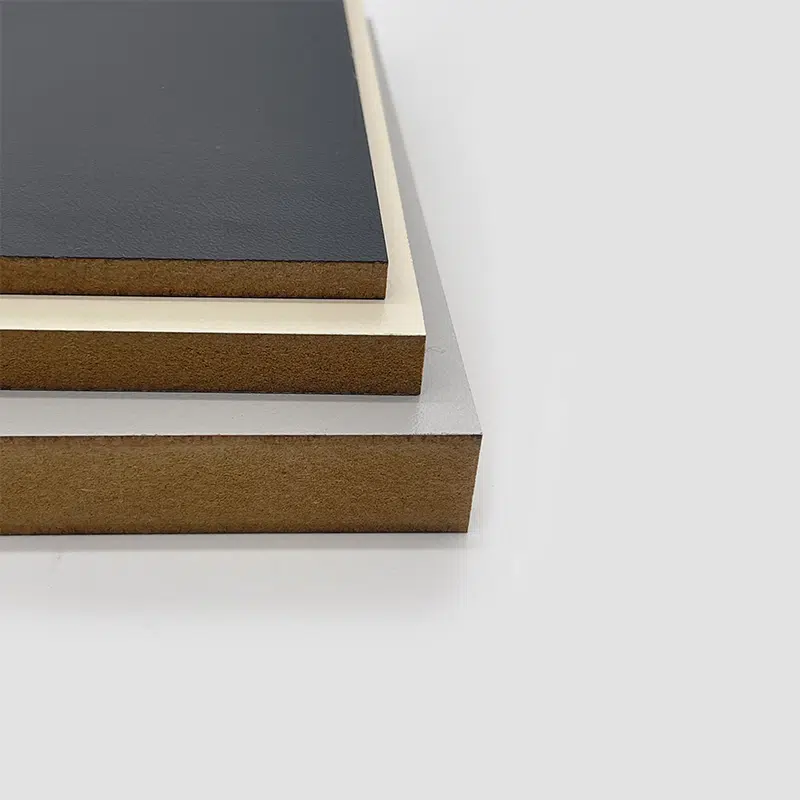
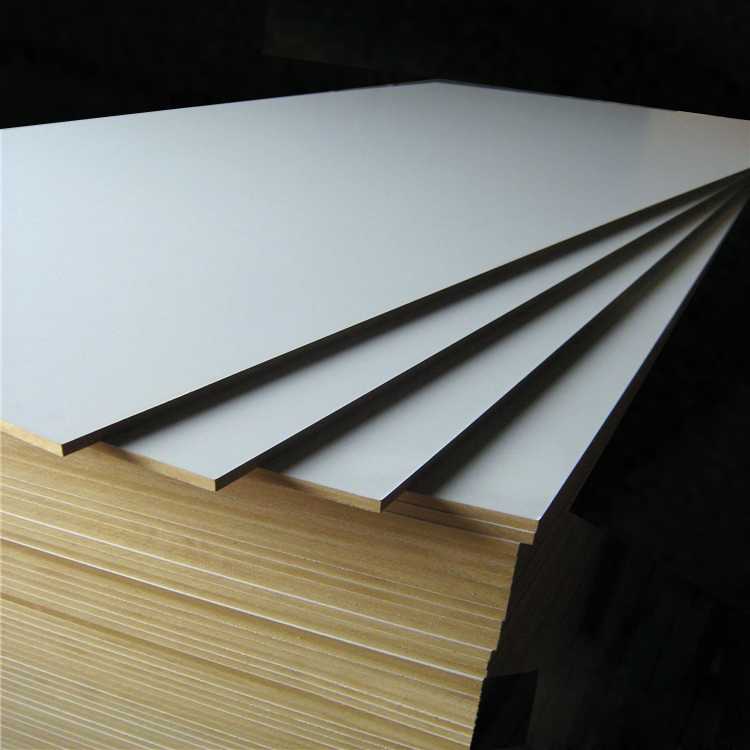
Melamine MDF for furniture represents a revolutionary advancement in engineered wood products, combining the structural integrity of medium-density fiberboard with the protective and aesthetic properties of melamine resin coating. This composite material consists of wood fibers bonded together under high pressure and temperature, then finished with a durable melamine surface that mimics various wood grains, solid colors, or decorative patterns. The manufacturing process involves pressing wood particles with adhesive resins, creating a uniform and stable substrate that serves as an excellent foundation for furniture construction. The melamine overlay is applied through a sophisticated lamination process that fuses the decorative surface permanently to the MDF core, ensuring long-lasting performance and visual appeal. Technologically, melamine MDF for furniture showcases impressive engineering characteristics including dimensional stability, consistent density distribution, and superior screw-holding capabilities compared to traditional particleboard alternatives. The material maintains structural integrity across varying environmental conditions, making it suitable for both residential and commercial furniture applications. Its smooth, non-porous surface eliminates the need for extensive finishing processes, reducing manufacturing time and costs while delivering professional-grade results. The melamine coating provides exceptional resistance to moisture, stains, scratches, and daily wear, extending furniture lifespan significantly. Applications for melamine MDF span across kitchen cabinetry, bathroom vanities, office furniture, shelving systems, wardrobe interiors, and contemporary furniture designs where durability meets aesthetic requirements. Educational institutions favor this material for classroom furniture due to its easy maintenance and hygienic properties. Healthcare facilities utilize melamine MDF for its antimicrobial surface characteristics and chemical resistance. The versatility of available finishes allows designers to achieve luxury appearances at economical price points, making quality furniture accessible to broader market segments while maintaining professional standards throughout various commercial and residential environments.

New Product Releases

Melamine MDF for furniture delivers exceptional cost-effectiveness without compromising quality standards, providing manufacturers and consumers with premium furniture solutions at competitive prices. This engineered material significantly reduces production costs compared to solid wood alternatives while maintaining superior performance characteristics that exceed customer expectations. The manufacturing efficiency of melamine MDF streamlines furniture production processes, eliminating time-consuming finishing steps typically required with raw wood surfaces. Installation becomes remarkably straightforward due to consistent material properties and predictable behavior during cutting, drilling, and assembly operations. Maintenance requirements remain minimal throughout the furniture's operational life, as the melamine surface resists common household stains, scratches, and moisture damage that typically plague conventional wood finishes. Cleaning procedures require only basic household products, making daily maintenance effortless for busy families and commercial environments. The material demonstrates impressive longevity, often outlasting traditional wood furniture when subjected to regular use and environmental stresses. Color consistency remains stable over extended periods, preventing the fading and discoloration issues commonly associated with natural wood surfaces exposed to sunlight and artificial lighting. Environmental benefits include reduced deforestation pressure, as melamine MDF utilizes recycled wood fibers and fast-growing timber species rather than premium hardwoods. The manufacturing process generates minimal waste, supporting sustainable furniture production practices that appeal to environmentally conscious consumers. Design flexibility allows furniture manufacturers to create complex shapes and configurations that would be prohibitively expensive using solid wood construction methods. The uniform density of melamine MDF ensures consistent machining results, reducing material waste and improving production efficiency. Quality control becomes more predictable, as melamine MDF exhibits fewer natural defects compared to solid wood materials. The material accepts various hardware installations reliably, from hinges and drawer slides to specialized mounting systems. Temperature stability prevents warping and dimensional changes that often affect solid wood furniture in varying climate conditions. Chemical resistance protects against household cleaners and commercial sanitizing products, making melamine MDF ideal for healthcare and food service applications where strict hygiene standards must be maintained.

Latest News

How Durable Is Particleboard For Interior Applications?

03

Mar

How Durable Is Particleboard For Interior Applications?

When selecting materials for interior applications, understanding the durability characteristics of particleboard becomes essential for making informed decisions. This engineered wood product has gained significant popularity in residential and comme...
View More
Can Particleboard Improve Space-Saving Cabinet Projects?

10

Mar

Can Particleboard Improve Space-Saving Cabinet Projects?

Modern homeowners and designers constantly seek innovative materials that combine affordability, versatility, and functionality for their cabinet projects. Particleboard has emerged as a premier choice for space-saving cabinet designs, offering excep...
View More
Why Choose Chipboard Particle Board For Cabinets?

23

Mar

Why Choose Chipboard Particle Board For Cabinets?

Modern kitchen and furniture design increasingly relies on engineered wood products that deliver exceptional performance, durability, and cost-effectiveness. Among these materials, chipboard particle board has emerged as a leading choice for cabinet ...
View More
What Are The Benefits Of Chipboard Particle Board Panels?

27

Mar

What Are The Benefits Of Chipboard Particle Board Panels?

In the modern construction and furniture manufacturing industry, materials that offer versatility, cost-effectiveness, and reliable performance are highly sought after. Among these materials, chipboard particle board stands out as one of the most pra...
View More

Get a Free Quote

Our representative will contact you soon.
Email
Mobile/WhatsApp
Name
Company Name
Message
0/1000

melamine mdf for furniture

Superior Durability and Weather Resistance

Superior Durability and Weather Resistance

Melamine MDF for furniture establishes new benchmarks in material durability through its advanced composite construction and protective surface coating system. The melamine resin overlay creates an impermeable barrier that shields the underlying MDF core from moisture infiltration, preventing the swelling, warping, and deterioration commonly experienced with traditional wood products. This protective barrier maintains its integrity even under challenging conditions including high humidity environments, temperature fluctuations, and direct contact with liquids. Laboratory testing demonstrates that melamine MDF surfaces withstand over 10,000 abrasion cycles without visible wear, significantly outperforming conventional wood finishes and laminate alternatives. The chemical composition of melamine resin provides inherent resistance to acidic and alkaline substances, protecting furniture surfaces from damage caused by common household products, cleaning agents, and food spills. This chemical stability proves invaluable in kitchen applications where furniture regularly encounters oils, acids, and various cooking substances that would stain or damage traditional wood surfaces. The material's resistance to ultraviolet radiation prevents color fading and surface degradation typically observed in furniture exposed to natural and artificial lighting over extended periods. Thermal stability ensures dimensional consistency across varying temperature ranges, eliminating the expansion and contraction cycles that cause joint failure and surface cracking in solid wood furniture. Impact resistance testing reveals that melamine MDF surfaces maintain structural integrity when subjected to normal furniture use patterns, including door slamming, drawer operation, and object placement. The material's ability to withstand mechanical stress without chipping or delamination extends furniture operational life significantly beyond conventional alternatives. Antimicrobial properties inherent in the melamine surface coating inhibit bacterial growth and odor development, making this material particularly suitable for healthcare facilities, educational institutions, and residential applications where hygiene considerations are paramount. These durability characteristics translate directly into reduced replacement costs and extended service life for furniture investments.
Exceptional Design Versatility and Aesthetic Options

Exceptional Design Versatility and Aesthetic Options

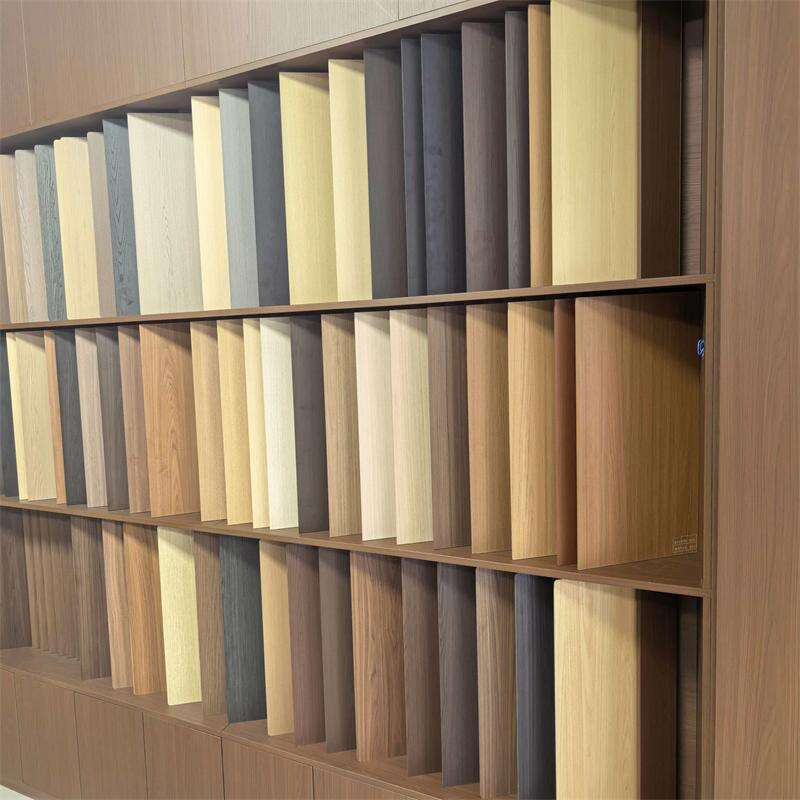
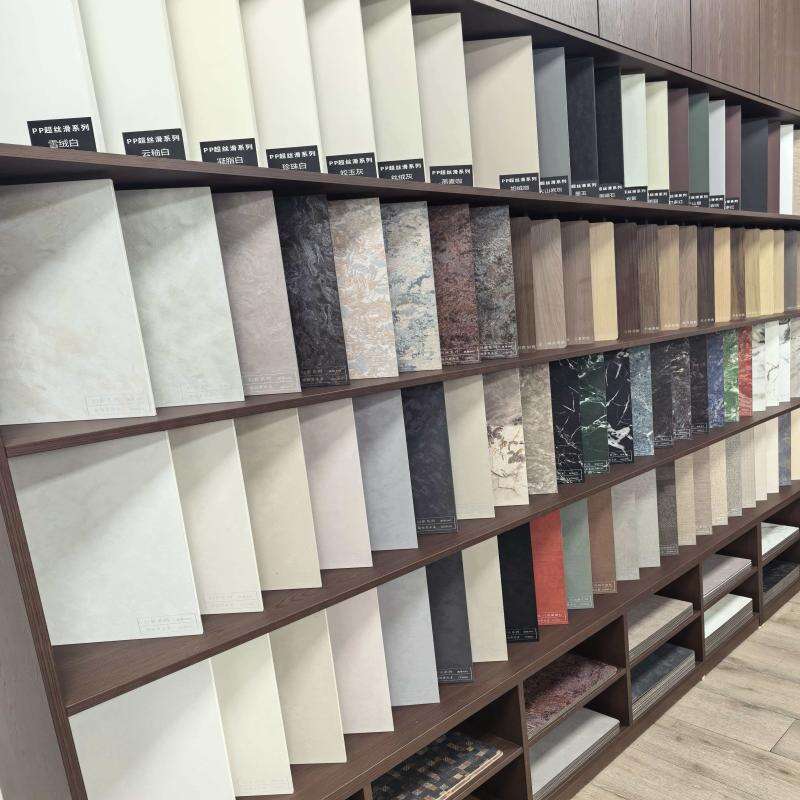
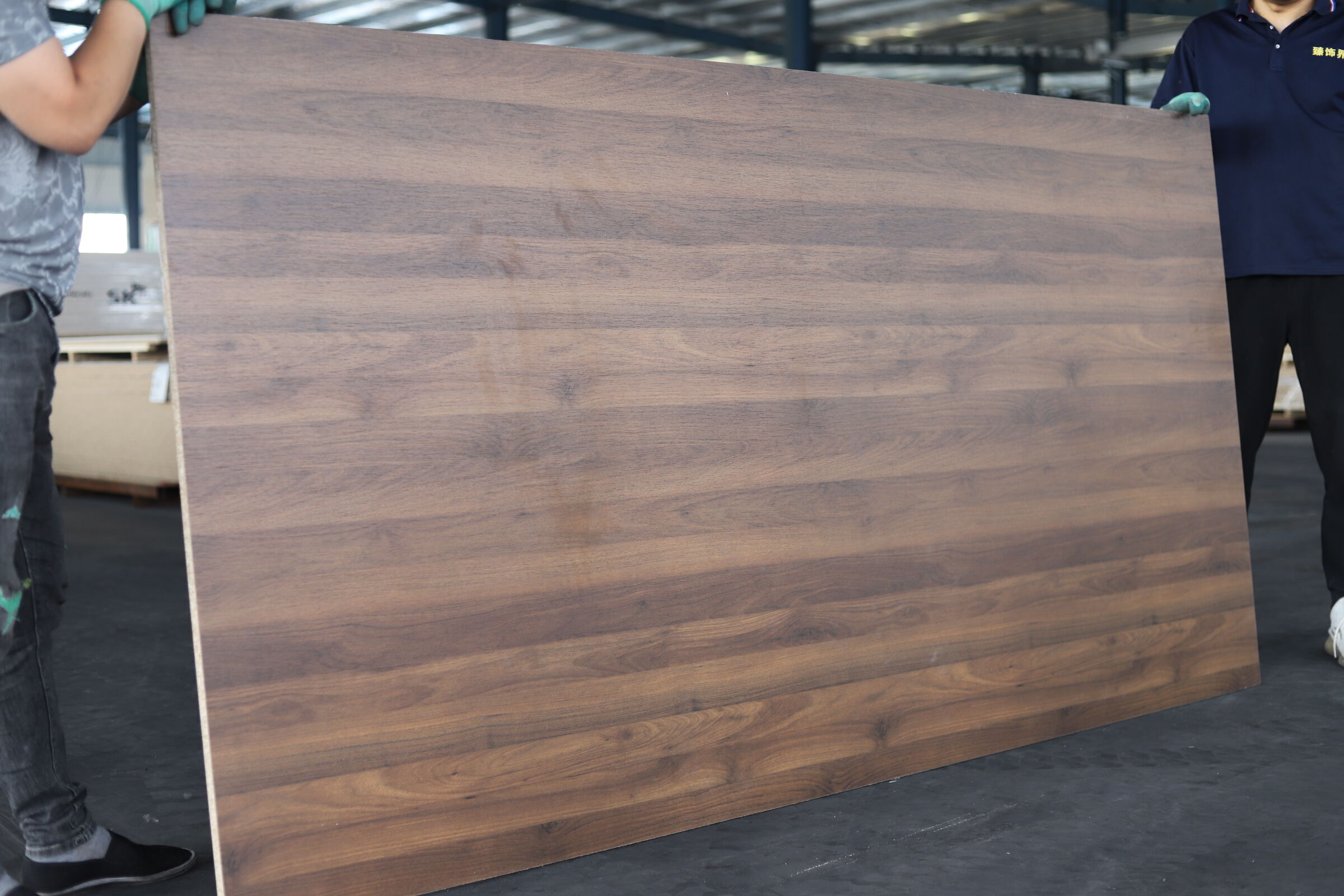
Melamine MDF for furniture revolutionizes design possibilities through its extensive range of surface finishes, textures, and decorative options that replicate premium materials at accessible price points. The advanced printing technologies employed in melamine surface production achieve photorealistic wood grain patterns that capture the natural beauty of exotic hardwoods, including Brazilian walnut, European oak, and Asian bamboo varieties that would otherwise be prohibitively expensive or environmentally unsustainable to harvest. Digital imaging capabilities enable furniture manufacturers to specify custom finishes that perfectly match existing decor elements or architectural features, creating seamless design integration throughout residential and commercial spaces. Texture variations range from smooth contemporary finishes to deeply embossed grain patterns that provide tactile authenticity rivaling natural wood surfaces. The material accommodates both traditional and modern design philosophies, offering everything from classic wood stains to bold contemporary colors including metallic finishes, high-gloss surfaces, and matte textures that complement diverse interior design schemes. Edge banding options extend design flexibility further, allowing furniture pieces to maintain consistent appearance from face surfaces to exposed edges through color-matched melamine strips or contrasting accent treatments. The dimensional stability of melamine MDF enables furniture designers to specify complex geometric shapes, curved surfaces, and intricate joinery details that would be challenging or impossible to achieve with solid wood construction methods. Manufacturing capabilities include router profiling, CNC machining, and specialized cutting techniques that create decorative edge treatments, panel inserts, and three-dimensional surface features. Consistency in color matching across production runs ensures that furniture components maintain uniform appearance regardless of manufacturing timing or batch variations. The non-porous surface characteristics of melamine MDF eliminate concerns about grain raising, color bleeding, or finish inconsistencies that commonly affect traditional wood finishing processes. Custom printing capabilities allow manufacturers to incorporate company logos, decorative patterns, or specialized graphics directly into furniture surfaces, creating unique branding opportunities and personalized design elements that enhance product differentiation in competitive markets.
Outstanding Environmental Sustainability and Health Safety

Outstanding Environmental Sustainability and Health Safety

Melamine MDF for furniture demonstrates exceptional environmental responsibility through its sustainable manufacturing processes and health-conscious formulation that addresses growing consumer concerns about indoor air quality and ecological impact. The production methodology utilizes recycled wood fibers and rapidly renewable timber species, reducing pressure on old-growth forests and promoting responsible forest management practices that support biodiversity conservation efforts. Manufacturing efficiency minimizes waste generation throughout the production cycle, with wood residues and off-cuts recycled back into the MDF core material, achieving near-zero waste manufacturing standards that exceed industry environmental benchmarks. The melamine surface coating eliminates the need for volatile organic compound-laden finishing products typically required for solid wood furniture, significantly reducing harmful emissions during both manufacturing and end-use phases. Formaldehyde emissions from properly manufactured melamine MDF remain well below international safety standards, with many premium grades achieving CARB Phase 2 compliance and GREENGUARD certification for low chemical emissions. The longevity characteristics of melamine MDF contribute to environmental sustainability by extending furniture service life, reducing replacement frequency and associated transportation impacts while minimizing landfill contributions from discarded furniture. Energy-efficient manufacturing processes require less thermal input compared to solid wood drying and finishing operations, reducing the carbon footprint associated with furniture production. Recyclability considerations allow melamine MDF furniture components to be processed through specialized recycling programs at end-of-life, supporting circular economy principles and reducing environmental waste streams. The material's resistance to moisture and pest damage eliminates the need for chemical treatments and preservatives commonly applied to natural wood furniture, reducing exposure to potentially harmful substances in residential and commercial environments. Health safety testing confirms that melamine MDF surfaces meet stringent international standards for food contact applications, making the material suitable for kitchen furniture and dining applications where surface safety is paramount. Indoor air quality benefits include minimal off-gassing after installation and resistance to mold and mildew growth that can compromise respiratory health in sensitive individuals. The antimicrobial properties of melamine surfaces provide additional health protection by inhibiting bacterial proliferation on furniture surfaces, particularly valuable in healthcare settings and homes with vulnerable occupants.

Get a Free Quote

Our representative will contact you soon.
Email
Mobile/WhatsApp
Name
Company Name
Message
0/1000