 EN
EN

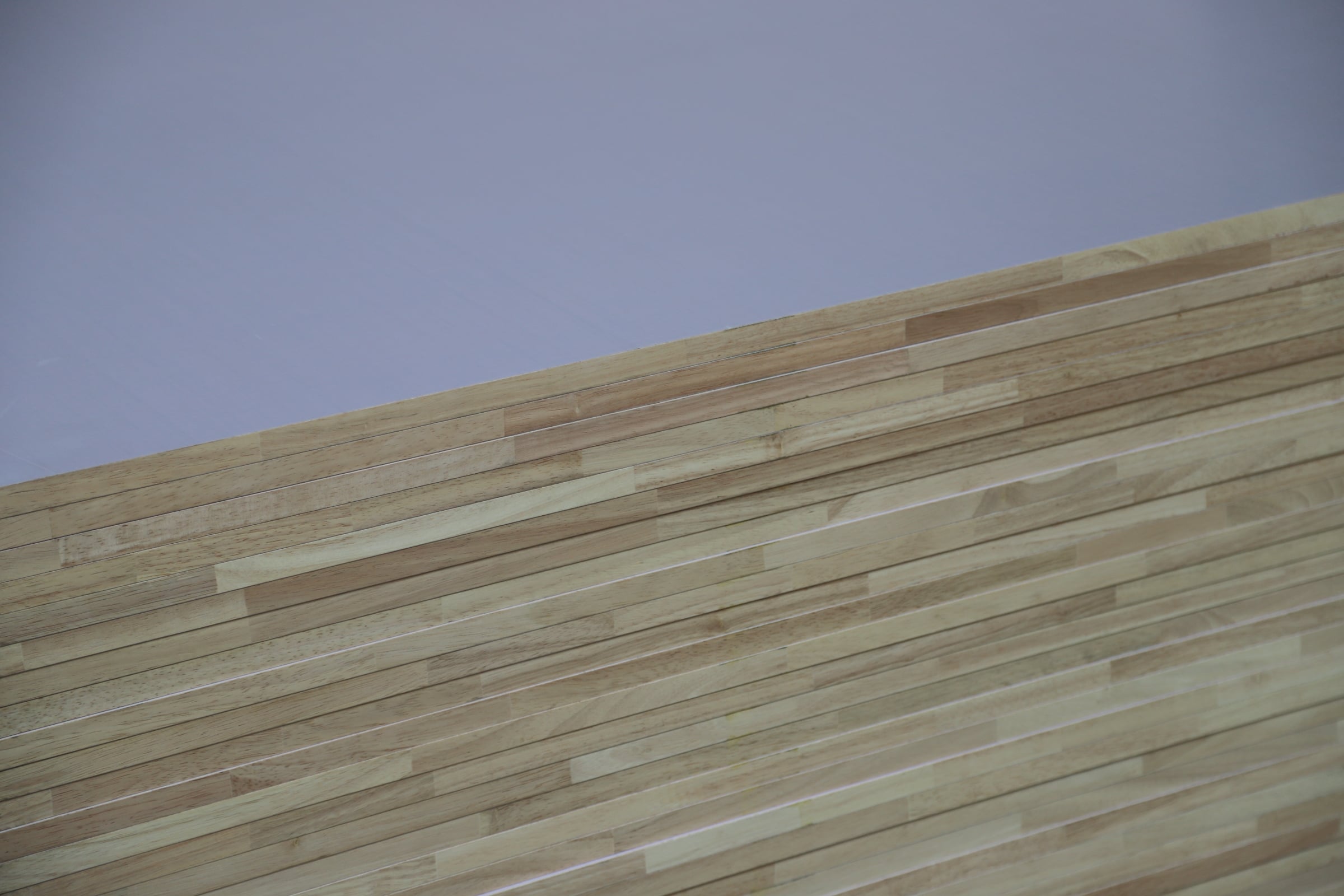
When selecting materials for interior applications, understanding the durability characteristics of particleboard becomes essential for making informed decisions. This engineered wood product has gained significant popularity in residential and commercial construction due to its cost-effectiveness and versatility. The durability of particleboard depends on multiple factors including manufacturing quality, environmental conditions, and proper installation techniques. Modern particleboard manufacturing has evolved considerably, incorporating advanced binding agents and surface treatments that enhance longevity and performance in various interior settings.
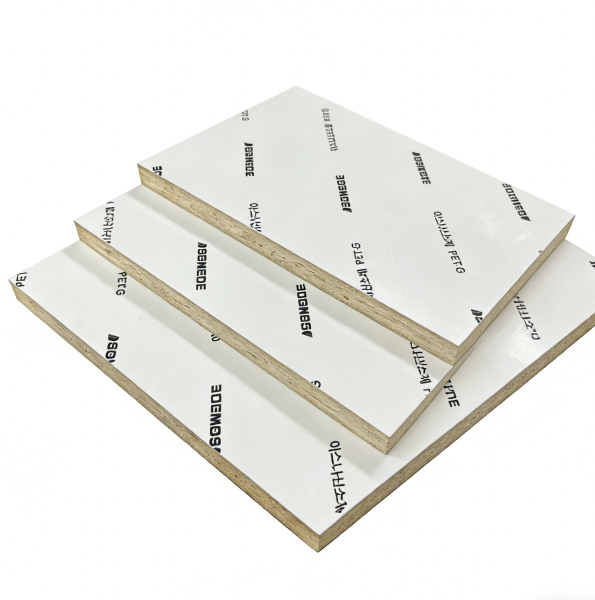
The structural integrity of particleboard in interior environments primarily depends on moisture exposure levels and load-bearing requirements. High-quality particleboard products demonstrate remarkable stability when properly protected from excessive humidity and water contact. Interior applications such as cabinet construction, shelving systems, and furniture manufacturing benefit from particleboard's consistent dimensional stability and smooth surface characteristics. The key to maximizing durability lies in selecting appropriate grades and ensuring proper edge sealing during installation processes.
Manufacturing Quality and Durability Factors
Resin Systems and Bonding Technology
The durability of particleboard heavily relies on the quality of resin systems used during manufacturing processes. Modern particleboard production utilizes advanced urea-formaldehyde and phenol-formaldehyde resins that create stronger intermolecular bonds between wood particles. These sophisticated binding agents contribute significantly to the overall structural integrity and resistance to delamination over extended periods. The curing process temperature and pressure settings during manufacturing directly impact the final density and strength characteristics of the finished particleboard product.
Premium particleboard manufacturers implement multi-stage pressing techniques that ensure uniform density distribution throughout the panel thickness. This manufacturing approach eliminates weak spots and potential failure points that could compromise long-term durability in interior applications. The particle size gradation and orientation also play crucial roles in determining the mechanical properties and dimensional stability of the final product under varying environmental conditions.
Surface Treatment and Protection Systems
Surface treatments significantly enhance the durability and performance characteristics of particleboard in interior environments. Melamine laminate surfaces provide excellent resistance to scratches, stains, and moisture penetration while maintaining aesthetic appeal over extended periods. Vinyl wrapping and PET film applications offer additional protection layers that prevent edge swelling and surface degradation common in untreated particleboard products.
The application of protective coatings during manufacturing creates a barrier against environmental factors that typically compromise particleboard integrity. These surface treatments not only extend the service life but also reduce maintenance requirements in high-traffic interior applications. Quality control measures during surface application ensure consistent adhesion and uniform protection across the entire panel surface.
Environmental Performance in Interior Settings
Moisture Resistance and Humidity Management
Interior moisture levels significantly influence the long-term durability of particleboard installations. Standard particleboard performs adequately in controlled indoor environments with relative humidity levels between 30-50 percent. However, areas with higher moisture exposure such as kitchens and bathrooms require moisture-resistant particleboard grades or additional protective treatments to maintain structural integrity over time.
Proper ventilation systems and climate control measures help maintain optimal environmental conditions that support particleboard durability. Edge sealing with appropriate sealants prevents moisture infiltration through exposed particle board edges, which represents the most vulnerable area for water damage. Regular monitoring of indoor humidity levels helps identify potential issues before they compromise the structural performance of particleboard installations.
Temperature Stability and Thermal Cycling
The thermal stability of particleboard in interior applications demonstrates excellent performance under normal temperature variations. Seasonal temperature fluctuations typically encountered in residential and commercial buildings do not adversely affect properly installed particleboard systems. The low thermal expansion coefficient of quality particleboard products minimizes dimensional changes that could lead to joint separation or surface cracking over time.
Extreme temperature conditions can impact the resin bond strength and overall structural integrity of particleboard materials. However, interior applications rarely encounter temperature extremes that would compromise the durability of properly manufactured particleboard products. Proper installation techniques that account for minimal thermal movement ensure long-term dimensional stability and prevent stress-related failures.
Load-Bearing Capacity and Structural Performance
Static Load Distribution and Support Requirements
The load-bearing capacity of particleboard varies significantly based on panel thickness, density, and support spacing in interior applications. Proper structural design considers the deflection limits and maximum allowable loads to ensure adequate performance throughout the service life. Standard particleboard grades provide sufficient strength for typical interior applications including shelving, cabinetry, and non-structural partition systems.
Distributed loading conditions generally produce better durability results than concentrated point loads on particleboard surfaces. Proper support spacing and load distribution techniques help maximize the structural efficiency and extend the service life of particleboard installations. Understanding the creep characteristics under sustained loading helps designers specify appropriate safety factors for long-term durability.
Impact Resistance and Surface Durability
Impact resistance characteristics of particleboard depend on surface treatments and core density specifications. High-density particleboard products demonstrate superior resistance to denting and surface damage compared to lower-density alternatives. The selection of appropriate particleboard grades ensures optimal performance for specific interior application requirements.
Surface hardness ratings provide valuable guidance for selecting particleboard products suitable for high-wear interior environments. Protective surface layers significantly improve impact resistance and extend the aesthetic life of particleboard installations. Proper handling and installation techniques prevent damage during construction phases that could compromise long-term durability performance.
Installation Practices for Maximum Durability
Fastening Systems and Connection Methods
Proper fastening techniques significantly influence the long-term durability of particleboard installations in interior applications. Mechanical fasteners must be sized appropriately to prevent over-compression of the particle structure while providing adequate holding power. Pre-drilling pilot holes for screws prevents splitting and ensures consistent fastener engagement throughout the particleboard thickness.
Advanced connection systems such as cam locks and confirmat screws provide superior joint strength and allow for disassembly without compromising the particleboard integrity. The selection of appropriate fastener materials prevents corrosion issues that could weaken connections over time. Proper torque specifications during installation ensure optimal fastener performance without damaging the particleboard substrate.
Edge Sealing and Protection Strategies
Edge sealing represents one of the most critical aspects of particleboard installation for ensuring long-term durability. Exposed particleboard edges remain vulnerable to moisture infiltration and mechanical damage without proper protection. Quality edge banding materials and adhesion techniques create effective barriers against environmental factors that could compromise panel integrity.
Professional edge sealing techniques include proper surface preparation, adhesive selection, and trimming procedures that ensure consistent protection along all exposed edges. The durability of edge treatments directly impacts the overall service life of particleboard installations in interior environments. Regular inspection and maintenance of edge seals help identify potential issues before they affect the core panel performance.
Maintenance Requirements and Service Life
Routine Maintenance Procedures
Regular maintenance procedures significantly extend the service life and maintain the appearance of particleboard installations in interior applications. Simple cleaning routines using appropriate cleaning agents prevent surface deterioration and maintain the protective surface treatments. Avoiding excessive moisture during cleaning operations protects the particleboard core from potential water damage.
Periodic inspection of fastener connections and joint integrity helps identify maintenance needs before they become significant problems. Prompt repair of minor surface damage prevents moisture penetration and extends the overall durability of particleboard systems. Proper maintenance scheduling based on usage intensity ensures optimal performance throughout the expected service life.
Repair Techniques and Restoration Methods
Minor damage to particleboard surfaces can often be repaired using specialized filling compounds and surface refinishing techniques. Understanding the repair capabilities and limitations of particleboard helps determine whether restoration or replacement represents the most cost-effective approach. Professional repair services can address significant damage while maintaining the structural integrity of surrounding areas.
Surface restoration techniques for particleboard include sanding, filling, and refinishing procedures that restore both appearance and protective properties. The success of repair operations depends on the extent of damage and the quality of original installation procedures. Timely intervention prevents minor issues from developing into major structural problems that require complete replacement.
Comparison with Alternative Materials
Cost-Performance Analysis
The durability characteristics of particleboard compare favorably with alternative materials when evaluated on a cost-performance basis for interior applications. While solid wood products may offer superior longevity in some applications, particleboard provides excellent value for applications where dimensional stability and cost control are primary considerations. The consistent quality and predictable performance characteristics of manufactured particleboard eliminate many variables associated with natural wood products.
Medium-density fiberboard and plywood alternatives offer different performance characteristics that may be more suitable for specific applications. However, particleboard continues to represent an optimal choice for many interior applications where proper installation and environmental controls are maintained. The availability of specialized particleboard grades allows designers to match material properties with specific performance requirements.
Environmental Considerations and Sustainability
Modern particleboard manufacturing utilizes recycled wood materials and sustainable forestry practices that support environmental responsibility goals. The efficient use of wood resources in particleboard production reduces waste and maximizes the utilization of available timber resources. Low-emission particleboard products meet stringent indoor air quality requirements while maintaining excellent durability characteristics.
Life cycle assessment studies demonstrate the environmental benefits of particleboard when durability and end-of-life considerations are included in the analysis. The ability to recycle particleboard materials at the end of their service life contributes to circular economy principles. Sustainable manufacturing practices continue to improve the environmental profile while maintaining the performance characteristics that make particleboard suitable for interior applications.
FAQ
How long does particleboard typically last in interior applications
The service life of particleboard in interior applications typically ranges from 10 to 25 years depending on quality grade, environmental conditions, and usage intensity. High-quality particleboard products with proper surface treatments can achieve service lives comparable to traditional materials when installed correctly. Factors such as moisture exposure, mechanical stress, and maintenance practices significantly influence the actual durability performance in specific applications.
What are the main factors that affect particleboard durability
The primary factors affecting particleboard durability include moisture exposure levels, manufacturing quality, surface protection systems, and installation techniques. Environmental conditions such as humidity fluctuations and temperature variations can impact long-term performance if not properly managed. Proper edge sealing, appropriate fastening methods, and regular maintenance significantly enhance the durability and extend the service life of particleboard installations.
Can particleboard be used in high-moisture interior areas
Moisture-resistant particleboard grades specifically designed for high-humidity environments can be successfully used in areas such as kitchens and bathrooms with proper installation techniques. Standard particleboard requires additional protective treatments and careful moisture management to prevent degradation in these applications. Proper ventilation, edge sealing, and surface protection are essential for maintaining durability in moisture-prone interior locations.
How does particleboard durability compare to solid wood
Particleboard offers superior dimensional stability compared to solid wood while providing adequate durability for most interior applications at a lower cost point. While solid wood may last longer in some applications, particleboard eliminates issues such as warping, splitting, and grain-related weaknesses common in natural wood products. The consistent quality and predictable performance characteristics of particleboard make it a reliable choice for interior applications where controlled environmental conditions are maintained.