 EN
EN

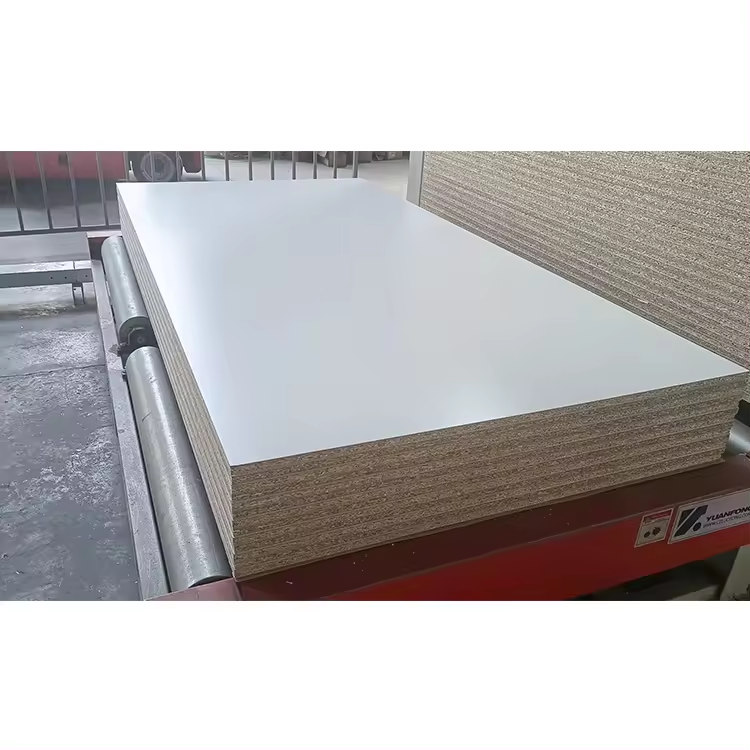
In the modern construction and furniture manufacturing industry, materials that offer versatility, cost-effectiveness, and reliable performance are highly sought after. Among these materials, chipboard particle board stands out as one of the most practical and widely used engineered wood products. This composite material has revolutionized the way we approach interior design, cabinetry, and structural applications, providing builders and manufacturers with an affordable alternative to solid wood without compromising on functionality.
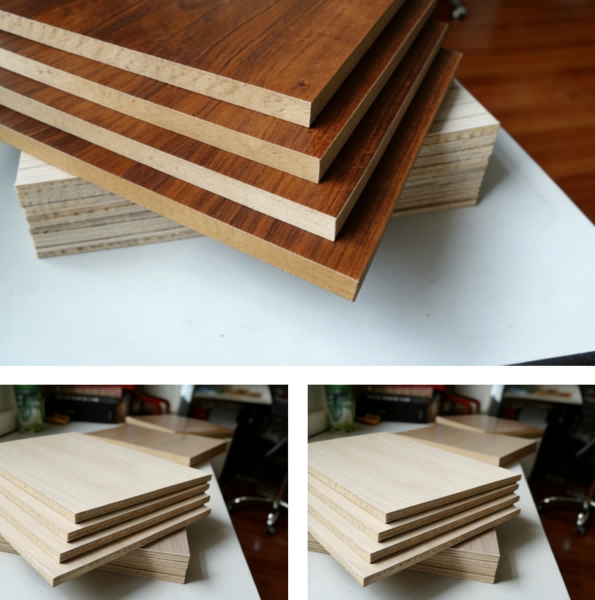
The growing popularity of chipboard particle board in commercial and residential projects stems from its unique combination of engineering excellence and economic viability. As sustainable building practices become increasingly important, this material offers an environmentally conscious solution that utilizes recycled wood fibers and sawmill waste. Understanding the comprehensive benefits of chipboard particle board helps architects, contractors, and DIY enthusiasts make informed decisions for their projects while achieving optimal results within budget constraints.
Fundamental Characteristics and Composition
Manufacturing Process and Material Components
The production of chipboard particle board involves a sophisticated manufacturing process that transforms wood waste into a uniform, stable building material. Wood chips, sawdust, and other wood particles are combined with synthetic resin binders under high pressure and temperature conditions. This process creates a dense, consistent panel that exhibits predictable performance characteristics across its entire surface area, making it ideal for applications requiring dimensional stability.
The quality of chipboard particle board depends heavily on the particle size distribution and the type of adhesive used in manufacturing. Modern production facilities utilize advanced grading systems to ensure consistent particle sizing, while formaldehyde-free binders have become standard to meet environmental and health regulations. This careful attention to manufacturing details results in panels that deliver reliable performance in various climate conditions and application scenarios.
Density Classifications and Performance Standards
Different density grades of chipboard particle board serve specific applications based on their intended use and load requirements. Low-density panels typically range from 300-600 kg/m³ and are suitable for lightweight applications such as interior paneling and non-structural components. Medium-density options fall between 600-700 kg/m³ and provide enhanced strength for shelving and cabinet construction, while high-density variants exceed 700 kg/m³ for structural applications.
Industry standards govern the performance characteristics of chipboard particle board to ensure consistency across manufacturers and applications. These standards address factors such as moisture resistance, formaldehyde emissions, screw holding power, and surface smoothness. Compliance with these standards guarantees that panels will perform reliably in their intended applications while meeting safety and environmental requirements.
Cost-Effectiveness and Economic Benefits
Material Cost Advantages
One of the most compelling advantages of chipboard particle board lies in its exceptional cost-effectiveness compared to solid wood alternatives. The manufacturing process utilizes wood waste products that would otherwise be discarded, creating significant raw material savings that translate into lower consumer prices. This economic efficiency makes chipboard particle board an attractive option for large-scale projects where budget considerations are paramount without sacrificing quality or performance.
The price stability of chipboard particle board provides additional economic benefits for project planning and budgeting. Unlike solid wood, which experiences significant price fluctuations based on market conditions and availability, engineered wood products maintain more consistent pricing throughout the year. This predictability allows contractors and manufacturers to provide accurate cost estimates and maintain profit margins while delivering value to their customers.
Labor and Installation Efficiency
The uniform density and consistent properties of chipboard particle board significantly reduce labor costs during installation and fabrication processes. Workers can predict how the material will behave during cutting, drilling, and fastening operations, eliminating the need for specialized techniques required with natural wood variations. This consistency translates into faster installation times and reduced waste due to mistakes or material defects.
Standardized dimensions and surface quality of chipboard particle board panels eliminate the need for extensive preparation work before installation. Unlike solid wood, which may require planing, sanding, or other surface treatments, these engineered panels arrive ready for immediate use. This time-saving advantage is particularly valuable in commercial construction projects where schedule adherence is critical for overall project success.
Versatility in Applications
Furniture and Cabinetry Applications
The furniture industry has embraced chipboard particle board as a primary material for cabinet construction, shelving systems, and modular furniture components. Its smooth, uniform surface provides an excellent substrate for various finishing techniques, including veneer application, laminate bonding, and direct painting. The dimensional stability of chipboard particle board ensures that finished furniture pieces maintain their shape and appearance over extended periods of use.
Custom cabinetry manufacturers particularly value chipboard particle board for its ability to accommodate complex joinery and hardware installation. The material's consistent density allows for precise screw placement and reliable holding power, essential for cabinet doors, drawers, and adjustable shelving systems. Additionally, the smooth surface eliminates the grain irregularities found in solid wood that can interfere with precise hardware placement and operation.
Construction and Architectural Elements
In construction applications, chipboard particle board serves as an effective substrate for flooring systems, wall panels, and roof decking. Its structural integrity and load-bearing capacity make it suitable for subflooring applications where it provides a stable base for finish flooring materials. The material's resistance to warping and twisting ensures that finished floors remain flat and true over time, preventing costly callback repairs.
Architectural applications of chipboard particle board extend to interior wall systems, ceiling panels, and decorative elements. The material's ability to accept various surface treatments allows architects to achieve specific aesthetic goals while maintaining cost control. Whether used as a substrate for decorative veneers or as a base for painted surfaces, chipboard particle board provides the stability and consistency required for professional-quality results.
Surface Treatment and Finishing Options
Veneer and Laminate Applications
The smooth, uniform surface of chipboard particle board makes it an ideal substrate for high-quality veneer applications. Wood veneers bond effectively to the consistent surface, creating furniture and architectural elements that rival solid wood in appearance while maintaining superior dimensional stability. The absence of grain irregularities in chipboard particle board ensures uniform veneer adhesion and prevents telegraphing of substrate imperfections through the finished surface.
Laminate applications benefit from the flat, stable surface provided by chipboard particle board substrates. Whether using decorative plastic laminates, paper-based overlays, or specialized surface treatments, the consistent density and smooth finish of the substrate ensure reliable adhesion and long-term durability. This compatibility with various surface treatments expands the design possibilities for architects and furniture manufacturers.
Paint and Stain Compatibility
Direct finishing of chipboard particle board with paints and stains offers additional versatility for specific applications. The uniform porosity of the surface ensures consistent paint absorption and color development, eliminating the blotching and uneven coverage often encountered with natural wood substrates. Proper surface preparation, including sealing and sanding, creates an excellent base for high-quality painted finishes.
Specialty primers and sealers designed specifically for chipboard particle board enhance paint adhesion and durability while preventing moisture infiltration that could compromise the panel's structural integrity. These finishing systems allow manufacturers to create cost-effective painted furniture and architectural elements that maintain their appearance under normal use conditions.
Environmental Sustainability
Waste Reduction and Resource Utilization
The production of chipboard particle board represents an excellent example of sustainable manufacturing practices through its utilization of wood waste materials that would otherwise be discarded. Sawmill residues, wood chips from logging operations, and recycled wood products form the primary raw materials for chipboard particle board manufacturing. This approach reduces landfill waste while creating valuable building materials from previously unused resources.
Forest conservation benefits result from the efficient use of wood fiber in chipboard particle board production. A single tree can produce significantly more square footage of engineered panels compared to traditional lumber processing, maximizing the utility derived from each harvested tree. This efficiency reduces pressure on forest resources while meeting growing demand for wood-based building materials in construction and manufacturing applications.
Renewable Resource Management
Modern chipboard particle board manufacturing increasingly relies on wood fiber from sustainably managed forests and certified renewable sources. Third-party certification programs ensure that raw materials come from responsibly managed forest operations that maintain ecological balance and support long-term forest health. This sustainable sourcing approach aligns with green building initiatives and environmental responsibility goals.
The recyclability of chipboard particle board at the end of its useful life contributes to circular economy principles in the construction industry. Used panels can be processed into new products or converted into biomass fuel, preventing waste accumulation and extracting maximum value from the original wood fiber investment. This complete lifecycle approach supports sustainable building practices and environmental stewardship.
Dimensional Stability and Performance
Moisture Resistance Characteristics
Advanced manufacturing techniques have significantly improved the moisture resistance of chipboard particle board through specialized adhesive systems and surface treatments. Modern panels incorporate moisture-resistant binders that maintain structural integrity even when exposed to moderate humidity levels. This enhanced moisture resistance expands the range of applications for chipboard particle board beyond traditional interior uses.
Proper edge sealing and surface treatments further enhance the moisture resistance of chipboard particle board installations. Specialized edge banding materials and sealers prevent moisture infiltration at panel joints and cut edges, maintaining the material's structural properties throughout its service life. These protective measures are particularly important in kitchen, bathroom, and other high-humidity applications.
Thermal and Mechanical Stability
The engineered structure of chipboard particle board provides excellent thermal stability compared to solid wood alternatives. The random orientation of wood particles and uniform density distribution minimize thermal expansion and contraction, reducing the risk of warping, splitting, or dimensional changes due to temperature fluctuations. This stability is particularly valuable in applications where precise dimensions must be maintained over varying environmental conditions.
Mechanical properties of chipboard particle board, including screw holding power, internal bond strength, and load-bearing capacity, remain consistent throughout the panel's service life when properly installed and maintained. The engineered structure distributes loads evenly across the panel, preventing the stress concentrations that can lead to failure in natural wood products. This reliable performance makes chipboard particle board suitable for structural and semi-structural applications in construction and furniture manufacturing.
Quality Control and Standards Compliance
Manufacturing Quality Assurance
Quality control procedures in chipboard particle board manufacturing ensure consistent product performance through rigorous testing and monitoring of production parameters. Automated systems continuously monitor particle size distribution, moisture content, adhesive application rates, and pressing conditions to maintain optimal panel properties. This systematic approach to quality control results in products that meet or exceed published performance specifications.
Third-party testing and certification programs validate the performance characteristics of chipboard particle board products, providing end users with confidence in material specifications. Independent laboratories conduct comprehensive testing for structural properties, environmental emissions, and durability factors to ensure compliance with applicable building codes and industry standards. This verification process supports professional design decisions and regulatory compliance.
Industry Standards and Certifications
International and national standards organizations have established comprehensive specifications for chipboard particle board products to ensure consistent quality and performance across different manufacturers and markets. These standards address physical properties, environmental emissions, installation guidelines, and application limitations to provide clear guidance for architects, engineers, and contractors using these materials in their projects.
Environmental certifications for chipboard particle board products address formaldehyde emissions, sustainable sourcing, and manufacturing processes to support green building initiatives and occupant health considerations. Low-emission and formaldehyde-free variants are now standard in many markets, reflecting growing awareness of indoor air quality concerns and environmental responsibility in building material selection.
FAQ
What makes chipboard particle board different from other engineered wood products
Chipboard particle board is manufactured using wood particles of various sizes combined with synthetic adhesives under high pressure and temperature. Unlike plywood, which uses continuous wood veneers, or MDF, which uses fine wood fibers, chipboard particle board utilizes a mixture of wood chips and particles that creates a unique balance of strength, cost-effectiveness, and workability. This manufacturing process results in a material that offers good structural properties while maintaining affordability for large-scale applications.
How long does chipboard particle board typically last in furniture applications
When properly manufactured and protected from excessive moisture, chipboard particle board can provide decades of reliable service in furniture applications. The lifespan depends on factors such as panel density, adhesive quality, surface treatments, and environmental conditions. High-quality chipboard particle board used in kitchen cabinets and office furniture routinely performs well for 15-20 years or more with appropriate care and maintenance, making it a durable choice for both residential and commercial applications.
Can chipboard particle board be used in moisture-prone areas like bathrooms
Modern moisture-resistant chipboard particle board formulations can be successfully used in moderate moisture environments when properly sealed and protected. Specialized adhesive systems and surface treatments enhance moisture resistance, but proper installation techniques including edge sealing and adequate ventilation remain critical for long-term performance. For high-moisture areas like shower surrounds, alternative materials may be more appropriate, but chipboard particle board works well for vanity cabinets and other bathroom furniture when properly protected.
What are the environmental benefits of choosing chipboard particle board over solid wood
Chipboard particle board offers significant environmental advantages through its utilization of wood waste materials that would otherwise be discarded or burned. The manufacturing process maximizes fiber utilization from each tree, reducing pressure on forest resources while creating valuable building materials. Additionally, many manufacturers now use formaldehyde-free adhesives and source raw materials from certified sustainable forests, supporting responsible forest management and reducing environmental impact compared to traditional solid wood harvesting practices.
Table of Contents
- Fundamental Characteristics and Composition
- Cost-Effectiveness and Economic Benefits
- Versatility in Applications
- Surface Treatment and Finishing Options
- Environmental Sustainability
- Dimensional Stability and Performance
- Quality Control and Standards Compliance
-
FAQ
- What makes chipboard particle board different from other engineered wood products
- How long does chipboard particle board typically last in furniture applications
- Can chipboard particle board be used in moisture-prone areas like bathrooms
- What are the environmental benefits of choosing chipboard particle board over solid wood