 EN
EN

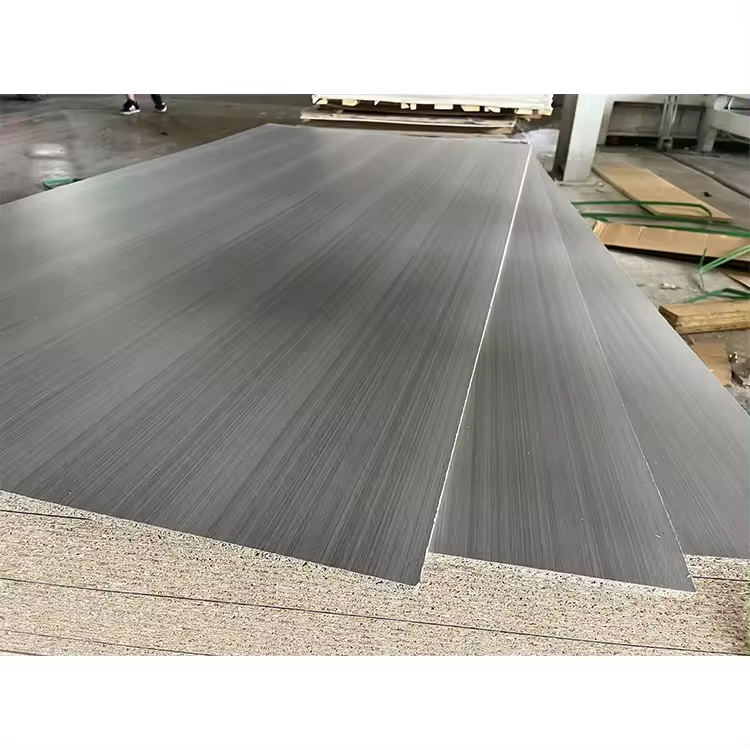
When considering materials for interior projects, many homeowners and contractors find themselves evaluating the merits of chipboard particle board as a practical solution. This engineered wood product has gained significant traction in the construction and furniture industries due to its versatility, affordability, and functional characteristics. Understanding whether chipboard particle board meets your specific interior project requirements involves examining its composition, benefits, limitations, and optimal applications within residential and commercial spaces.
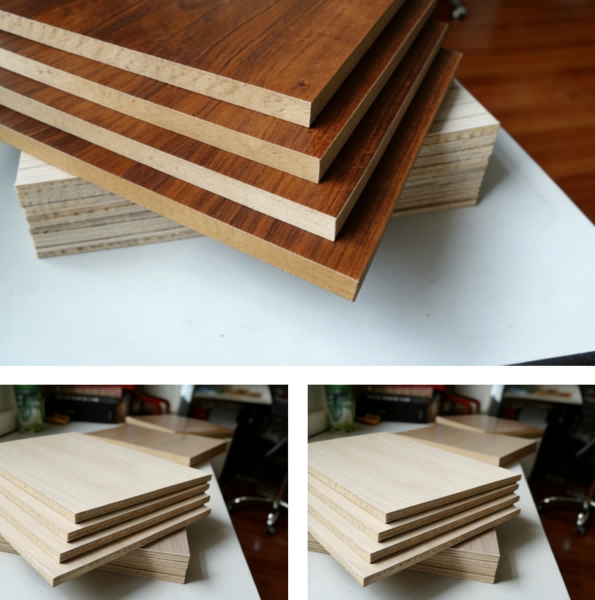
The construction industry has witnessed a remarkable evolution in engineered wood products, with chipboard particle board emerging as a cornerstone material for numerous interior applications. This composite material offers unique advantages that make it particularly suitable for cabinet construction, furniture manufacturing, and decorative installations. However, making an informed decision requires a comprehensive understanding of how this material performs across different environmental conditions and project specifications.
Understanding Chipboard Particle Board Composition and Manufacturing
Core Material Structure and Density
Chipboard particle board consists of wood chips, sawdust, and binding agents compressed under high pressure and temperature to create a uniform, dense panel. The manufacturing process involves carefully controlling the size and distribution of wood particles, ensuring optimal density and structural integrity throughout the board. This engineered approach allows manufacturers to create consistent products with predictable performance characteristics, making chipboard particle board reliable for various interior applications.
The density of chipboard particle board typically ranges from 600 to 800 kilograms per cubic meter, providing excellent screw holding capacity and dimensional stability. This density level strikes an optimal balance between strength and workability, allowing contractors and DIY enthusiasts to cut, drill, and shape the material using standard woodworking tools. The uniform particle distribution ensures consistent performance across the entire panel surface.
Binding Agents and Environmental Considerations
Modern chipboard particle board production utilizes advanced binding agents that minimize formaldehyde emissions while maintaining structural integrity. These eco-friendly adhesives contribute to healthier indoor air quality, addressing previous concerns about volatile organic compound emissions. Manufacturers have significantly improved their formulations to meet stringent environmental standards and building codes.
The selection of binding agents directly impacts the moisture resistance and durability of chipboard particle board. High-quality manufacturers incorporate moisture-resistant additives that enhance the material's performance in humid environments, extending its service life in kitchens, bathrooms, and other moisture-prone areas. These improvements have expanded the viable applications for chipboard particle board in interior projects.
Advantages of Chipboard Particle Board for Interior Applications
Cost-Effectiveness and Budget Considerations
One of the most compelling reasons to choose chipboard particle board for interior projects is its exceptional cost-effectiveness compared to solid wood or other premium materials. This affordability allows homeowners and contractors to complete larger projects within budget constraints while still achieving professional-quality results. The material's consistent pricing makes it easy to estimate project costs accurately.
The economic advantages of chipboard particle board extend beyond initial material costs to include reduced labor expenses due to its ease of installation and machining. Contractors can work more efficiently with this material, translating cost savings directly to project budgets. Additionally, the standardized dimensions and consistent quality eliminate waste typically associated with natural wood variations.
Versatility and Design Flexibility
Chipboard particle board offers remarkable versatility in interior design applications, accepting various surface treatments including melamine lamination, veneer application, and paint finishes. This adaptability allows designers to achieve diverse aesthetic goals while maintaining structural consistency throughout the project. The smooth, uniform surface provides an excellent substrate for decorative treatments.
The dimensional stability of chipboard particle board makes it particularly suitable for cabinet construction, shelving systems, and built-in furniture where precise measurements and consistent performance are essential. Unlike solid wood, this engineered material resists warping, splitting, and seasonal movement, ensuring long-term dimensional accuracy in completed installations.
Performance Characteristics in Different Interior Environments
Moisture Resistance and Humidity Management
While traditional chipboard particle board has limitations in high-moisture environments, modern formulations include moisture-resistant properties that significantly expand its interior applications. Manufacturers now produce specialized grades with enhanced water resistance suitable for kitchen cabinets, bathroom vanities, and laundry room installations. These improved formulations maintain structural integrity even under moderate moisture exposure.
Proper edge sealing and surface treatments can further enhance the moisture resistance of chipboard particle board installations. When combined with appropriate ventilation and humidity control measures, this material performs admirably in most interior environments. Understanding these performance parameters helps ensure successful project outcomes.
Load-Bearing Capacity and Structural Applications
The engineering behind chipboard particle board provides impressive load-bearing capabilities for interior structural applications. Properly supported panels can handle significant weight loads, making them suitable for heavy-duty shelving, cabinet construction, and furniture applications. The uniform density distribution ensures predictable load performance across the entire panel surface.
When selecting chipboard particle board for load-bearing applications, understanding the material's mechanical properties becomes crucial for safe and effective installations. Proper fastener selection and installation techniques maximize the material's structural capabilities while ensuring long-term performance reliability.
Installation Techniques and Best Practices
Cutting and Machining Considerations
Working with chipboard particle board requires specific techniques to achieve clean, professional results and prevent chipping or delamination during cutting operations. Using sharp carbide-tipped blades and supporting the panel properly during cuts ensures smooth edges and reduces waste. The material machines well with standard woodworking tools when proper techniques are employed.
Edge banding and sealing become particularly important when working with chipboard particle board, as exposed edges can be vulnerable to moisture intrusion and mechanical damage. Professional-quality edge banding materials and application techniques protect these vulnerable areas while enhancing the overall appearance of the finished installation.
Fastener Selection and Joining Methods
The success of chipboard particle board installations depends heavily on proper fastener selection and joining techniques. The material's density and composition require specific screw types and pilot hole procedures to achieve maximum holding strength. Understanding these requirements prevents fastener failure and ensures long-term joint integrity.
Advanced joining methods including dowels, biscuits, and mechanical fasteners can enhance the structural performance of chipboard particle board assemblies. These techniques distribute loads more effectively and create stronger, more durable connections than traditional wood screws alone. Proper joint design maximizes the material's inherent strengths.
Comparing Chipboard Particle Board to Alternative Materials
Performance Against Solid Wood Options
When evaluating chipboard particle board against solid wood alternatives, several key factors emerge that influence material selection decisions. While solid wood offers natural beauty and traditional appeal, chipboard particle board provides superior dimensional stability and consistent performance characteristics. The engineered nature of chipboard particle board eliminates many of the unpredictable variables associated with natural wood grain and density variations.
Cost comparisons consistently favor chipboard particle board over solid wood options, particularly for large-scale interior projects where material quantities significantly impact overall budgets. The consistent availability and standardized sizing of chipboard particle board also provide logistical advantages over solid wood materials that may have supply chain variations.
Competition with Other Engineered Wood Products
The engineered wood market includes various alternatives to chipboard particle board, including medium-density fiberboard (MDF) and oriented strand board (OSB). Each material offers distinct advantages and limitations that influence their suitability for specific interior applications. Chipboard particle board typically provides the best balance of strength, workability, and cost-effectiveness for most cabinet and furniture applications.
Understanding the performance characteristics of different engineered wood products helps contractors and homeowners make informed material selections based on specific project requirements. Chipboard particle board excels in applications requiring good screw holding power, moderate strength requirements, and cost-effective solutions.
Environmental Impact and Sustainability Considerations
Resource Utilization and Waste Reduction
The production of chipboard particle board represents an excellent example of sustainable resource utilization, as manufacturers typically use wood waste products and fast-growing tree species that might otherwise have limited commercial value. This approach maximizes forest resource efficiency while reducing waste streams in lumber production operations.
Modern chipboard particle board manufacturing processes incorporate recycled wood content, further enhancing the environmental benefits of this material choice. The ability to utilize post-consumer wood waste and manufacturing byproducts demonstrates the circular economy principles that make chipboard particle board an environmentally responsible choice for interior projects.
Indoor Air Quality and Health Considerations
Contemporary chipboard particle board products have addressed previous concerns about formaldehyde emissions through advanced binding agent technologies and manufacturing processes. Many manufacturers now produce low-emission or formaldehyde-free versions that meet strict indoor air quality standards for residential and commercial applications.
Third-party certifications and testing programs verify the indoor air quality performance of modern chipboard particle board products, providing assurance for health-conscious consumers and builders. These improvements have eliminated most health concerns previously associated with engineered wood products.
Common Applications and Project Examples
Cabinet Construction and Kitchen Installations
Kitchen cabinet construction represents one of the most popular applications for chipboard particle board in interior projects. The material's dimensional stability and smooth surface make it ideal for both cabinet boxes and door construction when properly finished with melamine or veneer surfaces. Professional cabinet manufacturers frequently choose chipboard particle board for its consistency and cost-effectiveness.
The ability to achieve precise tolerances and consistent results makes chipboard particle board particularly valuable in custom cabinet installations where multiple units must fit together seamlessly. The material's machinability allows for complex joinery and hardware installation without the unpredictable grain patterns that can complicate solid wood cabinet construction.
Built-in Furniture and Storage Solutions
Built-in furniture applications showcase the versatility of chipboard particle board in creating custom storage solutions, entertainment centers, and workspace installations. The material's ability to accept various surface treatments allows designers to match existing décor while creating functional, durable installations that maximize space utilization.
Closet systems and organizational installations benefit from the dimensional stability and consistent performance of chipboard particle board, ensuring that shelving and storage components maintain their alignment and functionality over time. The material's strength-to-weight ratio makes it particularly suitable for suspended and wall-mounted applications.
FAQ
How long does chipboard particle board last in interior applications
Chipboard particle board can last 15-25 years or more in typical interior applications when properly installed and maintained. The longevity depends on environmental conditions, installation quality, and the specific grade of material used. High-quality chipboard particle board with proper edge sealing and surface protection can provide decades of reliable service in most interior environments.
Can chipboard particle board be painted or stained like regular wood
Yes, chipboard particle board can be successfully painted or stained, though it requires proper surface preparation and primer application for optimal results. The uniform surface texture accepts paint well, often providing a smoother finish than natural wood. However, staining may not penetrate as deeply as with solid wood, so surface stains or tinted primers often provide better color consistency.
Is chipboard particle board suitable for bathroom installations
Modern moisture-resistant chipboard particle board formulations can be suitable for bathroom applications with proper installation and sealing techniques. Edge sealing is particularly critical in humid environments, and adequate ventilation helps ensure long-term performance. Many manufacturers produce bathroom-grade chipboard particle board specifically designed for these demanding applications.
What tools are needed to work with chipboard particle board effectively
Standard woodworking tools work well with chipboard particle board, including circular saws, table saws, routers, and drill drivers. Carbide-tipped blades provide the best cutting results and longest tool life. A high-quality edge banding trimmer and contact cement application tools are helpful for professional-looking edge finishing. Proper dust collection is recommended as the material produces fine particles during machining operations.
Table of Contents
- Understanding Chipboard Particle Board Composition and Manufacturing
- Advantages of Chipboard Particle Board for Interior Applications
- Performance Characteristics in Different Interior Environments
- Installation Techniques and Best Practices
- Comparing Chipboard Particle Board to Alternative Materials
- Environmental Impact and Sustainability Considerations
- Common Applications and Project Examples
- FAQ