 EN
EN

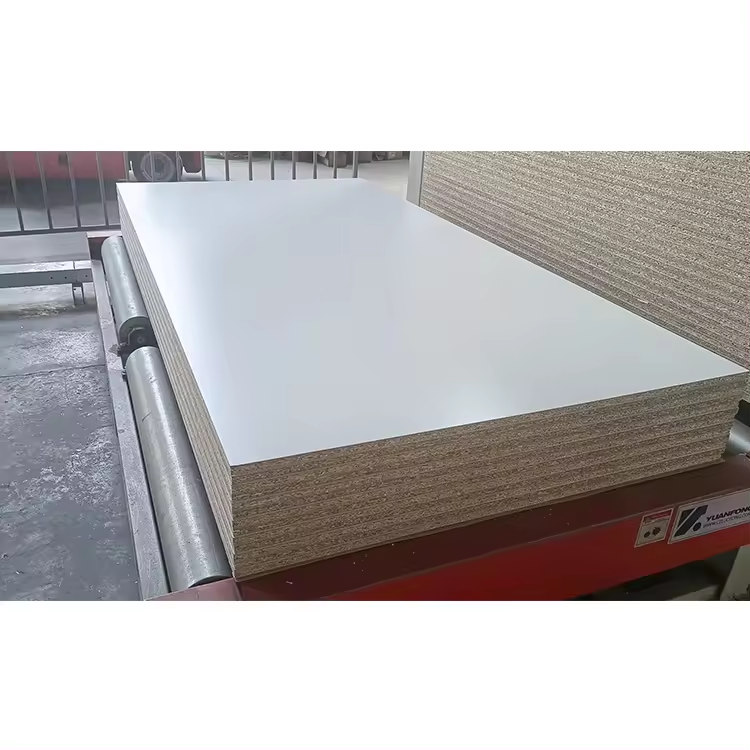
The versatility and cost-effectiveness of chipboard particle board have made it an essential material in modern construction, furniture manufacturing, and interior design applications. This engineered wood product, created from wood chips, sawmill shavings, and adhesive resins, offers exceptional value for money while delivering reliable structural performance across numerous industries. Understanding the diverse applications of chipboard particle board helps manufacturers, contractors, and designers make informed decisions about material selection for their specific project requirements. From residential cabinetry to commercial flooring underlayment, this composite material continues to evolve with advancing manufacturing technologies and environmental considerations.
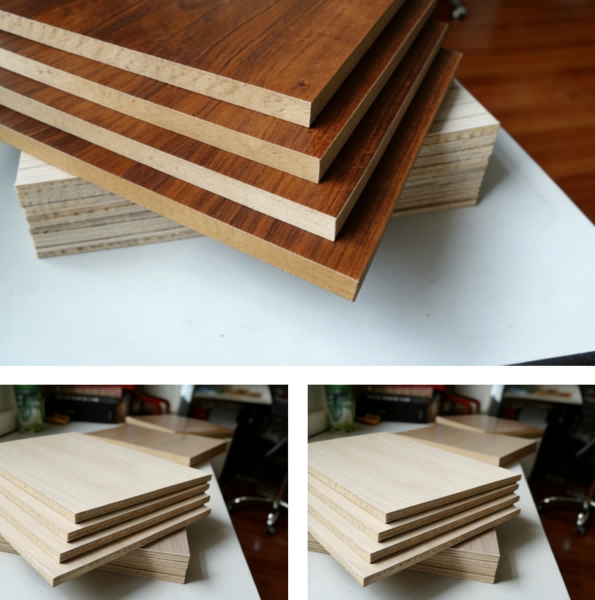
Understanding Modern Chipboard Particle Board Composition
Manufacturing Process and Material Components
Modern chipboard particle board production involves sophisticated manufacturing processes that combine recycled wood waste with synthetic adhesives under controlled temperature and pressure conditions. The base material consists primarily of wood particles ranging from fine sawdust to larger wood chips, sourced from softwood and hardwood species depending on the intended application. These particles undergo careful sorting and sizing to ensure optimal bonding characteristics and uniform density distribution throughout the finished product. The adhesive systems typically employed include urea-formaldehyde, melamine-formaldehyde, or phenol-formaldehyde resins, each selected based on specific performance requirements such as moisture resistance, formaldehyde emission levels, and structural strength properties.
The pressing operation represents a critical phase in chipboard particle board manufacturing, where the adhesive-coated wood particles are formed into mats and subjected to temperatures ranging from 160 to 200 degrees Celsius under pressures exceeding 2.5 megapascals. This thermal and mechanical treatment activates the adhesive curing process while consolidating the wood particles into a homogeneous panel structure. Quality control measures throughout production ensure consistent density profiles, moisture content levels, and dimensional stability characteristics that meet international standards for structural and non-structural applications.
Density Classifications and Performance Characteristics
Contemporary chipboard particle board products are categorized into distinct density classifications that determine their suitability for specific applications and performance requirements. Low-density grades, typically ranging from 400 to 600 kilograms per cubic meter, offer excellent thermal insulation properties and ease of machining for non-structural applications such as core materials in composite panels and lightweight furniture components. Medium-density classifications, spanning 600 to 750 kilograms per cubic meter, provide balanced performance characteristics suitable for general construction applications, subflooring systems, and furniture manufacturing where moderate strength requirements exist.
High-density chipboard particle board variants, exceeding 750 kilograms per cubic meter, deliver enhanced mechanical properties including superior screw-holding capacity, improved edge stability, and increased load-bearing capabilities for demanding structural applications. These premium grades often incorporate specialized surface treatments or core formulations to meet specific performance criteria such as moisture resistance for bathroom applications or fire retardancy for commercial installations. The selection of appropriate density grades directly impacts project outcomes in terms of durability, appearance retention, and long-term performance under service conditions.
Furniture Manufacturing Applications
Cabinet Construction and Interior Components
The furniture industry represents one of the largest consumers of chipboard particle board due to its exceptional machinability, consistent dimensional properties, and cost-effective production advantages. Kitchen and bathroom cabinetry applications extensively utilize this material for carcass construction, shelf systems, and interior partitioning components where structural integrity must be balanced with economic considerations. The uniform density characteristics of quality chipboard particle board enable precise machining operations including drilling, routing, and edge profiling without the grain tear-out issues commonly associated with solid wood alternatives.
Modern chipboard particle board products designed for cabinet applications often feature specialized surface treatments including melamine overlay systems that provide moisture resistance, stain protection, and decorative appearance options. These laminated surfaces eliminate the need for additional finishing operations while delivering consistent color matching and texture uniformity across large production runs. The dimensional stability of properly manufactured chipboard particle board minimizes warping and joint failure in cabinet assemblies, contributing to extended service life and customer satisfaction.
Office Furniture and Commercial Applications
Commercial furniture manufacturing relies heavily on chipboard particle board for desk surfaces, filing cabinets, modular storage systems, and partition panels where cost control and rapid production cycles are essential business considerations. The material's ability to accept various surface finishes including high-pressure laminates, wood veneers, and painted systems makes it particularly suitable for office environments where aesthetic flexibility must be maintained within budget constraints. Edge-banding technologies have advanced significantly to provide seamless integration between chipboard particle board cores and decorative surface materials.
Educational and institutional furniture applications benefit from the inherent fire-retardant properties that can be engineered into specialized chipboard particle board formulations through additive systems and modified adhesive chemistry. These enhanced products meet stringent building code requirements for public occupancy spaces while maintaining the workability and cost advantages that make chipboard particle board attractive for large-scale furniture procurement programs. The consistent quality and predictable performance characteristics support standardized manufacturing processes that ensure reliable delivery schedules and specification compliance.
Construction and Building Applications
Flooring Systems and Subfloor Applications
Contemporary construction projects increasingly specify chipboard particle board for subflooring applications where dimensional stability, ease of installation, and cost-effectiveness are primary selection criteria. The material's uniform density distribution provides consistent support for finish flooring materials including hardwood, laminate, carpet, and tile installations while accommodating thermal expansion and contraction cycles without compromising structural integrity. Tongue-and-groove profiles engineered into chipboard particle board subflooring panels facilitate rapid installation with minimal fastener requirements and reduced labor costs.
Moisture-resistant formulations of chipboard particle board incorporate specialized adhesive systems and additive packages that enhance dimensional stability under varying humidity conditions typically encountered in residential and commercial construction environments. These improved products demonstrate superior performance in basement applications, ground-floor installations, and other locations where occasional moisture exposure may occur. The material's thermal properties contribute to energy efficiency in building systems while providing a stable substrate for radiant heating installations and other advanced building technologies.
Wall Sheathing and Interior Partition Systems
Structural applications of chipboard particle board in wall sheathing and partition construction take advantage of the material's consistent mechanical properties and predictable performance under various loading conditions. The uniform density characteristics eliminate the weak spots and grain variations present in solid wood sheathing materials, providing reliable nail-holding capacity and resistance to withdrawal forces under wind and seismic loading scenarios. Quality chipboard particle board products meet structural building code requirements for shear wall applications when properly installed according to manufacturer specifications.
Interior partition systems utilizing chipboard particle board benefit from the material's sound-dampening properties and smooth surface characteristics that facilitate direct application of paint, wallpaper, and other decorative finishes. The dimensional stability of properly manufactured chipboard particle board minimizes fastener pop-out and joint cracking issues that can compromise interior appearance over time. Fire-rated formulations are available for commercial applications where building codes require specific flame spread and smoke development ratings for interior partition materials.
Specialized Industrial Applications
Packaging and Shipping Container Construction
Industrial packaging applications represent a growing market segment for specialized chipboard particle board products designed to meet specific strength, weight, and dimensional requirements for shipping containers, pallets, and protective packaging systems. The material's consistent density and predictable mechanical properties enable precise engineering calculations for load-bearing applications while maintaining cost advantages over alternative materials such as solid wood or metal components. Surface treatments can be applied to enhance moisture resistance and durability under harsh shipping and storage conditions.
Export packaging applications particularly benefit from the dimensional stability and pest-resistance characteristics of properly treated chipboard particle board, which helps meet international shipping requirements for wood packaging materials. Heat treatment processes can be applied during manufacturing to eliminate potential pest concerns while maintaining structural integrity and performance characteristics. The uniform thickness and smooth surface properties facilitate efficient stacking and storage of packaged goods during transportation and warehousing operations.
Automotive and Transportation Industry Uses
The automotive industry utilizes specialized grades of chipboard particle board for interior components, cargo area flooring, and sound-dampening applications where weight reduction and cost control are critical design considerations. These applications require enhanced formulations that provide improved vibration damping, temperature stability, and resistance to automotive fluids and cleaning chemicals. The material's ability to be precisely machined and shaped enables integration with complex automotive interior designs while maintaining consistent quality and appearance standards.
Recreational vehicle and marine applications employ moisture-resistant formulations of chipboard particle board for cabinet construction, flooring systems, and interior partition walls where weight considerations and dimensional stability are essential performance criteria. These specialized products incorporate enhanced adhesive systems and protective treatments that provide extended service life under challenging environmental conditions including temperature extremes, humidity variations, and mechanical vibration exposure typical of mobile applications.
Environmental Considerations and Sustainability
Recycled Content and Waste Reduction Benefits
Modern chipboard particle board manufacturing represents an excellent example of sustainable resource utilization through the incorporation of post-industrial and post-consumer wood waste materials that would otherwise require disposal in landfill facilities. The production process effectively converts sawmill residues, construction waste, and furniture manufacturing byproducts into valuable building materials, reducing overall demand for virgin timber resources while providing economic incentives for waste diversion programs. This circular economy approach contributes to forest conservation efforts and reduces the environmental impact of wood products manufacturing.
Advanced sorting and preparation technologies enable the incorporation of increasingly diverse wood waste streams into chipboard particle board production, including materials from demolition activities, packaging waste, and agricultural residues such as wheat straw and rice hulls. These alternative fiber sources expand the sustainable feedstock base while reducing transportation costs and regional waste management burdens. The resulting products maintain performance characteristics comparable to traditional wood-based formulations while demonstrating enhanced environmental credentials that support green building certification programs.
Formaldehyde Emission Control and Indoor Air Quality
Contemporary chipboard particle board products address indoor air quality concerns through the development of low-emission and no-added-formaldehyde formulations that meet or exceed stringent environmental standards for residential and commercial applications. Advanced adhesive systems including soy-based binders, polyurethane formulations, and modified melamine resins provide excellent bonding performance while minimizing volatile organic compound emissions during the product service life. These environmental improvements respond to increasing consumer awareness and regulatory requirements for healthier indoor environments.
Third-party certification programs such as GREENGUARD and CARB (California Air Resources Board) provide independent verification of emission performance for chipboard particle board products, enabling specifiers and consumers to make informed decisions based on quantitative air quality data. Manufacturers continue to invest in research and development programs focused on further reducing emission levels while maintaining the structural performance and cost advantages that make chipboard particle board attractive for various applications. These ongoing improvements support broader industry trends toward sustainable building materials and healthy indoor environments.
FAQ
What are the main advantages of using chipboard particle board in furniture construction
Chipboard particle board offers several key advantages for furniture construction including consistent dimensional properties, uniform density distribution, excellent machinability, and cost-effectiveness compared to solid wood alternatives. The material accepts various surface finishes well and provides reliable structural performance for cabinet carcasses, shelving systems, and interior components. Its stability characteristics minimize warping and joint failure issues while supporting efficient manufacturing processes and quality control standards.
How does moisture resistance vary among different chipboard particle board grades
Moisture resistance in chipboard particle board products depends primarily on the adhesive system employed and any specialized treatments applied during manufacturing. Standard grades using urea-formaldehyde adhesives provide adequate performance for interior applications with normal humidity levels, while enhanced formulations incorporating melamine or phenolic resins offer improved moisture resistance for bathroom, kitchen, and other high-humidity environments. Specialized treatments and sealers can further enhance water resistance for specific applications.
What thickness options are available for structural applications of chipboard particle board
Chipboard particle board is manufactured in thickness ranges from 6mm for decorative applications up to 38mm or more for heavy-duty structural uses. Common structural thicknesses include 12mm, 16mm, 18mm, 22mm, and 25mm panels that provide appropriate strength characteristics for subflooring, wall sheathing, and furniture construction applications. The selection of appropriate thickness depends on span requirements, loading conditions, and specific performance criteria for each application.
How does the environmental impact of chipboard particle board compare to solid wood products
Chipboard particle board typically demonstrates lower environmental impact than solid wood products due to its utilization of wood waste materials, efficient manufacturing processes, and reduced demand for virgin timber resources. The material contributes to forest conservation by converting sawmill residues and post-consumer wood waste into valuable building products. However, environmental performance varies based on adhesive systems, transportation distances, and end-of-life disposal considerations that should be evaluated for specific applications and regional conditions.
Table of Contents
- Understanding Modern Chipboard Particle Board Composition
- Furniture Manufacturing Applications
- Construction and Building Applications
- Specialized Industrial Applications
- Environmental Considerations and Sustainability
-
FAQ
- What are the main advantages of using chipboard particle board in furniture construction
- How does moisture resistance vary among different chipboard particle board grades
- What thickness options are available for structural applications of chipboard particle board
- How does the environmental impact of chipboard particle board compare to solid wood products