Versatile Design Flexibility and Aesthetic Appeal
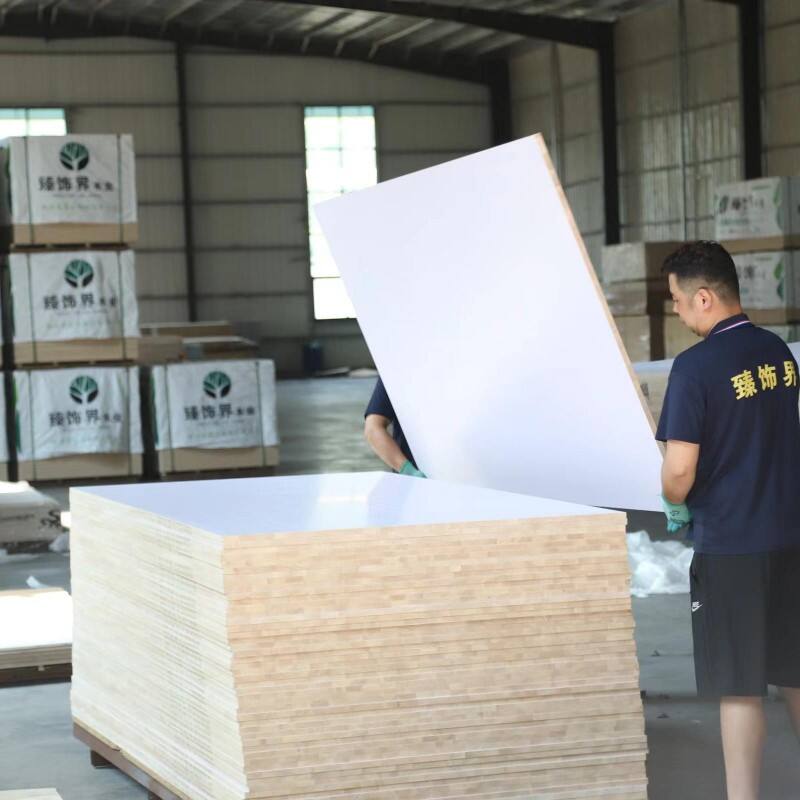
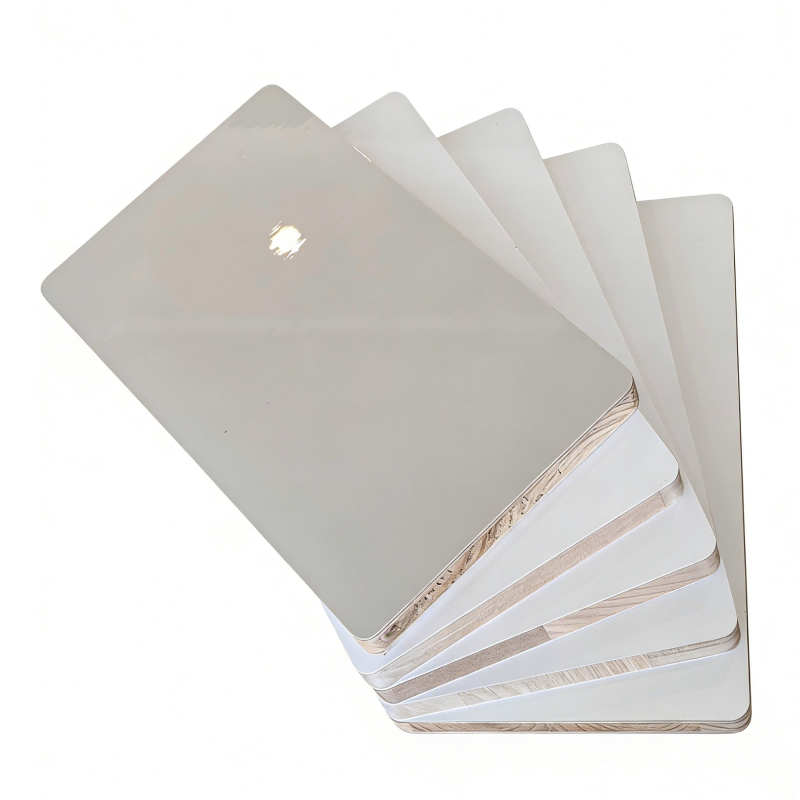
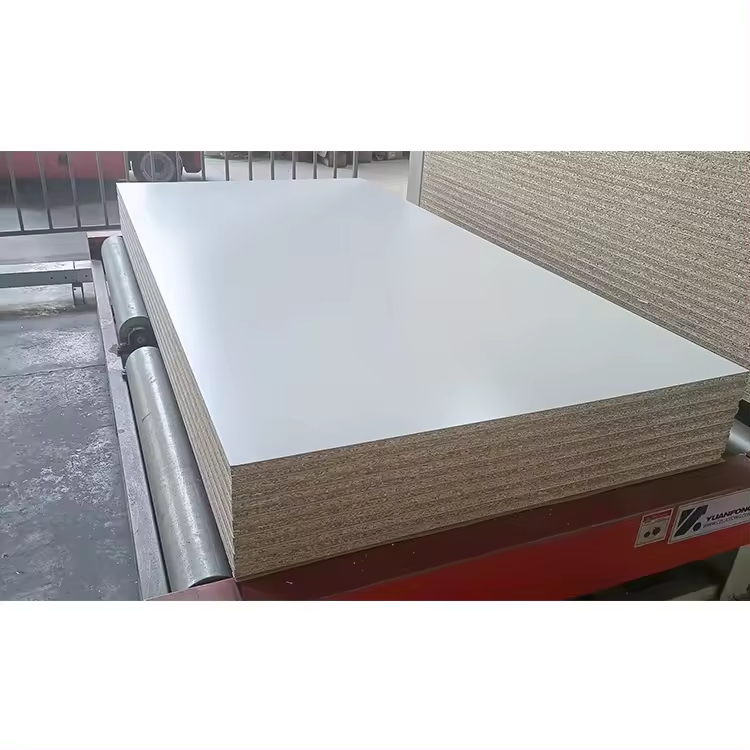
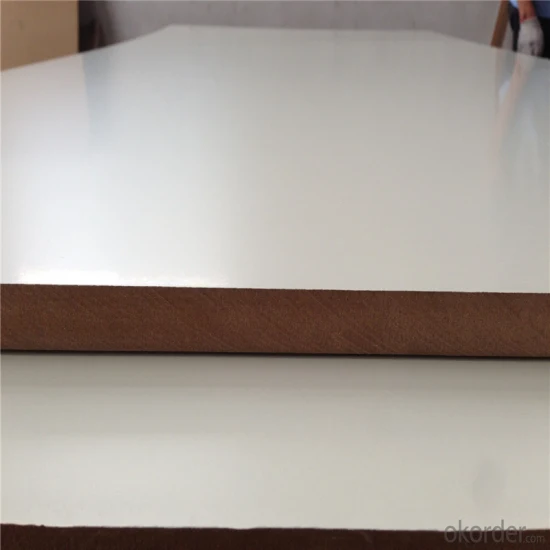
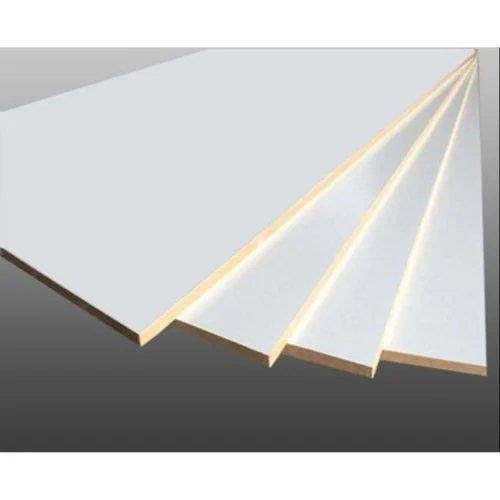
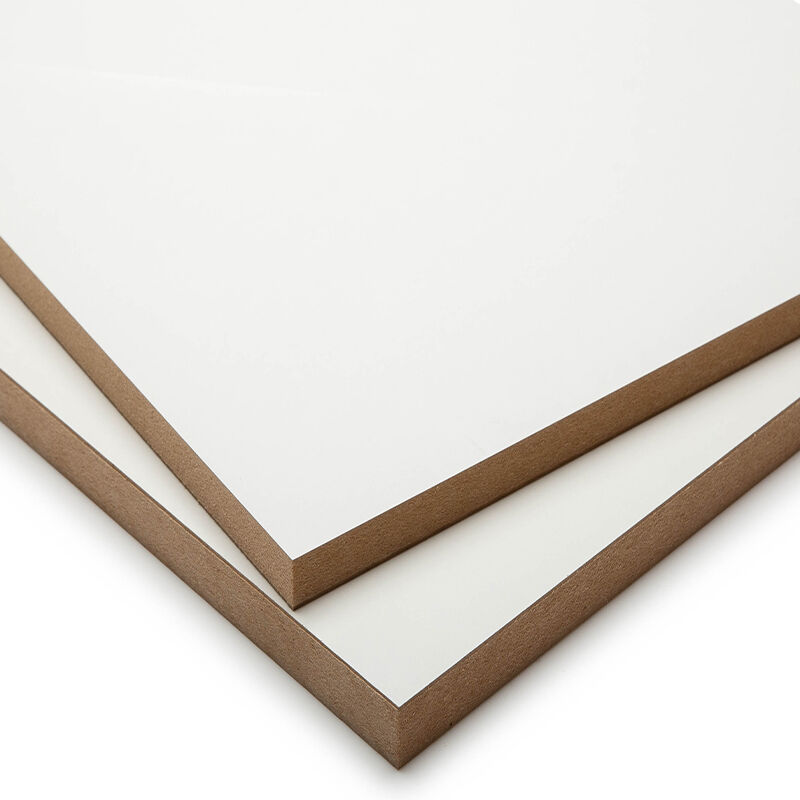
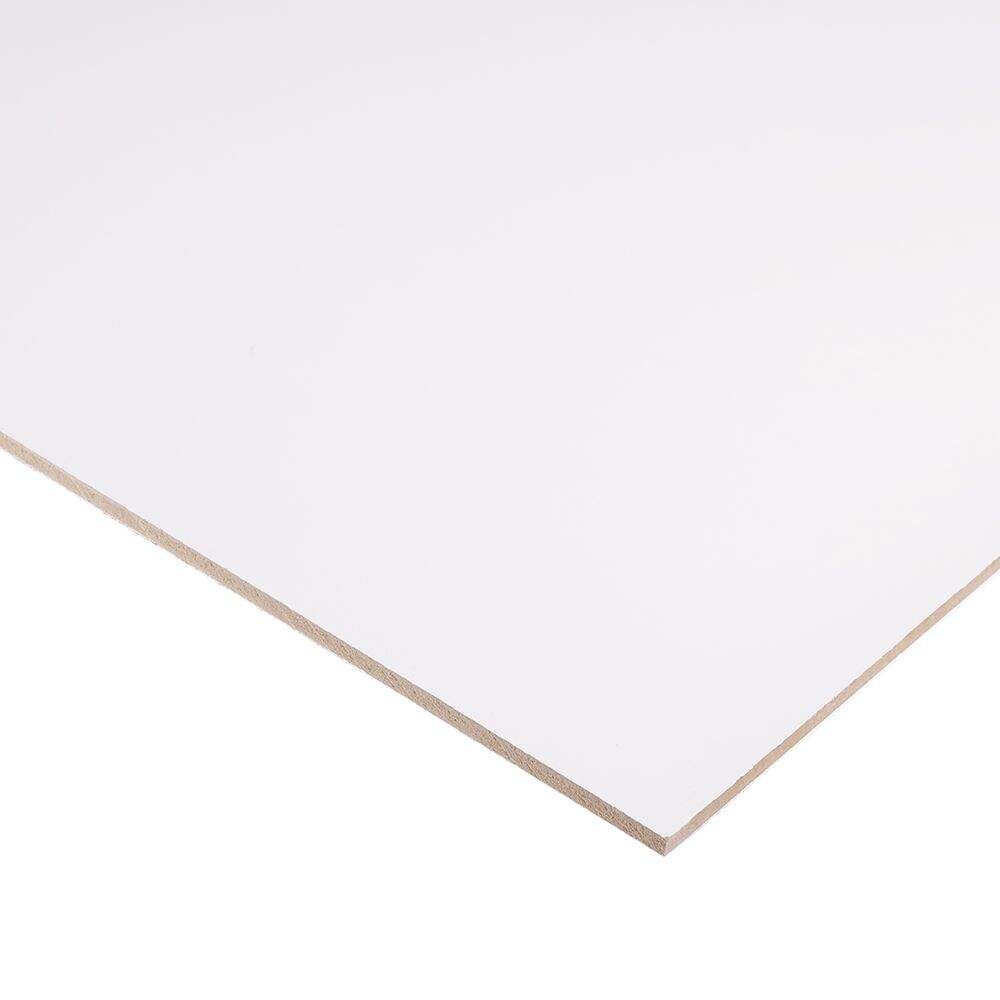
White melamine MDF offers unparalleled design flexibility that enables architects, designers, and craftspeople to achieve sophisticated aesthetic results while maintaining practical functionality across diverse applications. The pristine white finish provides a neutral foundation that complements virtually any color scheme, allowing for seamless integration with existing decor elements or serving as a clean backdrop for colorful accents and accessories. The material's uniform surface texture eliminates grain patterns and natural variations found in solid wood, creating consistent visual flow across large installations such as built-in storage systems, kitchen cabinetry, and commercial fixtures. Advanced manufacturing techniques ensure precise dimensional accuracy that facilitates complex joinery, curved profiles, and intricate decorative elements without compromising structural integrity. The smooth surface accepts adhesive veneers, decorative films, and edge banding materials readily, enabling customization options that extend design possibilities beyond the standard white finish. Professional fabricators can achieve seamless corners, invisible joints, and perfectly aligned surfaces that create high-end appearances comparable to much more expensive materials. The material's workability allows for incorporation of functional elements such as integrated lighting channels, wire management systems, and adjustable shelving components without structural concerns. Contemporary design trends favor clean lines and minimalist aesthetics that white melamine MDF delivers naturally, eliminating visual clutter while maximizing functional space utilization. The reflective properties of the white surface enhance natural and artificial lighting effectiveness, creating brighter environments that appear larger and more inviting. Customization options include CNC machining capabilities that enable precise cutouts for hardware, ventilation, and technology integration. The material responds well to standard woodworking techniques including routing, drilling, and edge profiling, allowing craftspeople to create sophisticated details and professional finishes. Design continuity across projects becomes achievable through the material's consistent color matching and surface characteristics that eliminate variation concerns typical with natural materials.
 EN
EN