EN
EN


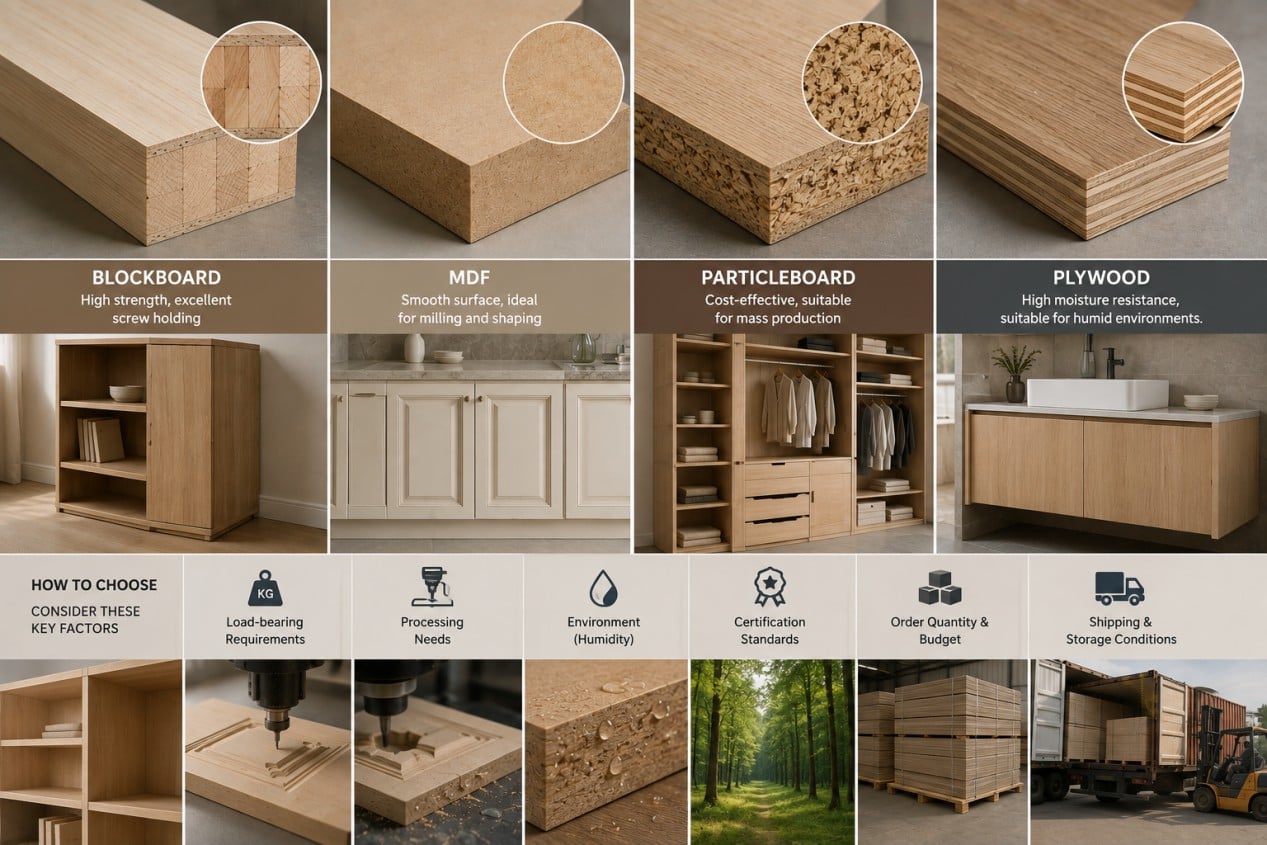
In overseas furniture manufacturing and engineering customization projects, the choice of base material directly determines the nail‑holding ability, deformation resistance, and processing adaptability of the finished product. Blockboard, MDF, particleboard, and plywood are the four most commonly used types of engineered wood products in export orders. There is no absolute superiority or inferiority among them; the key is to make a comprehensive judgment based on the intended use, processing method, usage environment, and budget.
| Board Type | Key Advantages | Main Drawbacks | Suitable Components | Tips for Export Buyers |
| Blockboard | Strong nailholding, stable processing | No deep milling, edge seal for humidity | Cabinets, loadbearing side panels | Reinforce longspan panels |
| MDF | Smooth surface for milling work | Poor moisture resistance, limited load | Profiled doors, decorative panels | Avoid large loadbearing shelves |
| Particleboard | Massproduction friendly, costeffective | Weak nailholding, loose screws | Wardrobes, general cabinets | Good edge banding, no frequent disassembly |
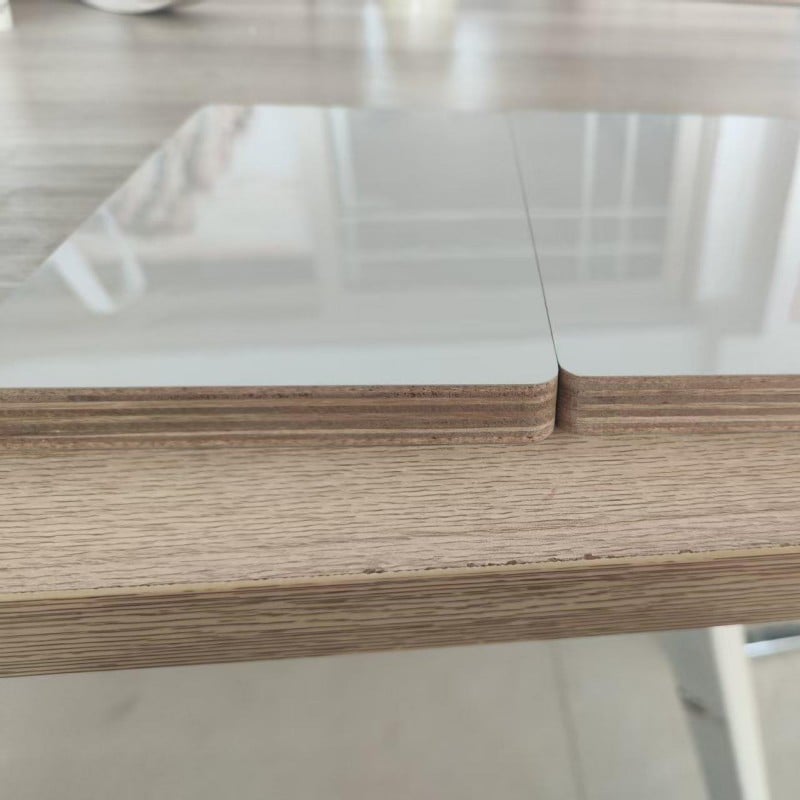
| Plywood | Good warp and moisture resistance | Uneven quality, higher cost | Humidzone, loadbearing parts | Check veneer layers and adhesive |
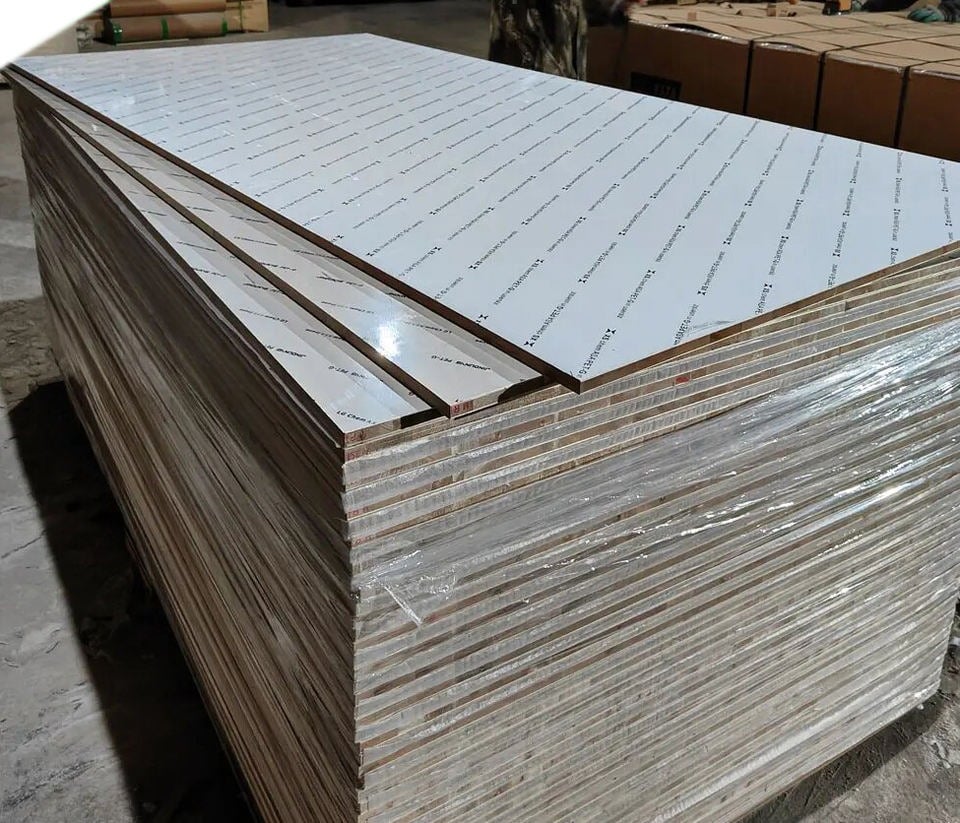
1. Blockboard, with its core made of spliced solid wood strips, boasts high structural strength and excellent nail‑holding power, making it suitable for load‑bearing components such as cabinets, side panels, and open shelves. It exhibits outstanding stability during cutting, drilling, and assembly processes; however, it's important to note that long‑span shelves and extra‑large cabinets cannot rely solely on the board itself and require structural reinforcement. It is not well‑suited for deep milling and shaping, and edge banding is necessary in humid environments.
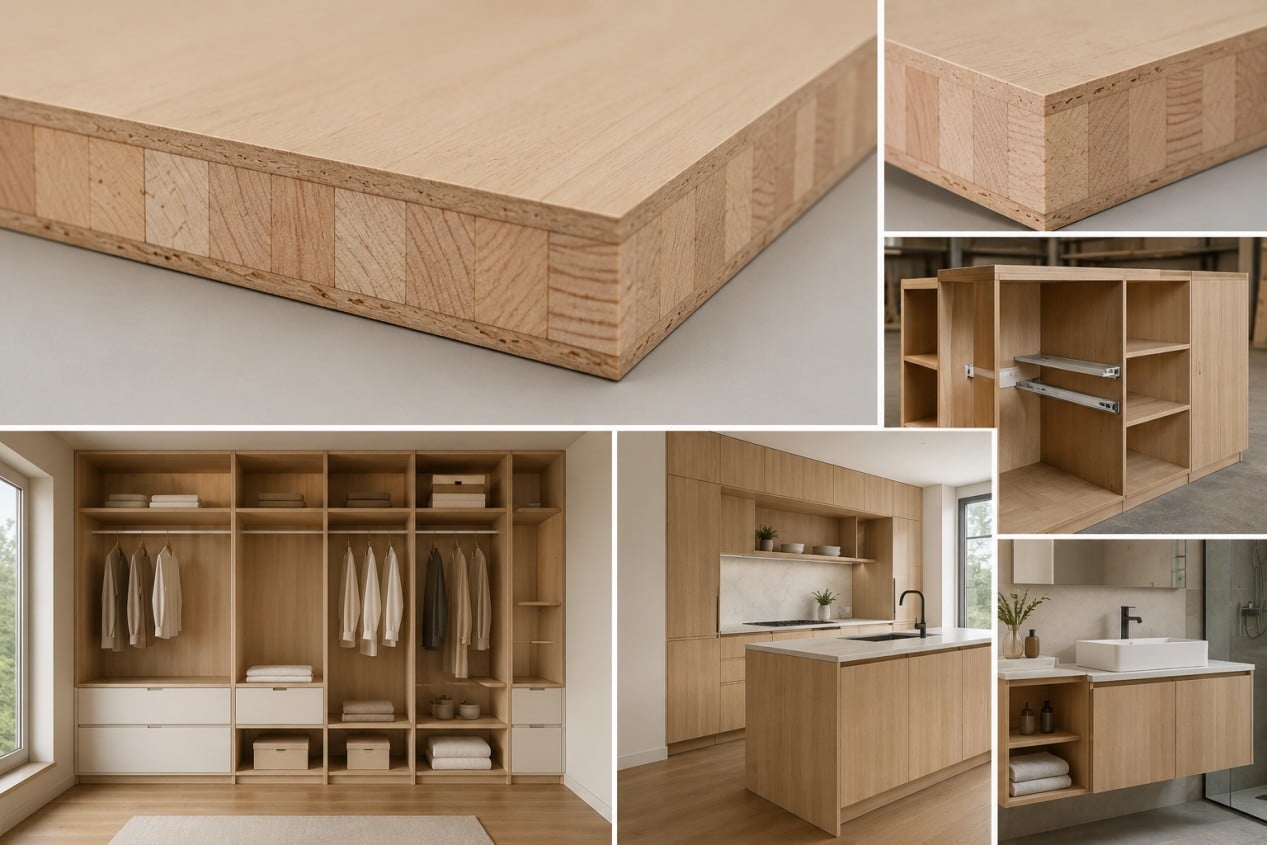
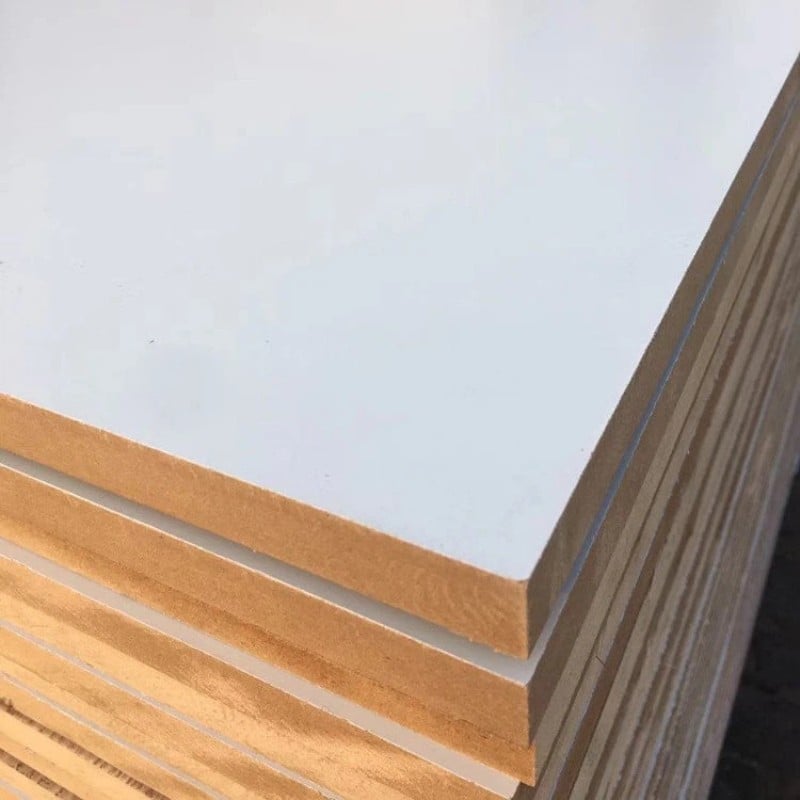
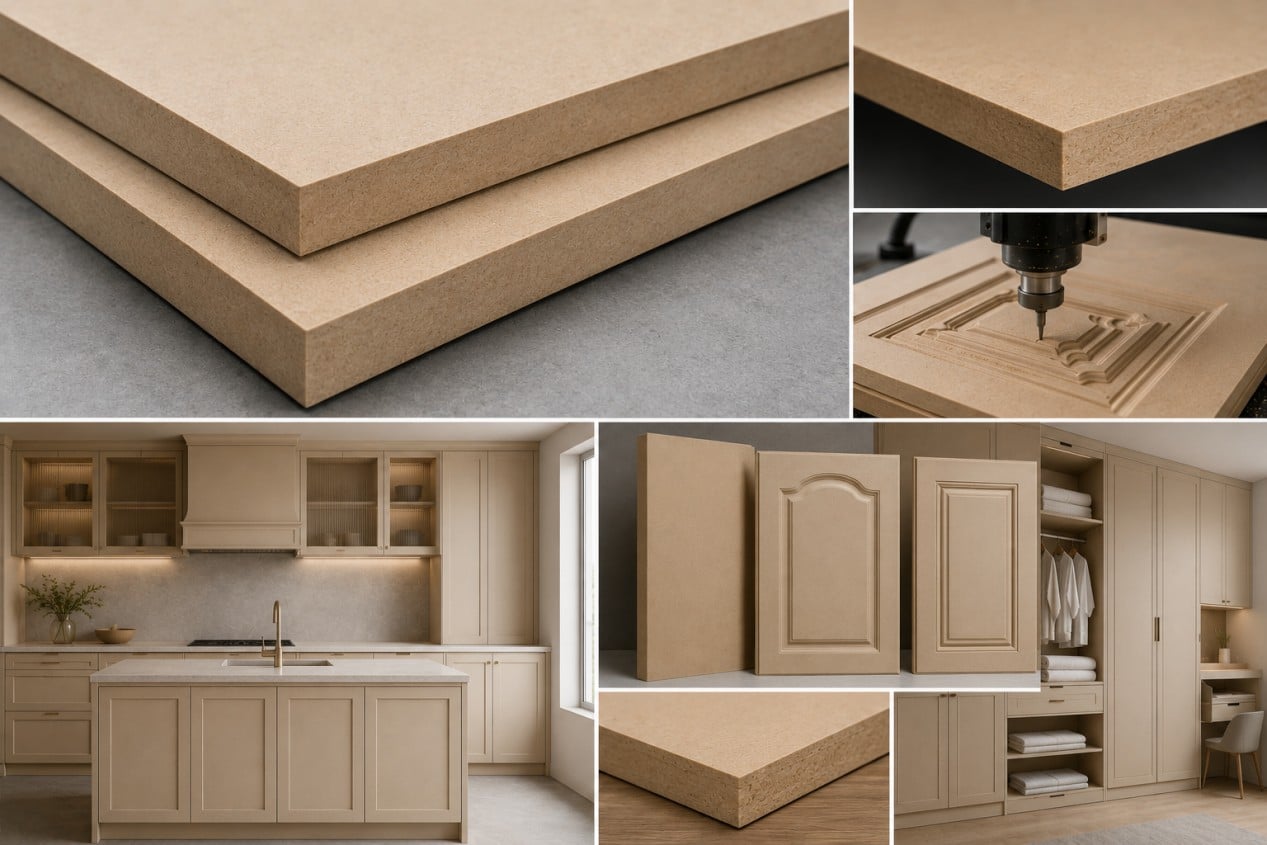
2. Medium‑density fiberboard (MDF) boasts high overall flatness and uniform internal fibers. Its biggest advantage lies in its ability to create complex milled and etched shapes, making it a mainstream choice for various cabinet doors and decorative door panels. However, its moisture resistance is relatively weak, and its long‑span load‑bearing capacity is generally limited. It is not recommended for direct use as a large‑size load‑bearing shelf; instead, it is primarily used for decorative panels and door components.
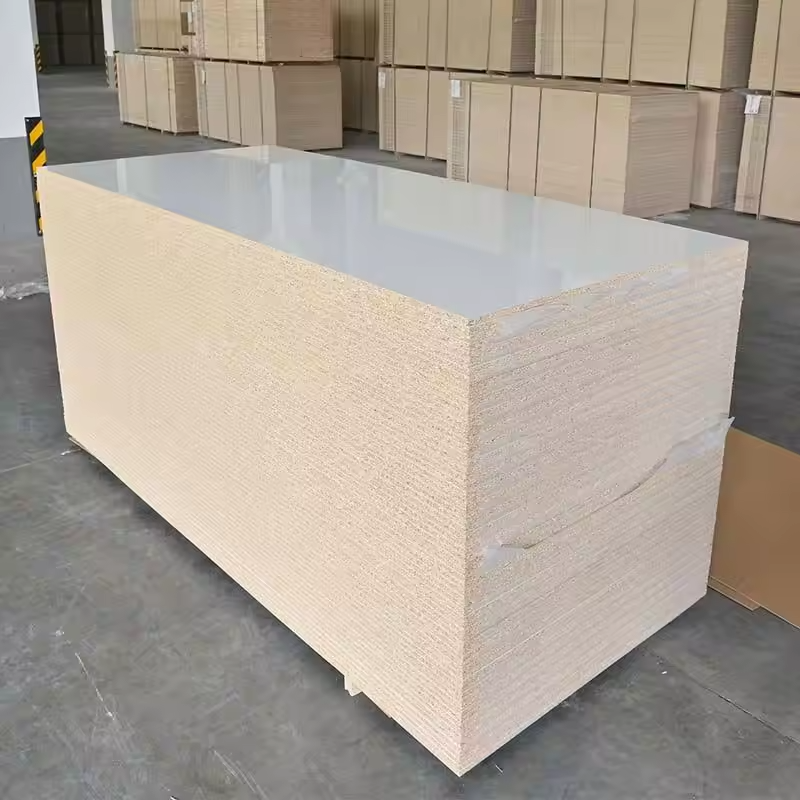
3.Particleboard is made from pressed wood particles, resulting in a smooth surface suitable for large‑scale standardized mass production. It offers excellent value for money and is widely used in ordinary wardrobes and kitchen cabinets. Its drawbacks include limited nail‑holding power; repeated disassembly and assembly can cause screws to loosen, making it unsuitable for furniture that requires frequent disassembly and assembly. When purchasing particleboard, it's important to pay close attention to the quality of the edge banding to minimize moisture intrusion.
For practical selection, you can simply refer to this: for load‑bearing cabinets, prioritize blockboard; if you need shaping and milling, choose MDF; for large quantities of budget cabinets, go with particleboard; for humid environments, consider plywood first.
Many overseas buyers only provide length, width, and thickness when asking for a quote, which can easily lead to mismatched goods later. When asking suppliers for a quote, it's a good idea to be clear about these details: where the board will be used, whether it needs to bear weight, whether milling is required, the project's humidity conditions, the target market's environmental certifications, the order quantity, and the subsequent shipping and storage conditions.
You also need to avoid a common misconception: lower price doesn’t always mean lower cost. If the substrate doesn’t match the performance requirements, you could end up with warped boards, loose screws, or warped doors, which leads to extra costs for returns and overseas after‑sales service. The right approach for sourcing boards for export is to first clarify the functional requirements of the furniture components, and then finalize the substrate.
For more company updates, check our Facebook page:
https://www.facebook.com/share/r/19irSjrXBC/
 Hot News
2026-09-17
2026-09-14
2026-09-11
Shandong Zhenshijie — China's trusted manufacturer of PET & melamine veneer panels for cabinets, kitchens & furniture. MDF, plywood, particleboard & more — custom sizes, textures & finishes.
located north of Xiaowan Line, Tanyi Town, Feixian County, Linyi City, Shandong Province.
Copyright © 2026 Shandong Zhenshijie International Trade CO,. LTD All rights reserved. Privacy Policy