Premium Veneered Chipboard Solutions: Cost-Effective Wood Panels with Superior Stability and Design Flexibility

Get a Free Quote

Our representative will contact you soon.
Email
Mobile/WhatsApp
Name
Company Name
Message
0/1000

veneered chipboard

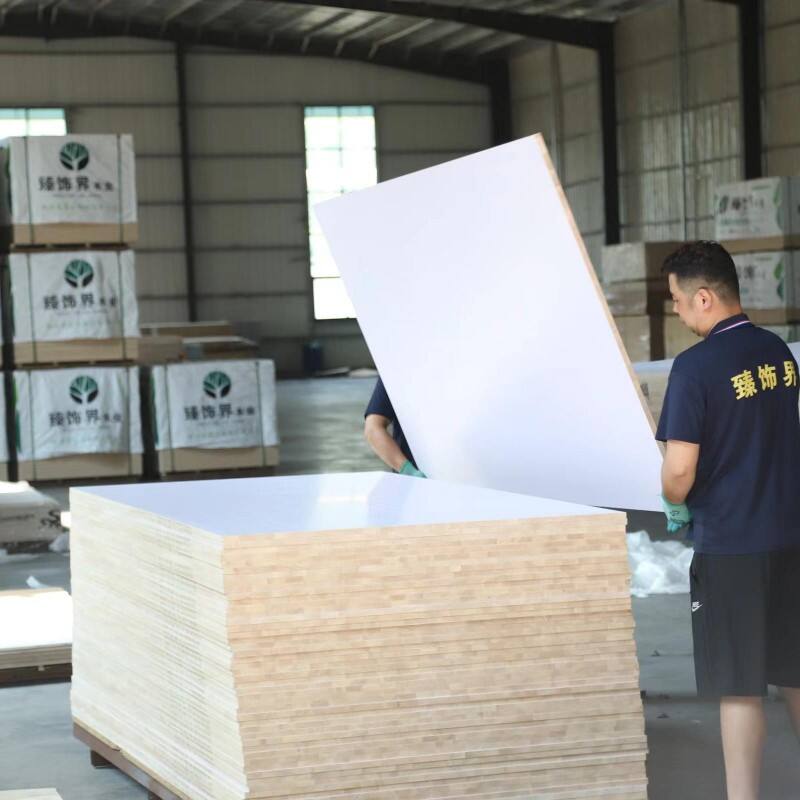
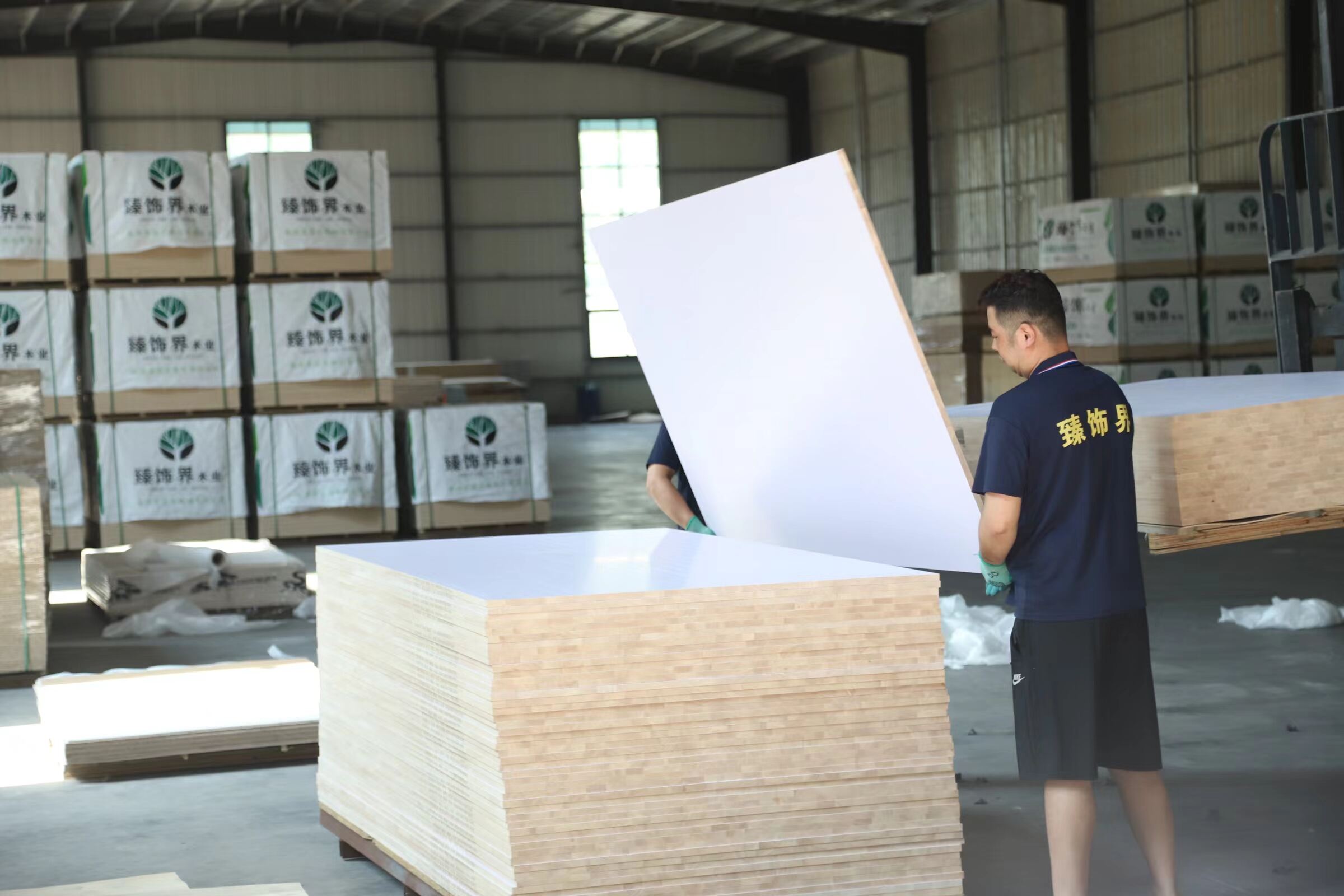
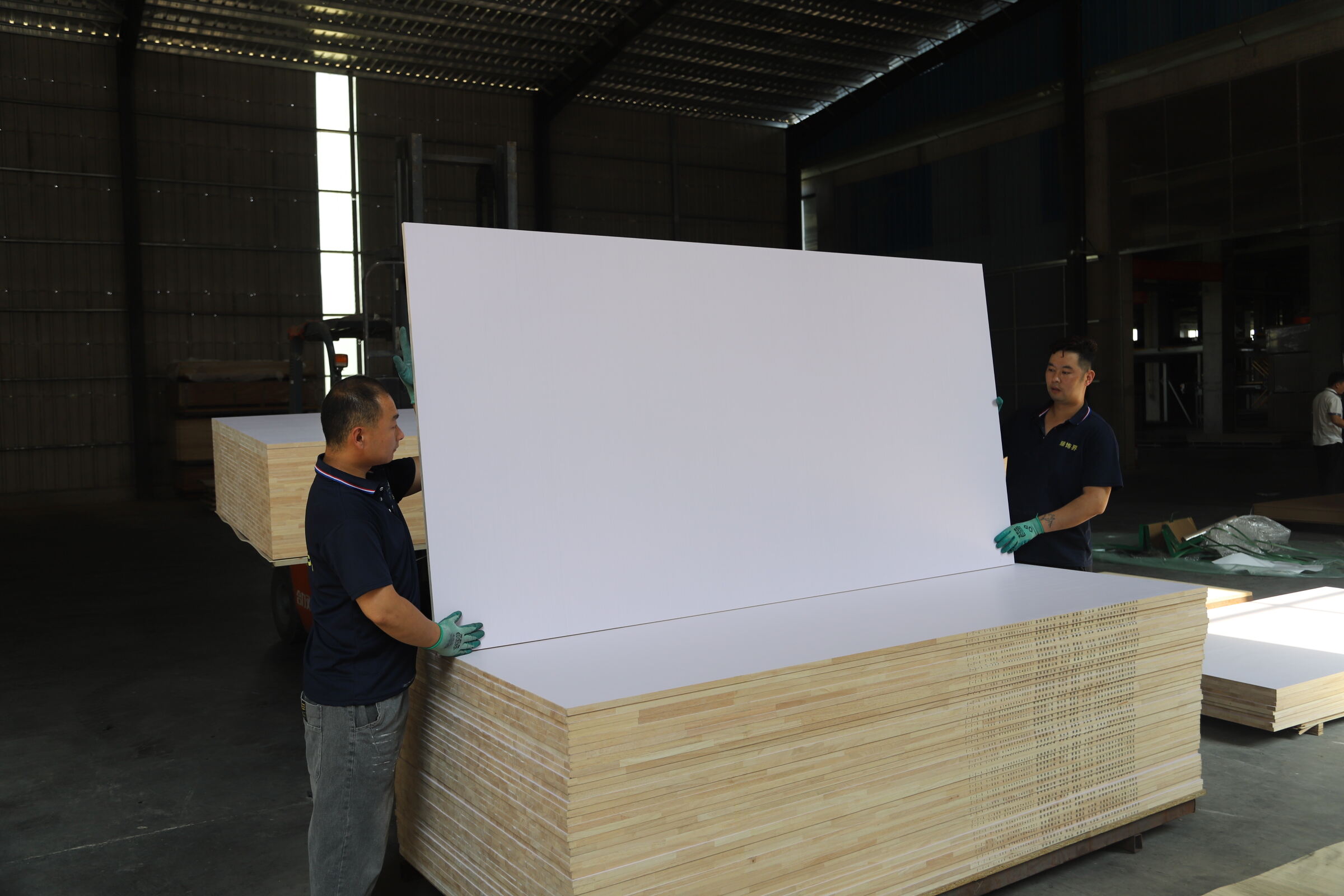
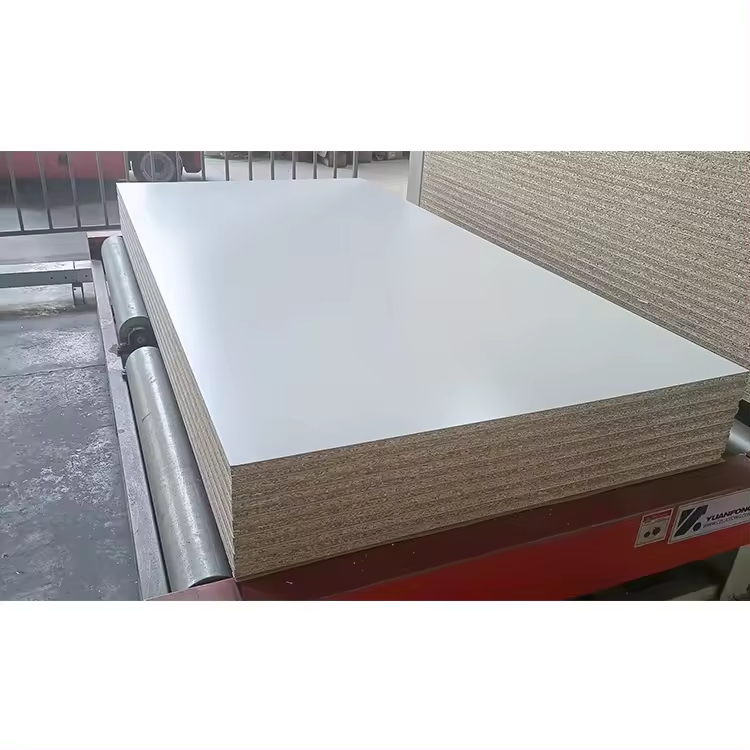
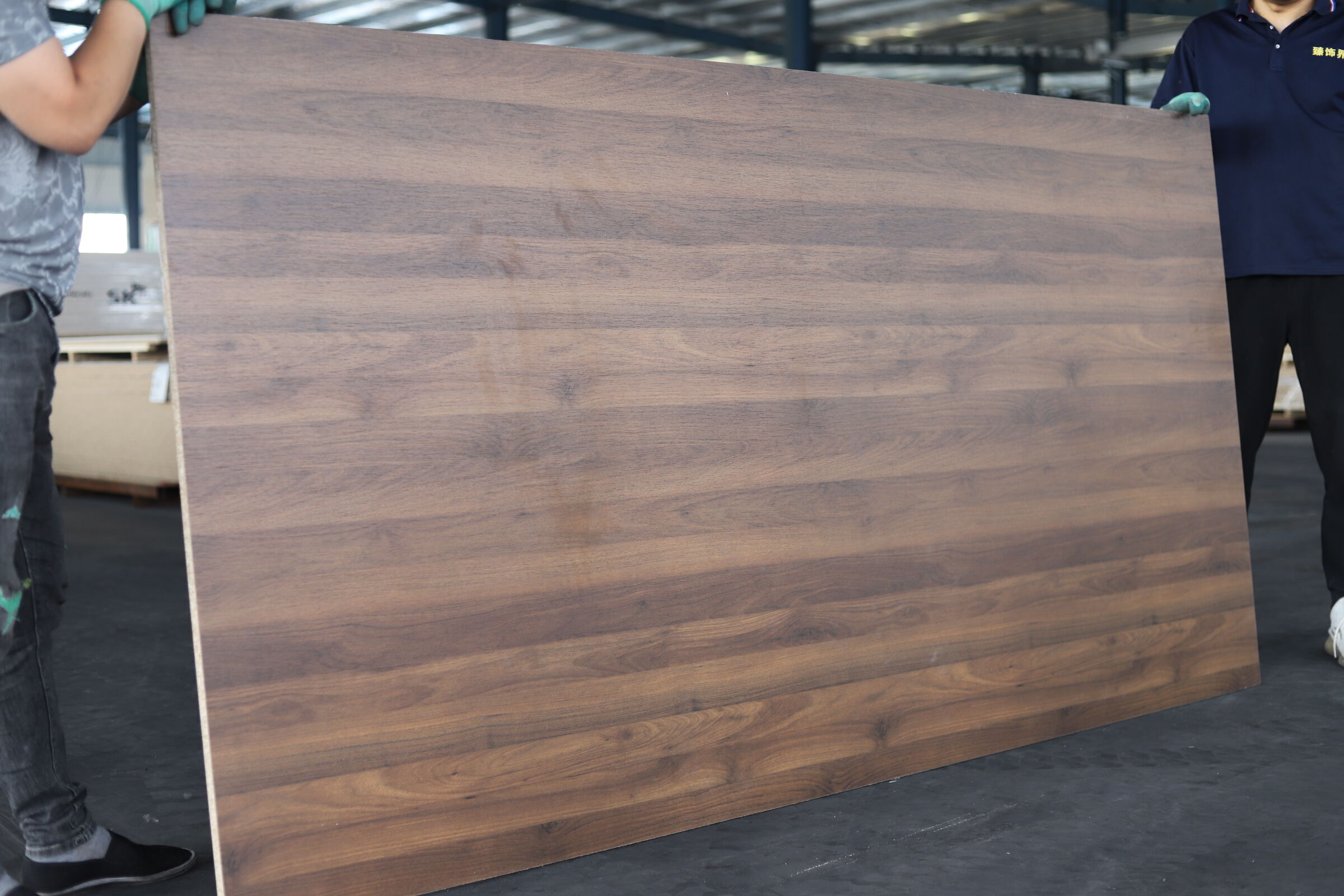
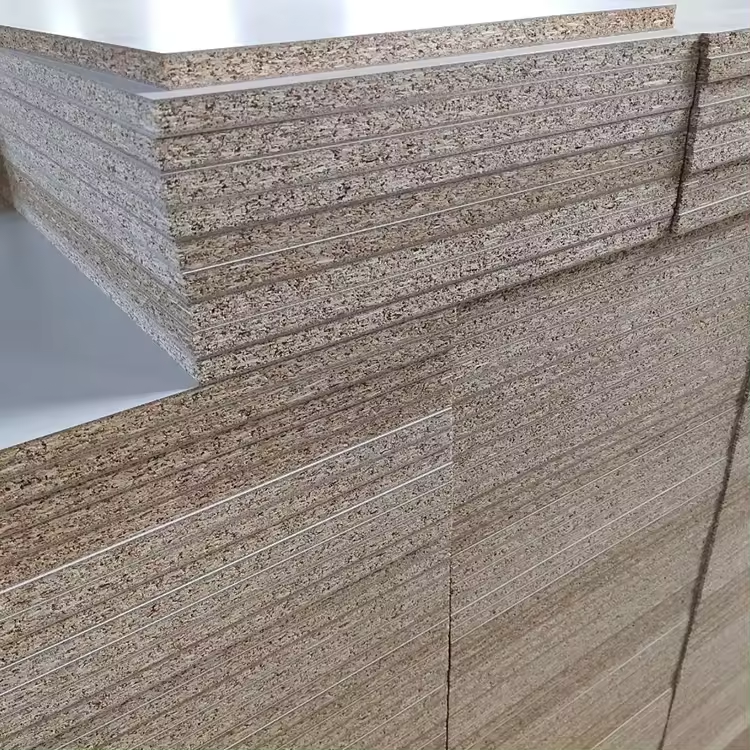
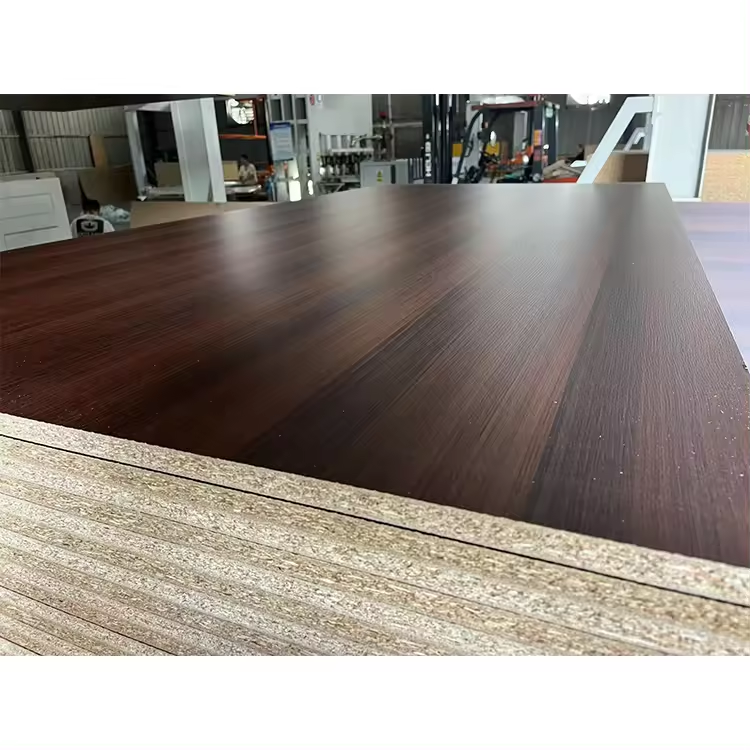
Veneered chipboard represents a sophisticated engineered wood product that combines the structural reliability of particle board with the aesthetic appeal of natural wood veneer. This composite material consists of a core made from compressed wood particles, chips, and fibers bonded together with synthetic resins, then topped with thin layers of real wood veneer on one or both surfaces. The manufacturing process involves carefully selecting and arranging wood particles in layers, applying adhesive, and subjecting the assembly to high pressure and temperature to create a dense, stable substrate. The veneer layer, typically ranging from 0.6mm to 3mm in thickness, is then precisely bonded to the chipboard core using specialized adhesives and pressing techniques. This construction method produces a material that offers excellent dimensional stability, consistent thickness, and uniform density throughout its structure. The technological features of veneered chipboard include superior screw-holding capacity compared to solid wood, reduced susceptibility to warping and splitting, and enhanced moisture resistance when properly sealed. Modern production techniques incorporate advanced quality control measures, ensuring consistent bonding strength between the veneer and substrate while maintaining precise thickness tolerances. The veneer surface can be sourced from various wood species, including oak, walnut, cherry, maple, and exotic hardwoods, allowing manufacturers to achieve specific grain patterns and color characteristics. Surface preparation involves careful sanding and finishing processes that enhance the natural beauty of the wood grain while providing protection against wear and environmental factors. Applications for veneered chipboard span multiple industries, including furniture manufacturing, architectural millwork, cabinet construction, retail fixtures, and interior design elements. The material serves as an ideal substrate for tables, desks, shelving systems, wall panels, and decorative elements where the appearance of solid wood is desired without the associated cost and weight considerations.

New Product Releases

Veneered chipboard delivers exceptional cost-effectiveness compared to solid wood alternatives while maintaining the natural beauty and warmth that customers desire in their furniture and architectural elements. This engineered solution provides manufacturers and end-users with significant material savings, often reducing costs by 40-60% compared to solid hardwood options without compromising visual appeal. The consistent quality and predictable performance characteristics eliminate the variability associated with natural wood, ensuring reliable results across large production runs. Manufacturing efficiency improves dramatically when working with veneered chipboard, as the material machines cleanly without tear-out or grain-related defects that commonly occur with solid lumber. The stable substrate prevents warping, twisting, and seasonal movement that can compromise joint integrity and overall product durability. Environmental sustainability becomes a key advantage, as veneered chipboard utilizes wood waste and smaller timber pieces that would otherwise be discarded, maximizing resource efficiency while reducing environmental impact. The consistent thickness and smooth surface preparation minimize finishing requirements, reducing labor costs and material waste during production processes. Installation benefits include lighter weight compared to solid wood panels, making handling and mounting easier while reducing structural load requirements in architectural applications. The superior screw and hardware retention properties ensure secure fastening for hinges, handles, and mounting systems, providing long-term reliability in furniture and cabinet applications. Dimensional stability remains consistent across varying humidity and temperature conditions, preventing the gaps, warping, and joint failures commonly experienced with solid wood products. Surface durability exceeds many solid wood applications due to the controlled veneer thickness and professional bonding processes, resulting in resistance to surface damage and extended service life. Quality control advantages include consistent grain matching possibilities, uniform color distribution, and the ability to book-match veneer patterns for symmetrical designs that would be difficult or impossible to achieve with solid lumber. The wide variety of available wood species and grain patterns provides design flexibility while maintaining cost predictability, allowing designers to specify exotic wood appearances without the premium pricing associated with solid exotic lumber.

Tips And Tricks

Can Particleboard Improve Space-Saving Cabinet Projects?

10

Mar

Can Particleboard Improve Space-Saving Cabinet Projects?

Modern homeowners and designers constantly seek innovative materials that combine affordability, versatility, and functionality for their cabinet projects. Particleboard has emerged as a premier choice for space-saving cabinet designs, offering excep...
View More
Is Particleboard Suitable For Commercial Fit-Out Works?

13

Mar

Is Particleboard Suitable For Commercial Fit-Out Works?

Commercial fit-out projects demand materials that balance cost-effectiveness, durability, and aesthetic appeal. Particleboard has emerged as a versatile solution for various commercial applications, offering contractors and designers a reliable engin...
View More
What Is Chipboard Particle Board Used For Today?

18

Mar

What Is Chipboard Particle Board Used For Today?

The versatility and cost-effectiveness of chipboard particle board have made it an essential material in modern construction, furniture manufacturing, and interior design applications. This engineered wood product, created from wood chips, sawmill sh...
View More
Why Choose Chipboard Particle Board For Cabinets?

23

Mar

Why Choose Chipboard Particle Board For Cabinets?

Modern kitchen and furniture design increasingly relies on engineered wood products that deliver exceptional performance, durability, and cost-effectiveness. Among these materials, chipboard particle board has emerged as a leading choice for cabinet ...
View More

Get a Free Quote

Our representative will contact you soon.
Email
Mobile/WhatsApp
Name
Company Name
Message
0/1000

veneered chipboard

Superior Dimensional Stability and Performance

Superior Dimensional Stability and Performance

Veneered chipboard demonstrates remarkable dimensional stability that surpasses solid wood performance in most environmental conditions, making it an ideal choice for applications where consistent measurements and joint integrity are critical. The engineered core structure eliminates the natural tension and grain orientation issues found in solid lumber, preventing the seasonal expansion and contraction that commonly causes problems in furniture and architectural installations. This stability results from the cross-directional arrangement of wood particles in the substrate, which effectively cancels out the directional movement characteristics inherent in natural wood grain patterns. Temperature fluctuations that would cause solid wood to expand or contract significantly have minimal impact on veneered chipboard dimensions, ensuring that doors remain properly fitted, drawers operate smoothly, and panel joints maintain tight tolerances throughout their service life. Humidity changes, which represent the primary cause of wood movement in traditional applications, produce negligible dimensional changes in properly manufactured veneered chipboard products. The controlled moisture content of the substrate, typically maintained between 6-10% during production, combined with the protective veneer layer, creates a barrier against moisture infiltration that could otherwise cause swelling or shrinkage. This performance advantage translates into reduced warranty claims, fewer service calls, and enhanced customer satisfaction for manufacturers who specify veneered chipboard in their products. Professional installers appreciate the predictable behavior of veneered chipboard, as measurements taken during initial fitting remain accurate throughout the installation process and beyond. The material maintains its flatness over large spans, preventing the sagging or bowing that can occur with solid wood panels of similar thickness. Edge stability ensures that machined profiles retain their precision, maintaining tight fits for joinery and hardware applications. Long-term performance studies demonstrate that properly manufactured veneered chipboard maintains its dimensional characteristics for decades, providing reliable service in demanding applications such as commercial furniture, retail fixtures, and architectural millwork where appearance and performance cannot be compromised.
Exceptional Cost-Efficiency Without Quality Compromise

Exceptional Cost-Efficiency Without Quality Compromise

Veneered chipboard represents an outstanding value proposition that delivers premium wood aesthetics at a fraction of the cost associated with solid hardwood alternatives, making high-quality appearances accessible across a broader range of applications and budgets. The cost advantages begin with raw material utilization, as the chipboard substrate efficiently uses wood waste, sawmill residuals, and smaller timber pieces that cannot be processed into solid lumber, converting what would otherwise be waste products into valuable building materials. This resource efficiency translates directly into material cost savings that can range from 40% to 70% compared to equivalent solid wood species, depending on the specific veneer selection and substrate configuration. Manufacturing economies of scale further enhance cost-effectiveness, as veneered chipboard can be produced in large, consistent sheets that eliminate the yield losses and grade variations common in solid lumber processing. The predictable thickness, width, and length dimensions reduce material waste during fabrication, as manufacturers can optimize cutting patterns without accounting for natural defects, warpage, or dimensional variations. Labor costs decrease significantly due to the superior machining characteristics of veneered chipboard, which cuts cleanly without tear-out, splits, or grain-related defects that require additional processing time or material replacement. Surface preparation requirements are minimal compared to solid wood, as the veneer layer arrives pre-sanded to consistent specifications, eliminating multiple sanding operations and reducing finishing material consumption. Transportation and handling costs benefit from the lighter weight and more consistent packaging possible with engineered panels, reducing shipping expenses and storage requirements. The extended service life of properly manufactured veneered chipboard provides additional value through reduced replacement costs and maintenance requirements over the product lifecycle. Quality consistency eliminates the sorting and grading processes required with natural lumber, reducing inventory complexity and material handling costs. Project planning becomes more accurate and reliable when specifying veneered chipboard, as material costs remain predictable without the price volatility associated with solid hardwood markets. The availability of pre-finished options further reduces installation costs by eliminating on-site finishing requirements and associated labor expenses.
Versatile Design Flexibility with Premium Aesthetic Appeal

Versatile Design Flexibility with Premium Aesthetic Appeal

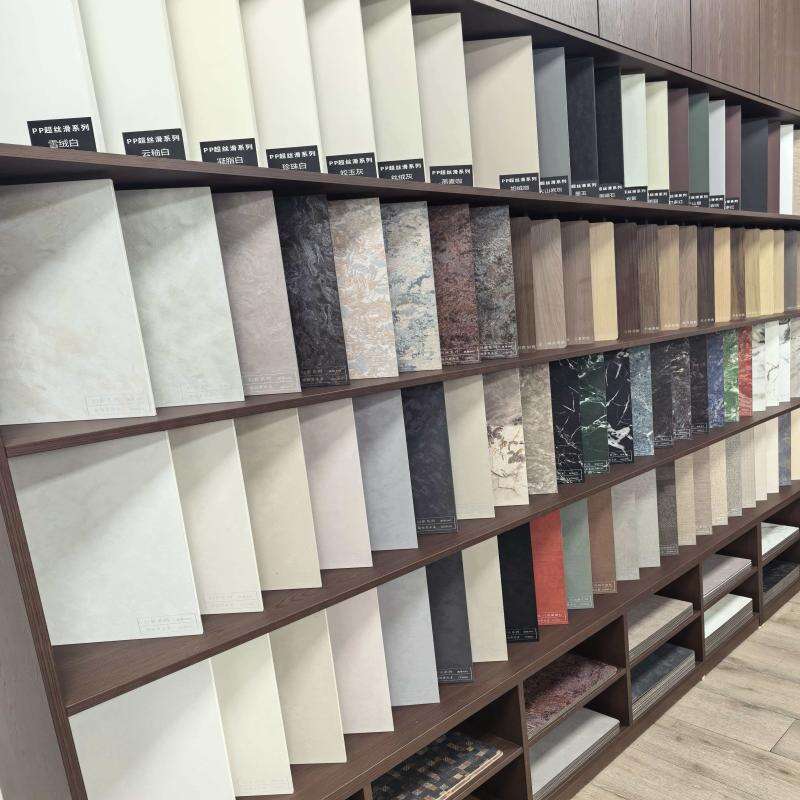
Veneered chipboard offers unparalleled design flexibility that enables architects, designers, and manufacturers to achieve sophisticated aesthetic goals while maintaining practical performance and budget considerations. The extensive range of available wood species veneers provides access to virtually any desired appearance, from common domestic hardwoods like oak, maple, and cherry to exotic species such as zebrawood, ebony, and figured maples that would be prohibitively expensive or unavailable in solid form. Advanced veneer matching techniques allow for consistent grain patterns across large surfaces, enabling book-matching, slip-matching, and other sophisticated layout patterns that create stunning visual effects impossible to achieve with random solid wood pieces. The controlled veneer thickness ensures uniform color distribution and grain exposure, eliminating the variation in surface characteristics that can create uneven finishing results with solid lumber. Custom veneer arrangements can incorporate multiple species, creating inlays, borders, and decorative patterns that would require extensive solid wood craftsmanship and expense. The stable substrate supports thin veneer applications that showcase the most dramatic grain patterns and figure characteristics, as the engineered core prevents the checking and surface irregularities that might telegraph through thin veneers applied to solid wood substrates. Sequential veneer cutting produces sets of panels with consecutive grain patterns, enabling large-scale installations with flowing, continuous grain patterns that enhance architectural spaces. Staining and finishing flexibility increases dramatically with veneered chipboard, as the consistent substrate provides uniform absorption characteristics and the controlled veneer thickness prevents blotchiness or uneven color development common with solid wood finishing. Edge banding options allow for seamless integration of solid wood edges or matching veneer tape, creating finished appearances indistinguishable from solid wood construction. The smooth, consistent substrate surface provides an ideal foundation for specialty finishes, including glazing, distressing, and texture applications that enhance the natural beauty of the wood veneer. Pre-finished veneered chipboard options eliminate field finishing requirements while ensuring consistent quality and appearance across multiple project phases. Design coordination benefits include the ability to match grain patterns and color characteristics across different product categories, enabling cohesive design schemes that span furniture, millwork, and architectural elements throughout interior spaces.

Get a Free Quote

Our representative will contact you soon.
Email
Mobile/WhatsApp
Name
Company Name
Message
0/1000