 EN
EN

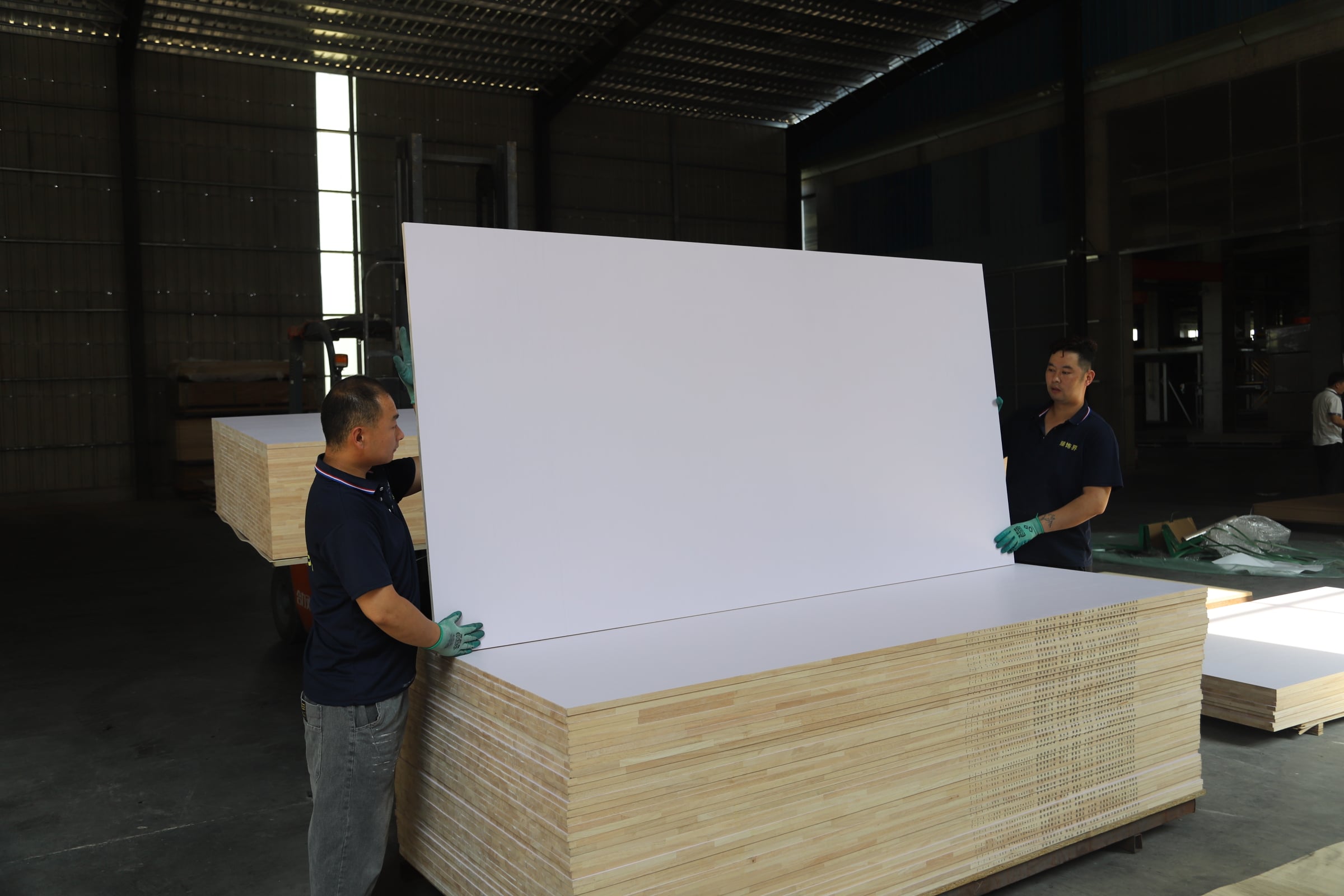
Commercial fit-out projects demand materials that balance cost-effectiveness, durability, and aesthetic appeal. Particleboard has emerged as a versatile solution for various commercial applications, offering contractors and designers a reliable engineered wood product that meets diverse project requirements. Understanding the properties and applications of particleboard in commercial settings helps professionals make informed decisions about material selection for office spaces, retail environments, and hospitality venues.
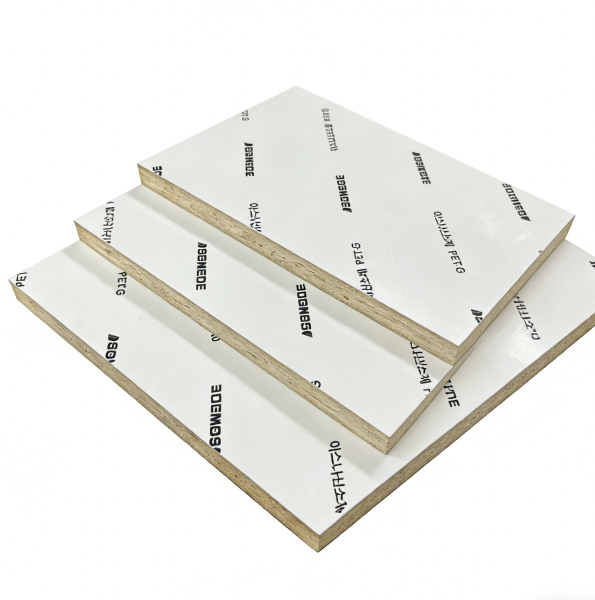
The commercial construction industry increasingly recognizes particleboard as a practical alternative to solid wood and other engineered materials. This composite material consists of wood chips, sawmill shavings, and sawdust bonded together with synthetic resin or binder. The manufacturing process creates a stable, uniform substrate that performs consistently across large-scale commercial applications. Modern particleboard production techniques ensure consistent quality and dimensional stability, making it suitable for demanding commercial environments.
Structural Properties and Performance Characteristics
Density and Strength Specifications
Commercial-grade particleboard typically exhibits density ranges from 600 to 800 kilograms per cubic meter, providing adequate structural integrity for non-load-bearing applications. The material demonstrates excellent screw-holding capacity, making it ideal for hardware attachment in cabinet construction and fixture mounting. Testing standards such as ANSI A208.1 establish performance benchmarks that commercial particleboard consistently meets, ensuring predictable behavior in professional installations.
The compressive strength of quality particleboard ranges from 15 to 25 MPa, sufficient for most commercial furniture and millwork applications. Internal bond strength typically measures between 0.4 to 0.8 MPa, providing resistance to delamination under normal usage conditions. These mechanical properties make particleboard suitable for office furniture, retail displays, and interior architectural elements where moderate structural demands exist.
Moisture Resistance and Environmental Performance
Modern particleboard formulations incorporate moisture-resistant adhesives and treatments that enhance performance in commercial environments. While not suitable for direct water exposure, treated particleboard can withstand typical indoor humidity fluctuations without significant dimensional changes. Commercial-grade products often feature sealed edges and protective finishes that further improve moisture resistance for long-term installations.
Environmental stability represents a crucial factor in commercial applications where climate control systems create varying temperature and humidity conditions. High-quality particleboard maintains dimensional stability across normal commercial HVAC parameters, reducing the risk of warping, splitting, or joint failure. This stability contributes to lower maintenance requirements and extended service life in commercial settings.
Commercial Application Categories
Office Furniture and Workstation Systems
Office environments extensively utilize particleboard for desk surfaces, storage units, and modular workstation components. The material's uniform surface provides an excellent substrate for laminate and veneer applications, creating professional-grade furniture at competitive price points. Large-scale office projects benefit from particleboard consistency, enabling efficient manufacturing and installation processes.
Workstation panels and privacy screens frequently incorporate particleboard cores with decorative surfaces, providing acoustic benefits while maintaining cost efficiency. The material's ability to accept various hardware configurations makes it adaptable to evolving office layouts and technology requirements. Commercial furniture manufacturers rely on particleboard's predictable machining characteristics for efficient production of standardized components.
Retail and Display Applications
Retail environments demand materials that support frequent reconfiguration and heavy merchandise loads. Particleboard serves as an effective substrate for retail shelving systems, display fixtures, and point-of-sale installations. The material's uniform density allows for consistent hardware placement and reliable performance under varying load conditions common in retail settings.
Custom retail millwork often incorporates particleboard for its cost-effectiveness and finishing versatility. Store fixtures, checkout counters, and display cases utilize particleboard cores with appropriate surface treatments to achieve desired aesthetic results. The material's stability under artificial lighting and customer interaction makes it suitable for high-traffic commercial environments where durability and appearance matter equally.
Installation and Fabrication Considerations
Machining and Processing Requirements
Professional fabrication of particleboard requires specific tooling and techniques to achieve optimal results. Sharp carbide-tipped cutting tools prevent chipping and ensure clean edges essential for professional installations. Proper feed rates and cutting speeds maintain surface quality while preventing excessive heat buildup that could damage the resin binder system.
Edge banding and sealing represent critical steps in commercial particleboard applications. Professional-grade edge banding materials and application techniques protect exposed edges from moisture infiltration and mechanical damage. Hot-melt and PUR adhesive systems provide durable bonds that withstand commercial use conditions while maintaining aesthetic continuity with surface finishes.
Surface Preparation and Finishing Options
Commercial particleboard installations typically require surface treatments to achieve desired performance and appearance standards. High-pressure laminate application provides durable, cleanable surfaces suitable for office and retail environments. Veneer applications create authentic wood appearances while maintaining the cost advantages of engineered substrates.
Paint and coating systems designed for particleboard substrates offer additional finishing options for commercial applications. Primer formulations specifically developed for composite materials ensure proper adhesion and uniform finish quality. Professional-grade topcoats provide durability and cleanability essential for commercial environments while offering design flexibility through color and texture variations.
Cost Analysis and Economic Benefits
Material Cost Comparisons
Economic analysis consistently demonstrates particleboard's cost advantages in commercial fit-out projects. Material costs typically range from 30 to 50 percent less than comparable plywood or solid wood alternatives while delivering acceptable performance for most commercial applications. Large-scale projects amplify these savings through reduced material procurement costs and simplified inventory management.
Labor cost considerations often favor particleboard due to its consistent processing characteristics and standardized dimensions. Fabrication efficiency improvements result from predictable material behavior and reduced waste generation during cutting and machining operations. Installation labor costs decrease through lighter weight handling and simplified fastening requirements compared to denser wood products.
Long-term Value Considerations
Lifecycle cost analysis reveals particleboard's value proposition extends beyond initial material savings. Properly installed and finished particleboard maintains performance characteristics throughout typical commercial lease periods without requiring major maintenance interventions. Replacement costs remain manageable due to the material's availability and consistent quality standards across manufacturers.
Renovation flexibility represents an often-overlooked economic benefit of particleboard installations. The material's moderate cost enables more frequent updates to commercial spaces without excessive capital investment. This adaptability proves valuable in retail environments where periodic refreshing maintains competitive appeal and customer engagement.
Quality Standards and Specification Guidelines
Industry Standards and Certifications
Commercial particleboard specifications should reference established industry standards such as ANSI A208.1 for particle board and European EN 312 standards for furniture-grade applications. These standards define performance criteria including physical properties, formaldehyde emission limits, and quality control requirements essential for commercial installations. Compliance with recognized standards ensures predictable performance and liability protection for contractors and designers.
Environmental certifications such as GREENGUARD and Forest Stewardship Council add value to commercial particleboard installations. Low-emission formulations contribute to healthier indoor air quality while sustainable sourcing practices support corporate environmental responsibility goals. Third-party certifications provide verification of claims and simplify specification processes for environmentally conscious projects.
Selection Criteria for Commercial Applications
Proper particleboard selection requires matching material properties to specific application requirements. Thickness specifications typically range from 12mm to 25mm for commercial furniture applications, with thicker panels providing increased strength and screw-holding capacity. Density grades should align with expected load conditions and hardware requirements specific to each installation.
Surface quality grades impact both appearance and finishing success in commercial applications. Premium grades with smooth, uniform surfaces accept paint and laminate applications more effectively than lower grades with visible defects. Edge quality specifications prevent delamination and moisture infiltration that could compromise long-term performance in commercial environments.
Limitations and Mitigation Strategies
Moisture Sensitivity Management
While particleboard offers many advantages, moisture sensitivity remains a primary limitation requiring careful consideration in commercial applications. Direct water exposure can cause swelling, warping, and structural failure that compromises installation integrity. Professional installations incorporate moisture barriers, proper ventilation, and protective finishes to minimize exposure risks in commercial environments.
Climate control systems in commercial buildings help maintain stable environmental conditions that protect particleboard installations. Proper HVAC design and operation prevent excessive humidity fluctuations that could stress the material beyond acceptable limits. Emergency response procedures should address water damage quickly to minimize particleboard deterioration in flood or leak situations.
Load Capacity Considerations
Understanding load limitations prevents overloading particleboard installations in commercial applications. While suitable for typical furniture and fixture loads, heavy equipment or concentrated loads may require alternative materials or additional support structures. Professional engineering analysis helps determine appropriate applications and identifies situations where particleboard may not provide adequate performance.
Deflection characteristics of particleboard differ from solid wood and plywood, requiring appropriate span limitations in shelving and structural applications. Professional installation practices incorporate adequate support spacing and load distribution techniques to ensure long-term performance within material capabilities. Regular inspection and maintenance protocols help identify potential issues before they compromise installation integrity.
FAQ
What thickness of particleboard is recommended for commercial cabinet construction
Commercial cabinet applications typically utilize 18mm to 25mm thickness particleboard for structural components such as sides and shelves. Thicker panels provide better screw-holding capacity and reduced deflection under load. Back panels may use thinner 12mm material where structural demands are minimal. The specific thickness selection depends on span requirements, hardware specifications, and expected load conditions in the commercial environment.
How does particleboard perform in high-traffic commercial environments
Quality particleboard with appropriate surface treatments performs well in high-traffic commercial settings when properly installed and maintained. The key factors include selecting appropriate density grades, applying durable surface finishes, and protecting edges from impact damage. Regular maintenance and prompt repair of surface damage help extend service life. However, direct abuse or excessive moisture exposure can compromise performance regardless of quality grade.
Can particleboard meet commercial fire safety requirements
Standard particleboard typically achieves Class C fire ratings, which may require additional treatments or alternative materials for specific commercial applications. Fire-retardant treated particleboard is available for applications requiring improved fire performance. Local building codes and insurance requirements determine acceptable fire ratings for commercial installations. Professional consultation with fire safety specialists helps ensure compliance with applicable regulations and standards.
What are the environmental considerations for using particleboard in commercial projects
Environmental impact includes formaldehyde emissions, sustainable sourcing, and end-of-life disposal considerations. Low-emission particleboard formulations meet indoor air quality standards for commercial occupancy. Recycled content and certified sustainable forest sourcing reduce environmental impact. Proper disposal or recycling at end-of-life prevents landfill waste accumulation. Green building certification programs often recognize responsible particleboard selection as contributing to overall project sustainability goals.
Table of Contents
- Structural Properties and Performance Characteristics
- Commercial Application Categories
- Installation and Fabrication Considerations
- Cost Analysis and Economic Benefits
- Quality Standards and Specification Guidelines
- Limitations and Mitigation Strategies
-
FAQ
- What thickness of particleboard is recommended for commercial cabinet construction
- How does particleboard perform in high-traffic commercial environments
- Can particleboard meet commercial fire safety requirements
- What are the environmental considerations for using particleboard in commercial projects