Premium Pressed Chipboard Solutions - Sustainable Engineered Wood Panels for Construction and Furniture

Get a Free Quote

Our representative will contact you soon.
Email
Mobile/WhatsApp
Name
Company Name
Message
0/1000

pressed chipboard

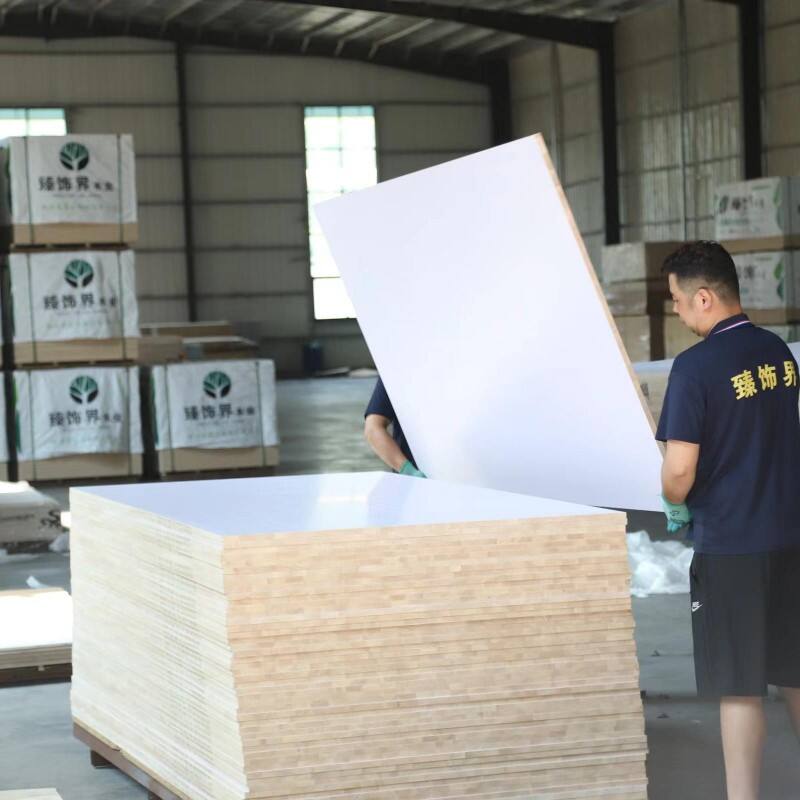
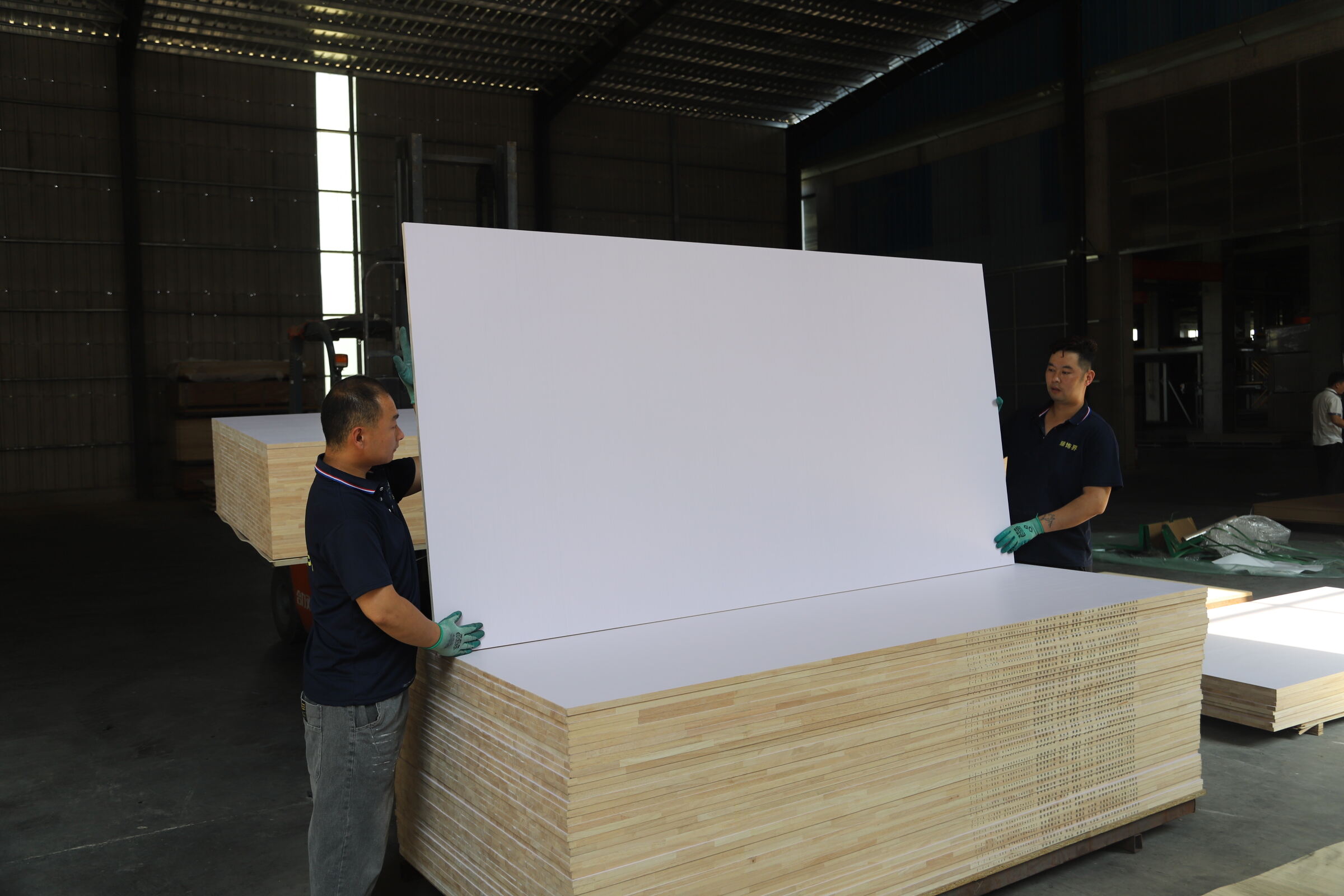
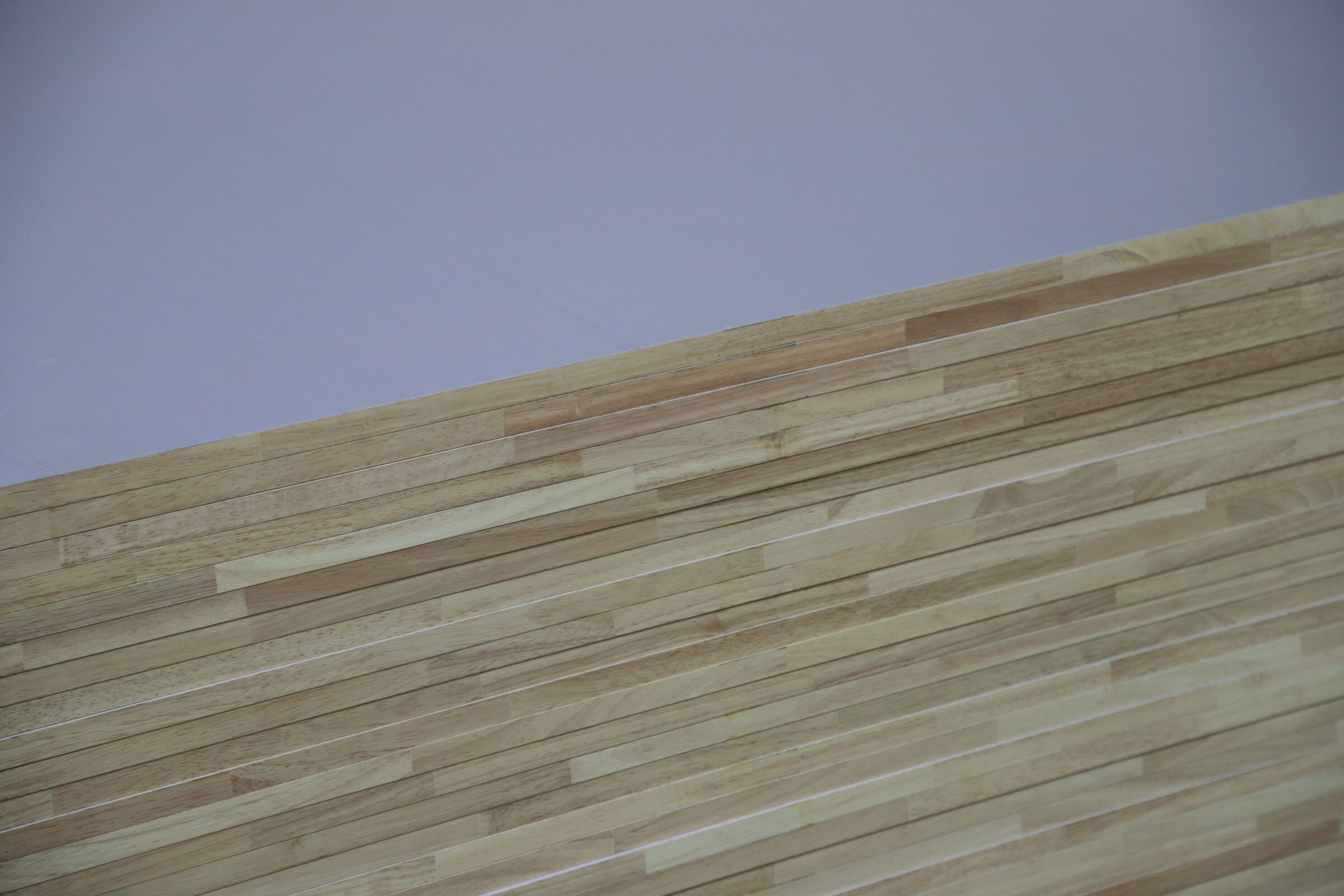
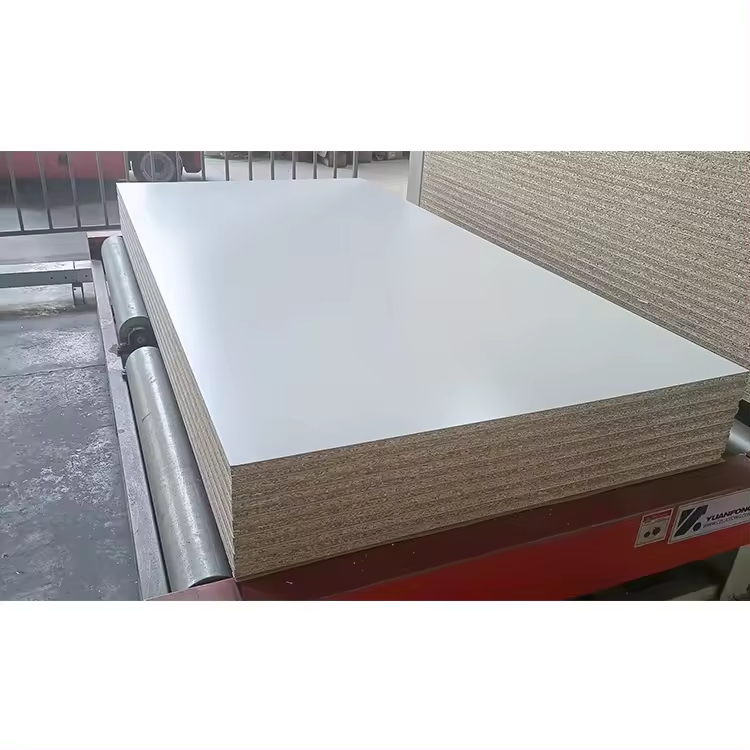
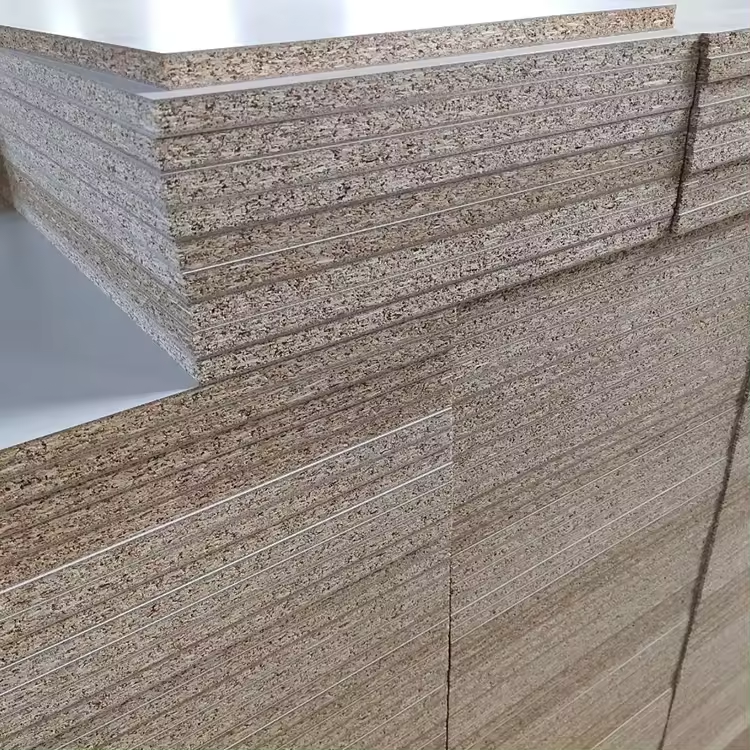
Pressed chipboard represents a revolutionary engineered wood product that transforms wood waste into a versatile, sustainable building material. This composite material consists of wood chips, sawdust, and wood particles that undergo compression under high pressure and temperature, creating a dense, uniform panel. The manufacturing process involves mixing these wood fragments with synthetic resin binders, typically urea-formaldehyde or phenol-formaldehyde adhesives, which provide structural integrity and moisture resistance. Modern pressed chipboard production utilizes advanced pressing techniques that ensure consistent density distribution throughout the panel, resulting in superior dimensional stability and mechanical properties. The technological innovation behind pressed chipboard involves multi-layer construction, where larger wood particles form the core layer while finer particles create smooth surface layers. This configuration optimizes strength-to-weight ratios while maintaining excellent machinability. Surface treatments can include melamine overlays, wood veneer lamination, or decorative paper finishes, expanding design possibilities. Quality control measures during manufacturing include moisture content monitoring, density verification, and formaldehyde emission testing to ensure compliance with international standards. Pressed chipboard serves multiple functions across construction, furniture manufacturing, and interior design industries. Its primary applications include cabinet construction, shelving systems, flooring underlayment, partition walls, and decorative panels. The material excels in environments requiring cost-effective solutions without compromising structural performance. Architectural applications encompass residential and commercial projects where budget constraints demand efficient material utilization. The versatility of pressed chipboard extends to specialized variants including moisture-resistant grades for bathroom applications, fire-retardant formulations for commercial buildings, and high-density versions for heavy-duty industrial use. Modern manufacturing techniques produce pressed chipboard with consistent thickness tolerances, smooth surfaces suitable for various finishing options, and dimensional stability that prevents warping or splitting under normal environmental conditions.

New Product Releases

Pressed chipboard delivers exceptional value through its cost-effectiveness compared to traditional solid wood materials. Manufacturers produce this engineered product at significantly lower costs than natural lumber, making it accessible for budget-conscious projects without sacrificing quality or performance. The economic advantage extends beyond initial purchase price, as pressed chipboard requires minimal maintenance throughout its service life, reducing long-term ownership costs. Environmental sustainability stands as a major benefit, since pressed chipboard utilizes wood waste that would otherwise end up in landfills. This recycling process transforms sawmill byproducts, wood shavings, and forest thinnings into useful construction materials, supporting circular economy principles. The manufacturing process consumes less energy than producing solid wood products, contributing to reduced carbon footprints. Pressed chipboard also promotes responsible forest management by maximizing utilization of harvested trees. Installation advantages include lightweight properties that simplify handling and reduce structural load requirements. Workers can easily cut, drill, and shape pressed chipboard using standard woodworking tools, accelerating project completion times. The uniform density eliminates natural wood defects like knots, splits, or grain irregularities that complicate traditional lumber installation. Surface preparation becomes straightforward since pressed chipboard provides consistent texture and appearance across entire panels. Design flexibility represents another significant advantage, as pressed chipboard accepts various finishing treatments including paint, stain, laminate, and veneer applications. Decorative options range from wood-grain patterns to solid colors, enabling creative design solutions. The material adapts to different architectural styles and interior design concepts without restricting aesthetic choices. Pressed chipboard panels come in multiple thicknesses and sizes, accommodating diverse project requirements from thin decorative applications to structural components. Performance reliability ensures consistent results across different environmental conditions. Quality-controlled manufacturing processes produce pressed chipboard with predictable mechanical properties, eliminating surprises during construction. The material resists warping, twisting, and dimensional changes that affect natural wood products. Moisture-resistant formulations provide protection against humidity fluctuations, extending service life in challenging environments. Fire-retardant variants meet building code requirements for commercial applications, expanding usage possibilities. Storage and inventory management become more efficient with pressed chipboard due to standardized dimensions and stable properties that prevent deterioration during storage.

Practical Tips

What Are The Main Advantages Of Using Particleboard?

01

Mar

What Are The Main Advantages Of Using Particleboard?

Particleboard has emerged as one of the most versatile and cost-effective engineered wood products in modern construction and furniture manufacturing. This composite material, made from wood chips, sawmill shavings, and synthetic resin binders, offer...
View More
How Durable Is Particleboard For Interior Applications?

03

Mar

How Durable Is Particleboard For Interior Applications?

When selecting materials for interior applications, understanding the durability characteristics of particleboard becomes essential for making informed decisions. This engineered wood product has gained significant popularity in residential and comme...
View More
Is Particleboard Suitable For Commercial Fit-Out Works?

13

Mar

Is Particleboard Suitable For Commercial Fit-Out Works?

Commercial fit-out projects demand materials that balance cost-effectiveness, durability, and aesthetic appeal. Particleboard has emerged as a versatile solution for various commercial applications, offering contractors and designers a reliable engin...
View More
What Are The Benefits Of Chipboard Particle Board Panels?

27

Mar

What Are The Benefits Of Chipboard Particle Board Panels?

In the modern construction and furniture manufacturing industry, materials that offer versatility, cost-effectiveness, and reliable performance are highly sought after. Among these materials, chipboard particle board stands out as one of the most pra...
View More

Get a Free Quote

Our representative will contact you soon.
Email
Mobile/WhatsApp
Name
Company Name
Message
0/1000

pressed chipboard

Superior Structural Performance and Engineering Precision

Superior Structural Performance and Engineering Precision

Pressed chipboard achieves remarkable structural performance through advanced engineering processes that optimize material composition and manufacturing techniques. The multi-layer construction methodology positions larger wood particles in the core section while placing finer particles near the surface layers, creating a gradient density profile that maximizes strength characteristics. This sophisticated approach results in excellent bending strength, internal bond strength, and screw-holding capacity that often exceeds the performance of natural wood materials. The controlled manufacturing environment ensures consistent moisture content throughout each panel, typically maintained between 6-12 percent, which prevents dimensional instability and ensures predictable performance across varying environmental conditions. Quality control measures during production include continuous monitoring of pressing temperatures, pressure distribution, and resin content to guarantee uniform properties throughout every board. Modern pressed chipboard manufacturing utilizes computer-controlled pressing systems that apply precise pressure patterns, eliminating density variations that could compromise structural integrity. The engineered composition allows for customization of mechanical properties based on specific application requirements, enabling production of high-density variants for heavy-duty applications or standard grades for general construction use. Surface smoothness achieved through precision pressing techniques eliminates the need for extensive preparation work before applying finishes, saving both time and labor costs. The dimensional stability of pressed chipboard surpasses many natural wood products, with minimal expansion or contraction in response to humidity changes. This characteristic proves particularly valuable in applications requiring tight tolerances, such as cabinet door frames or precision furniture components. Testing protocols verify that pressed chipboard meets or exceeds industry standards for mechanical properties, ensuring reliable performance in structural applications. The material's consistent thickness tolerance, typically maintained within 0.2mm variations, facilitates accurate assembly and reduces fitting problems during installation.
Environmental Sustainability and Resource Conservation

Environmental Sustainability and Resource Conservation

Pressed chipboard exemplifies environmental responsibility by transforming wood waste streams into valuable construction materials, addressing both waste management challenges and resource conservation needs. The manufacturing process diverts millions of tons of wood residues annually from landfills, including sawdust, wood shavings, mill ends, and forest thinnings that previously had limited commercial value. This waste-to-resource conversion reduces methane emissions that would result from decomposing organic materials in landfills while creating useful products for construction and furniture industries. The production process maximizes utilization efficiency from harvested trees, often achieving 95 percent material utilization compared to 60-70 percent for solid wood lumber processing. This comprehensive resource utilization supports sustainable forest management practices by reducing pressure on old-growth forests and maximizing value from managed plantation forests. Energy efficiency in pressed chipboard manufacturing continues improving through technological advances, with modern facilities utilizing waste heat recovery systems and biomass energy generation from production residues. Life cycle assessments demonstrate that pressed chipboard products typically have lower embodied energy compared to solid wood alternatives when transportation, processing, and waste factors are considered. Recyclability at the end of service life provides additional environmental benefits, as pressed chipboard can be reprocessed into new panels or used as biomass fuel, completing the circular material cycle. Formaldehyde emission controls in modern pressed chipboard production ensure indoor air quality compliance with strict environmental standards, including CARB Phase 2 and European E1 classifications. The material contributes to green building certification programs such as LEED and BREEAM through recycled content credits and sustainable material sourcing criteria. Water consumption in manufacturing processes remains minimal compared to other building material production, further reducing environmental impact. Carbon sequestration benefits result from incorporating wood fibers that continue storing atmospheric carbon throughout the product's service life, contributing to climate change mitigation efforts.
Versatile Design Applications and Customization Options

Versatile Design Applications and Customization Options

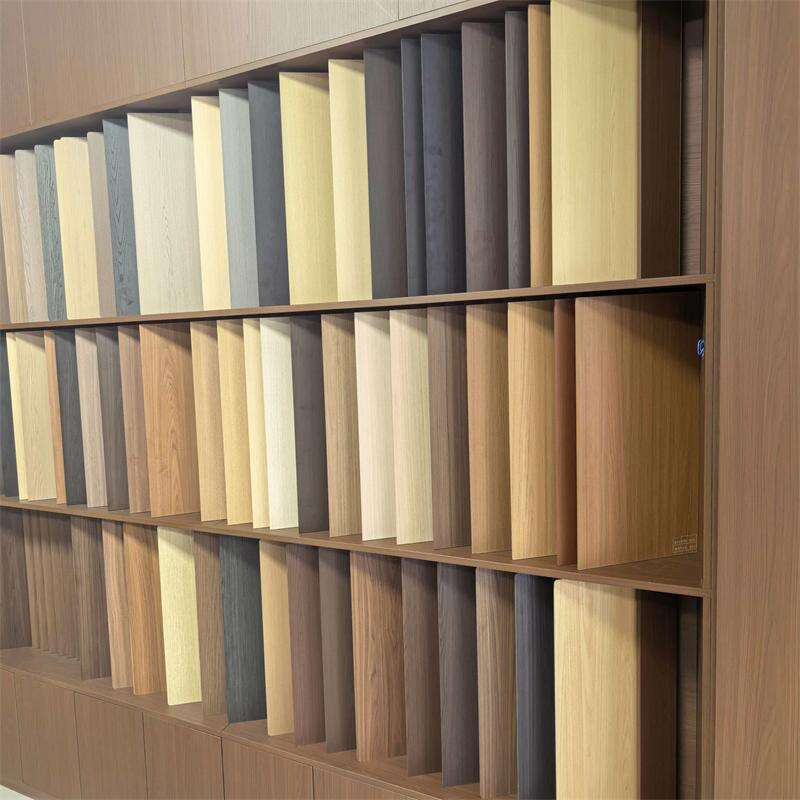
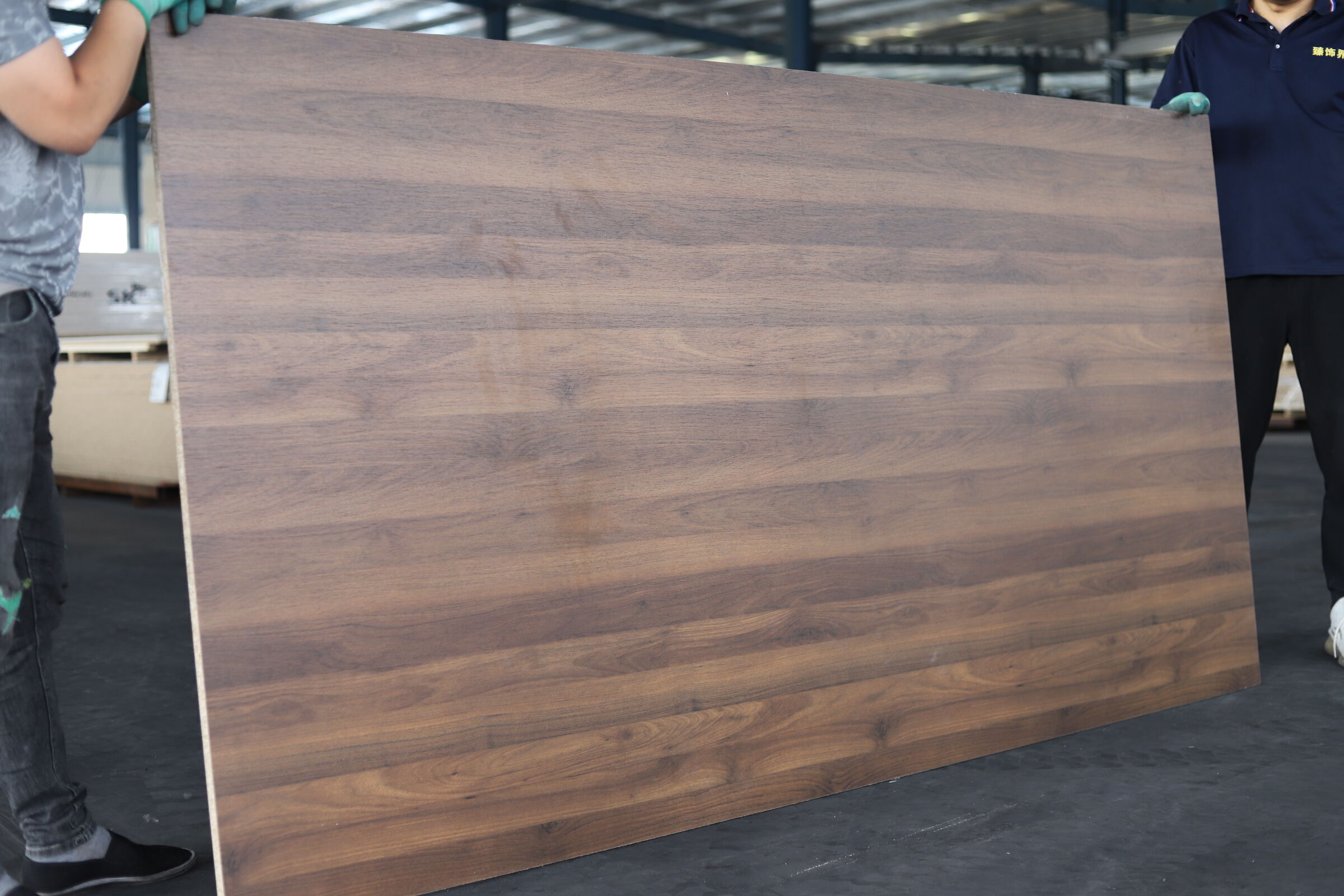
Pressed chipboard offers unprecedented design versatility through extensive customization options that accommodate diverse aesthetic preferences and functional requirements across residential, commercial, and industrial applications. Surface finishing possibilities range from natural wood veneer applications that provide authentic wood appearance to high-pressure laminates offering durability and easy maintenance in high-traffic environments. Melamine-faced pressed chipboard delivers cost-effective solutions for cabinet interiors, office furniture, and retail fixtures with consistent color and texture options spanning hundreds of patterns and solid colors. Specialized surface treatments include embossed textures that replicate natural wood grain patterns, stone textures, or contemporary abstract designs, enabling designers to achieve specific visual effects without material limitations. Thickness variations from 6mm to 38mm accommodate applications from thin backing panels to substantial structural components, while custom thickness options address specialized project requirements. Edge banding technologies provide seamless integration between pressed chipboard cores and decorative surfaces, with options including PVC, ABS, wood veneer, or matching melamine strips that create finished appearances indistinguishable from solid materials. Manufacturing capabilities include precision cutting services, routing operations, and drilling patterns that reduce on-site fabrication requirements while ensuring accurate dimensional compliance. Moisture-resistant formulations enable pressed chipboard use in bathroom cabinetry, kitchen applications, and other humid environments where standard grades might not perform adequately. Fire-retardant treatments meet commercial building requirements while maintaining workability and finishing characteristics essential for architectural millwork applications. Color consistency across production batches ensures uniform appearance in large-scale projects, while special order capabilities accommodate unique color matching requirements for specific design themes. Modular design compatibility allows pressed chipboard components to integrate seamlessly with other building materials, supporting hybrid construction approaches that optimize cost and performance characteristics. Digital printing technologies enable direct image application to pressed chipboard surfaces, creating custom graphics for signage, decorative panels, or branded environments without additional laminating processes.

Get a Free Quote

Our representative will contact you soon.
Email
Mobile/WhatsApp
Name
Company Name
Message
0/1000