 EN
EN

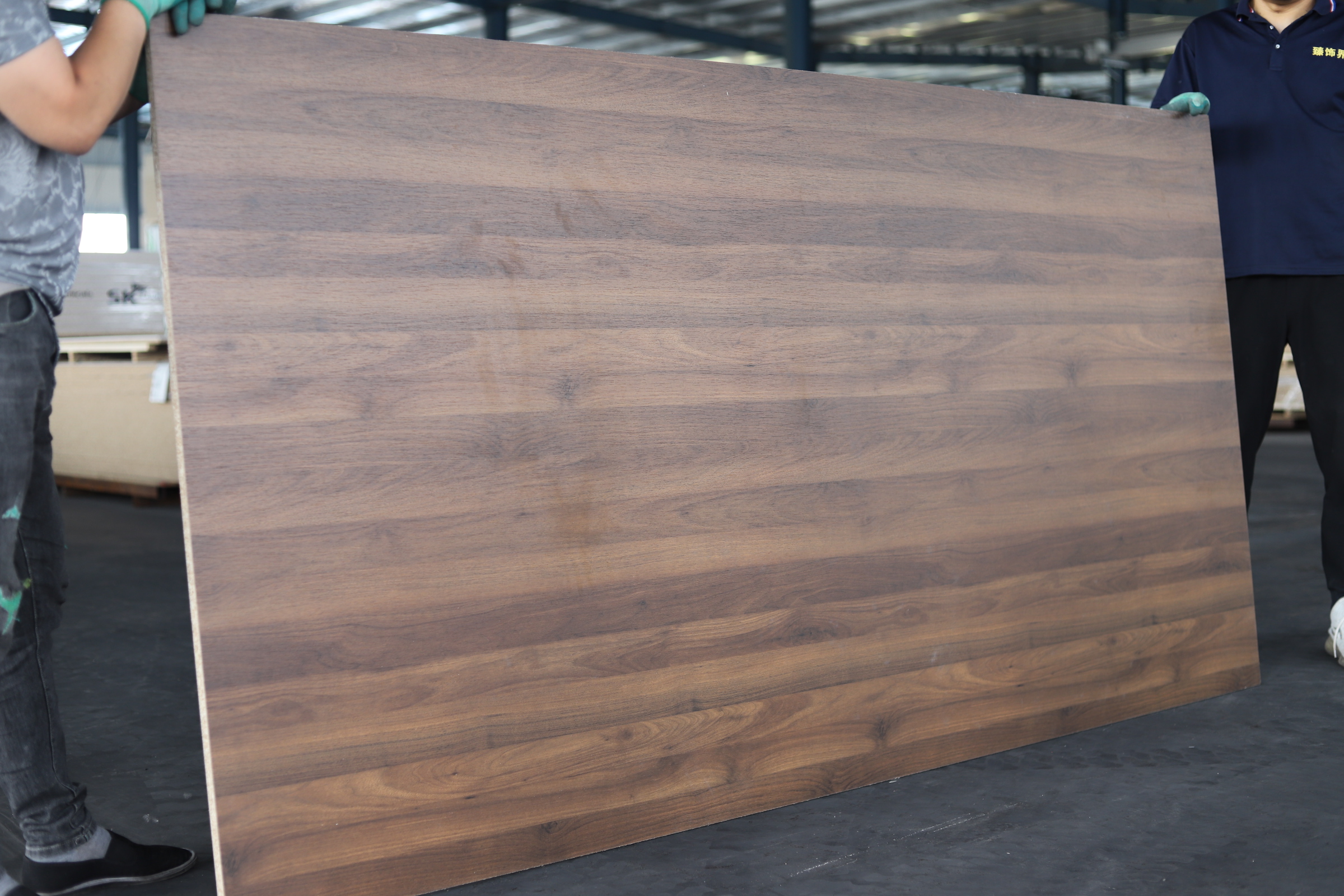
Modern kitchen and furniture design increasingly relies on engineered wood products that deliver exceptional performance, durability, and cost-effectiveness. Among these materials, chipboard particle board has emerged as a leading choice for cabinet construction, offering manufacturers and homeowners an ideal balance of strength, affordability, and versatility. This comprehensive guide explores the compelling reasons why chipboard particle board continues to dominate the cabinet industry, from its superior structural properties to its environmental benefits and aesthetic flexibility.
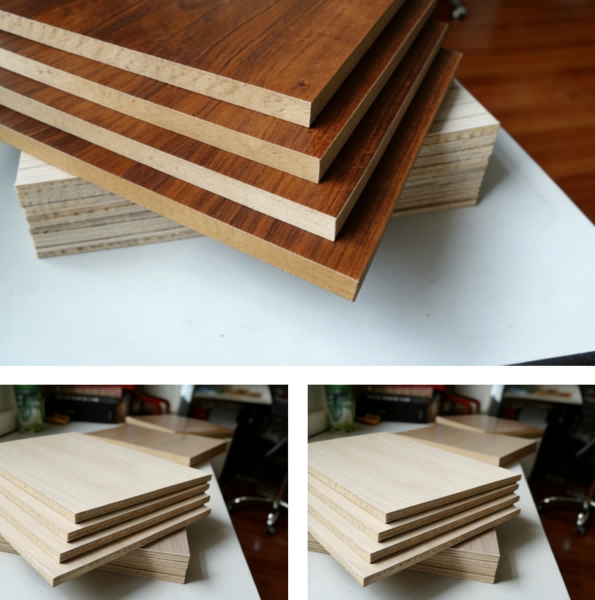
Understanding Chipboard Particle Board Construction and Properties
Core Composition and Manufacturing Process
Chipboard particle board consists of wood particles, sawdust, and wood shavings bonded together with synthetic resin adhesives under high pressure and temperature. This engineered manufacturing process creates a uniform, dense panel that exhibits consistent strength characteristics throughout its structure. The controlled production environment ensures that each board meets specific density and performance standards, making chipboard particle board a reliable material for cabinet construction applications.
The manufacturing process begins with carefully selected wood particles that are sorted by size and quality. Larger particles typically form the core layer, while finer particles create smooth surface layers. This graduated particle structure contributes to the exceptional screw-holding capacity and surface finish quality that make chipboard particle board ideal for cabinet frameworks, shelving, and door construction.
Density Classifications and Performance Standards
Professional-grade chipboard particle board comes in various density classifications, typically ranging from 600 to 800 kilograms per cubic meter. Higher density boards offer superior strength and durability for heavy-duty cabinet applications, while standard density options provide excellent performance for typical residential installations. These density variations allow cabinet manufacturers to select the most appropriate chipboard particle board grade for specific project requirements and budget considerations.
Quality chipboard particle board must meet stringent industry standards for formaldehyde emissions, moisture resistance, and structural integrity. Modern production facilities utilize advanced testing protocols to ensure consistent quality control, resulting in boards that maintain dimensional stability even in fluctuating humidity conditions commonly found in kitchen environments.
Cost-Effectiveness and Economic Advantages
Material Cost Comparison with Alternative Options
When evaluating cabinet construction materials, chipboard particle board consistently delivers exceptional value compared to solid wood, plywood, or medium-density fiberboard alternatives. The efficient use of wood waste products and streamlined manufacturing processes enable producers to offer chipboard particle board at competitive prices while maintaining high quality standards.
Cabinet manufacturers benefit from the predictable pricing structure of chipboard particle board, which remains relatively stable compared to volatile solid wood markets. This price stability allows for accurate project budgeting and enables manufacturers to offer competitive pricing to consumers without compromising quality or profitability. Additionally, the consistent availability of chipboard particle board ensures reliable supply chains for large-scale cabinet production operations.
Labor and Installation Efficiency Benefits
The uniform composition and consistent dimensions of chipboard particle board significantly reduce fabrication time and labor costs during cabinet construction. Unlike solid wood, which may contain knots, grain variations, or other natural irregularities, chipboard particle board provides predictable machining characteristics that streamline cutting, drilling, and assembly processes.
Professional cabinet installers appreciate the consistent weight and handling properties of chipboard particle board panels. The material's engineered structure eliminates concerns about wood grain direction, seasonal expansion, or warping issues that can complicate installation procedures with natural wood products. This reliability translates to faster installation times and reduced callback rates for cabinet manufacturers and contractors.
Structural Performance and Durability Characteristics
Load-Bearing Capacity and Structural Integrity
High-quality chipboard particle board exhibits impressive load-bearing capabilities that make it suitable for supporting heavy kitchen appliances, dishes, and storage items. The engineered structure distributes weight evenly across the panel surface, preventing localized stress concentrations that could lead to sagging or failure over time. Properly supported chipboard particle board shelving can safely handle loads comparable to solid wood alternatives.
The uniform density of chipboard particle board contributes to excellent screw retention properties, ensuring that cabinet hardware, hinges, and drawer slides remain securely fastened throughout the cabinet's service life. This mechanical fastening reliability is crucial for maintaining smooth operation of doors and drawers while preventing hardware loosening that could compromise cabinet functionality.
Moisture Resistance and Environmental Stability
Modern chipboard particle board incorporates moisture-resistant adhesives and treatments that provide adequate protection against humidity and occasional water exposure typical in kitchen environments. While not completely waterproof, quality chipboard particle board maintains dimensional stability and structural integrity under normal kitchen conditions when properly sealed and finished.
The engineered nature of chipboard particle board eliminates many of the seasonal movement issues associated with solid wood construction. Unlike natural wood, which expands and contracts significantly with humidity changes, chipboard particle board maintains consistent dimensions throughout varying environmental conditions, reducing the likelihood of gaps, binding, or alignment problems in cabinet assemblies.
Surface Finishing and Aesthetic Versatility
Veneer and Laminate Application Options
The smooth, uniform surface of chipboard particle board provides an ideal substrate for various decorative finishes, including wood veneers, melamine laminates, and thermofoil coverings. This versatility allows cabinet manufacturers to achieve virtually any desired appearance, from traditional wood grains to contemporary solid colors or textured surfaces, while maintaining the economic benefits of chipboard particle board construction.
Professional-grade chipboard particle board accepts adhesive-backed veneers and contact cements exceptionally well, creating strong, long-lasting bonds that resist delamination even in high-use applications. The consistent surface texture ensures uniform adhesive coverage and eliminates the telegraphing of surface irregularities that can occur with lower-quality substrate materials.
Paint and Stain Compatibility
When properly prepared with appropriate primers and sealers, chipboard particle board accepts paint finishes beautifully, providing a smooth, professional appearance that rivals traditional painted wood cabinets. The stable surface prevents paint cracking or peeling caused by substrate movement, ensuring long-lasting finish quality.
For applications requiring stained finishes, chipboard particle board can be enhanced with wood grain contact papers or printed veneers that simulate natural wood species. These modern finishing techniques allow manufacturers to offer the appearance of expensive hardwoods while maintaining the cost advantages and consistent quality of engineered chipboard particle board construction.
Environmental Sustainability and Resource Efficiency
Waste Wood Utilization and Forest Conservation
Chipboard particle board manufacturing represents an excellent example of sustainable resource utilization, converting sawmill waste, wood shavings, and post-industrial wood scraps into valuable building materials. This efficient use of wood waste reduces the demand for virgin timber while providing a productive outlet for materials that might otherwise be discarded or burned.
The production of chipboard particle board requires significantly less large-diameter timber compared to solid wood or plywood manufacturing, helping preserve mature forests while still meeting construction material demands. This resource efficiency contributes to sustainable forestry practices and reduces the environmental impact of cabinet construction projects.
Recycling and End-of-Life Considerations
Modern chipboard particle board can be recycled at the end of its service life, either through re-processing into new boards or as biomass fuel for energy generation. Many manufacturers now offer take-back programs for used chipboard particle board products, creating closed-loop systems that minimize waste generation and maximize resource utilization.
The controlled composition of chipboard particle board facilitates recycling processes compared to composite materials containing multiple dissimilar components. This recyclability aligns with growing environmental awareness among consumers and helps cabinet manufacturers meet sustainability goals while maintaining product performance standards.
Quality Control and Standards Compliance
Industry Certification and Testing Requirements
Reputable chipboard particle board manufacturers adhere to strict quality standards established by organizations such as ANSI, CARB, and international equivalents. These standards address formaldehyde emissions, structural performance, and environmental impact, ensuring that chipboard particle board products meet or exceed safety and performance requirements for interior applications.
Quality assurance testing includes regular monitoring of board density, moisture content, internal bond strength, and screw-holding capacity. This comprehensive testing regimen ensures that each shipment of chipboard particle board meets specified performance criteria and provides consistent results for cabinet manufacturers and contractors.
Formaldehyde Emission Standards and Indoor Air Quality
Contemporary chipboard particle board production utilizes low-formaldehyde and formaldehyde-free adhesive systems that comply with stringent emission standards designed to protect indoor air quality. These advanced adhesive technologies maintain the structural performance characteristics that make chipboard particle board suitable for cabinet construction while minimizing potential health concerns.
Third-party certification programs verify that chipboard particle board products meet established emission limits and maintain these performance levels throughout their service life. This certification provides confidence to specifiers, contractors, and end users regarding the safety and environmental compatibility of chipboard particle board in residential and commercial applications.
FAQ
How long does chipboard particle board last in cabinet applications?
Quality chipboard particle board can provide 15-25 years of reliable service in typical residential cabinet applications when properly constructed and maintained. The actual lifespan depends on factors such as board quality, installation practices, environmental conditions, and usage patterns. Professional-grade chipboard particle board with appropriate moisture protection can match or exceed the durability of many traditional wood products.
Can chipboard particle board support heavy kitchen appliances and storage items?
Yes, properly supported chipboard particle board shelving and cabinet structures can safely support heavy loads including small appliances, dishes, and storage containers typical in kitchen environments. The key is using appropriate thickness boards, adequate support spacing, and proper installation techniques. Most quality chipboard particle board products provide load ratings that meet or exceed standard cabinet requirements.
Is chipboard particle board suitable for moisture-prone areas like kitchens?
Modern chipboard particle board with moisture-resistant adhesives performs well in typical kitchen environments when properly sealed and finished. While not recommended for direct water contact, quality boards maintain dimensional stability and structural integrity under normal humidity conditions. Proper edge sealing and appropriate finishes provide additional moisture protection for long-term performance.
How does chipboard particle board compare to plywood for cabinet construction?
Chipboard particle board offers several advantages over plywood including lower cost, more consistent surface quality, and better screw-holding capacity. While plywood may have slightly higher bending strength, chipboard particle board provides adequate structural performance for most cabinet applications at a significantly lower cost. The choice often depends on specific project requirements, budget constraints, and aesthetic preferences.
Table of Contents
- Understanding Chipboard Particle Board Construction and Properties
- Cost-Effectiveness and Economic Advantages
- Structural Performance and Durability Characteristics
- Surface Finishing and Aesthetic Versatility
- Environmental Sustainability and Resource Efficiency
- Quality Control and Standards Compliance
-
FAQ
- How long does chipboard particle board last in cabinet applications?
- Can chipboard particle board support heavy kitchen appliances and storage items?
- Is chipboard particle board suitable for moisture-prone areas like kitchens?
- How does chipboard particle board compare to plywood for cabinet construction?