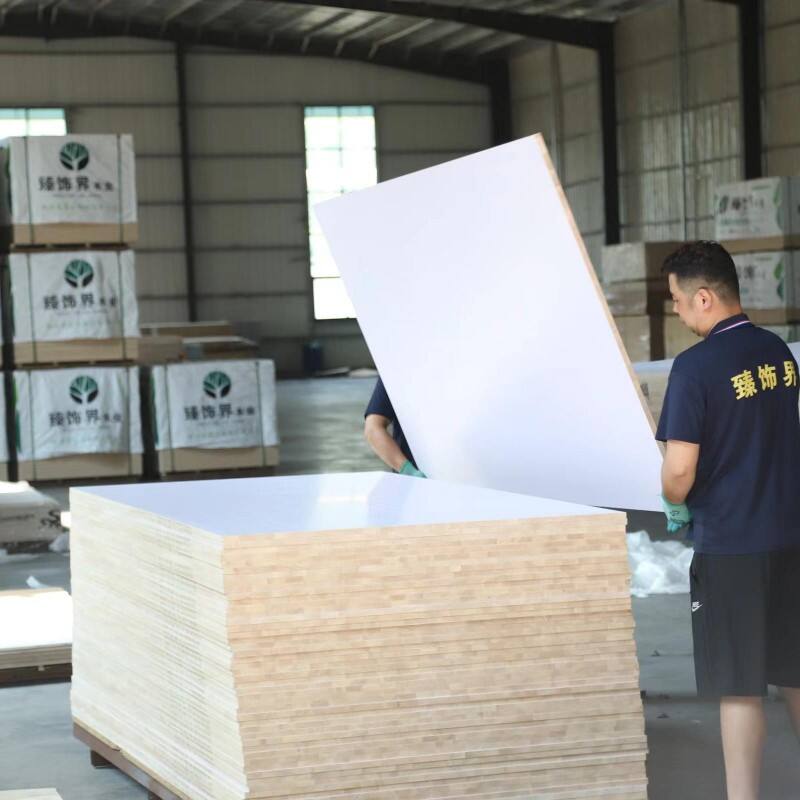
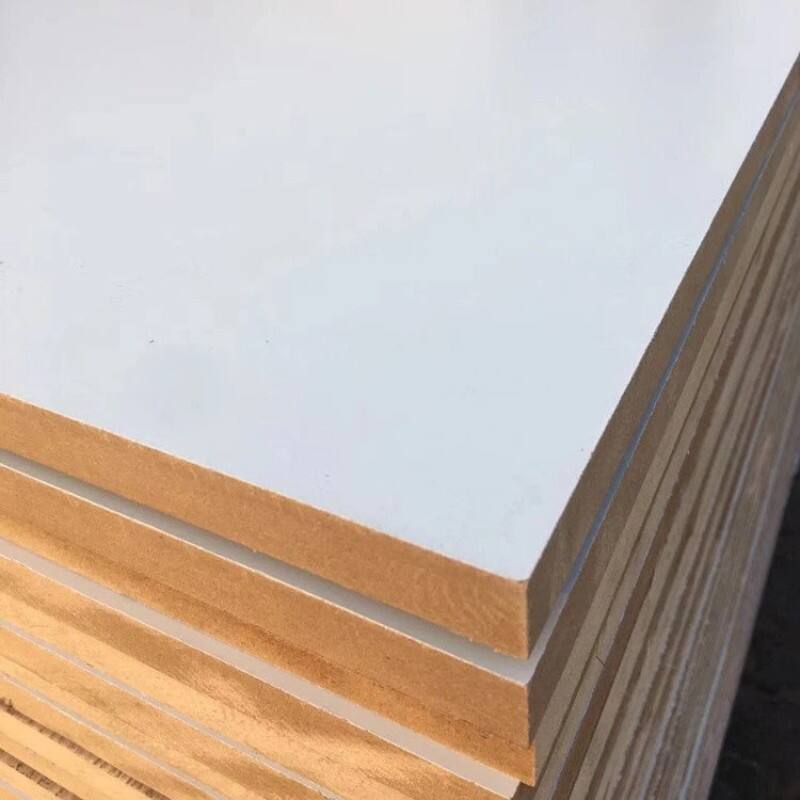
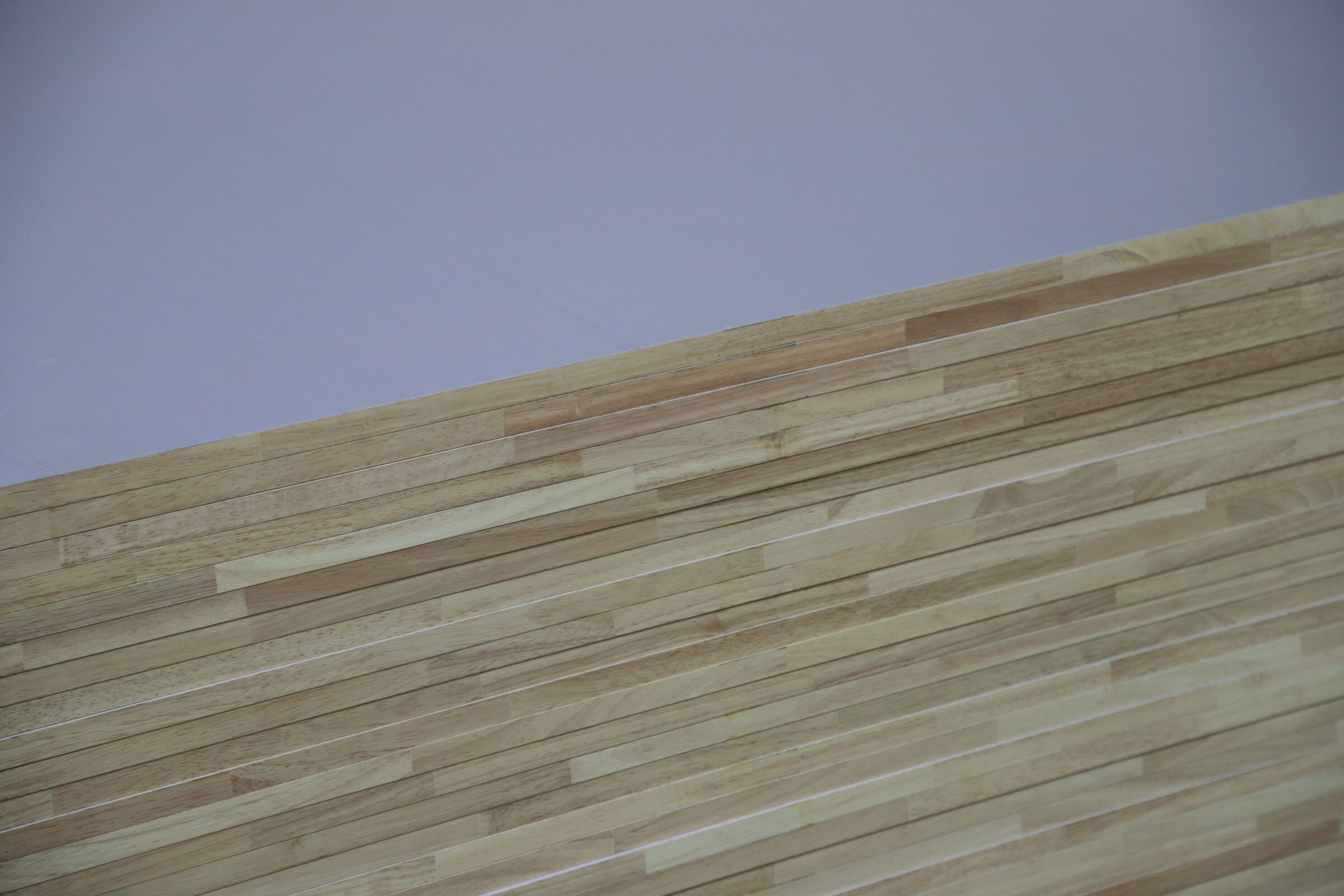
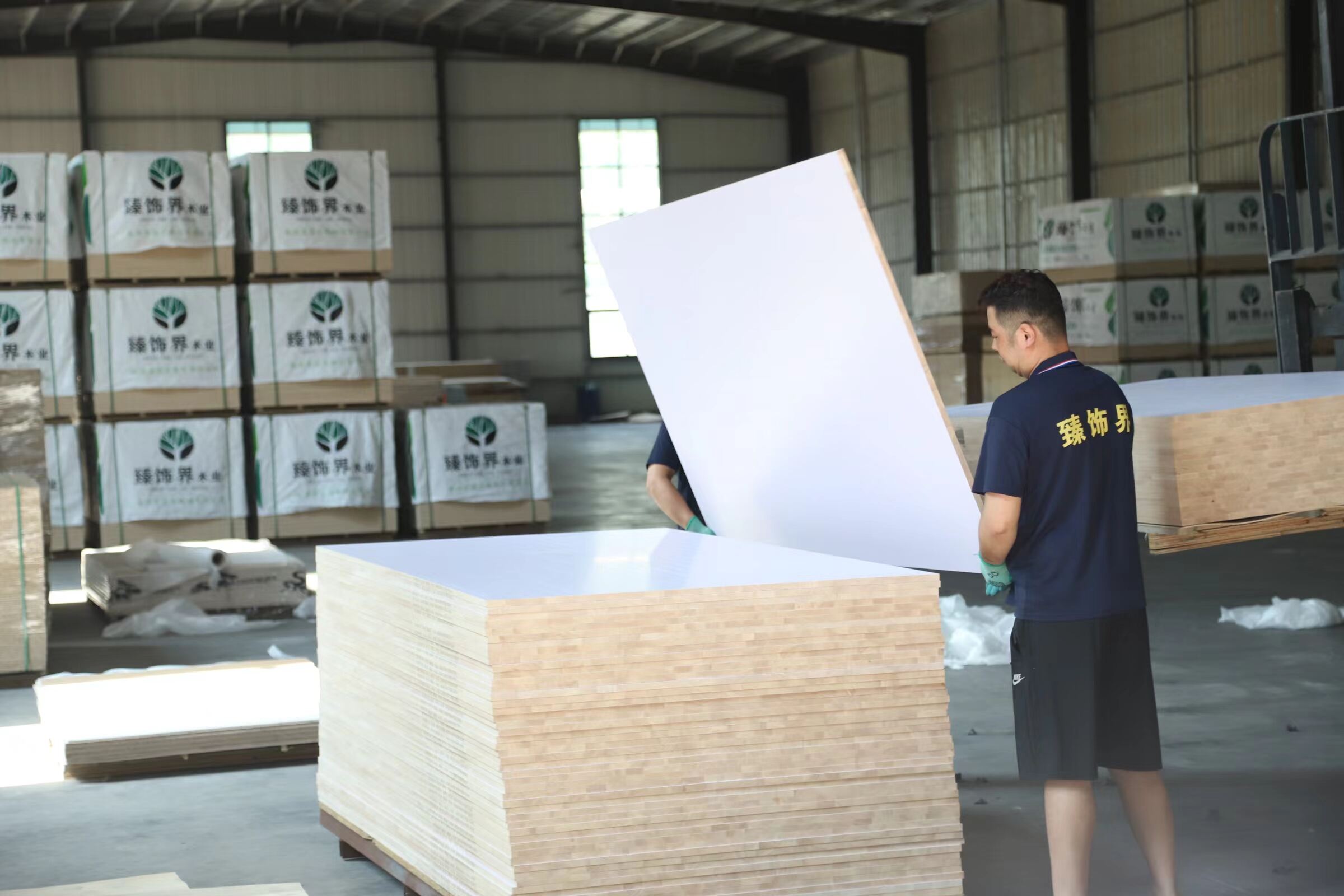
Chipboard and Particle Board: Cost-Effective Engineered Wood Solutions for Modern Construction and Furniture Manufacturing

Get a Free Quote

Our representative will contact you soon.
Email
Mobile/WhatsApp
Name
Company Name
Message
0/1000

chipboard and particle board

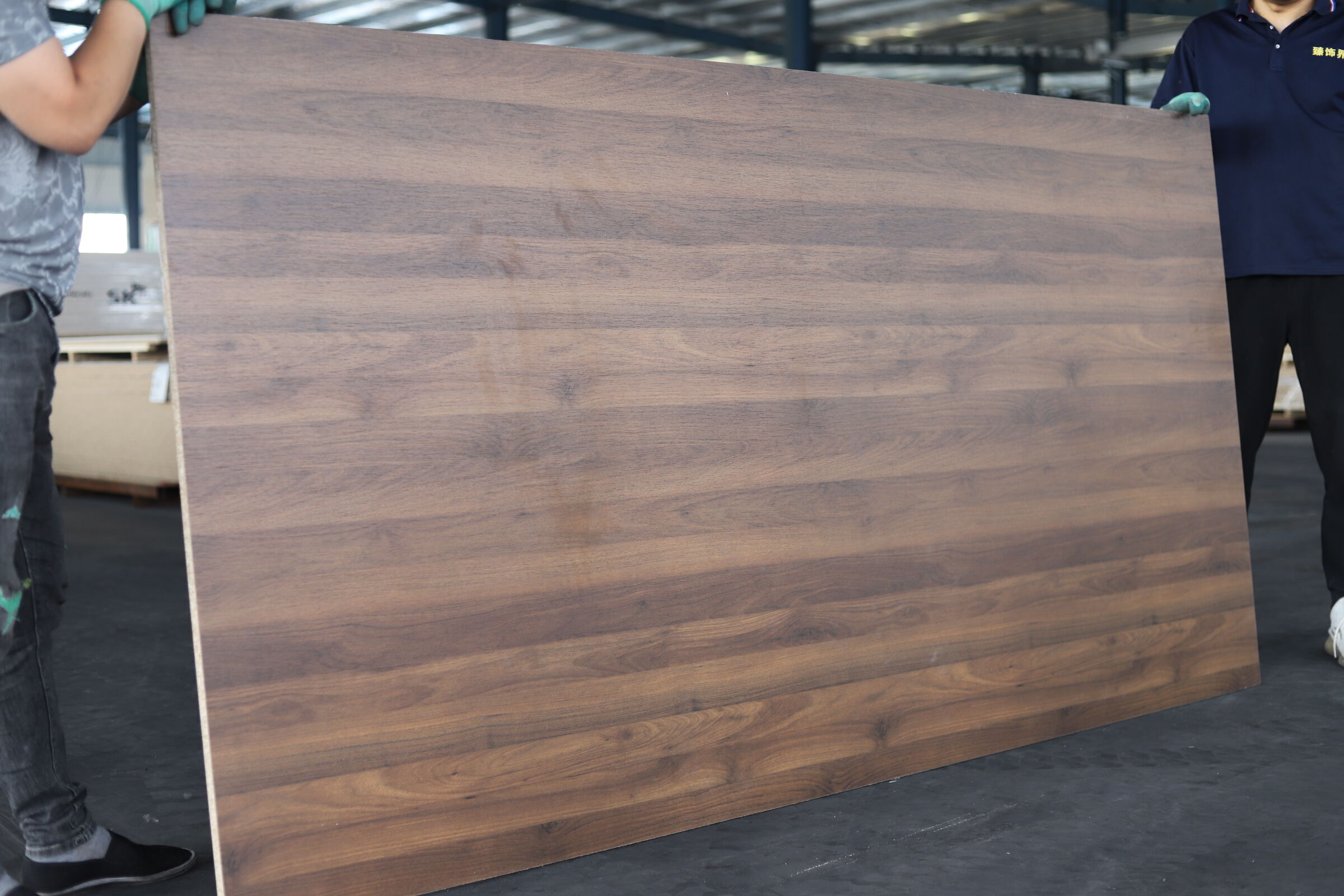
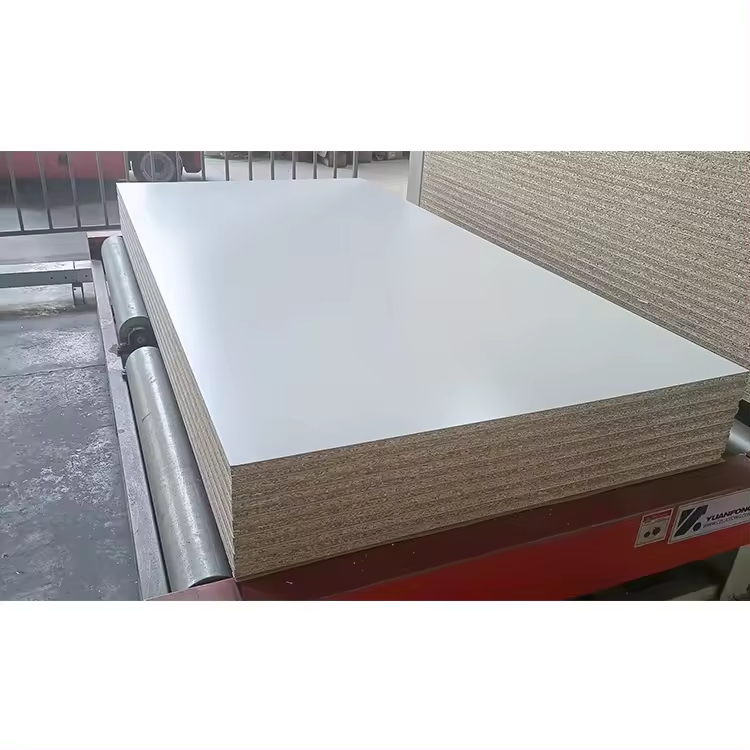
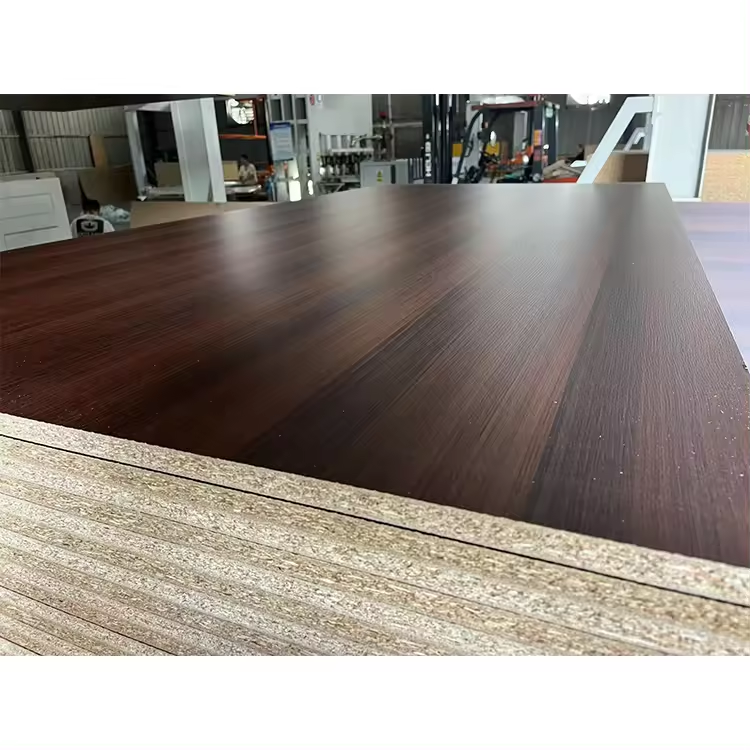
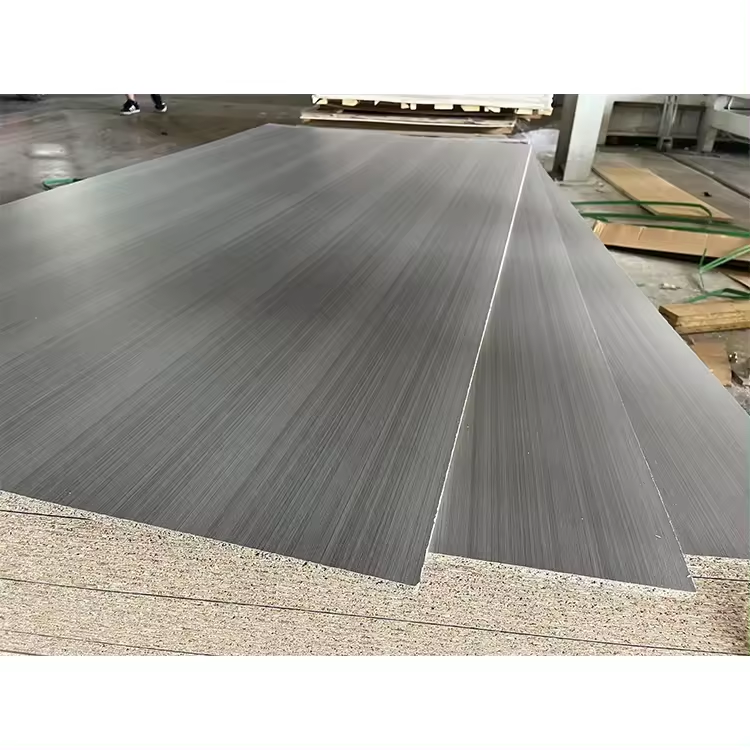
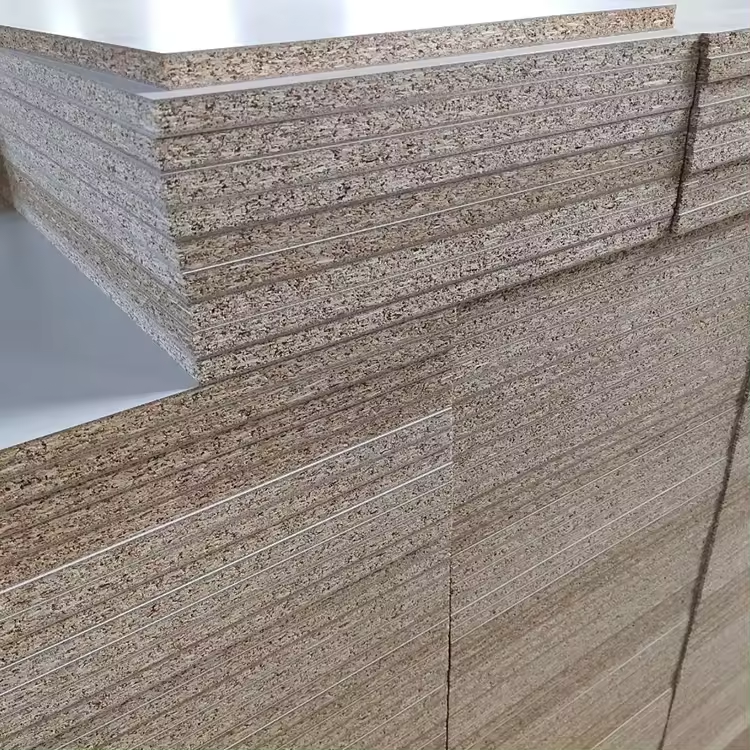
Chipboard and particle board represent engineered wood products that have revolutionized modern construction and furniture manufacturing. These composite materials consist of wood chips, sawdust, and wood particles bonded together using synthetic resins and adhesives under high pressure and temperature. The manufacturing process creates uniform, stable panels that offer consistent performance characteristics throughout their structure. Chipboard typically features larger wood particles compared to particle board, which uses finer wood particles and dust. Both materials serve as cost-effective alternatives to solid wood while maintaining structural integrity and versatility. The technological features of chipboard and particle board include excellent dimensional stability, uniform density distribution, and smooth surfaces suitable for various finishing applications. These engineered wood products exhibit minimal warping, splitting, or cracking compared to natural wood, making them ideal for precision applications. The manufacturing process allows for consistent thickness control and uniform material properties across large panel sizes. Modern production techniques incorporate advanced pressing methods and quality control systems that ensure reliable performance standards. Applications for chipboard and particle board span across residential, commercial, and industrial sectors. In furniture manufacturing, these materials form the core structure for cabinets, shelving units, desks, and storage solutions. The construction industry utilizes chipboard and particle board for subflooring, wall sheathing, and interior paneling applications. Kitchen and bathroom installations frequently incorporate these materials due to their moisture resistance properties when properly treated. Retail and commercial spaces benefit from chipboard and particle board in display fixtures, countertops, and partition walls. The materials also find extensive use in packaging applications, including shipping containers and protective crating systems. Educational institutions and office environments rely on chipboard and particle board for modular furniture systems and workspace solutions that require frequent reconfiguration and adaptation.

New Products

The primary advantages of chipboard and particle board center on their exceptional cost-effectiveness compared to solid wood alternatives. These engineered materials provide significant savings for manufacturers and consumers while delivering reliable performance across diverse applications. The production process utilizes wood waste and recycled materials, creating an environmentally sustainable option that reduces forest harvesting pressure. This eco-friendly approach appeals to environmentally conscious consumers and supports green building initiatives. Chipboard and particle board offer superior dimensional stability compared to natural wood products. The manufacturing process eliminates natural wood defects such as knots, grain irregularities, and moisture-related movement. This stability ensures consistent performance in varying environmental conditions and reduces maintenance requirements over time. The uniform density distribution throughout chipboard and particle board panels provides predictable structural properties that simplify design calculations and installation procedures. Engineers and architects can rely on consistent load-bearing capabilities and fastener-holding strength across entire panel surfaces. The smooth, consistent surface texture of chipboard and particle board creates ideal substrates for laminate applications, veneer overlays, and paint finishes. This versatility allows manufacturers to achieve premium appearances while maintaining cost advantages. The material readily accepts various surface treatments, including melamine coatings, wood grain laminates, and decorative papers. Installation efficiency represents another significant advantage of chipboard and particle board systems. The materials cut cleanly with standard woodworking tools and machinery, reducing processing time and labor costs. Edge treatments and joinery methods work effectively with these engineered products, allowing for precise assembly and professional-quality results. The consistent thickness and flat surfaces minimize preparation work required before finishing applications. Quality control measures during chipboard and particle board manufacturing ensure predictable performance characteristics that natural wood cannot match. Standardized testing protocols verify strength properties, moisture resistance, and dimensional stability before products reach the market. This reliability reduces project risks and warranty concerns for manufacturers and contractors. The materials demonstrate excellent screw-holding capacity and accept various fastening systems, including mechanical connectors, adhesives, and specialty hardware designed for engineered wood products.

Practical Tips

How Durable Is Particleboard For Interior Applications?

03

Mar

How Durable Is Particleboard For Interior Applications?

When selecting materials for interior applications, understanding the durability characteristics of particleboard becomes essential for making informed decisions. This engineered wood product has gained significant popularity in residential and comme...
View More
Can Particleboard Improve Space-Saving Cabinet Projects?

10

Mar

Can Particleboard Improve Space-Saving Cabinet Projects?

Modern homeowners and designers constantly seek innovative materials that combine affordability, versatility, and functionality for their cabinet projects. Particleboard has emerged as a premier choice for space-saving cabinet designs, offering excep...
View More
Why Choose Chipboard Particle Board For Cabinets?

23

Mar

Why Choose Chipboard Particle Board For Cabinets?

Modern kitchen and furniture design increasingly relies on engineered wood products that deliver exceptional performance, durability, and cost-effectiveness. Among these materials, chipboard particle board has emerged as a leading choice for cabinet ...
View More
What Are The Benefits Of Chipboard Particle Board Panels?

27

Mar

What Are The Benefits Of Chipboard Particle Board Panels?

In the modern construction and furniture manufacturing industry, materials that offer versatility, cost-effectiveness, and reliable performance are highly sought after. Among these materials, chipboard particle board stands out as one of the most pra...
View More

Get a Free Quote

Our representative will contact you soon.
Email
Mobile/WhatsApp
Name
Company Name
Message
0/1000

chipboard and particle board

Exceptional Cost-Effectiveness and Material Efficiency

Exceptional Cost-Effectiveness and Material Efficiency

Chipboard and particle board deliver unmatched value propositions that make them indispensable in modern manufacturing and construction applications. The cost advantages extend beyond initial material purchases to encompass reduced processing expenses, lower waste generation, and streamlined production workflows. Manufacturing facilities achieve significant economies of scale when utilizing chipboard and particle board due to their consistent dimensions and predictable properties. Unlike solid wood that requires extensive grading, sorting, and defect removal processes, chipboard and particle board arrive ready for immediate processing with minimal preparation requirements. The material utilization rates approach nearly one hundred percent, as standard panel sizes accommodate most design requirements without excessive waste. This efficiency translates directly into reduced material costs and improved project profitability for manufacturers and contractors. The uniform thickness and smooth surfaces of chipboard and particle board eliminate the need for extensive sanding and preparation work typically required with natural wood products. This time savings reduces labor costs and accelerates production schedules across various applications. Additionally, the consistent material properties allow for automated processing and standardized tooling setups that further enhance manufacturing efficiency. The predictable performance characteristics enable designers to optimize material usage and minimize over-engineering requirements common with natural wood products. Chipboard and particle board also offer significant advantages in transportation and storage costs due to their stable dimensions and resistance to environmental factors. The materials stack efficiently and maintain their flat profiles during shipping and warehousing operations. This stability reduces handling damage and associated replacement costs that frequently occur with solid wood products. Furthermore, the consistent moisture content of chipboard and particle board eliminates the acclimation periods required for natural wood, allowing for immediate installation upon delivery. These combined cost benefits make chipboard and particle board essential components in value-engineering strategies across residential, commercial, and industrial construction projects.
Superior Environmental Sustainability and Resource Conservation

Superior Environmental Sustainability and Resource Conservation

Chipboard and particle board represent exemplary achievements in sustainable manufacturing practices and environmental stewardship within the wood products industry. These engineered materials utilize post-industrial wood waste, sawmill byproducts, and recycled wood fibers that would otherwise contribute to landfill accumulation or require costly disposal methods. The manufacturing process transforms these waste streams into valuable, high-performance building materials that compete directly with products derived from virgin timber resources. This circular economy approach significantly reduces the environmental footprint associated with traditional wood harvesting while creating economic value from previously discarded materials. The production of chipboard and particle board requires substantially fewer old-growth trees compared to equivalent volumes of solid wood products. Modern manufacturing facilities can produce large quantities of engineered panels using small-diameter trees, fast-growing species, and sustainably managed forest resources. This approach supports responsible forestry practices and helps preserve valuable old-growth ecosystems for future generations. The efficient utilization of wood resources in chipboard and particle board manufacturing creates a compelling environmental advantage that resonates with eco-conscious consumers and green building certification programs. Advanced adhesive systems used in contemporary chipboard and particle board production have evolved to include formaldehyde-free and low-emission formulations that improve indoor air quality. These technological developments address previous environmental concerns while maintaining the structural integrity and performance characteristics that make these materials valuable. Many manufacturers now offer chipboard and particle board products that meet or exceed strict environmental standards established by organizations such as the Forest Stewardship Council and GREENGUARD certification programs. The energy requirements for chipboard and particle board manufacturing have decreased significantly through technological improvements and process optimization initiatives. Modern production facilities incorporate heat recovery systems, efficient pressing equipment, and optimized curing processes that reduce energy consumption per unit of finished product. These efficiency improvements contribute to lower carbon footprints and enhanced sustainability profiles for chipboard and particle board compared to many alternative materials.
Versatile Design Flexibility and Reliable Performance Characteristics

Versatile Design Flexibility and Reliable Performance Characteristics

Chipboard and particle board provide designers and manufacturers with unparalleled flexibility in creating innovative products and solutions across diverse application requirements. The engineered nature of these materials allows for precise control over density, thickness, and performance properties during manufacturing, enabling customization that natural wood cannot match. This adaptability makes chipboard and particle board ideal for applications ranging from intricate furniture components to large-scale architectural elements. The uniform composition ensures consistent behavior under various loading conditions and environmental exposures, providing designers with reliable performance data for engineering calculations and structural analysis. The surface characteristics of chipboard and particle board create exceptional substrates for decorative treatments and functional coatings. The smooth, consistent texture accepts laminates, veneers, paints, and specialty finishes with superior adhesion and appearance quality. This versatility enables manufacturers to achieve premium aesthetic results while maintaining cost advantages over solid wood alternatives. The material readily accommodates edge banding, routing operations, and complex machining requirements that support sophisticated design concepts. Advanced grades of chipboard and particle board incorporate specialized additives that enhance specific performance characteristics such as moisture resistance, fire retardancy, and dimensional stability. The ability to engineer these properties during manufacturing provides significant advantages over natural wood products that rely primarily on post-production treatments for enhanced performance. Moisture-resistant grades of chipboard and particle board perform reliably in high-humidity environments such as kitchens and bathrooms where natural wood might experience swelling, warping, or delamination. Fire-retardant formulations meet stringent building code requirements for commercial and institutional applications. The mechanical properties of chipboard and particle board demonstrate remarkable consistency across production runs and between different manufacturers following industry standards. This predictability simplifies design processes and reduces the safety factors typically required when working with variable natural materials. The fastener-holding capacity, screw withdrawal resistance, and edge-holding strength properties enable secure assembly methods and reliable long-term performance. These characteristics make chipboard and particle board particularly valuable in applications requiring frequent assembly and disassembly operations or where structural reliability is paramount to user safety and product longevity.

Get a Free Quote

Our representative will contact you soon.
Email
Mobile/WhatsApp
Name
Company Name
Message
0/1000