 EN
EN

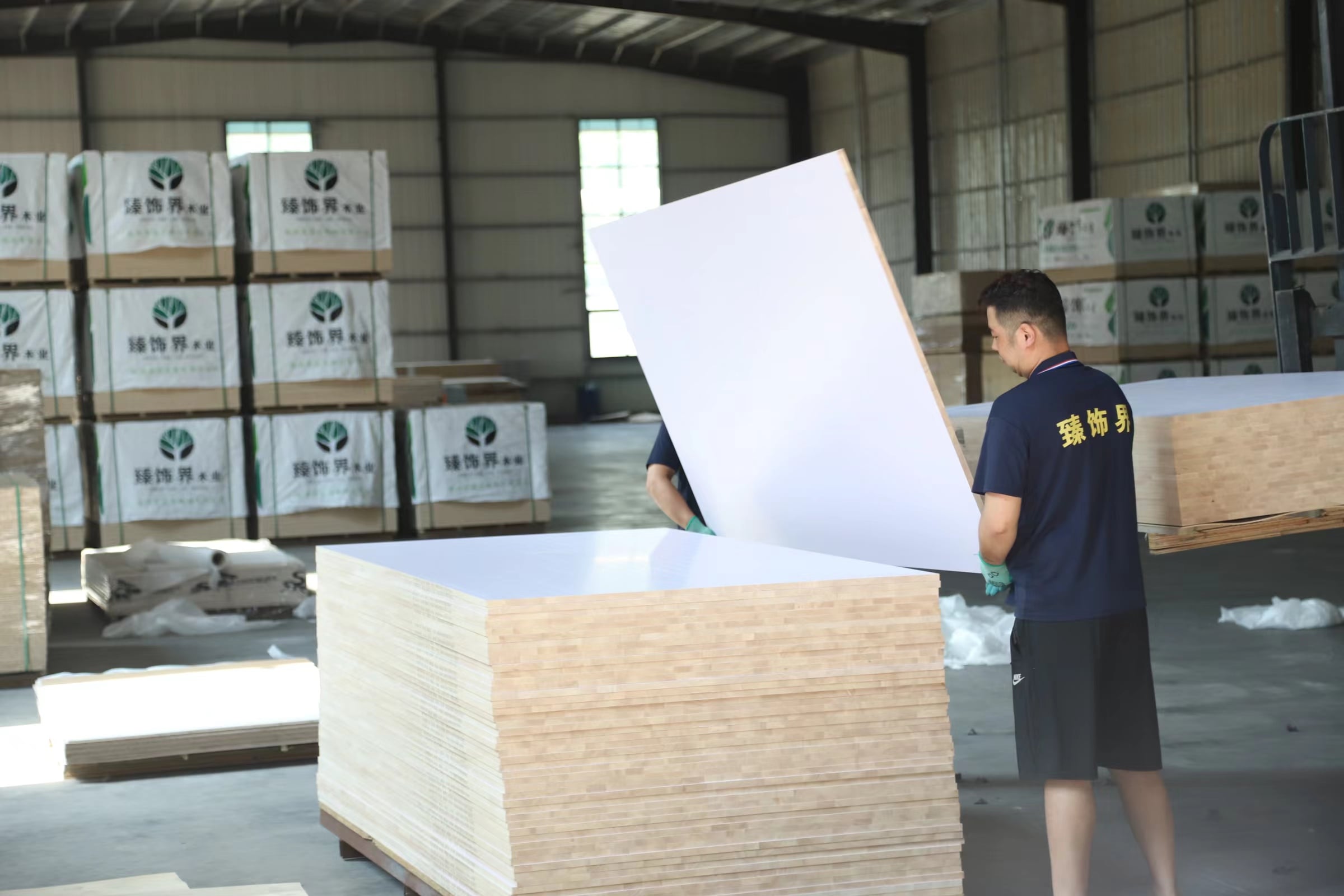
Modern homeowners and designers constantly seek innovative materials that combine affordability, versatility, and functionality for their cabinet projects. Particleboard has emerged as a premier choice for space-saving cabinet designs, offering exceptional value and performance characteristics that make it ideal for contemporary interior applications. This engineered wood product provides remarkable structural integrity while maintaining cost-effectiveness, making it particularly valuable for projects where maximizing storage capacity within limited spaces is paramount. The material's consistent density and smooth surface characteristics enable precise fabrication techniques that are essential for creating efficient storage solutions.
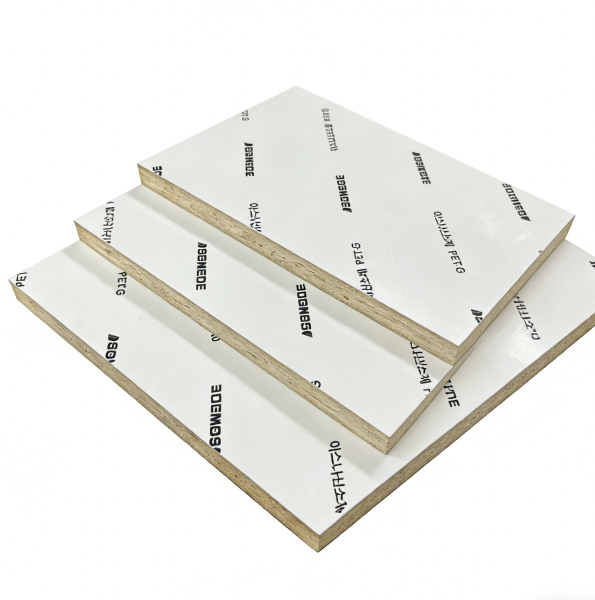
Understanding Particleboard Construction and Properties
Composition and Manufacturing Process
Particleboard manufacturing involves combining wood particles, chips, and fibers with synthetic resin adhesives under controlled temperature and pressure conditions. The process creates a uniform, dense panel that exhibits consistent mechanical properties throughout its structure. Modern particleboard production utilizes advanced pressing techniques that ensure optimal particle orientation and adhesive distribution, resulting in panels with superior dimensional stability and strength characteristics. The manufacturing process allows for precise control over density gradients, enabling producers to create panels optimized for specific applications including cabinet construction.
The particle size distribution within quality particleboard follows carefully engineered specifications that balance strength requirements with surface smoothness. Finer particles typically concentrate near the surface layers, creating an ideal substrate for veneer application or direct finishing. Coarser particles in the core provide structural strength while maintaining appropriate screw-holding capabilities essential for cabinet hardware installation. This layered construction approach ensures that particleboard delivers optimal performance characteristics for cabinet applications while maintaining cost-effectiveness.
Mechanical Properties and Performance Standards
Quality particleboard exhibits impressive mechanical properties that make it suitable for demanding cabinet applications. The material typically demonstrates excellent dimensional stability under varying humidity conditions, which is crucial for cabinet components that must maintain precise fits over extended periods. Screw withdrawal strength and internal bond strength specifications ensure reliable hardware attachment and structural integrity throughout the cabinet's service life. These mechanical properties are rigorously tested according to industry standards to guarantee consistent performance across different production batches.
Flexural strength characteristics of modern particleboard allow for the creation of wide shelving spans without excessive deflection under load. The material's uniform density distribution eliminates weak spots that could compromise structural performance, making it ideal for heavy-duty storage applications. Edge-holding strength properties ensure that cabinet doors and drawers operate smoothly without loosening over time. Understanding these mechanical properties enables designers to specify appropriate thicknesses and configurations for specific cabinet applications while maintaining structural integrity and functionality.
Space-Saving Design Advantages
Dimensional Stability and Precision Manufacturing
The exceptional dimensional stability of particleboard enables cabinet manufacturers to achieve tight tolerances essential for space-efficient designs. Unlike solid wood, which can experience significant movement due to moisture changes, particleboard maintains consistent dimensions throughout seasonal variations. This stability allows designers to create precisely fitted components that maximize usable interior space while maintaining proper clearances for doors and drawers. The material's uniform thickness and flat surfaces eliminate the need for extensive milling operations, reducing manufacturing time and costs.
Precision manufacturing capabilities with particleboard enable the creation of complex cabinet configurations that maximize storage density. The material machines cleanly with standard woodworking equipment, allowing for intricate joinery and hardware installation without splitting or tear-out. Consistent density throughout the panel ensures predictable cutting and routing behavior, enabling manufacturers to achieve repeatable results across large production runs. This precision manufacturing capability is particularly valuable when creating modular cabinet systems where component interchangeability is essential.
Thickness Optimization for Maximum Storage
Strategic thickness selection in particleboard applications can significantly impact storage capacity in space-constrained environments. Thinner panels, when appropriately supported, allow for maximum interior cabinet volume while maintaining adequate structural performance. The material's excellent strength-to-weight ratio enables the use of optimized panel thicknesses that reduce overall cabinet depth without compromising durability. This thickness optimization is particularly beneficial in narrow spaces where every millimeter of interior storage capacity is valuable.
Advanced particleboard formulations allow for the creation of ultra-thin panels that maintain surprising strength characteristics. These thin panels enable designers to create multiple storage tiers within standard cabinet depths, effectively multiplying storage capacity. The uniform density of quality particleboard ensures that thin sections maintain their structural integrity under normal loading conditions. Proper edge treatment and reinforcement strategies can further enhance the performance of thin particleboard components in space-critical applications.
Surface Treatment Options for Enhanced Functionality
Laminate and Veneer Applications
The smooth, uniform surface of particleboard provides an ideal substrate for various decorative and functional surface treatments. High-pressure laminates bond exceptionally well to particleboard surfaces, creating durable, easy-to-clean cabinet interiors and exteriors. The material's dimensional stability ensures that laminate applications remain flat and wrinkle-free over extended periods. Specialized moisture-resistant laminates can transform standard particleboard into suitable material for kitchen and bathroom cabinet applications where humidity exposure is a concern.
Veneer applications on particleboard create attractive cabinet faces that rival solid wood appearance at a fraction of the cost. The consistent substrate eliminates telegraphing of underlying grain patterns, ensuring uniform veneer appearance. Pre-finished veneer options reduce manufacturing time while providing consistent quality across large cabinet installations. The combination of particleboard substrate with quality veneers enables the creation of high-end cabinet appearances suitable for luxury residential and commercial applications.
Specialized Coating Systems
Modern coating technologies have revolutionized particleboard surface treatment options for cabinet applications. UV-cured finishes provide exceptional durability and chemical resistance while maintaining the material's dimensional stability. These advanced coating systems can incorporate anti-microbial properties, making them suitable for healthcare and food service cabinet applications. The smooth particleboard surface enables uniform coating application and excellent finish adhesion, resulting in professional-quality cabinet components.
Textured coating systems can transform particleboard surfaces to simulate various wood grains or contemporary textured finishes. These specialized coatings provide both aesthetic enhancement and functional benefits such as improved scratch resistance and easier cleaning. The versatility of coating options enables designers to achieve specific design objectives while maintaining the cost advantages of particleboard construction. Proper surface preparation and coating selection ensure long-term performance and appearance retention in demanding cabinet applications.
Environmental Considerations and Sustainability
Resource Efficiency and Waste Utilization
Particleboard manufacturing represents an excellent example of resource efficiency in the wood products industry, utilizing wood waste and smaller diameter logs that might otherwise be discarded. This efficient use of forest resources makes particleboard an environmentally responsible choice for cabinet construction. The manufacturing process converts wood residues from sawmills, furniture manufacturing, and other wood processing operations into valuable building materials. This waste stream utilization reduces landfill burden while creating useful products for the construction industry.
The consistent quality achievable with particleboard reduces material waste during cabinet manufacturing compared to solid wood alternatives. Predictable machining characteristics eliminate the need for grading and sorting that typically results in waste with natural wood products. The uniform properties of particleboard enable optimized nesting of cabinet components during cutting operations, maximizing material utilization. These efficiency gains translate to reduced environmental impact and improved cost-effectiveness for cabinet manufacturers and consumers.
Formaldehyde Emission Standards and Indoor Air Quality
Modern particleboard production emphasizes low-emission adhesive systems that meet or exceed stringent indoor air quality standards. Ultra-low emitting formaldehyde (ULEF) particleboard products are now widely available, ensuring safe indoor environments for residential and commercial cabinet applications. These advanced formulations maintain excellent bonding strength while dramatically reducing volatile organic compound emissions. Certification programs such as GREENGUARD Gold provide verification of low-emission performance for health-conscious consumers and green building projects.
Formaldehyde-free adhesive systems represent the latest advancement in particleboard manufacturing technology. These innovative binding agents eliminate formaldehyde emissions entirely while maintaining the mechanical properties required for cabinet applications. The adoption of these cleaner technologies demonstrates the industry's commitment to environmental stewardship and occupant health. Proper product selection and certification verification ensure that particleboard cabinet projects contribute to healthy indoor environments.
Installation and Fabrication Techniques
Joinery Methods and Hardware Compatibility
Successful particleboard cabinet fabrication requires understanding of appropriate joinery techniques and hardware selection. The material's density and composition make it well-suited for mechanical fasteners including screws, dowels, and specialized cabinet hardware. Proper pilot hole sizing prevents splitting while ensuring secure connections that maintain strength over time. Advanced joining systems such as confirmat screws and cam-lock assemblies work exceptionally well with particleboard, enabling efficient assembly of knock-down cabinet systems.
Edge banding techniques are crucial for achieving professional results with particleboard cabinet construction. Heat-activated edge banding provides durable, attractive edge treatment that conceals the panel's composite construction. Proper edge preparation and banding application ensure long-term adhesion and appearance retention. Alternative edge treatment methods including solid wood strips or aluminum extrusions can provide enhanced durability for high-wear applications while maintaining the cost advantages of particleboard construction.
Cutting and Machining Best Practices
Achieving clean, accurate cuts in particleboard requires appropriate tooling and cutting techniques. Carbide-tipped saw blades with fine tooth configurations minimize chip-out and ensure smooth cut surfaces. Proper feed rates and cutting speeds prevent overheating that can damage the adhesive binder and compromise edge quality. Support techniques such as zero-clearance inserts and backing boards help maintain clean cut quality on both sides of the panel during crosscutting operations.
Router operations on particleboard require careful tool selection and technique to achieve professional results. Sharp, carbide-tipped bits prevent tear-out and burning while creating smooth profiles suitable for hardware installation or decorative treatments. Climb cutting techniques may be necessary for certain operations to minimize chip-out on particleboard edges. Dust collection becomes particularly important when machining particleboard due to the fine particle size generated during cutting operations.
Cost-Effectiveness Analysis for Cabinet Projects
Material Cost Comparisons
When evaluating particleboard for cabinet projects, the material cost advantages become immediately apparent compared to solid wood or plywood alternatives. The efficient manufacturing process and utilization of wood waste streams enable particleboard producers to offer consistent pricing that remains relatively stable compared to volatile solid lumber markets. This price stability allows project managers to develop accurate budgets without significant risk of material cost escalation during project execution. The cost savings achieved through particleboard selection can be redirected toward higher-quality hardware or surface treatments.
Labor cost considerations also favor particleboard in cabinet applications due to the material's consistent machining characteristics and dimensional stability. Reduced setup time, minimal material waste, and predictable cutting behavior translate to improved labor efficiency throughout the fabrication process. The elimination of grading, sorting, and defect management associated with solid wood products further reduces labor requirements. These labor efficiencies compound the raw material cost advantages, making particleboard an attractive choice for budget-conscious cabinet projects.
Long-Term Value Considerations
While initial cost advantages are significant, the long-term value proposition of particleboard in cabinet applications extends beyond purchase price. The dimensional stability of quality particleboard ensures that cabinet doors remain properly aligned and drawers continue to operate smoothly over extended periods. This stability reduces maintenance requirements and warranty claims, providing additional value to both manufacturers and end users. Proper surface treatment and hardware selection enable particleboard cabinets to provide decades of reliable service.
The modular nature of particleboard cabinet construction facilitates future modifications or expansions without requiring complete replacement. Individual components can be reproduced accurately due to the material's consistent properties, enabling cost-effective updates or repairs. The availability of matching surface treatments ensures visual continuity when adding components to existing installations. This adaptability provides long-term value that extends the useful life of particleboard cabinet installations while maintaining aesthetic consistency.
Quality Standards and Selection Criteria
Industry Standards and Certifications
Understanding relevant industry standards is essential for selecting appropriate particleboard grades for cabinet applications. ANSI A208.1 standards define performance requirements for various particleboard grades, ensuring consistent quality and performance characteristics. These standards specify minimum requirements for modulus of elasticity, modulus of rupture, internal bond strength, and dimensional stability under specified test conditions. Compliance with these standards provides assurance that particleboard products will perform adequately in their intended applications.
Third-party certification programs such as those offered by the Composite Panel Association provide additional verification of product quality and consistency. These certification programs include regular testing and plant inspections to ensure ongoing compliance with established standards. Certified particleboard products typically carry quality marks that enable easy identification and specification. The certification process also includes verification of environmental performance criteria, ensuring that products meet emissions standards required for indoor applications.
Specification Guidelines for Cabinet Applications
Proper particleboard specification for cabinet projects requires consideration of the intended application and performance requirements. High-density particleboard grades provide superior screw-holding strength and edge-sealing characteristics essential for cabinet door and drawer applications. Medium-density grades offer excellent cost-performance balance for fixed shelving and cabinet sides where maximum strength may not be required. Understanding these grade differences enables optimal material selection that balances performance requirements with cost considerations.
Moisture resistance specifications become particularly important for kitchen and bathroom cabinet applications where humidity exposure is expected. Moisture-resistant particleboard formulations incorporate specialized adhesive systems and may include water-repellent additives to enhance dimensional stability under humid conditions. These enhanced grades provide improved long-term performance in demanding environments while maintaining the cost advantages of standard particleboard construction. Proper specification of moisture-resistant grades ensures reliable performance in challenging installation environments.
FAQ
How does particleboard compare to plywood for cabinet construction
Particleboard offers superior surface smoothness and cost-effectiveness compared to plywood, making it ideal for cabinets where a uniform substrate is needed for laminate or veneer applications. While plywood typically provides higher strength in structural applications, modern particleboard formulations deliver adequate strength for cabinet components while offering better screw-holding properties and dimensional stability. The choice between these materials often depends on specific project requirements, budget constraints, and desired aesthetic outcomes.
What thickness of particleboard is recommended for cabinet shelves
For standard cabinet shelves supporting typical household items, 5/8-inch to 3/4-inch particleboard provides excellent performance with appropriate span limitations. Adjustable shelves in 32mm cabinet systems typically perform well with 5/8-inch thickness when spans do not exceed 36 inches. For heavy-duty applications or longer spans, 3/4-inch thickness ensures adequate load capacity without excessive deflection. Proper edge banding and support considerations can optimize performance regardless of thickness selection.
Can particleboard cabinets be used in high-humidity environments
Moisture-resistant particleboard formulations are specifically designed for bathroom and kitchen applications where humidity exposure is expected. These enhanced grades incorporate water-resistant adhesives and may include moisture barriers to prevent dimensional changes. Proper edge sealing and surface treatment are essential for optimal performance in humid environments. When properly specified and installed, particleboard cabinets can provide reliable service in challenging moisture conditions.
What are the environmental benefits of choosing particleboard for cabinets
Particleboard manufacturing utilizes wood waste and residues that might otherwise be discarded, making efficient use of forest resources. The consistent quality reduces material waste during fabrication compared to solid wood alternatives. Modern low-emission formulations meet strict indoor air quality standards, contributing to healthy indoor environments. The recyclable nature of particleboard at the end of its service life further enhances its environmental credentials for sustainable building projects.
Table of Contents
- Understanding Particleboard Construction and Properties
- Space-Saving Design Advantages
- Surface Treatment Options for Enhanced Functionality
- Environmental Considerations and Sustainability
- Installation and Fabrication Techniques
- Cost-Effectiveness Analysis for Cabinet Projects
- Quality Standards and Selection Criteria
- FAQ