Low Formaldehyde Particle Board: Eco-Friendly Building Materials for Healthier Indoor Environments

Get a Free Quote

Our representative will contact you soon.
Email
Mobile/WhatsApp
Name
Company Name
Message
0/1000

low formaldehyde particle board

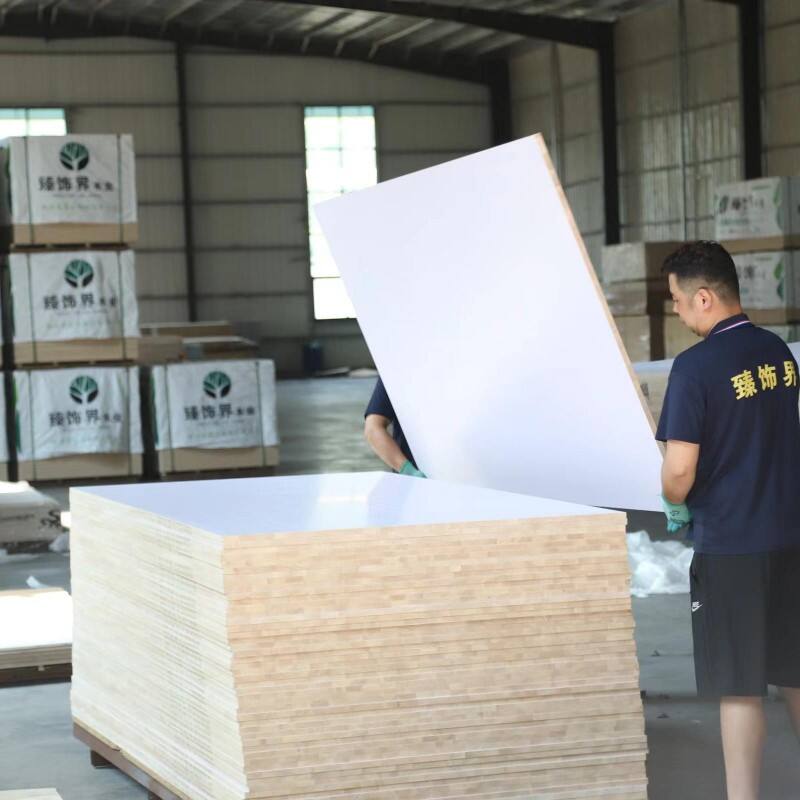
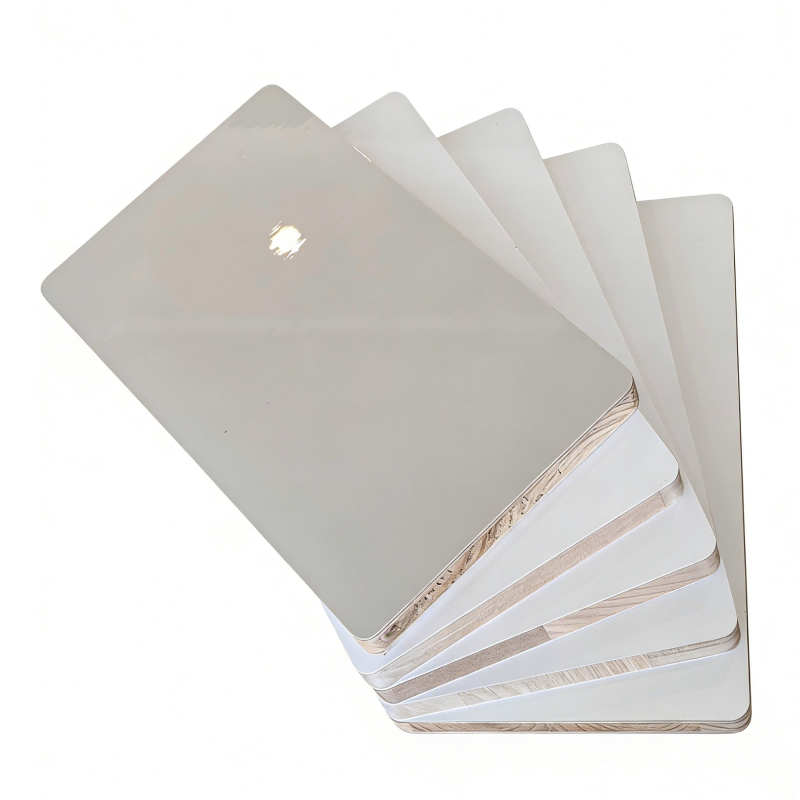
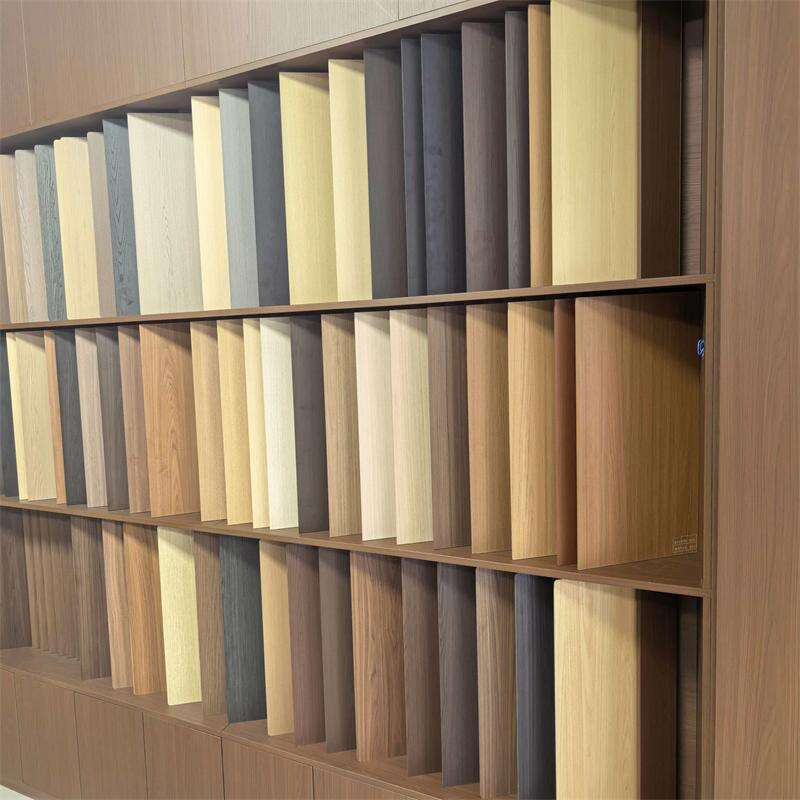
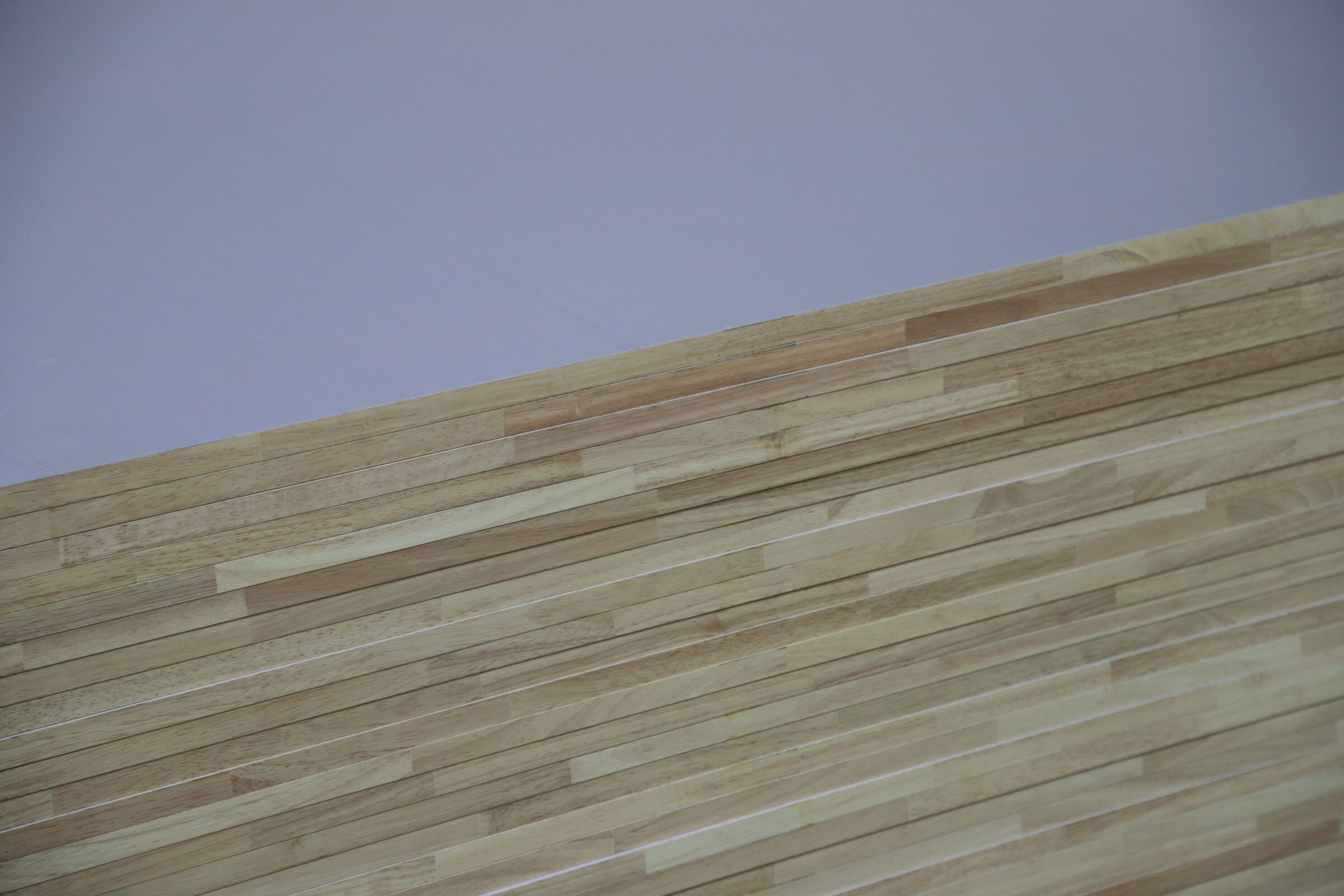
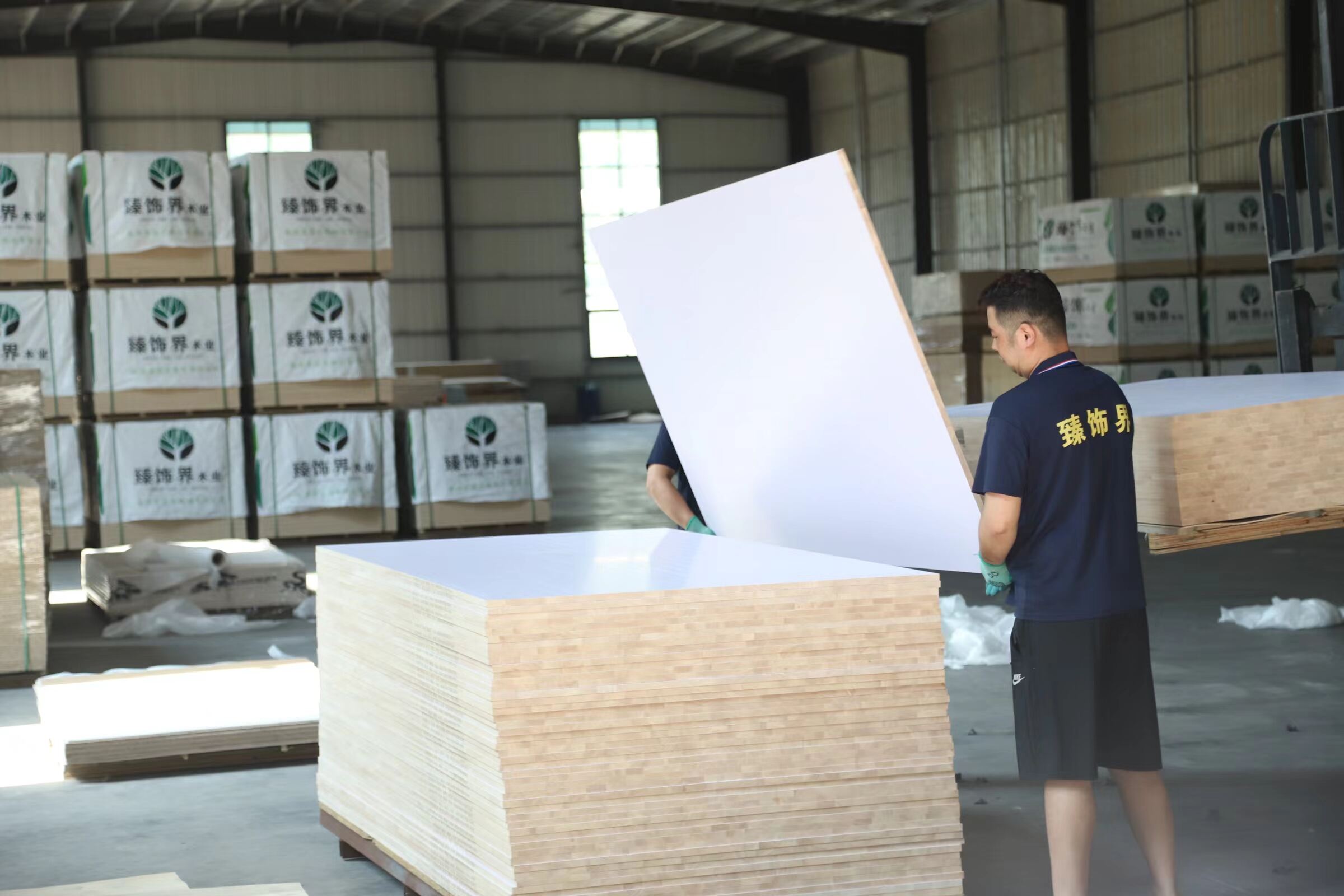
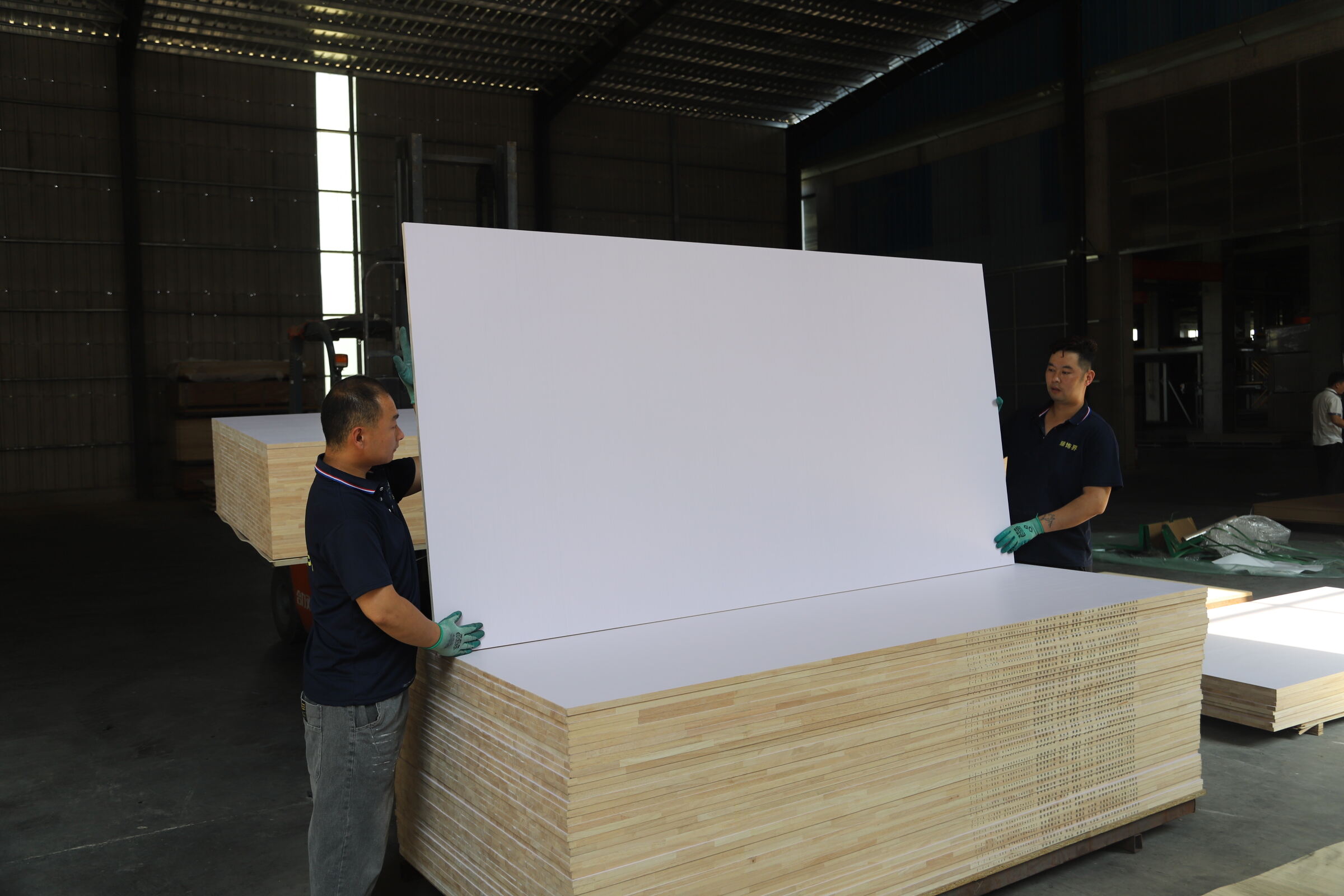
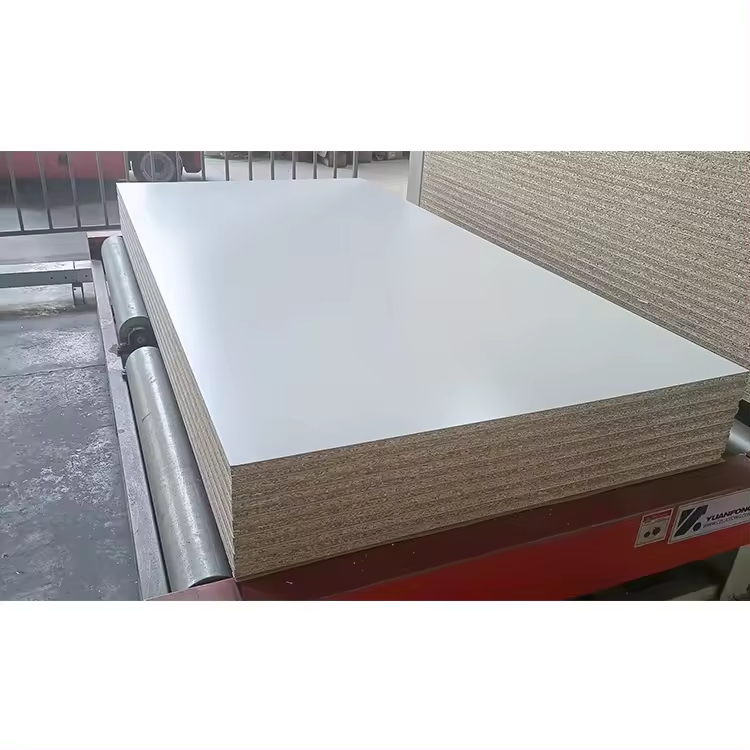
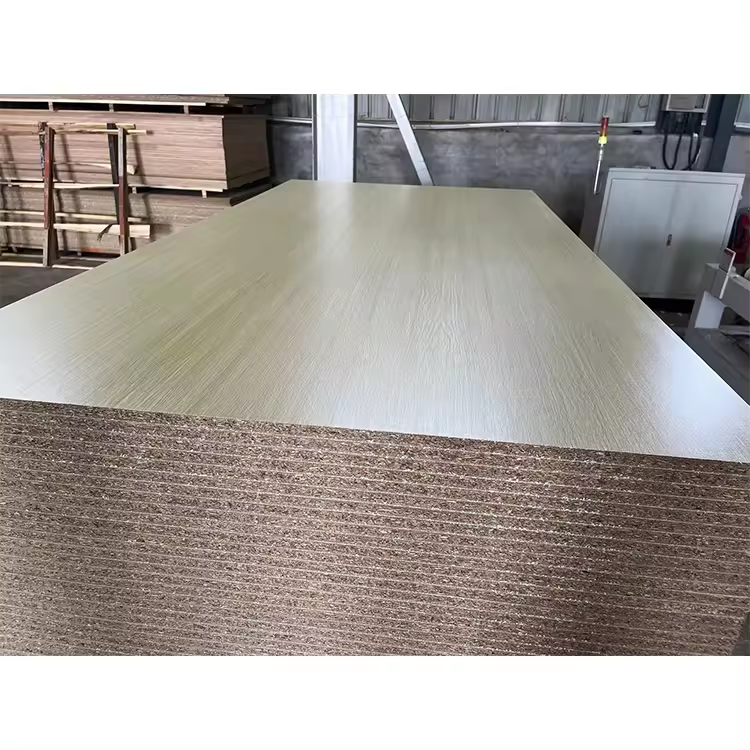
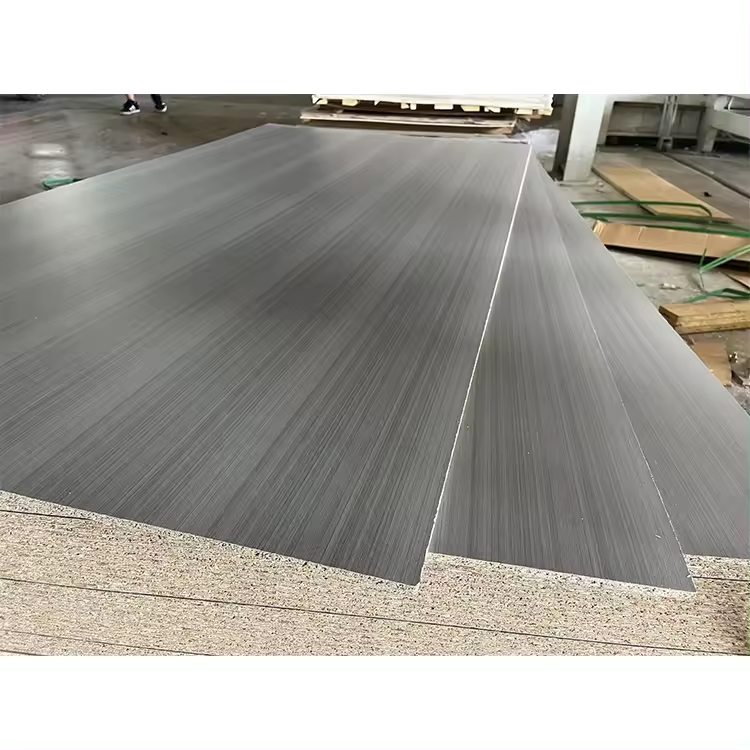
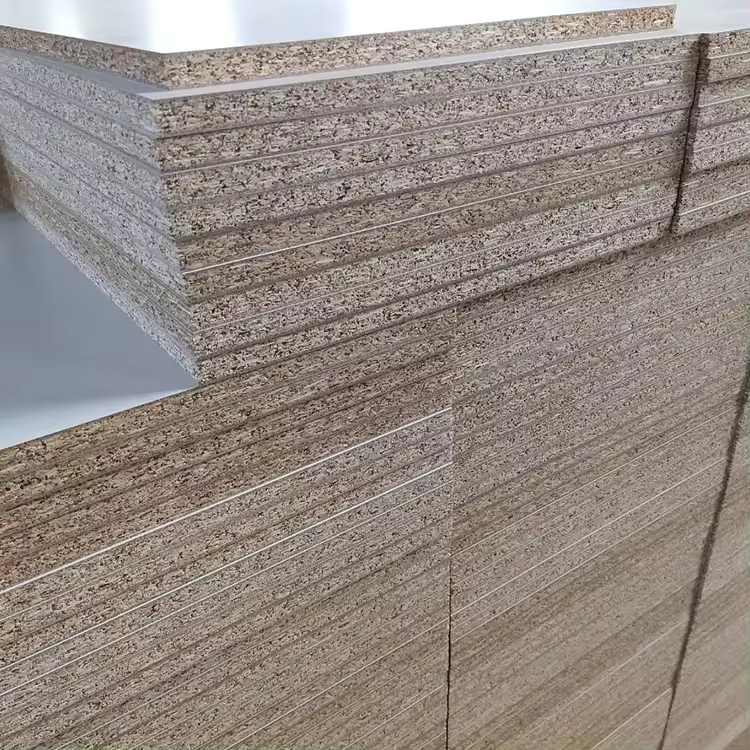
Low formaldehyde particle board represents a revolutionary advancement in engineered wood products, specifically designed to address growing health and environmental concerns associated with traditional particle boards. This innovative material combines wood particles, fibers, and chips with specialized adhesives that contain significantly reduced levels of formaldehyde emissions compared to conventional particle boards. The manufacturing process utilizes advanced bonding technologies, including MDI (Methylene Diphenyl Diisocyanate) resins and other eco-friendly binding agents that maintain structural integrity while minimizing harmful chemical emissions. Low formaldehyde particle board achieves emission levels that typically range from E0 to E1 standards, with some products reaching near-zero emission levels. The technological features of this material include enhanced moisture resistance, improved dimensional stability, and superior screw-holding capacity compared to traditional alternatives. Manufacturing facilities employ sophisticated pressing techniques and controlled curing processes to ensure uniform density distribution and optimal performance characteristics. The board maintains excellent workability properties, allowing for easy cutting, drilling, and surface finishing operations. Quality control measures include rigorous testing protocols that monitor formaldehyde emission levels throughout production cycles. Applications for low formaldehyde particle board span residential and commercial construction projects, including cabinet manufacturing, furniture production, flooring underlayment, and architectural millwork. The material serves as an ideal substrate for laminate surfaces, veneer applications, and painted finishes. Educational facilities, healthcare environments, and residential spaces particularly benefit from this product due to its improved indoor air quality contributions. The versatility of low formaldehyde particle board makes it suitable for both structural and decorative applications, providing designers and builders with sustainable options that do not compromise performance standards.

New Products

Low formaldehyde particle board delivers exceptional health benefits that directly impact indoor air quality and occupant wellbeing. The reduced emission levels create safer living and working environments, particularly important for individuals with chemical sensitivities or respiratory conditions. Families with young children and elderly members experience significant advantages from choosing this material over conventional options. The improved air quality translates into better sleep quality, reduced headaches, and fewer respiratory irritations commonly associated with high formaldehyde exposure. Environmental sustainability represents another major advantage, as manufacturers utilize recycled wood content and eco-friendly adhesives in production processes. This approach reduces landfill waste while conserving natural forest resources through efficient material utilization. The manufacturing process generates lower carbon footprints compared to solid wood alternatives, contributing to green building certification requirements. Cost effectiveness emerges as a practical benefit for consumers and contractors alike. Low formaldehyde particle board offers competitive pricing while delivering superior performance characteristics that reduce long-term maintenance costs. The material resists warping, splitting, and moisture damage better than traditional particle boards, extending product lifespan and reducing replacement frequency. Installation efficiency increases due to consistent dimensional stability and predictable working properties. Contractors appreciate the reduced callback rates and warranty claims associated with this reliable material. Performance advantages include enhanced structural integrity and improved fastener retention capabilities. The advanced adhesive systems create stronger bonds between wood particles, resulting in increased load-bearing capacity and resistance to mechanical stress. Surface smoothness and uniformity facilitate superior finishing results, whether applying paints, laminates, or veneer materials. The consistent density distribution eliminates weak spots and ensures predictable machining behavior. Moisture resistance capabilities exceed those of traditional particle boards, making the material suitable for applications in humid environments or areas prone to occasional moisture exposure. Regulatory compliance advantages help builders meet increasingly stringent building codes and environmental standards. Many regions now require low-emission materials in residential and commercial construction, making this product essential for permit approval and occupancy certification.

Latest News

How Durable Is Particleboard For Interior Applications?

03

Mar

How Durable Is Particleboard For Interior Applications?

When selecting materials for interior applications, understanding the durability characteristics of particleboard becomes essential for making informed decisions. This engineered wood product has gained significant popularity in residential and comme...
View More
Can Particleboard Improve Space-Saving Cabinet Projects?

10

Mar

Can Particleboard Improve Space-Saving Cabinet Projects?

Modern homeowners and designers constantly seek innovative materials that combine affordability, versatility, and functionality for their cabinet projects. Particleboard has emerged as a premier choice for space-saving cabinet designs, offering excep...
View More
Is Particleboard Suitable For Commercial Fit-Out Works?

13

Mar

Is Particleboard Suitable For Commercial Fit-Out Works?

Commercial fit-out projects demand materials that balance cost-effectiveness, durability, and aesthetic appeal. Particleboard has emerged as a versatile solution for various commercial applications, offering contractors and designers a reliable engin...
View More
What Are The Benefits Of Chipboard Particle Board Panels?

27

Mar

What Are The Benefits Of Chipboard Particle Board Panels?

In the modern construction and furniture manufacturing industry, materials that offer versatility, cost-effectiveness, and reliable performance are highly sought after. Among these materials, chipboard particle board stands out as one of the most pra...
View More

Get a Free Quote

Our representative will contact you soon.
Email
Mobile/WhatsApp
Name
Company Name
Message
0/1000

low formaldehyde particle board

Superior Indoor Air Quality Protection

Superior Indoor Air Quality Protection

Low formaldehyde particle board stands as the premier choice for creating healthier indoor environments through its revolutionary emission control technology. The advanced manufacturing process employs cutting-edge adhesive systems that virtually eliminate formaldehyde off-gassing, a significant health concern associated with traditional engineered wood products. Independent laboratory testing consistently demonstrates that low formaldehyde particle board achieves emission levels below 0.05 parts per million, substantially lower than industry standards and regulatory requirements. This remarkable achievement results from utilizing MDI-based resins and other innovative binding agents that cure completely during manufacturing, leaving minimal residual chemicals that could potentially volatilize over time. The health implications of choosing low formaldehyde particle board extend far beyond meeting basic safety requirements. Medical research has established clear connections between formaldehyde exposure and various health issues, including eye and throat irritation, headaches, respiratory problems, and potential long-term health risks. By selecting this advanced material, property owners actively protect their families, employees, and visitors from these documented health concerns. The benefits become particularly pronounced in enclosed spaces where air circulation may be limited, such as bedrooms, offices, and educational facilities. Children and elderly individuals, who are typically more sensitive to chemical exposures, experience the most significant protective benefits. The material maintains its low-emission characteristics throughout its service life, ensuring that air quality improvements remain consistent over many years of use. Professional indoor air quality specialists frequently recommend low formaldehyde particle board as a primary strategy for achieving healthier built environments. The material contributes substantially to LEED certification points and other green building rating systems that prioritize occupant health and environmental responsibility.
Enhanced Structural Performance and Durability

Enhanced Structural Performance and Durability

Low formaldehyde particle board delivers exceptional structural performance that surpasses traditional particle board products in multiple critical areas, making it the preferred choice for demanding applications where reliability and longevity are paramount. The advanced adhesive technology not only reduces formaldehyde emissions but simultaneously enhances the mechanical properties of the finished product. The MDI-based bonding systems create stronger intermolecular bonds between wood particles, resulting in improved tensile strength, bending resistance, and impact tolerance. This enhanced structural integrity translates into superior load-bearing capacity, allowing the material to support heavier loads without sagging or failure. The improved screw and nail holding power significantly exceeds that of conventional particle boards, reducing the likelihood of fastener withdrawal and joint failure over time. Moisture resistance represents another crucial performance advantage that extends the material's service life in challenging environments. The advanced resin systems create a more effective barrier against moisture penetration, preventing the swelling, delamination, and strength loss commonly associated with water exposure in traditional particle boards. This enhanced moisture resistance makes low formaldehyde particle board suitable for applications in kitchens, bathrooms, and other areas where humidity levels may fluctuate. The dimensional stability characteristics ensure that the material maintains its shape and size throughout seasonal changes and varying environmental conditions. Professional contractors and manufacturers appreciate the consistent working properties that facilitate efficient processing and finishing operations. The uniform density distribution eliminates troublesome soft spots that can cause tool chatter, uneven cuts, or poor surface finishes. Surface smoothness and homogeneity provide ideal substrates for laminate applications, painted finishes, and veneer installations, resulting in professional-quality final products that maintain their appearance over extended periods.
Cost-Effective Sustainability Solution

Cost-Effective Sustainability Solution

Low formaldehyde particle board represents an outstanding convergence of economic value and environmental responsibility, delivering comprehensive sustainability benefits while maintaining competitive pricing structures that appeal to budget-conscious consumers and environmentally aware builders. The manufacturing process maximizes the utilization of recycled wood content, including sawmill residues, wood chips, and reclaimed timber that would otherwise contribute to landfill waste. This efficient resource utilization reduces dependence on virgin timber harvesting while creating valuable building materials from waste streams. The environmental benefits extend beyond raw material conservation to include reduced transportation costs and carbon footprints associated with local sourcing of recycled content. Manufacturing facilities often locate near sawmills and wood processing centers, minimizing the environmental impact of material transportation. The production process itself generates fewer greenhouse gas emissions compared to solid wood alternatives, contributing to overall carbon footprint reduction in building projects. Economic advantages emerge through multiple channels, beginning with competitive initial pricing that makes sustainable building practices accessible to broader market segments. The superior durability and performance characteristics reduce long-term maintenance and replacement costs, providing substantial lifecycle cost savings. Property owners benefit from reduced warranty claims, fewer callback visits, and extended service life compared to traditional particle board products. The material's consistent quality and predictable working properties increase installation efficiency, reducing labor costs and project timelines for contractors and builders. Regulatory compliance advantages provide additional economic benefits as building codes increasingly require low-emission materials for residential and commercial applications. Early adoption of low formaldehyde particle board positions builders and manufacturers ahead of regulatory curves, avoiding costly retrofits and specification changes. The material qualifies for various green building incentives, tax credits, and certification programs that can offset initial costs while demonstrating corporate environmental responsibility to customers and stakeholders.

Get a Free Quote

Our representative will contact you soon.
Email
Mobile/WhatsApp
Name
Company Name
Message
0/1000