Premium Engineered Particle Board: High-Performance Building Materials for Modern Construction

Get a Free Quote

Our representative will contact you soon.
Email
Mobile/WhatsApp
Name
Company Name
Message
0/1000

engineered particle board

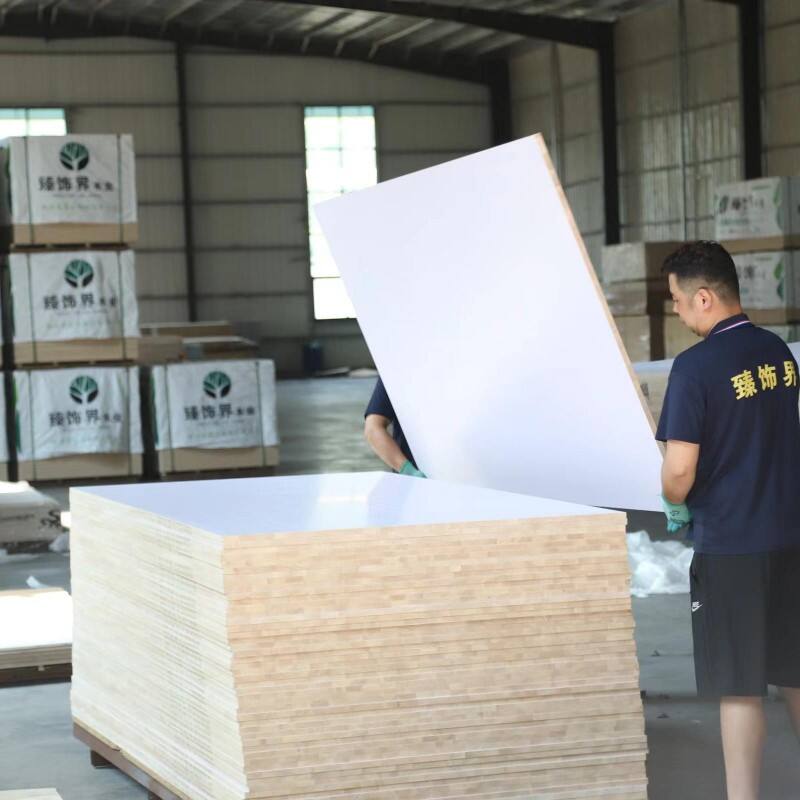
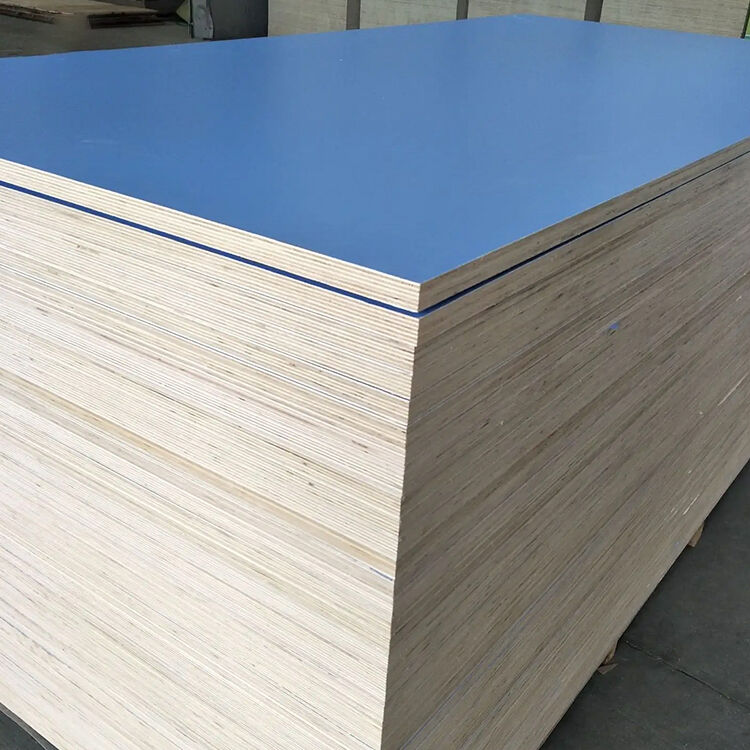
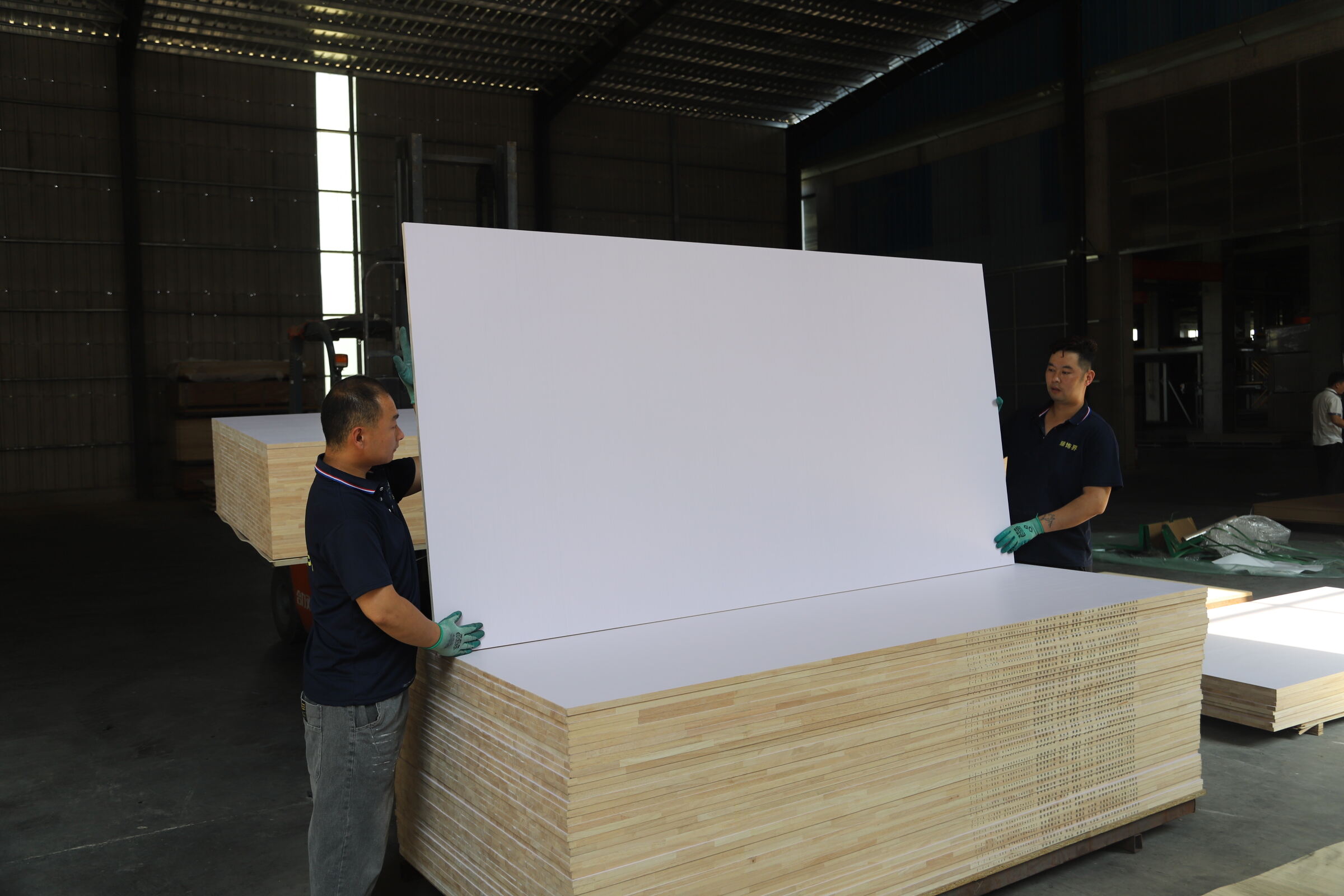
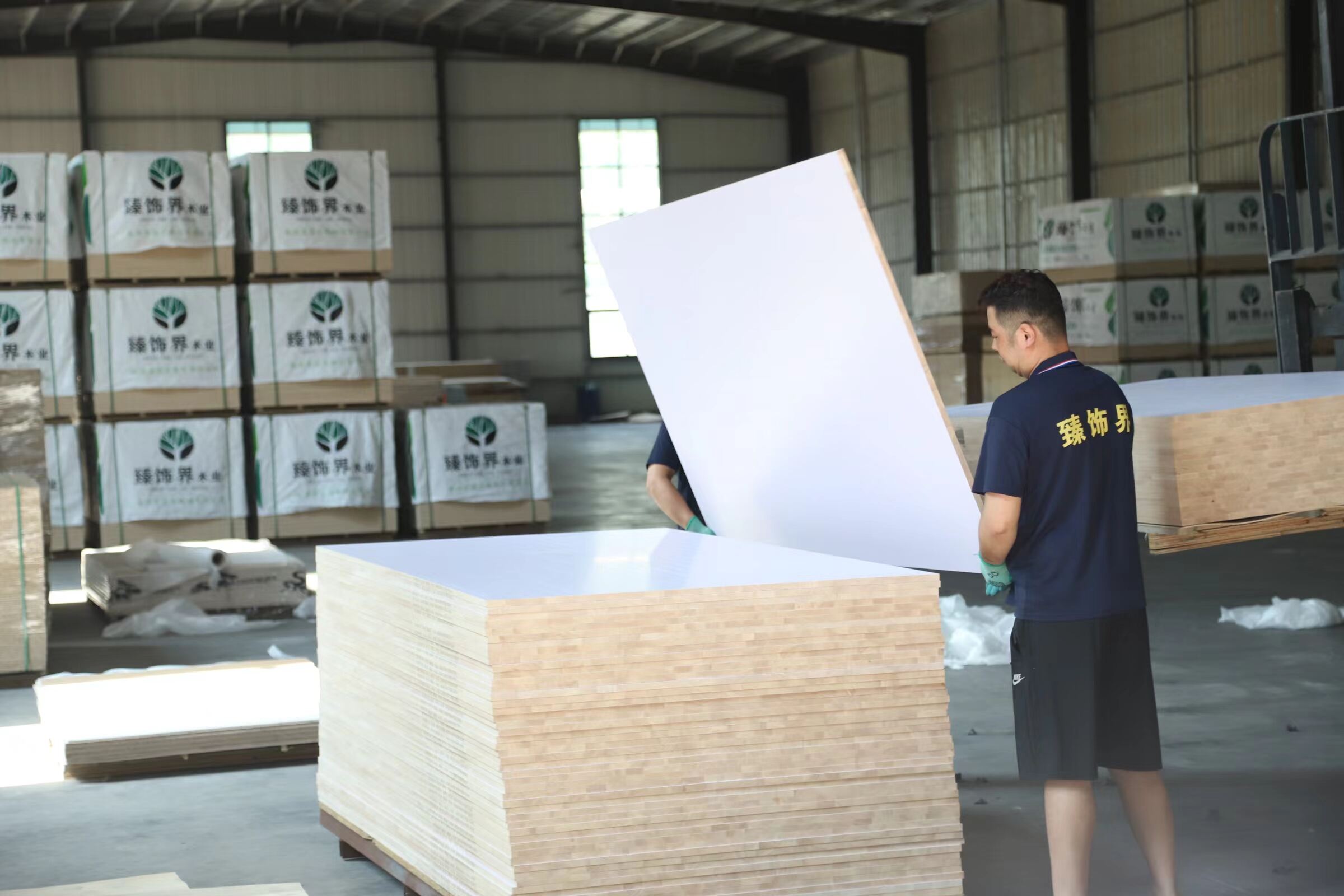
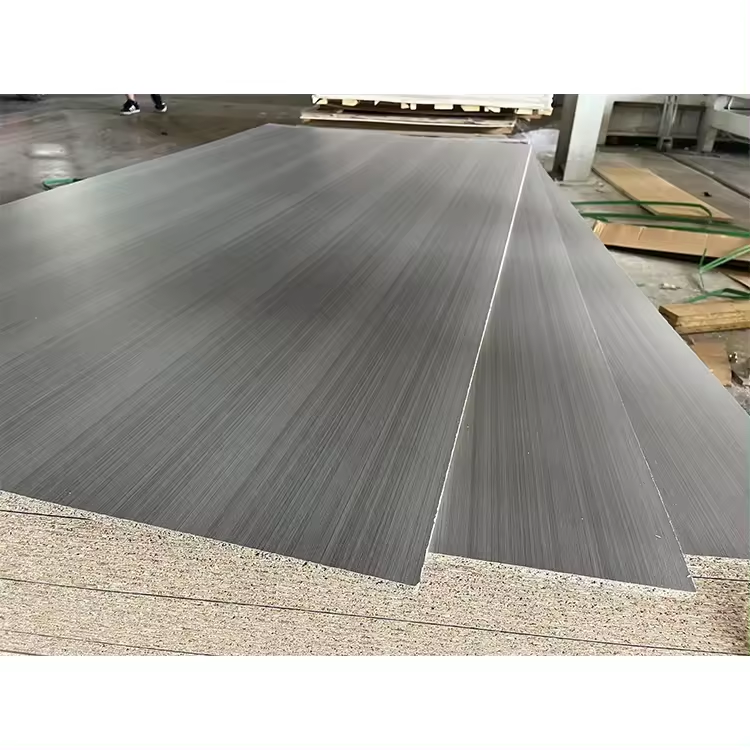
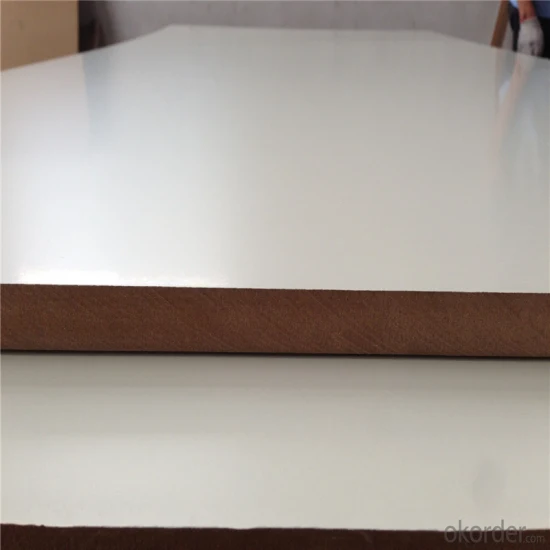
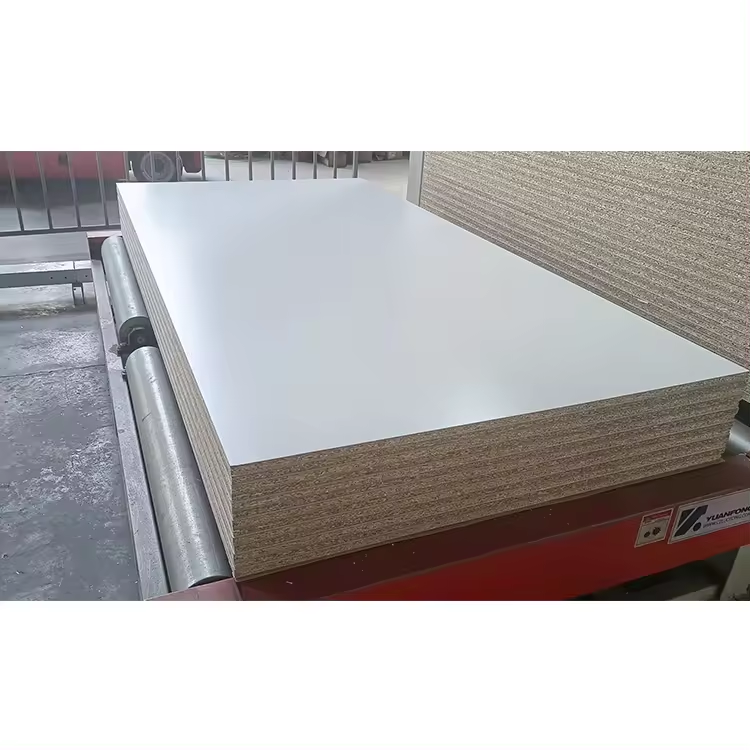
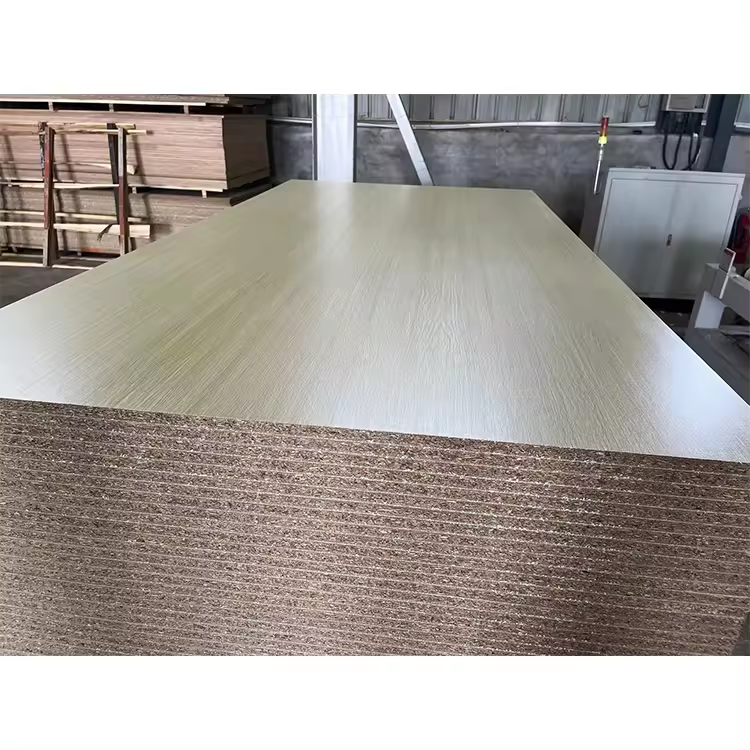
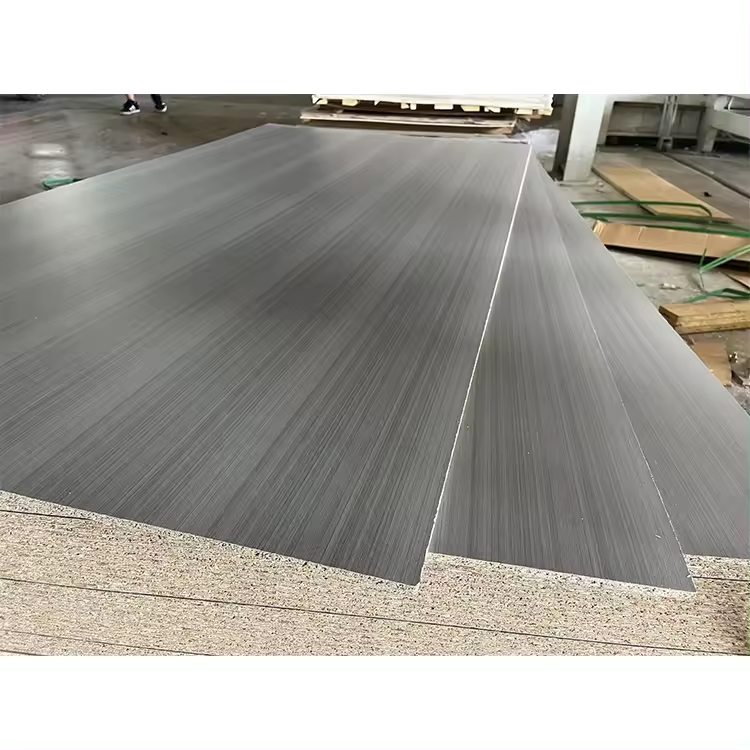
Engineered particle board represents a revolutionary advancement in composite wood materials, combining cutting-edge manufacturing techniques with sustainable design principles. This innovative building material consists of wood particles, fibers, and chips that are bonded together using specialized adhesives under controlled heat and pressure conditions. The engineered particle board manufacturing process utilizes advanced technology to create uniform density distribution throughout the board, resulting in consistent performance characteristics that exceed traditional particleboard limitations. The primary function of engineered particle board centers on providing structural stability while maintaining cost-effectiveness for various construction and furniture applications. Modern production facilities employ sophisticated quality control systems to ensure each engineered particle board meets stringent performance standards for strength, moisture resistance, and dimensional stability. The technological features of engineered particle board include enhanced bonding agents that create superior adhesion between wood particles, resulting in improved load-bearing capacity and reduced swelling when exposed to humidity fluctuations. Advanced manufacturing processes allow for precise thickness control, smooth surface finishes, and consistent edge quality that facilitates easier machining and finishing operations. The engineered particle board applications span across residential construction, commercial building projects, furniture manufacturing, cabinetry production, and specialty industrial uses. Construction professionals frequently specify engineered particle board for subflooring systems, wall sheathing, roof decking, and interior partition walls where reliable performance and cost efficiency are paramount. Furniture manufacturers utilize engineered particle board as core material for laminated surfaces, creating durable and attractive finished products that meet consumer demands for quality and affordability. The versatility of engineered particle board extends to specialized applications including acoustic panels, fire-resistant building components, and moisture-resistant formulations designed for bathroom and kitchen installations.

New Products

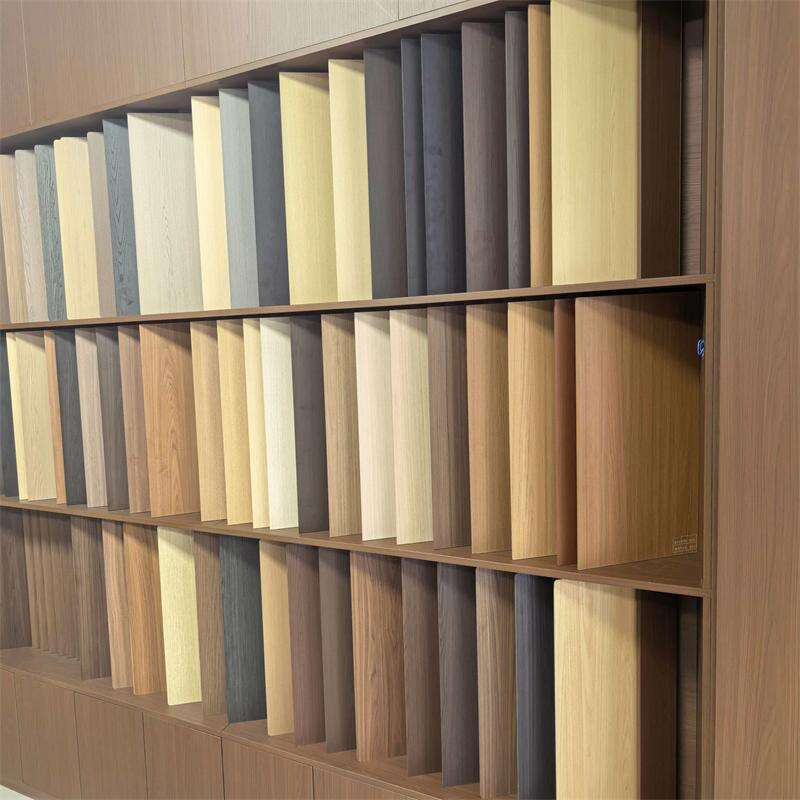
The engineered particle board offers numerous compelling advantages that make it an exceptional choice for modern construction and manufacturing needs. Cost efficiency stands as one of the most significant benefits, as engineered particle board delivers superior performance at a fraction of the cost compared to solid wood or other premium building materials. This economic advantage allows builders, contractors, and manufacturers to allocate their budgets more effectively while maintaining high quality standards in their projects. The consistent quality of engineered particle board eliminates the natural variations found in solid wood, providing predictable performance characteristics that simplify design calculations and installation procedures. Unlike traditional lumber, engineered particle board maintains uniform density throughout its structure, preventing weak spots or irregular grain patterns that can compromise structural integrity. The dimensional stability of engineered particle board surpasses that of natural wood products, as the manufacturing process eliminates internal stresses that cause warping, twisting, or cupping over time. This stability proves particularly valuable in applications where precise tolerances are critical, such as furniture production or architectural millwork. Environmental sustainability represents another crucial advantage of engineered particle board, as manufacturers utilize wood waste, recycled materials, and fast-growing wood species that would otherwise be discarded. This sustainable approach reduces pressure on old-growth forests while creating valuable building materials from previously unusable wood resources. The versatility of engineered particle board extends to its compatibility with various finishing materials, including laminates, veneers, paints, and stains, allowing designers and builders to achieve virtually any aesthetic goal. Moisture resistance capabilities in specially formulated engineered particle board products make them suitable for challenging environments where traditional materials might fail. The smooth, uniform surface of engineered particle board requires minimal preparation before applying finishes, reducing labor costs and installation time. Additionally, the engineered particle board manufacturing process can incorporate specific additives to enhance fire resistance, pest resistance, or acoustic properties, creating customized solutions for specialized applications that demand enhanced performance characteristics beyond standard building materials.

Latest News

What Are The Main Advantages Of Using Particleboard?

01

Mar

What Are The Main Advantages Of Using Particleboard?

Particleboard has emerged as one of the most versatile and cost-effective engineered wood products in modern construction and furniture manufacturing. This composite material, made from wood chips, sawmill shavings, and synthetic resin binders, offer...
View More
Can Particleboard Improve Space-Saving Cabinet Projects?

10

Mar

Can Particleboard Improve Space-Saving Cabinet Projects?

Modern homeowners and designers constantly seek innovative materials that combine affordability, versatility, and functionality for their cabinet projects. Particleboard has emerged as a premier choice for space-saving cabinet designs, offering excep...
View More
Is Chipboard Particle Board Good For Interior Projects?

31

Mar

Is Chipboard Particle Board Good For Interior Projects?

When considering materials for interior projects, many homeowners and contractors find themselves evaluating the merits of chipboard particle board as a practical solution. This engineered wood product has gained significant traction in the construct...
View More
What Is Pet Board And Why Is It Eco-Friendly?

03

Apr

What Is Pet Board And Why Is It Eco-Friendly?

Modern furniture manufacturing increasingly demands materials that combine durability, aesthetics, and environmental responsibility. Pet board has emerged as a revolutionary solution that addresses these requirements while offering superior performan...
View More

Get a Free Quote

Our representative will contact you soon.
Email
Mobile/WhatsApp
Name
Company Name
Message
0/1000

engineered particle board

Superior Structural Performance and Load-Bearing Capacity

Superior Structural Performance and Load-Bearing Capacity

The engineered particle board demonstrates exceptional structural performance that sets it apart from conventional building materials through its scientifically optimized composition and manufacturing process. Advanced engineering techniques ensure that each engineered particle board achieves maximum load-bearing capacity by strategically orienting wood particles and fibers to distribute stress evenly across the entire surface area. This sophisticated approach to particle alignment creates a material that can withstand significant weight loads while maintaining dimensional stability under varying environmental conditions. The multi-layered construction of engineered particle board incorporates different particle sizes and densities in specific locations to optimize strength characteristics, with larger particles forming the core for structural integrity and finer particles creating smooth, workable surfaces. Laboratory testing consistently demonstrates that engineered particle board exceeds industry standards for bending strength, internal bond strength, and screw-holding capacity, making it ideal for demanding applications such as heavy-duty shelving, industrial workbenches, and structural subflooring systems. The uniform density distribution throughout engineered particle board eliminates weak points that commonly occur in natural wood due to knots, grain variations, or other inherent defects. This consistency allows engineers and architects to calculate precise load limits with confidence, enabling more efficient structural designs that maximize material utilization while ensuring safety margins. The bonding technology used in engineered particle board creates molecular-level adhesion between wood particles, resulting in a composite material that often proves stronger than the individual wood components from which it was manufactured. Quality control measures during production ensure that each engineered particle board maintains consistent thickness, density, and performance characteristics, providing reliable results across entire production runs. The structural performance advantages of engineered particle board make it particularly valuable in applications where failure is not acceptable, such as flooring systems in commercial buildings, cabinetry in high-traffic areas, and furniture designed for institutional use where durability and reliability are paramount considerations.
Enhanced Moisture Resistance and Environmental Durability

Enhanced Moisture Resistance and Environmental Durability

The moisture resistance capabilities of engineered particle board represent a significant technological advancement that addresses one of the primary concerns associated with wood-based building materials. Specialized manufacturing processes incorporate water-resistant adhesives and protective treatments that create barriers against moisture penetration, significantly extending the service life of engineered particle board in challenging environments. The chemical composition of modern engineered particle board includes phenolic resins and other advanced bonding agents that maintain their integrity even when exposed to high humidity levels or occasional direct water contact. This enhanced moisture resistance makes engineered particle board suitable for applications traditionally reserved for more expensive materials, including bathroom vanities, kitchen cabinetry, and basement installations where humidity fluctuations are common. The surface treatment options available for engineered particle board include moisture-resistant coatings that create additional protection layers, further enhancing the material's ability to withstand environmental challenges. Testing procedures for moisture resistance involve subjecting engineered particle board samples to accelerated aging conditions that simulate years of real-world exposure in condensed timeframes, ensuring that performance claims are backed by rigorous scientific validation. The dimensional stability of engineered particle board under varying moisture conditions surpasses that of solid wood, which naturally expands and contracts with humidity changes that can cause fitting problems and finish failures over time. Advanced formulations of engineered particle board incorporate moisture-resistant additives directly into the manufacturing process, creating inherent protection that extends throughout the entire thickness of the material rather than relying solely on surface treatments. The environmental durability of engineered particle board extends beyond moisture resistance to include resistance to temperature fluctuations, UV exposure, and chemical exposure from cleaning products and other common household substances. This comprehensive environmental protection makes engineered particle board an excellent choice for applications where long-term performance and minimal maintenance are important considerations. The improved moisture resistance of engineered particle board also contributes to better indoor air quality by reducing the likelihood of mold and mildew growth that can occur when building materials absorb and retain moisture over extended periods.
Sustainable Manufacturing and Environmental Responsibility

Sustainable Manufacturing and Environmental Responsibility

The sustainable manufacturing practices employed in engineered particle board production demonstrate a commitment to environmental responsibility that resonates with modern consumers and building professionals who prioritize eco-friendly materials. The engineered particle board manufacturing process transforms wood waste, sawmill residuals, and recycled wood products into valuable building materials, significantly reducing the amount of wood waste that would otherwise end up in landfills or be burned as waste fuel. This innovative approach to resource utilization maximizes the value extracted from every tree harvested while minimizing environmental impact through efficient use of available wood resources. The sourcing practices for engineered particle board prioritize fast-growing wood species and sustainably managed forests, reducing pressure on old-growth forests and endangered tree species that require decades or centuries to reach maturity. Certification programs such as Forest Stewardship Council approval ensure that wood materials used in engineered particle board production come from responsibly managed sources that maintain ecological balance and biodiversity. The manufacturing energy efficiency of engineered particle board production has improved dramatically through technological advances that reduce heat requirements, optimize adhesive usage, and minimize waste generation during the production process. Advanced recycling capabilities allow engineered particle board to be processed and reused at the end of its service life, creating a closed-loop system that further reduces environmental impact. The carbon footprint of engineered particle board production is significantly lower than that of solid wood products or alternative building materials such as steel or concrete, making it an environmentally responsible choice for builders committed to reducing greenhouse gas emissions. Formaldehyde emissions from modern engineered particle board have been reduced to extremely low levels through improved adhesive technologies and manufacturing processes that meet or exceed the most stringent environmental standards established by regulatory agencies. The local sourcing capabilities of many engineered particle board manufacturers reduce transportation requirements and associated emissions while supporting regional forestry industries and rural economies. Life cycle assessment studies consistently demonstrate that engineered particle board offers superior environmental performance compared to many alternative building materials when factors such as resource extraction, manufacturing energy, transportation, and end-of-life disposal are considered comprehensively. The sustainable benefits of engineered particle board extend to building occupants through improved indoor air quality and reduced environmental impact throughout the building's operational lifetime.

Get a Free Quote

Our representative will contact you soon.
Email
Mobile/WhatsApp
Name
Company Name
Message
0/1000