Interior Particle Board: Versatile, Cost-Effective Engineered Wood Solution for Modern Construction

Get a Free Quote

Our representative will contact you soon.
Email
Mobile/WhatsApp
Name
Company Name
Message
0/1000

interior particle board

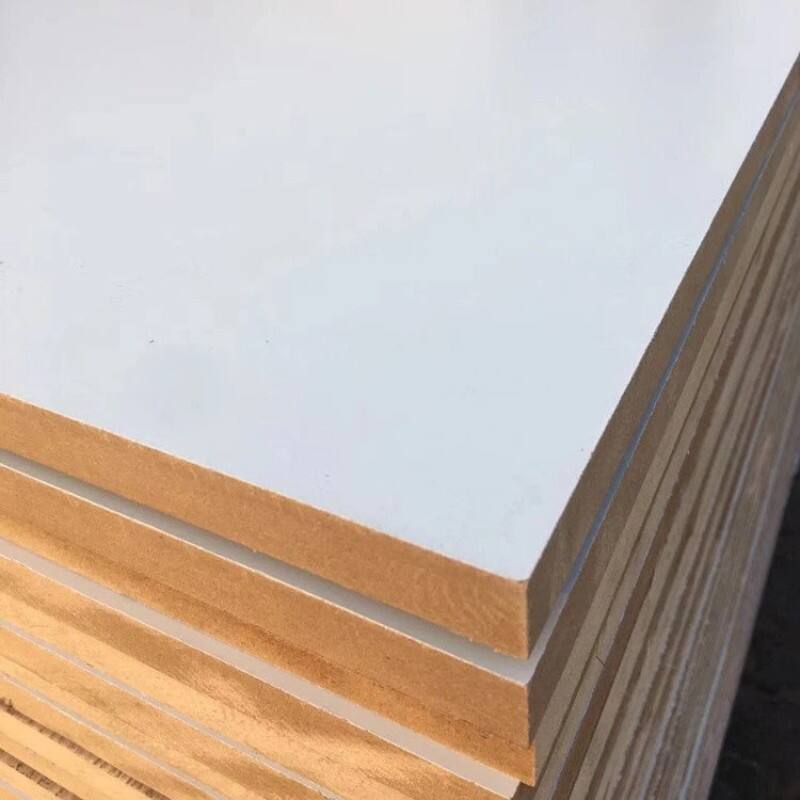
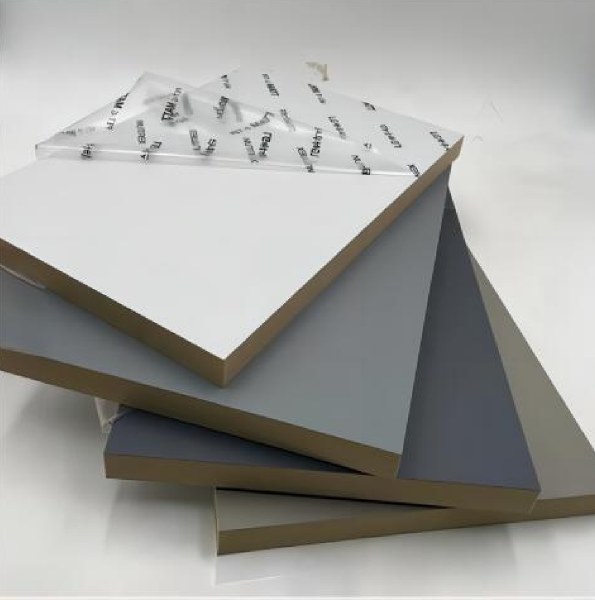
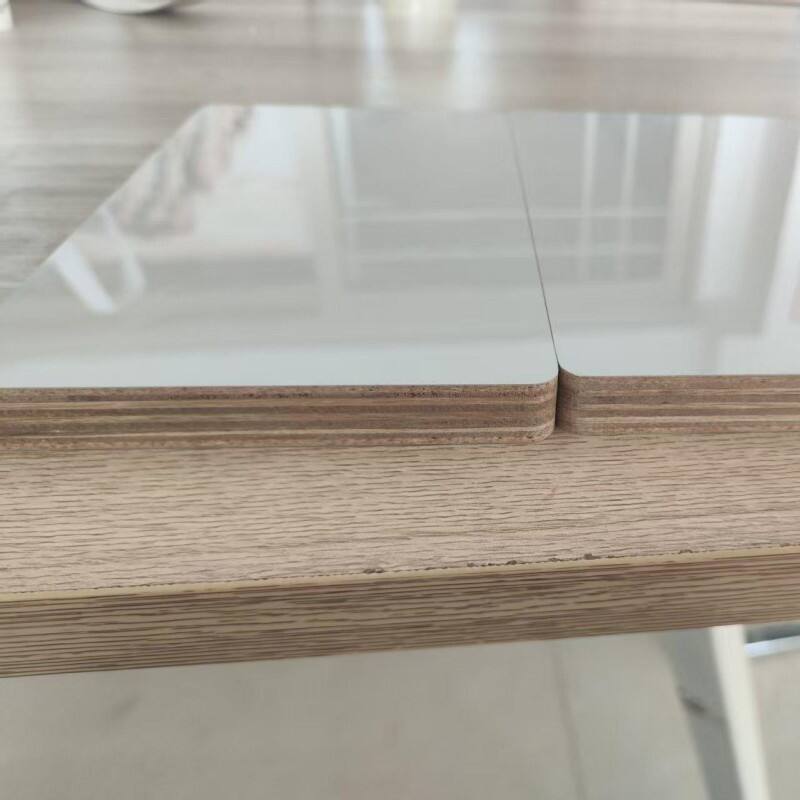
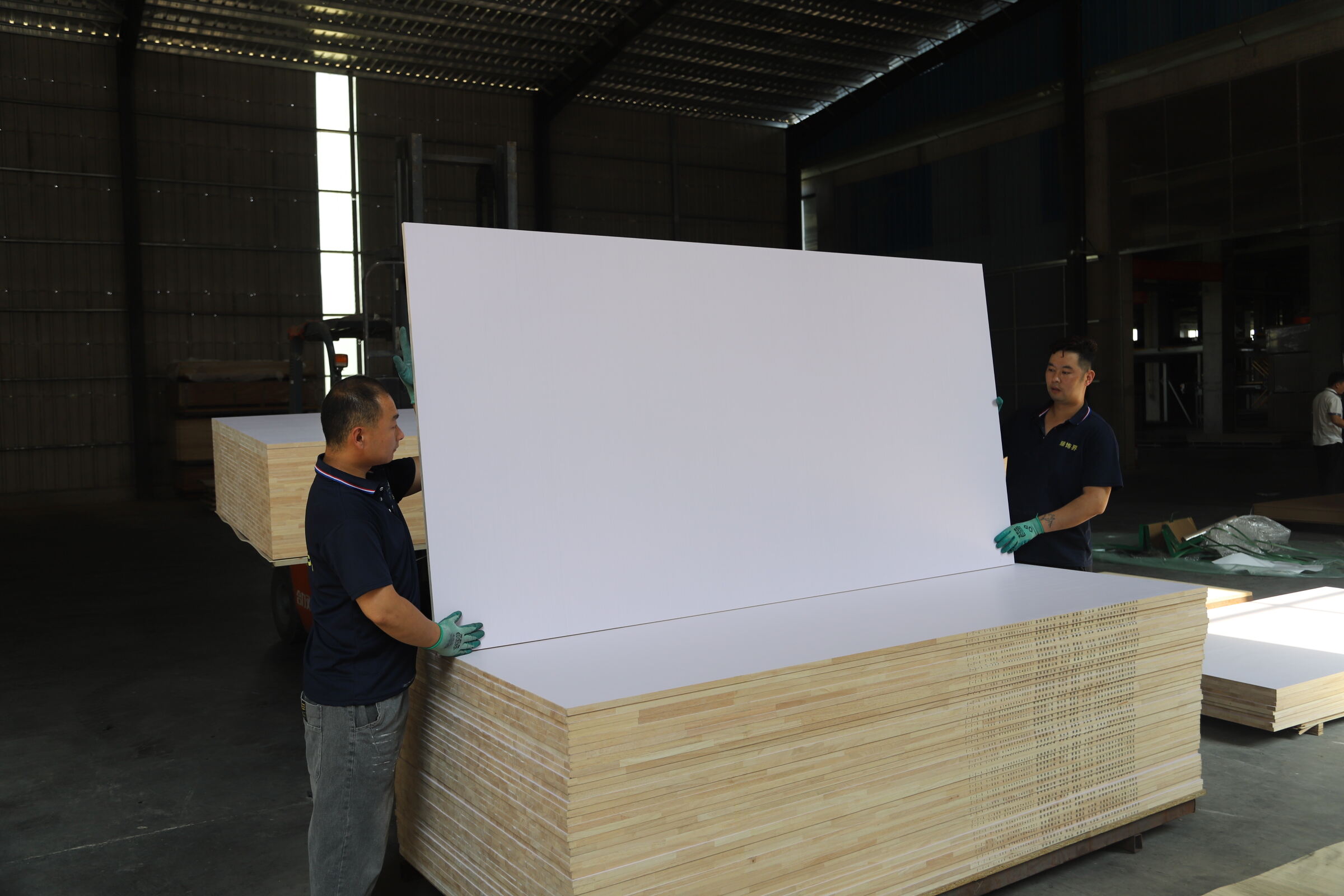
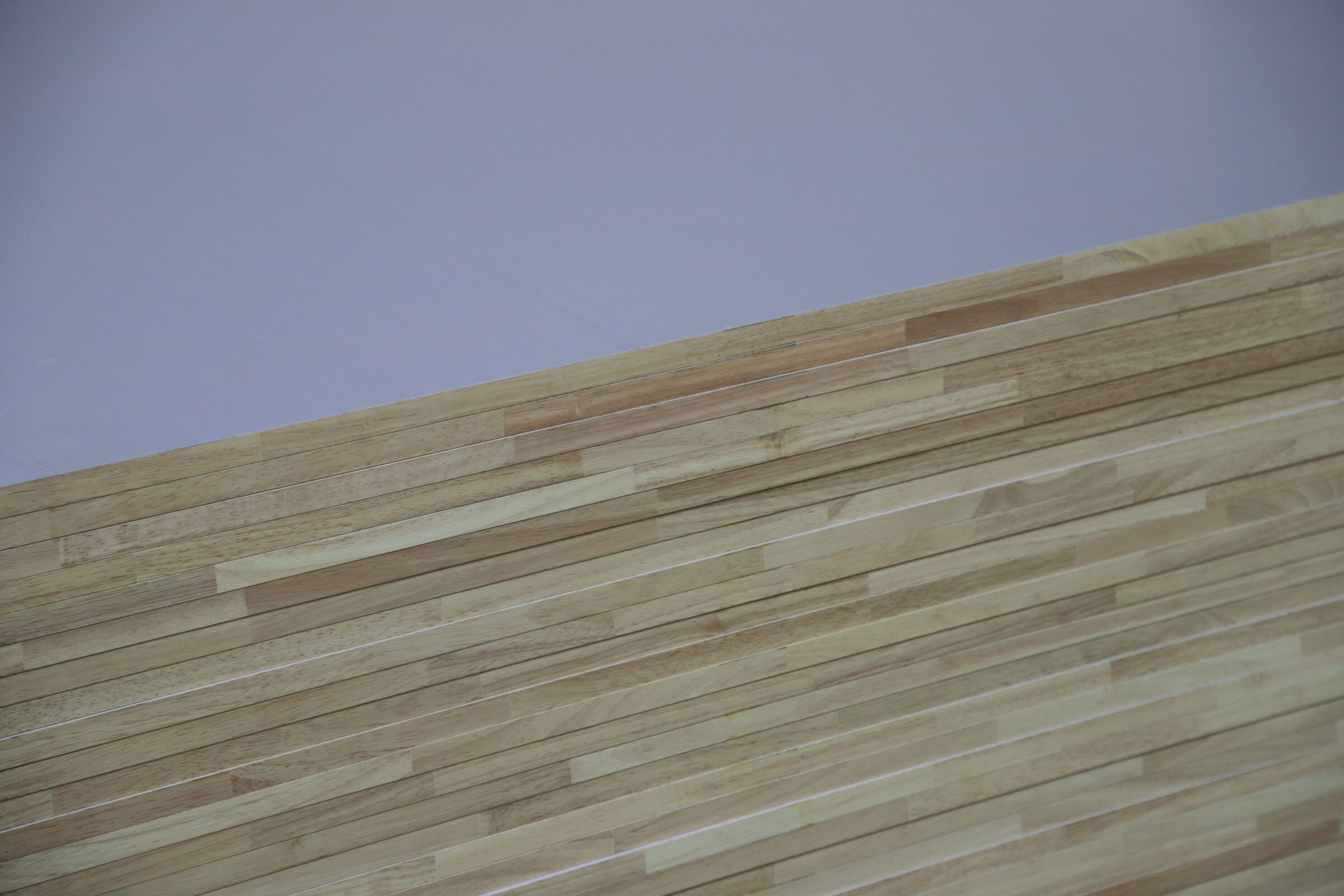
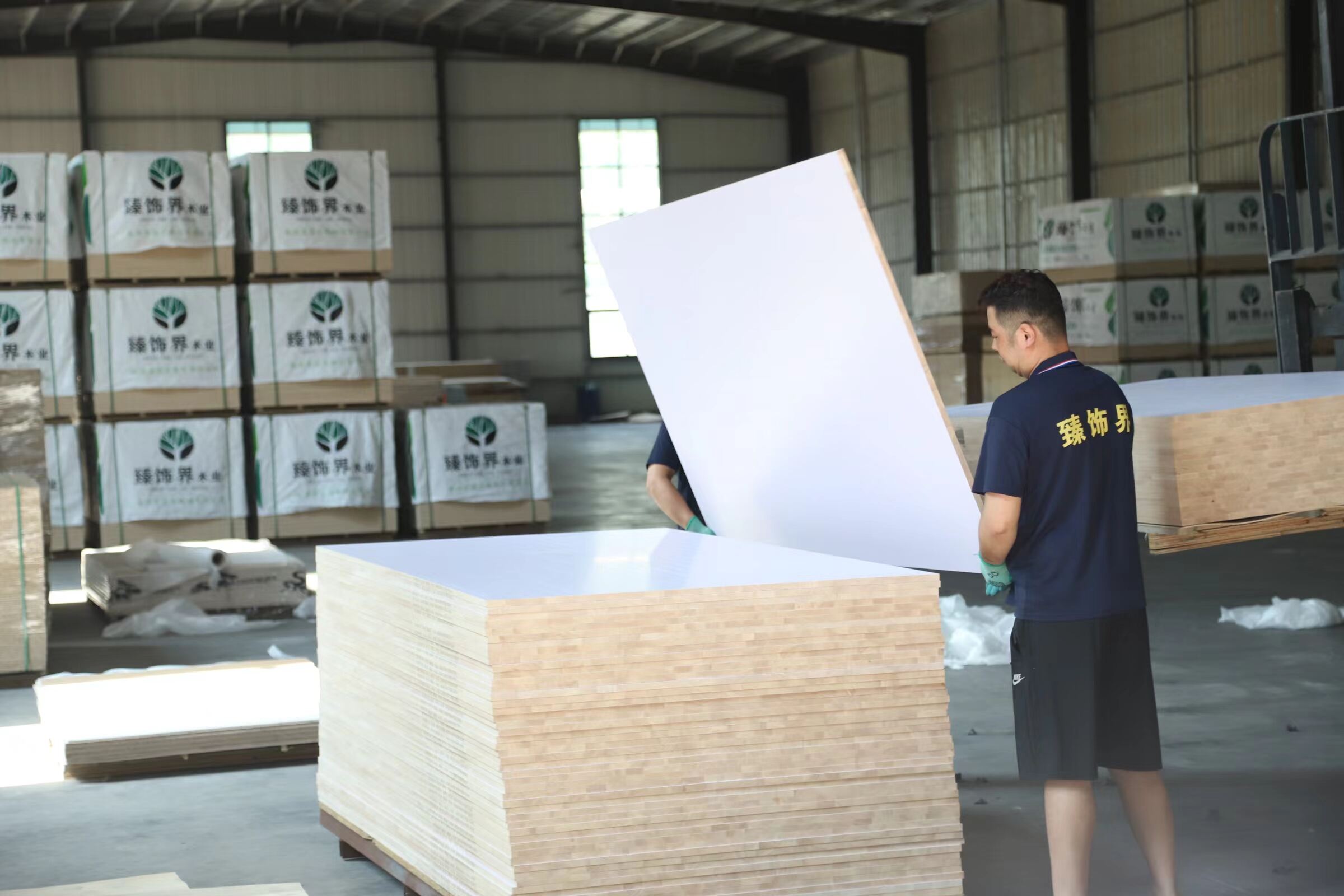
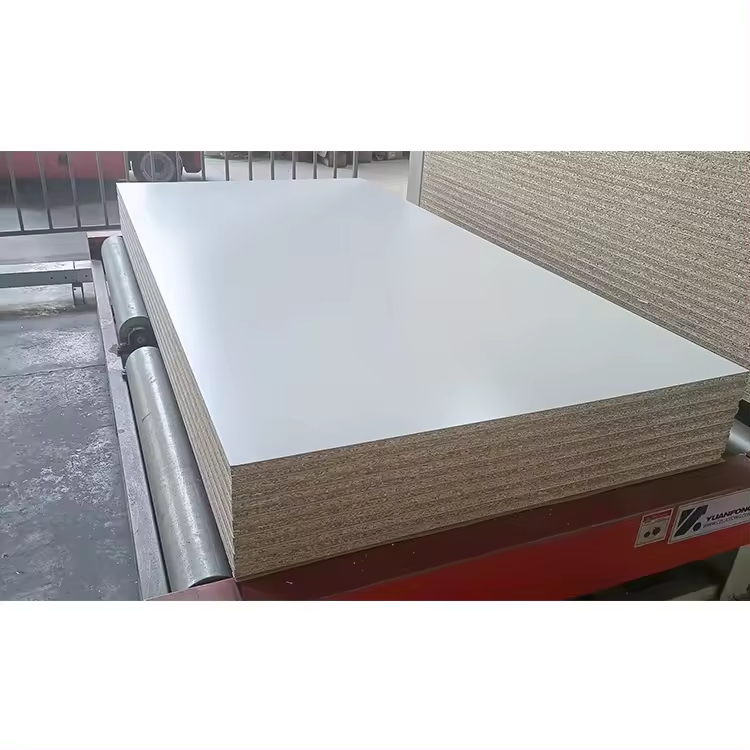
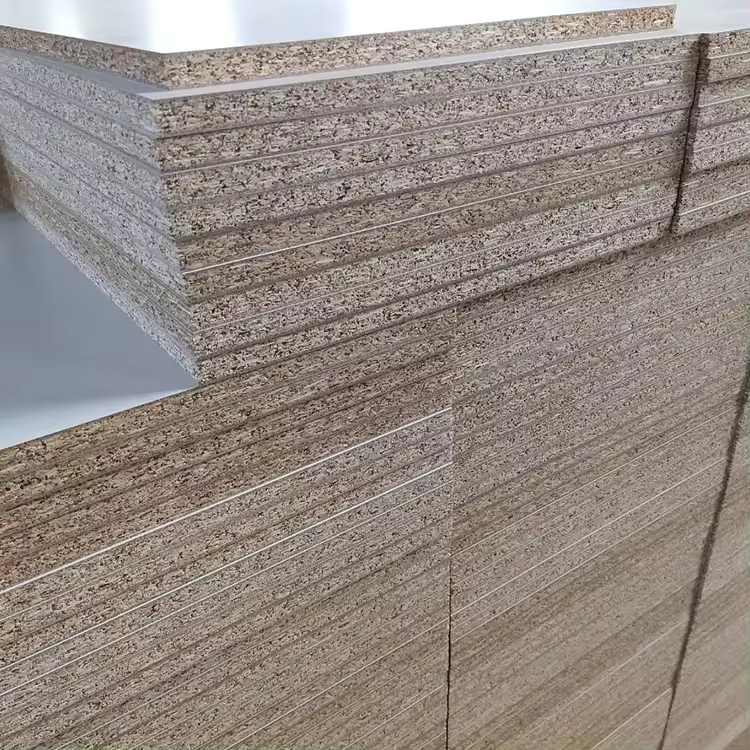
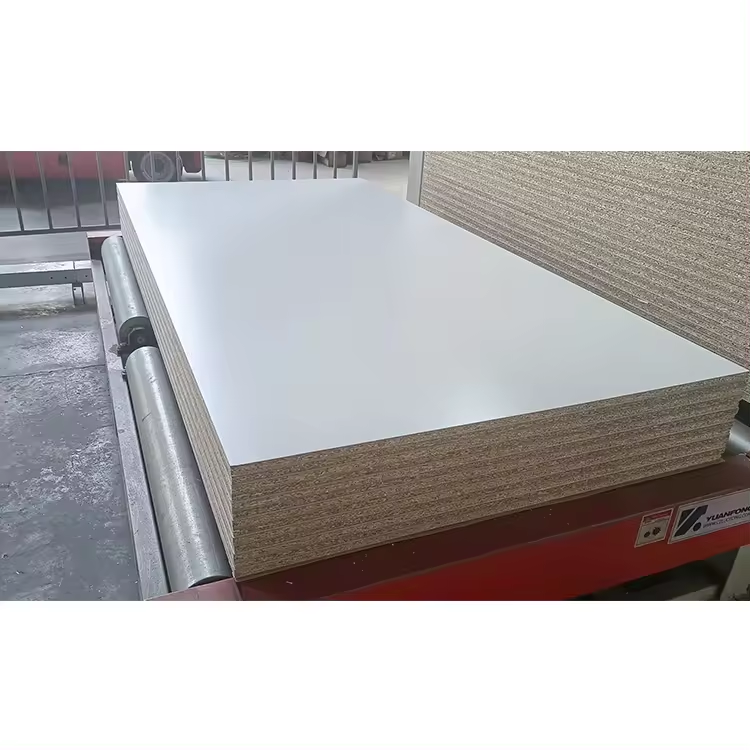
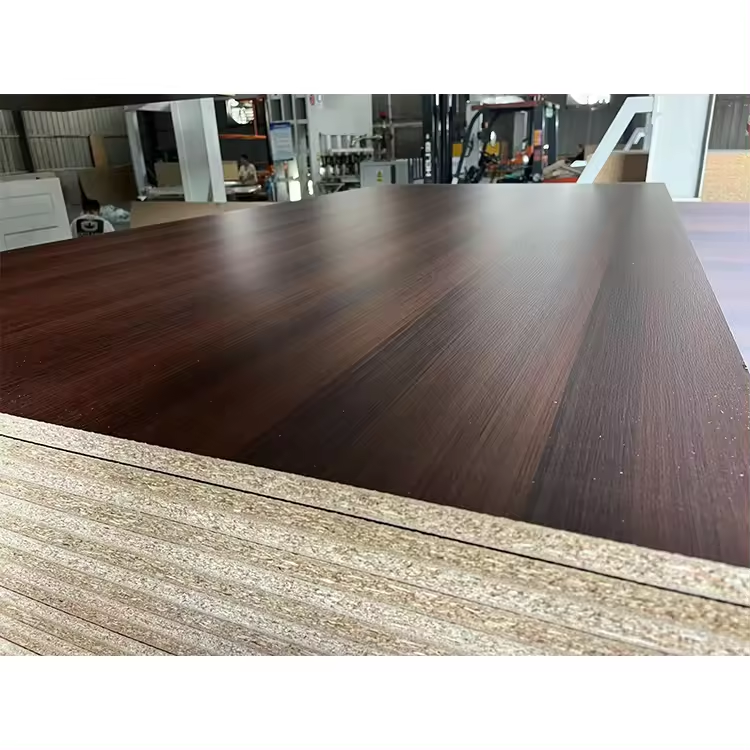
Interior particle board represents a versatile and cost-effective engineered wood solution that has revolutionized modern construction and furniture manufacturing. This composite material consists of wood particles, chips, and fibers bonded together using synthetic resin adhesives under controlled heat and pressure conditions. The manufacturing process creates a uniform, stable substrate that offers consistent performance across various interior applications. Interior particle board serves multiple essential functions in residential and commercial projects, primarily as a foundation material for laminate flooring, cabinet construction, furniture manufacturing, and wall paneling systems. The technological features of interior particle board include excellent dimensional stability, uniform density distribution, and superior screw-holding capabilities that make it ideal for structural applications. Advanced production techniques ensure consistent thickness tolerances and smooth surface finishes that facilitate easy machining and finishing processes. The material exhibits remarkable versatility in accepting various surface treatments, including veneer application, laminate bonding, and paint adhesion, making it suitable for diverse aesthetic requirements. Interior particle board applications span across kitchen cabinetry, bedroom furniture, office systems, retail fixtures, and architectural millwork projects. The engineered structure provides enhanced strength-to-weight ratios compared to solid wood alternatives while maintaining workability characteristics that craftsmen appreciate. Modern interior particle board formulations incorporate moisture-resistant properties and low-emission adhesive systems that meet stringent environmental standards. The material's ability to maintain structural integrity under normal indoor conditions makes it an excellent choice for long-term installations where performance consistency matters most.

New Product Recommendations

Interior particle board delivers exceptional value through its remarkable cost-effectiveness compared to traditional solid wood materials, making high-quality construction accessible to budget-conscious consumers and professionals alike. The manufacturing process creates consistent material properties that eliminate the natural variations found in lumber, providing predictable results in every project application. This reliability translates into reduced waste during installation and fewer callbacks for contractors working on residential and commercial projects. The smooth, uniform surface of interior particle board accepts finishes beautifully, creating professional-looking results whether you choose paint, stain, or laminate applications. Installation becomes significantly easier due to the material's predictable behavior during cutting, drilling, and fastening operations, reducing labor time and associated costs. The dimensional stability of interior particle board prevents warping, splitting, and checking that commonly occurs with natural wood products, ensuring long-term satisfaction for end users. Environmental benefits include efficient utilization of wood fiber resources, as manufacturers transform wood waste and smaller timber pieces into valuable construction materials, supporting sustainable forestry practices. The consistent density throughout interior particle board provides superior screw retention compared to many solid wood alternatives, creating stronger joints and more durable assemblies in furniture and cabinetry applications. Modern production techniques ensure low formaldehyde emissions, creating healthier indoor environments while maintaining the performance characteristics builders demand. The versatility of interior particle board allows single material sourcing for multiple project components, simplifying inventory management and reducing procurement complexity for contractors and manufacturers. Processing advantages include reduced tool wear during machining operations and consistent feed rates that improve production efficiency in manufacturing environments. The material's ability to accept edge banding, routing, and other fabrication techniques makes it suitable for complex architectural details and custom furniture designs without requiring specialized equipment or extensive operator training.

Latest News

What Are The Main Advantages Of Using Particleboard?

01

Mar

What Are The Main Advantages Of Using Particleboard?

Particleboard has emerged as one of the most versatile and cost-effective engineered wood products in modern construction and furniture manufacturing. This composite material, made from wood chips, sawmill shavings, and synthetic resin binders, offer...
View More
How Durable Is Particleboard For Interior Applications?

03

Mar

How Durable Is Particleboard For Interior Applications?

When selecting materials for interior applications, understanding the durability characteristics of particleboard becomes essential for making informed decisions. This engineered wood product has gained significant popularity in residential and comme...
View More
Can Particleboard Improve Space-Saving Cabinet Projects?

10

Mar

Can Particleboard Improve Space-Saving Cabinet Projects?

Modern homeowners and designers constantly seek innovative materials that combine affordability, versatility, and functionality for their cabinet projects. Particleboard has emerged as a premier choice for space-saving cabinet designs, offering excep...
View More
What Are The Benefits Of Chipboard Particle Board Panels?

27

Mar

What Are The Benefits Of Chipboard Particle Board Panels?

In the modern construction and furniture manufacturing industry, materials that offer versatility, cost-effectiveness, and reliable performance are highly sought after. Among these materials, chipboard particle board stands out as one of the most pra...
View More

Get a Free Quote

Our representative will contact you soon.
Email
Mobile/WhatsApp
Name
Company Name
Message
0/1000

interior particle board

Superior Dimensional Stability and Structural Performance

Superior Dimensional Stability and Structural Performance

Interior particle board demonstrates exceptional dimensional stability that surpasses many traditional building materials, making it the preferred choice for applications requiring long-term structural integrity. The engineered composition eliminates the natural movement patterns associated with solid wood, preventing seasonal expansion and contraction that can cause joint failures, surface cracking, and alignment issues in finished installations. This stability stems from the controlled manufacturing process where wood particles are oriented and bonded using advanced adhesive systems that create cross-directional strength throughout the material thickness. The result is a substrate that maintains its shape and dimensions across varying humidity and temperature conditions typically encountered in interior environments. Professional contractors appreciate this consistency because it eliminates the need for complex accommodation details and reduces the risk of callbacks due to material movement. The structural performance of interior particle board includes impressive load-bearing capabilities when properly supported, making it suitable for shelving systems, countertop substrates, and furniture components that must support significant weight over extended periods. The uniform density distribution ensures consistent fastener holding power throughout the material, eliminating weak spots that might compromise joint integrity in critical applications. Manufacturing quality control processes monitor density variations to maintain performance standards that exceed industry requirements for interior construction applications. The predictable machining characteristics allow precise fabrication of complex profiles and joinery details without the tear-out or splitting commonly associated with natural wood grain patterns. This reliability extends to finishing operations where the uniform surface texture ensures consistent stain penetration, paint adhesion, and laminate bonding across the entire surface area. The long-term performance benefits translate into reduced maintenance requirements and extended service life for installations in residential and commercial environments.
Cost-Effective Manufacturing and Installation Efficiency

Cost-Effective Manufacturing and Installation Efficiency

Interior particle board offers unmatched cost-effectiveness that makes quality construction accessible across diverse project budgets while delivering professional results that satisfy demanding specifications. The manufacturing efficiency of interior particle board production allows competitive pricing without compromising material performance, creating value opportunities for contractors, furniture manufacturers, and end users seeking reliable solutions. Raw material utilization in particle board production maximizes fiber yield from available wood resources, transforming smaller pieces and mill residues into valuable construction materials that would otherwise require disposal. This efficient resource utilization translates directly into cost savings that manufacturers pass along to customers through competitive pricing structures. Installation efficiency represents another significant advantage as interior particle board processes easily using standard woodworking tools and techniques, reducing the learning curve for craftsmen transitioning from traditional materials. The consistent material properties eliminate time-consuming sorting and grading processes required with natural lumber, allowing faster project completion and improved labor productivity. Machining characteristics include predictable cutting behavior that reduces tool wear and minimizes material waste during fabrication operations, contributing to overall project cost control. The uniform surface texture of interior particle board eliminates extensive preparation work typically required before applying finishes, reducing labor time and material costs associated with sanding and surface conditioning. Inventory management becomes simplified as interior particle board maintains consistent dimensions and quality characteristics, reducing the safety stock requirements and storage space needed for project materials. Transportation costs benefit from the efficient packaging and consistent sizing that maximizes shipping container utilization compared to irregular lumber dimensions. The reduced weight compared to solid wood alternatives can lower shipping expenses for large volume projects while maintaining the structural properties required for demanding applications. Quality consistency eliminates the material selection time typically required with natural products, allowing faster project scheduling and more predictable completion timelines that benefit both contractors and clients.
Environmental Sustainability and Indoor Air Quality Benefits

Environmental Sustainability and Indoor Air Quality Benefits

Interior particle board exemplifies sustainable manufacturing practices that support responsible forest management while creating healthy indoor environments for residential and commercial occupants. The production process efficiently utilizes wood fiber resources by transforming sawmill residues, forest thinning materials, and post-consumer wood waste into valuable construction products, reducing landfill disposal and maximizing forest yield efficiency. This resource optimization supports sustainable forestry practices by creating markets for smaller diameter trees and wood materials that might otherwise lack commercial value, encouraging responsible forest management that maintains ecosystem health while providing economic benefits to forest communities. Modern interior particle board manufacturing incorporates low-emission adhesive formulations that significantly reduce volatile organic compound releases compared to traditional products, creating healthier indoor environments for building occupants. Third-party certification programs verify emission levels meet or exceed stringent standards established for residential and commercial construction applications, providing assurance that indoor air quality will remain within acceptable limits throughout the material's service life. The controlled manufacturing environment allows precise adhesive application that minimizes excess resin usage while maintaining structural performance requirements, optimizing the balance between material properties and environmental impact. Recycling opportunities exist at the end of service life as interior particle board can be processed into biomass fuel or incorporated into new composite products, extending the useful life of wood fiber resources beyond initial applications. Energy efficiency in production facilities continues improving through advanced process controls and waste heat recovery systems that reduce the carbon footprint associated with manufacturing operations. Transportation efficiency benefits from the consistent dimensions and packaging optimization possible with engineered products compared to natural materials, reducing fuel consumption and associated emissions for material distribution. The durability and longevity of interior particle board installations reduce replacement frequency compared to less stable materials, minimizing long-term environmental impact through extended service life. Quality control systems ensure consistent performance that eliminates premature failures and associated waste generation, supporting sustainable construction practices that balance economic considerations with environmental responsibility.

Get a Free Quote

Our representative will contact you soon.
Email
Mobile/WhatsApp
Name
Company Name
Message
0/1000