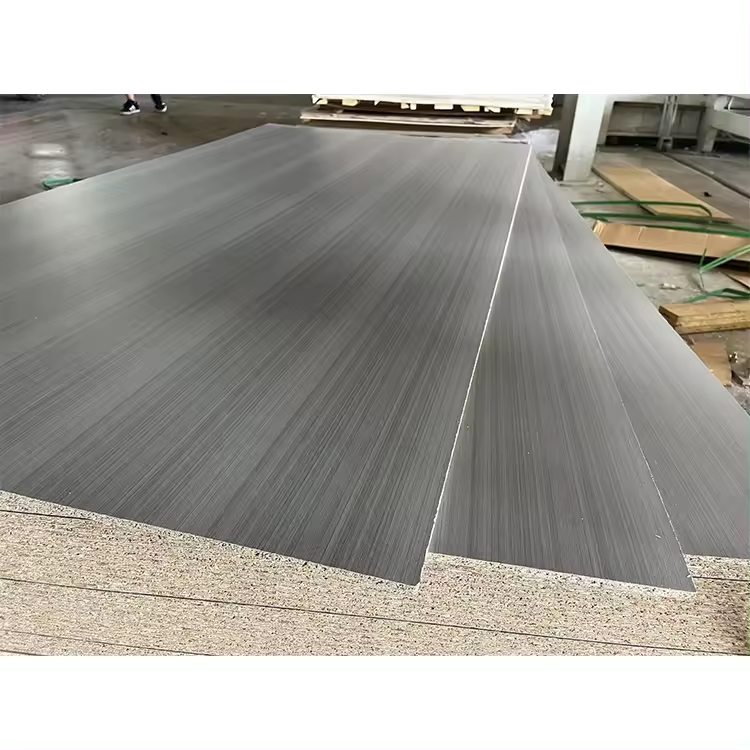
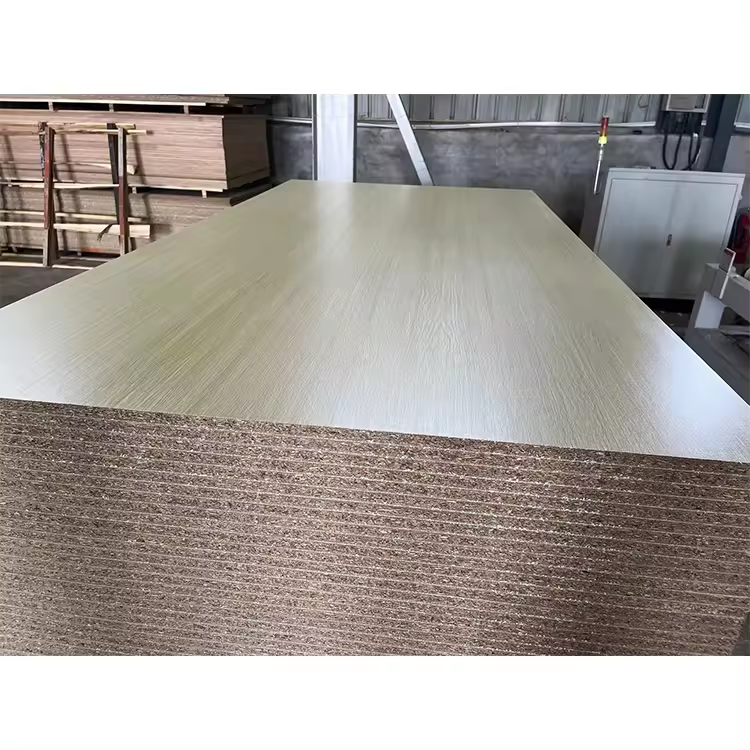
Construction Particle Board: High-Performance Engineered Wood Solutions for Modern Building

Get a Free Quote

Our representative will contact you soon.
Email
Mobile/WhatsApp
Name
Company Name
Message
0/1000

construction particle board

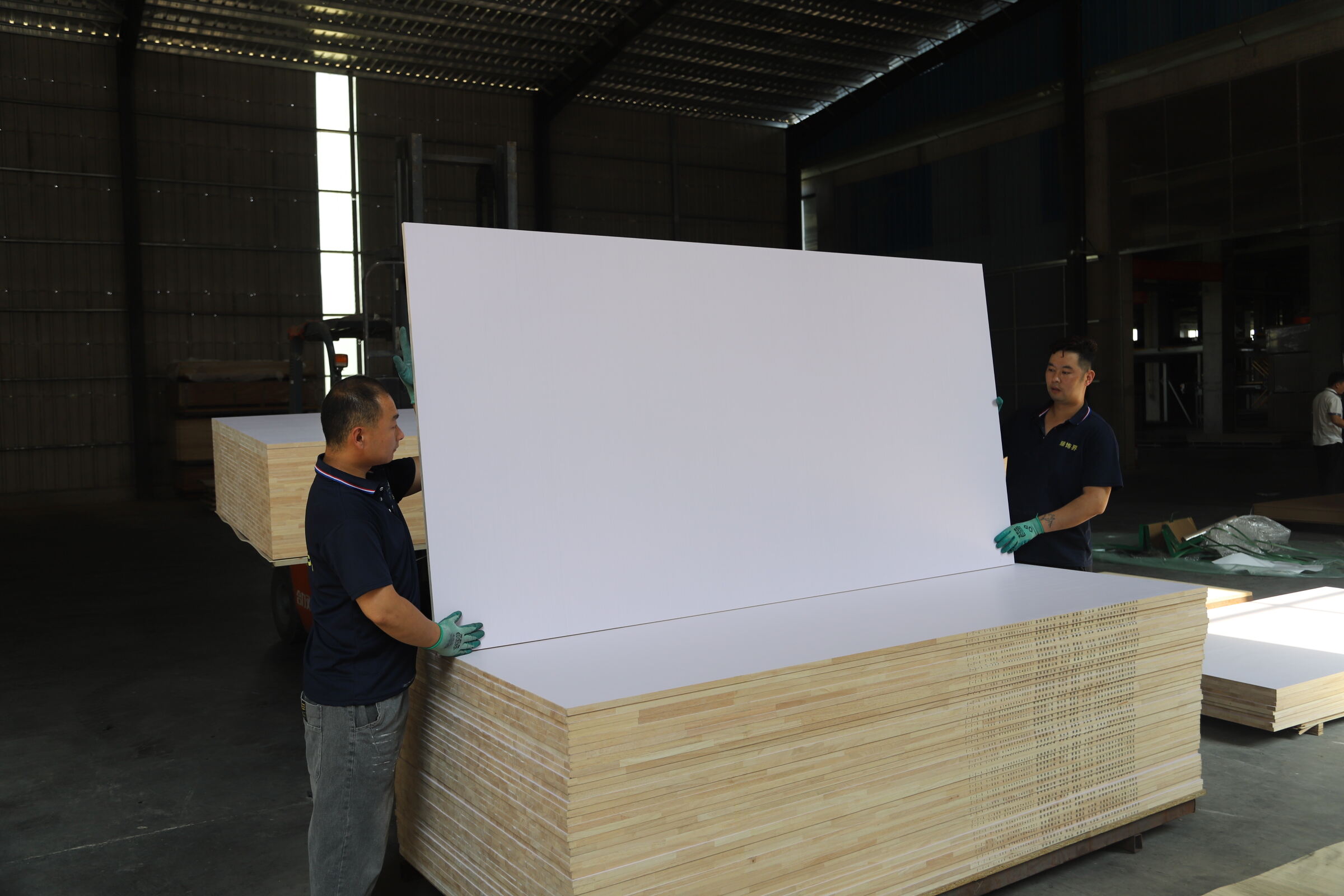
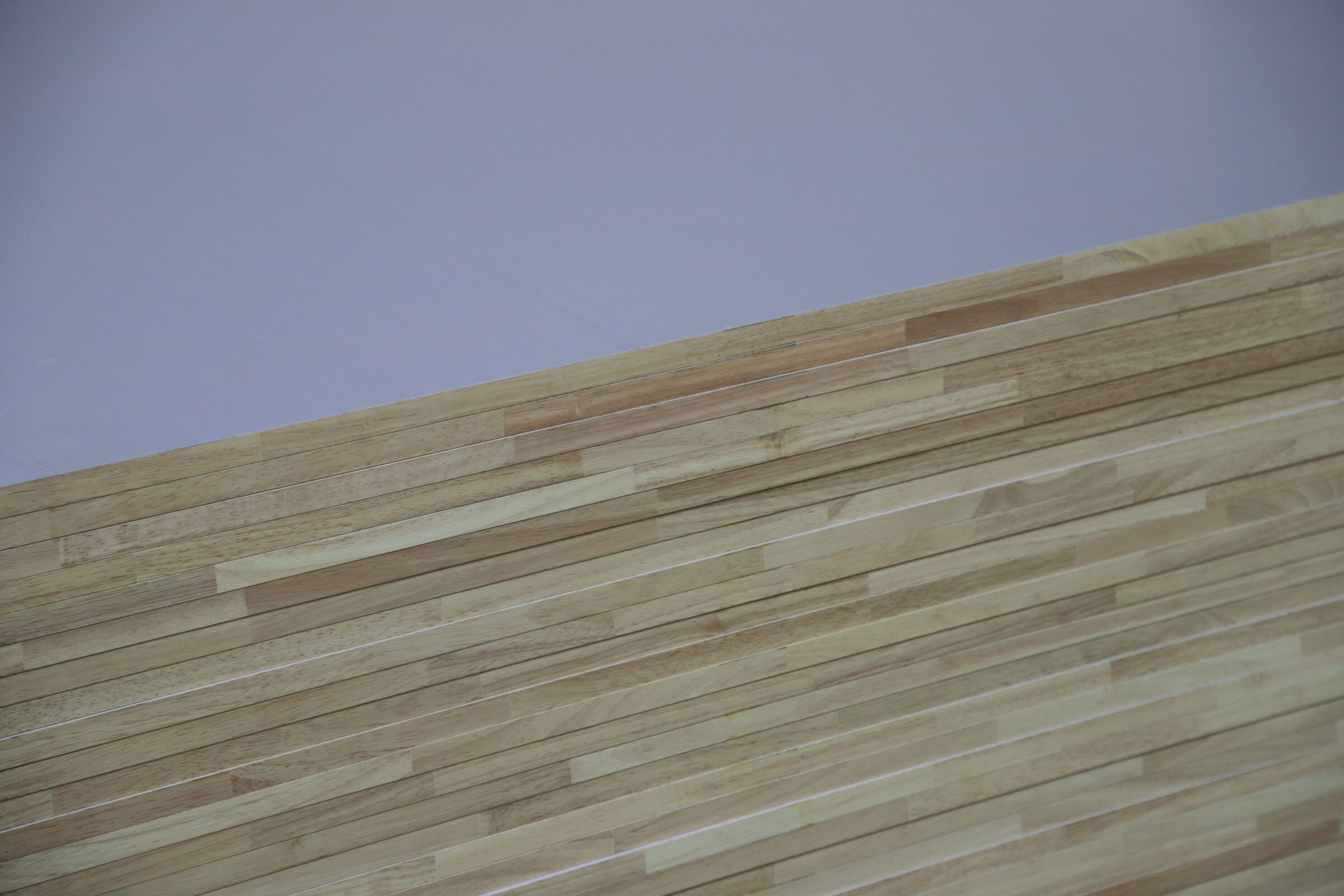
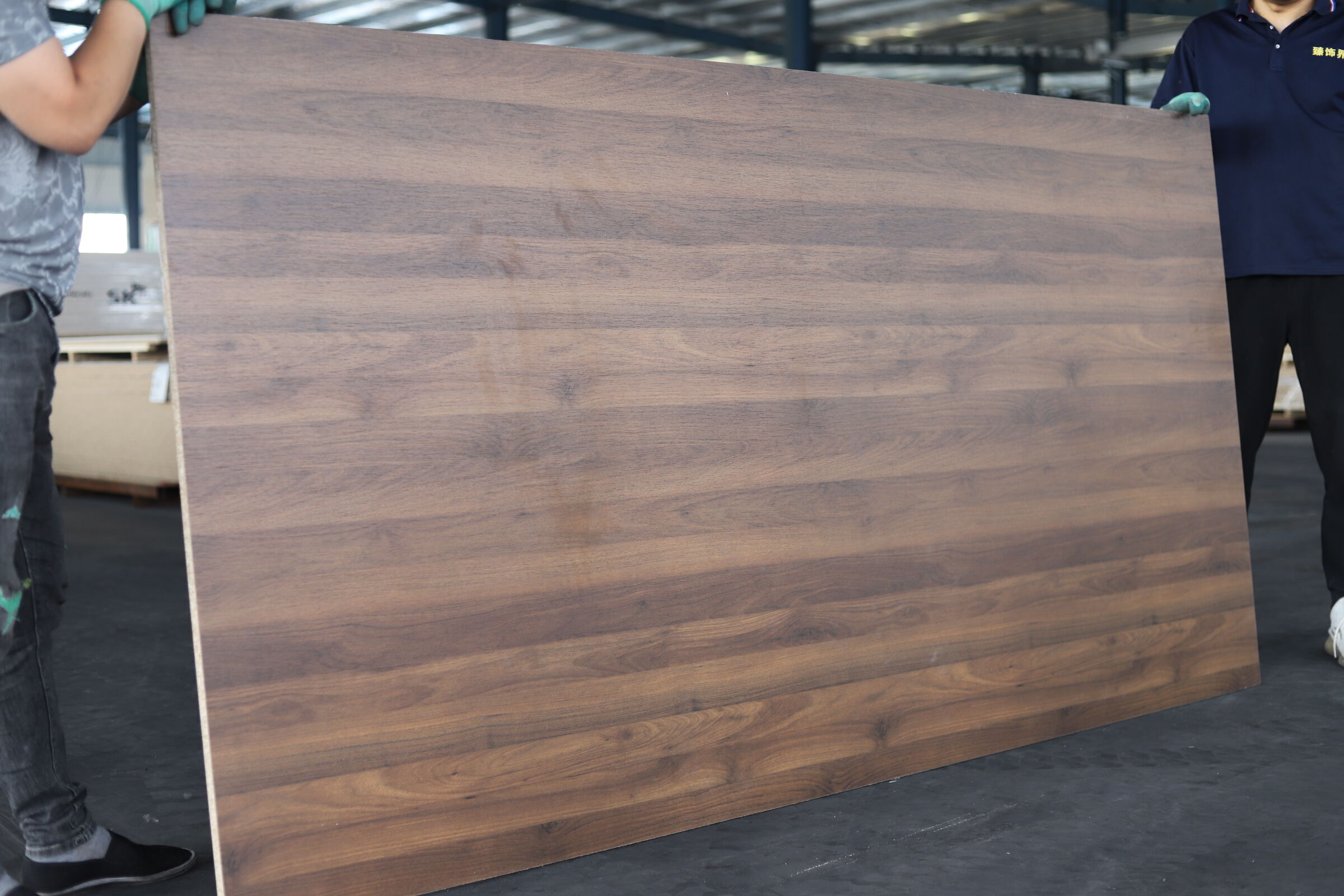
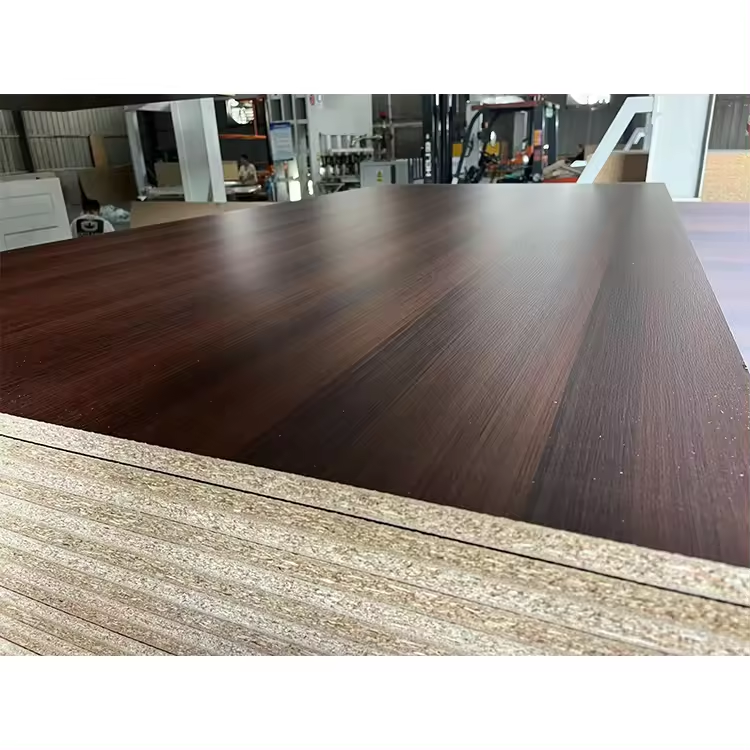
Construction particle board represents a revolutionary engineered wood product that has transformed modern building practices across residential and commercial sectors. This versatile material consists of wood particles, chips, and fibers bonded together using synthetic resin adhesives under controlled heat and pressure conditions. The manufacturing process creates a uniform, stable substrate that delivers consistent performance characteristics throughout its structure. Construction particle board serves multiple critical functions in contemporary building projects, including subflooring systems, wall sheathing, roofing applications, and interior paneling solutions. Its technological features include precise dimensional stability, predictable load-bearing capacity, and excellent screw-holding properties that make it ideal for various construction applications. The board maintains structural integrity across different environmental conditions while providing reliable fastening points for hardware and fixtures. Manufacturing technology ensures consistent density distribution throughout each panel, eliminating weak spots and irregularities common in traditional solid wood products. Construction particle board accommodates standard construction methods while offering superior workability compared to alternative materials. The engineered composition allows for precise cutting, routing, and shaping without splintering or chipping that often occurs with natural lumber. Surface characteristics provide excellent adhesion for finishes, laminates, and overlay materials, making construction particle board suitable for both structural and decorative applications. Quality control measures during production guarantee uniform thickness tolerances and flat surfaces that streamline installation processes. Environmental considerations drive manufacturing innovations, with many construction particle board products incorporating recycled wood content and low-emission formaldehyde binders. These technological advances align with green building standards while maintaining superior performance characteristics. Applications span from residential floor systems and cabinet construction to commercial furniture manufacturing and architectural millwork projects, demonstrating the remarkable versatility of construction particle board in modern construction practices.

New Products

Construction particle board offers numerous practical advantages that make it an exceptional choice for builders, contractors, and property owners seeking reliable building materials. Cost-effectiveness stands as the primary benefit, with construction particle board typically costing significantly less than solid wood alternatives while delivering comparable structural performance. This economic advantage allows project budgets to stretch further without compromising quality or durability standards. The material provides consistent dimensional stability that eliminates the warping, twisting, and shrinking commonly associated with natural lumber products. Construction particle board maintains its shape and size across temperature and humidity fluctuations, ensuring long-term structural integrity in diverse climate conditions. Installation becomes faster and more efficient due to the uniform characteristics of construction particle board panels. Workers can predict material behavior during cutting, drilling, and fastening operations, reducing waste and minimizing costly mistakes on job sites. The smooth, flat surface eliminates the need for extensive preparation work before applying finishes or overlay materials. Construction particle board accepts screws, nails, and other fasteners reliably, creating secure connections that maintain strength over time. The engineered composition distributes loads evenly across the panel surface, preventing localized stress concentrations that could lead to failure points. Moisture resistance treatments available in specialized construction particle board grades protect against water damage and fungal growth in humid environments. Fire-retardant formulations enhance safety characteristics for specific applications where building codes require enhanced fire performance. The lightweight nature of construction particle board reduces structural loads on buildings while maintaining necessary strength requirements. This weight advantage simplifies handling during construction and reduces transportation costs for large projects. Machining capabilities allow precise customization for specific applications, with construction particle board cutting cleanly without splintering or tearing. The material bonds effectively with adhesives, creating strong laminated assemblies for complex architectural elements. Environmental sustainability becomes achievable through construction particle board products that incorporate recycled wood content and utilize fast-growing timber species. Manufacturing processes optimize raw material usage, converting wood waste into valuable building products that support sustainable forestry practices. Quality assurance protocols ensure consistent performance characteristics across production runs, giving builders confidence in material specifications and reducing project risks associated with variable material properties.

Latest News

What Are The Main Advantages Of Using Particleboard?

01

Mar

What Are The Main Advantages Of Using Particleboard?

Particleboard has emerged as one of the most versatile and cost-effective engineered wood products in modern construction and furniture manufacturing. This composite material, made from wood chips, sawmill shavings, and synthetic resin binders, offer...
View More
How Durable Is Particleboard For Interior Applications?

03

Mar

How Durable Is Particleboard For Interior Applications?

When selecting materials for interior applications, understanding the durability characteristics of particleboard becomes essential for making informed decisions. This engineered wood product has gained significant popularity in residential and comme...
View More
Is Particleboard Suitable For Commercial Fit-Out Works?

13

Mar

Is Particleboard Suitable For Commercial Fit-Out Works?

Commercial fit-out projects demand materials that balance cost-effectiveness, durability, and aesthetic appeal. Particleboard has emerged as a versatile solution for various commercial applications, offering contractors and designers a reliable engin...
View More
Why Choose Chipboard Particle Board For Cabinets?

23

Mar

Why Choose Chipboard Particle Board For Cabinets?

Modern kitchen and furniture design increasingly relies on engineered wood products that deliver exceptional performance, durability, and cost-effectiveness. Among these materials, chipboard particle board has emerged as a leading choice for cabinet ...
View More

Get a Free Quote

Our representative will contact you soon.
Email
Mobile/WhatsApp
Name
Company Name
Message
0/1000

construction particle board

Superior Structural Performance and Load Distribution

Superior Structural Performance and Load Distribution

Construction particle board delivers exceptional structural performance through its engineered composition that optimizes load distribution across the entire panel surface. Unlike traditional solid wood that contains natural defects such as knots, grain irregularities, and density variations, construction particle board maintains uniform strength characteristics throughout its structure. This consistency eliminates weak points that could compromise structural integrity under load conditions. The manufacturing process carefully controls particle size, orientation, and resin distribution to create predictable mechanical properties that meet or exceed industry standards for structural applications. Engineering specifications for construction particle board provide reliable data for calculating load capacities, deflection limits, and span requirements in floor, wall, and roof systems. The cross-directional strength characteristics prevent failure along grain lines that commonly occur in solid lumber products. Construction particle board panels distribute concentrated loads effectively, reducing stress concentrations that could lead to localized damage or failure. This load distribution capability makes construction particle board ideal for heavy-duty applications such as industrial flooring, warehouse shelving, and commercial furniture manufacturing. The material maintains its structural properties across extended service periods, resisting fatigue and creep that can develop in other building materials under constant loading. Quality control testing during manufacturing verifies strength values, ensuring each construction particle board panel meets specified performance criteria. Independent testing laboratories regularly validate structural properties, providing third-party verification of load-bearing capabilities for critical applications. The engineered nature of construction particle board allows manufacturers to optimize fiber orientation and resin content for specific strength requirements, creating specialized products for demanding structural applications. Installation methods for construction particle board take advantage of these structural characteristics, with standard fastening patterns and spacing requirements clearly defined in building codes and manufacturer specifications. The predictable behavior of construction particle board under various loading conditions simplifies structural calculations and reduces engineering complexity in building design processes.
Exceptional Workability and Installation Efficiency

Exceptional Workability and Installation Efficiency

Construction particle board excels in workability characteristics that streamline installation processes and reduce labor costs on construction projects. The uniform density and composition eliminate the unpredictable behavior associated with natural wood grain patterns, allowing precise cutting operations with standard woodworking tools. Construction particle board cuts cleanly without splintering, chipping, or tearing, producing smooth edges that require minimal finishing work. Router operations create precise profiles and edge details that maintain sharp definition without fuzzing or roughening that occurs with fibrous materials. Drilling operations in construction particle board produce clean holes with consistent diameters, ensuring proper fit for hardware and fasteners in assembly applications. The material accepts various fastener types including screws, nails, staples, and specialty hardware without pre-drilling requirements in most applications. Screw-holding power in construction particle board exceeds many alternative materials, creating secure connections that resist withdrawal under service loads. The smooth surface texture of construction particle board provides excellent adhesion characteristics for bonding operations using wood glues, construction adhesives, and specialty bonding agents. Laminating operations bond reliably to construction particle board surfaces, creating strong composite assemblies for architectural millwork and furniture applications. Edge banding and veneer application processes work seamlessly with construction particle board substrates, producing finished products with professional appearance standards. Surface preparation requirements remain minimal due to the consistent texture and flatness of construction particle board panels, reducing time and material costs for finishing operations. Sanding operations on construction particle board create uniform surface profiles that accept stains, paints, and clear finishes evenly without blotching or irregular absorption patterns. The stability of construction particle board during machining operations prevents movement and distortion that can complicate precision work in cabinet making and furniture manufacturing. Joining methods including dados, rabbets, and mortise-and-tenon connections work effectively with construction particle board, providing versatile options for complex assembly requirements. Tool wear rates remain low when machining construction particle board due to the absence of silica and other abrasive materials found in some engineered wood products.
Environmental Sustainability and Resource Optimization

Environmental Sustainability and Resource Optimization

Construction particle board represents a pinnacle of environmental sustainability in building materials through innovative manufacturing processes that maximize resource utilization while minimizing ecological impact. The production of construction particle board efficiently converts wood waste, sawmill byproducts, and small-diameter timber into valuable building materials that would otherwise require disposal or burning. This resource optimization approach reduces pressure on old-growth forests while creating economic value from previously wasted materials. Manufacturing facilities for construction particle board often locate near sawmills and wood processing operations, utilizing fresh wood residues that maintain optimal fiber characteristics for panel production. The conversion process transforms wood chips, shavings, and particles into construction particle board through carefully controlled procedures that maximize yield from available raw materials. Recycled wood content in construction particle board formulations diverts construction waste and demolished building materials from landfills, supporting circular economy principles in the construction industry. Post-consumer recycled content becomes incorporated into new construction particle board products, extending the useful life cycle of wood fiber resources. Adhesive systems used in modern construction particle board manufacturing emphasize low-emission formulations that meet stringent indoor air quality standards for residential and commercial applications. Formaldehyde-free binder technologies eliminate concerns about volatile organic compound emissions while maintaining strong bonding characteristics essential for structural performance. Energy-efficient manufacturing processes reduce the carbon footprint of construction particle board production through optimized curing cycles, waste heat recovery, and renewable energy utilization. Transportation efficiency improves due to the standardized dimensions and packaging characteristics of construction particle board panels, maximizing load densities and reducing fuel consumption per unit delivered. End-of-life considerations for construction particle board include recycling options that allow spent panels to become raw materials for new products or biomass fuel for renewable energy generation. Third-party certification programs verify sustainable forestry practices and responsible manufacturing processes for construction particle board products, providing transparency for environmentally conscious consumers and builders. The durability and longevity of construction particle board installations reduce replacement frequency, minimizing long-term resource consumption compared to less durable alternatives that require periodic renewal.

Get a Free Quote

Our representative will contact you soon.
Email
Mobile/WhatsApp
Name
Company Name
Message
0/1000