EN
EN


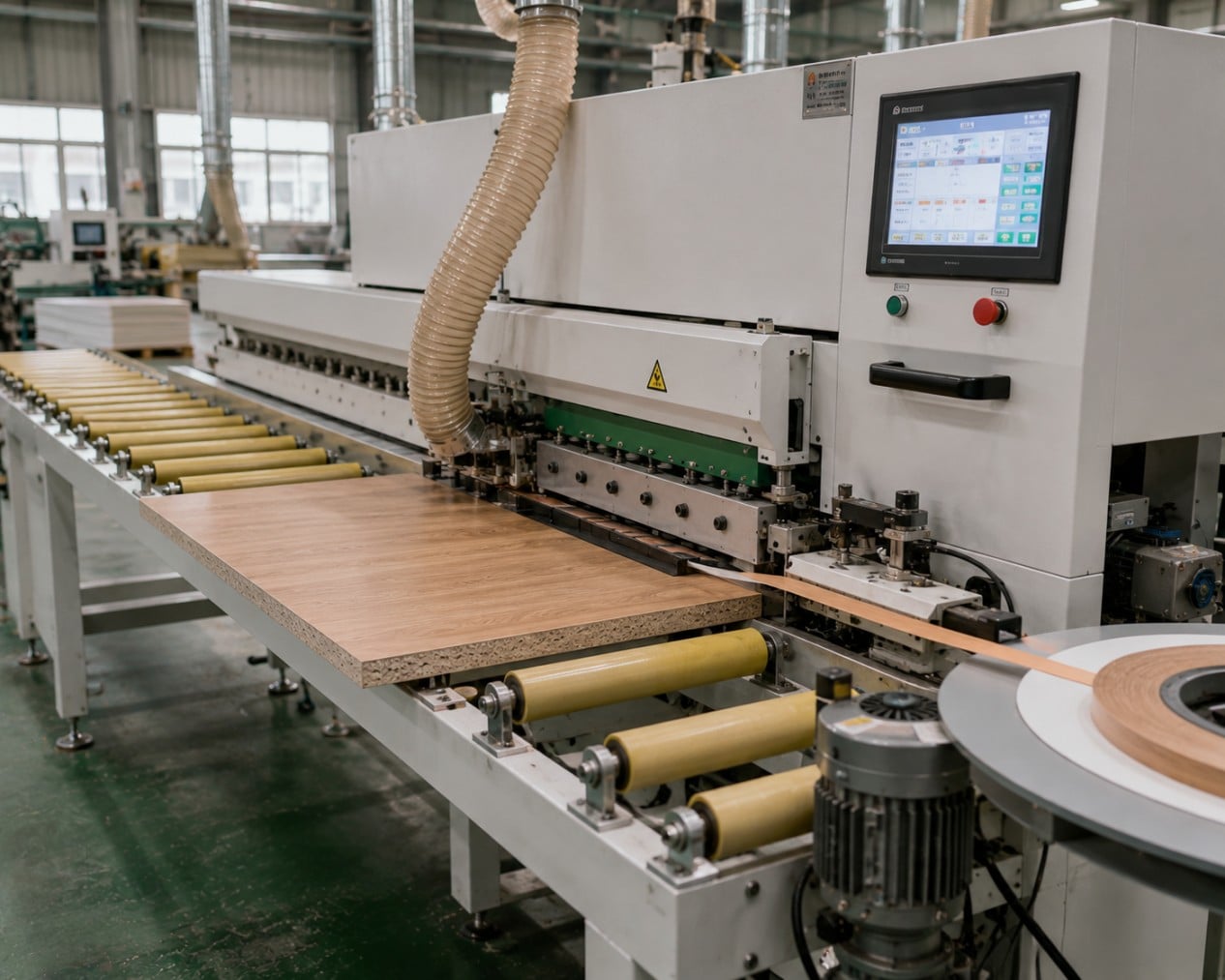
Overseas furniture makers often spend lots of time evaluating surface performance when sourcing boards, yet edge-banding easily gets overlooked. Even top-grade PET and melamine veneer boards will run into real-world failures if edge-banding work is poorly done. Moisture can creep in through exposed board edges and trigger common issues: edge-banding peeling, edge swelling and board deformation, all of which shorten furniture service life significantly. This matters most for export goods heading to high-humidity Southeast Asia and coastal regions, where your choice of edge-banding directly affects after-sales complaints.
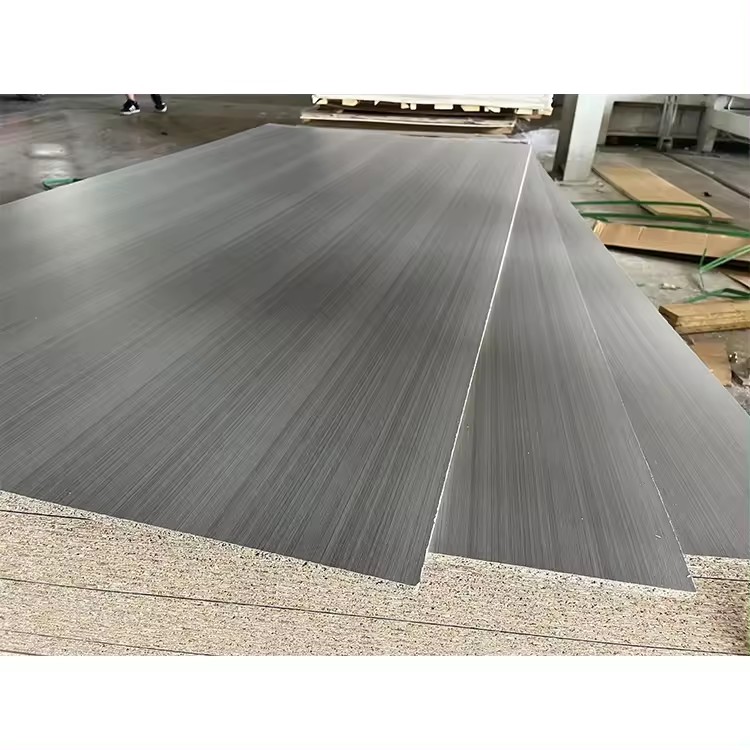
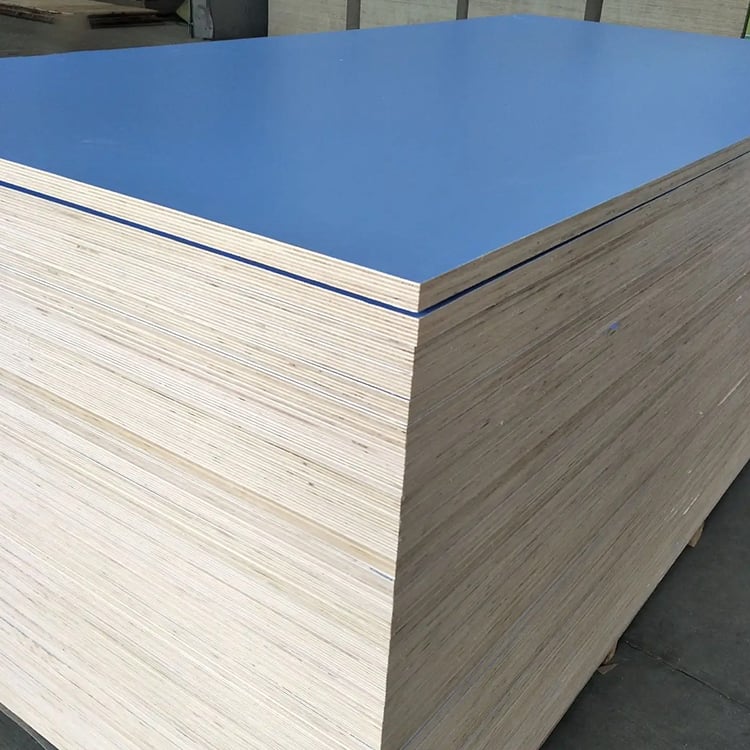
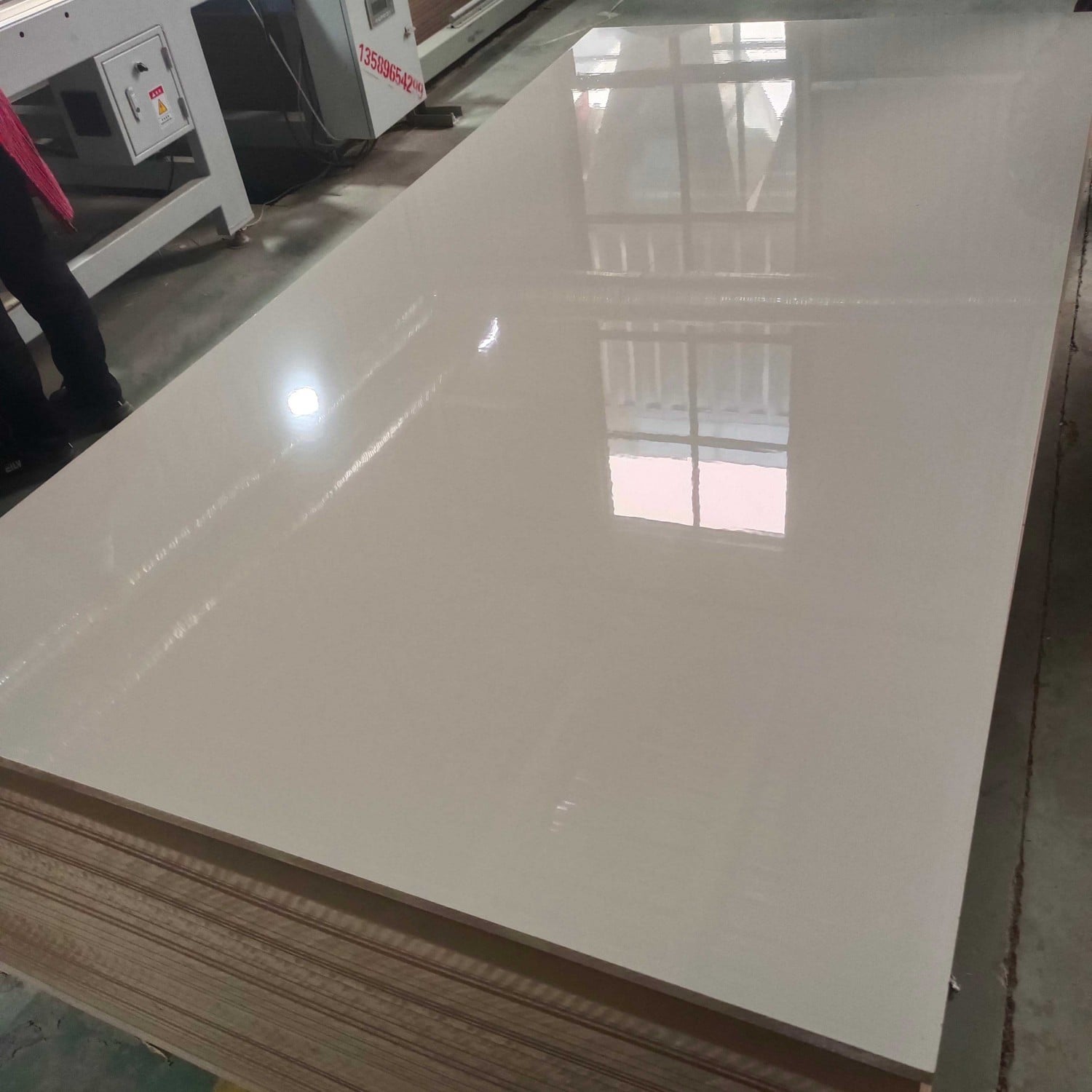
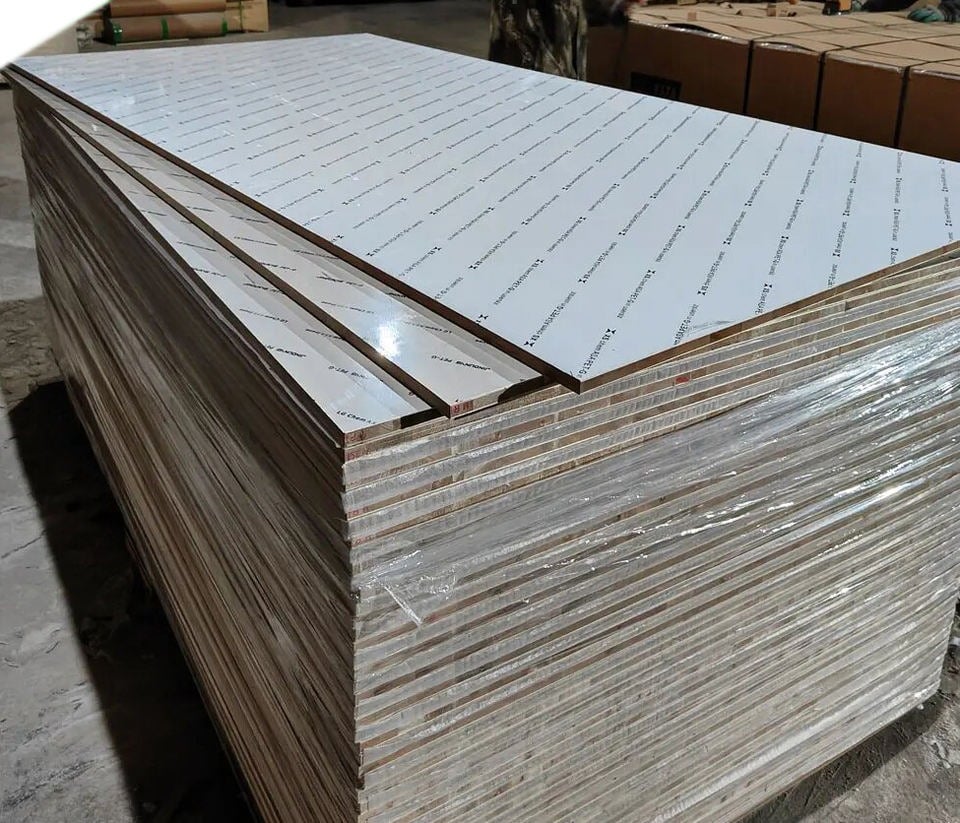
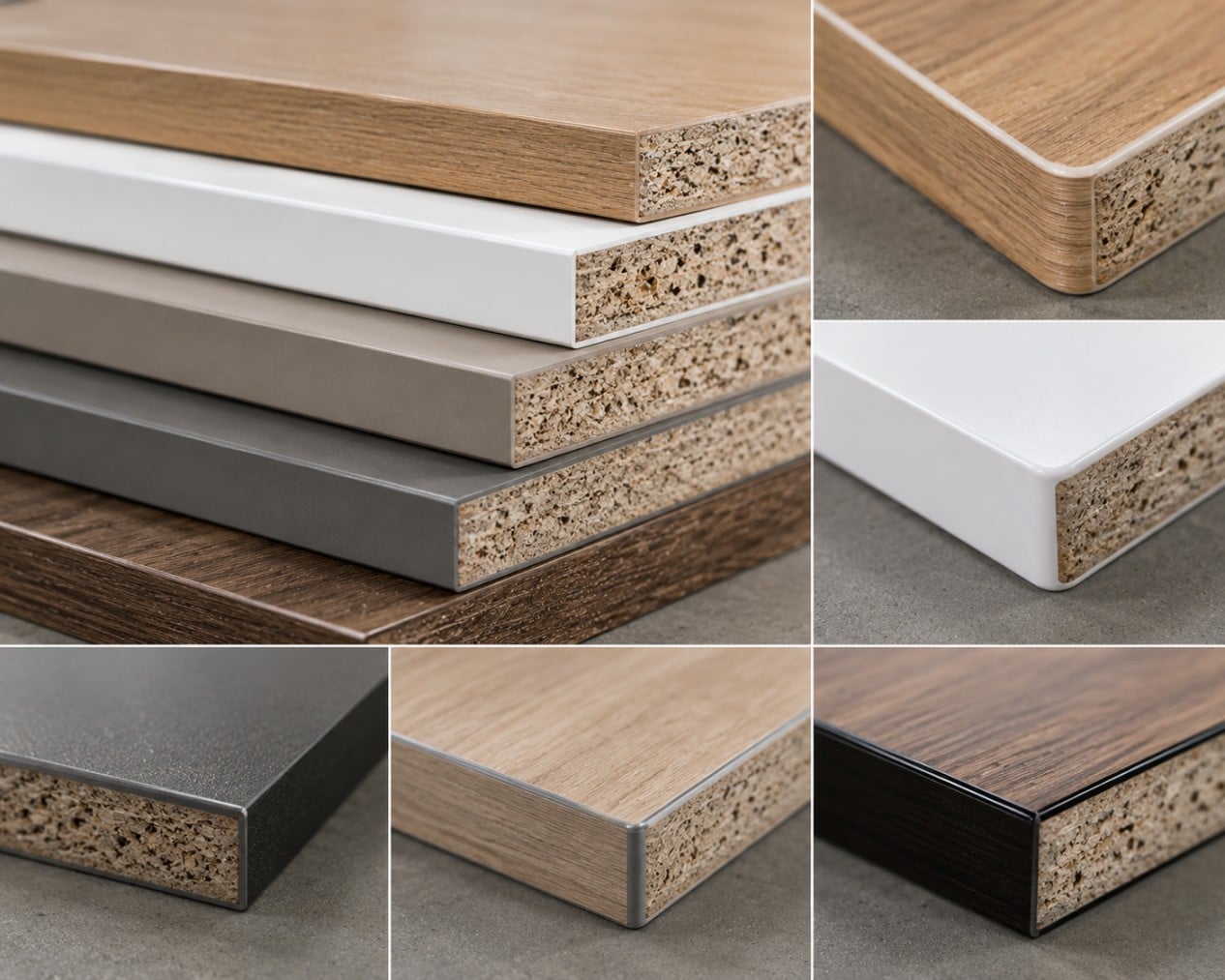
Melamine boards and PET boards come with different surface properties, so they do not share identical edge-banding setups. Melamine boards feature hard resin-coated surfaces and work well with both PVC and ABS edge-banding strips. Two practical points deserve attention: matching edge-banding colour and surface texture, and securing solid bonding strength from hot-melt adhesive. PET boards are covered with high-molecular PET film. These boards are far more sensitive to edge-bander temperature and glue selection. Wrong temperature settings will make PET film shrink and curl, leaving visible gaps along edges.
On today’s market, three mainstream edge-banding options are widely used for furniture production.
PVC edge-banding delivers good cost-performance with broad colour and pattern choices, well-suited for mass-produced residential furniture. Still, keep in mind it may peel away over long-term use in high-humidity conditions.
ABS edge-banding brings higher toughness and better resistance against heat and moisture compared with PVC. It works great for cabinets and bathroom vanities shipped to hot-humid zones and is widely preferred for engineering-grade projects.
Laser edge-banding creates clean seamless looks, yet it calls for high-end processing equipment. Mostly applied for high-end custom furniture, this solution requires downstream manufacturers to own matching machinery.
For export procurement, buyers should never only compare board unit prices. It is equally important to check what processing equipment your furniture partner actually runs. You can source premium-quality boards, but outdated machinery will stop factories from getting reliable edge-banding results.
At the inquiry stage, we suggest buyers share key background details: target market climate, furniture types such as cabinets, wardrobes or commercial-use furniture, and what edge-banding technologies their processor can handle. With these details, we can give practical board-selection guidance and help you steer clear of processing-related headaches later.
To sum up: PVC edge-banding meets requirements for residential furniture sold to dry inland markets. For Southeast Asia, island and other humid-climate destinations, ABS edge-banding strips are the better pick. For high-end engineering projects, you may look into laser edge-banding as a viable option. True stability comes only when board properties match your selected edge-banding solution.
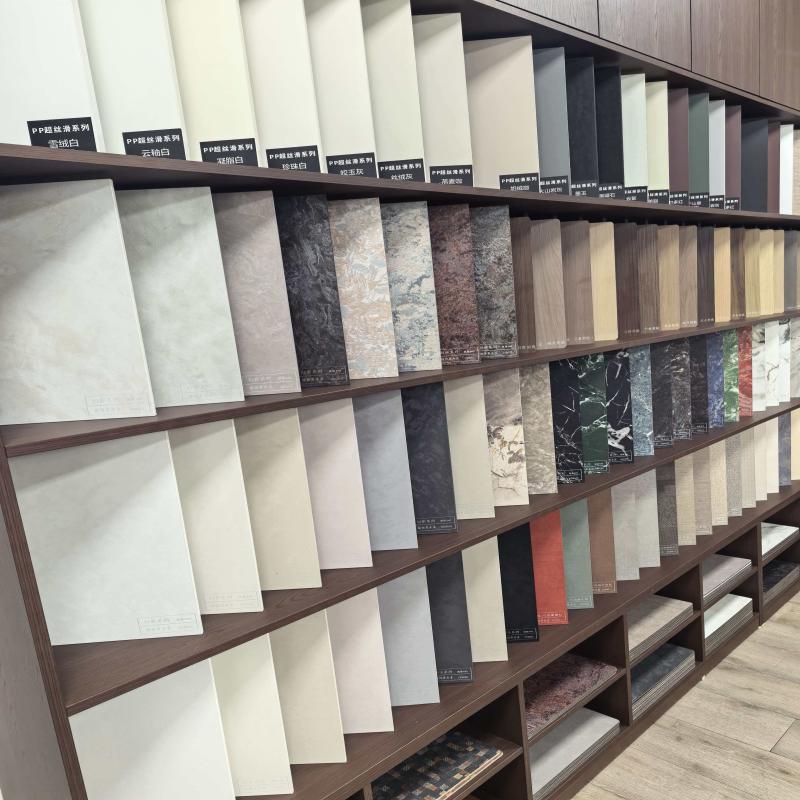
Zhenshijie supplies PET and melamine board samples for customer testing. Factories can run edge-banding trials on their own machines to check real-world performance before placing mass-production orders.
 Hot News
2026-09-17
2026-09-14
2026-09-11
Shandong Zhenshijie — China's trusted manufacturer of PET & melamine veneer panels for cabinets, kitchens & furniture. MDF, plywood, particleboard & more — custom sizes, textures & finishes.
located north of Xiaowan Line, Tanyi Town, Feixian County, Linyi City, Shandong Province.
Copyright © 2026 Shandong Zhenshijie International Trade CO,. LTD All rights reserved. Privacy Policy