EN
EN


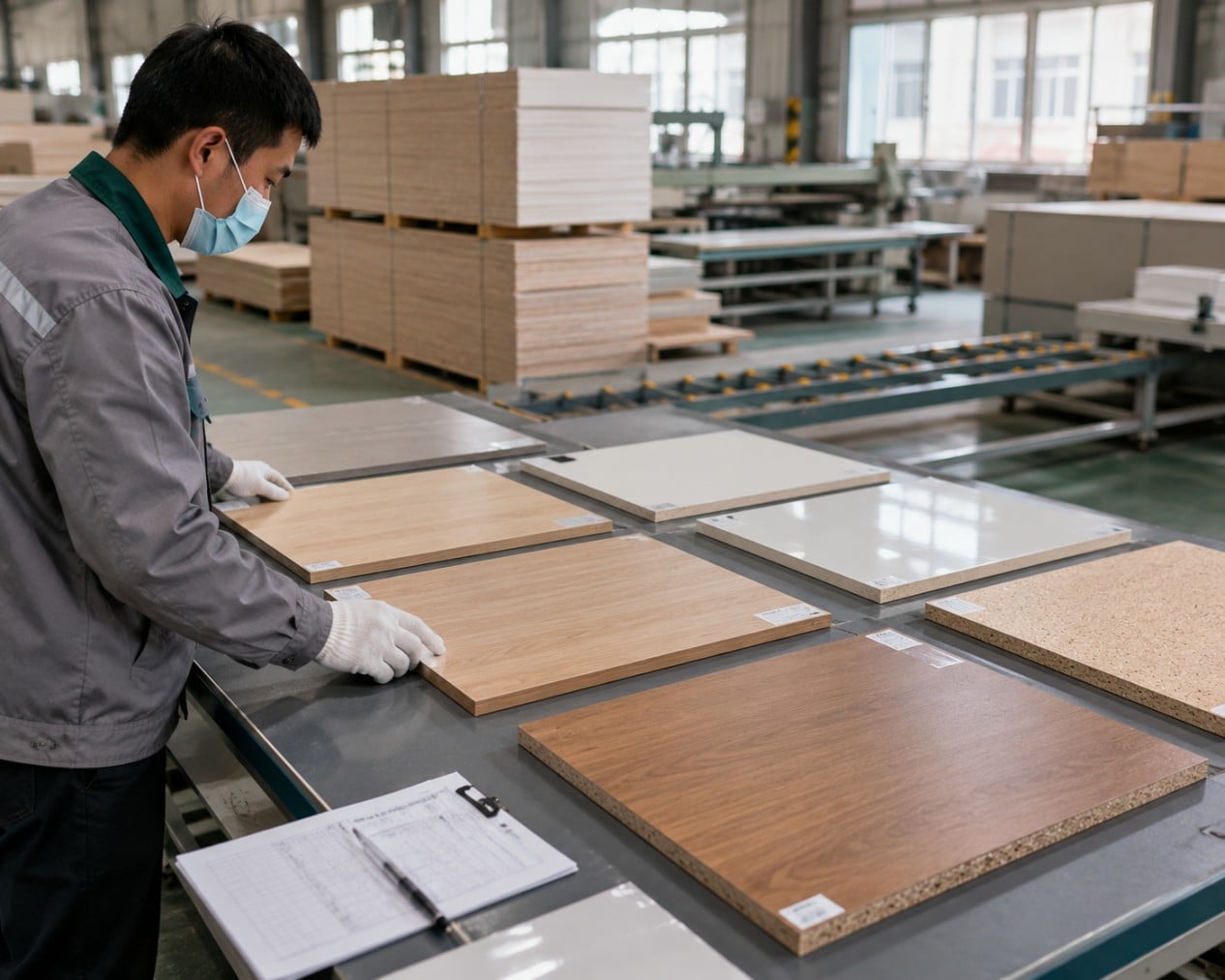
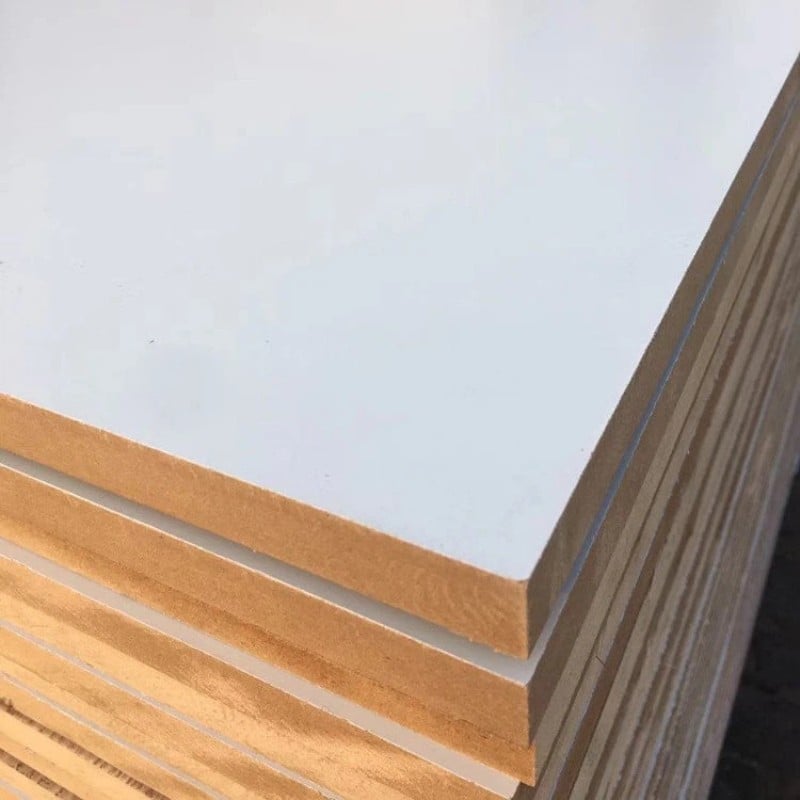
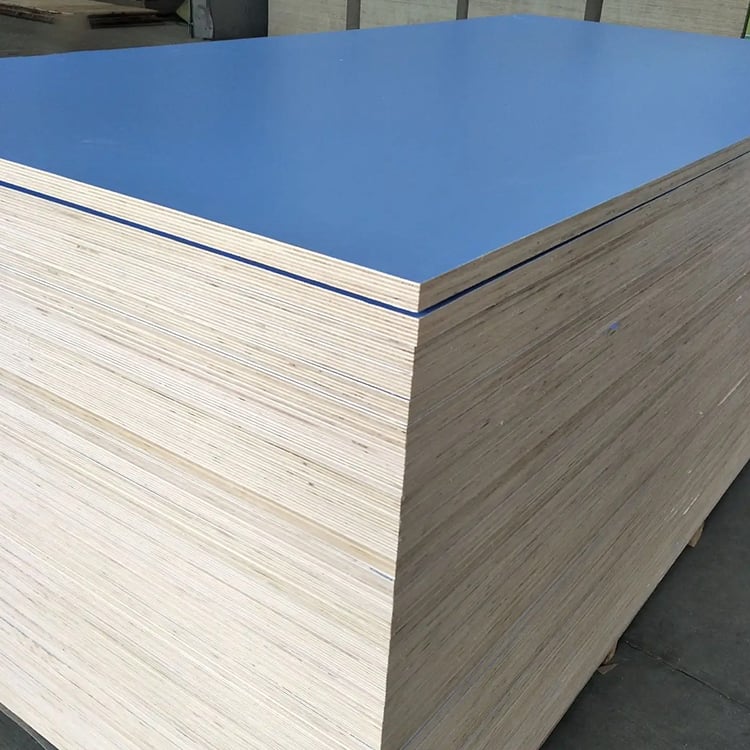
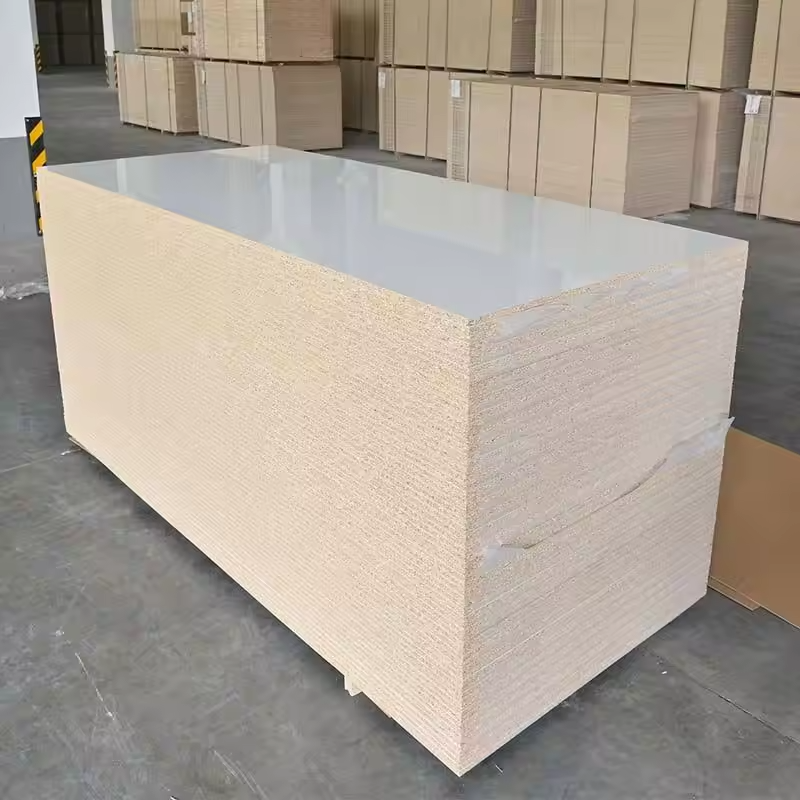
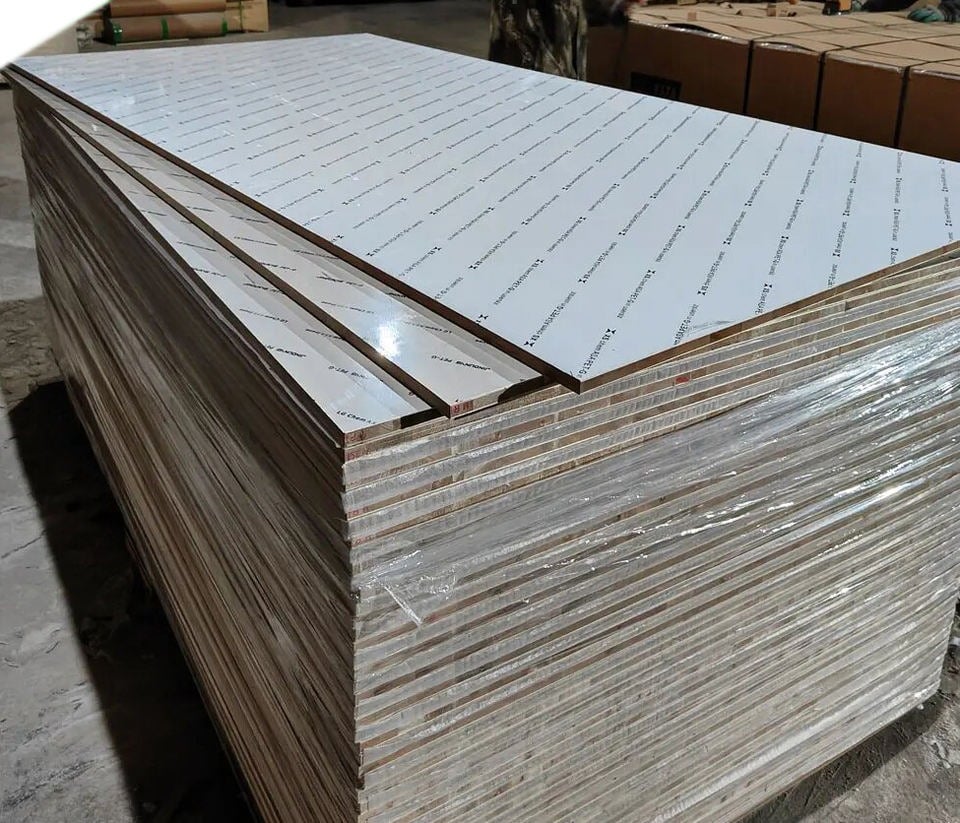
For overseas projects such as hotels and chain stores, large‑scale procurement of decorative boards often faces real‑world quality complaints caused by color differences and inconsistent textures. Even when pre‑production samples look perfect, thousands of mass‑produced boards may show shifted color depth or mixed‑up grain patterns. Once assembled, cabinets and wall boards will have obvious visual mismatch and put project acceptance at risk. Many furniture manufacturers blame board suppliers for such issues, yet both buyers and factories have important points to watch throughout inquiry, sample confirmation and production acceptance.
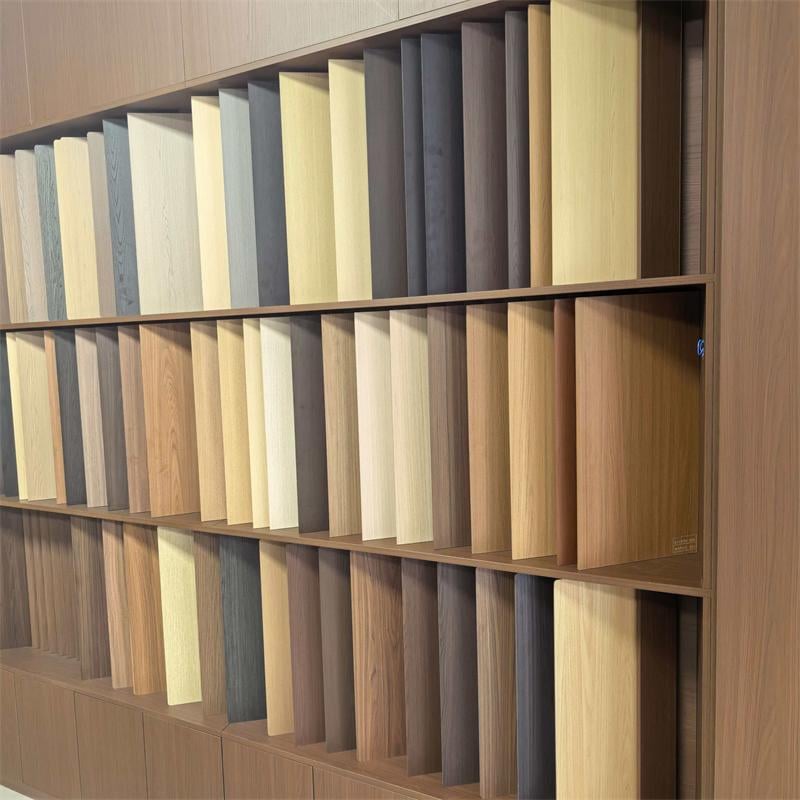
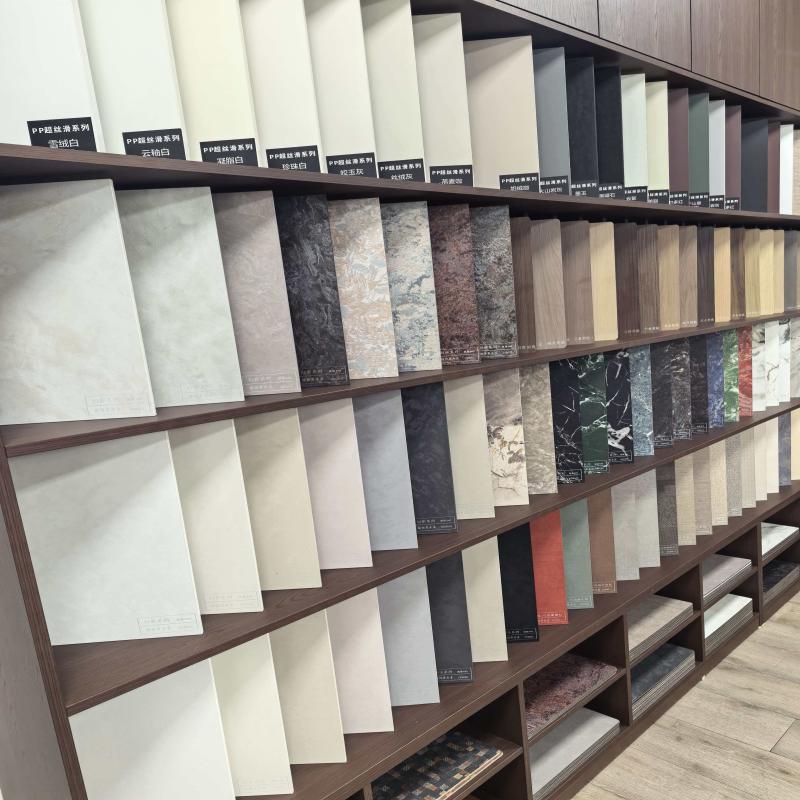
It is important to tell acceptable minor variations apart from unacceptable color shifts. For wood‑grain and stone‑grain decorative finishes, slight batch‑to‑batch color variations are normal. For high‑end projects, we aim for PET boards grain consistency and keep color deviation within Delta E<1.5. Still, boards supplied for one single project should not have obvious color jumps or disordered grain directions. Solid‑color PET skin‑feel boards require even tighter color‑control standards.
Many overseas buyers make one common mistake: placing bulk orders relying only on one sample piece, without setting clear reference standards for mass production. Electronic color charts or phone photos are not reliable, as screen displays will create color bias. Before confirming bulk production, lock in a physical sealed sample marked with color code, grain direction and front‑side / back‑side requirements. Both buyer and supplier should keep this sample for reference.
At the inquiry stage, buyers need to clarify how these boards will actually be used, whether for cabinets, door boards, or large‑area wall boards. Continuous wallboard installation demands the highest level of texture consistency; parts hidden inside cabinets can tolerate more flexibility. If you expect split shipments or later replenishment orders, make agreements on color continuity ahead of time.
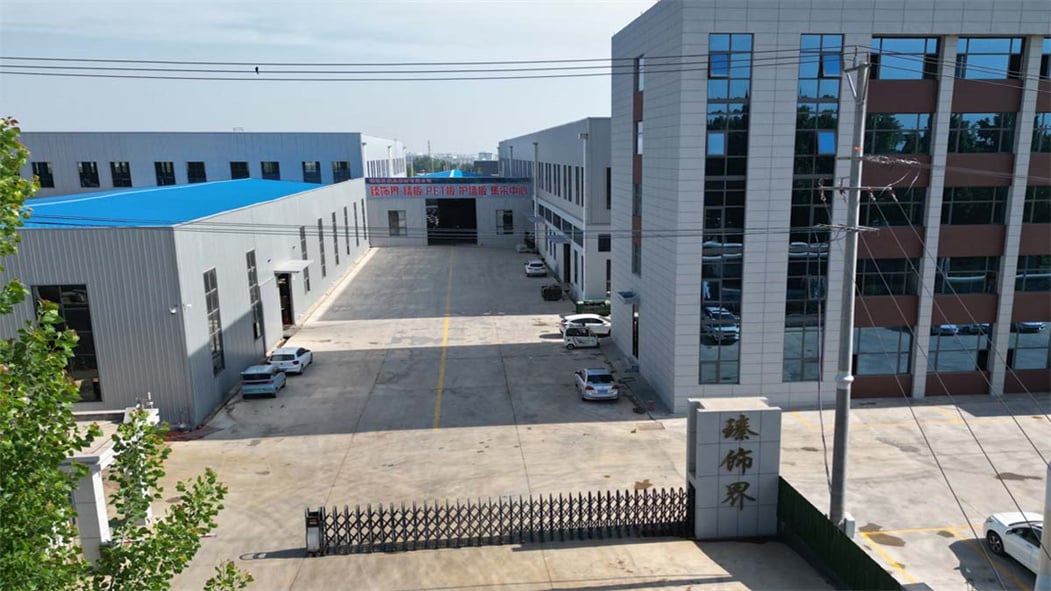
When handling large‑volume orders, Zhenshijie uses fixed decorative paper rolls and matching base‑material batches to minimize raw‑material‑triggered decorative boards color difference. We place strong focus on melamine boards color consistency for export bulk orders. During production, our QC team regularly takes samples to compare side‑by‑side and sorts out heavily‑deviated boards. Even so, minor visual shifts may still appear due to natural base‑material properties, and 100% zero‑variation cannot be guaranteed.
Here is practical advice for overseas furniture buyers:
First, place your order in one single batch whenever possible to avoid mid‑project reorders. If extra stock is truly needed, send over your original sealed sample for reverification.
Second, after goods arrive but before cutting and processing, lay all boards flat and compare them. Boards with noticeable deviation can be used for hidden cabinet‑inner positions.
Third, set reasonable waste allowance for visible components such as cabinet doors and wall boards to prevent visual defects.
Color‑difference management is not chasing absolute zero difference, but keeping variations within your project’s acceptable range. Setting clear confirmation rules at inquiry stage helps avoid costly project disputes later on.
If you are working on a large‑scale project order, share your project type, board application positions and target color code with us. Zhenshijie can provide physical sealed samples and evaluate bulk‑supply feasibility for your project.
 Hot News
2026-09-17
2026-09-14
2026-09-11
Shandong Zhenshijie — China's trusted manufacturer of PET & melamine veneer panels for cabinets, kitchens & furniture. MDF, plywood, particleboard & more — custom sizes, textures & finishes.
located north of Xiaowan Line, Tanyi Town, Feixian County, Linyi City, Shandong Province.
Copyright © 2026 Shandong Zhenshijie International Trade CO,. LTD All rights reserved. Privacy Policy