Premium Wood Particle Board Solutions - Durable, Cost-Effective Engineered Panels

Get a Free Quote

Our representative will contact you soon.
Email
Mobile/WhatsApp
Name
Company Name
Message
0/1000

wood particle board

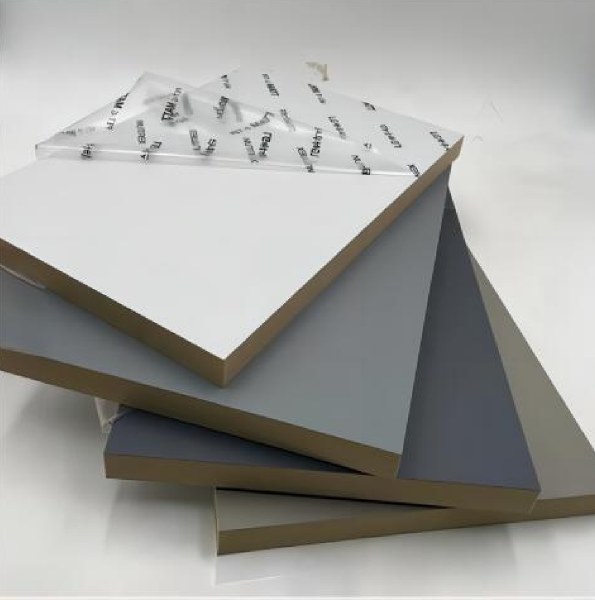
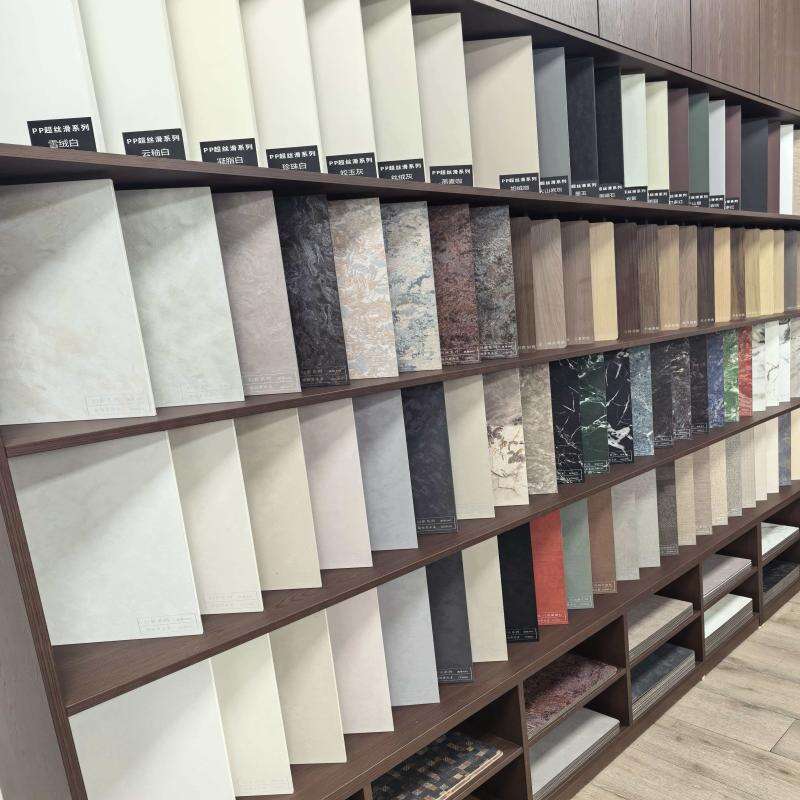
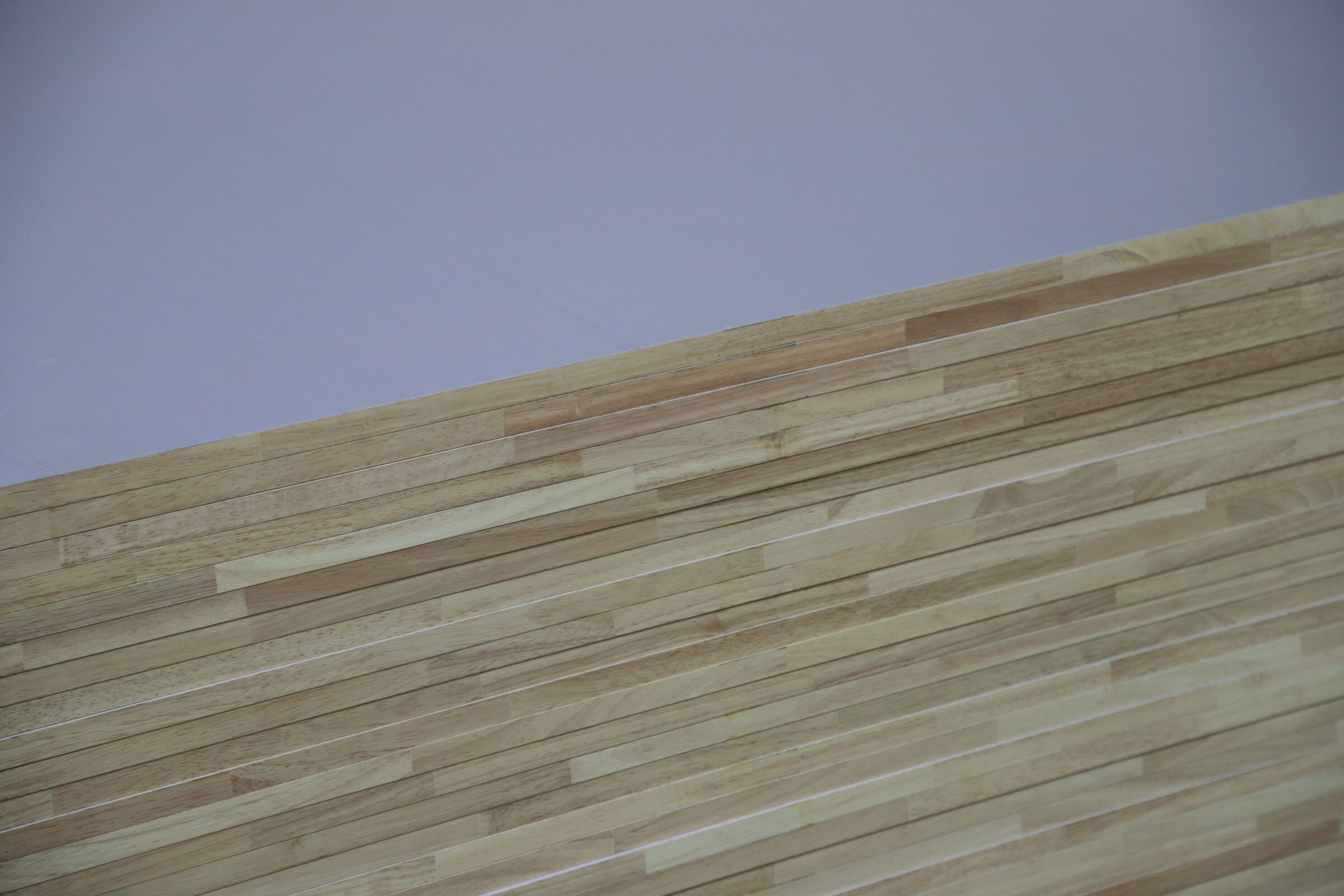
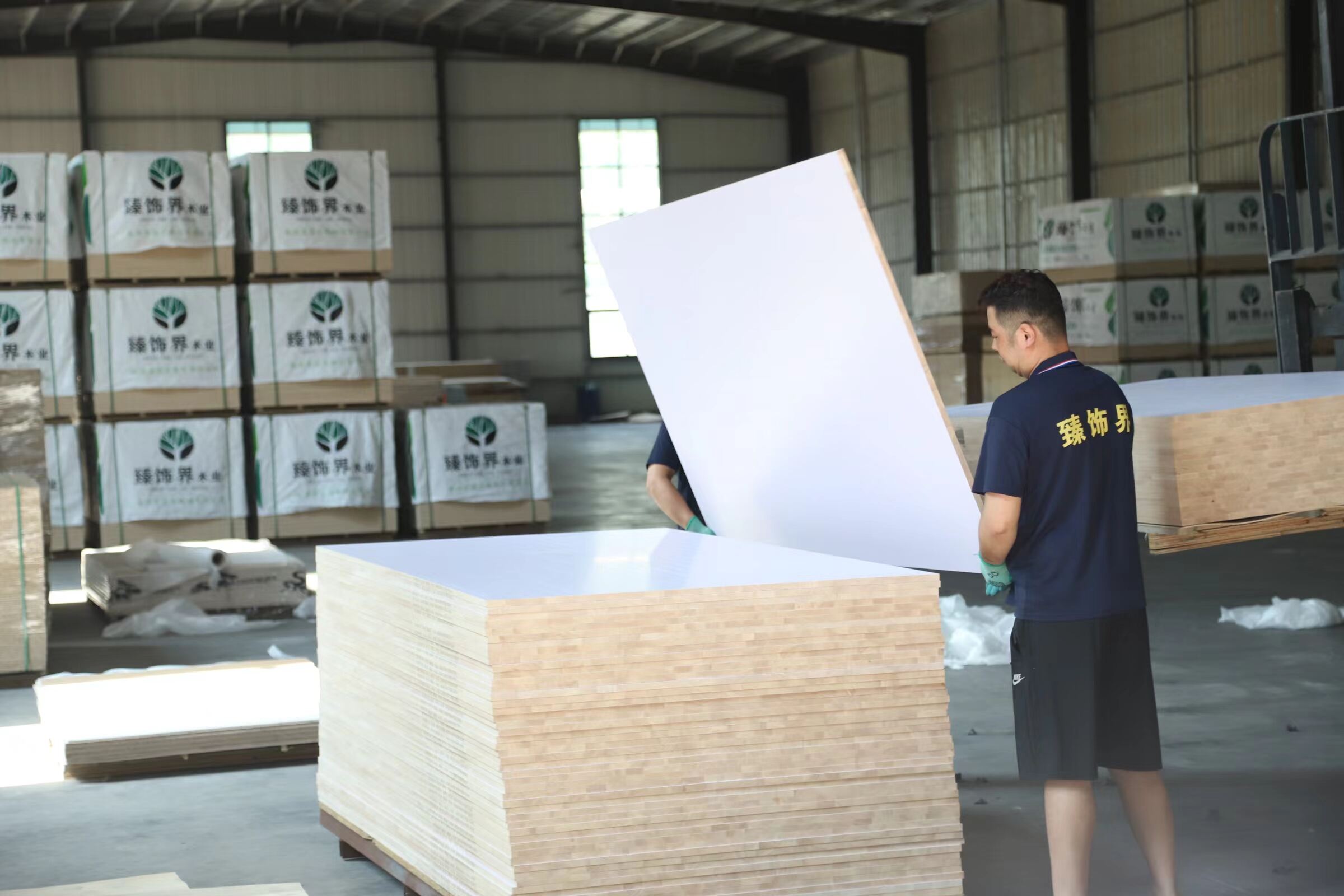
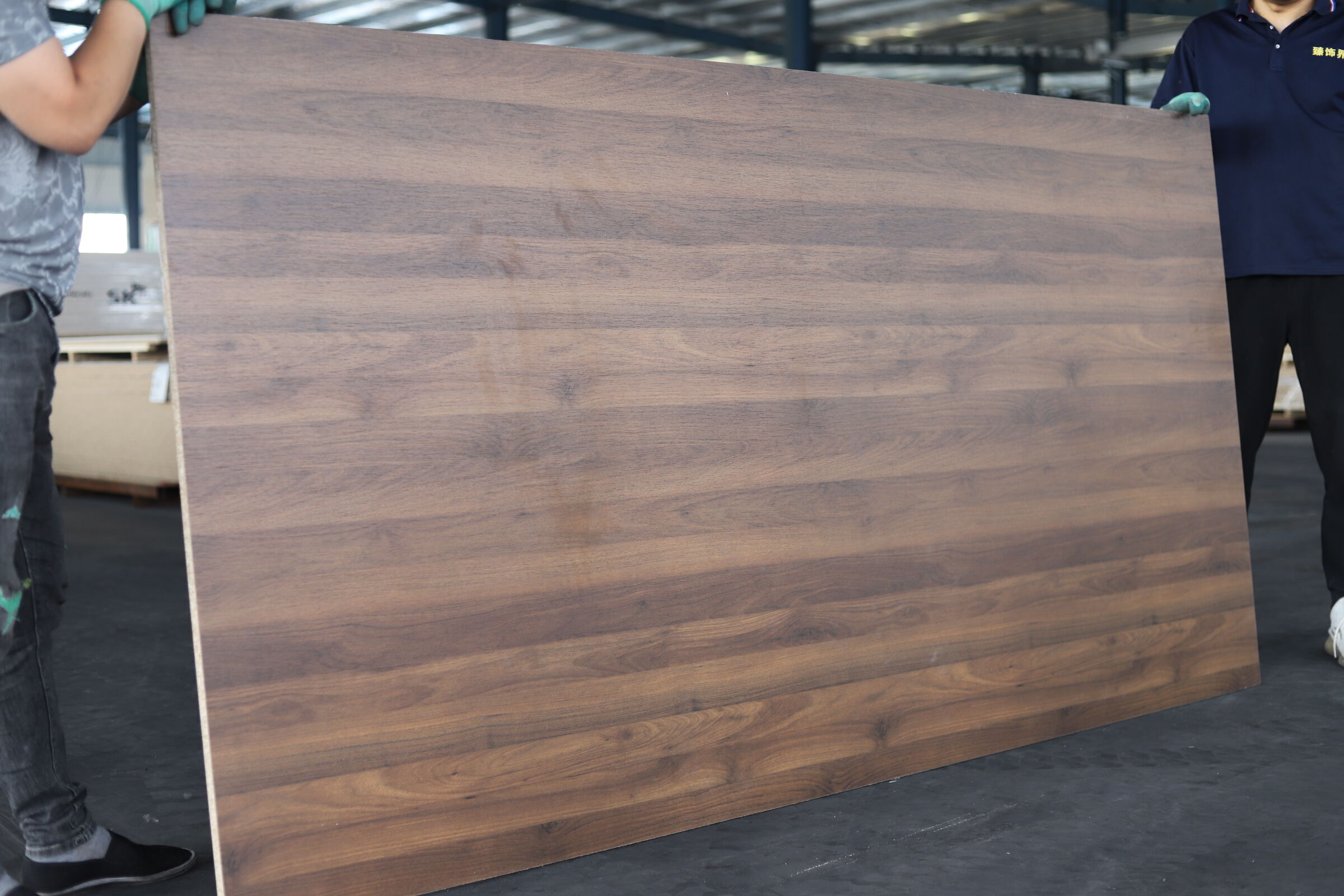
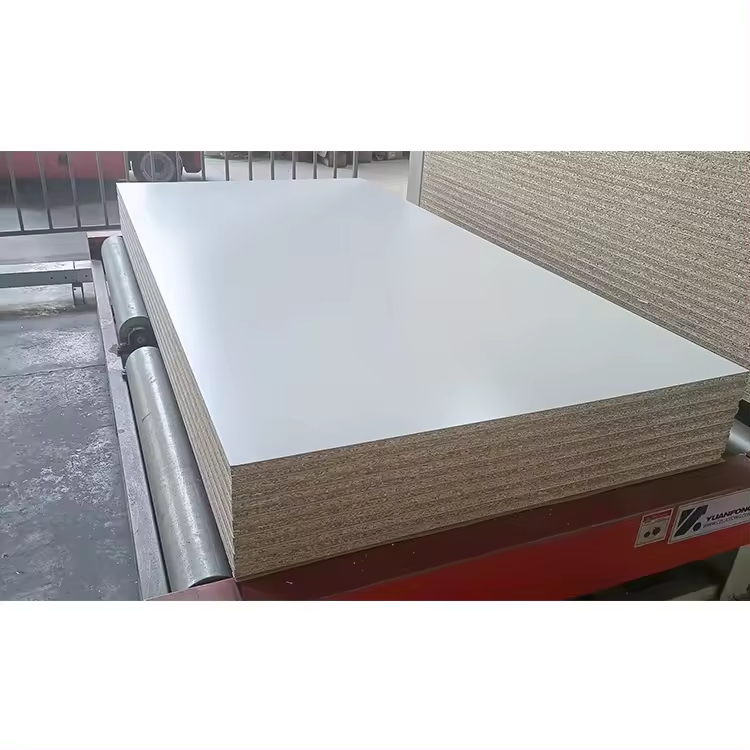
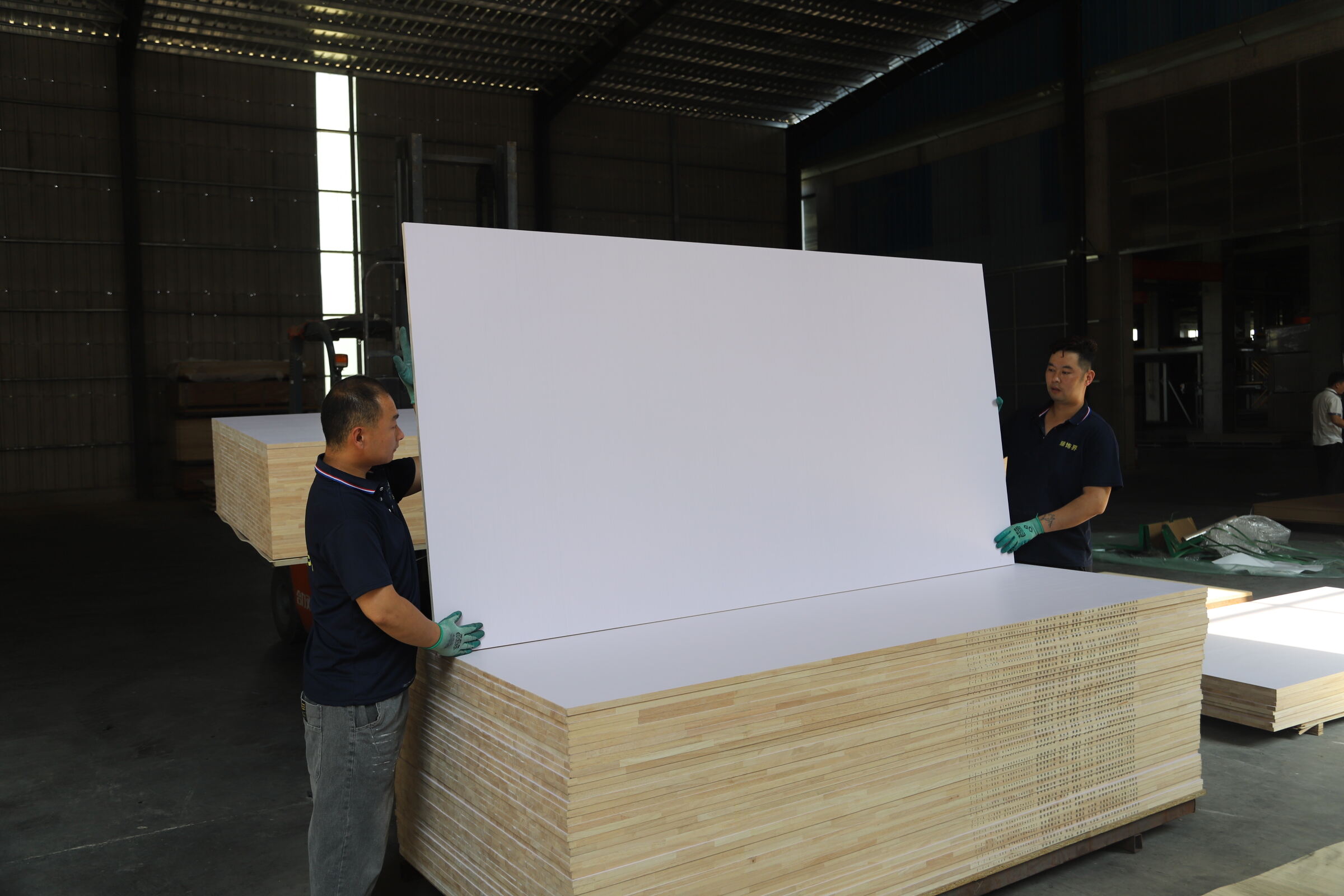
Wood particle board represents a versatile engineered wood product manufactured by combining wood particles, chips, and fibers with synthetic resin adhesives under high temperature and pressure conditions. This composite material delivers exceptional structural integrity while maintaining cost-effectiveness for numerous construction and furniture applications. The manufacturing process involves carefully selecting wood particles of various sizes, mixing them with binding agents, and pressing the mixture into uniform panels that exhibit consistent density and strength characteristics throughout their structure. Wood particle board serves multiple essential functions in modern construction and furniture manufacturing industries. Its primary function involves providing a stable, flat surface suitable for laminating, veneering, or direct finishing applications. The material excels as a substrate for kitchen cabinets, office furniture, shelving systems, and decorative wall panels. Additionally, wood particle board functions effectively as flooring underlayment, providing sound dampening properties and creating smooth surfaces for final floor coverings. The technological features of wood particle board distinguish it from traditional solid wood and other engineered materials. Advanced manufacturing processes ensure uniform particle distribution, resulting in consistent mechanical properties across entire panel surfaces. Modern production techniques incorporate moisture-resistant adhesives that enhance dimensional stability and reduce swelling when exposed to humidity variations. The controlled particle size distribution creates optimal bonding surfaces, maximizing adhesive efficiency and overall panel strength. Quality control systems monitor density gradients, ensuring proper core-to-surface ratios that optimize bending strength while minimizing weight. Wood particle board applications span residential, commercial, and industrial sectors extensively. Furniture manufacturers utilize these panels for cabinet carcasses, drawer bottoms, shelving components, and desk surfaces. Construction professionals employ wood particle board for subflooring, wall sheathing, and roof decking applications. Interior designers specify this material for custom millwork, built-in storage solutions, and decorative architectural elements requiring smooth, paintable surfaces.

New Product Releases

Wood particle board offers remarkable cost advantages compared to solid wood alternatives, making quality furniture and construction projects accessible to broader consumer markets. Manufacturing processes utilize wood waste materials and smaller timber pieces that would otherwise require disposal, creating significant material cost savings that translate directly into lower retail prices for end users. This economic efficiency enables homeowners to achieve desired aesthetic results without compromising household budgets or project timelines. The material demonstrates superior dimensional stability compared to natural wood products, eliminating common problems associated with seasonal expansion, contraction, and warping that plague solid wood installations. This stability ensures cabinet doors remain properly aligned, shelving maintains level surfaces, and furniture joints stay tight over extended service periods. Consumers benefit from reduced maintenance requirements and longer-lasting installations that preserve their initial investment value. Wood particle board provides exceptional surface uniformity that simplifies finishing processes for both professional contractors and DIY enthusiasts. The smooth, consistent texture eliminates grain patterns, knots, and surface irregularities that complicate painting, laminating, and veneering operations. This uniformity ensures even paint coverage, proper adhesive bonding, and professional-looking results regardless of installer skill levels. Users can achieve factory-quality finishes using standard tools and techniques without specialized equipment or extensive experience. Environmental benefits make wood particle board an increasingly attractive option for environmentally conscious consumers and builders. Manufacturing processes efficiently utilize wood waste streams, sawmill byproducts, and harvested materials that maximize forest resource utilization while minimizing waste generation. This sustainable approach reduces pressure on old-growth forests and supports responsible forestry management practices. Additionally, modern adhesive systems meet strict emission standards, ensuring safe indoor air quality for residential and commercial occupants. The versatility of wood particle board accommodates diverse design requirements across multiple application categories. Its consistent properties enable precise machining, routing, and shaping operations that create custom profiles, edge treatments, and decorative details. Standard panel sizes integrate seamlessly with modular design concepts, while custom cutting services accommodate unique dimensional requirements. This flexibility empowers designers to realize creative visions while maintaining practical functionality and structural reliability throughout finished projects.

Practical Tips

How Durable Is Particleboard For Interior Applications?

03

Mar

How Durable Is Particleboard For Interior Applications?

When selecting materials for interior applications, understanding the durability characteristics of particleboard becomes essential for making informed decisions. This engineered wood product has gained significant popularity in residential and comme...
View More
Can Particleboard Improve Space-Saving Cabinet Projects?

10

Mar

Can Particleboard Improve Space-Saving Cabinet Projects?

Modern homeowners and designers constantly seek innovative materials that combine affordability, versatility, and functionality for their cabinet projects. Particleboard has emerged as a premier choice for space-saving cabinet designs, offering excep...
View More
Why Choose Chipboard Particle Board For Cabinets?

23

Mar

Why Choose Chipboard Particle Board For Cabinets?

Modern kitchen and furniture design increasingly relies on engineered wood products that deliver exceptional performance, durability, and cost-effectiveness. Among these materials, chipboard particle board has emerged as a leading choice for cabinet ...
View More
What Are The Benefits Of Chipboard Particle Board Panels?

27

Mar

What Are The Benefits Of Chipboard Particle Board Panels?

In the modern construction and furniture manufacturing industry, materials that offer versatility, cost-effectiveness, and reliable performance are highly sought after. Among these materials, chipboard particle board stands out as one of the most pra...
View More

Get a Free Quote

Our representative will contact you soon.
Email
Mobile/WhatsApp
Name
Company Name
Message
0/1000

wood particle board

Exceptional Structural Performance and Reliability

Exceptional Structural Performance and Reliability

Wood particle board delivers outstanding structural performance characteristics that consistently meet or exceed industry standards for strength, durability, and load-bearing capacity across diverse applications. The engineered composition creates uniform density distribution throughout panel thickness, eliminating weak spots and inconsistencies common in natural wood products. This uniformity translates into predictable performance metrics that designers and contractors can confidently specify for critical structural applications. Advanced manufacturing processes optimize particle orientation and adhesive distribution to maximize bending strength, internal bond strength, and screw-holding capacity. Quality control protocols ensure each panel meets rigorous performance standards before leaving production facilities, providing end users with reliable materials that perform consistently under demanding conditions. The multi-layered construction typical in premium wood particle board grades creates enhanced load distribution capabilities, allowing thinner panels to support substantial weights without deflection or failure. This strength-to-weight ratio advantage enables more efficient structural designs while reducing material costs and installation labor. Long-term performance studies demonstrate that properly manufactured wood particle board maintains structural integrity for decades under normal service conditions, providing exceptional value for both residential and commercial applications. The material resists impact damage better than many alternatives, maintaining surface integrity and structural properties even after exposure to moderate abuse. Environmental stress testing confirms that modern wood particle board formulations withstand temperature cycling, humidity variations, and mechanical loading without degradation of essential performance characteristics. This reliability reduces callback situations for contractors and ensures customer satisfaction over extended service periods. Additionally, the consistent machining properties of wood particle board enable precise fabrication of complex assemblies with tight tolerances, supporting demanding applications where dimensional accuracy directly impacts functionality and appearance.
Superior Surface Quality for Professional Finishing Results

Superior Surface Quality for Professional Finishing Results

Wood particle board provides unmatched surface quality characteristics that enable professional-grade finishing results across all application categories, from high-end furniture to architectural millwork projects. The manufacturing process creates exceptionally smooth, uniform surfaces free from grain patterns, knots, resin pockets, and other natural wood defects that complicate finishing operations. This consistency eliminates the extensive surface preparation typically required with solid wood products, reducing labor costs and project completion times significantly. The fine particle composition creates ideal substrate conditions for paint adhesion, veneer bonding, and laminate application, ensuring durable finish performance that maintains appearance over extended service periods. Surface density optimization during manufacturing provides the perfect balance between porosity and hardness, allowing finishes to penetrate appropriately while maintaining sufficient surface integrity for sanding and refinishing operations. Professional finishers appreciate the predictable behavior of wood particle board surfaces, which accept stains evenly, hold paint films securely, and provide excellent dimensional stability that prevents finish cracking or delamination. The absence of grain direction eliminates concerns about end grain exposure, tear-out during machining, and uneven stain absorption that commonly occur with natural wood substrates. Quality wood particle board grades feature specially engineered surface layers with enhanced density and smoothness that rival premium hardwood veneers in appearance and performance. These surfaces accept edge banding cleanly, support precise routing operations, and provide excellent screw-holding power for hardware installation without pre-drilling requirements. The consistent surface characteristics enable automated finishing processes in commercial production environments, improving efficiency and quality control while reducing finishing costs. Additionally, the thermal stability of wood particle board surfaces prevents checking, splitting, and other defects that occur when solid wood experiences rapid temperature changes during finishing operations. This stability ensures consistent results regardless of environmental conditions during application and curing periods, making wood particle board an ideal choice for projects requiring flawless surface appearance and long-term finish durability.
Cost-Effective Solution with Environmental Sustainability

Cost-Effective Solution with Environmental Sustainability

Wood particle board represents the ultimate cost-effective building material solution that delivers exceptional value while supporting environmental sustainability initiatives across the construction and furniture industries. The manufacturing process efficiently transforms wood waste streams, including sawmill byproducts, forest thinnings, and post-consumer wood materials, into high-performance engineered panels that maximize resource utilization while minimizing environmental impact. This waste-to-product conversion reduces landfill burden, decreases pressure on virgin forest resources, and supports circular economy principles that benefit both industry profitability and environmental stewardship. Economic advantages extend throughout the entire supply chain, from raw material procurement through final installation, creating cost savings that benefit manufacturers, distributors, contractors, and end consumers alike. The standardized production processes enable economies of scale that reduce per-unit manufacturing costs, while the lightweight nature of wood particle board decreases transportation expenses and handling labor requirements. Installation efficiency improvements result from consistent panel dimensions, predictable machining properties, and reduced waste generation during cutting and fitting operations. These factors combine to deliver total project costs that typically run 30-50% lower than comparable solid wood installations without sacrificing performance or appearance quality. Environmental certification programs recognize wood particle board as a sustainable building material when manufactured according to responsible forestry and emissions standards. Modern adhesive systems eliminate formaldehyde emissions concerns while maintaining superior bonding performance, ensuring safe indoor environments for residential and commercial occupants. Life cycle assessments demonstrate favorable environmental profiles compared to alternative materials, particularly when end-of-life recyclability factors are considered. The durability and longevity of properly manufactured wood particle board reduces replacement frequency, further enhancing environmental benefits through extended service life performance. Additionally, regional manufacturing facilities reduce transportation-related carbon emissions while supporting local economies and employment opportunities. Quality wood particle board products meet or exceed international environmental standards, including GREENGUARD certification for low chemical emissions and Forest Stewardship Council recognition for responsible sourcing practices, providing specifiers with confidence in their sustainability decisions while maintaining budget constraints and performance requirements.

Get a Free Quote

Our representative will contact you soon.
Email
Mobile/WhatsApp
Name
Company Name
Message
0/1000