Premium Hardwood Particle Board: Sustainable Engineering Solutions for Modern Construction

Get a Free Quote

Our representative will contact you soon.
Email
Mobile/WhatsApp
Name
Company Name
Message
0/1000

hardwood particle board

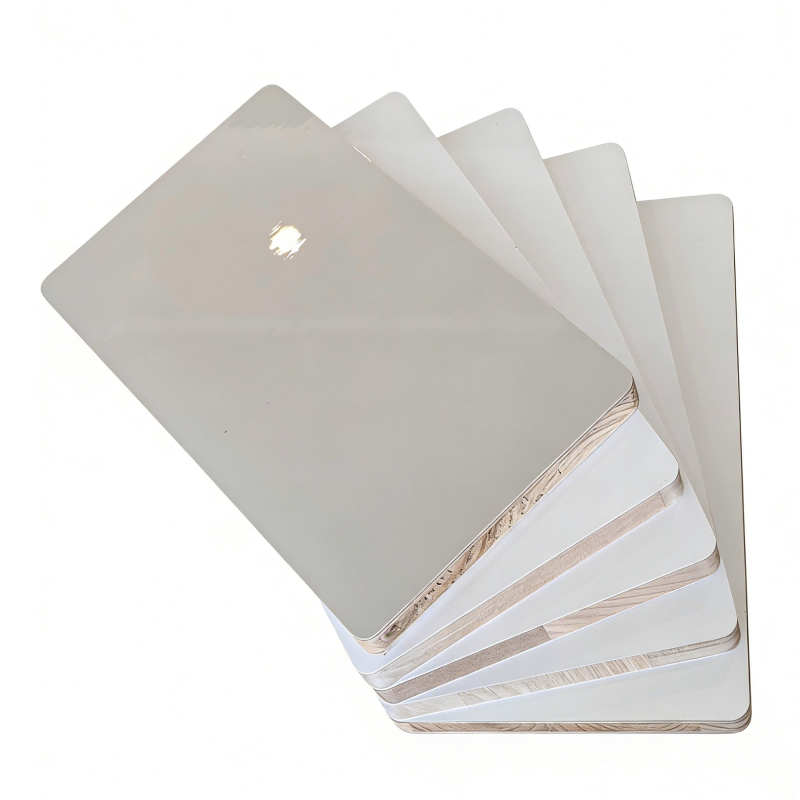
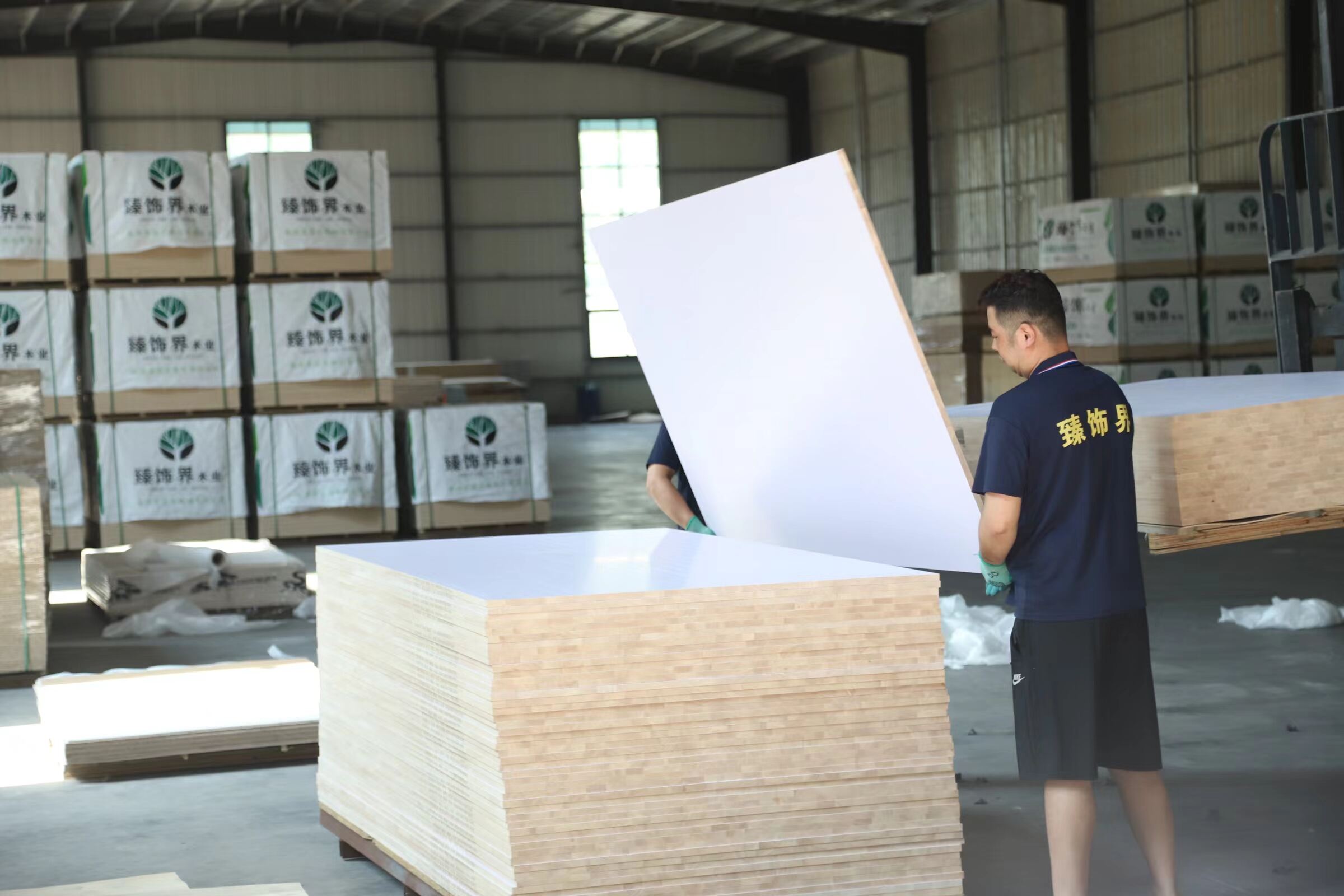
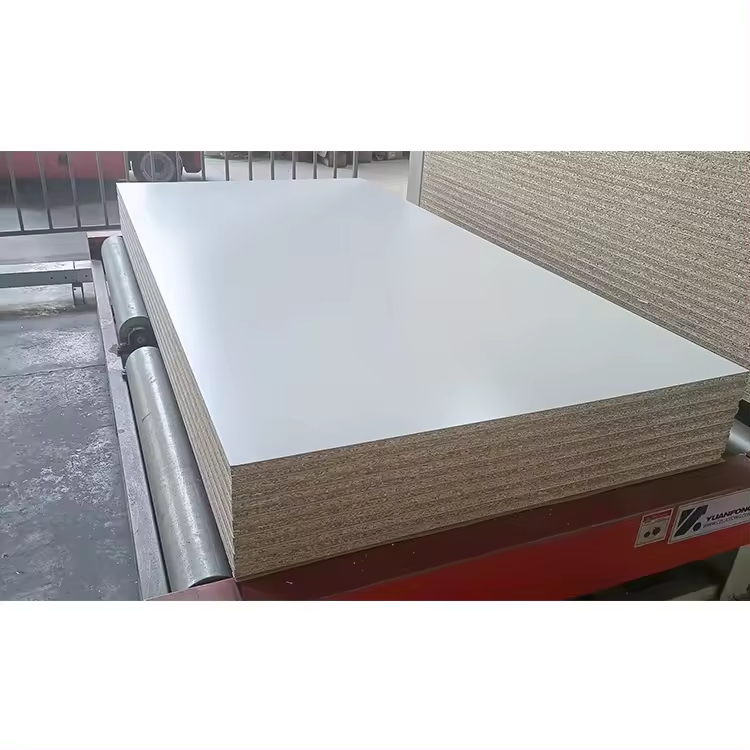
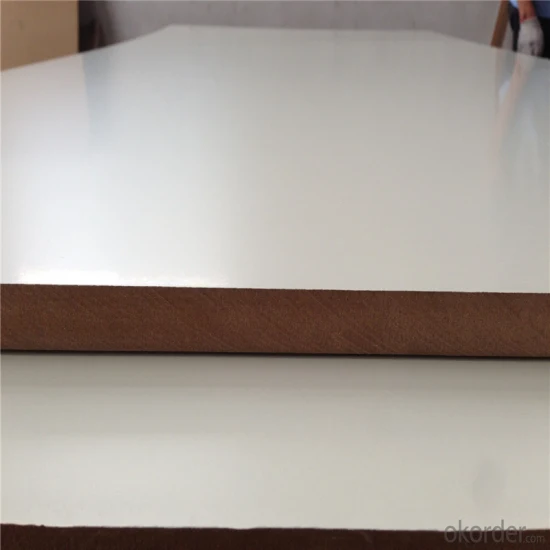
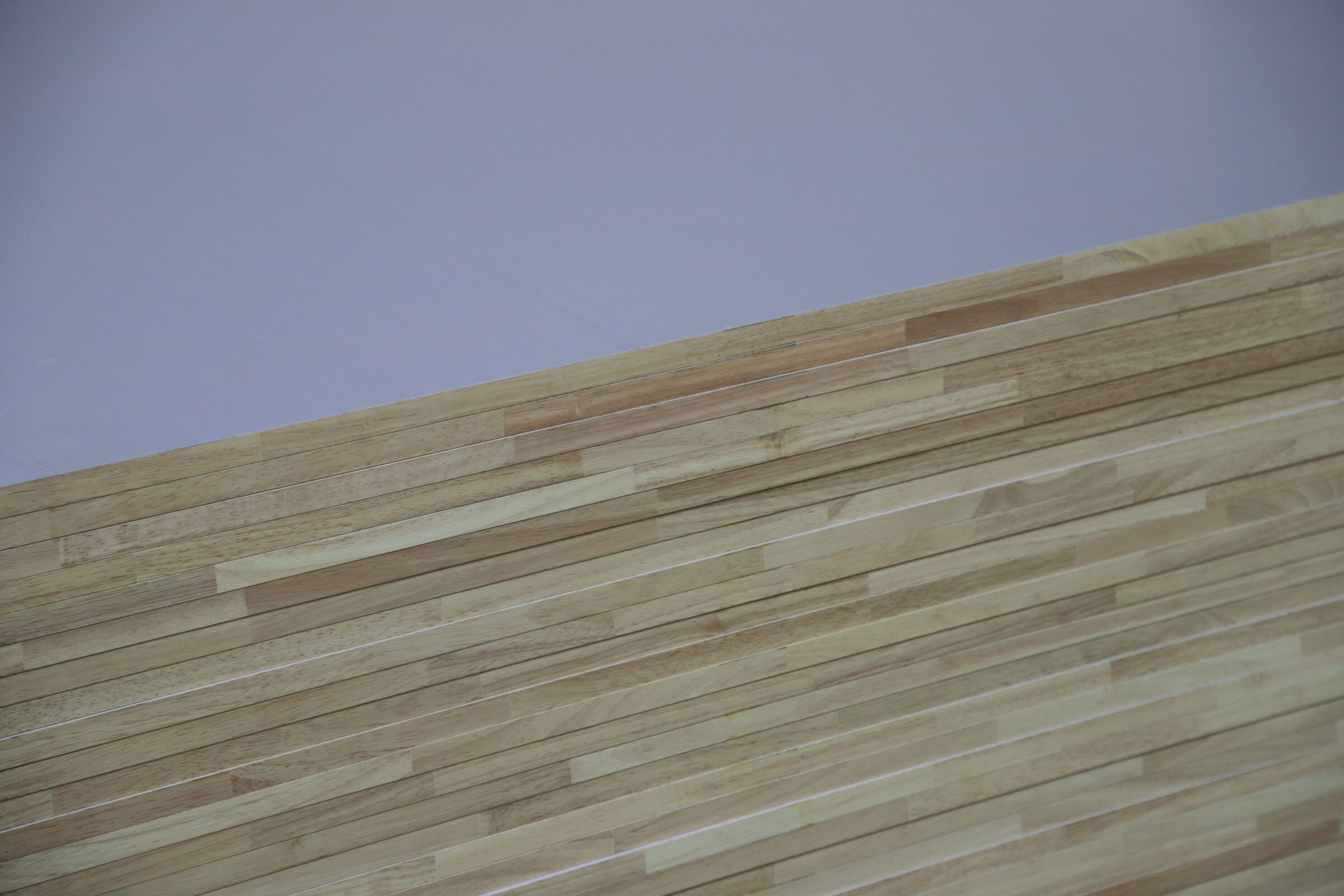
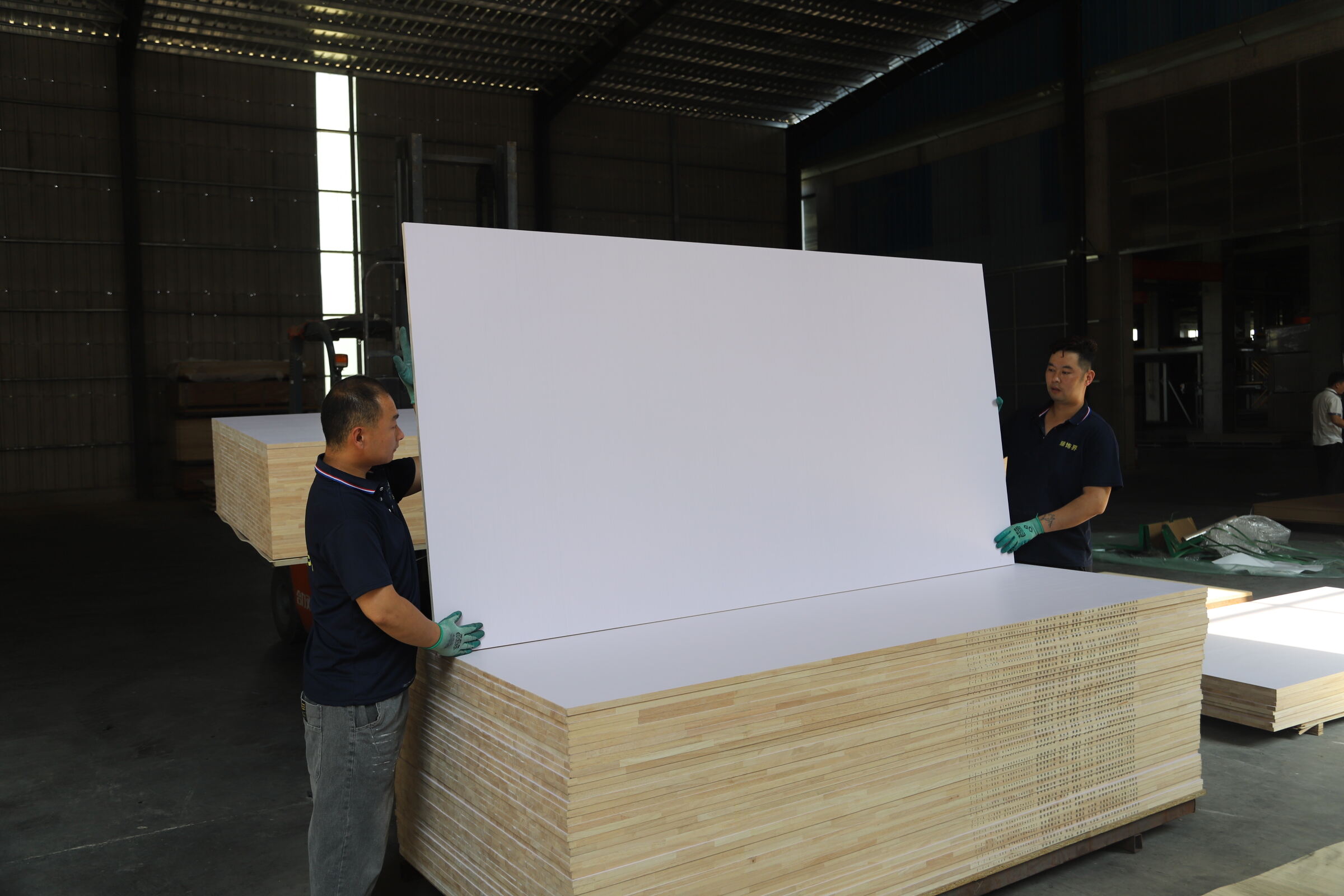
Hardwood particle board represents a revolutionary engineered wood product that combines sustainability with exceptional performance characteristics. This composite material consists of carefully selected hardwood particles, typically sourced from oak, maple, birch, and other premium hardwood species, which are bonded together using advanced adhesive systems under controlled heat and pressure conditions. The manufacturing process involves breaking down hardwood materials into uniform particles of specific sizes, ensuring optimal density distribution and structural integrity throughout the final product. Hardwood particle board serves multiple functions across various industries, primarily excelling as a substrate material for furniture manufacturing, cabinetry construction, and architectural applications. The technological features of this engineered wood product include superior dimensional stability, consistent density profiles, and enhanced moisture resistance compared to traditional solid wood alternatives. Advanced manufacturing techniques ensure that hardwood particle board maintains uniform thickness tolerances, smooth surface finishes, and predictable mechanical properties that meet stringent quality standards. The production process incorporates sophisticated quality control measures, including moisture content monitoring, density verification, and strength testing protocols. Applications for hardwood particle board span numerous sectors, from residential furniture production to commercial interior design projects. Kitchen cabinet manufacturers frequently utilize this material for cabinet boxes and shelving systems due to its excellent screw-holding capacity and structural reliability. The flooring industry also benefits from hardwood particle board as an underlayment material, providing stable foundations for various flooring systems. Additionally, this versatile material finds extensive use in wall paneling, decorative laminating projects, and modular furniture construction, where consistent quality and cost-effectiveness remain paramount considerations for manufacturers and end-users alike.

New Product Releases

Hardwood particle board delivers remarkable cost-effectiveness that makes premium wood projects accessible to broader markets while maintaining superior quality standards. Manufacturers save significantly on material costs because hardwood particle board utilizes smaller wood particles rather than requiring large solid wood pieces, reducing waste and maximizing resource efficiency. This economic advantage translates directly to consumers who receive high-quality wood products at competitive prices without compromising on performance or aesthetics. The dimensional stability of hardwood particle board surpasses many traditional wood materials, eliminating common problems like warping, splitting, and seasonal movement that plague solid wood construction. This stability ensures furniture pieces maintain their shape and functionality over extended periods, reducing maintenance costs and customer complaints. Environmental sustainability represents another compelling advantage, as hardwood particle board production utilizes wood waste materials and smaller diameter trees that might otherwise be discarded. This responsible manufacturing approach supports forest conservation efforts while creating valuable building materials from previously underutilized resources. The consistent quality characteristics of hardwood particle board provide manufacturers with predictable material properties, enabling precise engineering calculations and reliable production schedules. Unlike solid wood, which varies significantly in grain patterns, density, and strength properties, hardwood particle board offers uniform performance across entire production runs. Processing advantages include excellent machinability, allowing for precise cutting, drilling, and shaping operations without tear-out or splintering issues common with natural wood. The smooth, consistent surface of hardwood particle board accepts various finishes beautifully, from paint and stain to laminate and veneer applications. Installation benefits include reduced weight compared to solid wood alternatives, making handling and transportation more efficient while maintaining structural integrity. The engineered nature of hardwood particle board also provides enhanced screw-holding power and joint strength, creating more durable assemblies than many natural wood alternatives. These advantages combine to deliver exceptional value propositions for both manufacturers and end-users seeking reliable, sustainable, and cost-effective wood-based solutions.

Tips And Tricks

Can Particleboard Improve Space-Saving Cabinet Projects?

10

Mar

Can Particleboard Improve Space-Saving Cabinet Projects?

Modern homeowners and designers constantly seek innovative materials that combine affordability, versatility, and functionality for their cabinet projects. Particleboard has emerged as a premier choice for space-saving cabinet designs, offering excep...
View More
What Is Chipboard Particle Board Used For Today?

18

Mar

What Is Chipboard Particle Board Used For Today?

The versatility and cost-effectiveness of chipboard particle board have made it an essential material in modern construction, furniture manufacturing, and interior design applications. This engineered wood product, created from wood chips, sawmill sh...
View More
Is Chipboard Particle Board Good For Interior Projects?

31

Mar

Is Chipboard Particle Board Good For Interior Projects?

When considering materials for interior projects, many homeowners and contractors find themselves evaluating the merits of chipboard particle board as a practical solution. This engineered wood product has gained significant traction in the construct...
View More
What Is Pet Board And Why Is It Eco-Friendly?

03

Apr

What Is Pet Board And Why Is It Eco-Friendly?

Modern furniture manufacturing increasingly demands materials that combine durability, aesthetics, and environmental responsibility. Pet board has emerged as a revolutionary solution that addresses these requirements while offering superior performan...
View More

Get a Free Quote

Our representative will contact you soon.
Email
Mobile/WhatsApp
Name
Company Name
Message
0/1000

hardwood particle board

Superior Structural Performance and Engineering Precision

Superior Structural Performance and Engineering Precision

Hardwood particle board demonstrates exceptional structural performance through its engineered composition that surpasses many traditional wood materials in critical engineering applications. The manufacturing process creates a homogeneous material with consistent density distribution, eliminating the natural defects and grain irregularities found in solid wood that can compromise structural integrity. This uniformity ensures predictable load-bearing capabilities, making hardwood particle board an ideal choice for applications requiring reliable structural performance. The particle orientation and bonding technology used in production create multidirectional strength characteristics that resist splitting and cracking under stress conditions. Engineering calculations become more precise and reliable when using hardwood particle board because the material properties remain consistent across different batches and production runs. Quality control measures during manufacturing include rigorous testing protocols that verify strength properties, ensuring each board meets specified performance standards before reaching customers. The dimensional stability of hardwood particle board eliminates seasonal movement concerns that affect solid wood, maintaining tight tolerances in precision applications like furniture manufacturing and cabinetry construction. This stability proves particularly valuable in environments with varying humidity levels, where traditional wood materials might expand, contract, or warp significantly. The engineered structure also provides superior screw-holding capacity compared to many natural wood alternatives, creating stronger mechanical connections in assembled products. Load distribution characteristics of hardwood particle board help prevent localized stress concentrations that could lead to failure points in critical applications. The consistent moisture content maintained during production ensures optimal adhesive bonding throughout the material, creating a reliable structural matrix that maintains integrity over time. These performance characteristics make hardwood particle board especially suitable for demanding applications in commercial furniture, architectural millwork, and industrial uses where structural reliability cannot be compromised.
Exceptional Surface Quality and Finishing Versatility

Exceptional Surface Quality and Finishing Versatility

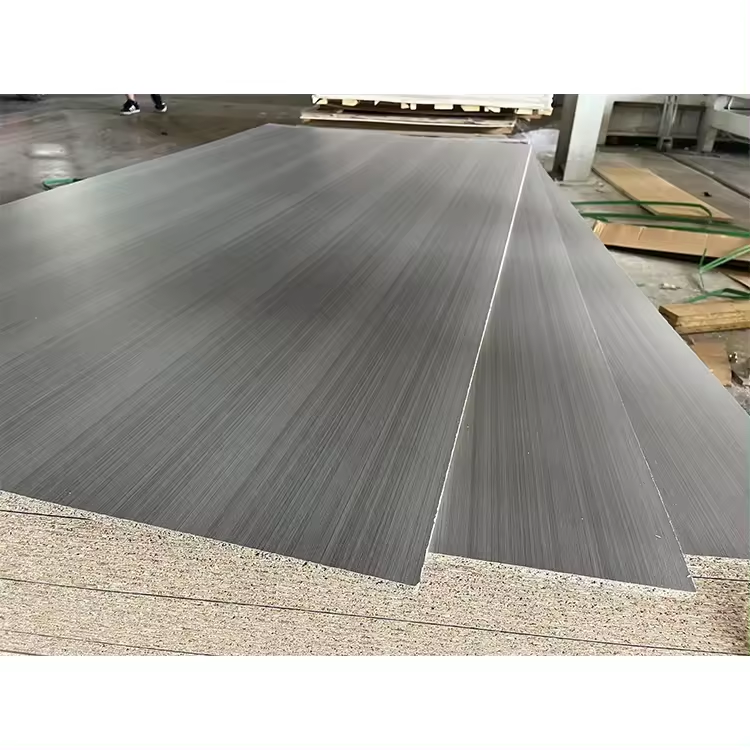
Hardwood particle board provides an exceptionally smooth and uniform surface that serves as an ideal foundation for virtually any finishing application, delivering professional results that rival or exceed those achieved with premium solid wood materials. The manufacturing process creates surfaces free from natural wood defects such as knots, grain variations, and density fluctuations that can interfere with finish quality and appearance. This consistency enables painters, stainers, and laminators to achieve flawless results with reduced material consumption and labor time. The fine particle structure of the surface accepts both water-based and solvent-based finishes uniformly, eliminating blotchy or uneven absorption patterns common with natural wood species. Veneer application becomes significantly easier on hardwood particle board surfaces due to the absence of raised grain and surface irregularities that can telegraph through thin veneer materials. The stable substrate prevents veneer cracking and ensures long-lasting adhesive bonds that maintain their integrity under normal use conditions. Laminate installation achieves superior results on hardwood particle board because the smooth, consistent surface eliminates air pockets and adhesion problems that can occur with irregular substrates. Paint finishes applied to hardwood particle board demonstrate exceptional durability and appearance quality, requiring fewer coats to achieve complete coverage and smooth final surfaces. The material's consistent porosity ensures uniform paint penetration and adhesion across the entire surface area. Staining applications produce even color development without the blotching effects often encountered with natural wood species having varying grain densities. The surface preparation requirements for hardwood particle board are minimal compared to solid wood alternatives, reducing finishing time and costs while improving final quality. This finishing versatility makes hardwood particle board particularly valuable for manufacturers producing furniture and cabinetry in multiple finish options, as the substrate performs consistently regardless of the chosen finishing system. The ability to achieve premium appearance results with standard finishing techniques provides significant competitive advantages in quality-sensitive markets.
Environmental Sustainability and Resource Optimization

Environmental Sustainability and Resource Optimization

Hardwood particle board represents a pinnacle of environmental responsibility in wood product manufacturing, transforming what would traditionally be considered waste materials into high-performance building components that support sustainable forestry practices. The production process utilizes smaller diameter hardwood trees, thinning materials, and wood processing residues that might otherwise be burned or sent to landfills, effectively maximizing the value extracted from every harvested tree. This efficient resource utilization reduces pressure on old-growth forests while creating economic incentives for responsible forest management practices. The manufacturing approach supports sustainable forestry by providing markets for previously unmarketable wood materials, encouraging forest owners to maintain diverse tree species and age classes rather than focusing solely on large-diameter sawlog production. Hardwood particle board production requires significantly less energy per unit volume compared to solid wood processing, reducing the overall carbon footprint associated with wood product manufacturing. The adhesive systems used in modern hardwood particle board production increasingly incorporate low-emission formulations that meet strict environmental standards while maintaining superior bonding performance. Life cycle assessments demonstrate that hardwood particle board often provides better environmental performance than many alternative materials when considering resource extraction, manufacturing energy, transportation efficiency, and end-of-life disposal options. The durability and longevity of hardwood particle board products extend their useful life spans, reducing replacement frequency and associated environmental impacts over time. Recycling programs for hardwood particle board continue expanding, creating circular economy opportunities where used products become raw materials for new manufacturing processes. The consistent quality and predictable properties of hardwood particle board also reduce waste during manufacturing and installation processes, as fewer defective pieces require disposal compared to natural wood alternatives. Forest certification programs increasingly recognize hardwood particle board production as supporting sustainable forestry objectives, providing consumers with confidence that their material choices contribute to responsible environmental stewardship. These sustainability advantages position hardwood particle board as an essential component in green building initiatives and environmentally conscious manufacturing strategies.

Get a Free Quote

Our representative will contact you soon.
Email
Mobile/WhatsApp
Name
Company Name
Message
0/1000