Versatile Design Flexibility and Application Range
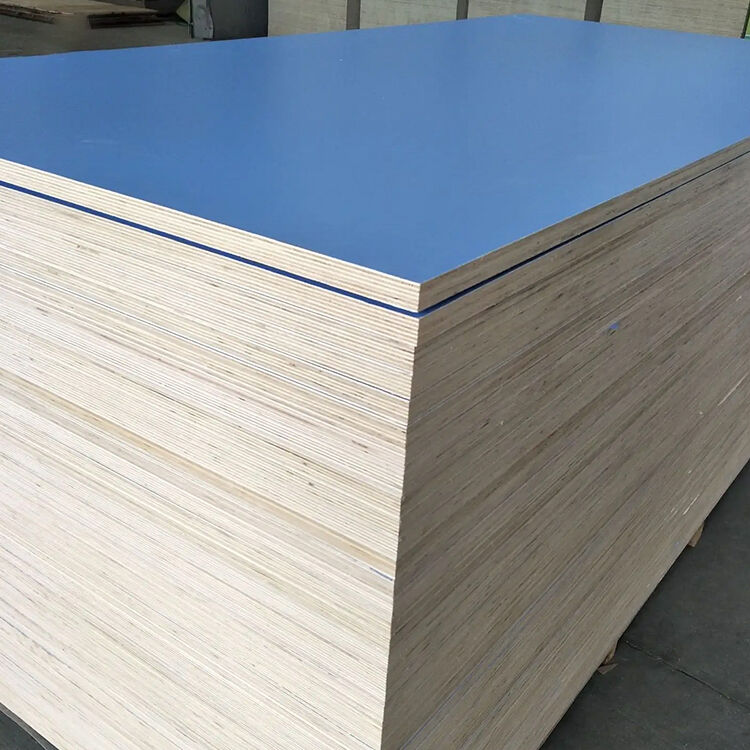
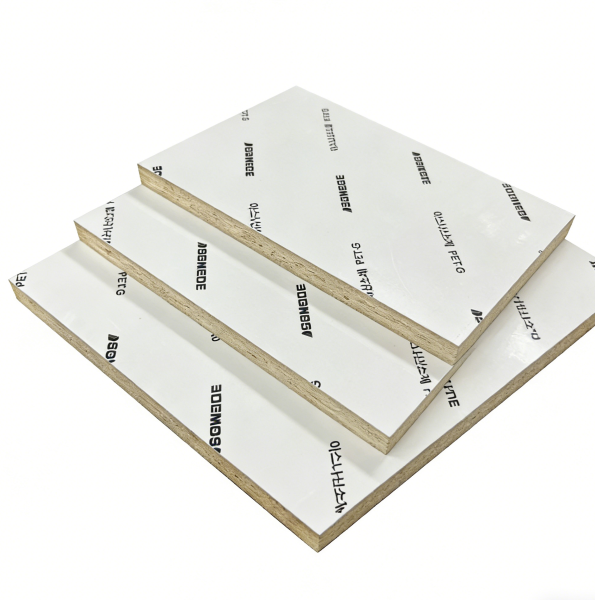
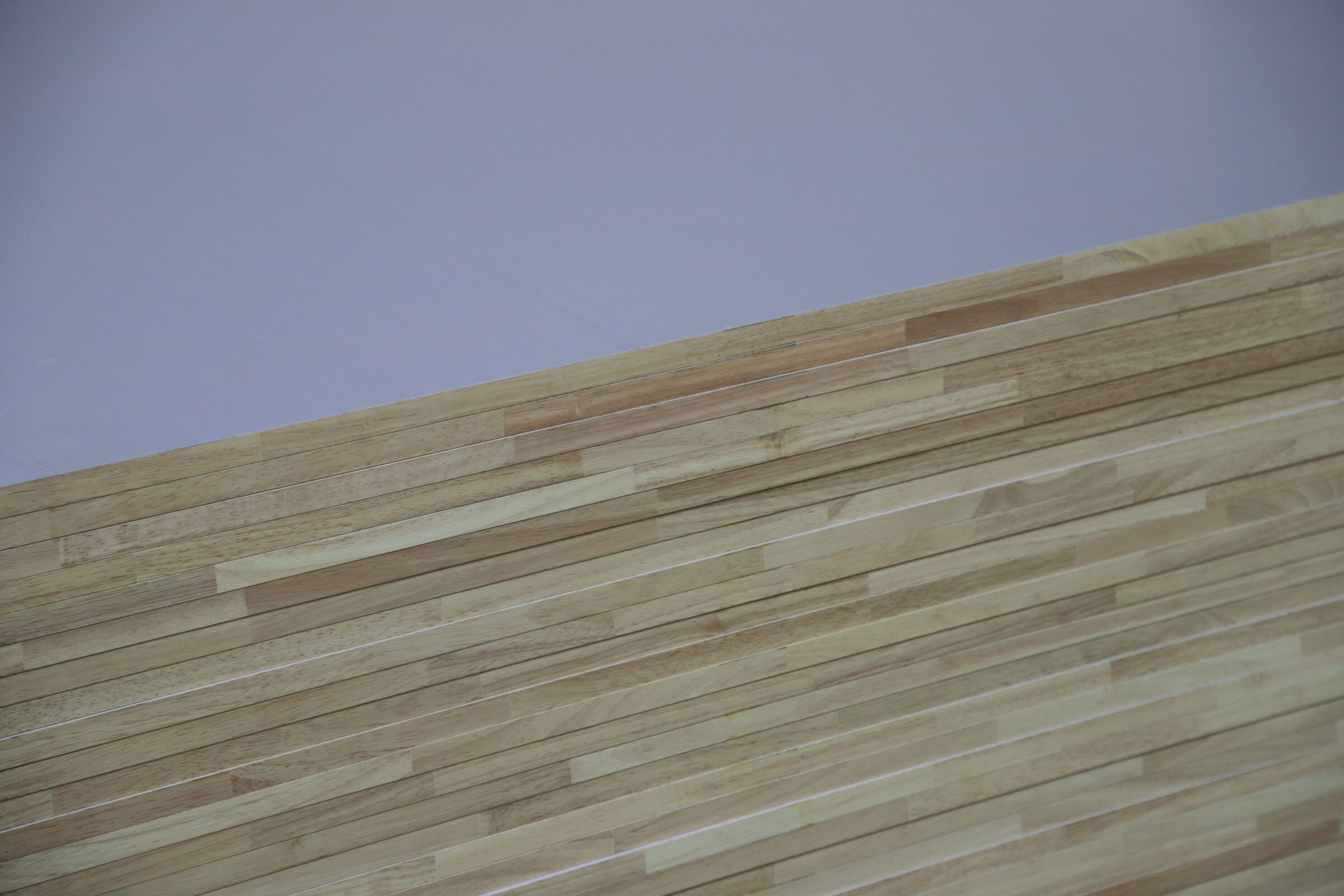
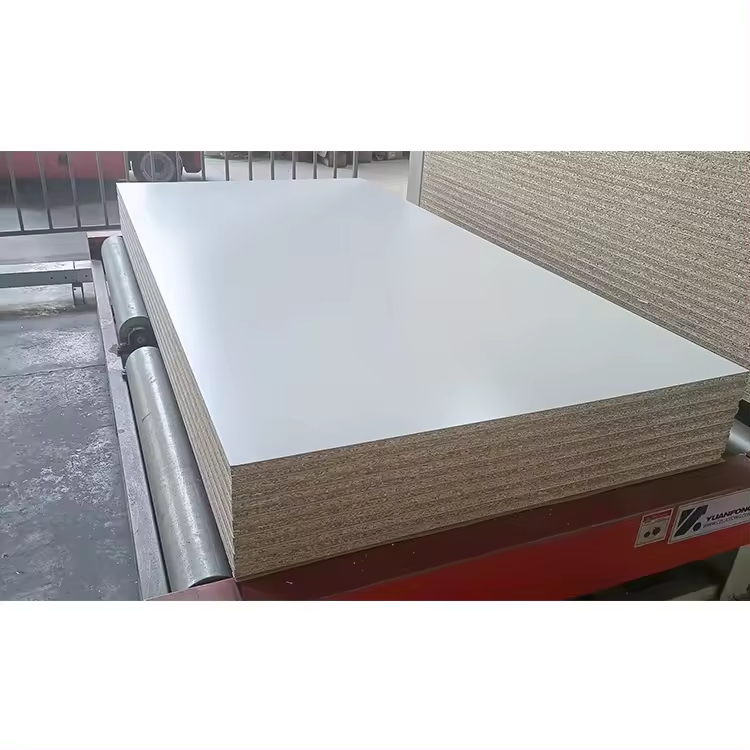
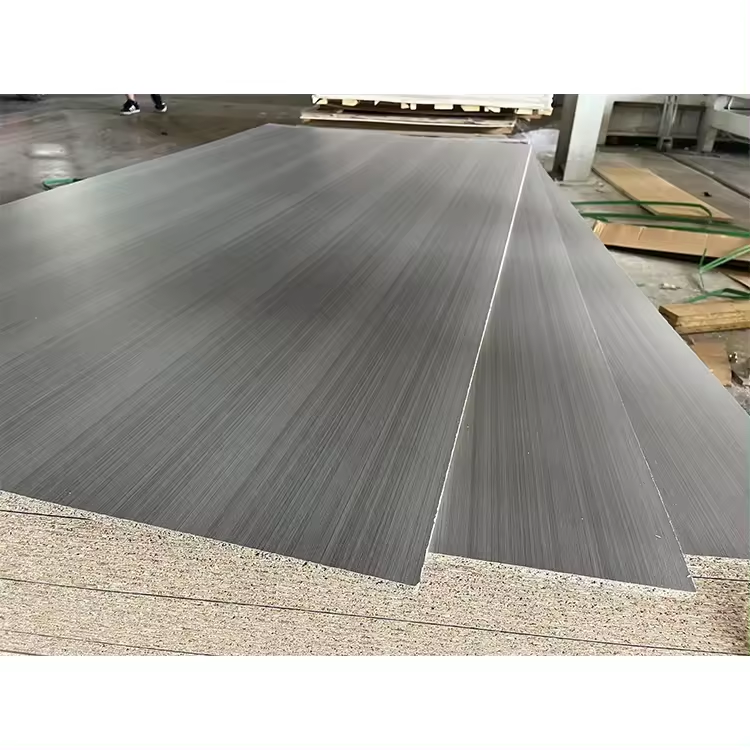
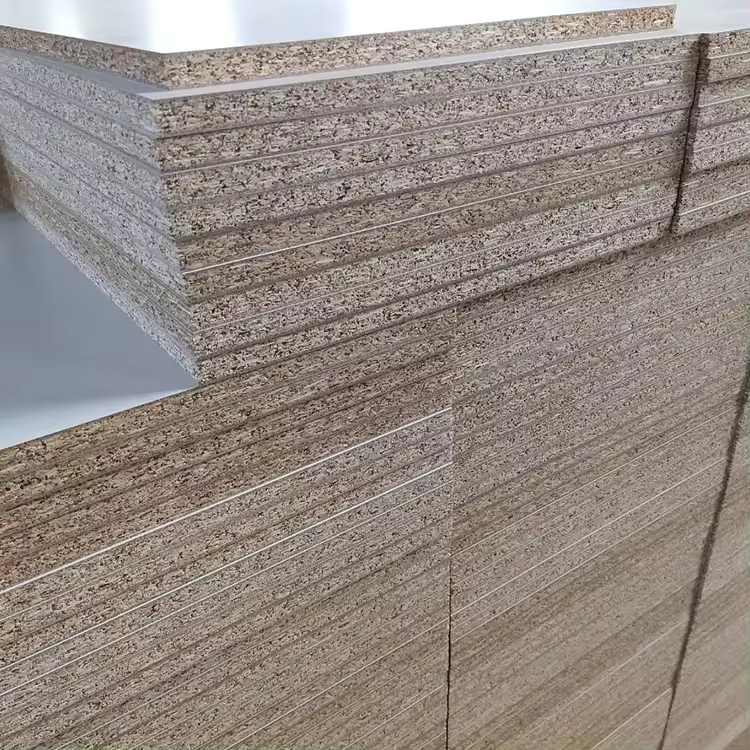
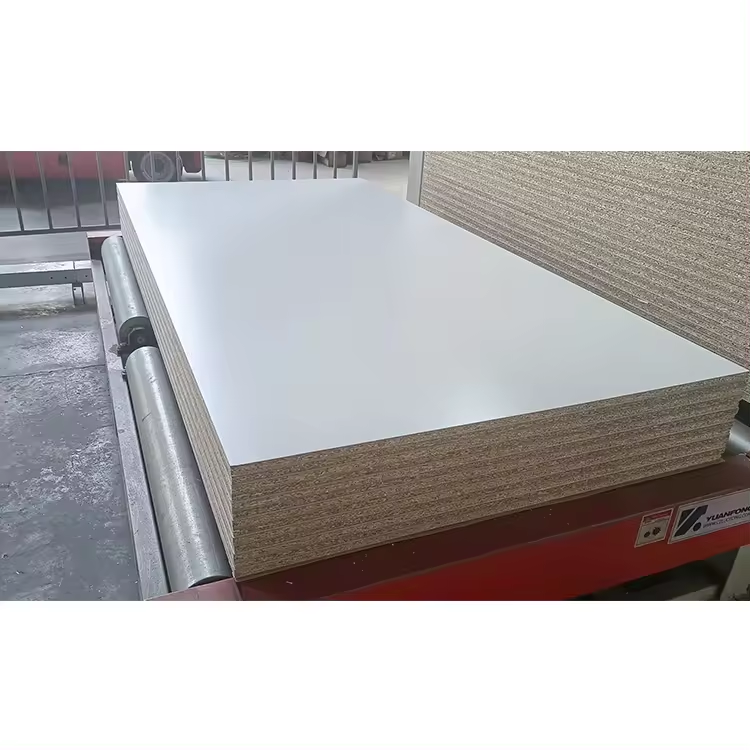
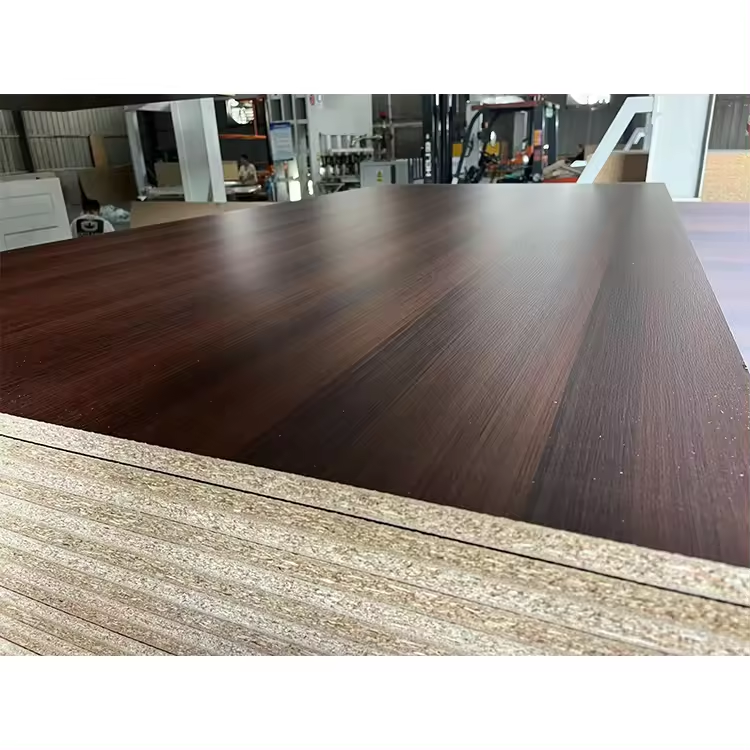
Pressed particle board offers unparalleled design flexibility that empowers architects, designers, and manufacturers to create innovative solutions across a broad spectrum of applications. The uniform composition and consistent properties of pressed particle board make it an ideal substrate for various surface treatments, from high-pressure laminates and wood veneers to painted finishes and specialized coatings. This adaptability allows designers to achieve virtually any aesthetic while maintaining the structural benefits and cost advantages of pressed particle board construction. Surface quality characteristics of pressed particle board provide an excellent foundation for decorative treatments, with smooth, defect-free surfaces that eliminate the need for extensive preparation work required with natural wood products. The ability to manufacture pressed particle board in custom thicknesses, densities, and panel sizes enables precise specification matching for unique project requirements, whether creating ultra-thin panels for furniture backs or thick structural panels for flooring applications. Machining capabilities of pressed particle board excel across all common woodworking operations, including cutting, routing, drilling, and edge banding, allowing fabricators to create complex profiles and joinery details with standard equipment. The dimensional stability of pressed particle board prevents the seasonal movement that affects solid wood, making it ideal for applications where tight tolerances and consistent dimensions are critical, such as fitted furniture and built-in cabinetry. Acoustic properties of pressed particle board can be engineered to provide sound dampening characteristics, making it valuable for office partitions, recording studios, and residential applications where noise control is important. Fire-resistant formulations of pressed particle board are available for applications requiring enhanced safety performance, incorporating flame-retardant additives that meet specific building code requirements without compromising other performance characteristics. The consistent density profile of pressed particle board ensures uniform screw holding power throughout the panel thickness, enabling reliable assembly of complex furniture designs and structural connections. Thermal processing capabilities allow pressed particle board to accept hot-stamping, embossing, and heat-activated lamination processes that create textured surfaces and decorative patterns impossible to achieve with solid wood. Specialty grades of pressed particle board include moisture-resistant versions for bathroom applications, high-density options for heavy-duty uses, and low-emission formulations for sensitive indoor environments. The scalability of pressed particle board production allows for both mass production of standard panels and small-batch custom manufacturing, supporting everything from large-scale construction projects to boutique furniture production. Integration with modern manufacturing technologies, including CNC machining and automated assembly systems, makes pressed particle board an ideal material for Industry 4.0 production environments where precision, consistency, and efficiency are paramount.
 EN
EN