EN
EN


Warp Resistance Test: Best Melamine & PETG Panels for Humid Climates
Meta Description:
Discover how moisture-resistant melamine and PETG panels perform in hot and humid climates. Learn why anti-warp furniture panels help reduce maintenance costs and improve furniture durability.
Introduction
Furniture manufacturers, distributors, and project contractors operating in Southeast Asia, the Middle East, Oceania, coastal Europe, and other humid regions frequently face one challenge: panel deformation caused by heat and moisture.
Many conventional furniture boards initially appear stable but gradually develop swelling, edge expansion, blistering, cracking, or warping after long-term exposure to fluctuating temperatures and humidity. These issues often result in costly replacements, customer complaints, warranty claims, and damage to brand reputation.
Why Furniture Panels Warp in Hot and Humid Climates
Panel deformation usually occurs when moisture absorption, temperature variation, and internal stress become unbalanced.
Low-quality boards often use lower-density substrates and insufficient surface sealing. Moisture can penetrate exposed edges and weak bonding areas, causing the decorative layer and core material to expand at different rates. Over time, this leads to visible bending, swelling, and structural instability.
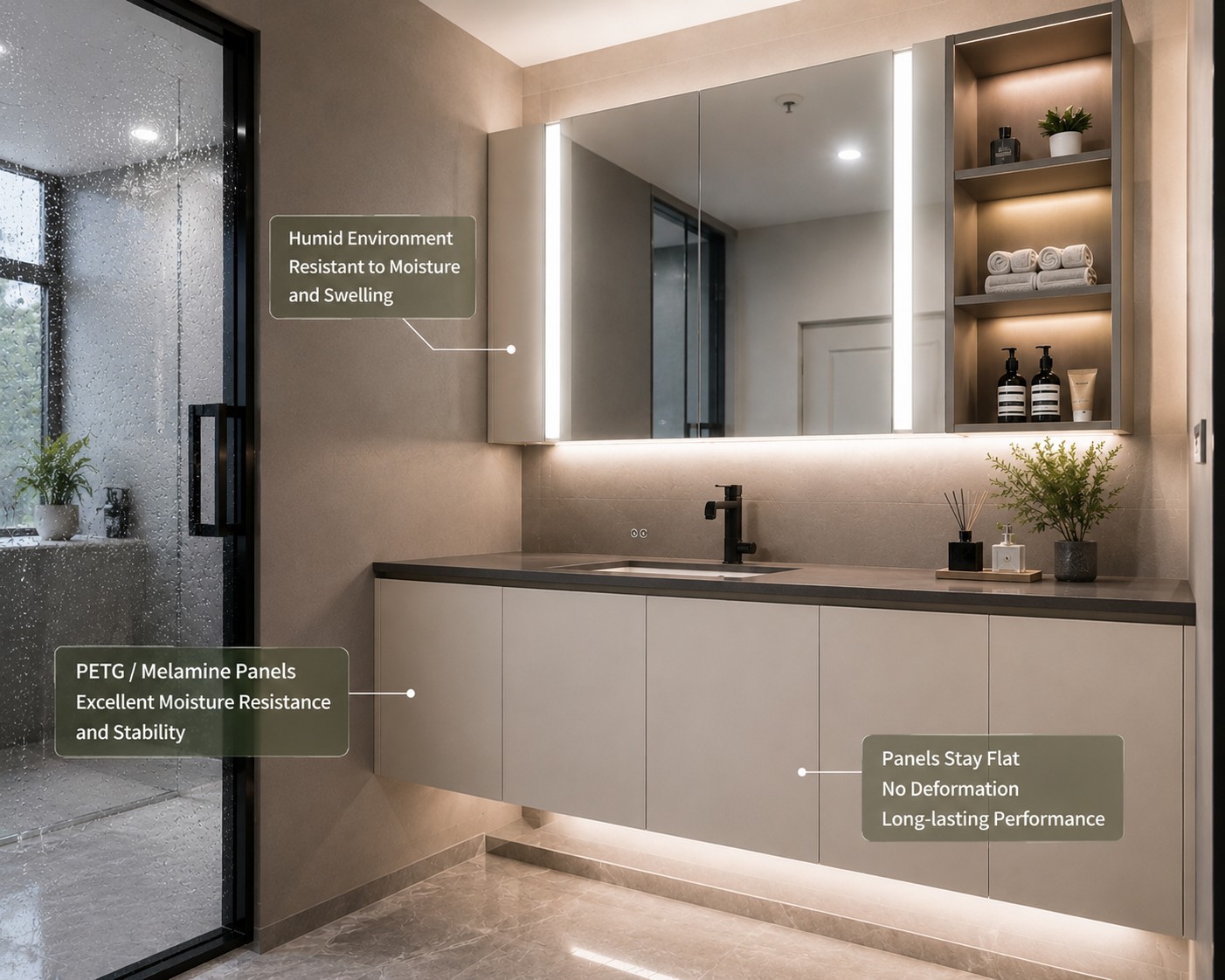
This problem is particularly common in kitchens, bathrooms, laundry rooms, commercial interiors, and coastal properties where humidity levels remain high throughout the year.
How High-Quality Melamine and PETG Panels Improve Stability
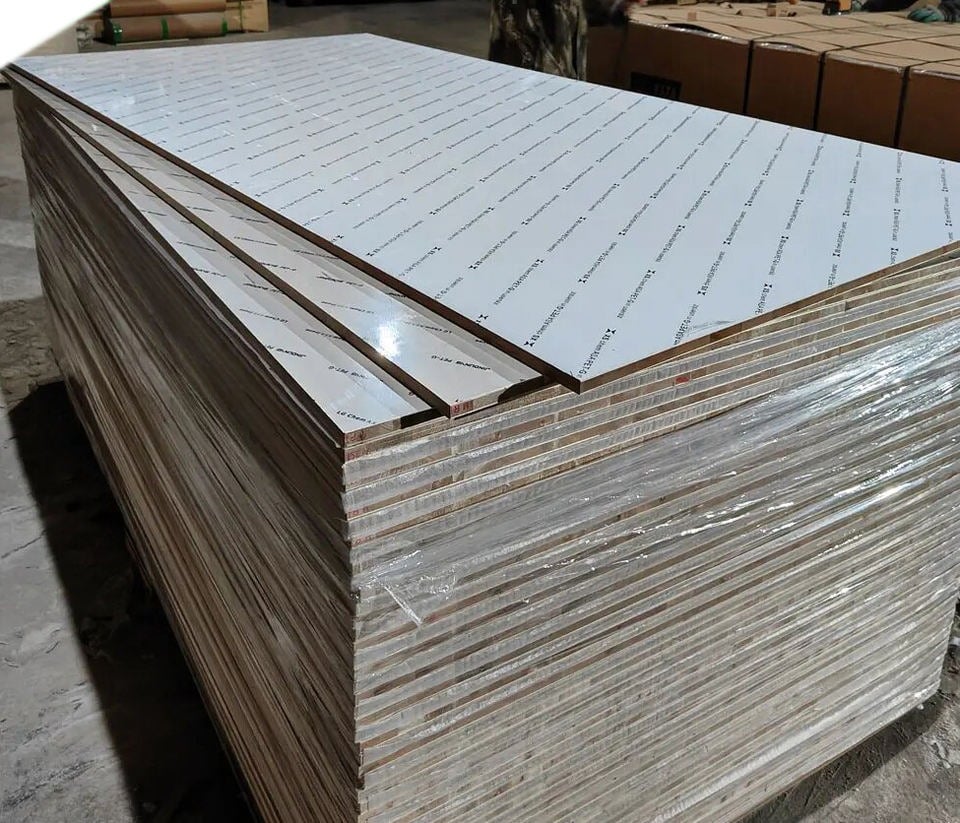
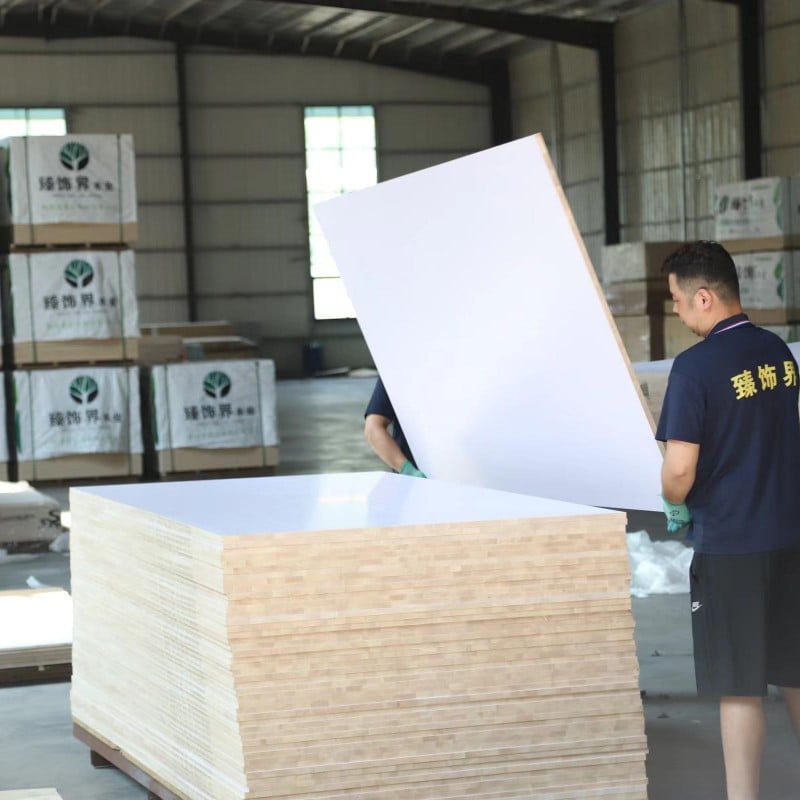
Modern furniture manufacturers increasingly choose moisture-resistant melamine panels and PETG panels because they provide improved durability and dimensional stability.
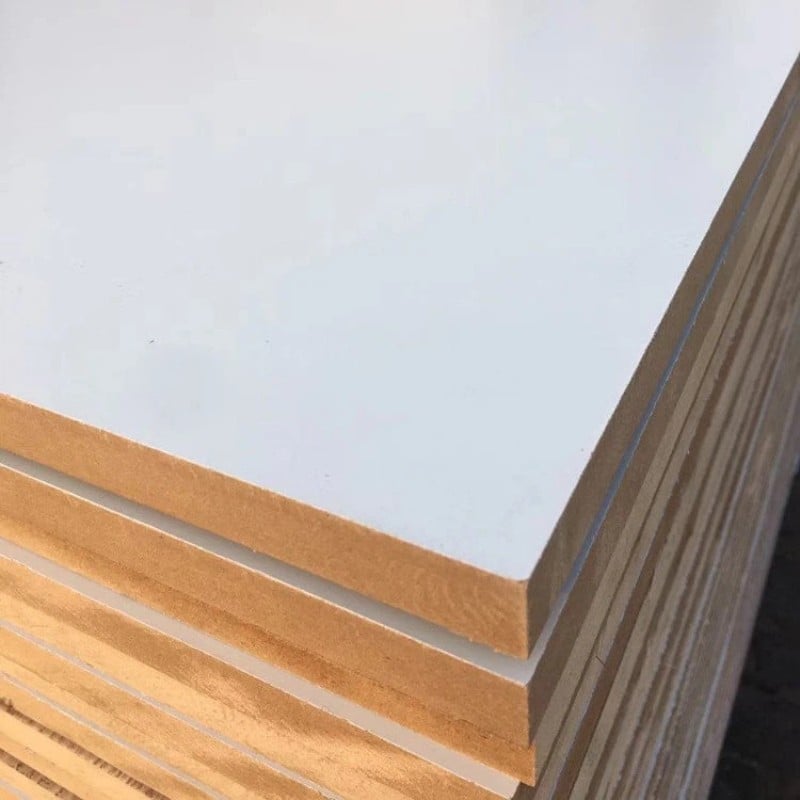
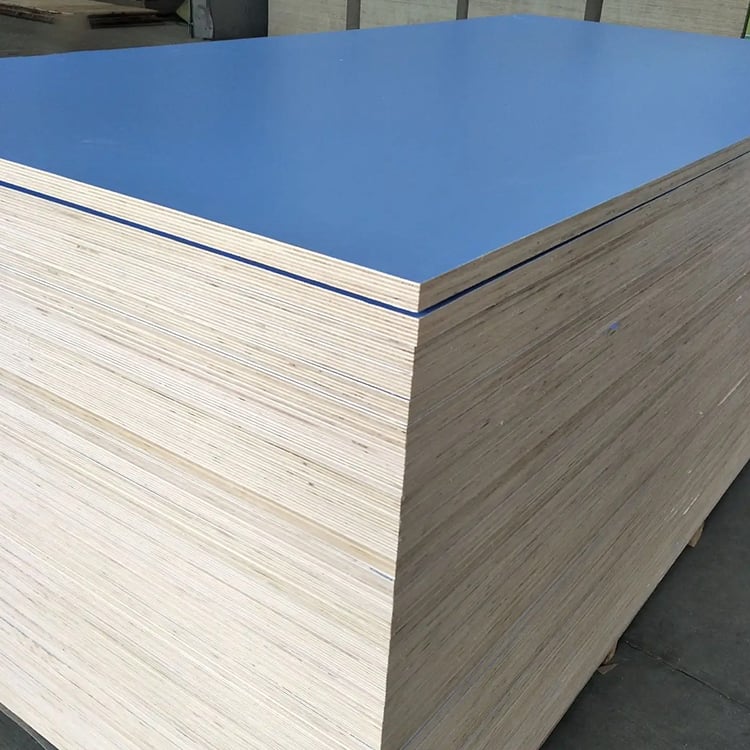
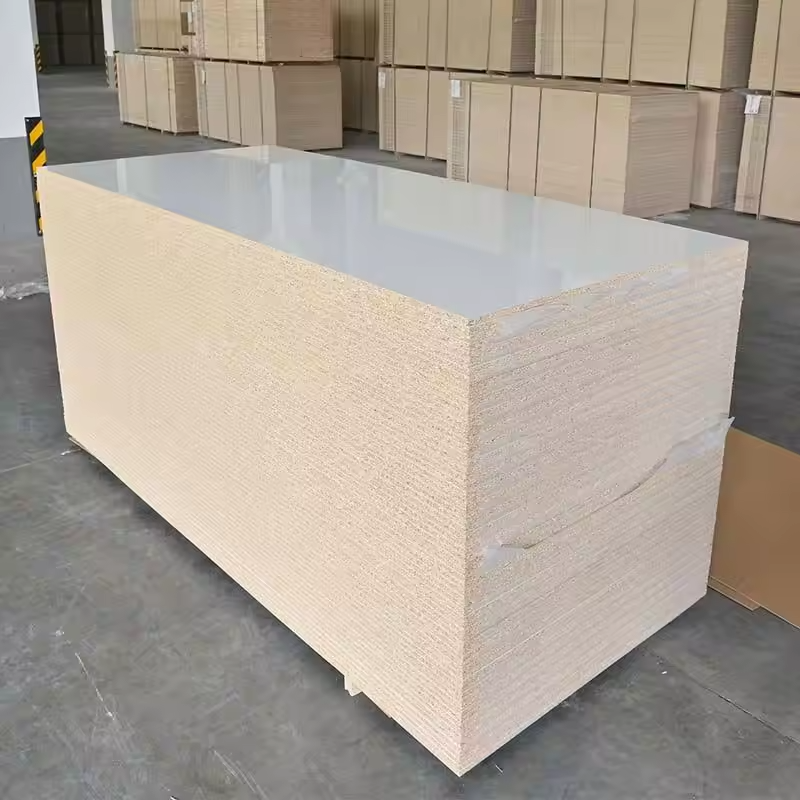
High-density MDF, particle board, and plywood cores help maintain structural balance. Advanced compression technology reduces internal stress while surface coatings create an effective barrier against moisture intrusion.
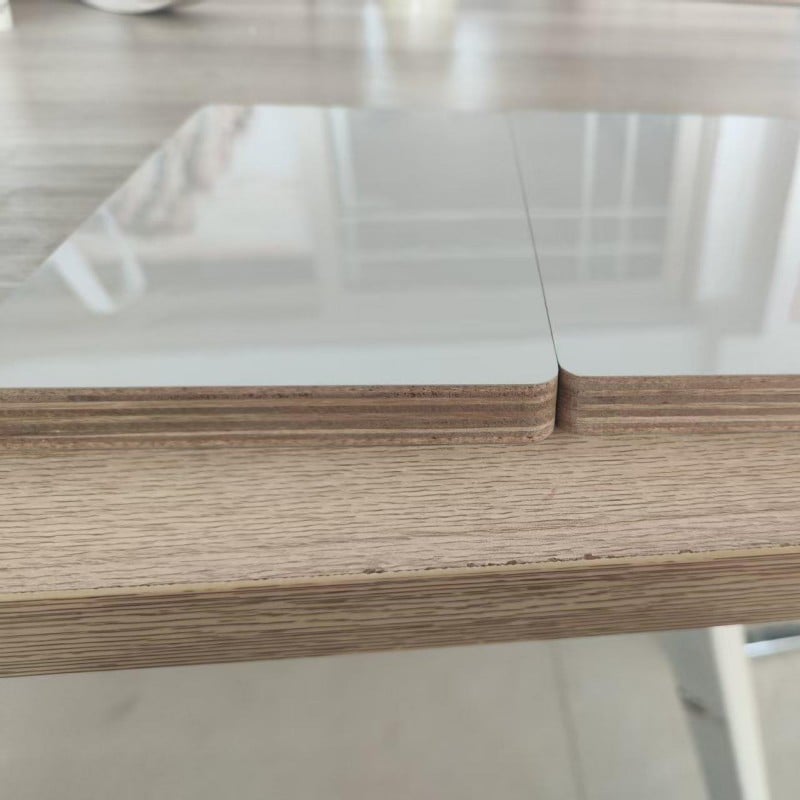
PETG decorative films offer excellent surface protection, attractive aesthetics, and long-term performance. Melamine surfaces provide a cost-effective solution with strong scratch resistance and easy maintenance.
Laboratory Testing and Environmental Performance
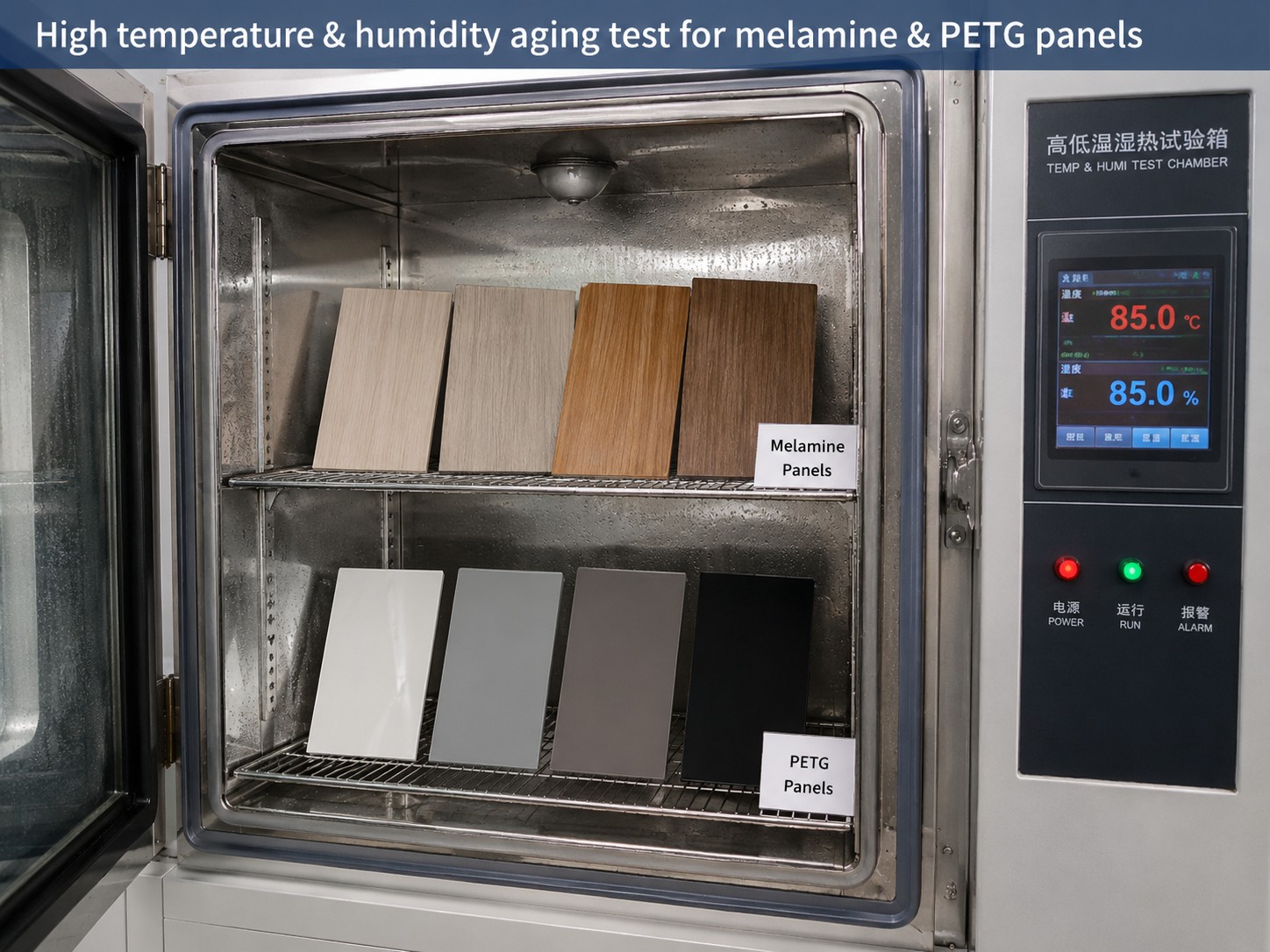
To evaluate performance under demanding conditions, panels can be subjected to continuous temperature and humidity cycling tests. These tests simulate real-world environments where furniture experiences seasonal changes, tropical humidity, and elevated temperatures.
Panels designed for moisture resistance typically demonstrate better dimensional stability, reduced edge swelling, and improved surface integrity compared with conventional boards.
Performance Across Global Climate Zones
Tropical Regions:
In Southeast Asia and Oceania, furniture materials must withstand heavy rainfall and year-round humidity. Fully sealed panel structures help reduce moisture penetration and improve long-term reliability.
Hot and Dry Regions:
Middle Eastern and Central Asian markets experience intense sunlight and extreme temperatures. UV-resistant decorative surfaces help maintain appearance and structural performance.
Temperate Regions:
Europe and North America experience frequent seasonal temperature fluctuations. Stable substrates help reduce expansion and contraction stresses that may lead to deformation.
Benefits for Furniture Importers and Manufacturers
Choosing climate-adaptive furniture panels provides several business advantages:
• Lower replacement and warranty costs
• Fewer after-sales service issues
• Improved customer satisfaction
• Better brand reputation
• Greater consistency across large-scale projects
• Enhanced product durability
Applications of Moisture-Resistant Melamine and PETG Panels
These panels are widely used in:
• Kitchen cabinets
• Bathroom vanities
• Wardrobes
• Commercial furniture
• Retail fixtures
• Hotel renovation projects
• Office interiors
• Residential cabinetry
FAQ
Q1: What are the best furniture panels for humid climates?
High-density melamine and PETG panels with proper edge sealing are among the most reliable choices for humid environments.
Q2: Are PETG panels suitable for kitchen cabinets?
Yes. PETG panels are widely used in modern kitchen cabinetry because they combine attractive aesthetics with moisture resistance.
Q3: How can cabinet doors be prevented from warping?
Selecting quality substrates, maintaining proper sealing, and using moisture-resistant surface materials can significantly reduce warping risks.
Q4: What is the difference between melamine and PETG panels?
Melamine offers a cost-effective decorative solution, while PETG typically provides a premium finish with enhanced appearance and performance.
Q5: Which panel material is best for tropical countries?
Both melamine and PETG panels can perform well when combined with high-quality substrates and effective moisture protection systems.
Conclusion
When sourcing furniture panels for challenging environments, price and appearance should not be the only considerations. Long-term stability, moisture resistance, and climate adaptability play a critical role in furniture durability and customer satisfaction.
By selecting high-quality melamine and PETG panels designed for hot and humid climates, manufacturers and importers can reduce operational risks, improve product reliability, and build stronger customer trust in competitive markets.
 Hot News
2026-10-06
2026-10-02
2026-09-29
Shandong Zhenshijie — China's trusted manufacturer of PET & melamine veneer panels for cabinets, kitchens & furniture. MDF, plywood, particleboard & more — custom sizes, textures & finishes.
located north of Xiaowan Line, Tanyi Town, Feixian County, Linyi City, Shandong Province.
Copyright © 2026 Shandong Zhenshijie International Trade CO,. LTD All rights reserved. Privacy Policy