EN
EN


We have seen it happen more than once. A container arrives at Rotterdam or Long Beach. Customs pulls a random panel. The handheld detector shows 0.08 ppm – above the 0.05 ppm limit. The container is held. The buyer misses their installation deadline. The supplier loses the client.
The panels were E1-grade. They passed the factory test a month earlier. But E1 boards continue releasing formaldehyde for months. In a sealed container or a closed room, the concentration rises. That is what gets caught at the gate.
This is not rare. It is becoming routine. Buyers in the United States, Germany, the United Kingdom, and the Middle East now specify E0-grade panels at the quotation stage. They no longer ask if you can supply E0. They tell you E1 is not acceptable.
If you are still quoting E1 for export projects, you are not saving money. You are exposing yourself to a risk that has already cost other suppliers their containers and their customer relationships.
What Changes When You Move from E1 to E0
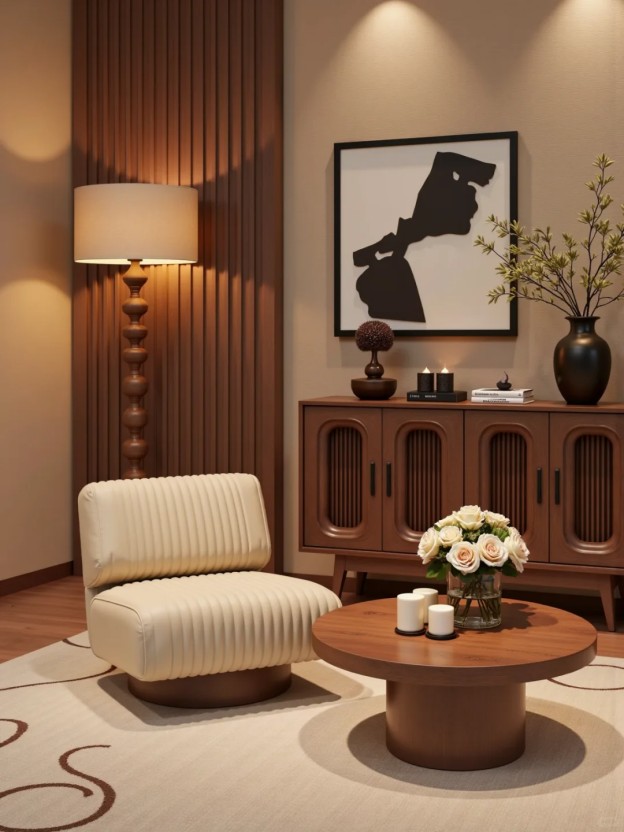
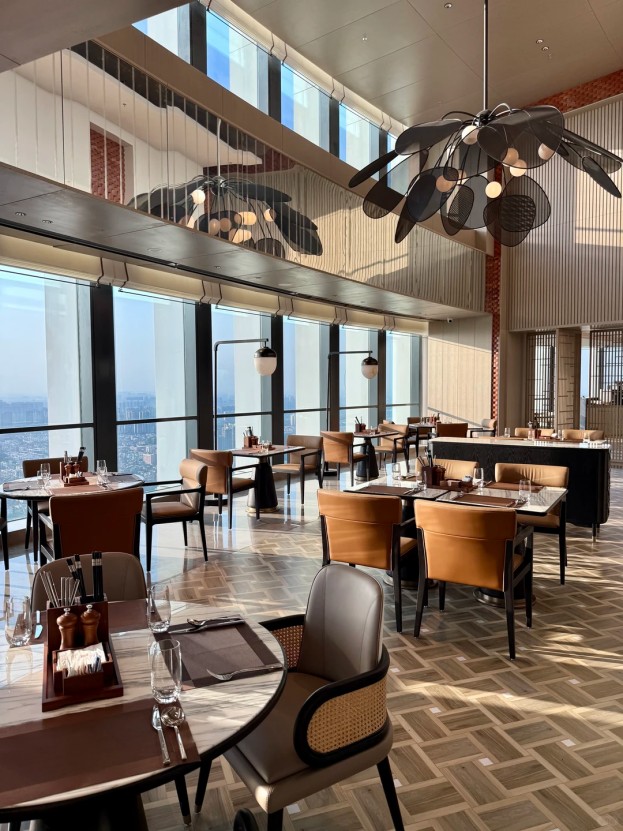
E1 panels meet basic interior decoration standards. For temporary sites or low-cost projects, they work. But they fail inspections regularly in:
- Bedrooms and children's rooms
- Schools and kindergartens
- Hospitals and clinics
- Hotels and corporate offices
 |
 |
Why? E1 boards use urea-formaldehyde adhesives. These compounds release slowly over months. Inside a sealed container, a newly built classroom, or a hotel room after renovation, the gas builds up. Regulators and project managers now carry portable detectors on site. A reading above 0.05 ppm means your shipment does not pass.
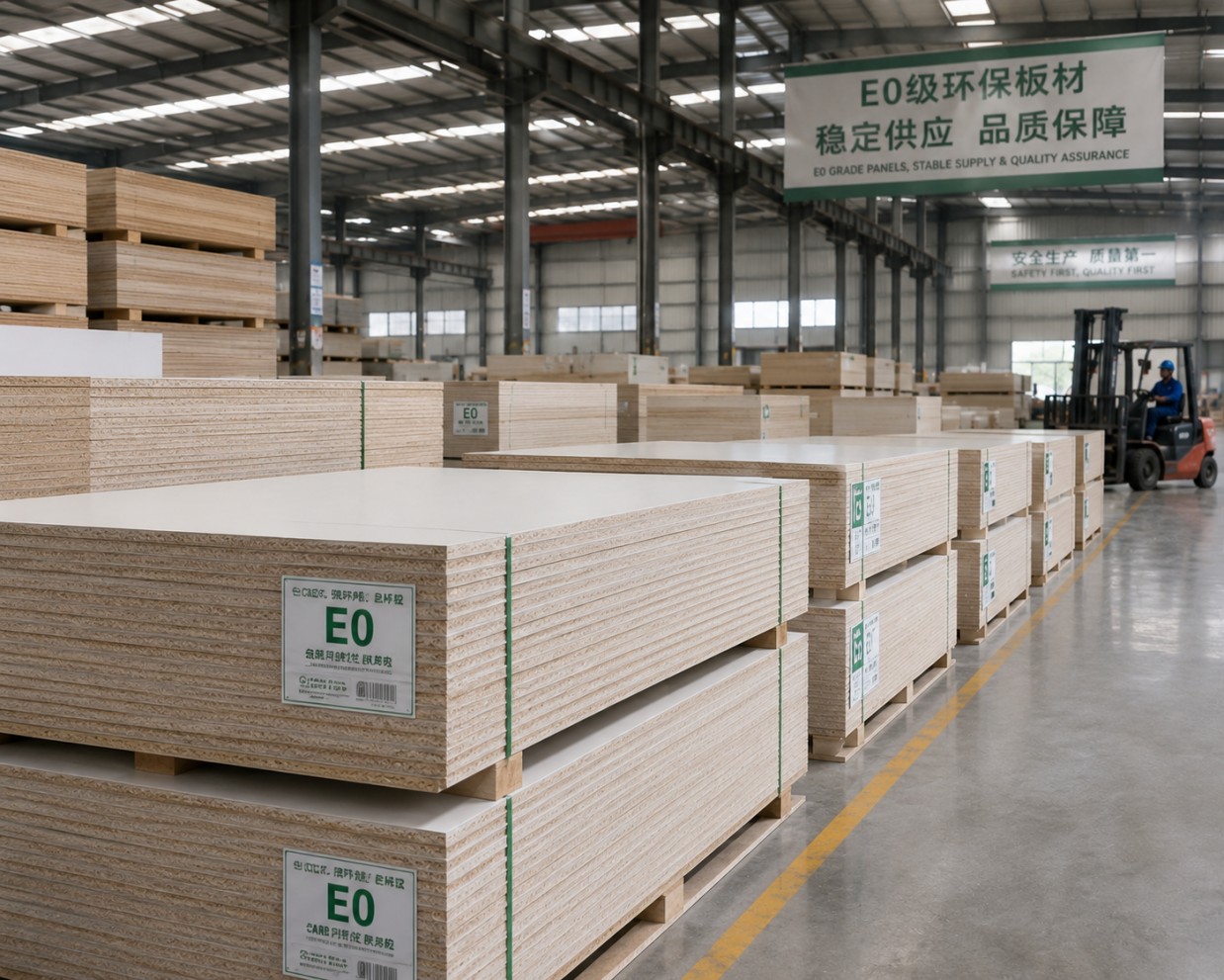
E0-grade panels behave differently. Their formaldehyde emissions sit close to natural solid wood. At Zhenshijie Wood, we use modified urea-formaldehyde adhesive and purified raw materials. We test every batch before it leaves the factory. Our records show consistent results at 0.04 ppm or lower.
One client put it plainly: "With E1, I had to budget for air purifiers and customer complaints. With E0, I ship and move on."
Regulations That Are Already in Effect
These are not upcoming changes. They are active rules.
United States: CARB P2 and EPA TSCA Title VI are federal requirements. Customs can ask for test documents at any time. E1 boards routinely miss the 0.05 ppm limit for composite wood. The official CARB standard is available on their website.
European Union: CE certification for wood panels now covers formaldehyde class. Some member states still accept E1 as the legal minimum, but public tenders and residential projects increasingly ask for E0.
Middle East: The UAE and Saudi Arabia have not written E0 into law yet. But major developers in Dubai and Riyadh now list E0 in their technical specifications for hotels, schools, and healthcare buildings.
The takeaway is simple. E0 is not a selling point anymore. It is a requirement for more and more export orders.
What Exporters Tell Us After Switching to E0
We started supplying E0 panels in 2018. Since then, we have followed up with over 200 export clients. Three patterns stand out.
First, odor complaints nearly disappear. End users do not read lab reports. They walk into a room and use their nose. E0 panels emit very little. Our clients say returns and bad reviews linked to smell have dropped to almost zero.
Second, they win higher-value projects. Hotels, international schools, and medical centers do not pick the lowest bid. They pick suppliers with certificates. If you can offer E0 plus CARB P2 plus CE, you compete against far fewer suppliers. That usually means better margins.
Third, customs clearance becomes smoother. We send batch-specific test reports with every order, not generic sheets. Clients shipping to Europe tell us this cuts clearance time by two to five days. In export, that is a real advantage.
Where Our E0 Panels Are Being Used Today
Recent projects include:
- Kitchen cabinets and bathroom vanities for residential builds in California and Texas
- Wardrobes and storage units for hotel chains in Germany and Switzerland
- Classroom furniture and wall panels for schools in the UK and Australia
- Retail display stands for brands in Dubai and Singapore
- Office interiors in the Netherlands and Denmark
In every case, the buyer asked for E0 panels for school projects or CARB P2 certified panels for US customs during the first conversation. It was a condition for winning the order, not a later upgrade.
Five Questions Exporters Ask Most Often
Q: What are the actual formaldehyde limits for E0 and E1?
A: E1 is typically 0.124 mg/m³ or lower under EN 13986. E0 has no single global definition, but in trade it means 0.05 mg/m³ or lower. Our panels test below 0.04 mg/m³.
Q: Does E0 cost a lot more than E1?
A: About 5 to 8 percent higher on the panel itself. But fewer complaints, faster clearance, and access to better projects usually cover that gap easily.
Q: Which US certification do I need – CARB P2 or EPA TSCA?
A: Both. CARB P2 is the stricter California standard. EPA TSCA Title VI is the federal rule. We provide documentation that meets both.
Q: Can I mix E0 and E1 in one container?
A: Possible, but we strongly advise against it. If customs tests a mixed container and finds E1 levels, the whole container can be flagged. Consistency is safer.
Q: Can I order samples before bulk production?
A: Yes. We send sample packs for third-party lab tests and project approvals. Each sample comes with the same certificates we provide for full orders.
Our View for Furniture Exporters
E1 will stay in domestic and lower-cost markets for a while. But for exports to the United States, the European Union, and major Middle Eastern cities, E0 is becoming the new baseline.
We are not saying E0 removes all risk. But we track every shipment. Over the past 18 months, every client who switched to our E0 series cleared customs without issues. None reported odor complaints from their buyers.
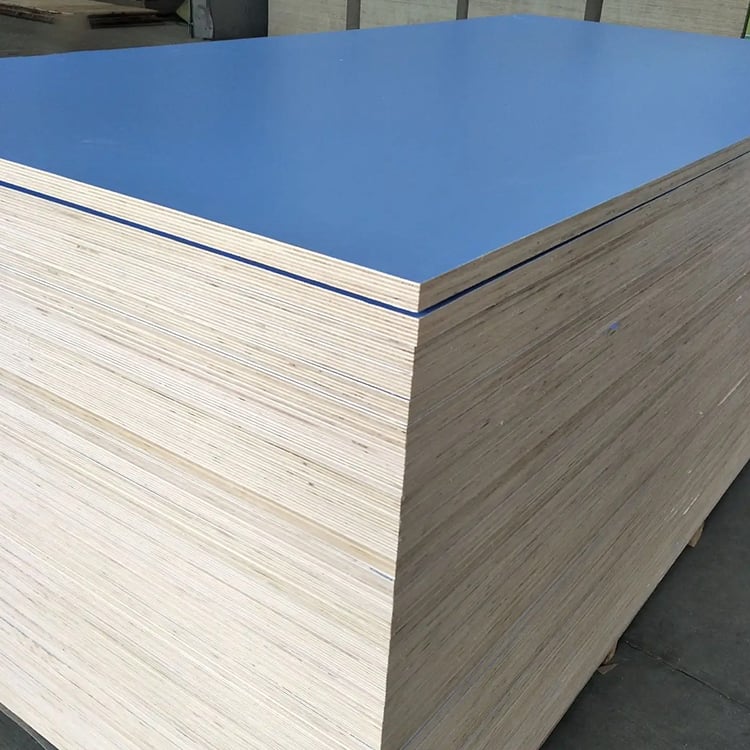
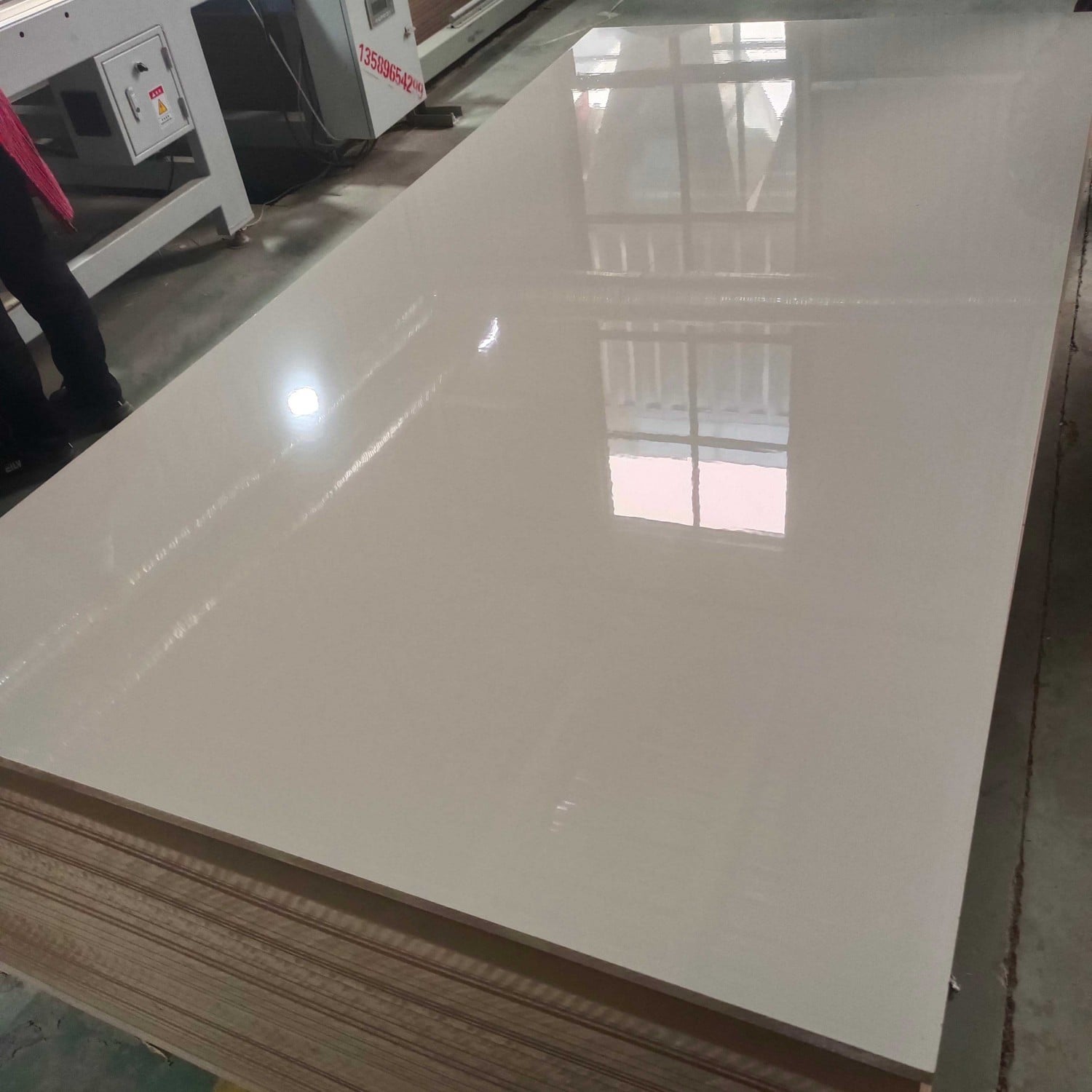
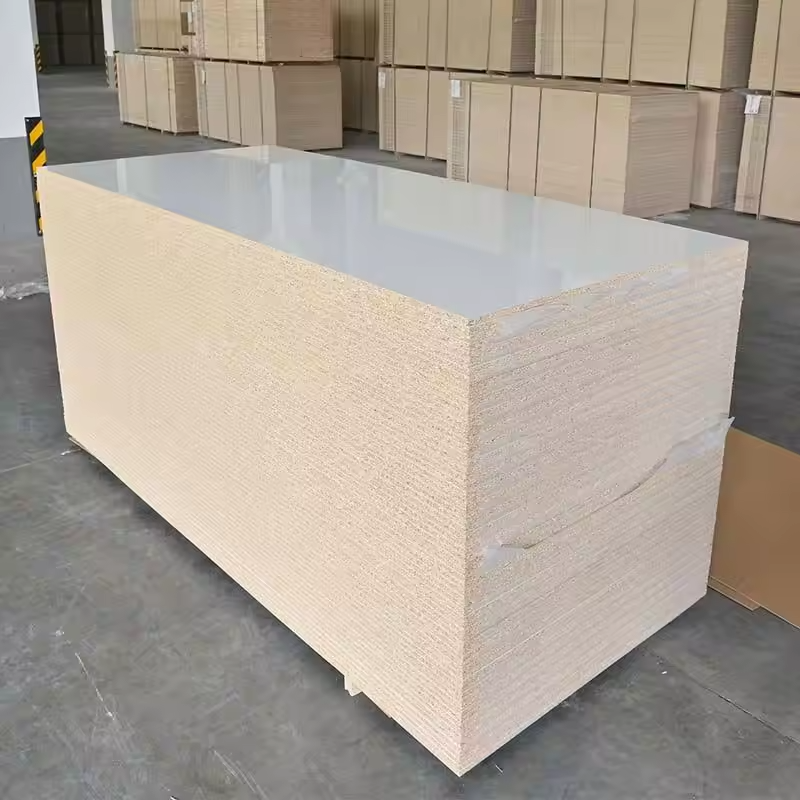
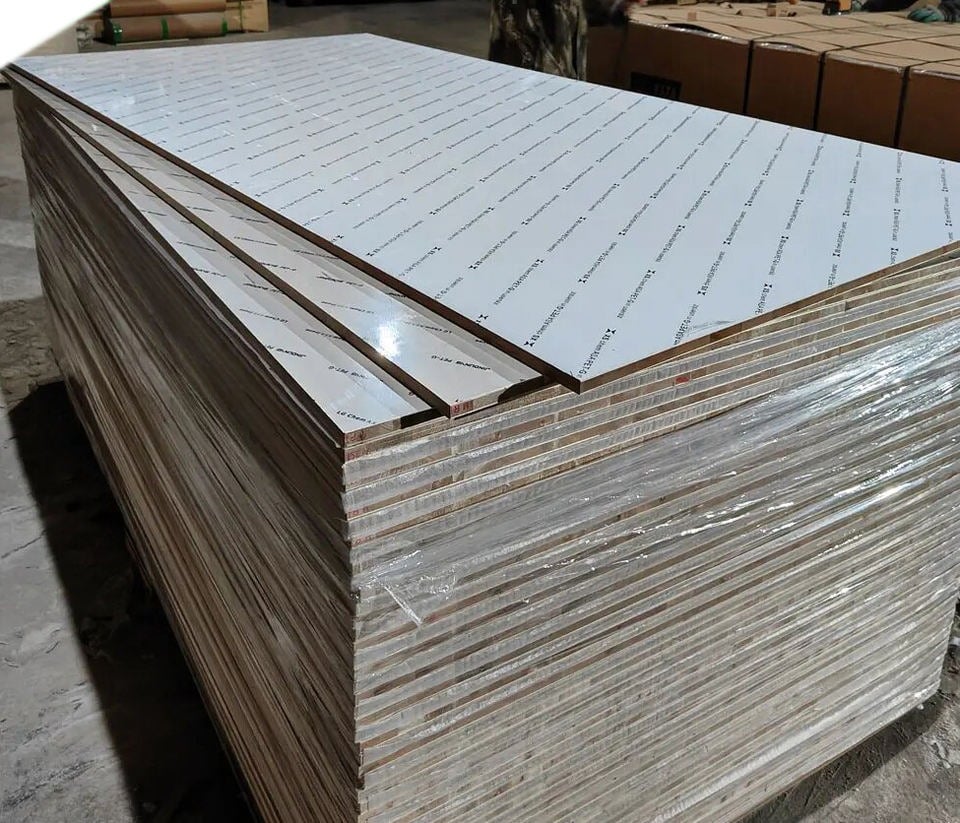
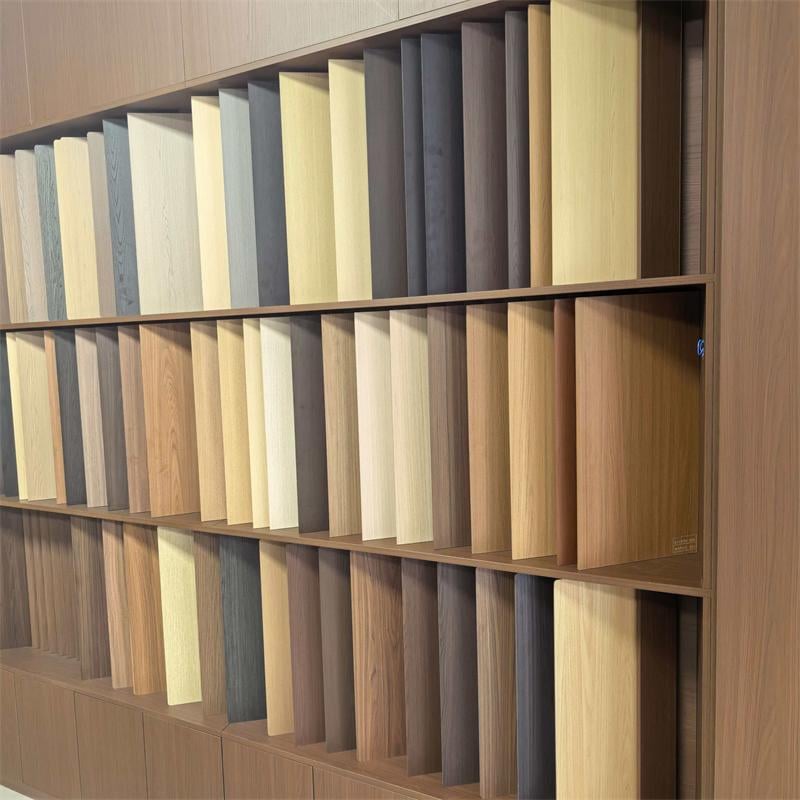
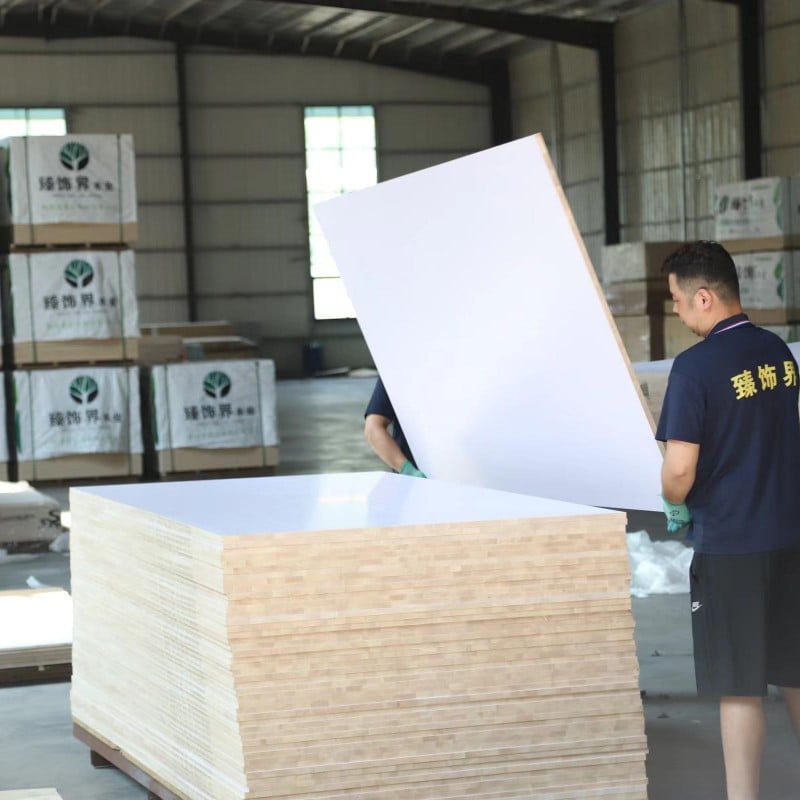
Zhenshijie Wood offers a full E0-grade product line: MDF, particle board, plywood, PETG panels, and synchronized melamine boards. Each product comes with complete certification files for customs clearance and customer testing.
If you are still quoting E1 and losing orders, or if you have experienced customs delays, we are happy to send our E0 test data and sample pricing.
View our full E0 product range | Request test data and samples
 Hot News
2026-10-06
2026-10-02
2026-09-29
Shandong Zhenshijie — China's trusted manufacturer of PET & melamine veneer panels for cabinets, kitchens & furniture. MDF, plywood, particleboard & more — custom sizes, textures & finishes.
located north of Xiaowan Line, Tanyi Town, Feixian County, Linyi City, Shandong Province.
Copyright © 2026 Shandong Zhenshijie International Trade CO,. LTD All rights reserved. Privacy Policy