EN
EN


MDF density plays a major role in how the board performs in real applications. Many buyers focus on thickness and surface finish, but density directly affects strength, weight, screw holding, and long-term durability.
This article explains what MDF density means, typical density ranges, and how buyers choose the right density for furniture, cabinets, and interior projects.
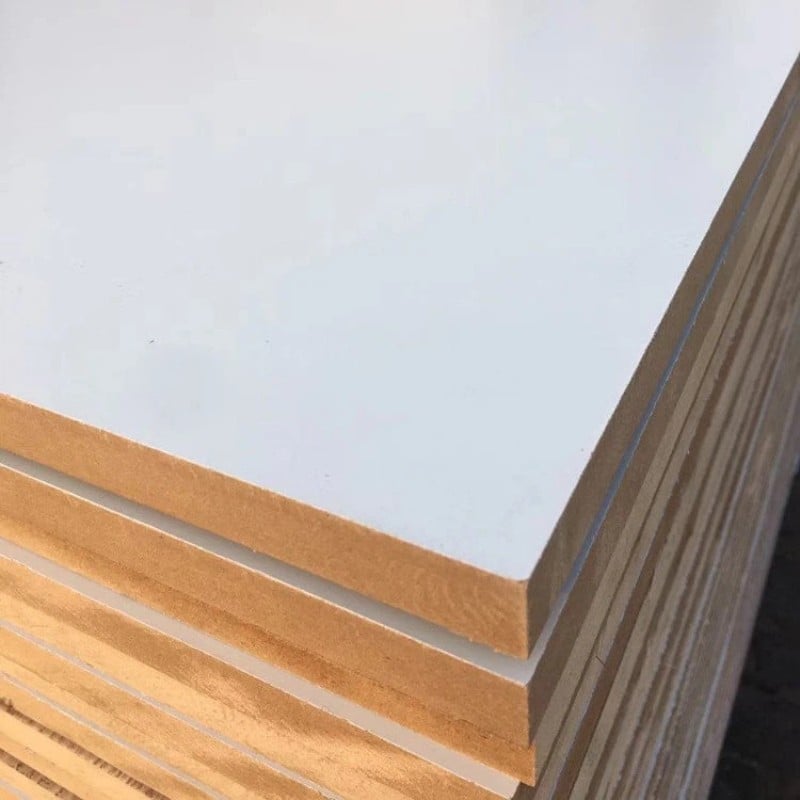
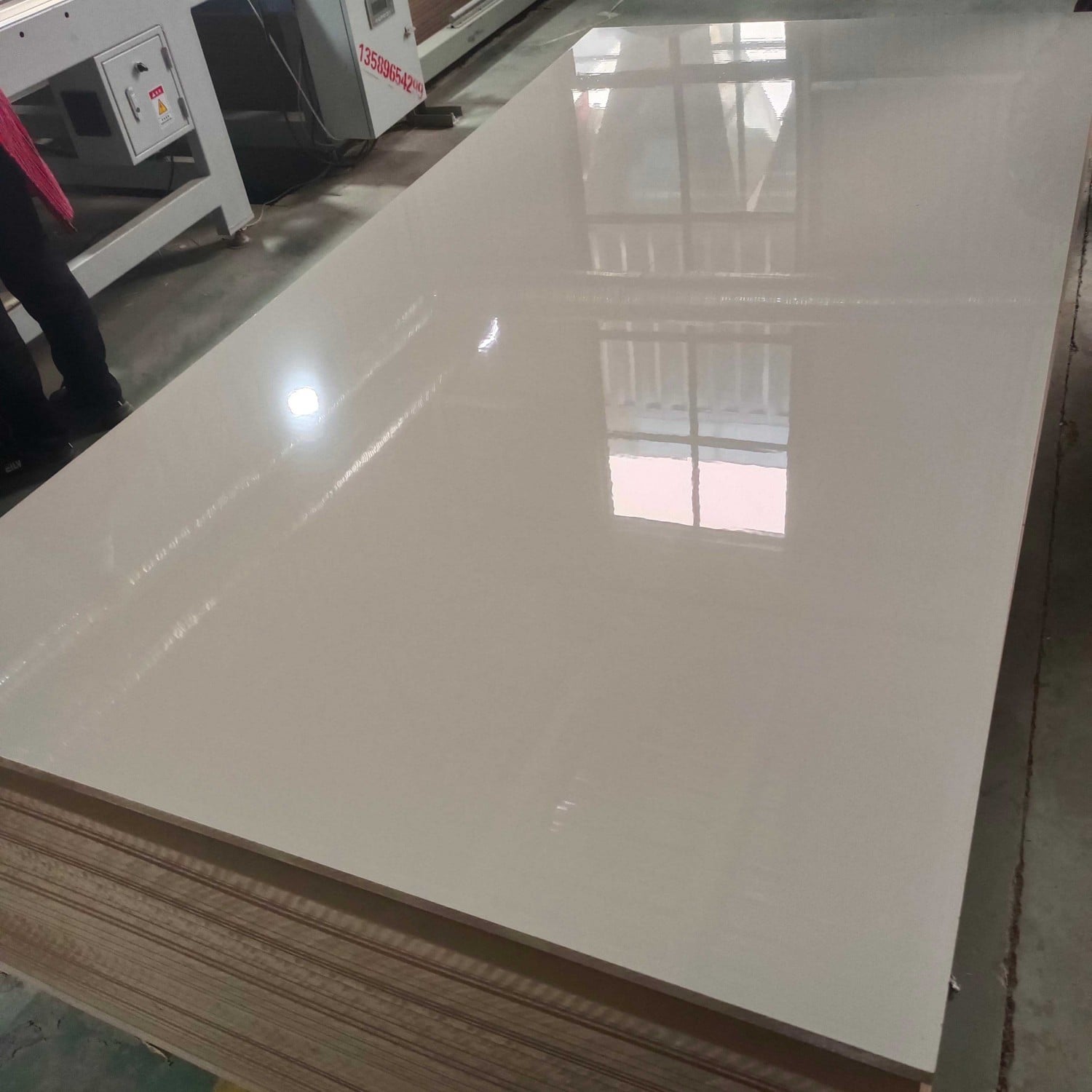
MDF stands for Medium Density Fiberboard. Manufacturers produce MDF by breaking down wood into fine fibers, mixing those fibers with resin adhesive, and pressing the mixture into dense panels under heat and pressure.
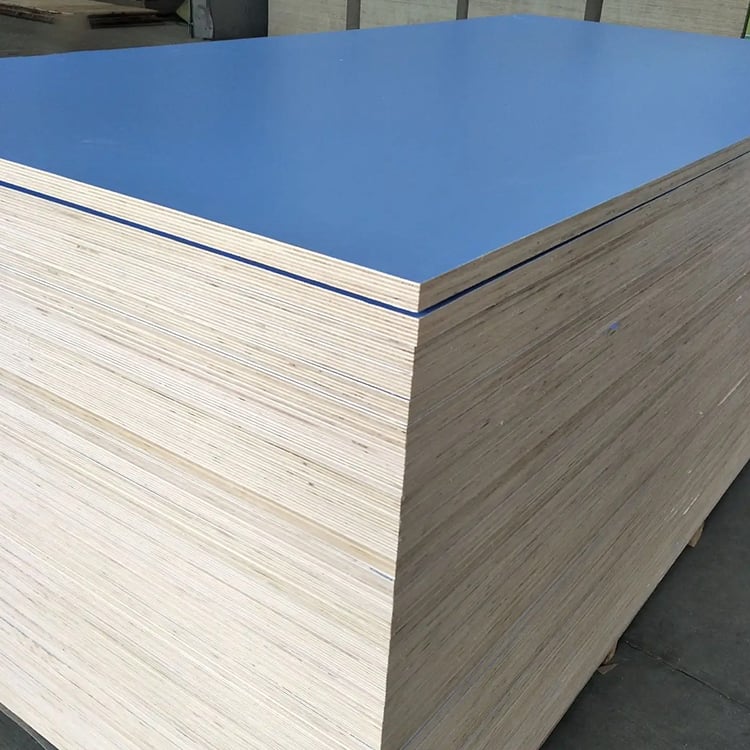
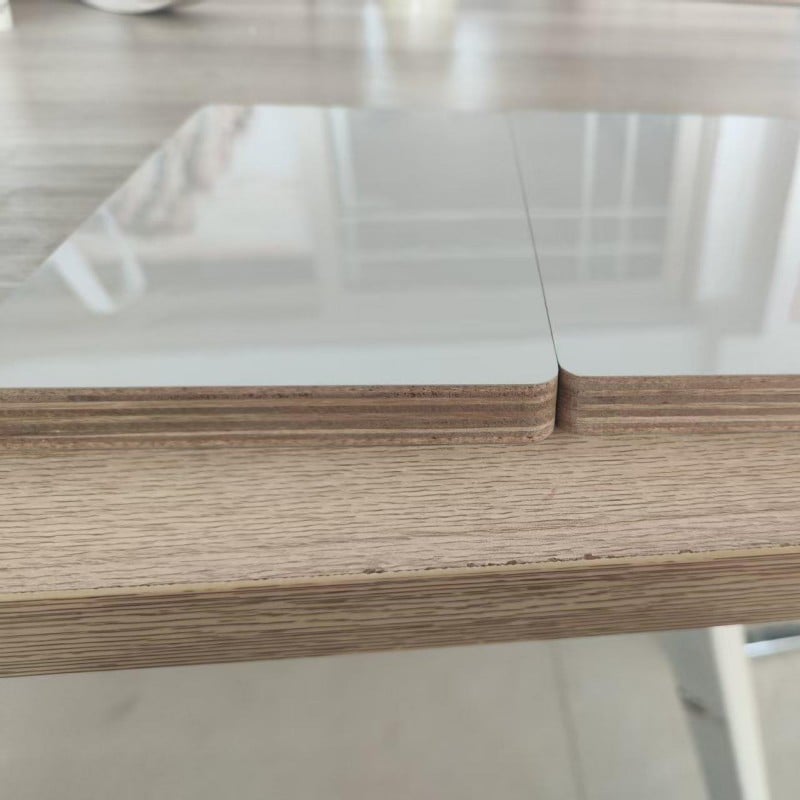
Unlike plywood, MDF does not use layered veneers. Instead, it forms a uniform board with consistent density throughout the panel.
What Is MDF Made Of?
MDF consists mainly of wood fibers, resin glue, and small amounts of additives. Manufacturers typically use wood waste such as chips and sawdust from other wood processing operations. This approach improves material efficiency and reduces raw material waste.
Main Components of MDF
The fiber-based structure gives MDF a smooth surface and consistent internal composition.
How MDF Is Manufactured
MDF production follows a controlled industrial process that focuses on consistency and surface quality.
Fiber Preparation
Manufacturers refine wood chips into fine fibers and dry them to control moisture content.
Resin Blending
Factories mix fibers with resin adhesive and additives to prepare the material for pressing.
Hot Pressing
High pressure and heat compress the fiber mixture into rigid panels with uniform thickness and density.
Key Characteristics of MDF
MDF offers several characteristics that make it popular for interior furniture and decorative applications.
Typical Density Range of MDF
Most standard MDF products fall within a specific density range suitable for interior use.
| MDF Type | Density Range (kg/m³) | Common Uses |
| Low Density MDF | 550–650 | Decorative panels, light furniture |
| Standard MDF | 650–750 | Furniture, cabinets, shelves |
| High Density MDF | 750–850 | Doors, heavy-duty furniture |
Most furniture manufacturers prefer standard MDF density for a balance of strength and cost.
How Density Affects MDF Performance
Density influences several key performance factors that buyers should consider.
Strength and Load Capacity
Higher-density MDF handles heavier loads and resists bending more effectively. Shelves, cabinet sides, and door panels benefit from increased density.
Lower-density MDF suits decorative applications but may deform under weight.
Screw Holding Performance
Density directly affects how well MDF holds screws. Higher-density panels grip fasteners more securely, especially when installers use correct pilot holes.
Low-density MDF increases the risk of stripped screws and loose fittings.
Panel Weight
As density increases, MDF weight increases. Heavier panels raise transportation cost and installation effort.
Buyers should balance strength needs with handling and shipping considerations.
MDF Density vs Thickness: What Buyers Often Confuse
Many buyers assume thicker MDF always performs better. Thickness and density serve different roles.
A thick but low-density MDF panel may still fail under load. Buyers should consider both factors together.
Recommended MDF Density for Common Applications
Furniture Panels
Standard MDF density between 650 and 750 kg/m³ works well for wardrobes, tables, and storage furniture.
Cabinets and Shelving
Cabinet carcasses and shelves benefit from MDF density closer to the upper end of the standard range. This improves joint strength and reduces sagging.
Cabinet Doors and Decorative Panels
High-density MDF provides better edge quality and hinge stability for doors and frequently used components.
MDF Density Compared with Other Board Materials
Comparing MDF density with other boards helps buyers understand material behavior.
| Material | Typical Density (kg/m³) | Key Characteristics |
| MDF | 650–750 | Smooth surface, uniform structure |
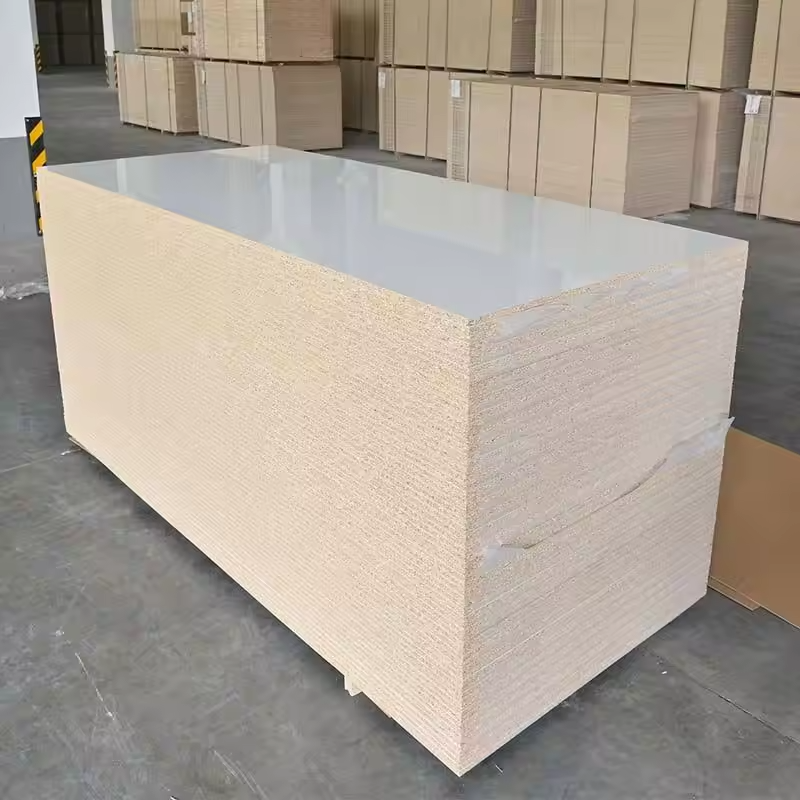
| Particle Board | 550–650 | Lower strength, lighter weight |
| Plywood | 500–700 | Layered structure, strong screw holding |
MDF often feels heavier than plywood because of its uniform density.
How Buyers Specify MDF Density
Professional buyers specify density range clearly in purchase orders to avoid quality variation.
Clear density specifications reduce disputes and ensure stable product performance.
Common Buyer Mistakes Related to MDF Density
Buyer Takeaway: What MDF Density Really Means
MDF density defines how the board performs under load, holds fasteners, and handles long-term use. Buyers who understand density can select MDF that balances strength, weight, and cost for their projects.
Conclusion
MDF density typically ranges from 650 to 750 kg/m³ for standard furniture use. Higher density improves strength and screw holding but increases weight and cost. Buyers who match MDF density to application needs can achieve better durability and overall value.
 Hot News
2026-10-06
2026-10-02
2026-09-29
Shandong Zhenshijie — China's trusted manufacturer of PET & melamine veneer panels for cabinets, kitchens & furniture. MDF, plywood, particleboard & more — custom sizes, textures & finishes.
located north of Xiaowan Line, Tanyi Town, Feixian County, Linyi City, Shandong Province.
Copyright © 2026 Shandong Zhenshijie International Trade CO,. LTD All rights reserved. Privacy Policy