Premium Woodgrain Melamine Board: Durable, Cost-Effective Wood Alternative for Modern Construction

Get a Free Quote

Our representative will contact you soon.
Email
Mobile/WhatsApp
Name
Company Name
Message
0/1000

woodgrain melamine board

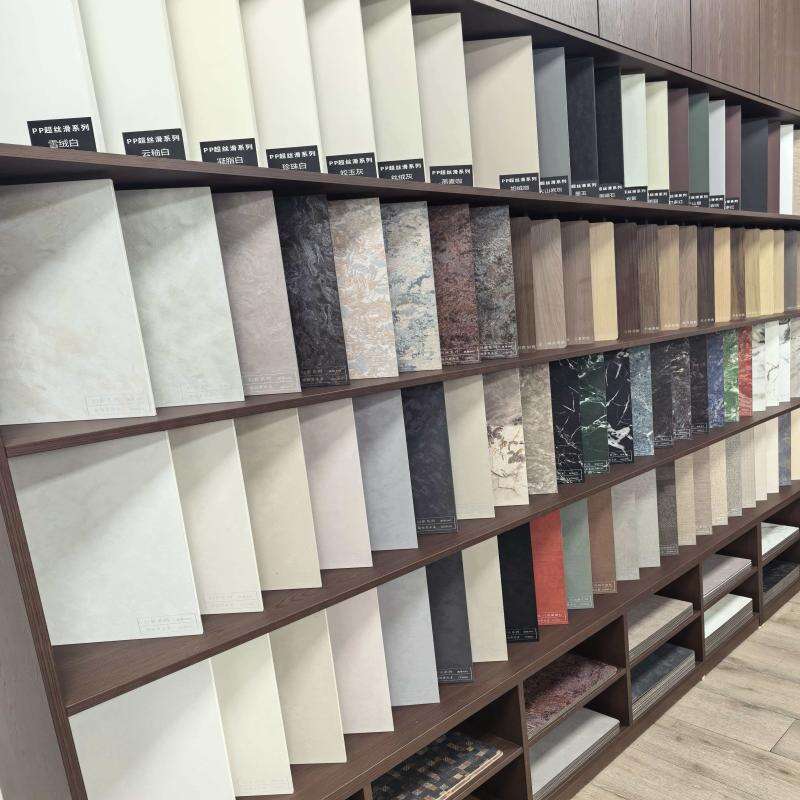
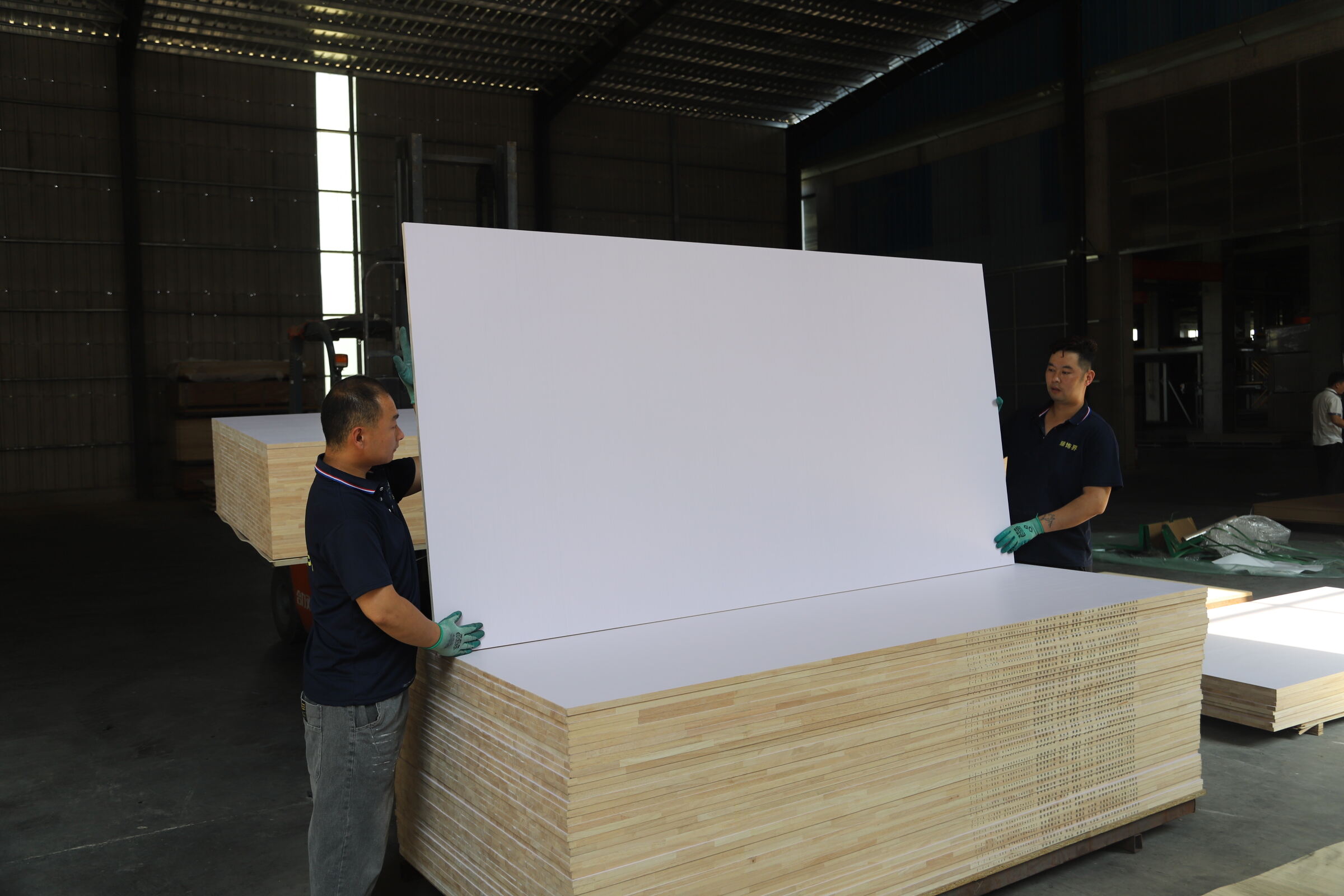
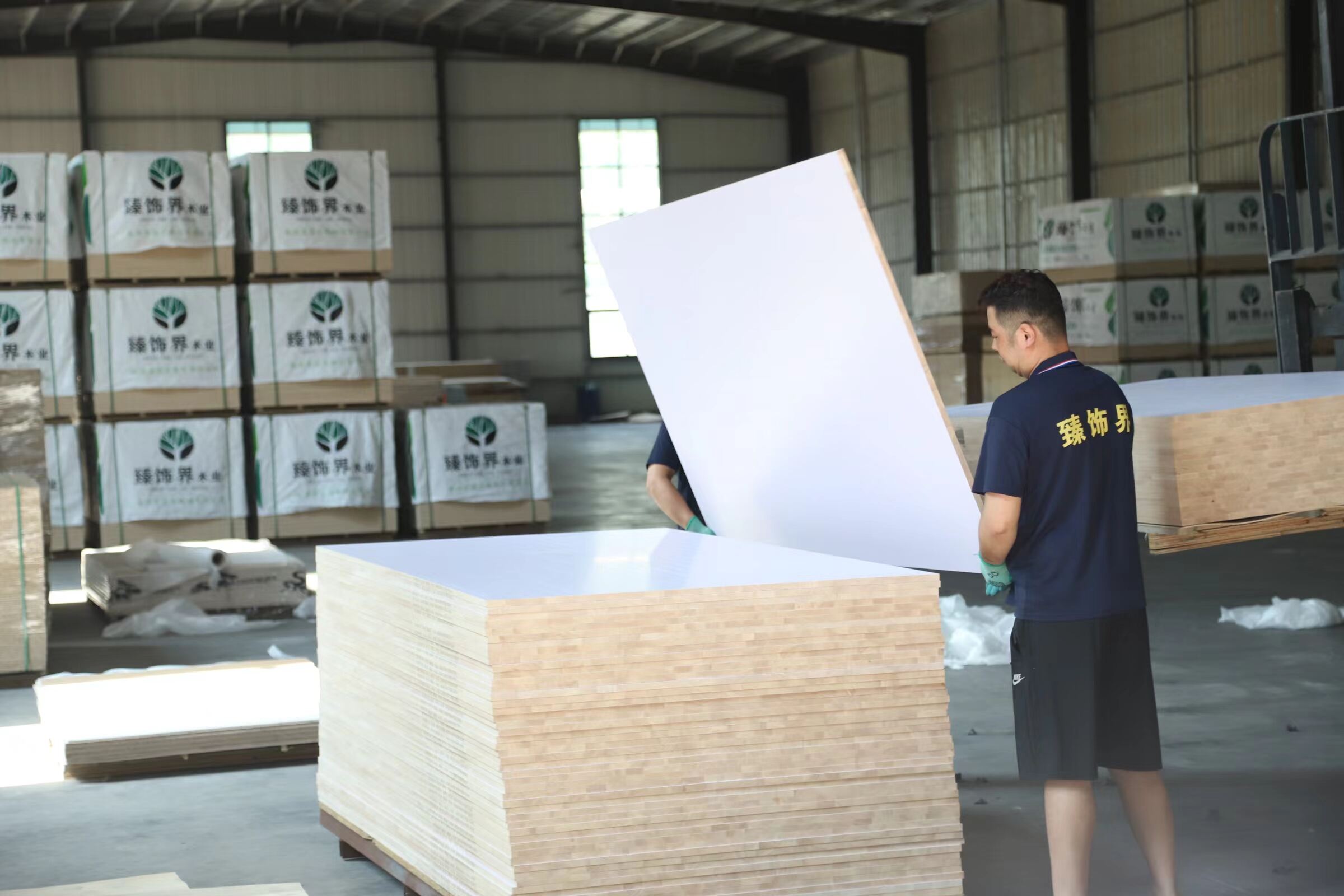
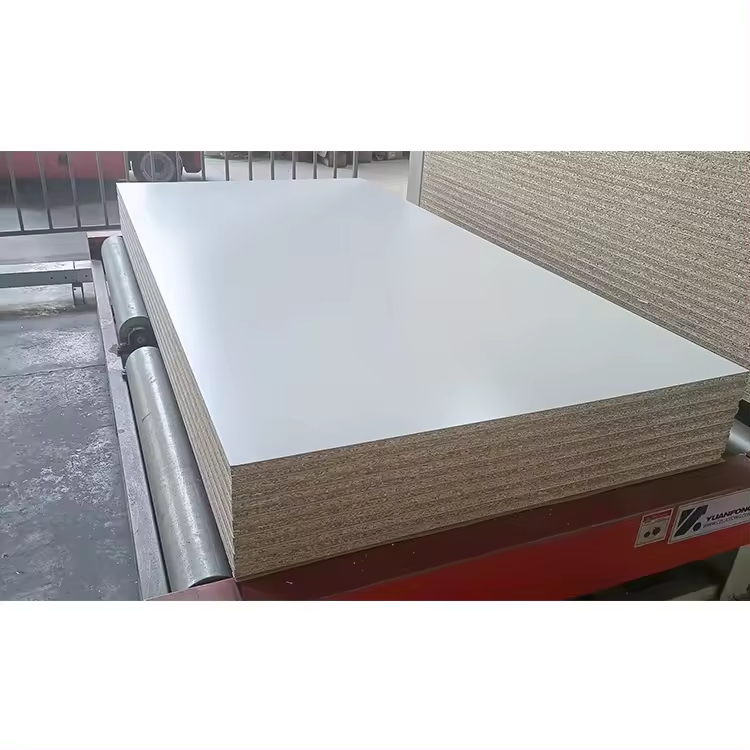
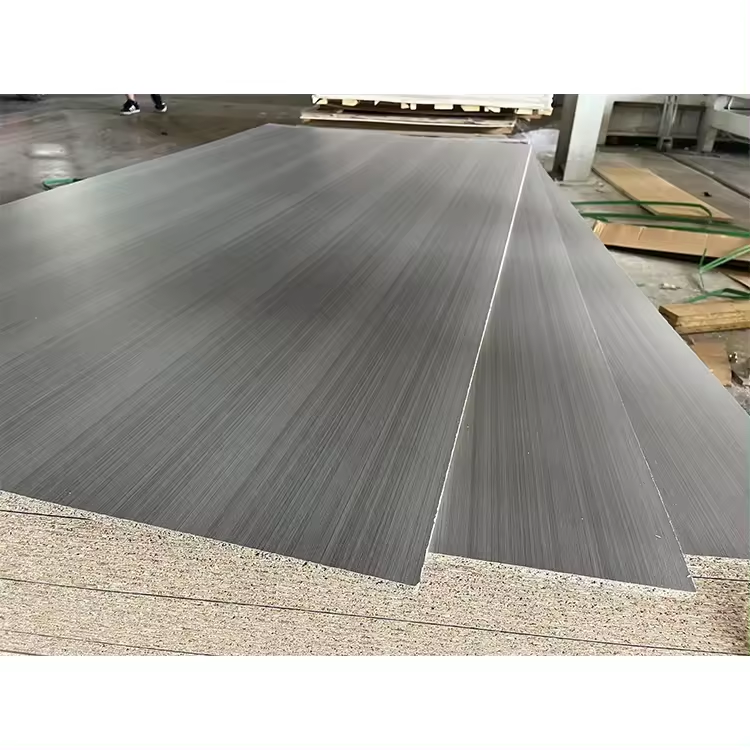
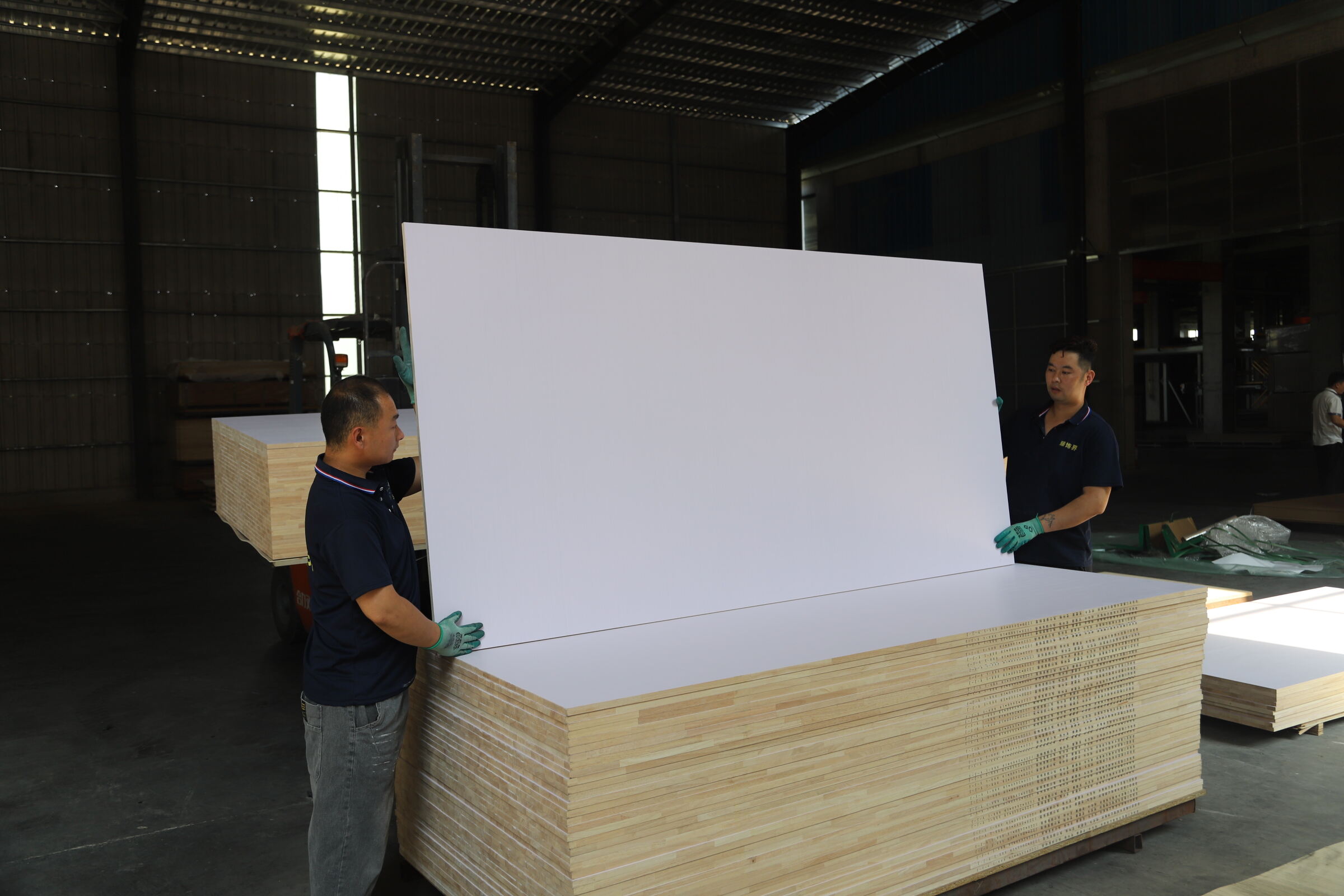
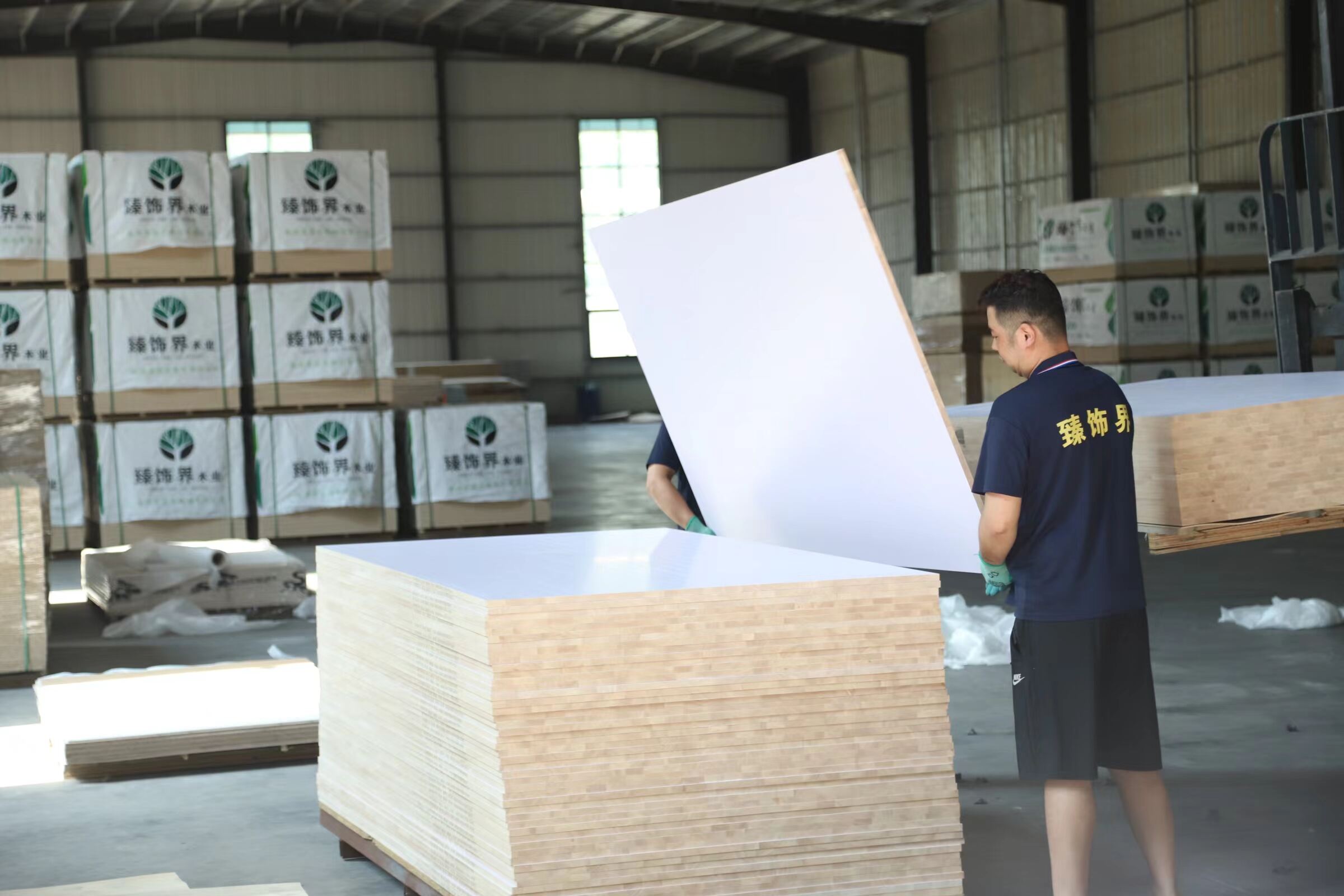
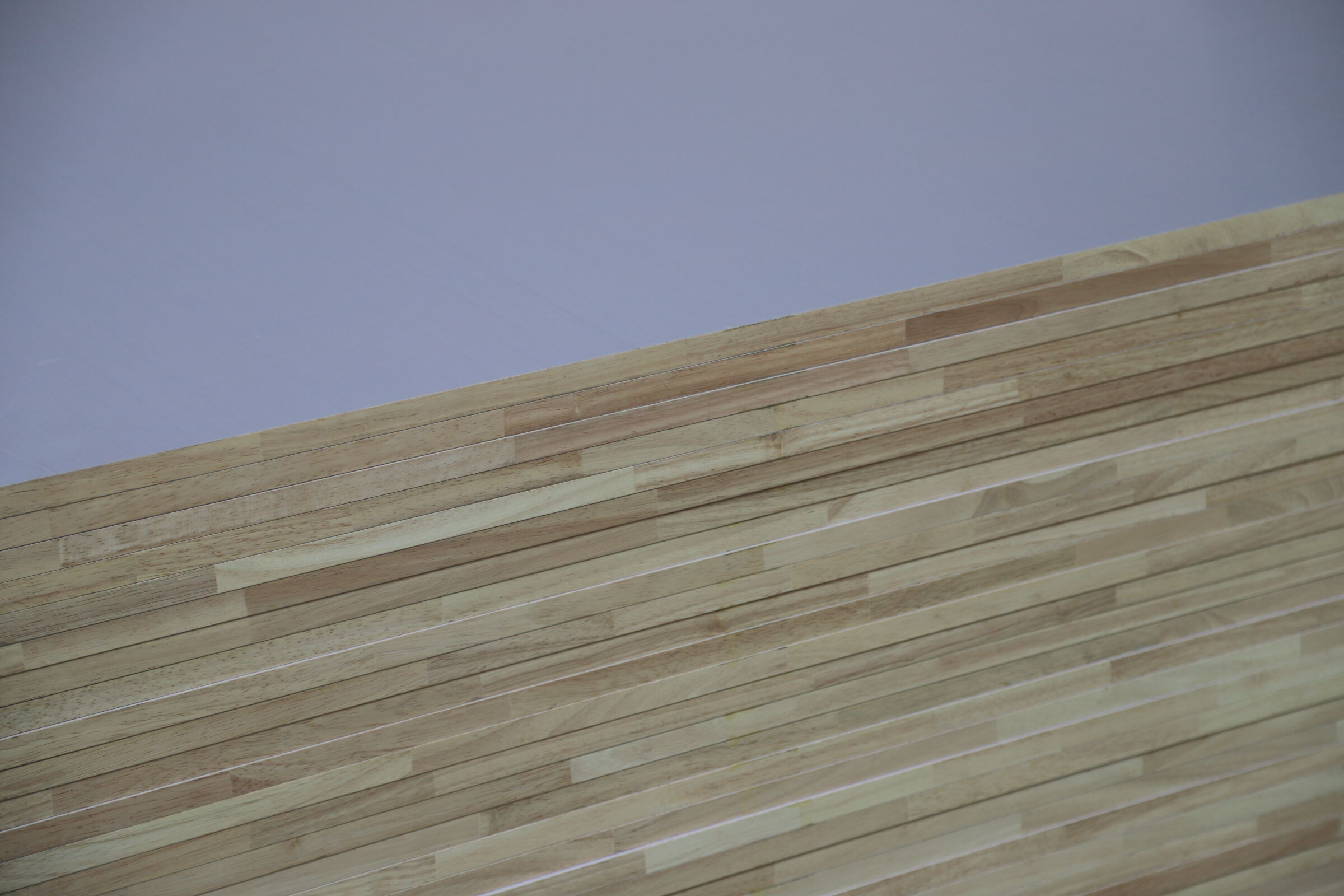
Woodgrain melamine board represents a revolutionary advancement in engineered wood products, combining the natural beauty of wood with the durability and affordability of modern manufacturing techniques. This innovative material consists of a particleboard or medium-density fiberboard core that is covered with a decorative melamine resin surface layer. The melamine coating features realistic woodgrain patterns that closely mimic the appearance of natural wood species, including oak, maple, cherry, walnut, and pine variations. The technological foundation of woodgrain melamine board involves a high-pressure lamination process where decorative papers impregnated with melamine resin are bonded to the substrate under extreme heat and pressure, creating a seamless, durable surface that resists scratches, moisture, and daily wear. The main functions of this versatile material include providing cost-effective alternatives to solid wood for furniture manufacturing, cabinetry construction, architectural millwork, and interior design applications. The board maintains dimensional stability superior to natural wood, eliminating concerns about warping, splitting, or seasonal movement that commonly affect traditional lumber. Manufacturing processes ensure consistent thickness, smooth surfaces, and uniform grain patterns across large production runs, enabling efficient fabrication and installation. The technological features encompass advanced printing techniques that create photorealistic wood textures, antibacterial surface treatments that promote hygiene in commercial settings, and fire-resistant formulations for enhanced safety compliance. Applications span residential and commercial sectors, including kitchen cabinets, bathroom vanities, office furniture, retail fixtures, wall paneling, and decorative architectural elements. The material serves contractors, furniture manufacturers, interior designers, and homeowners seeking authentic wood aesthetics without the maintenance requirements and cost constraints associated with natural timber products.

New Product Releases

Woodgrain melamine board delivers exceptional value through its remarkable cost-effectiveness compared to solid wood alternatives, making premium wood aesthetics accessible for budget-conscious projects without compromising visual appeal or functional performance. The material eliminates the unpredictable pricing fluctuations associated with natural timber markets, providing consistent costs for large-scale productions and enabling accurate project budgeting. Maintenance requirements are minimal, as the melamine surface resists staining, scratching, and moisture penetration, reducing long-term care expenses and extending product lifespan significantly beyond traditional wood options. Installation becomes streamlined through standardized dimensions, consistent quality, and lightweight properties that reduce labor costs and construction timeframes. The boards cut cleanly with standard woodworking tools, accept various fasteners reliably, and maintain structural integrity throughout fabrication processes. Durability characteristics surpass many natural wood species, with surfaces that resist fading, chipping, and everyday abuse while maintaining their original appearance for decades. The melamine coating provides excellent chemical resistance against household cleaners, kitchen spills, and commercial solvents, making it ideal for high-traffic environments and food service applications. Environmental benefits include reduced demand for old-growth forests, efficient utilization of wood waste materials in core construction, and longer replacement cycles that minimize waste generation. The manufacturing process creates consistent grain patterns and colors, eliminating the natural variations that can complicate design coordination in large installations. Quality control measures ensure every sheet meets strict standards for thickness, surface smoothness, and adhesion strength, reducing material waste and installation complications. Versatility extends across multiple applications, from intricate furniture details to large architectural panels, accommodating diverse design requirements with a single material solution. The boards accept various edge treatments, hardware installations, and surface modifications, providing design flexibility while maintaining structural performance. These practical advantages translate into measurable savings in material costs, labor expenses, maintenance requirements, and replacement frequency, delivering superior return on investment for residential and commercial applications.

Practical Tips

What Are The Main Advantages Of Using Particleboard?

01

Mar

What Are The Main Advantages Of Using Particleboard?

Particleboard has emerged as one of the most versatile and cost-effective engineered wood products in modern construction and furniture manufacturing. This composite material, made from wood chips, sawmill shavings, and synthetic resin binders, offer...
View More
Can Particleboard Improve Space-Saving Cabinet Projects?

10

Mar

Can Particleboard Improve Space-Saving Cabinet Projects?

Modern homeowners and designers constantly seek innovative materials that combine affordability, versatility, and functionality for their cabinet projects. Particleboard has emerged as a premier choice for space-saving cabinet designs, offering excep...
View More
What Is Chipboard Particle Board Used For Today?

18

Mar

What Is Chipboard Particle Board Used For Today?

The versatility and cost-effectiveness of chipboard particle board have made it an essential material in modern construction, furniture manufacturing, and interior design applications. This engineered wood product, created from wood chips, sawmill sh...
View More
Is Chipboard Particle Board Good For Interior Projects?

31

Mar

Is Chipboard Particle Board Good For Interior Projects?

When considering materials for interior projects, many homeowners and contractors find themselves evaluating the merits of chipboard particle board as a practical solution. This engineered wood product has gained significant traction in the construct...
View More

Get a Free Quote

Our representative will contact you soon.
Email
Mobile/WhatsApp
Name
Company Name
Message
0/1000

woodgrain melamine board

Superior Durability and Longevity

Superior Durability and Longevity

The exceptional durability of woodgrain melamine board stems from its advanced multilayer construction and specialized melamine resin surface technology, creating a material that significantly outperforms traditional wood products in demanding applications. The melamine surface layer undergoes a complex curing process under high temperature and pressure, forming a cross-linked polymer network that provides outstanding resistance to physical damage, chemical exposure, and environmental stresses. This engineered surface maintains its integrity under conditions that would cause natural wood to deteriorate, including exposure to moisture, temperature fluctuations, and aggressive cleaning agents commonly used in commercial settings. Laboratory testing demonstrates that properly manufactured woodgrain melamine board retains its structural properties and visual appeal for decades longer than comparable solid wood products, translating into substantial long-term value for end users. The durability advantage extends beyond surface performance to include dimensional stability that eliminates the warping, cupping, and splitting problems inherent in natural wood materials. This stability results from the engineered core structure that distributes stress evenly across the panel, preventing localized failures that compromise functionality and appearance. The melamine coating also provides excellent UV resistance, preventing the color fading and surface degradation that affects many wood finishes over time. In high-traffic commercial environments, woodgrain melamine board maintains its appearance and functionality year after year, reducing replacement costs and minimizing business disruptions associated with frequent renovations. The material's resistance to bacterial growth and easy sanitization make it particularly valuable in healthcare, food service, and educational facilities where hygiene requirements are paramount. This combination of physical durability, dimensional stability, and hygienic properties positions woodgrain melamine board as a superior long-term investment that delivers consistent performance throughout its extended service life while maintaining the natural wood aesthetics that enhance any interior design scheme.
Authentic Wood Appearance with Design Flexibility

Authentic Wood Appearance with Design Flexibility

Modern woodgrain melamine board achieves remarkable visual authenticity through sophisticated printing technologies and surface texturing processes that capture the subtle details and natural variations found in premium wood species. Advanced digital imaging and high-resolution printing techniques reproduce the complex grain patterns, color variations, and surface textures that characterize different wood types, creating surfaces that are virtually indistinguishable from natural timber to casual observation. The manufacturing process includes specialized embossing procedures that create tactile textures matching the visual grain patterns, enhancing the realistic appearance through both visual and physical cues that reinforce the wood-like character. This attention to detail extends to the coordination between grain direction, color intensity, and surface relief, ensuring that the finished product maintains consistent authenticity across large installations. Design flexibility reaches exceptional levels through the availability of numerous wood species replications, from traditional oak and maple patterns to exotic species like teak, mahogany, and zebrawood that would be prohibitively expensive in solid form. The manufacturing process enables custom color matching and pattern modifications, allowing designers to achieve specific aesthetic goals while maintaining budget constraints. Unlike natural wood, which exhibits unpredictable grain patterns and color variations that can complicate design coordination, woodgrain melamine board provides consistent appearance characteristics that facilitate precise planning and execution of complex projects. The material accepts various edge treatments, from simple square cuts to sophisticated molded profiles, enabling seamless integration with traditional woodworking techniques and design elements. Surface preparation requirements are minimal compared to natural wood, eliminating the sanding, filling, and finishing steps that add time and cost to traditional wood projects. This combination of authentic appearance, design flexibility, and simplified fabrication processes empowers architects, designers, and craftspeople to realize ambitious design visions while maintaining practical construction timelines and budgets.
Environmental Sustainability and Resource Efficiency

Environmental Sustainability and Resource Efficiency

Woodgrain melamine board represents a significant advancement in sustainable building materials, addressing environmental concerns while delivering superior performance characteristics that reduce resource consumption throughout the product lifecycle. The manufacturing process utilizes recycled wood fibers and agricultural waste materials in the core construction, diverting these materials from landfills while reducing demand for virgin timber resources. This efficient utilization of waste streams contributes to circular economy principles by transforming low-value byproducts into high-performance building materials. The engineered nature of woodgrain melamine board enables optimal material utilization rates during production, minimizing waste generation compared to solid wood processing, which typically yields substantial amounts of unusable material due to natural defects and dimensional constraints. Transportation efficiency improves significantly due to the lightweight properties and standardized dimensions that maximize shipping density, reducing fuel consumption and carbon emissions associated with material distribution. The extended service life of woodgrain melamine board reduces replacement frequency, lowering the environmental impact associated with manufacturing, transportation, and disposal of building materials over time. Unlike natural wood products that require periodic refinishing with chemical treatments, the melamine surface maintains its appearance without additional coatings, eliminating the environmental burden of maintenance chemicals and application processes. The material's resistance to moisture and pest damage eliminates the need for chemical preservatives and treatments that can impact indoor air quality and environmental health. Manufacturing processes increasingly incorporate renewable energy sources and closed-loop water systems, further reducing the environmental footprint of production operations. End-of-life considerations include recyclability options for both the wood fiber core and melamine surface components, supporting sustainable disposal practices. These environmental advantages position woodgrain melamine board as a responsible choice for environmentally conscious builders, designers, and consumers who seek to minimize their ecological impact without compromising performance or aesthetic quality in their projects.

Get a Free Quote

Our representative will contact you soon.
Email
Mobile/WhatsApp
Name
Company Name
Message
0/1000