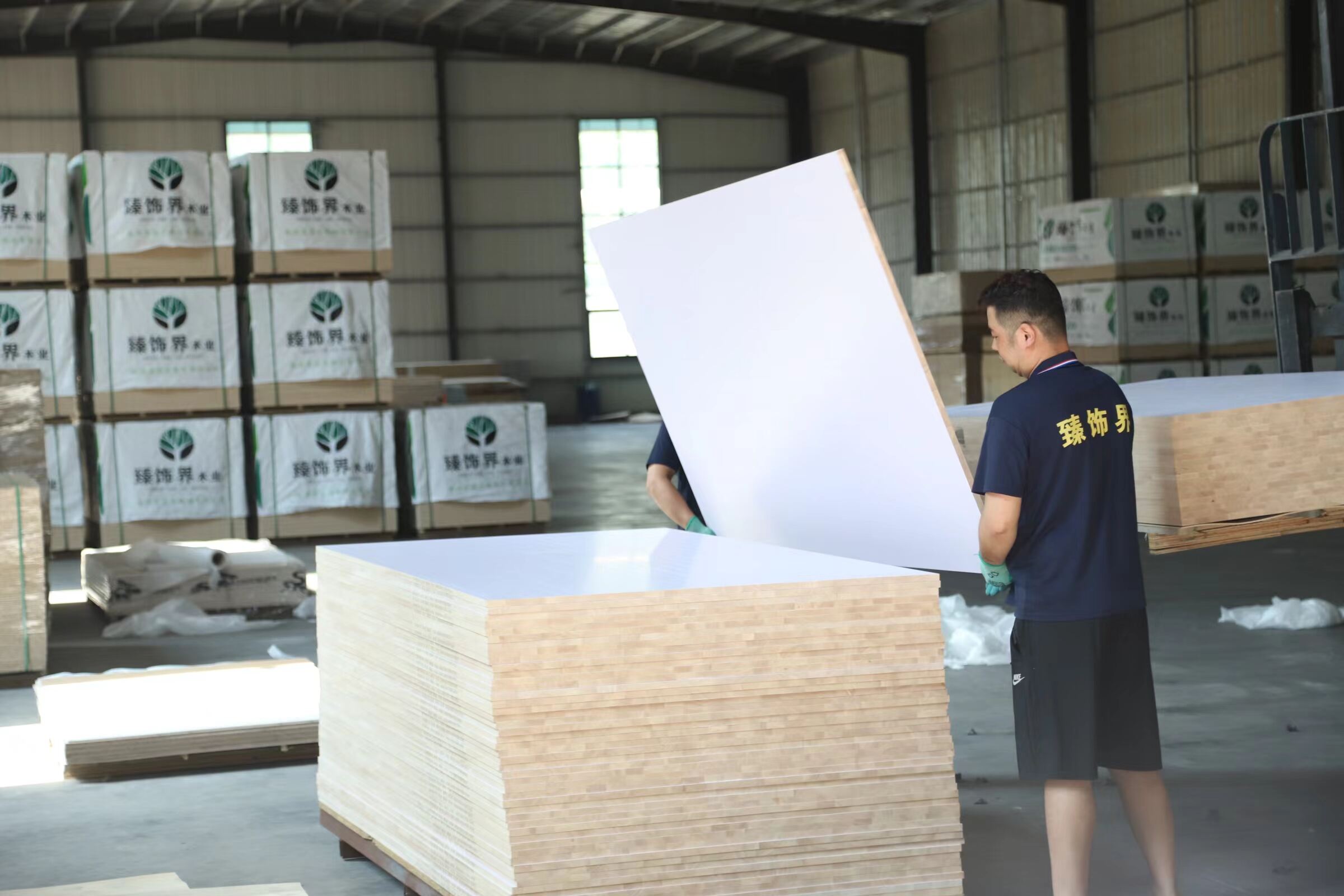
Melamine Faced Particle Board: Durable, Versatile & Eco-Friendly Building Solution

Get a Free Quote

Our representative will contact you soon.
Email
Mobile/WhatsApp
Name
Company Name
Message
0/1000

melamine faced particle board

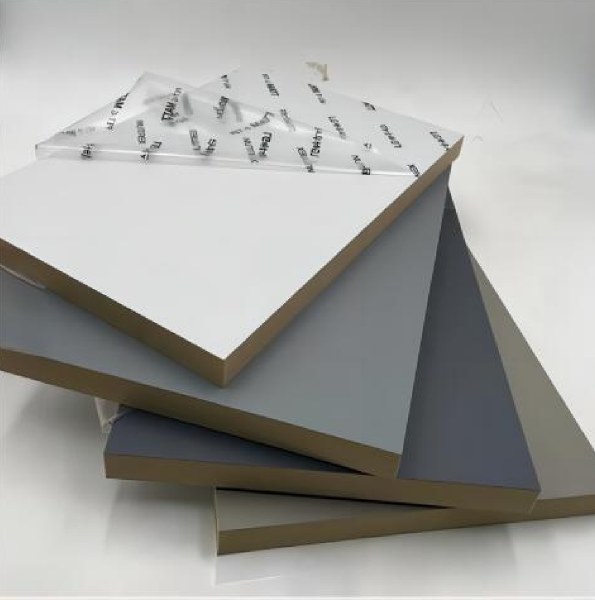
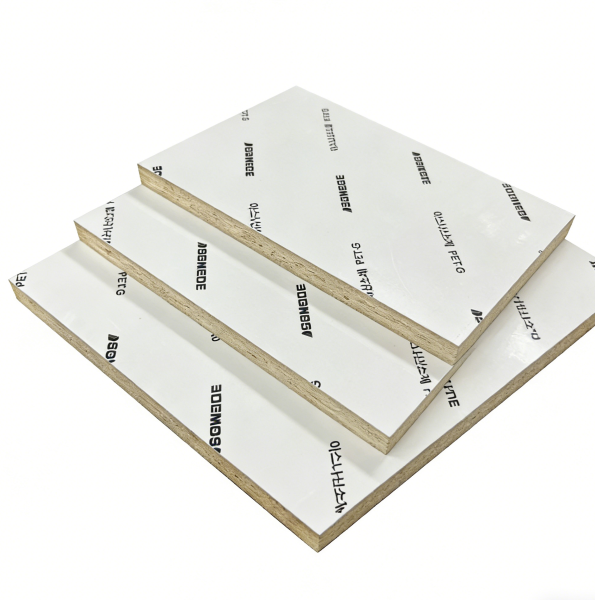
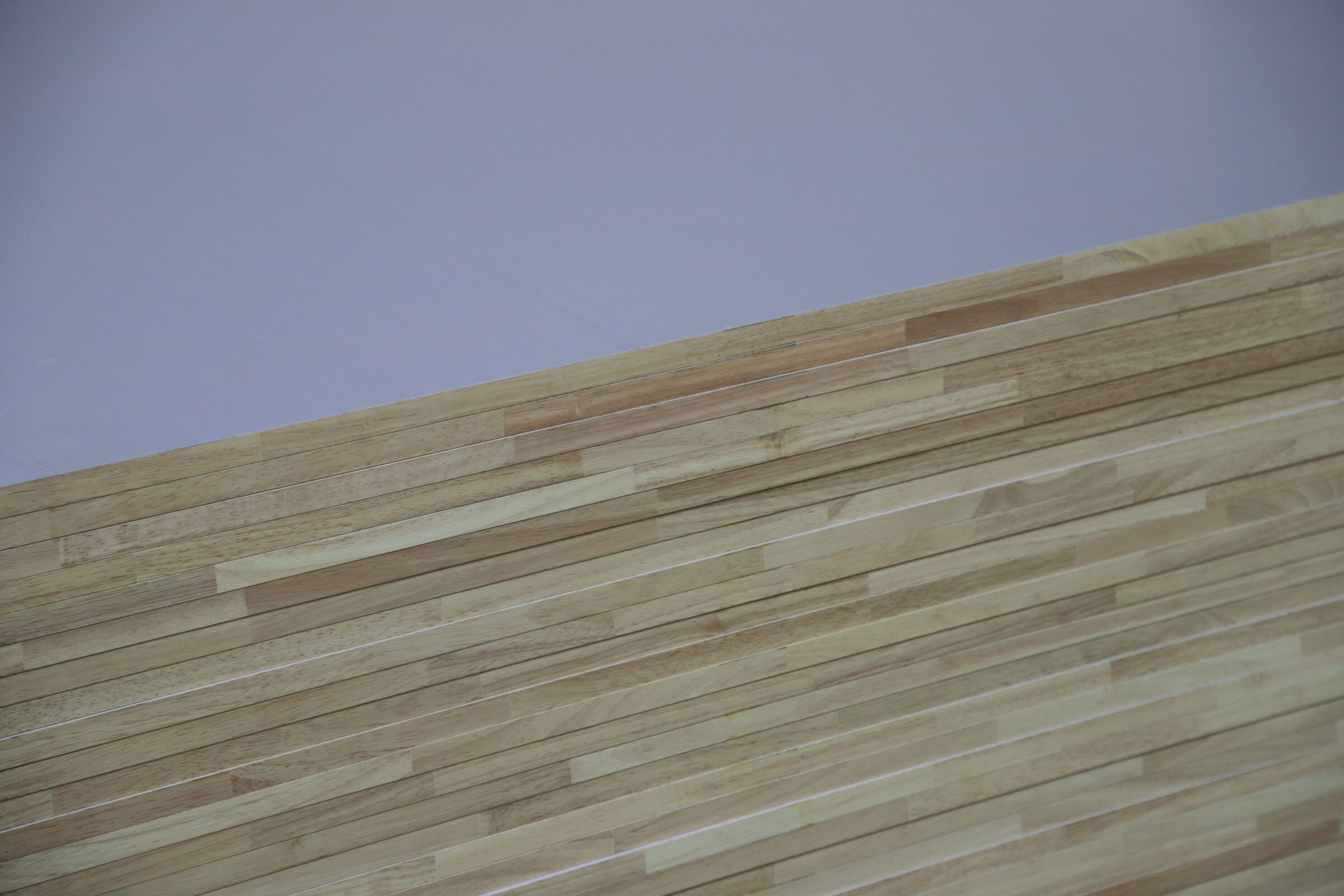
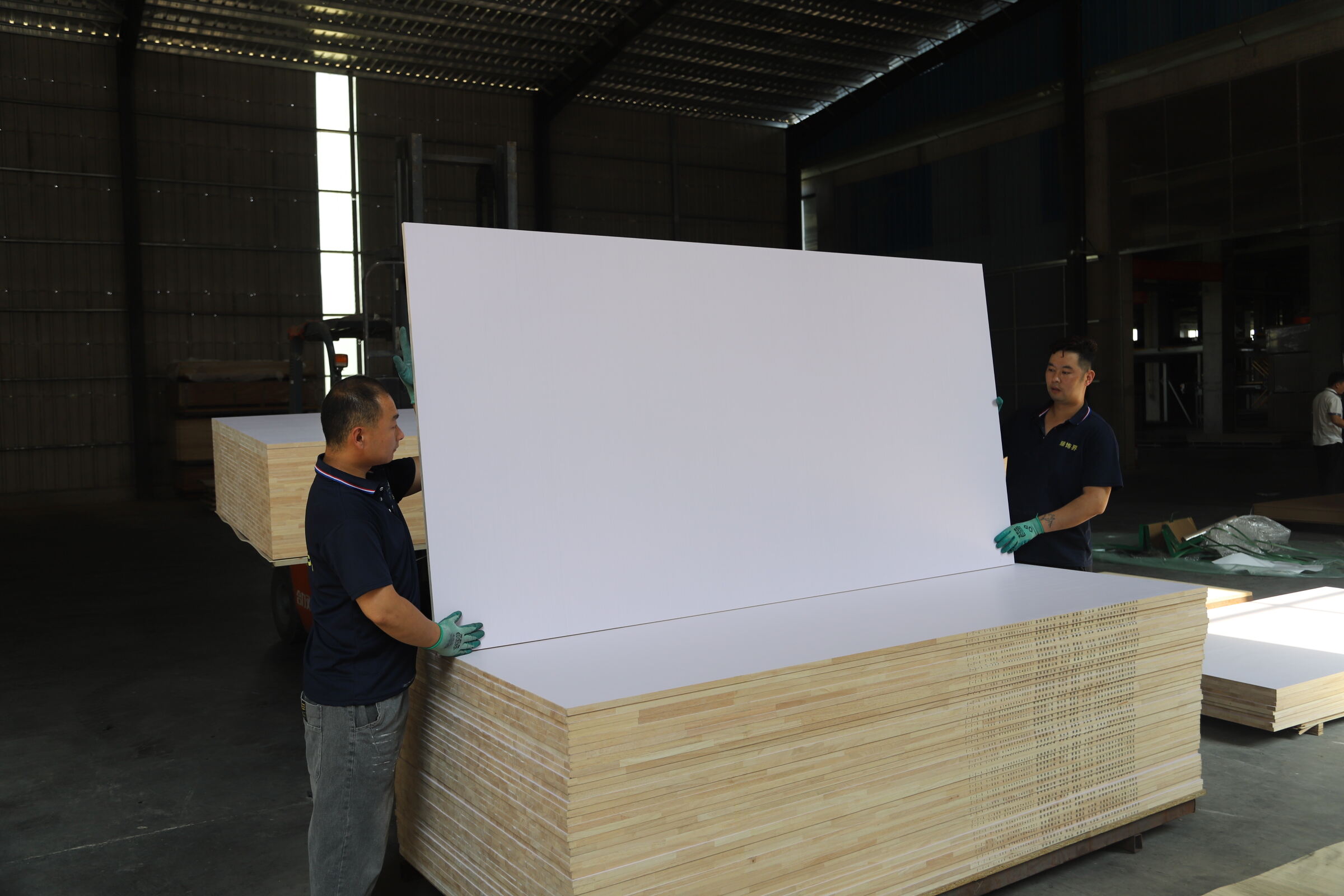
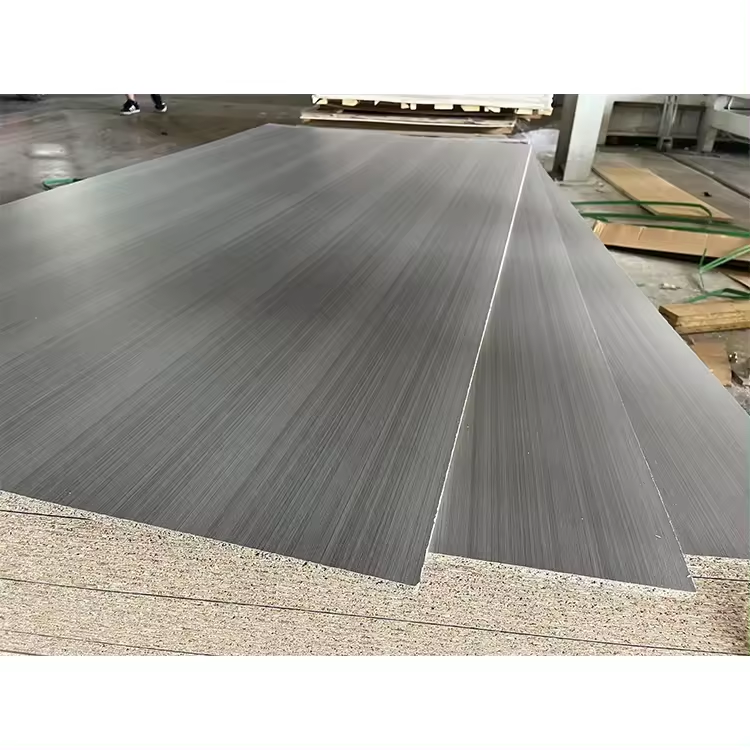
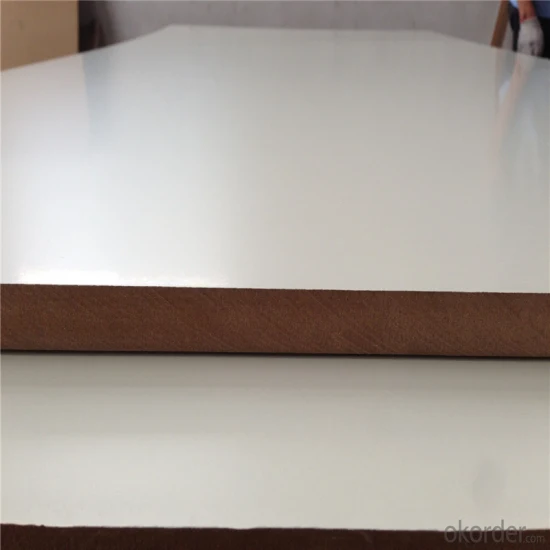
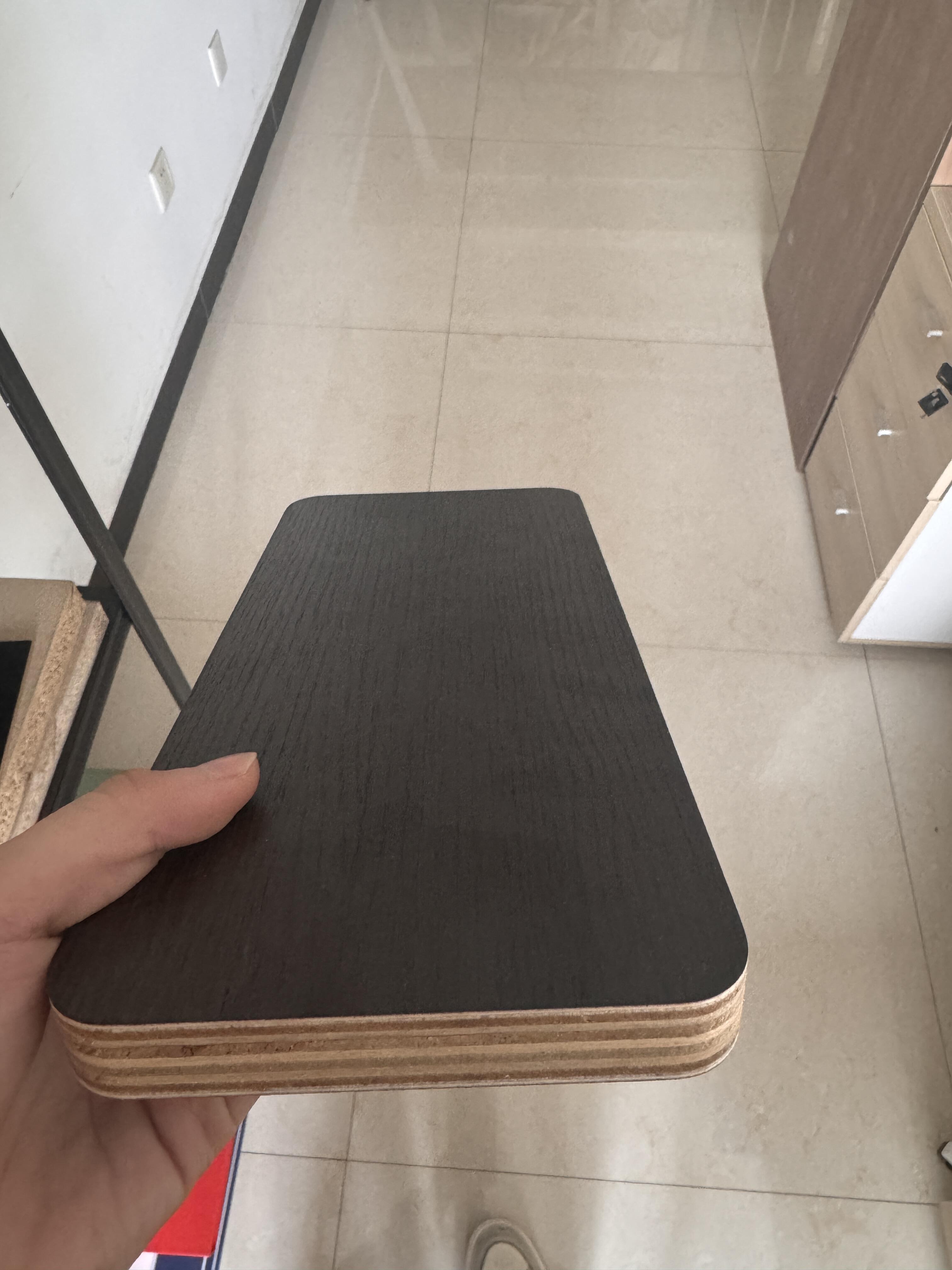
Melamine faced particle board represents a revolutionary engineered wood product that combines the structural integrity of particle board with the aesthetic appeal and protective qualities of melamine resin surfaces. This composite material consists of wood particles, typically sourced from recycled wood fibers and sawmill residues, which are bonded together using specialized adhesives under high pressure and temperature conditions. The resulting core provides exceptional stability and uniform density throughout the panel. The melamine facing involves applying a decorative paper impregnated with melamine formaldehyde resin to one or both sides of the particle board substrate. This process creates a durable, scratch-resistant surface that mimics various wood grains, solid colors, or contemporary patterns. The melamine faced particle board manufacturing process employs advanced pressing techniques that ensure consistent thickness tolerance and superior flatness across large panel dimensions. The technological features include moisture resistance properties, dimensional stability under varying environmental conditions, and excellent screw-holding capacity that makes it ideal for furniture construction and interior applications. The melamine surface provides inherent stain resistance and requires minimal maintenance compared to traditional wood products. This engineered solution offers predictable performance characteristics, eliminating the natural variations found in solid wood materials. The particle board core utilizes efficient raw material usage, making it an environmentally conscious choice for sustainable construction practices. Modern production facilities incorporate quality control systems that monitor density distribution, surface adhesion strength, and formaldehyde emission levels to meet stringent international standards. The melamine faced particle board serves multiple sectors including residential furniture manufacturing, commercial cabinetry, retail fixtures, and architectural millwork applications where consistent appearance and reliable performance are essential requirements.

Popular Products

Melamine faced particle board offers numerous practical benefits that make it an intelligent choice for both manufacturers and end-users seeking reliable building materials. The cost-effectiveness stands out as a primary advantage, delivering substantial savings compared to solid wood or high-end composite alternatives without compromising functional performance. This engineered product provides consistent quality across every panel, eliminating the natural defects, warping tendencies, and grain irregularities commonly found in traditional lumber. The surface durability exceeds expectations, resisting scratches, impacts, and daily wear that would damage conventional wood finishes. Maintenance requirements remain minimal, requiring only simple cleaning with standard household products to maintain appearance and hygiene standards. The melamine faced particle board demonstrates excellent dimensional stability, maintaining its shape and size under varying humidity and temperature conditions that typically cause solid wood to expand, contract, or warp. Installation proves straightforward using standard woodworking tools and fasteners, reducing labor costs and project completion times. The wide variety of available surface designs enables creative flexibility, offering realistic wood grain patterns, contemporary solid colors, and textured finishes that complement diverse design schemes. Environmental benefits include efficient utilization of recycled wood fibers and sawmill waste products, contributing to sustainable forestry practices and reduced landfill burden. The consistent thickness and smooth surfaces facilitate precise machining operations, ensuring tight-fitting joints and professional-quality results in finished projects. Fire resistance properties meet building code requirements for interior applications, providing enhanced safety characteristics. The melamine surface resists moisture penetration better than untreated wood, preventing swelling, delamination, and bacterial growth in humid environments. Manufacturing efficiency benefits from standardized dimensions and predictable working properties, enabling streamlined production processes and reduced material waste. Quality control during production ensures consistent density distribution and surface adhesion, delivering reliable performance across different batches and suppliers.

Tips And Tricks

How Durable Is Particleboard For Interior Applications?

03

Mar

How Durable Is Particleboard For Interior Applications?

When selecting materials for interior applications, understanding the durability characteristics of particleboard becomes essential for making informed decisions. This engineered wood product has gained significant popularity in residential and comme...
View More
Is Particleboard Suitable For Commercial Fit-Out Works?

13

Mar

Is Particleboard Suitable For Commercial Fit-Out Works?

Commercial fit-out projects demand materials that balance cost-effectiveness, durability, and aesthetic appeal. Particleboard has emerged as a versatile solution for various commercial applications, offering contractors and designers a reliable engin...
View More
Is Chipboard Particle Board Good For Interior Projects?

31

Mar

Is Chipboard Particle Board Good For Interior Projects?

When considering materials for interior projects, many homeowners and contractors find themselves evaluating the merits of chipboard particle board as a practical solution. This engineered wood product has gained significant traction in the construct...
View More
What Is Pet Board And Why Is It Eco-Friendly?

03

Apr

What Is Pet Board And Why Is It Eco-Friendly?

Modern furniture manufacturing increasingly demands materials that combine durability, aesthetics, and environmental responsibility. Pet board has emerged as a revolutionary solution that addresses these requirements while offering superior performan...
View More

Get a Free Quote

Our representative will contact you soon.
Email
Mobile/WhatsApp
Name
Company Name
Message
0/1000

melamine faced particle board

Superior Surface Protection and Longevity

Superior Surface Protection and Longevity

The melamine resin surface treatment on particle board creates an exceptional protective barrier that significantly extends product lifespan while maintaining aesthetic appeal throughout years of regular use. This advanced surface technology involves impregnating decorative paper with melamine formaldehyde resin, which undergoes thermal curing to form a crosslinked polymer network that bonds permanently to the substrate. The resulting surface exhibits remarkable resistance to scratching, chipping, and impact damage that commonly affects traditional wood finishes and painted surfaces. Laboratory testing demonstrates that melamine faced particle board withstands repeated abrasion cycles equivalent to decades of normal use without showing visible wear patterns or color degradation. The chemical resistance properties protect against common household substances including cleaning agents, food acids, cosmetics, and beverages that typically stain or damage conventional wood products. This resilience eliminates the need for periodic refinishing treatments, protective coatings, or surface restoration procedures that add ongoing maintenance costs and downtime to traditional wood installations. The melamine surface maintains its original appearance and texture characteristics even in high-traffic commercial environments where frequent cleaning and heavy use are standard requirements. UV stability prevents the fading and discoloration issues that plague many wood species and painted finishes when exposed to natural or artificial lighting over extended periods. The non-porous surface structure prevents moisture absorption and bacterial growth, making melamine faced particle board particularly suitable for kitchen applications, bathroom vanities, and healthcare facilities where hygiene standards are critical. The thermal resistance allows direct contact with warm objects without surface damage or marking, providing practical advantages in food service and hospitality applications. Quality manufacturers ensure consistent surface properties through rigorous testing protocols that verify adhesion strength, chemical resistance, and mechanical durability before products reach the market, giving customers confidence in long-term performance expectations.
Exceptional Design Versatility and Aesthetic Options

Exceptional Design Versatility and Aesthetic Options

Melamine faced particle board delivers unprecedented design flexibility through an extensive range of surface patterns, colors, and textures that enable architects, designers, and manufacturers to achieve virtually any aesthetic vision while maintaining cost-effective production parameters. The digital printing capabilities used in modern melamine surface production create incredibly realistic wood grain reproductions that capture the natural beauty of exotic hardwoods, traditional oak patterns, contemporary bamboo textures, and specialty species without the environmental impact or cost premium associated with harvesting rare timber resources. Advanced embossing techniques synchronize surface texture with printed grain patterns, creating tactile experiences that closely mimic authentic wood surfaces while providing superior durability and consistency. Solid color options span the complete spectrum from classic whites and neutral tones to bold contemporary hues and sophisticated metallic finishes that complement modern interior design trends. The ability to produce custom patterns and colors enables manufacturers to create distinctive product lines and meet specific project requirements that would be impossible or prohibitively expensive using traditional wood materials. Stone and concrete reproductions offer realistic alternatives for applications requiring industrial aesthetics or natural material appearances without the weight, cost, or installation complexity of genuine stone products. Fabric and leather texture options provide unique surface characteristics suitable for high-end furniture applications and specialty architectural elements. The consistent surface quality ensures uniform appearance across large installations where multiple panels must blend seamlessly together, eliminating the color and grain matching challenges inherent in natural wood projects. Anti-fingerprint surfaces and easy-clean technologies incorporated into certain melamine formulations provide additional functional benefits for high-touch applications in retail environments, hospitality settings, and residential kitchens. The ability to coordinate melamine faced particle board surfaces with other building materials and finishes simplifies design coordination and enables cohesive aesthetic themes throughout comprehensive interior projects. Quality control systems ensure color consistency between production batches, enabling reliable material sourcing for large-scale projects with extended timelines.
Environmental Sustainability and Resource Efficiency

Environmental Sustainability and Resource Efficiency

Melamine faced particle board exemplifies modern sustainable manufacturing practices by maximizing the utilization of recycled wood fiber resources while minimizing environmental impact through efficient production processes and extended product lifecycles. The particle board substrate typically contains up to ninety percent recycled wood content sourced from sawmill residues, furniture manufacturing waste, and post-consumer wood products that would otherwise contribute to landfill accumulation or require energy-intensive disposal methods. This resource recovery approach reduces demand for virgin timber harvesting, helping preserve forest ecosystems while creating economic value from waste materials. The manufacturing process achieves exceptional material efficiency by converting small wood particles and fiber into large, uniform panels that maximize yield per unit of raw material input compared to solid wood processing methods that generate substantial waste through trimming and defect removal. Advanced adhesive formulations used in modern melamine faced particle board production meet stringent formaldehyde emission standards, ensuring indoor air quality compliance while maintaining structural integrity and durability requirements. The extended service life of melamine faced particle board reduces replacement frequency compared to traditional wood products that require refinishing, repair, or complete replacement due to wear, damage, or aesthetic deterioration. Energy consumption during manufacturing remains significantly lower than alternatives such as medium-density fiberboard or solid wood processing, contributing to reduced carbon footprint calculations for building projects pursuing environmental certification. The lightweight characteristics of melamine faced particle board reduce transportation energy requirements and handling costs throughout the supply chain while maintaining adequate structural performance for intended applications. Recyclability at the end of service life enables material recovery through specialized recycling facilities that can separate and reprocess both the wood fiber content and melamine components. Local sourcing opportunities reduce transportation distances and support regional economies while minimizing fuel consumption and logistics complexity. The dimensional stability and moisture resistance properties of melamine faced particle board prevent premature failure and replacement needs that waste resources and generate disposal requirements, contributing to sustainable building practices and reduced lifecycle environmental impact.

Get a Free Quote

Our representative will contact you soon.
Email
Mobile/WhatsApp
Name
Company Name
Message
0/1000