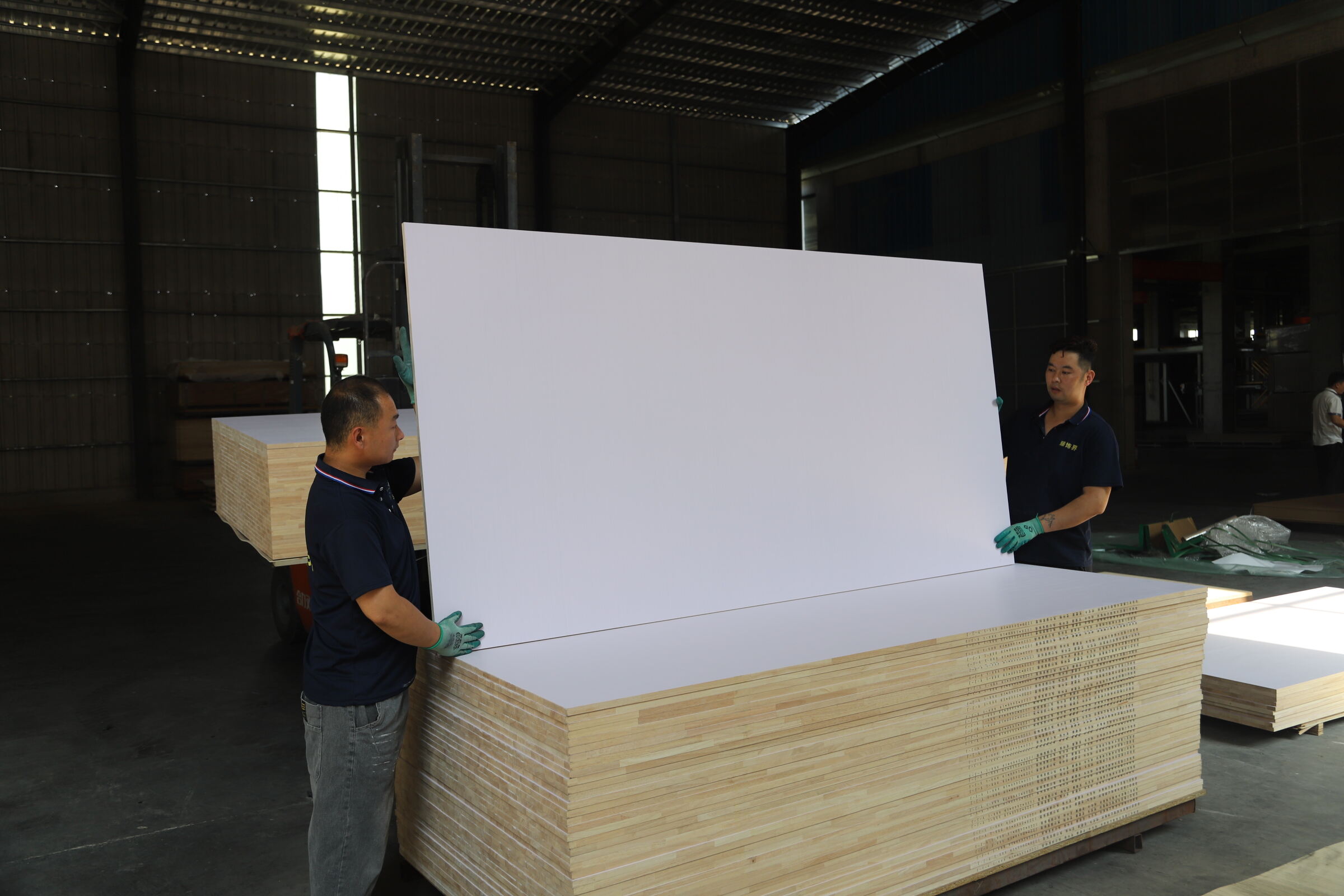
Premium Thin Melamine Wood Sheets - Durable, Versatile & Cost-Effective Solutions

Get a Free Quote

Our representative will contact you soon.
Email
Mobile/WhatsApp
Name
Company Name
Message
0/1000

thin melamine wood sheets

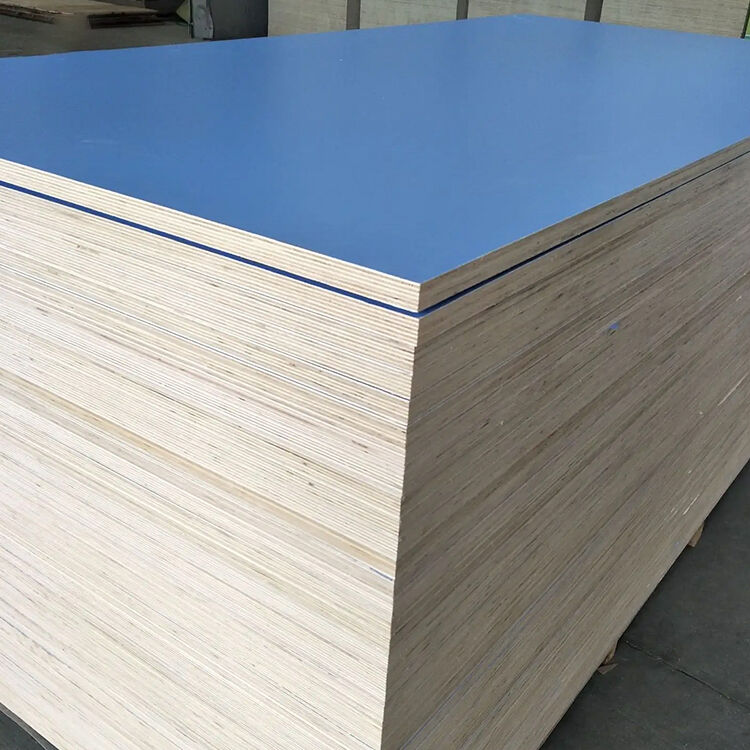
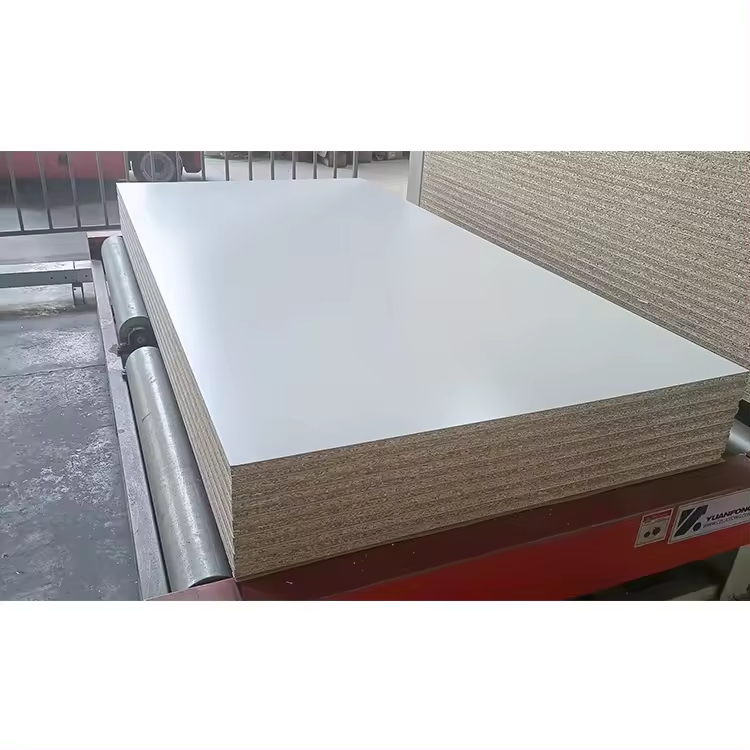
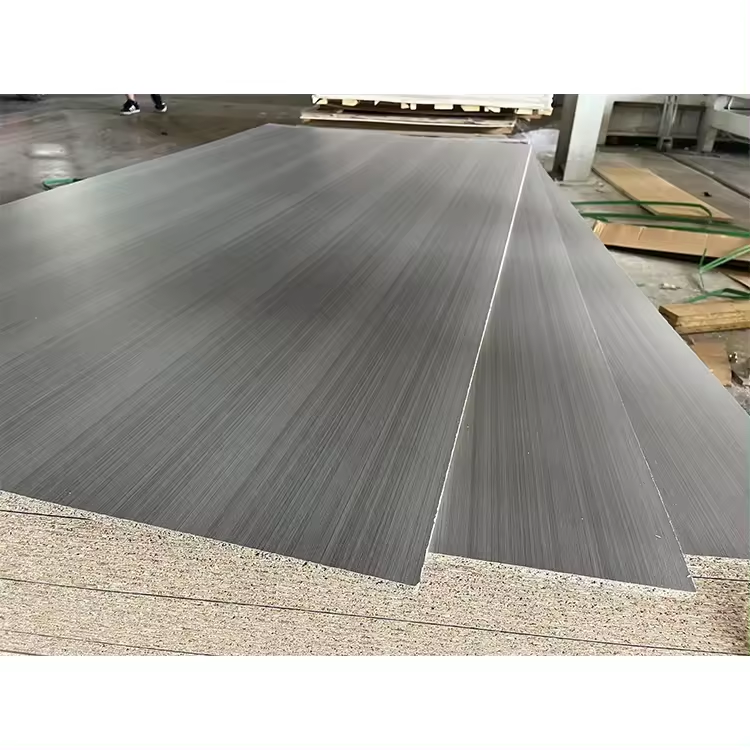
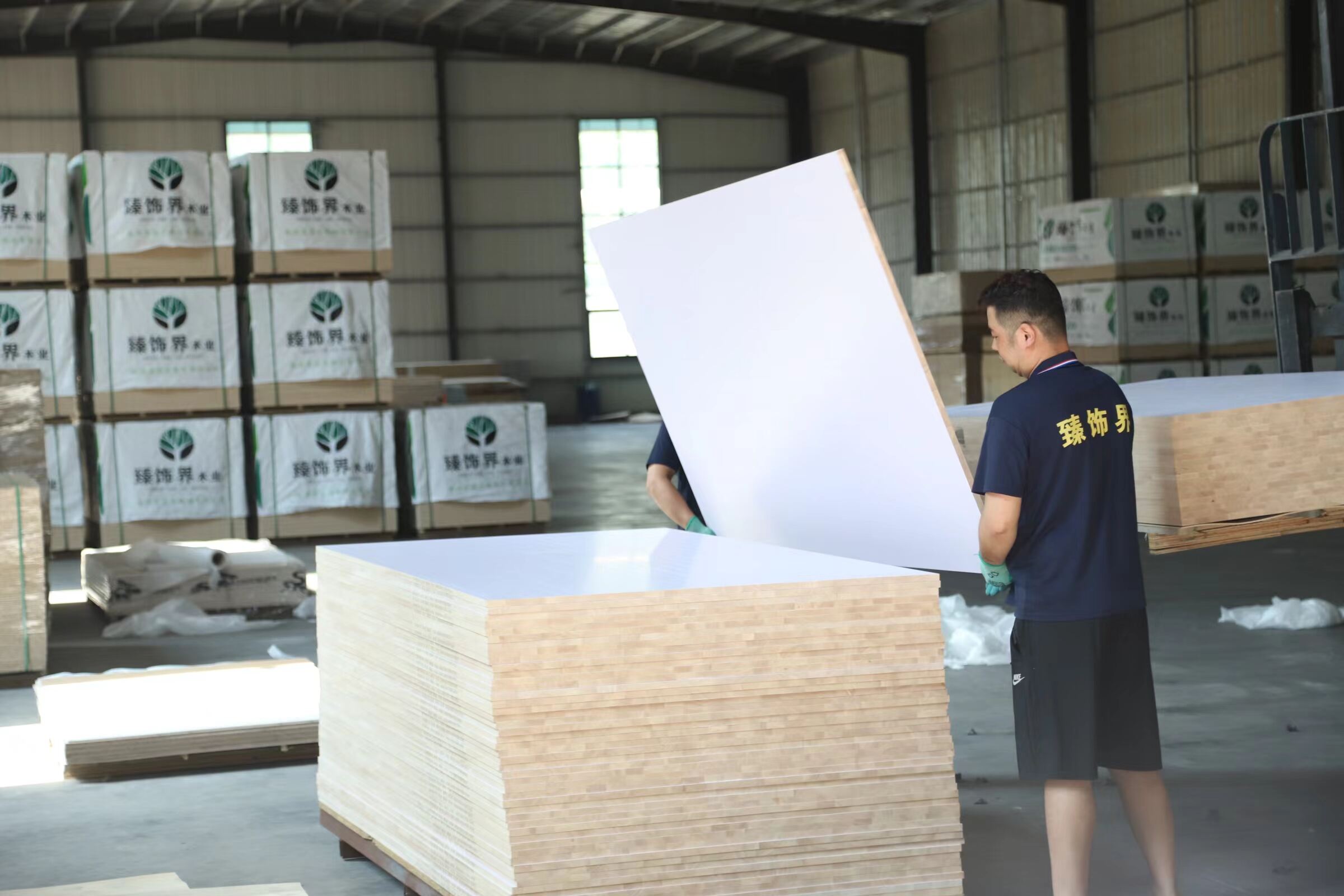
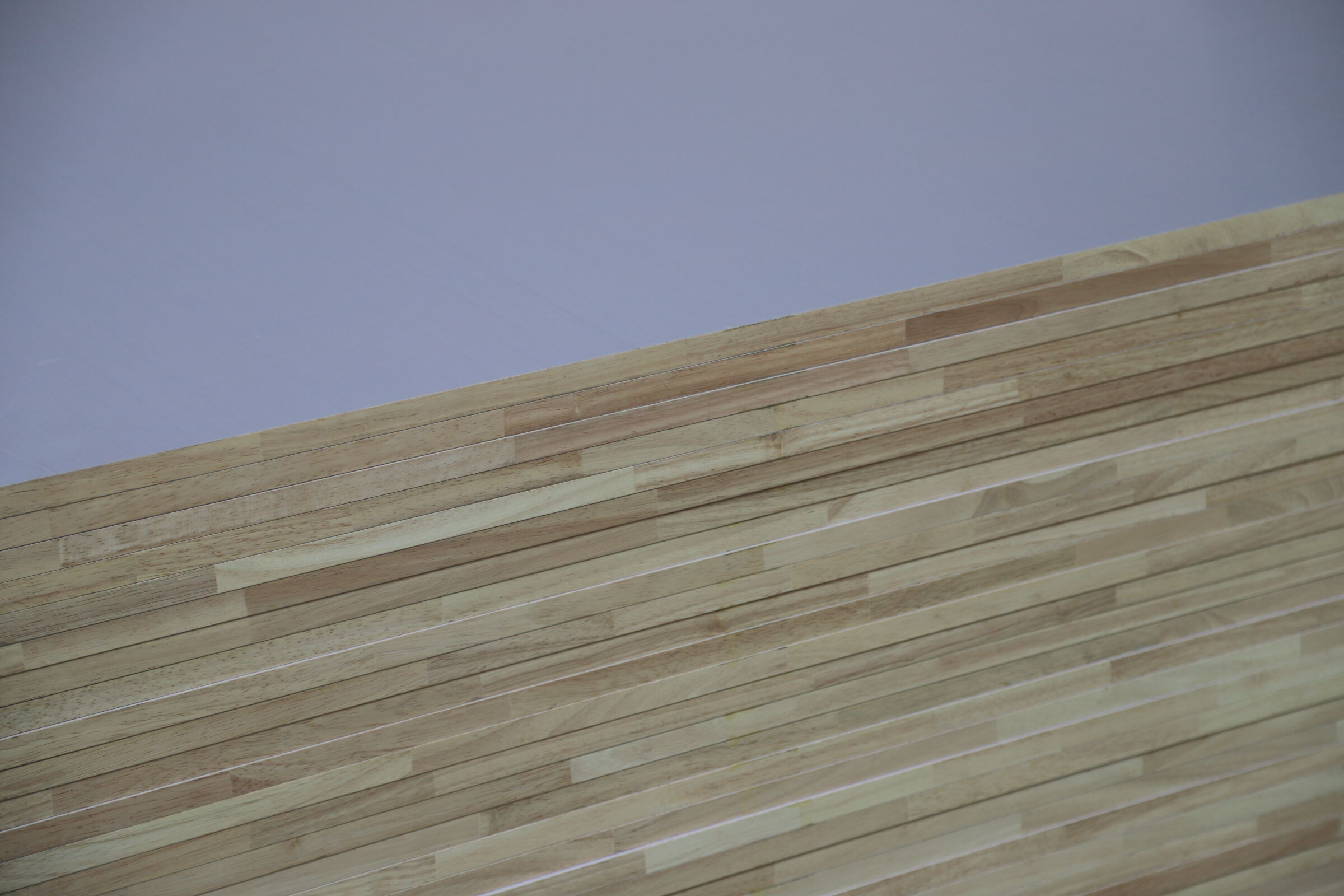
Thin melamine wood sheets represent a revolutionary advancement in engineered wood products, combining the natural beauty of wood substrates with the exceptional durability of melamine resin coating. These innovative materials consist of a wood-based core, typically made from particleboard, MDF, or plywood, which is then bonded with a thin layer of melamine-impregnated decorative paper under high heat and pressure. This manufacturing process creates a surface that mimics various wood grains, solid colors, or contemporary patterns while delivering superior performance characteristics. The technological innovation behind thin melamine wood sheets lies in the thermosetting melamine resin that forms an incredibly hard, non-porous surface when cured. This process transforms ordinary decorative paper into a robust protective layer that resists scratches, stains, moisture, and daily wear. The melamine coating penetrates deeply into the paper fibers, creating a molecular bond that ensures long-lasting adhesion to the substrate. These sheets are available in various thicknesses, typically ranging from 0.6mm to 25mm, making them suitable for diverse applications. The surface textures can range from smooth finishes to deeply embossed wood grains, providing designers and manufacturers with extensive creative possibilities. Advanced printing technologies allow for photorealistic reproduction of premium wood species, marble patterns, fabric textures, and abstract designs. Applications for thin melamine wood sheets span across multiple industries, including furniture manufacturing, architectural millwork, retail fixtures, office systems, and residential cabinetry. In the furniture sector, these materials serve as cost-effective alternatives to solid wood and natural veneers while providing consistent quality and appearance. Kitchen cabinet manufacturers particularly value thin melamine wood sheets for their hygienic properties and ease of maintenance. Educational institutions utilize these materials for classroom furniture due to their durability and chemical resistance. The construction industry incorporates thin melamine wood sheets in wall paneling, decorative elements, and interior architectural features where both aesthetics and functionality are paramount.

New Product Recommendations

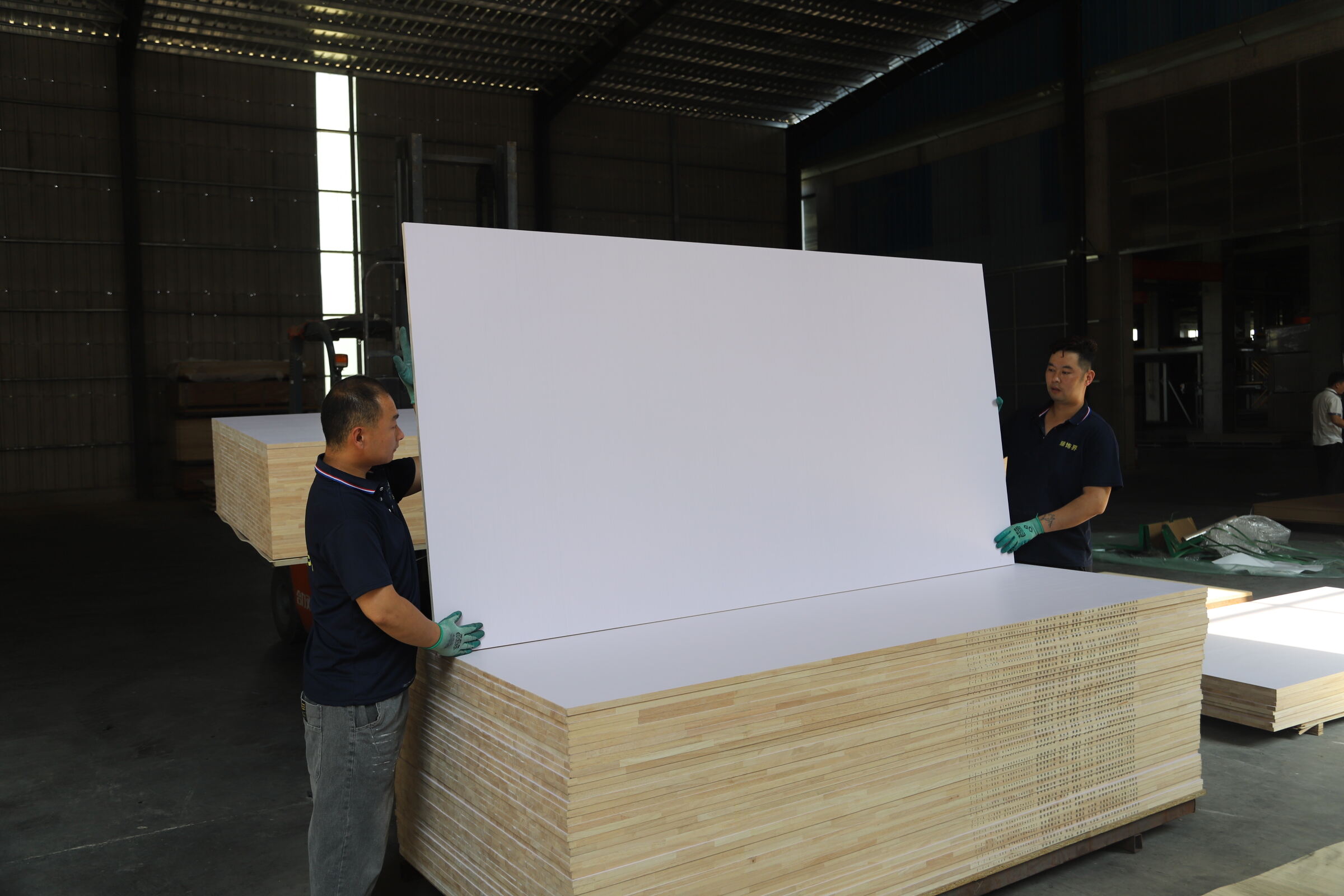
The primary advantage of thin melamine wood sheets lies in their exceptional durability and resistance to common household hazards. Unlike natural wood surfaces that can easily scratch, dent, or stain, melamine-coated surfaces maintain their appearance even under heavy use. This durability translates directly into cost savings for consumers, as furniture and fixtures made with thin melamine wood sheets require minimal maintenance and replacement over their extended lifespan. The non-porous nature of the melamine surface prevents liquid absorption, making cleanup effortless with just soap and water. Spilled coffee, wine, or food substances simply wipe away without leaving permanent marks or requiring special cleaning products. This practical benefit makes thin melamine wood sheets ideal for busy households, commercial environments, and high-traffic areas where maintenance time and costs must be minimized. Cost-effectiveness represents another significant advantage, as thin melamine wood sheets provide the aesthetic appeal of premium materials at a fraction of the price. Manufacturers can achieve the look of exotic hardwoods, expensive veneers, or designer finishes without the associated material costs or supply chain complexities. This affordability enables consumers to access high-quality furniture and architectural elements that would otherwise be financially prohibitive. The consistent quality and appearance of thin melamine wood sheets eliminate the natural variations found in solid wood, ensuring uniform color and grain patterns across large installations. Environmental benefits also distinguish thin melamine wood sheets from solid wood alternatives. The substrate typically consists of recycled wood fibers or fast-growing plantation wood, reducing pressure on old-growth forests. The manufacturing process maximizes material utilization, generating minimal waste compared to traditional wood processing. Additionally, the longevity of melamine-coated products reduces replacement frequency, contributing to overall environmental sustainability. Installation and fabrication advantages make thin melamine wood sheets attractive to manufacturers and contractors. The material cuts cleanly with standard woodworking tools, accepts various hardware attachments, and can be shaped using conventional techniques. The consistent thickness and stability of engineered substrates eliminate warping, splitting, or other defects common in natural wood. This reliability streamlines production processes and reduces material waste during manufacturing. The lightweight nature of thin melamine wood sheets compared to solid wood alternatives reduces shipping costs and simplifies handling during installation. Professional installers appreciate the predictable behavior of these materials, which maintain dimensional stability across varying temperature and humidity conditions.

Tips And Tricks

What Are The Main Advantages Of Using Particleboard?

01

Mar

What Are The Main Advantages Of Using Particleboard?

Particleboard has emerged as one of the most versatile and cost-effective engineered wood products in modern construction and furniture manufacturing. This composite material, made from wood chips, sawmill shavings, and synthetic resin binders, offer...
View More
Is Particleboard Suitable For Commercial Fit-Out Works?

13

Mar

Is Particleboard Suitable For Commercial Fit-Out Works?

Commercial fit-out projects demand materials that balance cost-effectiveness, durability, and aesthetic appeal. Particleboard has emerged as a versatile solution for various commercial applications, offering contractors and designers a reliable engin...
View More
What Is Chipboard Particle Board Used For Today?

18

Mar

What Is Chipboard Particle Board Used For Today?

The versatility and cost-effectiveness of chipboard particle board have made it an essential material in modern construction, furniture manufacturing, and interior design applications. This engineered wood product, created from wood chips, sawmill sh...
View More
Is Chipboard Particle Board Good For Interior Projects?

31

Mar

Is Chipboard Particle Board Good For Interior Projects?

When considering materials for interior projects, many homeowners and contractors find themselves evaluating the merits of chipboard particle board as a practical solution. This engineered wood product has gained significant traction in the construct...
View More

Get a Free Quote

Our representative will contact you soon.
Email
Mobile/WhatsApp
Name
Company Name
Message
0/1000

thin melamine wood sheets

Superior Surface Protection and Maintenance-Free Performance

Superior Surface Protection and Maintenance-Free Performance

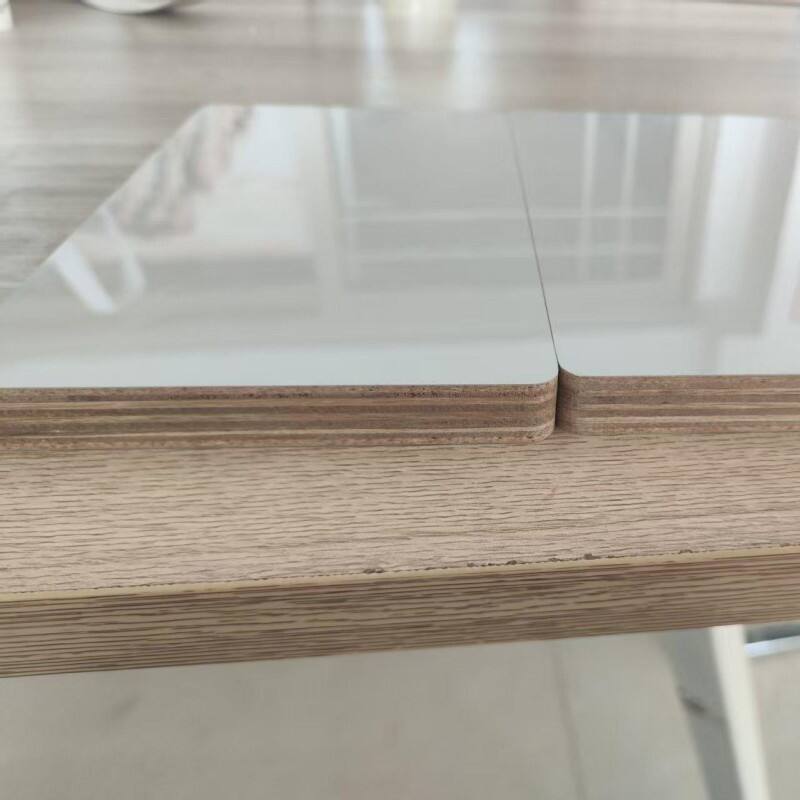
The advanced melamine resin technology incorporated into thin melamine wood sheets creates an exceptionally hard and resilient surface that fundamentally transforms how we think about wood-based materials. This innovative coating system begins with decorative paper that has been impregnated with melamine formaldehyde resin, which undergoes a sophisticated curing process under precisely controlled temperature and pressure conditions. The result is a cross-linked polymer network that forms an impermeable barrier protecting the underlying wood substrate from moisture, chemicals, abrasion, and impact damage. This technological achievement means that furniture, cabinetry, and architectural elements manufactured with thin melamine wood sheets can withstand decades of heavy use without showing signs of wear or deterioration. The molecular structure of cured melamine resin creates a surface hardness that rivals ceramic materials while maintaining the workability and appearance of traditional wood products. For end users, this translates into furniture that looks new even after years of daily use, eliminating the need for refinishing, resealing, or protective treatments that natural wood requires. The non-porous characteristics of melamine surfaces prevent bacteria and mold growth, making these materials particularly valuable in healthcare facilities, food service environments, and residential kitchens where hygiene is paramount. Unlike painted or lacquered surfaces that can chip or peel over time, the melamine coating becomes an integral part of the substrate, ensuring consistent performance throughout the product's lifecycle. The maintenance requirements for thin melamine wood sheets are minimal, requiring only periodic cleaning with standard household cleaners. This practical advantage saves consumers both time and money while ensuring their investments maintain their aesthetic appeal and functional performance. Professional cleaners report that melamine surfaces respond well to routine maintenance protocols, making them ideal for commercial applications where appearance and cleanliness standards must be consistently maintained. The chemical resistance of melamine coatings protects against common household substances including oils, acids, solvents, and cleaning chemicals that would damage traditional wood finishes. This comprehensive protection system makes thin melamine wood sheets an intelligent choice for anyone seeking long-term value and minimal maintenance requirements.
Unlimited Design Possibilities with Consistent Quality

Unlimited Design Possibilities with Consistent Quality

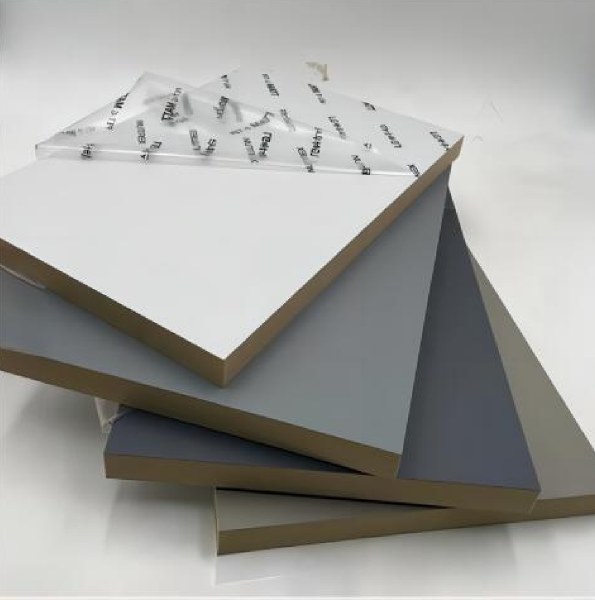
The design flexibility offered by thin melamine wood sheets opens unprecedented creative possibilities for architects, designers, and manufacturers seeking to achieve specific aesthetic goals without the limitations and inconsistencies of natural materials. Advanced digital printing technologies combined with sophisticated embossing techniques allow manufacturers to reproduce virtually any surface texture, color pattern, or decorative design with photographic accuracy. This technological capability means that thin melamine wood sheets can authentically replicate rare wood species, expensive stone surfaces, fabric textures, metal finishes, and contemporary abstract patterns that would be impossible or prohibitively expensive to achieve through traditional methods. The consistency of manufactured thin melamine wood sheets eliminates the natural variations in grain pattern, color tone, and surface texture that characterize solid wood products. While these natural variations have their own appeal, many applications require uniform appearance across large installations, and thin melamine wood sheets deliver this consistency perfectly. Architectural projects, retail environments, and office installations benefit enormously from this predictability, as designers can specify exact colors and patterns knowing that the finished installation will match their vision precisely. The substrate options for thin melamine wood sheets provide additional design flexibility, with different core materials offering specific performance characteristics. Medium-density fiberboard substrates provide smooth surfaces ideal for intricate patterns and fine details, while particleboard cores offer cost-effective solutions for large-scale applications. Plywood substrates deliver superior structural strength for applications requiring enhanced load-bearing capacity or screw-holding power. Color matching capabilities in melamine systems allow for seamless integration with existing design elements, corporate branding requirements, or specific aesthetic themes. Custom colors and patterns can be developed to meet unique project specifications, giving designers complete creative control over their material palette. The digital printing process used in manufacturing thin melamine wood sheets ensures color accuracy and repeatability across production runs, eliminating the batch variations common in traditional finishing processes. Surface texture options range from high-gloss smooth finishes perfect for contemporary applications to deeply embossed wood grains that provide tactile authenticity. These texture variations interact with lighting to create visual depth and interest while maintaining the practical benefits of melamine protection. The combination of unlimited design possibilities with guaranteed quality consistency makes thin melamine wood sheets an invaluable resource for creating distinctive environments that perform reliably over time.
Environmental Sustainability and Resource Efficiency

Environmental Sustainability and Resource Efficiency

The environmental advantages of thin melamine wood sheets represent a significant step forward in sustainable manufacturing practices, addressing growing concerns about forest conservation, waste reduction, and product longevity. The substrate materials used in thin melamine wood sheets typically consist of recycled wood fibers, agricultural waste products, or wood from sustainably managed plantation forests, dramatically reducing the demand for old-growth timber harvesting. This approach allows manufacturers to create beautiful, functional products while preserving natural forest ecosystems and protecting biodiversity. The manufacturing efficiency of thin melamine wood sheets maximizes the utilization of available wood resources through engineered processes that transform smaller pieces and lower-grade materials into high-quality finished products. Traditional solid wood processing often results in significant waste as lumber is cut to size and defects are removed, but engineered wood substrates incorporate virtually all available fiber content. The melamine coating process adds minimal material thickness while dramatically extending product lifespan, creating an exceptional ratio of performance enhancement to resource consumption. This efficiency translates into reduced environmental impact across the entire product lifecycle, from raw material extraction through manufacturing, transportation, and end-use phases. The longevity of thin melamine wood sheets contributes significantly to environmental sustainability by reducing replacement frequency and associated resource consumption. Products manufactured with these materials often remain functional and attractive for decades, eliminating the recurring environmental costs of manufacturing, transporting, and installing replacement items. This extended service life makes thin melamine wood sheets particularly valuable in applications where frequent updates would otherwise be necessary due to wear or appearance degradation. Energy efficiency in manufacturing represents another environmental advantage, as the production of thin melamine wood sheets requires less energy than traditional solid wood processing, metal fabrication, or ceramic manufacturing. The relatively low processing temperatures and streamlined production methods minimize carbon emissions while maximizing output efficiency. Transportation benefits arise from the lightweight nature of thin melamine wood sheets compared to solid wood alternatives, reducing fuel consumption and associated emissions during shipping and distribution. The recyclability of wood-based substrates ensures that products reaching end-of-life can be processed into new engineered wood products, creating a circular economy approach to material utilization. Many manufacturers now incorporate recycled content from construction waste, furniture manufacturing scraps, and post-consumer wood products, further enhancing the environmental benefits. The chemical stability of melamine coatings prevents the release of harmful substances during normal use, ensuring indoor air quality remains uncompromised throughout the product's service life.

Get a Free Quote

Our representative will contact you soon.
Email
Mobile/WhatsApp
Name
Company Name
Message
0/1000