Versatile Design Flexibility and Processing Advantages
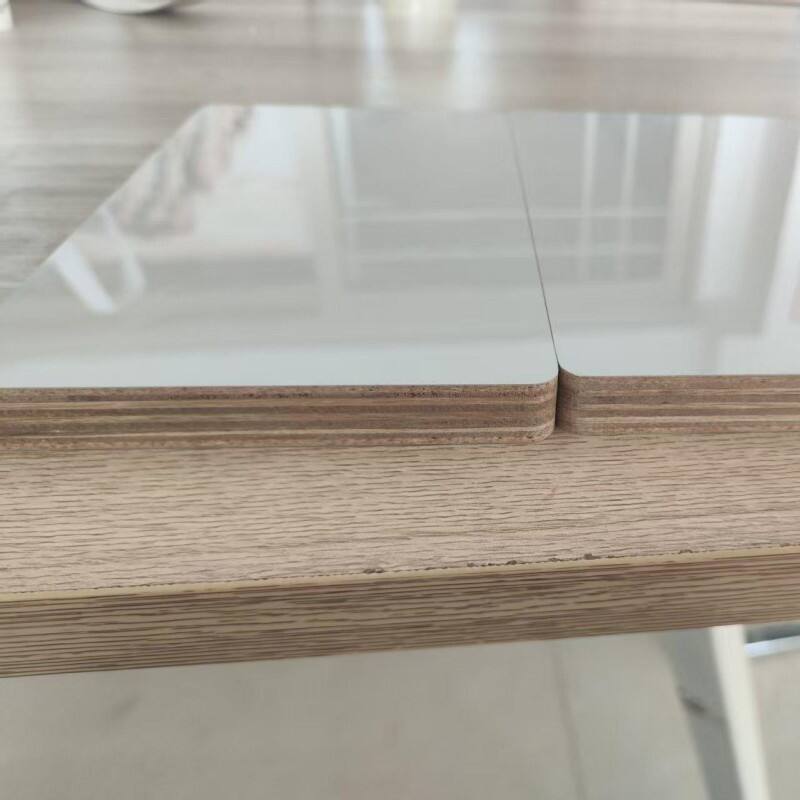
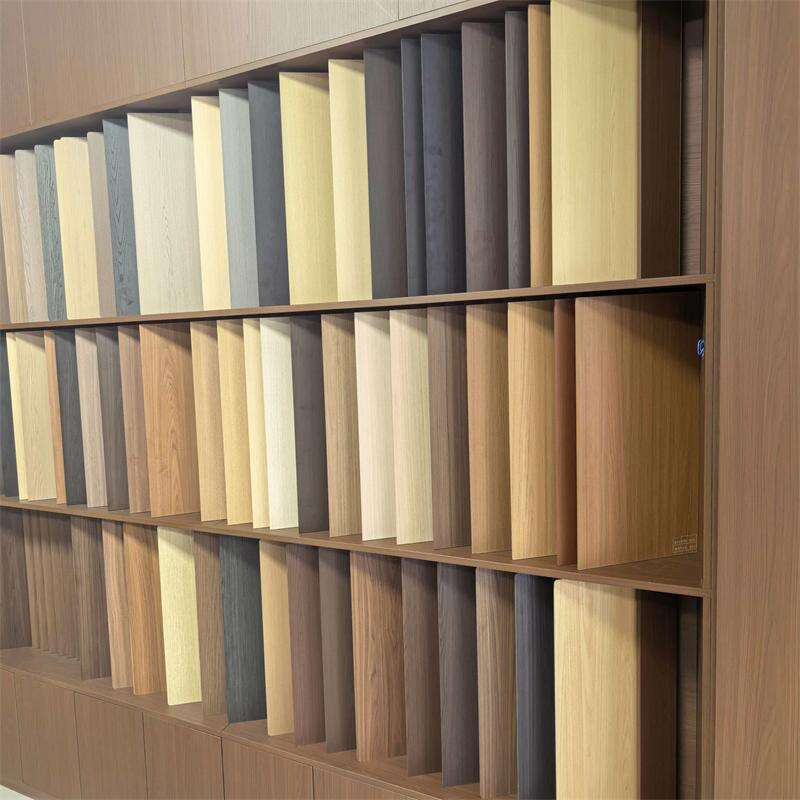
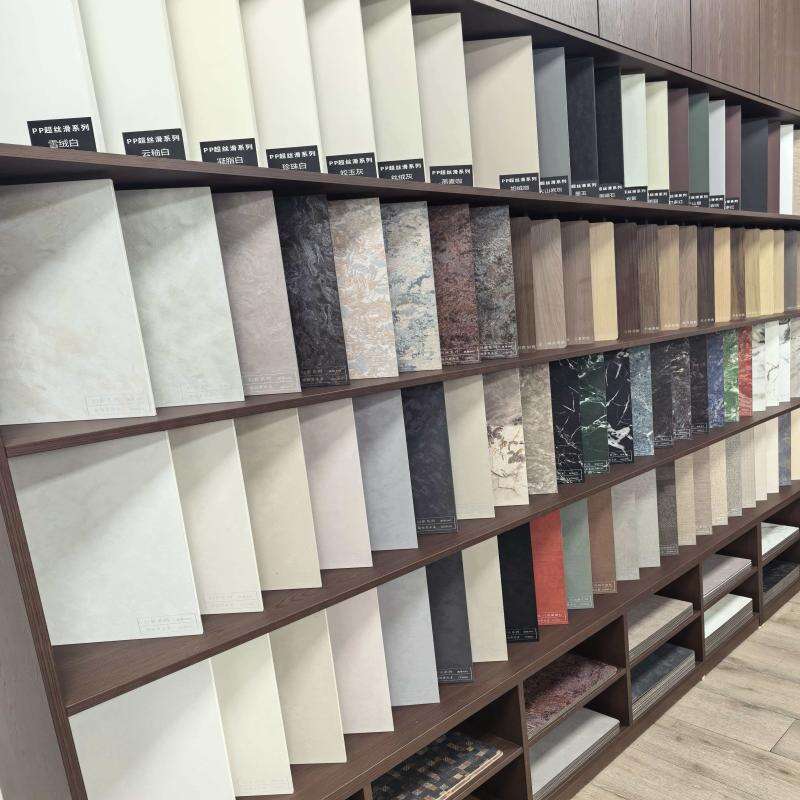
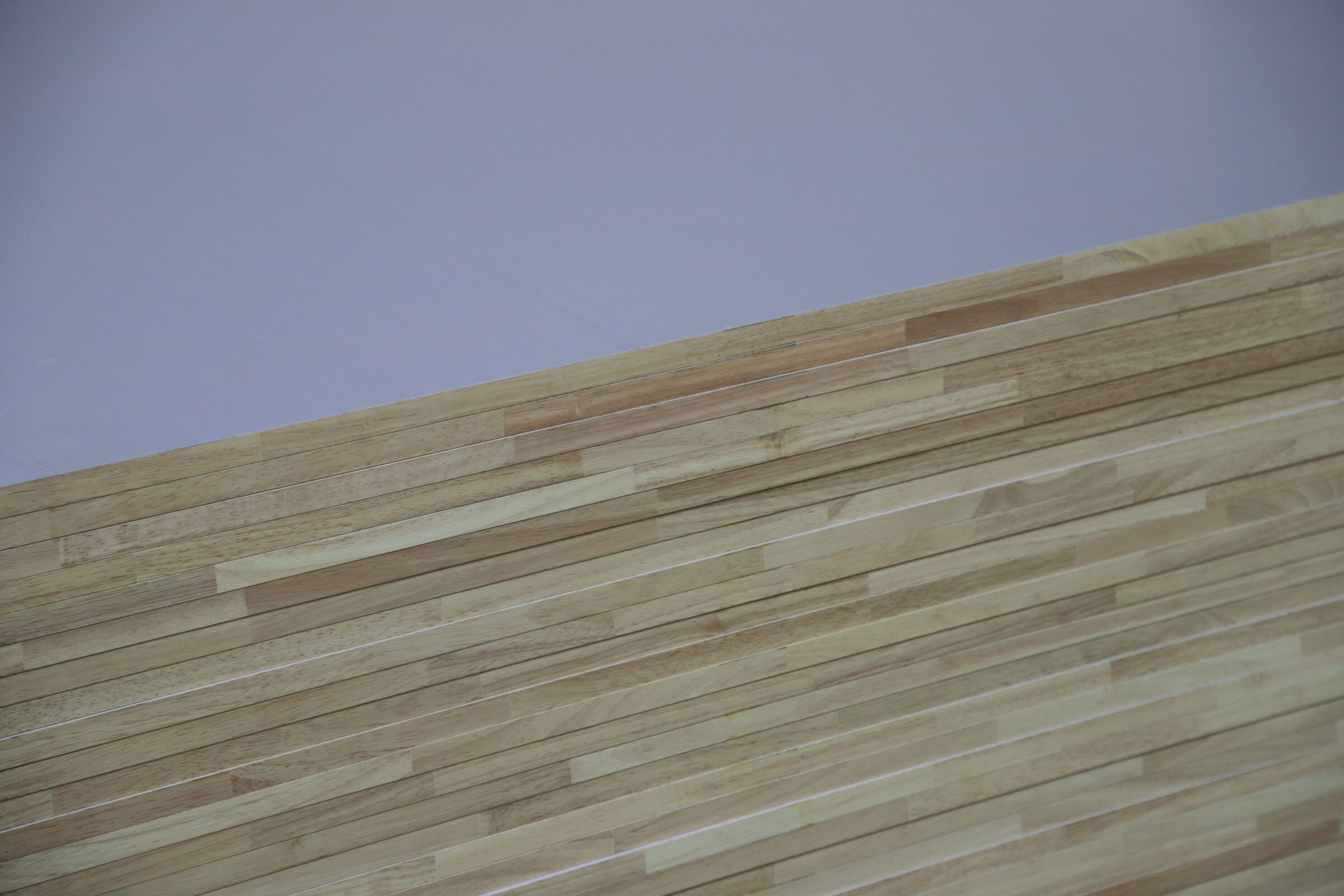
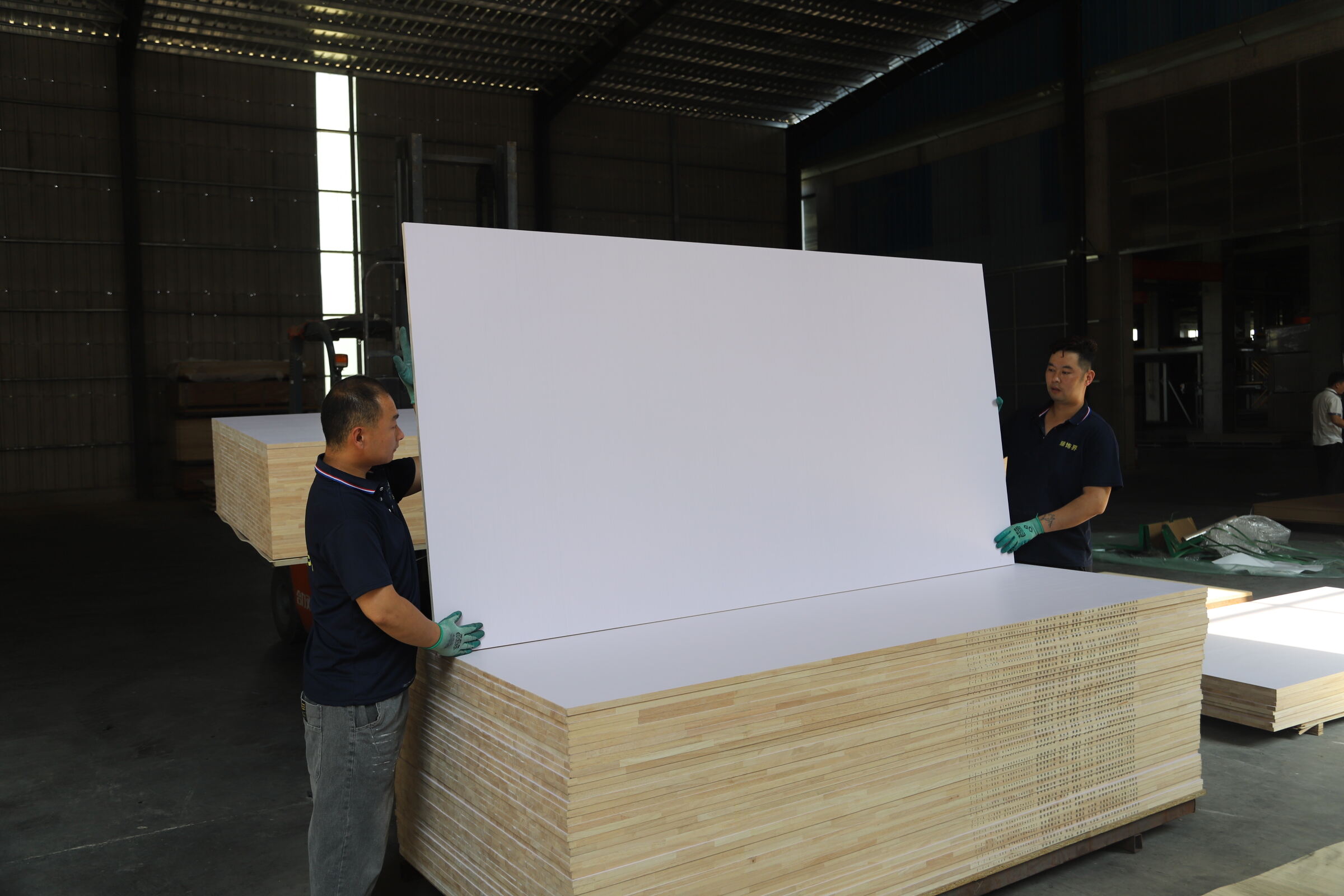
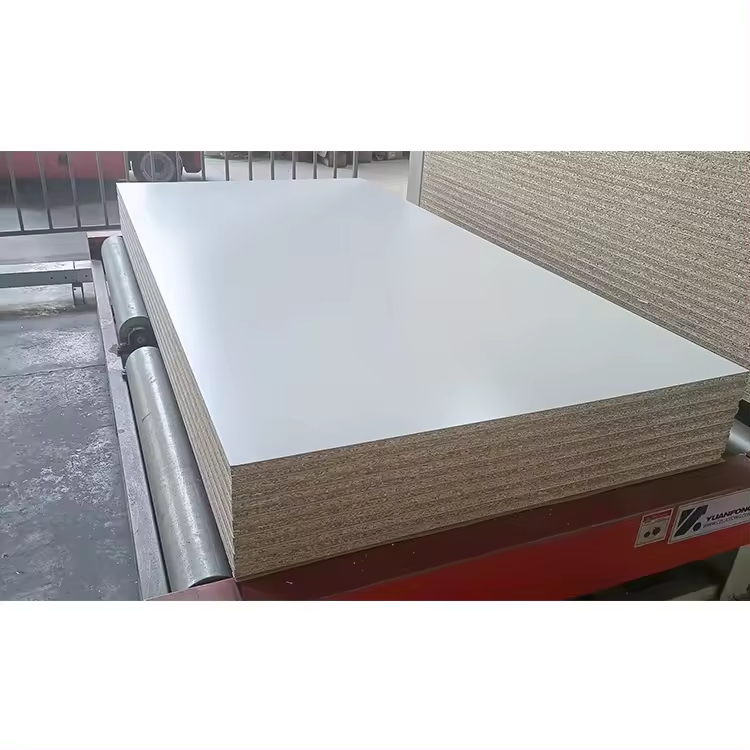
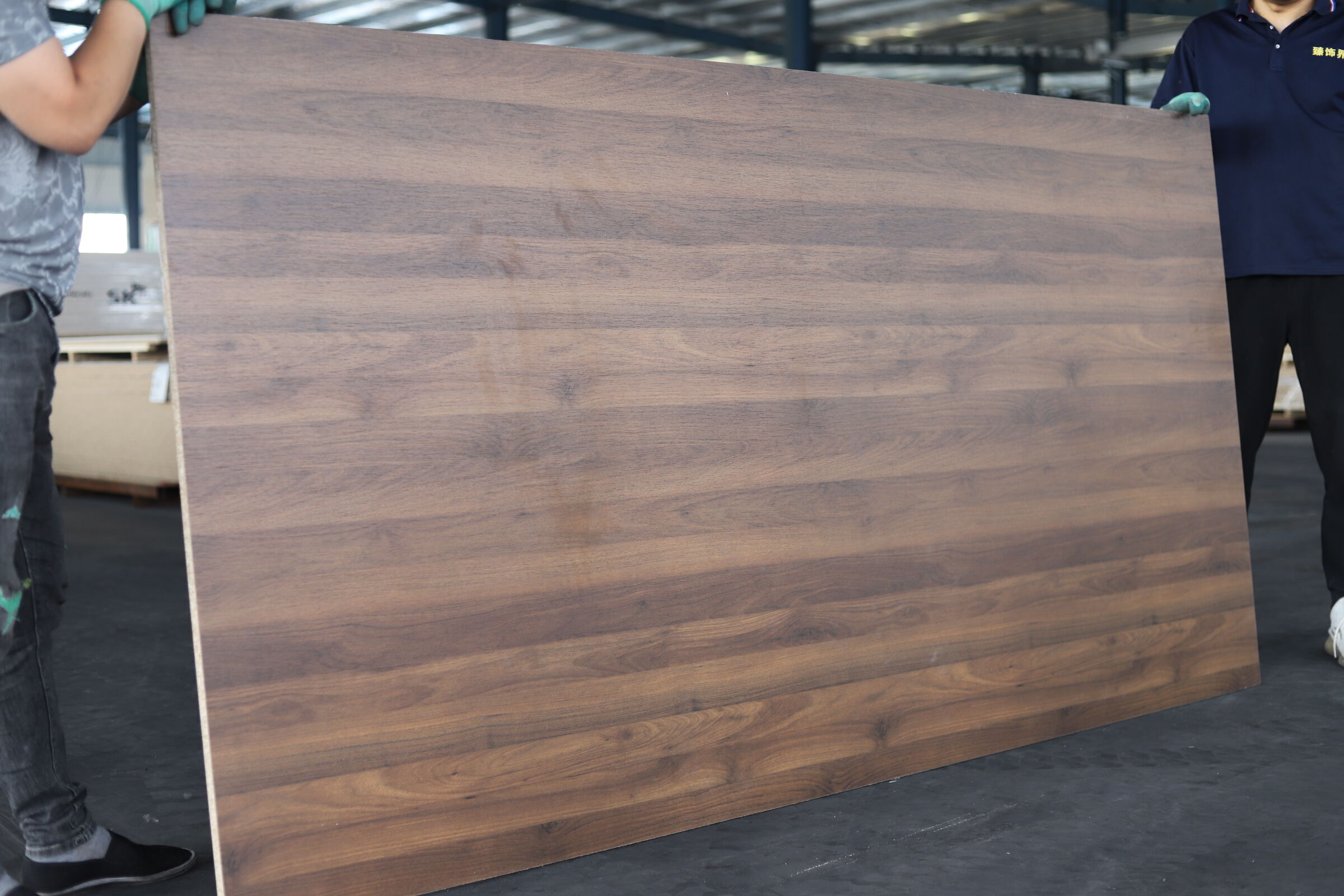
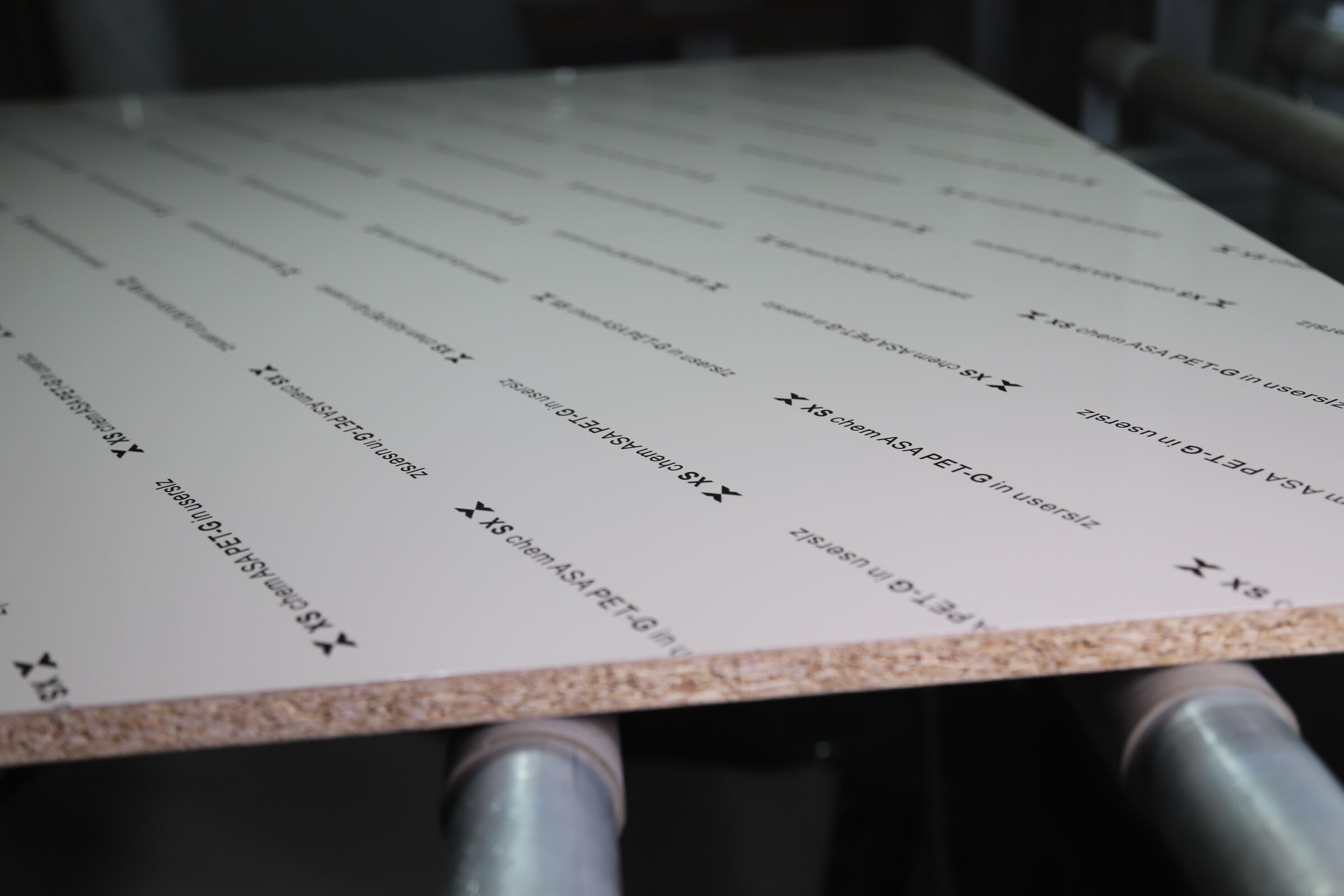
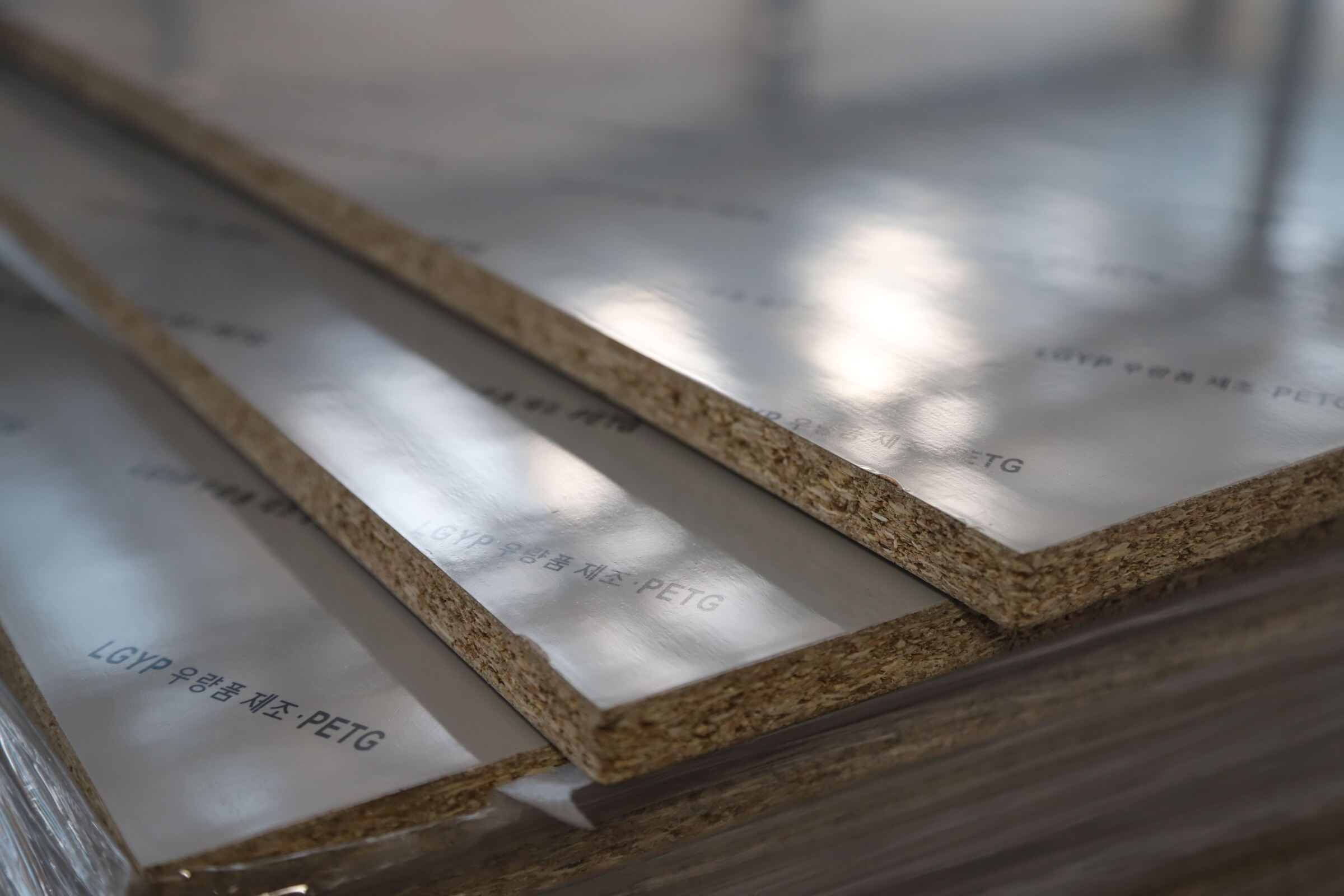
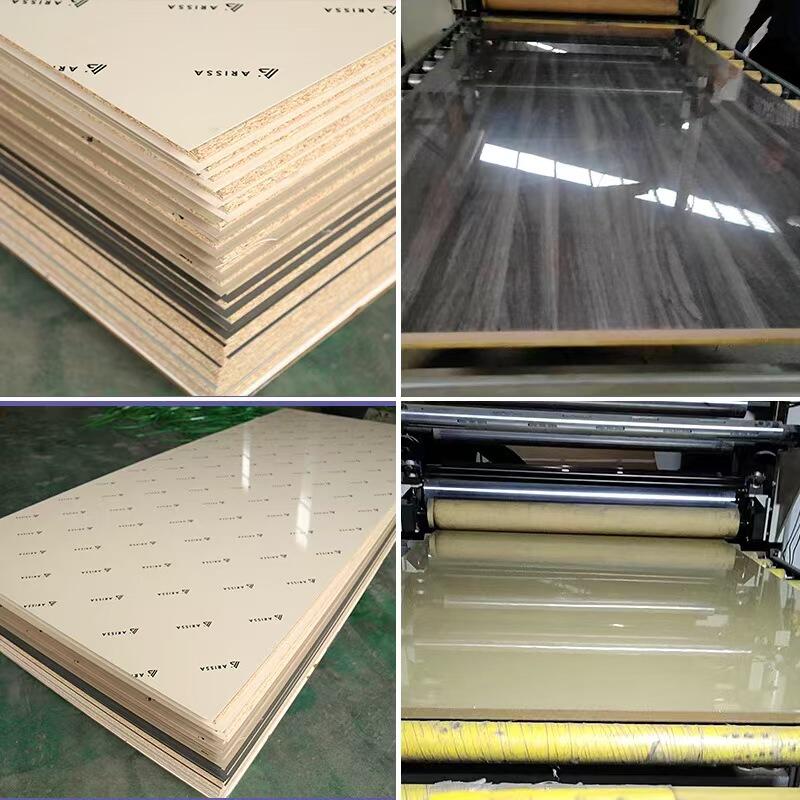
Pet laminated chipboard offers unparalleled design flexibility and processing advantages that empower manufacturers and designers to create innovative solutions while maintaining cost-effectiveness and production efficiency across diverse applications. The material accepts a comprehensive range of surface finishes and textures through the PET lamination process, enabling the replication of natural wood grains, solid colors, metallic finishes, and custom patterns that would be impossible or prohibitively expensive to achieve with traditional materials. This design versatility extends to specialty applications requiring unique aesthetic characteristics, such as architectural elements, retail displays, and custom furniture where brand identity and visual impact drive material selection decisions. Advanced printing technologies compatible with PET laminate surfaces allow for high-resolution graphics, logos, and decorative elements to be permanently integrated into the surface layer, creating opportunities for branded environments and personalized products that stand out in competitive markets. The dimensional stability of pet laminated chipboard surpasses natural wood products, maintaining precise measurements and flat surfaces throughout manufacturing and installation processes that require tight tolerances and professional appearance standards. Processing advantages include excellent machinability using standard woodworking equipment, allowing fabricators to cut, drill, rout, and shape the material without specialized tools or techniques that increase production costs or complexity. Edge quality remains consistent throughout cutting operations, producing clean surfaces that accept edge banding, hardware installation, and joinery techniques without chipping or splintering issues common in some engineered materials. The uniform density and structure of the chipboard core ensure predictable performance during mechanical fastening operations, preventing splitting or pull-through failures that can compromise assembly integrity in finished products. Adhesive compatibility extends across multiple bonding systems, including contact cements, hot-melt adhesives, and structural bonding agents that enable versatile assembly methods suitable for different production requirements and performance specifications. Finishing compatibility allows for additional surface treatments when required, including painting, staining, and protective coating applications that enhance specific performance characteristics or aesthetic requirements. The combination of design flexibility and processing advantages enables manufacturers to optimize their production workflows while offering customers expanded options for customization and performance enhancement that deliver superior value and competitive differentiation in demanding market applications.
 EN
EN