MDF Veneered Board: Premium Engineered Wood Panels for Furniture and Cabinetry Applications

Get a Free Quote

Our representative will contact you soon.
Email
Mobile/WhatsApp
Name
Company Name
Message
0/1000

mdf veneered board

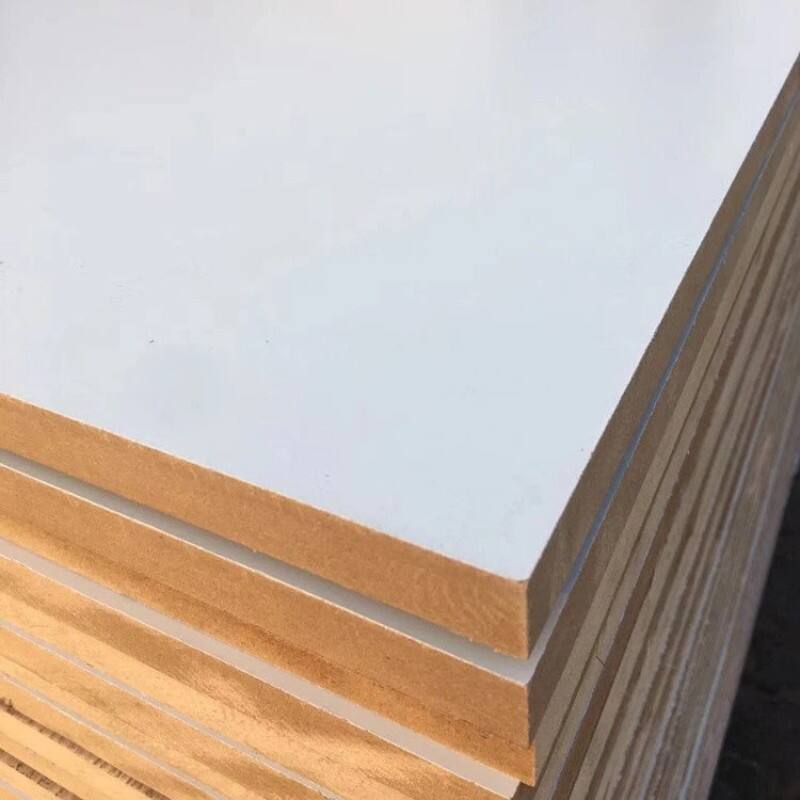
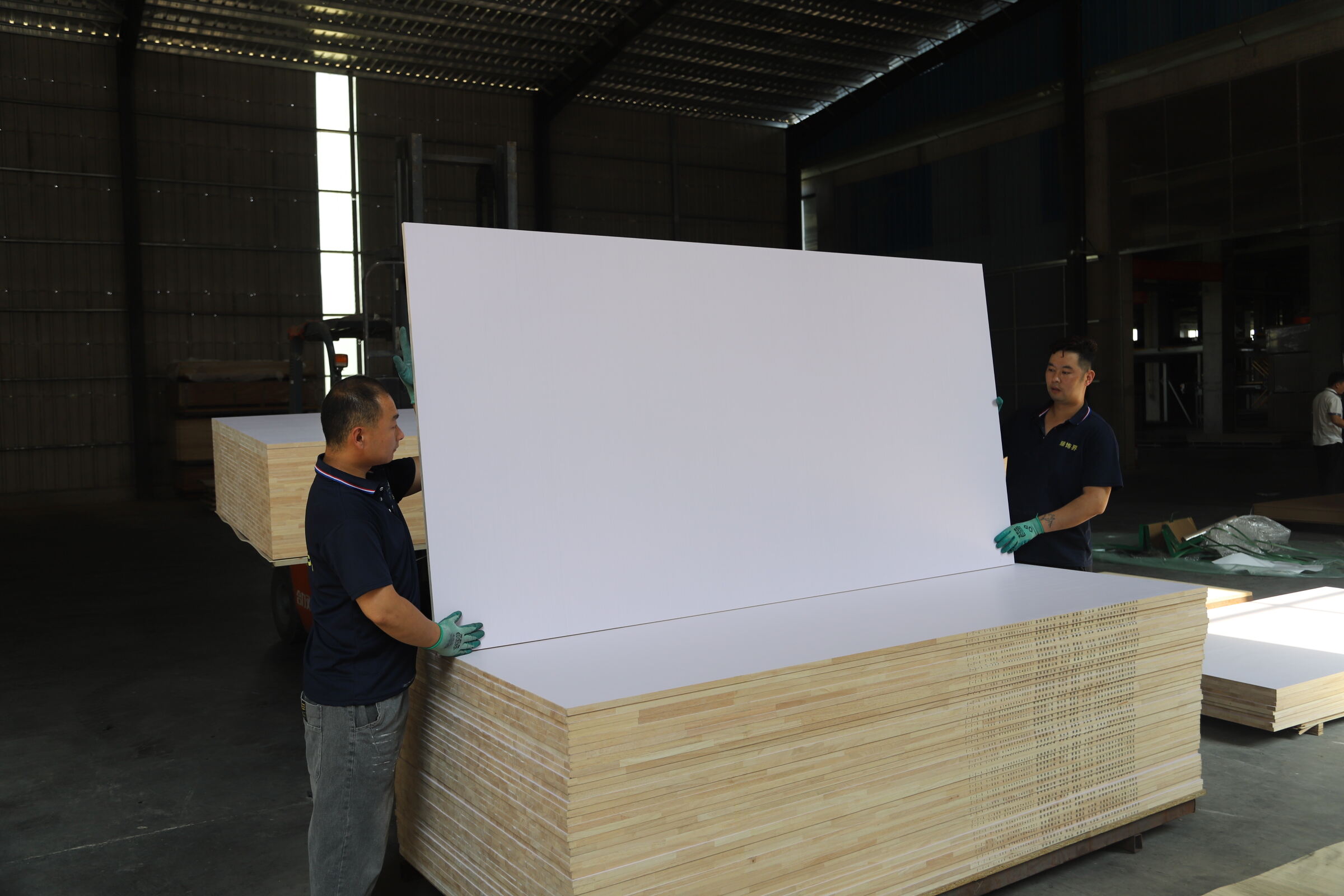
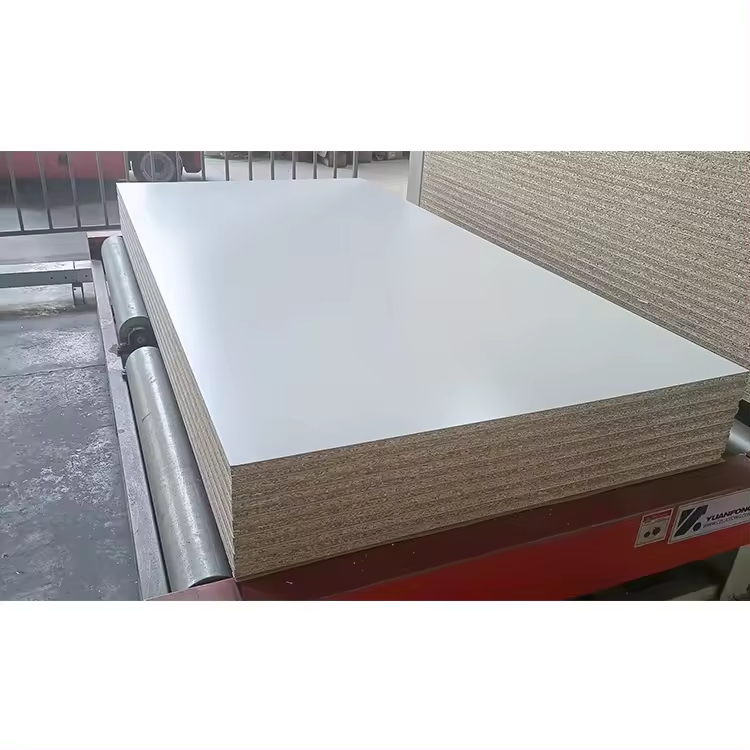
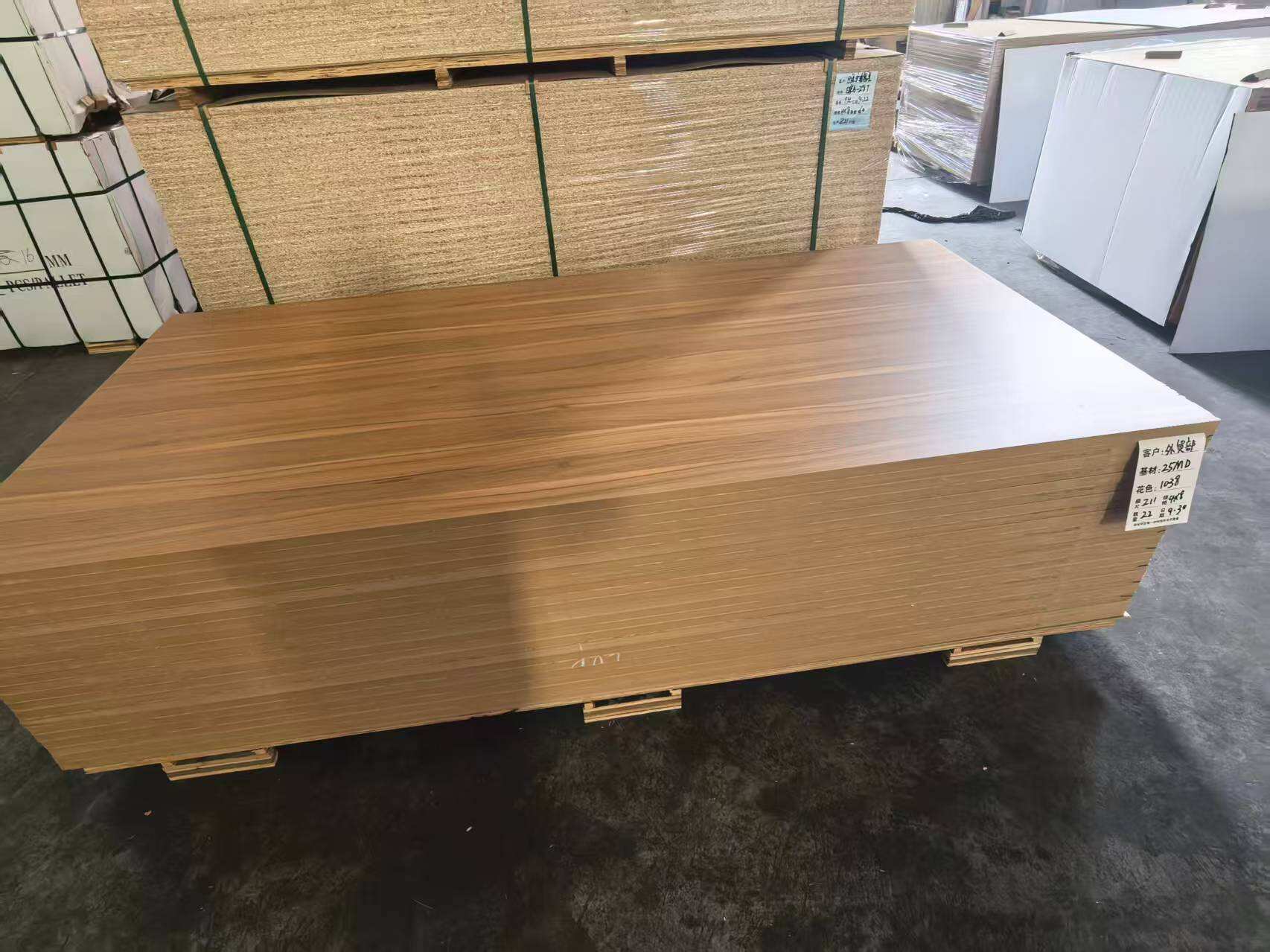
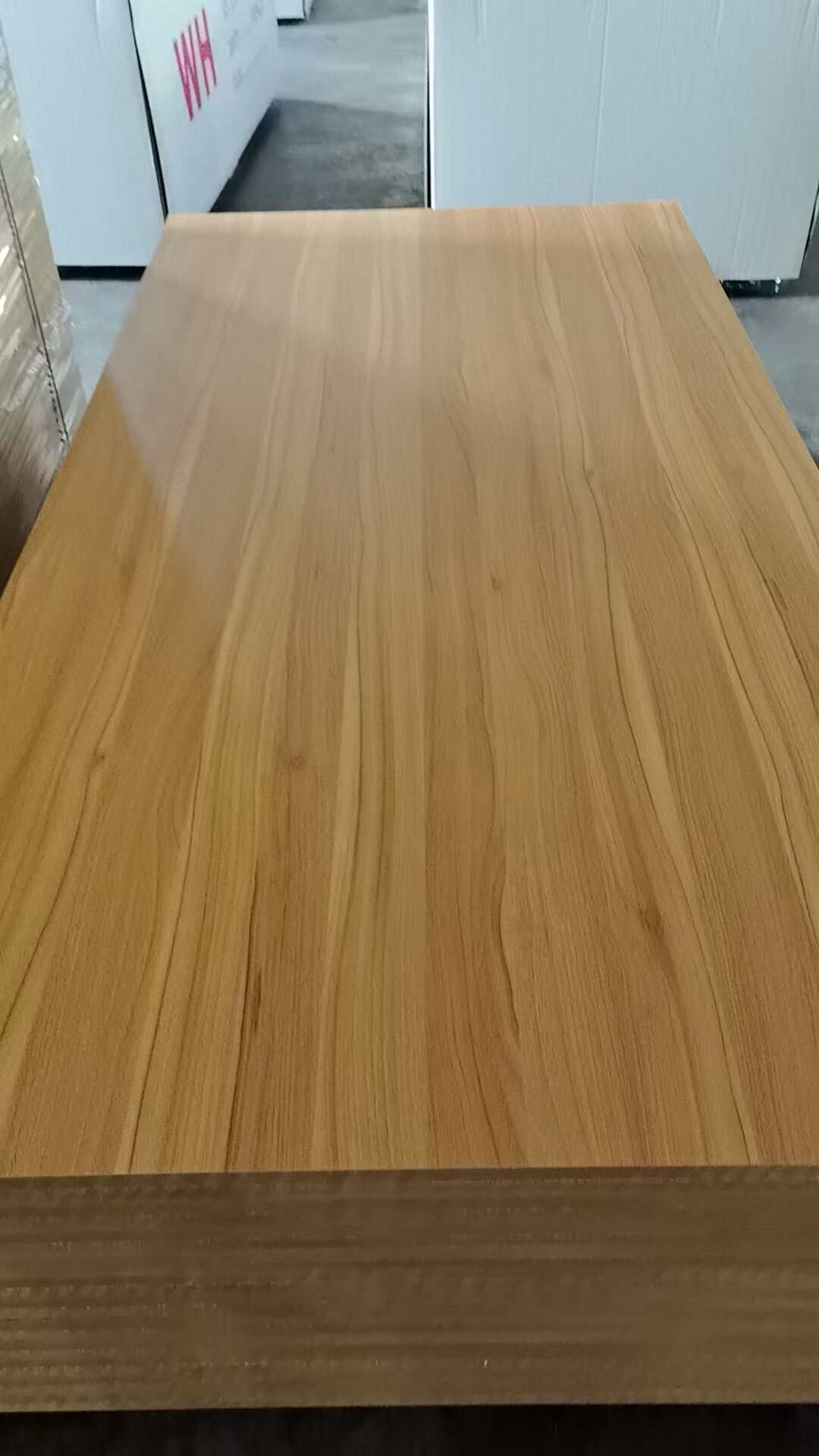
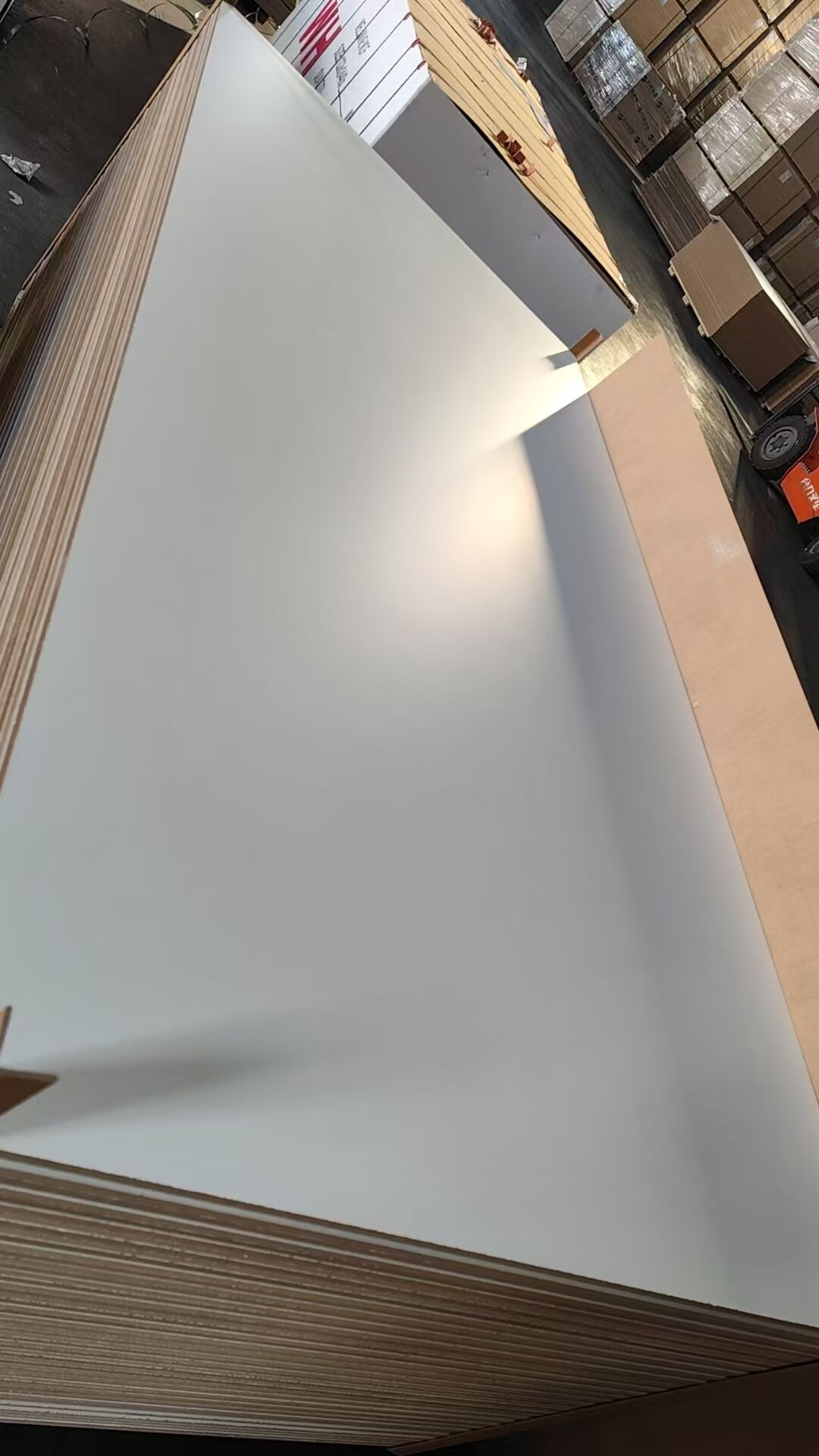
MDF veneered board represents a sophisticated engineered wood product that combines the structural integrity of medium-density fiberboard with the aesthetic appeal of natural wood veneer. This composite material consists of a dense MDF core substrate topped with thin layers of real wood veneer, creating surfaces that deliver both visual authenticity and functional performance. The manufacturing process involves bonding premium wood veneers to high-quality MDF cores using advanced adhesive technologies, resulting in panels that exhibit superior dimensional stability compared to solid wood alternatives. The MDF veneered board functions as an ideal solution for furniture manufacturing, cabinetry construction, and architectural millwork applications where appearance, durability, and cost-effectiveness converge. Technologically, these boards feature consistent density throughout their core structure, eliminating the natural defects found in solid lumber such as knots, grain irregularities, and moisture-related movement. The veneer surface provides authentic wood grain patterns and textures while the MDF substrate ensures uniform machining characteristics and reliable fastener holding power. Modern production techniques enable precise thickness control, smooth surface finishes, and excellent edge-sealing properties. Applications span residential and commercial furniture production, kitchen cabinetry systems, office furnishings, retail fixtures, and decorative wall paneling. The material accommodates various finishing processes including staining, painting, and clear coating applications. Environmental considerations make MDF veneered board an attractive option as it maximizes utilization of forest resources by converting wood fibers and small veneer sheets into large, stable panels. Quality manufacturers source veneers from sustainably managed forests while utilizing recycled wood content in the MDF core composition, supporting eco-friendly building practices and responsible material consumption in construction and furniture industries.

Popular Products

The MDF veneered board offers numerous practical benefits that make it an excellent choice for builders, manufacturers, and designers seeking reliable wood-based materials. Cost efficiency stands as a primary advantage, as these boards provide the luxurious appearance of solid hardwood at a fraction of the expense, making premium wood aesthetics accessible to broader market segments. The manufacturing process creates uniform thickness and consistent quality across entire production runs, eliminating the variability and waste associated with natural lumber selection. This consistency translates into predictable project outcomes and simplified inventory management for manufacturers and contractors. Dimensional stability represents another significant benefit, as the engineered construction resists warping, twisting, and splitting that commonly affect solid wood products. The MDF core maintains its shape across temperature and humidity fluctuations, ensuring long-term performance in various environmental conditions. Installation becomes more straightforward due to the material's uniform density and machining characteristics. Contractors appreciate how easily MDF veneered board accepts screws, nails, and other fasteners without splitting, while the smooth surface requires minimal preparation for finishing applications. The wide range of available veneer species allows designers to specify exact wood grain patterns and colors that match project requirements, from classic oak and maple to exotic species like walnut and cherry. Surface quality surpasses many solid wood options as veneer selection eliminates natural defects while providing consistent grain direction and color matching across panels. Environmental benefits emerge from efficient resource utilization, as veneer production maximizes yield from premium logs while the MDF core incorporates recycled wood fibers and smaller timber pieces that might otherwise become waste. Processing advantages include reduced drying time for finishing applications, as the stable substrate prevents moisture-related movement that can cause finish failures. The material accepts various surface treatments including stains, paints, and protective coatings with excellent adhesion and uniform appearance. Shipping and handling prove more economical due to consistent sizing and reduced weight compared to solid lumber equivalents, lowering transportation costs and simplifying logistics for large projects.

Tips And Tricks

What Are The Main Advantages Of Using Particleboard?

01

Mar

What Are The Main Advantages Of Using Particleboard?

Particleboard has emerged as one of the most versatile and cost-effective engineered wood products in modern construction and furniture manufacturing. This composite material, made from wood chips, sawmill shavings, and synthetic resin binders, offer...
View More
What Is Chipboard Particle Board Used For Today?

18

Mar

What Is Chipboard Particle Board Used For Today?

The versatility and cost-effectiveness of chipboard particle board have made it an essential material in modern construction, furniture manufacturing, and interior design applications. This engineered wood product, created from wood chips, sawmill sh...
View More
What Are The Benefits Of Chipboard Particle Board Panels?

27

Mar

What Are The Benefits Of Chipboard Particle Board Panels?

In the modern construction and furniture manufacturing industry, materials that offer versatility, cost-effectiveness, and reliable performance are highly sought after. Among these materials, chipboard particle board stands out as one of the most pra...
View More
Is Chipboard Particle Board Good For Interior Projects?

31

Mar

Is Chipboard Particle Board Good For Interior Projects?

When considering materials for interior projects, many homeowners and contractors find themselves evaluating the merits of chipboard particle board as a practical solution. This engineered wood product has gained significant traction in the construct...
View More

Get a Free Quote

Our representative will contact you soon.
Email
Mobile/WhatsApp
Name
Company Name
Message
0/1000

mdf veneered board

Superior Surface Consistency and Visual Appeal

Superior Surface Consistency and Visual Appeal

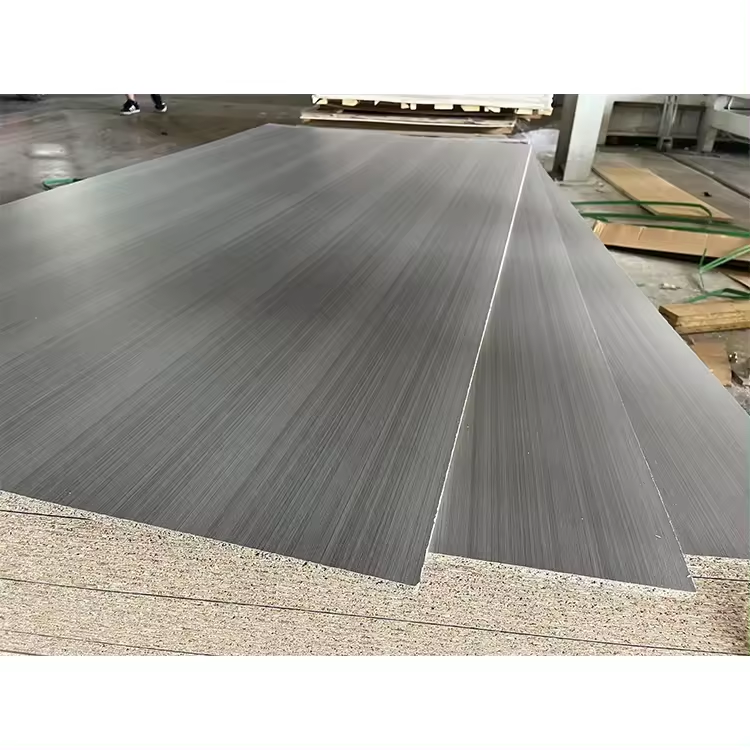
The MDF veneered board delivers exceptional surface consistency that surpasses natural solid wood alternatives through advanced manufacturing processes that carefully select and match veneer sheets. This meticulous approach ensures uniform grain patterns, consistent color tones, and seamless appearance across large surface areas, eliminating the natural variations and defects that characterize solid lumber products. The veneer selection process involves grading wood sheets based on grain continuity, color matching, and surface quality, resulting in panels that provide predictable aesthetic outcomes for designers and manufacturers. Book-matching and sequence-matching techniques create stunning visual effects where adjacent panels display complementary grain patterns, enhancing the overall appearance of furniture pieces and architectural installations. The absence of natural wood defects such as knots, mineral streaks, and sapwood variations allows for more efficient material utilization and reduces waste during manufacturing processes. Quality control measures ensure that each MDF veneered board meets strict standards for surface smoothness, veneer adhesion, and visual consistency, providing reliable results for high-end applications where appearance quality cannot be compromised. The controlled manufacturing environment enables precise moisture content management, preventing the checking, splitting, and grain raising issues that often occur with solid wood surfaces. Advanced pressing techniques create intimate bonding between veneer and substrate, eliminating delamination risks while maintaining the natural wood texture and feel that customers desire. This surface consistency proves particularly valuable in commercial applications where large quantities of matching panels are required, such as hotel renovations, office installations, and retail environments where visual continuity across multiple surfaces creates professional, cohesive appearances that enhance brand image and customer perception.
Enhanced Structural Performance and Durability

Enhanced Structural Performance and Durability

The engineered construction of MDF veneered board provides superior structural performance characteristics that exceed solid wood capabilities in numerous critical applications. The dense, homogeneous MDF core eliminates the directional grain weaknesses inherent in natural lumber, creating uniform strength properties in all directions that resist splitting, cracking, and failure under stress. This isotropic behavior makes the material ideal for applications requiring consistent performance across varying load directions, such as shelving systems, cabinet doors, and furniture components subjected to dynamic loading conditions. The controlled density of the MDF substrate provides excellent screw-holding power that surpasses many solid wood species, ensuring secure fastener attachment for hardware installation and assembly operations. Edge-banding applications benefit from the smooth, consistent edge profile that requires minimal preparation while accepting adhesives uniformly for secure, long-lasting bonds. Moisture resistance improvements result from the sealed construction that prevents water penetration into the core material, reducing dimensional movement and preventing the warping, cupping, and twisting that plague solid wood products in humid environments. The stable geometry maintains consistent reveals, gaps, and alignments in cabinet installations and furniture assemblies, eliminating the seasonal adjustments often required with solid wood construction. Thermal expansion characteristics remain minimal and predictable, making MDF veneered board suitable for applications near heat sources or in environments with temperature fluctuations. The material's consistent machining properties enable precise routing, shaping, and profiling operations that produce clean, accurate results without tearout or splintering. Quality manufacturers incorporate moisture-resistant adhesives and core treatments that enhance long-term durability while maintaining structural integrity throughout the product lifecycle. These performance advantages translate into reduced callbacks, warranty claims, and customer complaints for manufacturers and installers who specify MDF veneered board for demanding applications.

Versatile Manufacturing and Finishing Capabilities

Versatile Manufacturing and Finishing Capabilities

MDF veneered board demonstrates exceptional versatility in manufacturing and finishing operations, accommodating a wide range of production techniques and surface treatments that maximize design flexibility for furniture makers and millwork specialists. The material's uniform density and consistent grain structure enable precise CNC machining operations including routing, drilling, shaping, and profiling with minimal tool wear and exceptional edge quality. Complex profiles and decorative details can be machined cleanly without the chipout and tearout problems commonly encountered when processing solid wood with irregular grain patterns. The smooth, consistent surface accepts various finishing systems including water-based and solvent-based stains, paints, lacquers, and conversion varnishes with excellent adhesion and uniform color development. Staining operations produce even, predictable color results without the blotching and grain variation that characterize solid wood finishing, allowing manufacturers to achieve consistent color matching across production runs. The sealed veneer surface minimizes finish absorption, reducing material consumption while improving coating durability and appearance retention. Sanding requirements are minimal due to the pre-finished surface quality, reducing production time and labor costs while eliminating dust and waste associated with extensive surface preparation. Edge treatment options include solid wood banding, flexible edge tape, or painted edges that integrate seamlessly with the veneer surface for professional results. The material accommodates thermoforming processes for curved applications, enabling the production of bent cabinet doors and shaped furniture components that maintain veneer integrity throughout the forming operation. Specialized finishing techniques such as glazing, distressing, and texture application can be performed with predictable results due to the consistent substrate characteristics. Assembly operations benefit from the material's dimensional stability and excellent adhesive bonding properties, ensuring strong, durable joints in cabinet and furniture construction applications where long-term performance is essential.

Get a Free Quote

Our representative will contact you soon.
Email
Mobile/WhatsApp
Name
Company Name
Message
0/1000