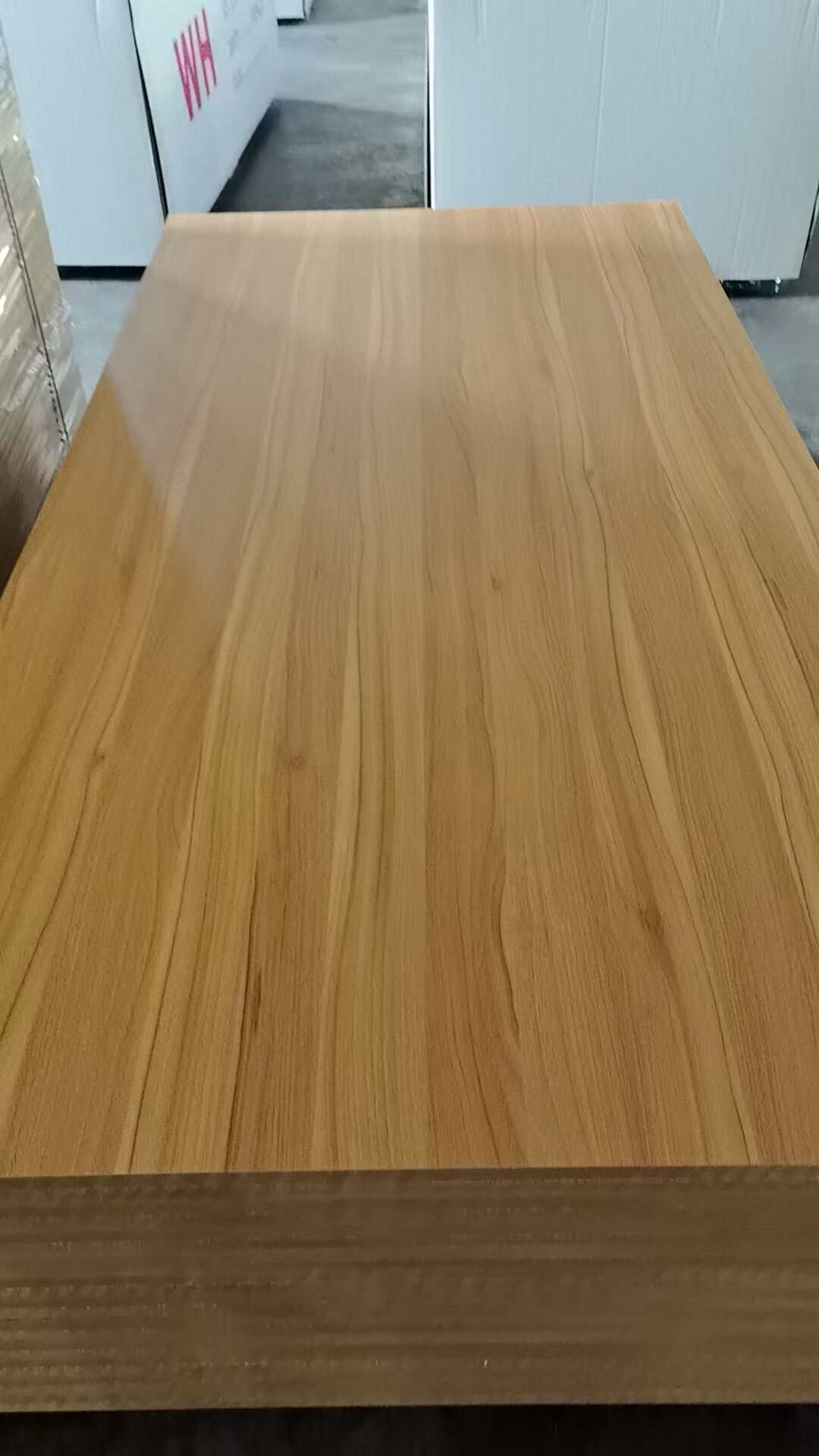
MDF Furniture Board: Premium Engineered Wood Solution for Modern Furniture Manufacturing

Get a Free Quote

Our representative will contact you soon.
Email
Mobile/WhatsApp
Name
Company Name
Message
0/1000

mdf furniture board

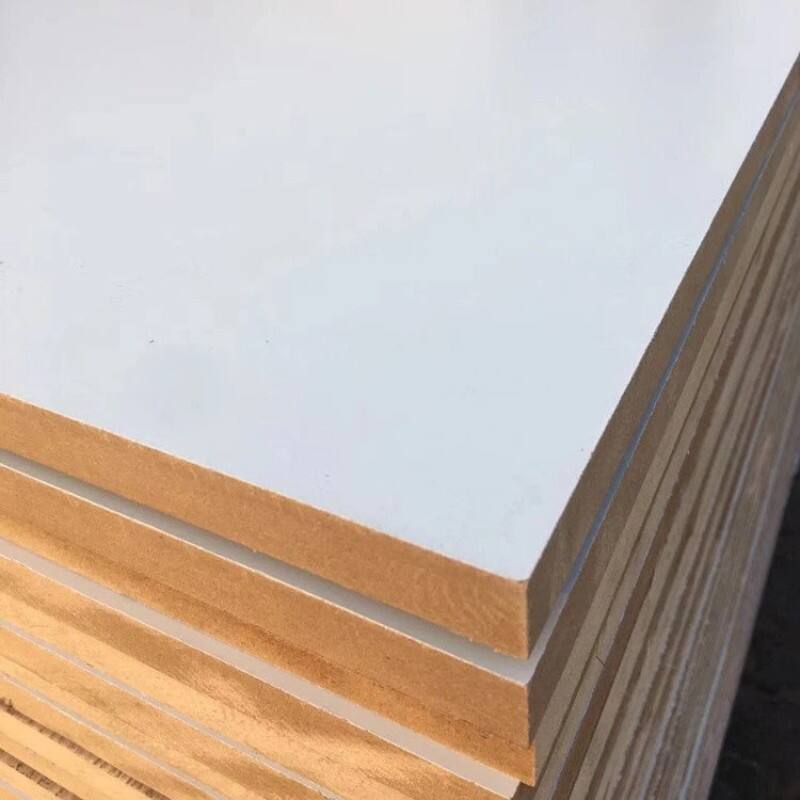
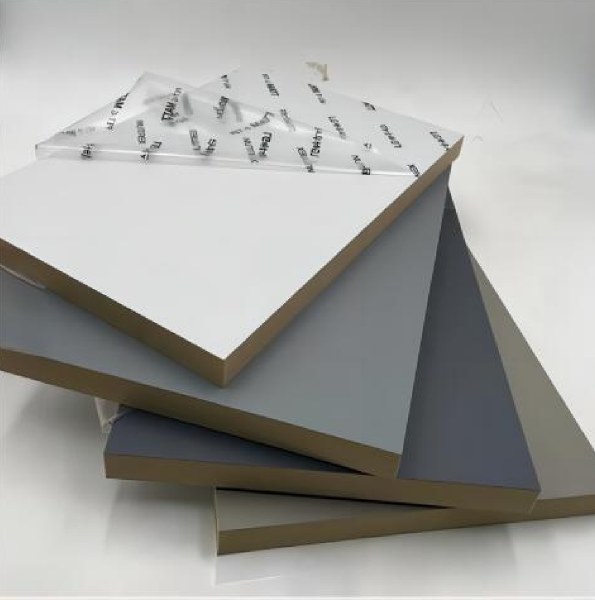
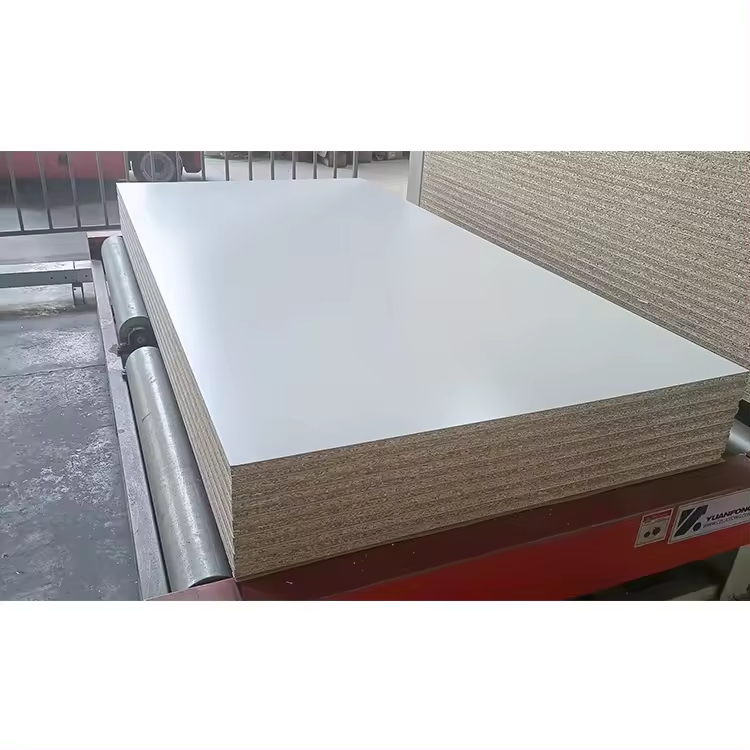
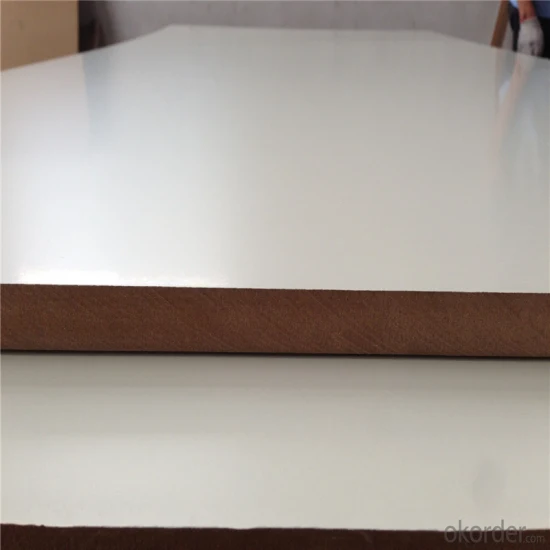
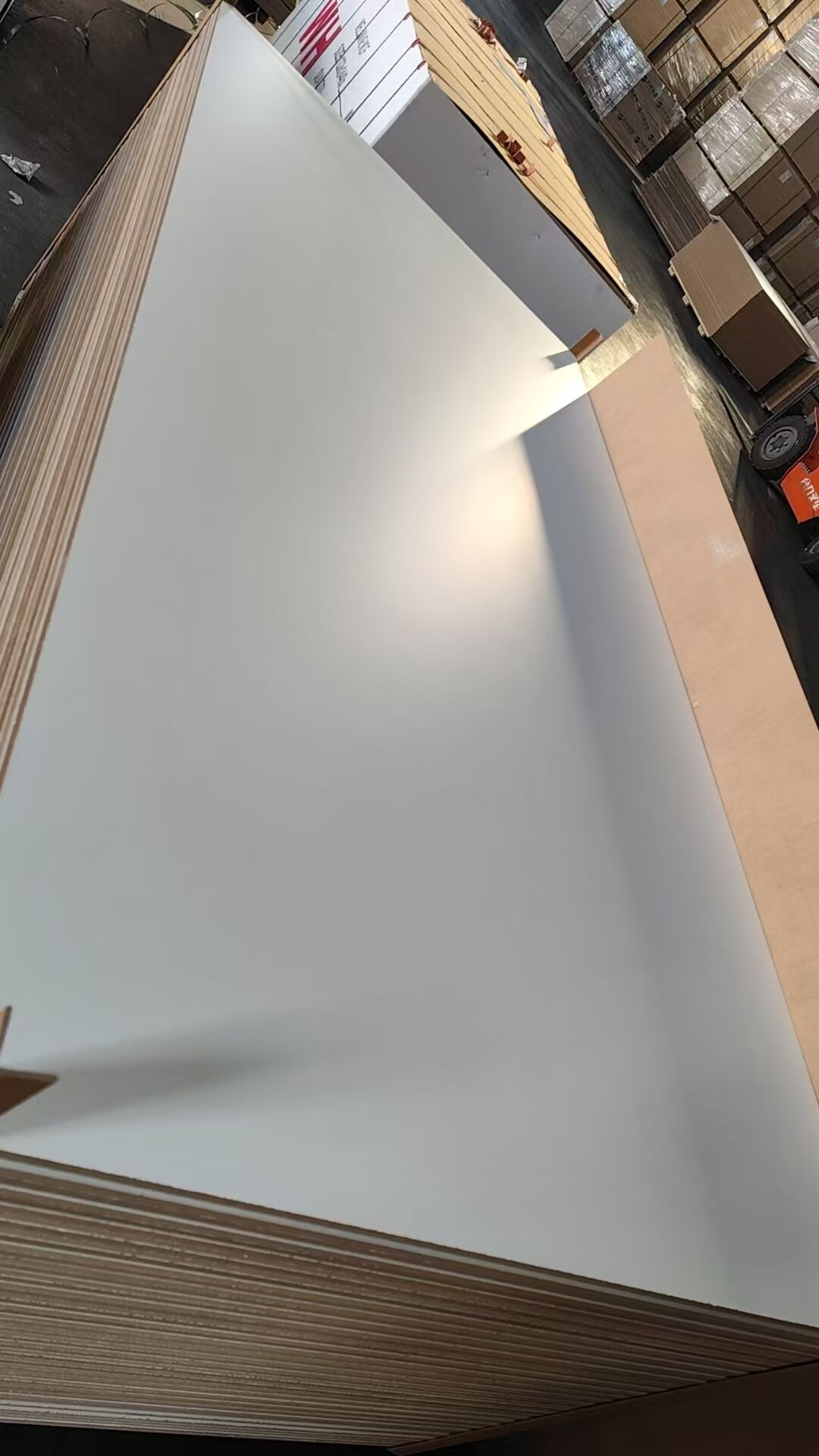
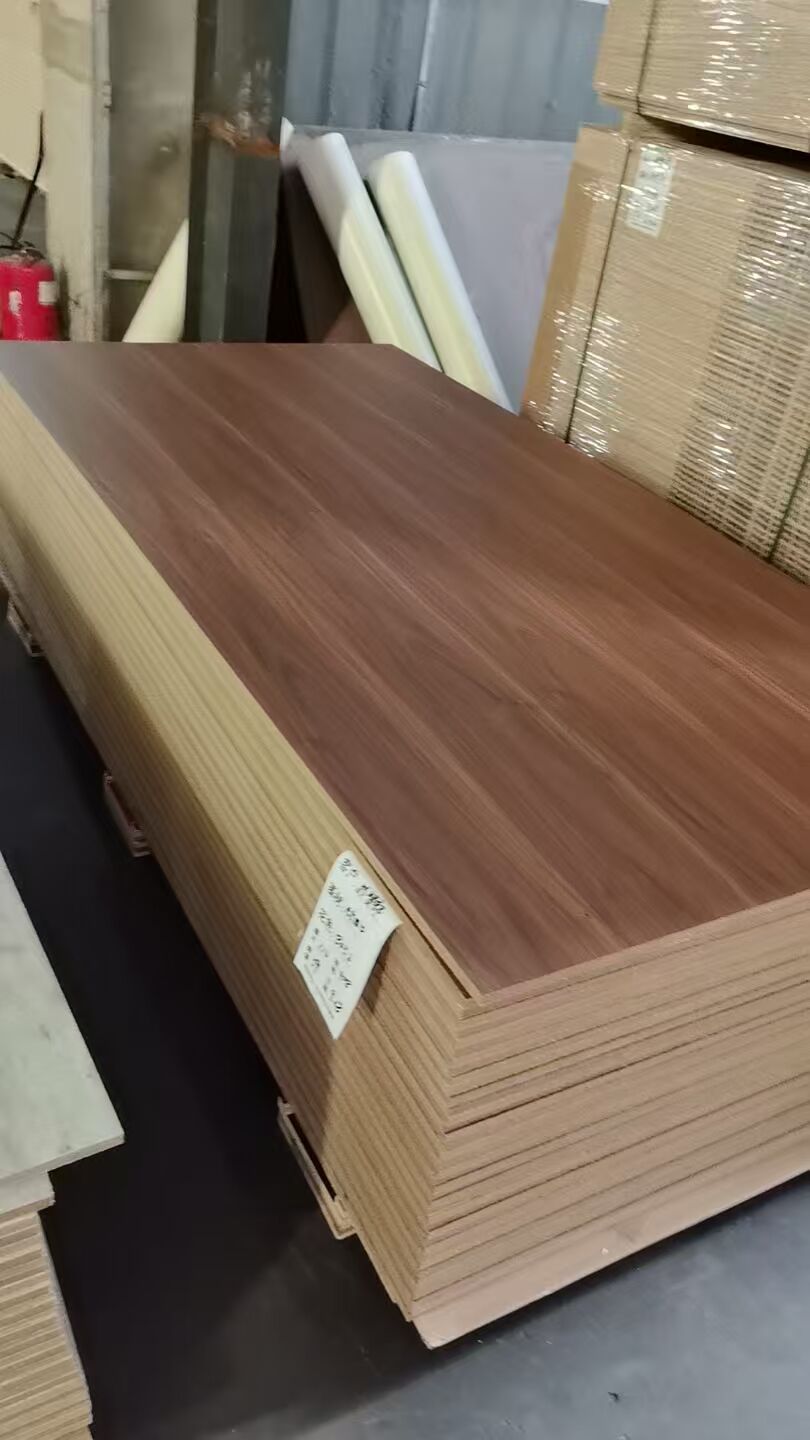
MDF furniture board, also known as Medium Density Fiberboard, represents a revolutionary engineered wood product that has transformed modern furniture manufacturing and interior design. This composite material consists of wood fibers combined with synthetic resin and wax, compressed under high temperature and pressure to create a uniform, dense panel. The manufacturing process involves breaking down wood chips and sawdust into individual fibers, which are then mixed with binding agents and formed into boards through sophisticated industrial pressing techniques. MDF furniture board offers exceptional versatility in furniture construction, cabinetry, shelving systems, and decorative applications. Its smooth, consistent surface eliminates the natural grain variations found in solid wood, making it an ideal substrate for painting, veneering, and laminating processes. The technological features of MDF furniture board include superior dimensional stability, which prevents warping and splitting commonly associated with traditional lumber. This engineered material maintains consistent thickness throughout the entire panel, ensuring precise measurements for professional furniture assembly. The density of MDF furniture board typically ranges from 600 to 800 kilograms per cubic meter, providing excellent screw-holding capacity and structural integrity. Advanced manufacturing techniques incorporate moisture-resistant additives and formaldehyde-free binding agents, addressing environmental concerns while enhancing product durability. Applications for MDF furniture board span residential and commercial sectors, including kitchen cabinets, bedroom furniture, office desks, built-in wardrobes, and architectural millwork. Interior designers frequently specify MDF furniture board for custom projects requiring intricate routing, carving, and detailed edge profiling. The material accepts various finishing techniques, from spray painting to vinyl wrapping, allowing unlimited design possibilities. Educational institutions, healthcare facilities, and retail environments benefit from MDF furniture board's cost-effectiveness and aesthetic flexibility in creating functional, attractive interiors.

New Products

MDF furniture board delivers numerous practical advantages that make it the preferred choice for furniture manufacturers, contractors, and DIY enthusiasts worldwide. The primary benefit lies in its exceptional surface smoothness, which eliminates the need for extensive sanding and preparation work typically required with natural wood products. This smooth finish allows paint, stains, and laminates to adhere uniformly, creating professional-quality results without visible grain patterns or surface imperfections. Cost-effectiveness represents another significant advantage of MDF furniture board, as it costs substantially less than solid hardwood while providing comparable strength and durability for most furniture applications. Manufacturers can achieve substantial material savings without compromising structural integrity or aesthetic appeal. The consistent density and composition of MDF furniture board ensure predictable machining characteristics, allowing precise cutting, drilling, and routing operations with minimal tool wear or material waste. This predictability translates to faster production times and reduced manufacturing costs. Environmental sustainability becomes increasingly important in modern construction, and MDF furniture board addresses these concerns by utilizing recycled wood fibers and sawmill waste that would otherwise end up in landfills. This efficient use of wood resources maximizes the value extracted from each harvested tree while reducing environmental impact. The moisture resistance properties of modern MDF furniture board formulations protect against humidity-related expansion and contraction, maintaining dimensional stability in various climate conditions. This characteristic proves particularly valuable in kitchen and bathroom applications where traditional wood might warp or deteriorate. Installation simplicity represents another key advantage, as MDF furniture board can be cut, shaped, and assembled using standard woodworking tools without requiring specialized equipment or techniques. The material accepts screws, nails, and adhesives readily, creating strong joints that withstand normal use stresses. Quality control during manufacturing ensures consistent performance characteristics across entire production runs, eliminating the natural variations that can affect solid wood projects. Additionally, MDF furniture board provides excellent sound dampening properties, making it suitable for applications requiring noise reduction, such as recording studios, offices, and residential spaces. The fire-retardant versions available enhance safety in commercial installations while maintaining all the beneficial working properties of standard MDF furniture board.

Practical Tips

What Are The Main Advantages Of Using Particleboard?

01

Mar

What Are The Main Advantages Of Using Particleboard?

Particleboard has emerged as one of the most versatile and cost-effective engineered wood products in modern construction and furniture manufacturing. This composite material, made from wood chips, sawmill shavings, and synthetic resin binders, offer...
View More
How Durable Is Particleboard For Interior Applications?

03

Mar

How Durable Is Particleboard For Interior Applications?

When selecting materials for interior applications, understanding the durability characteristics of particleboard becomes essential for making informed decisions. This engineered wood product has gained significant popularity in residential and comme...
View More
What Is Chipboard Particle Board Used For Today?

18

Mar

What Is Chipboard Particle Board Used For Today?

The versatility and cost-effectiveness of chipboard particle board have made it an essential material in modern construction, furniture manufacturing, and interior design applications. This engineered wood product, created from wood chips, sawmill sh...
View More
What Is Pet Board And Why Is It Eco-Friendly?

03

Apr

What Is Pet Board And Why Is It Eco-Friendly?

Modern furniture manufacturing increasingly demands materials that combine durability, aesthetics, and environmental responsibility. Pet board has emerged as a revolutionary solution that addresses these requirements while offering superior performan...
View More

Get a Free Quote

Our representative will contact you soon.
Email
Mobile/WhatsApp
Name
Company Name
Message
0/1000

mdf furniture board

Superior Surface Quality and Finishing Versatility

Superior Surface Quality and Finishing Versatility

The exceptional surface quality of MDF furniture board stands as its most distinctive characteristic, setting it apart from all other engineered wood products in the furniture industry. This smooth, uniform surface results from the unique manufacturing process where wood fibers are mechanically separated and then recombined under controlled conditions, eliminating the natural inconsistencies found in solid wood. The absence of grain patterns, knots, and density variations creates an ideal foundation for virtually any finishing technique imaginable. Professional furniture makers particularly value this consistency because it allows for flawless paint applications without the telegraphing of underlying wood grain that often occurs with plywood or particleboard substrates. The fine fiber structure of MDF furniture board accepts primer and paint with exceptional adhesion, creating durable finishes that resist chipping and peeling under normal use conditions. When laminating operations are required, MDF furniture board provides the perfect substrate due to its dimensional stability and smooth surface, ensuring bubble-free applications and long-lasting bonds. Veneer applications benefit tremendously from the stable substrate that MDF furniture board provides, as the lack of underlying grain prevents show-through that can compromise the appearance of expensive decorative veneers. Edge banding operations, critical for achieving professional cabinet and furniture appearances, perform optimally on MDF furniture board due to the material's consistent density and smooth edge characteristics. The material readily accepts various edge treatments, including solid wood banding, PVC strips, and melamine edges, creating seamless transitions that enhance overall product aesthetics. Routing and carving operations produce crisp, clean details on MDF furniture board surfaces, enabling intricate decorative elements that would be difficult or impossible to achieve with natural wood products. This machining capability opens unlimited design possibilities for custom furniture projects, architectural millwork, and decorative applications.
Exceptional Structural Stability and Engineering Performance

Exceptional Structural Stability and Engineering Performance

MDF furniture board demonstrates remarkable structural stability and engineering performance characteristics that make it the foundation material of choice for demanding furniture and construction applications. The engineered composition eliminates the directional grain structure found in solid wood, resulting in uniform strength properties in all directions across the panel surface. This isotropic behavior prevents the splitting and checking problems commonly encountered with natural lumber, particularly when fasteners are installed near board edges or when stress concentrations develop during normal use. The consistent density distribution throughout MDF furniture board thickness ensures reliable load-bearing capacity and predictable deflection characteristics under various loading conditions. Furniture designers can calculate structural requirements with confidence, knowing that material properties remain constant across entire production runs. Thermal expansion and contraction coefficients of MDF furniture board are significantly lower than those of solid wood, maintaining dimensional accuracy in environments with fluctuating temperature and humidity conditions. This stability proves crucial for precision applications such as cabinet doors, drawer fronts, and furniture components requiring tight tolerances for proper operation. The moisture resistance of modern MDF furniture board formulations protects against seasonal movement that can cause joints to loosen or panels to warp in traditional wood furniture. Screw-holding capacity represents another critical performance advantage, as the dense fiber matrix provides excellent thread engagement and pull-out resistance for mechanical fasteners. This characteristic enables reliable assembly connections that maintain their strength over extended service periods, even under repeated loading cycles. Quality control testing during manufacturing ensures consistent performance parameters, including internal bond strength, modulus of rupture, and modulus of elasticity values that meet or exceed industry standards. These verified performance characteristics provide confidence for structural applications where failure could result in safety hazards or property damage.
Cost-Effective Manufacturing and Environmental Sustainability

Cost-Effective Manufacturing and Environmental Sustainability

The cost-effectiveness of MDF furniture board combined with its environmental sustainability creates compelling value propositions for manufacturers, contractors, and environmentally conscious consumers seeking responsible building materials. Raw material costs for MDF furniture board remain significantly lower than comparable solid wood products because the manufacturing process utilizes wood fibers from fast-growing species, sawmill waste, and recycled wood products that would otherwise require disposal. This efficient resource utilization translates directly into material cost savings that can reduce project budgets by 30-50 percent compared to solid hardwood alternatives while delivering comparable performance characteristics. Manufacturing efficiency represents another significant cost advantage, as MDF furniture board can be produced in large, consistent sheets that minimize waste during cutting and fabrication operations. The uniform thickness and predictable properties reduce the need for material inspection and sorting typically required with natural lumber products. Labor costs decrease substantially because MDF furniture board machines easily with standard woodworking equipment, requiring minimal specialized tooling or advanced operator skills. The consistent working characteristics eliminate the need for constant tool adjustments and reduce production delays caused by material variations. Environmental sustainability credentials of MDF furniture board continue improving as manufacturers adopt formaldehyde-free binding systems and increase recycled content percentages in their formulations. Life cycle assessments demonstrate that MDF furniture board production generates lower carbon emissions per board foot compared to solid wood harvesting and processing, particularly when transportation distances are considered. The longevity of furniture constructed with high-quality MDF furniture board extends product service life, reducing replacement frequency and associated environmental impacts. Recycling programs for post-consumer MDF furniture board are expanding, creating closed-loop systems that further enhance environmental performance. Additionally, the consistent quality of MDF furniture board reduces waste during manufacturing and installation, as defect rates remain minimal compared to natural wood products that may contain hidden flaws or inconsistent properties.

Get a Free Quote

Our representative will contact you soon.
Email
Mobile/WhatsApp
Name
Company Name
Message
0/1000