particleboard for cabinets
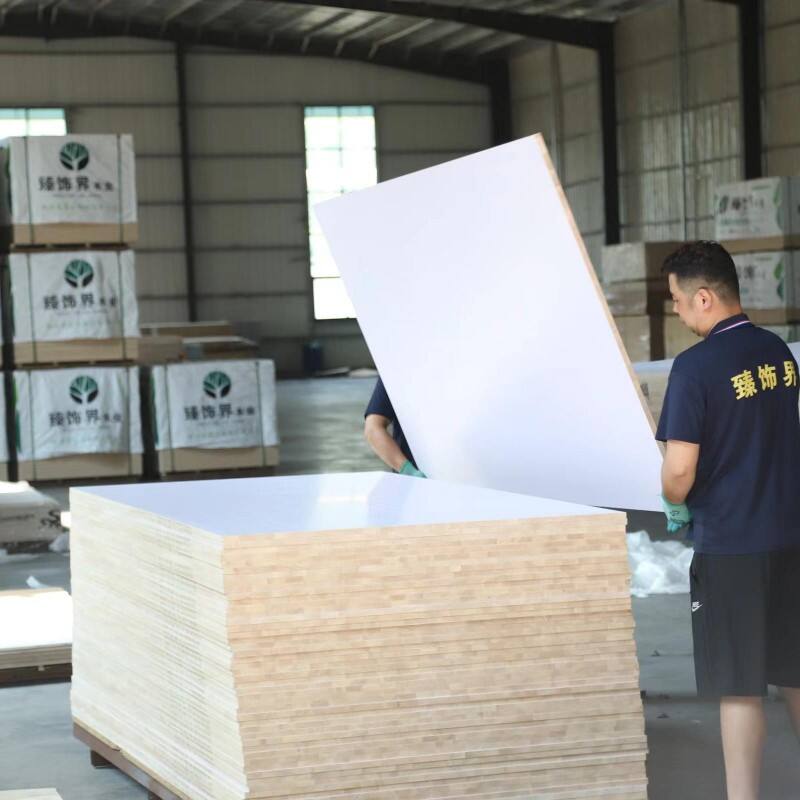
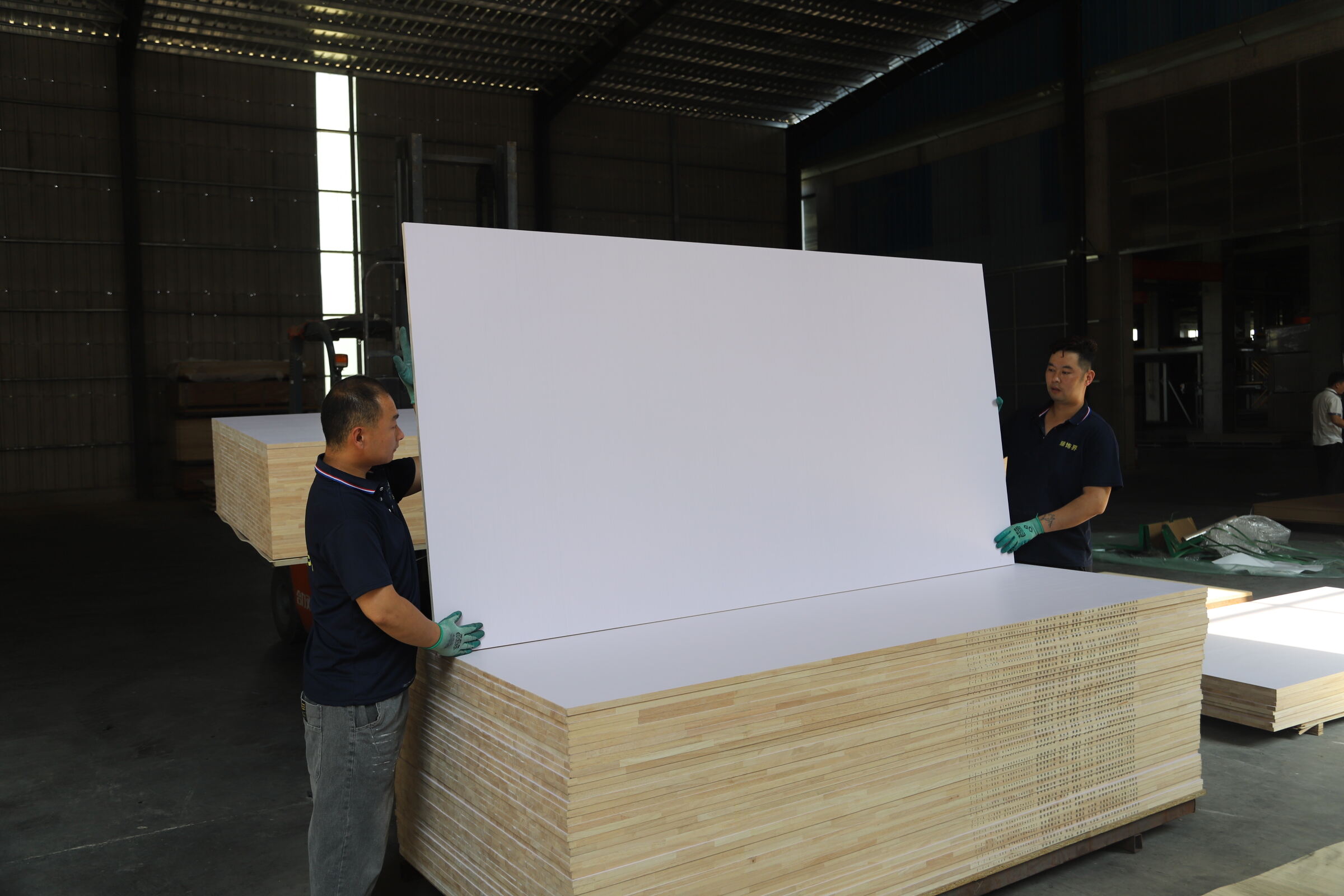
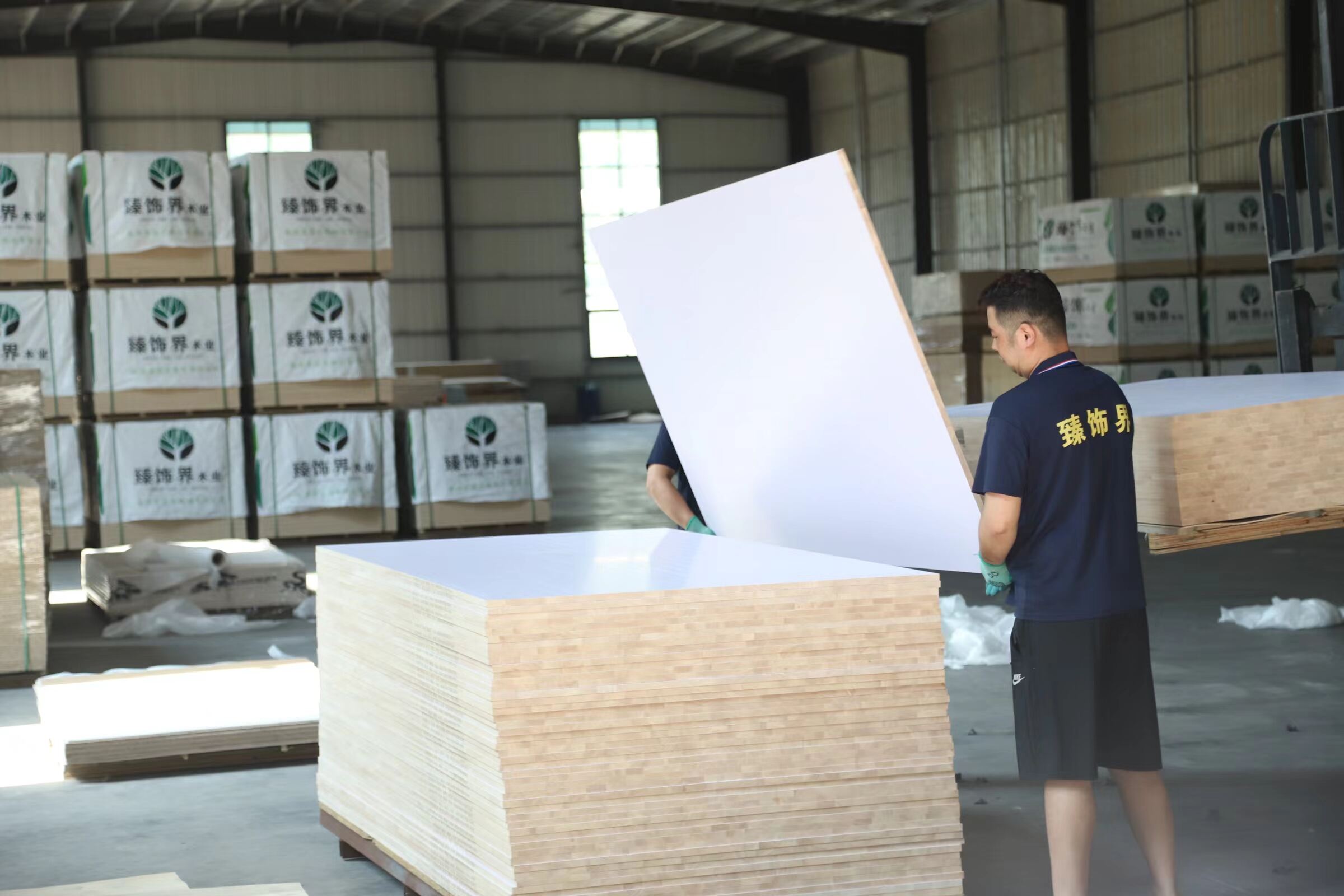
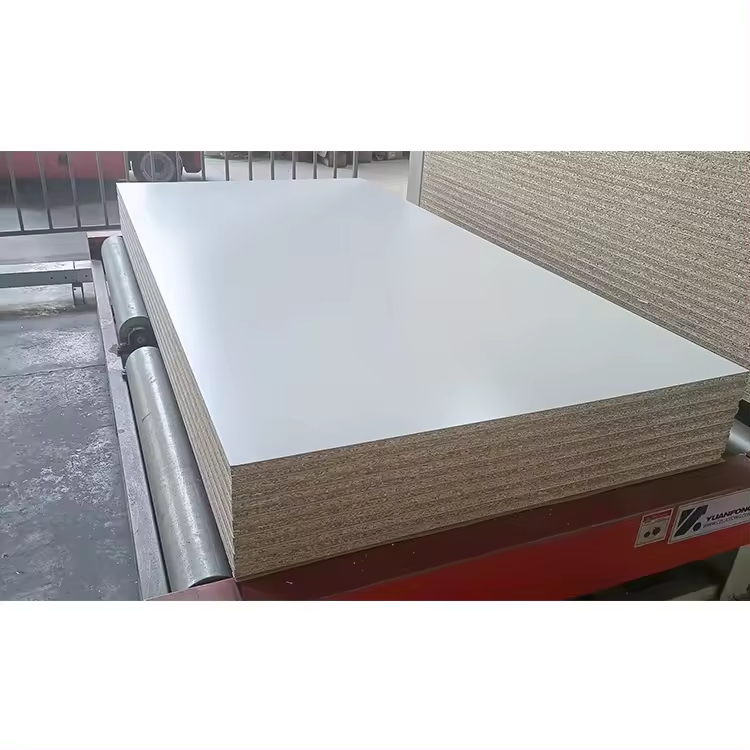
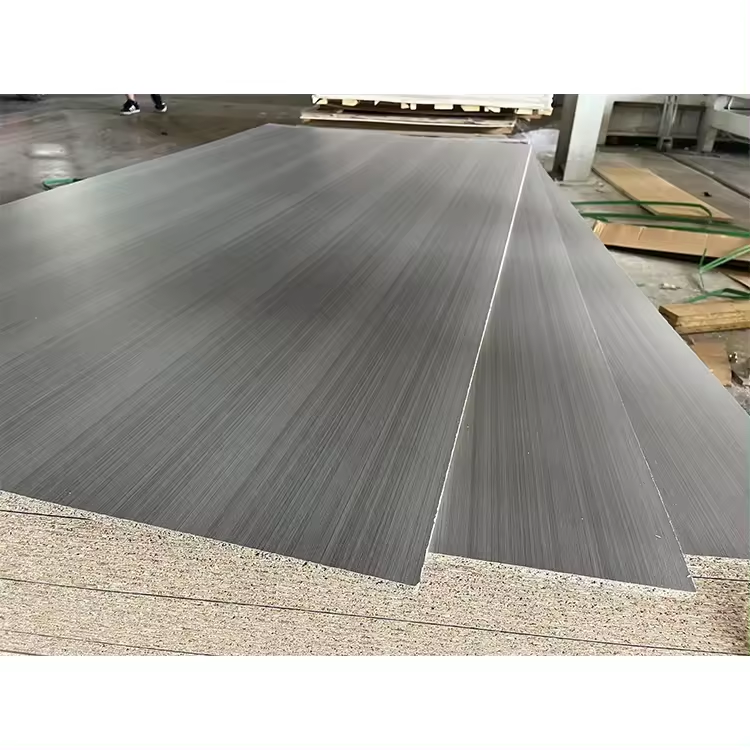
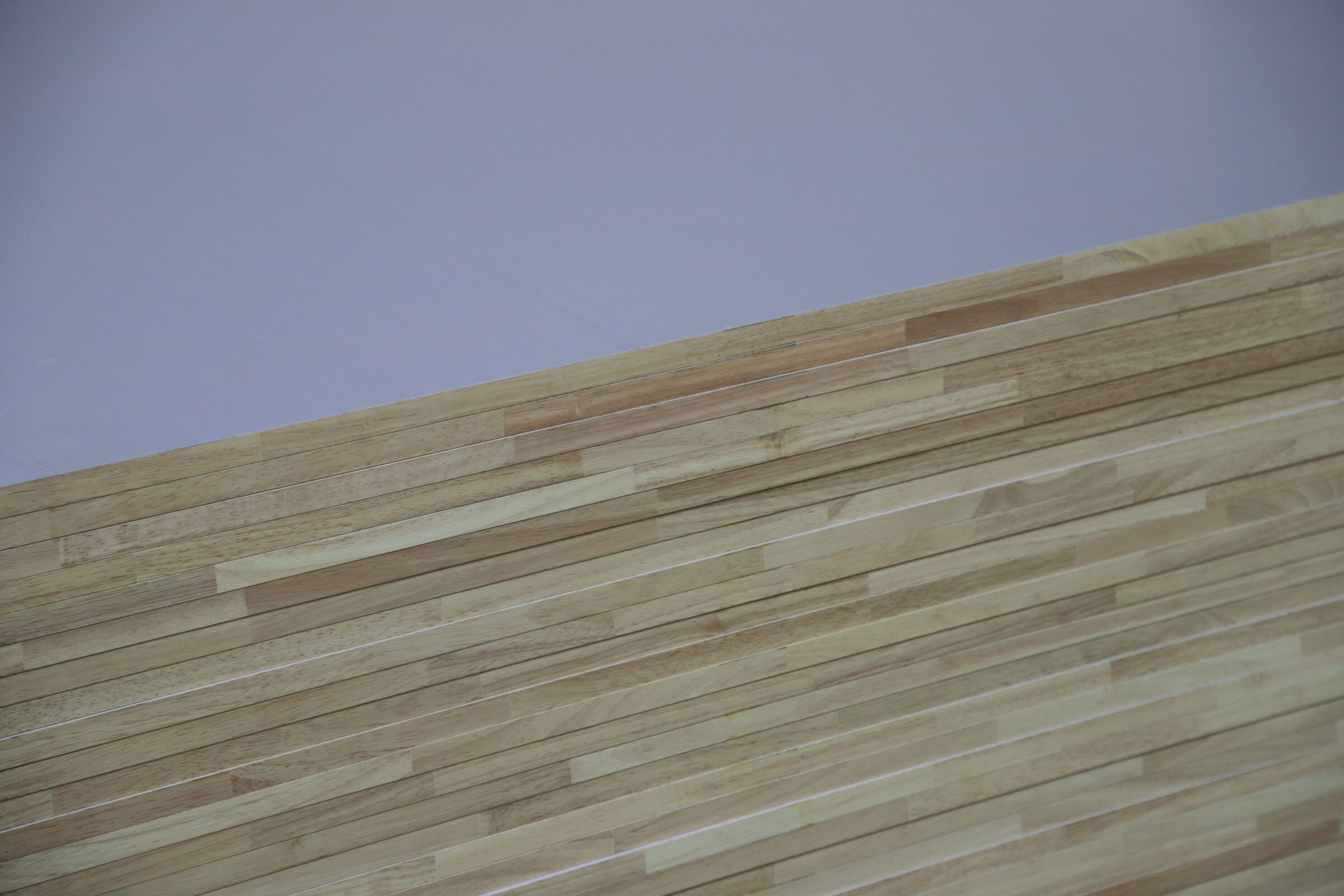
Particleboard for cabinets represents a fundamental engineered wood product manufactured through the compression of wood chips, sawdust, and wood shavings with resin adhesives under high pressure and temperature. This composite material serves as an essential foundation for modern cabinet construction, offering manufacturers and homeowners a practical alternative to solid wood while maintaining structural integrity and design flexibility. The manufacturing process involves carefully selected wood particles that undergo precise sizing and gradation before being combined with formaldehyde-based or formaldehyde-free adhesives, depending on environmental requirements and health considerations. The technological features of particleboard for cabinets include consistent density distribution throughout the panel, which ensures uniform screw-holding capacity and reduces the likelihood of splitting during installation. Modern production techniques incorporate multi-layer construction, where finer particles concentrate on the surface layers while coarser particles form the core, creating optimal surface smoothness for veneer or laminate application. The material demonstrates excellent dimensional stability when properly manufactured and stored, resisting warping and expansion under normal environmental conditions. Advanced particleboard formulations now include moisture-resistant additives and low-emission binders that meet stringent indoor air quality standards. Cabinet applications for particleboard span residential and commercial sectors, serving as the substrate for kitchen cabinets, bathroom vanities, office storage systems, and built-in wardrobes. The material accepts various surface treatments including melamine overlays, wood veneer, paint, and decorative laminates, allowing designers to achieve diverse aesthetic outcomes while maintaining cost-effectiveness. Manufacturing tolerances for particleboard for cabinets typically range from plus or minus 0.1 millimeters, ensuring precision fit during assembly processes. The standard thickness options vary from 12 millimeters to 25 millimeters, accommodating different structural requirements and design specifications across various cabinet applications.
 EN
EN