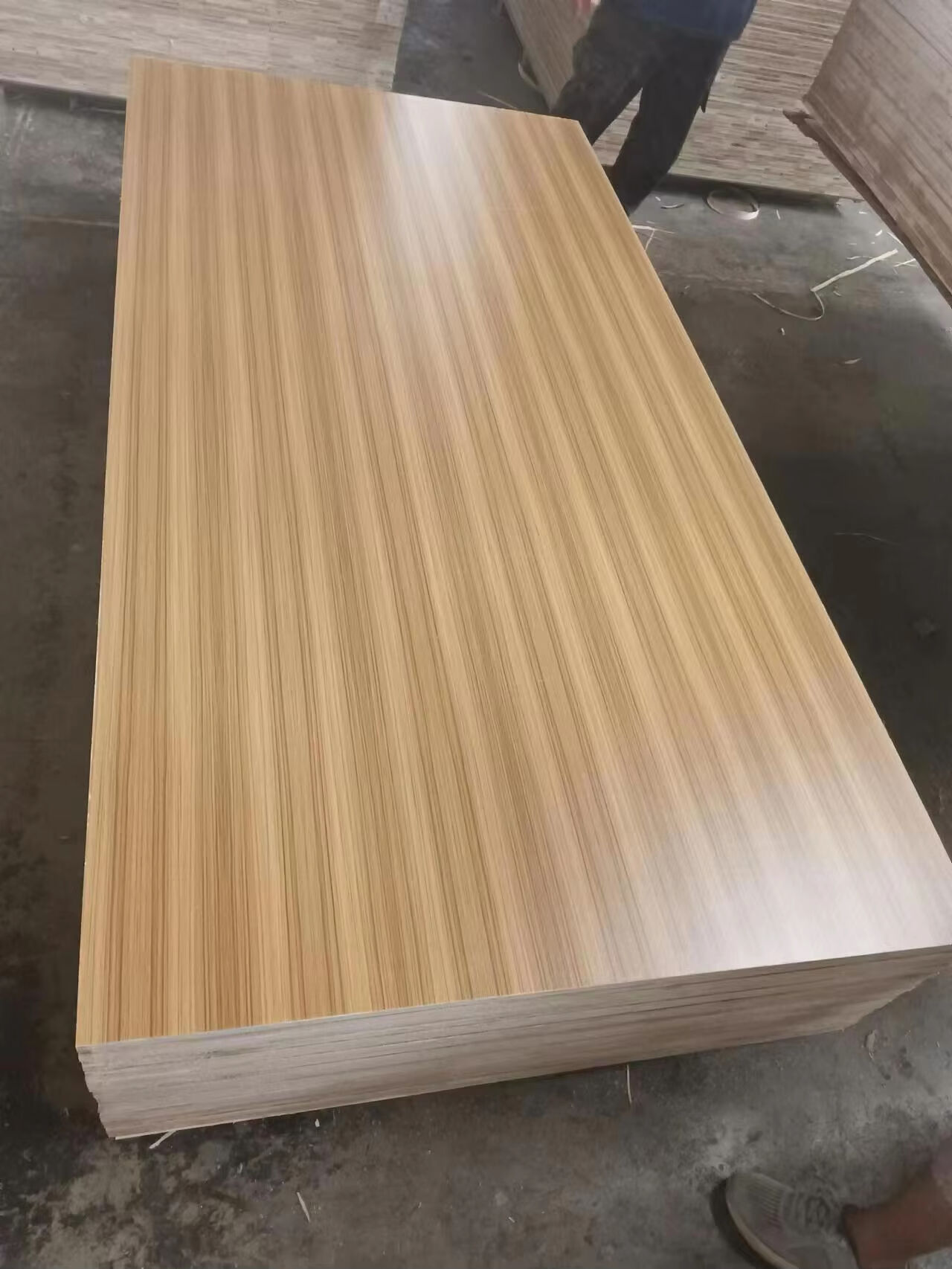
Premium Furniture Grade Plywood: Superior Quality Engineered Wood Solutions for Professional Applications

Get a Free Quote

Our representative will contact you soon.
Email
Mobile/WhatsApp
Name
Company Name
Message
0/1000

furniture grade plywood

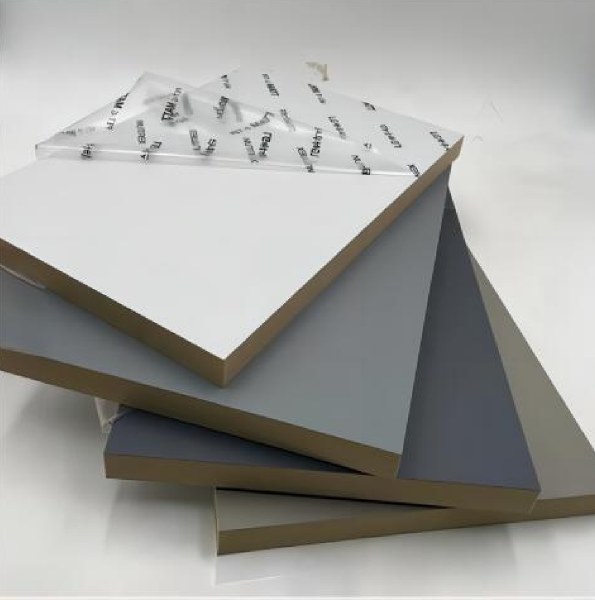
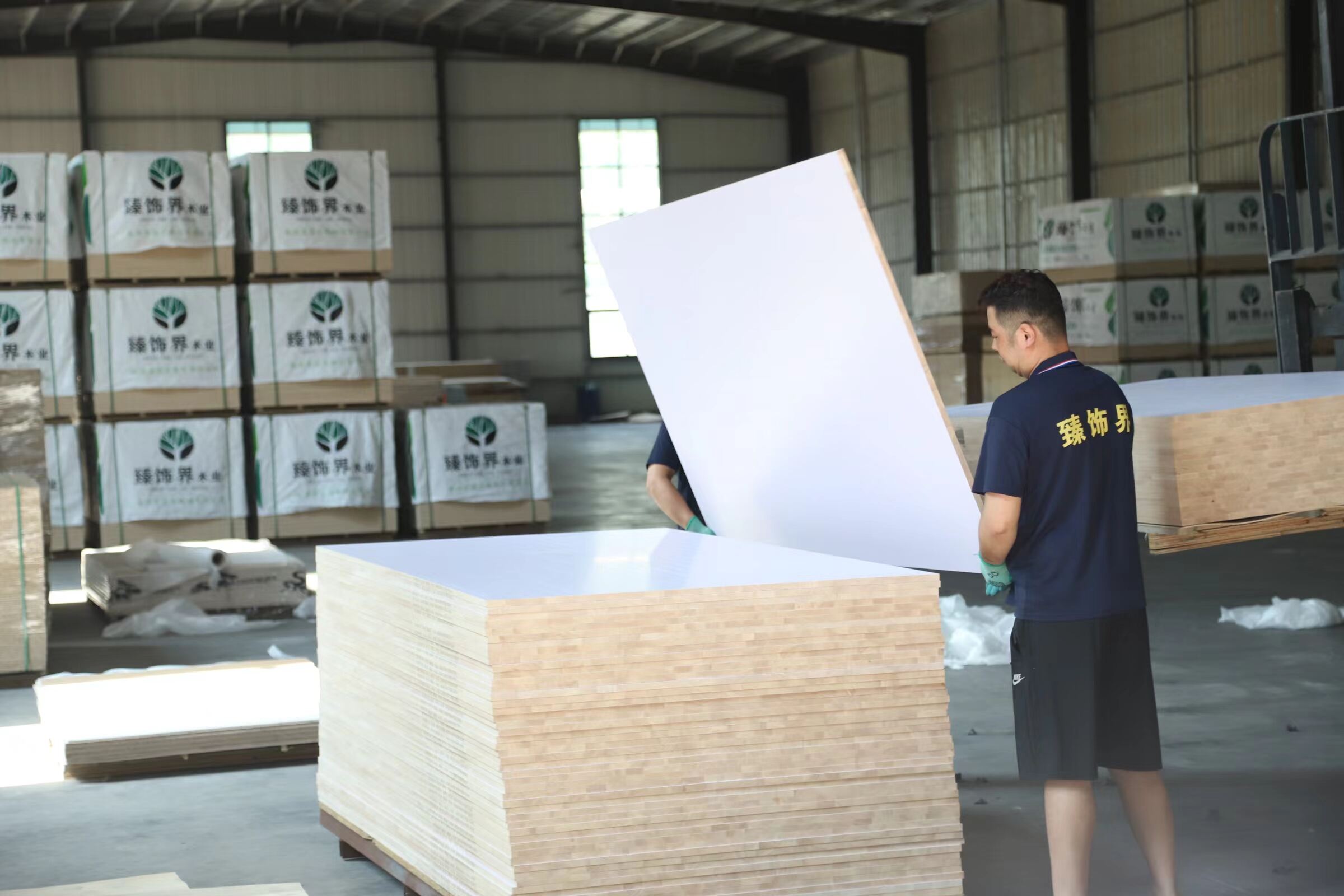
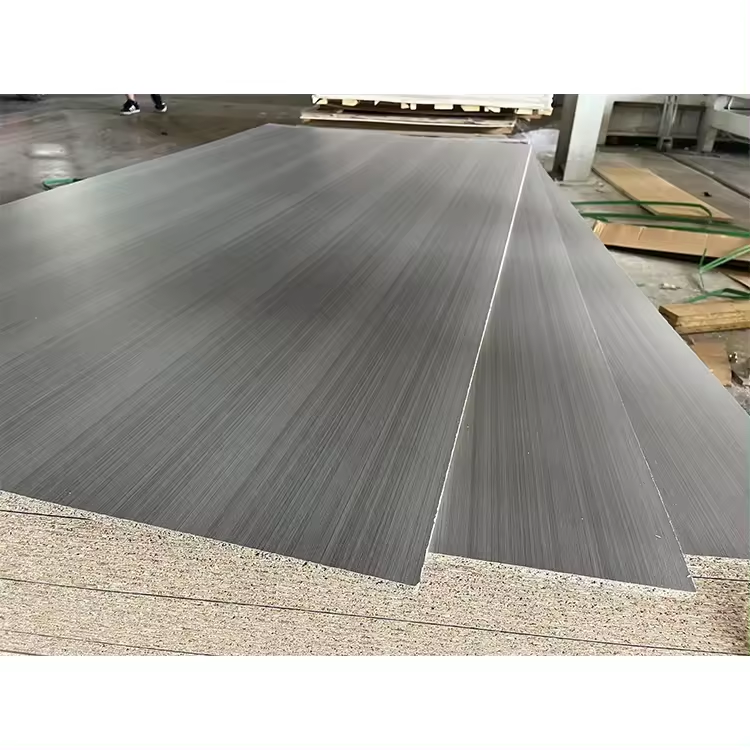
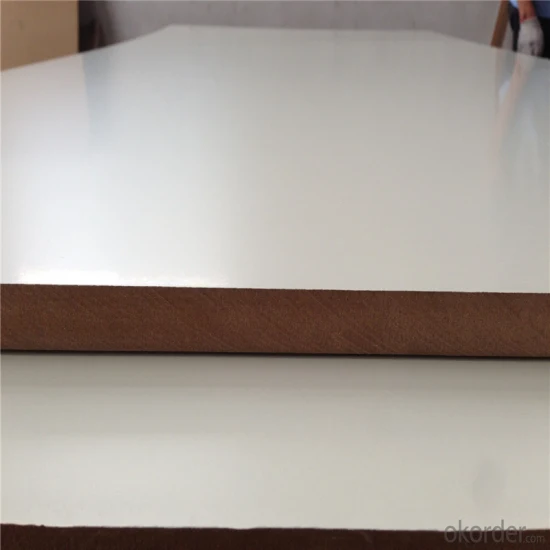
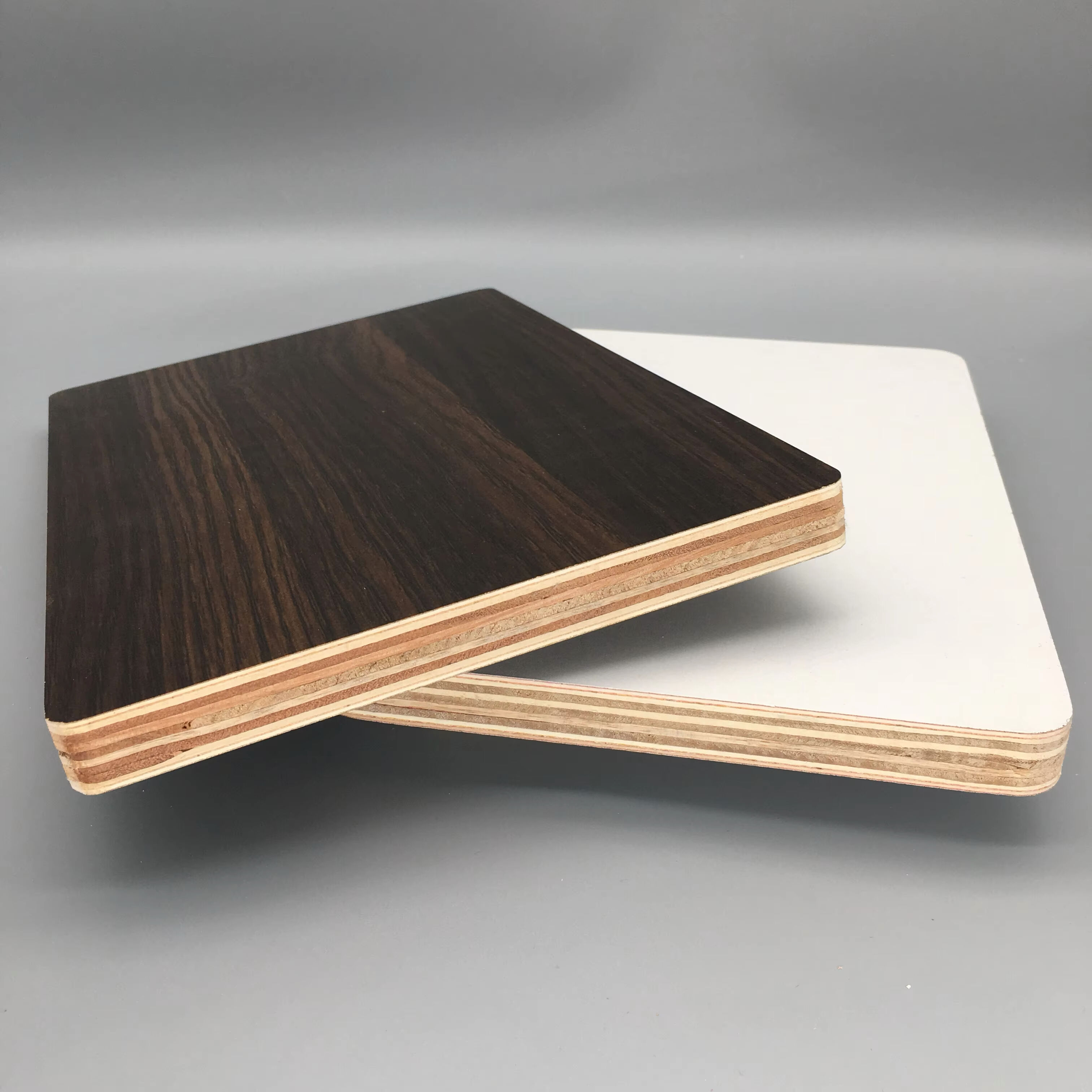
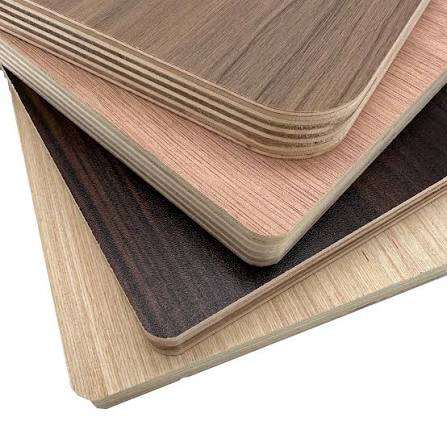
Furniture grade plywood represents the pinnacle of engineered wood products, specifically designed to meet the demanding requirements of high-quality furniture manufacturing and interior design applications. This premium material combines multiple layers of wood veneer, bonded together with advanced adhesives under controlled pressure and temperature conditions to create a stable, durable, and aesthetically pleasing substrate. The manufacturing process involves carefully selecting hardwood veneers, typically birch, maple, or oak, which are arranged in alternating grain directions to maximize structural integrity and minimize warping tendencies. Furniture grade plywood serves multiple critical functions in the woodworking industry, primarily as a foundation material for cabinets, built-in storage solutions, and custom furniture pieces. Its exceptional dimensional stability makes it ideal for applications where consistent performance is essential, such as kitchen cabinets, bathroom vanities, and commercial fixtures. The technological features of furniture grade plywood include superior bonding techniques that utilize waterproof or water-resistant adhesives, ensuring long-lasting performance in various environmental conditions. The surface quality of furniture grade plywood is meticulously controlled, featuring smooth, defect-free faces that readily accept stains, paints, and various finishing treatments. This material typically exhibits minimal void content in its core layers, contributing to enhanced screw-holding capacity and edge-working properties. Applications for furniture grade plywood extend across residential and commercial sectors, including high-end cabinetry, architectural millwork, retail displays, and specialty furniture construction. Professional woodworkers and manufacturers choose furniture grade plywood for projects requiring consistent thickness tolerance, excellent machinability, and reliable long-term performance. The material's versatility allows it to function as both structural components and visible surfaces, making it invaluable for comprehensive furniture design solutions.

New Product Releases

Furniture grade plywood delivers exceptional value through its superior construction and performance characteristics that directly benefit end users and manufacturers alike. The primary advantage lies in its remarkable dimensional stability, which prevents warping, twisting, and seasonal movement that commonly affects solid wood products. This stability ensures that furniture pieces maintain their intended shape and function throughout their lifespan, reducing maintenance requirements and customer complaints. The manufacturing process creates a product with consistent thickness and density throughout each sheet, enabling precise joinery and professional-grade results in finished projects. Furniture grade plywood offers significant cost advantages compared to solid hardwood lumber while providing comparable strength and appearance qualities. Users save money on material costs without compromising structural integrity or aesthetic appeal, making quality furniture construction accessible to broader market segments. The material's engineered nature eliminates many defects found in natural wood, such as knots, splits, and grain irregularities, resulting in higher yield rates and reduced waste during manufacturing processes. Processing advantages include excellent screw-holding properties that create strong mechanical connections in cabinet construction and furniture assembly. The layered structure distributes fastener loads effectively, preventing splitting and ensuring reliable long-term joint performance. Edge-working capabilities allow for clean cuts, smooth routing operations, and precise joinery techniques that professional craftsmen demand. Surface preparation advantages become apparent during finishing operations, as furniture grade plywood accepts stains, paints, and clear coatings uniformly without blotching or absorption inconsistencies. This characteristic enables manufacturers to achieve consistent color matching across large production runs and simplifies finishing processes. Environmental advantages include efficient utilization of wood resources through the veneer slicing process, which maximizes lumber yield compared to solid wood processing. The controlled manufacturing environment ensures consistent moisture content, reducing drying time and energy consumption in production facilities. Quality control advantages stem from standardized manufacturing processes that deliver predictable performance characteristics, enabling designers and manufacturers to specify materials with confidence. The availability of various thickness options and face veneer species provides flexibility in matching specific project requirements without custom ordering delays or premium pricing.

Tips And Tricks

Can Particleboard Improve Space-Saving Cabinet Projects?

10

Mar

Can Particleboard Improve Space-Saving Cabinet Projects?

Modern homeowners and designers constantly seek innovative materials that combine affordability, versatility, and functionality for their cabinet projects. Particleboard has emerged as a premier choice for space-saving cabinet designs, offering excep...
View More
Is Particleboard Suitable For Commercial Fit-Out Works?

13

Mar

Is Particleboard Suitable For Commercial Fit-Out Works?

Commercial fit-out projects demand materials that balance cost-effectiveness, durability, and aesthetic appeal. Particleboard has emerged as a versatile solution for various commercial applications, offering contractors and designers a reliable engin...
View More
Is Chipboard Particle Board Good For Interior Projects?

31

Mar

Is Chipboard Particle Board Good For Interior Projects?

When considering materials for interior projects, many homeowners and contractors find themselves evaluating the merits of chipboard particle board as a practical solution. This engineered wood product has gained significant traction in the construct...
View More
What Is Pet Board And Why Is It Eco-Friendly?

03

Apr

What Is Pet Board And Why Is It Eco-Friendly?

Modern furniture manufacturing increasingly demands materials that combine durability, aesthetics, and environmental responsibility. Pet board has emerged as a revolutionary solution that addresses these requirements while offering superior performan...
View More

Get a Free Quote

Our representative will contact you soon.
Email
Mobile/WhatsApp
Name
Company Name
Message
0/1000

furniture grade plywood

Exceptional Surface Quality and Finishing Versatility

Exceptional Surface Quality and Finishing Versatility

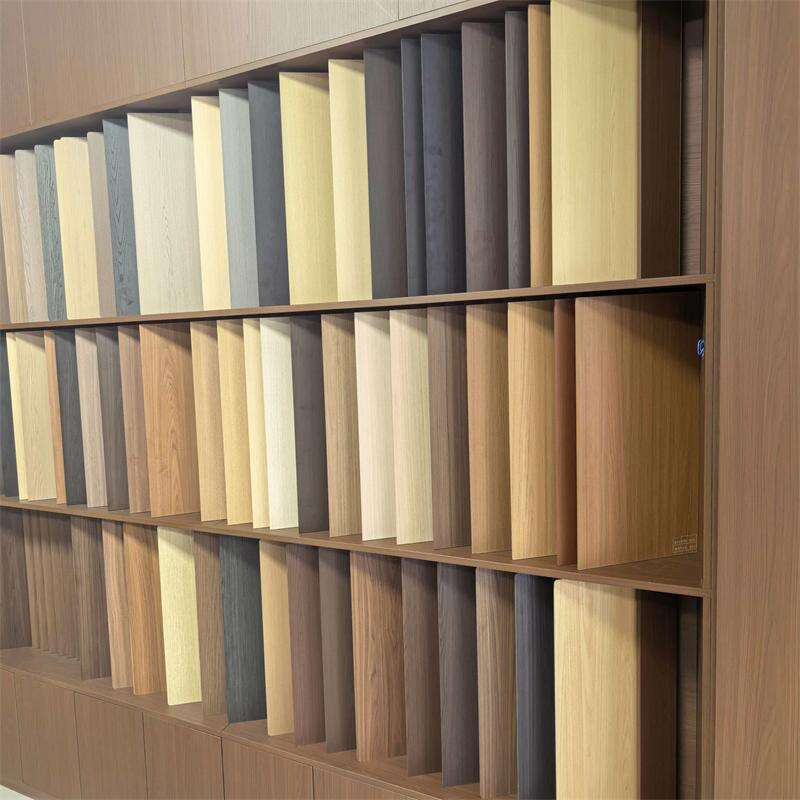
Furniture grade plywood stands out in the market due to its exceptional surface quality that sets the foundation for superior finishing results across diverse applications. The face veneers undergo rigorous selection and preparation processes, ensuring smooth, consistent surfaces free from defects that could compromise final appearance. This attention to surface quality translates directly into reduced preparation time and material costs for finishing operations. Unlike lower grades of plywood that may require extensive sanding and patching, furniture grade plywood arrives ready for immediate finishing applications, saving valuable production time and labor costs. The uniform surface density prevents issues such as telegraph-through of core voids or uneven stain absorption that can plague inferior products. Professional finishers appreciate how furniture grade plywood accepts various coating systems uniformly, whether applying traditional stains and lacquers or modern water-based finishes and conversion varnishes. This versatility enables manufacturers to offer customers extensive finish options without concerns about performance variations or quality inconsistencies. The smooth surface texture eliminates the need for specialized primers or sealers in many applications, further reducing finishing costs and complexity. Edge quality matches face surface standards, allowing exposed edges to receive the same high-quality finishing treatments as face surfaces. This characteristic proves particularly valuable in contemporary furniture designs where clean, minimalist aesthetics demand consistent appearance across all visible surfaces. The stable surface properties of furniture grade plywood prevent finish failures caused by substrate movement, ensuring long-lasting color retention and coating adhesion. Quality control measures during manufacturing include surface inspection protocols that identify and eliminate sheets with surface defects before they reach end users. This commitment to surface excellence extends product lifecycles and enhances customer satisfaction by delivering professional results that maintain their appearance over time. The finishing versatility of furniture grade plywood supports both traditional and innovative design approaches, enabling manufacturers to respond quickly to changing market trends without reformulating their finishing processes or investing in specialized equipment.
Superior Structural Performance and Engineering Properties

Superior Structural Performance and Engineering Properties

The engineered construction of furniture grade plywood delivers superior structural performance that exceeds the capabilities of solid wood in critical applications where reliability and consistency are paramount. The cross-grain lamination technique creates a balanced structure that exhibits exceptional strength-to-weight ratios, making it ideal for applications requiring both structural integrity and weight considerations. This engineering approach distributes loads evenly across the panel surface, preventing localized stress concentrations that can lead to failure in solid wood products. The alternating grain direction of adjacent plies effectively neutralizes the natural tendency of wood to expand and contract with moisture changes, resulting in dimensional stability that remains consistent across varying environmental conditions. Professional engineers and designers rely on the predictable performance characteristics of furniture grade plywood when specifying materials for critical structural applications such as cabinet boxes, shelving systems, and architectural components. The manufacturing process ensures consistent density distribution throughout the panel thickness, eliminating weak spots or density variations that could compromise structural integrity under load. Mechanical fastener performance in furniture grade plywood surpasses that of many solid wood species, with improved screw holding strength and reduced splitting tendency during assembly operations. The layered construction provides multiple glue lines that contribute to overall panel strength while preventing crack propagation through the thickness direction. Edge-working properties remain consistent throughout the panel thickness, enabling clean machining operations and precise joinery that maintains structural integrity over time. Quality testing protocols verify that furniture grade plywood meets or exceeds industry standards for bending strength, modulus of elasticity, and internal bond strength. These performance characteristics enable designers to optimize material usage while maintaining safety factors required for furniture and architectural applications. The predictable performance of furniture grade plywood allows for accurate structural calculations and load determinations, supporting engineered design approaches that maximize efficiency while ensuring adequate safety margins. Long-term performance studies demonstrate that properly manufactured furniture grade plywood maintains its structural properties over extended service periods, providing reliable performance that justifies initial material investments through extended product lifecycles and reduced maintenance requirements.
Cost-Effective Manufacturing and Production Efficiency

Cost-Effective Manufacturing and Production Efficiency

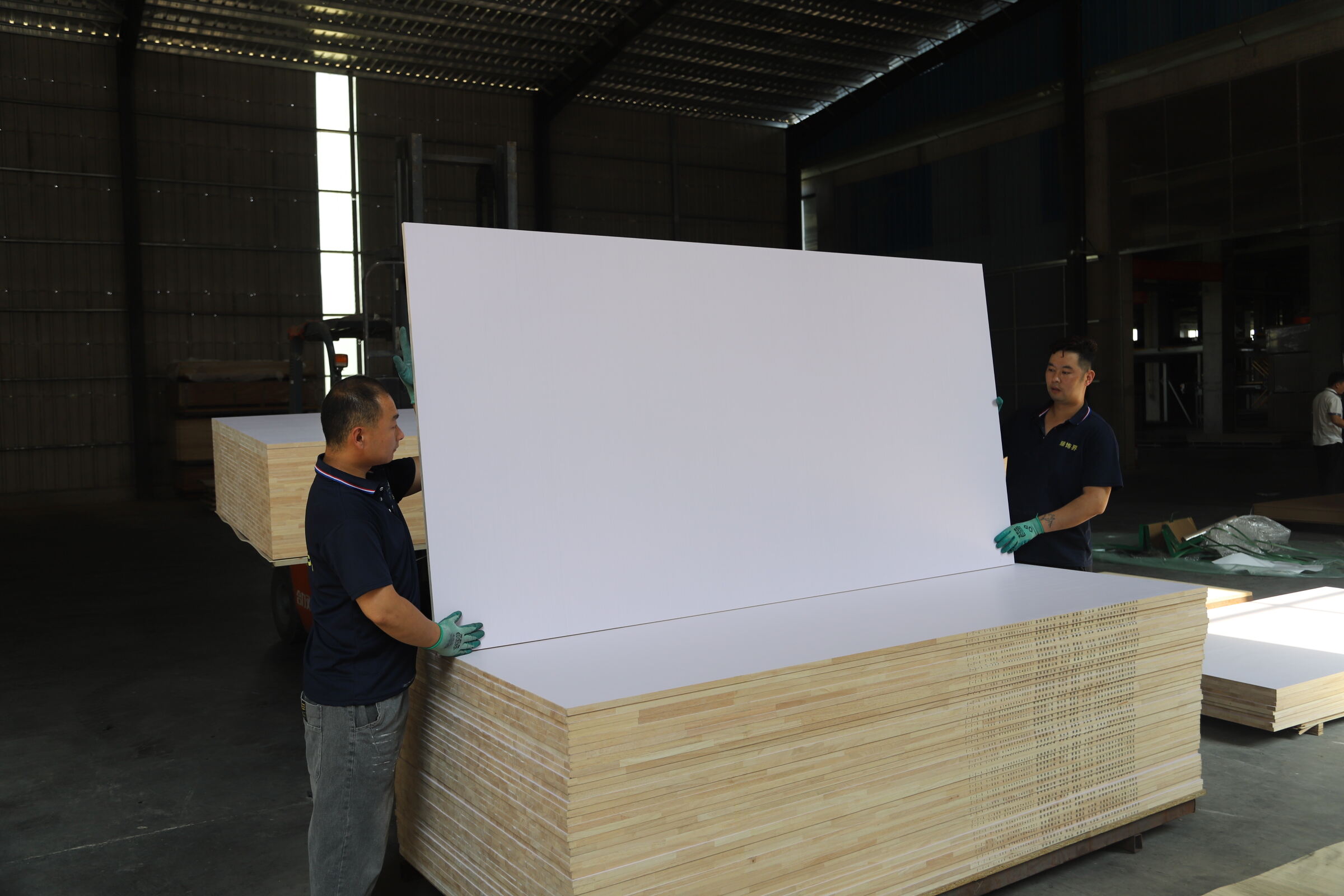
Furniture grade plywood offers significant manufacturing advantages that translate into cost savings and improved production efficiency for furniture manufacturers and custom woodworking operations. The consistent thickness tolerance of furniture grade plywood eliminates the time-consuming dimensioning operations required with solid lumber, allowing manufacturers to proceed directly to cutting and machining operations. This efficiency gain reduces labor costs and increases throughput in production environments where time optimization directly impacts profitability. The standardized dimensions and predictable properties of furniture grade plywood enable manufacturers to implement lean production techniques, reducing inventory requirements and minimizing waste through more accurate material planning. Processing efficiency improvements become apparent during machining operations, as the stable, uniform structure of furniture grade plywood produces consistent cutting results with reduced tool wear and maintenance requirements. The absence of natural defects such as knots, splits, and pitch pockets eliminates the material sorting and grading time required with solid lumber, streamlining material handling and reducing labor overhead. Production scheduling benefits from the reliable availability and consistent quality of furniture grade plywood, enabling manufacturers to maintain steady production flow without delays caused by material quality issues or supply inconsistencies. The engineered construction of furniture grade plywood provides superior yield rates compared to solid wood processing, as the manufacturing process eliminates many sources of waste inherent in natural lumber conversion. Edge-banding and laminating operations proceed more efficiently with furniture grade plywood due to its smooth, consistent edges and surfaces that require minimal preparation. Assembly efficiency improves through the reliable screw-holding properties and consistent density of furniture grade plywood, reducing assembly time and improving joint quality in finished products. Quality control processes become more predictable when working with furniture grade plywood, as the manufacturing standards ensure consistent performance characteristics that reduce the need for extensive testing and inspection. Inventory management advantages include longer storage life and reduced susceptibility to environmental damage compared to solid lumber, enabling manufacturers to maintain strategic material stocks without degradation concerns. The versatility of furniture grade plywood reduces the number of different material specifications required in inventory, simplifying purchasing decisions and reducing carrying costs. Training requirements for production personnel decrease when working with furniture grade plywood, as its consistent properties and processing characteristics enable faster skill development and reduced error rates during manufacturing operations.

Get a Free Quote

Our representative will contact you soon.
Email
Mobile/WhatsApp
Name
Company Name
Message
0/1000