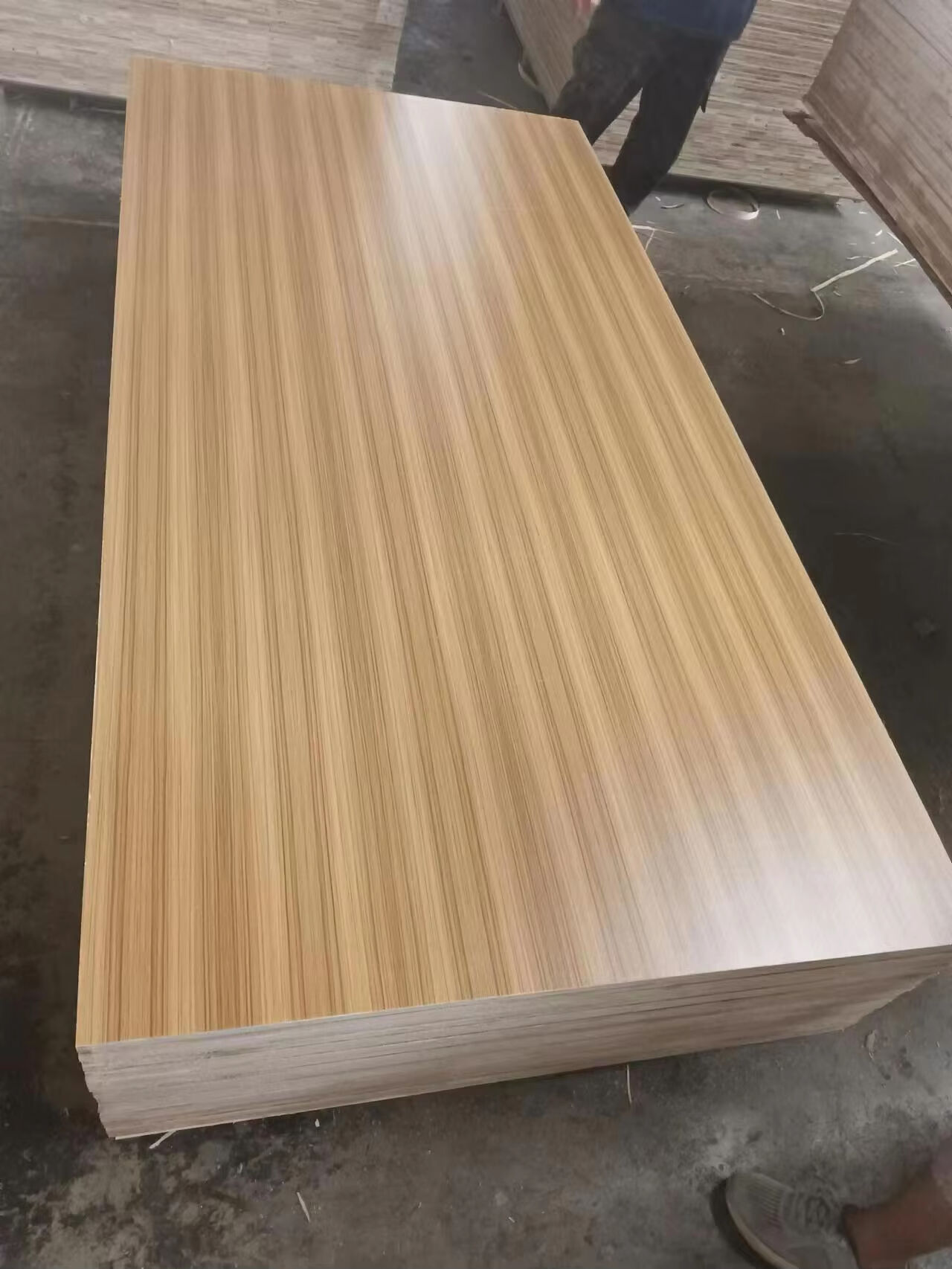
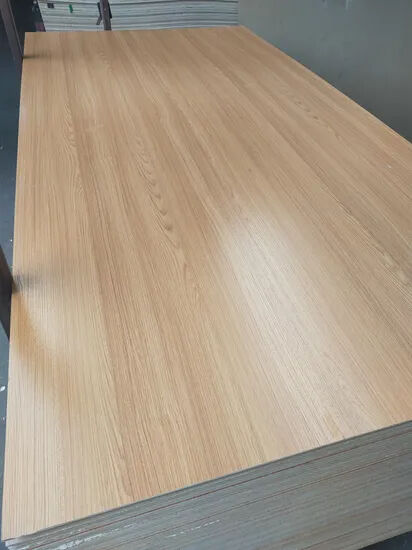
Low Formaldehyde Cabinet Plywood: Premium Eco-Friendly Wood Panels for Healthy Indoor Environments

Get a Free Quote

Our representative will contact you soon.
Email
Mobile/WhatsApp
Name
Company Name
Message
0/1000

low formaldehyde cabinet plywood

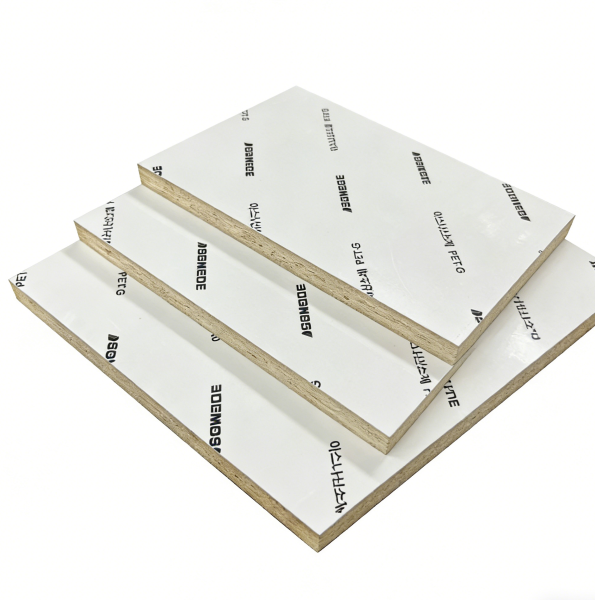
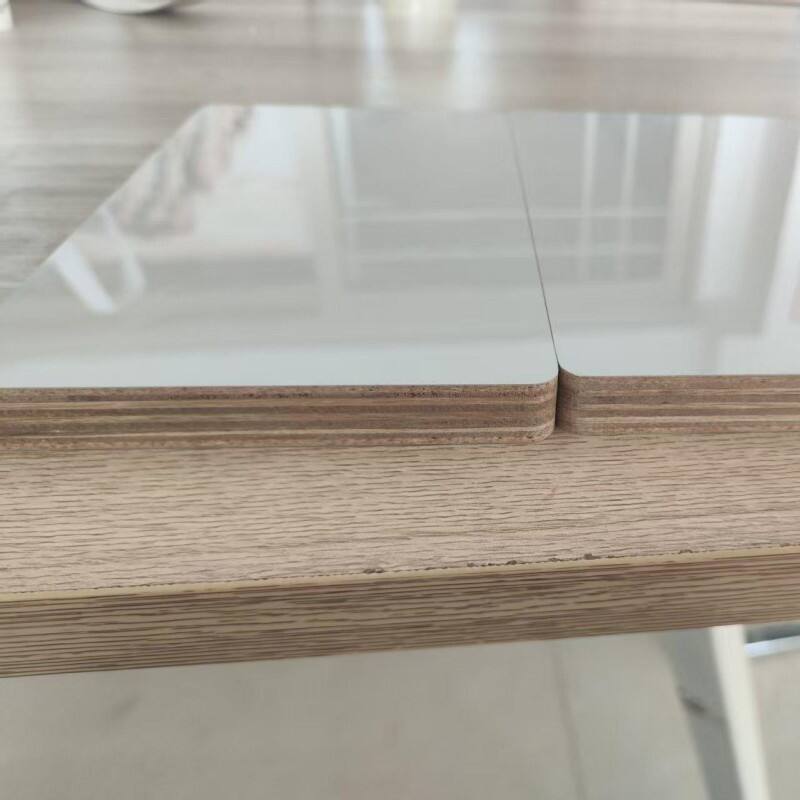
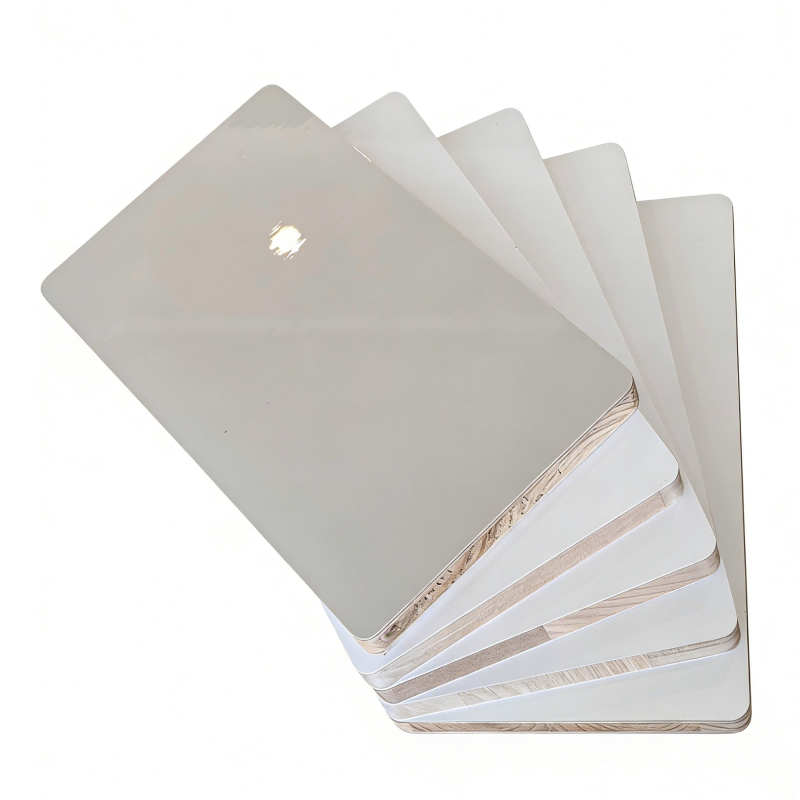
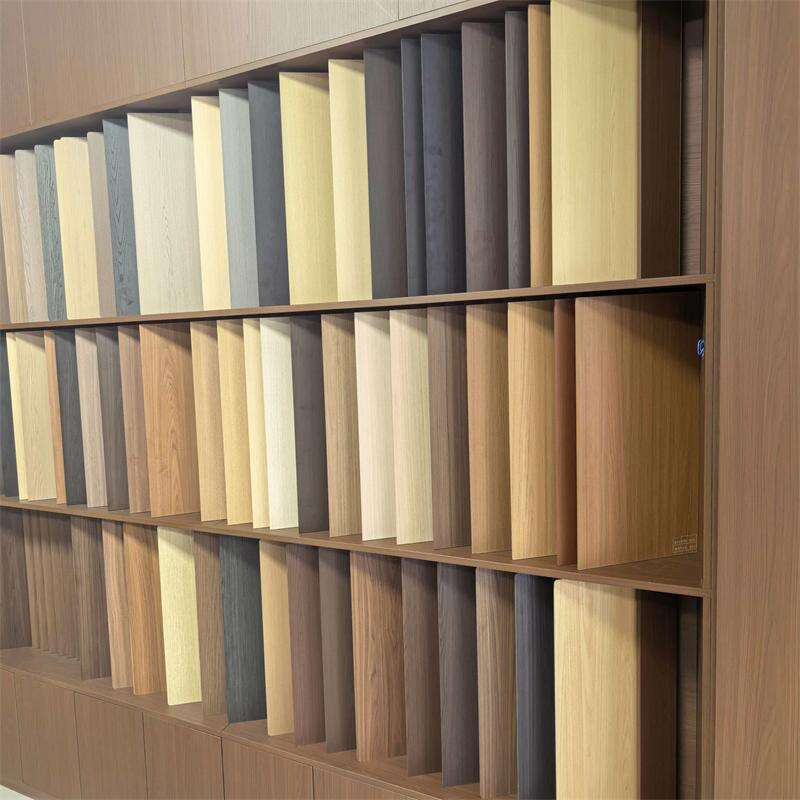
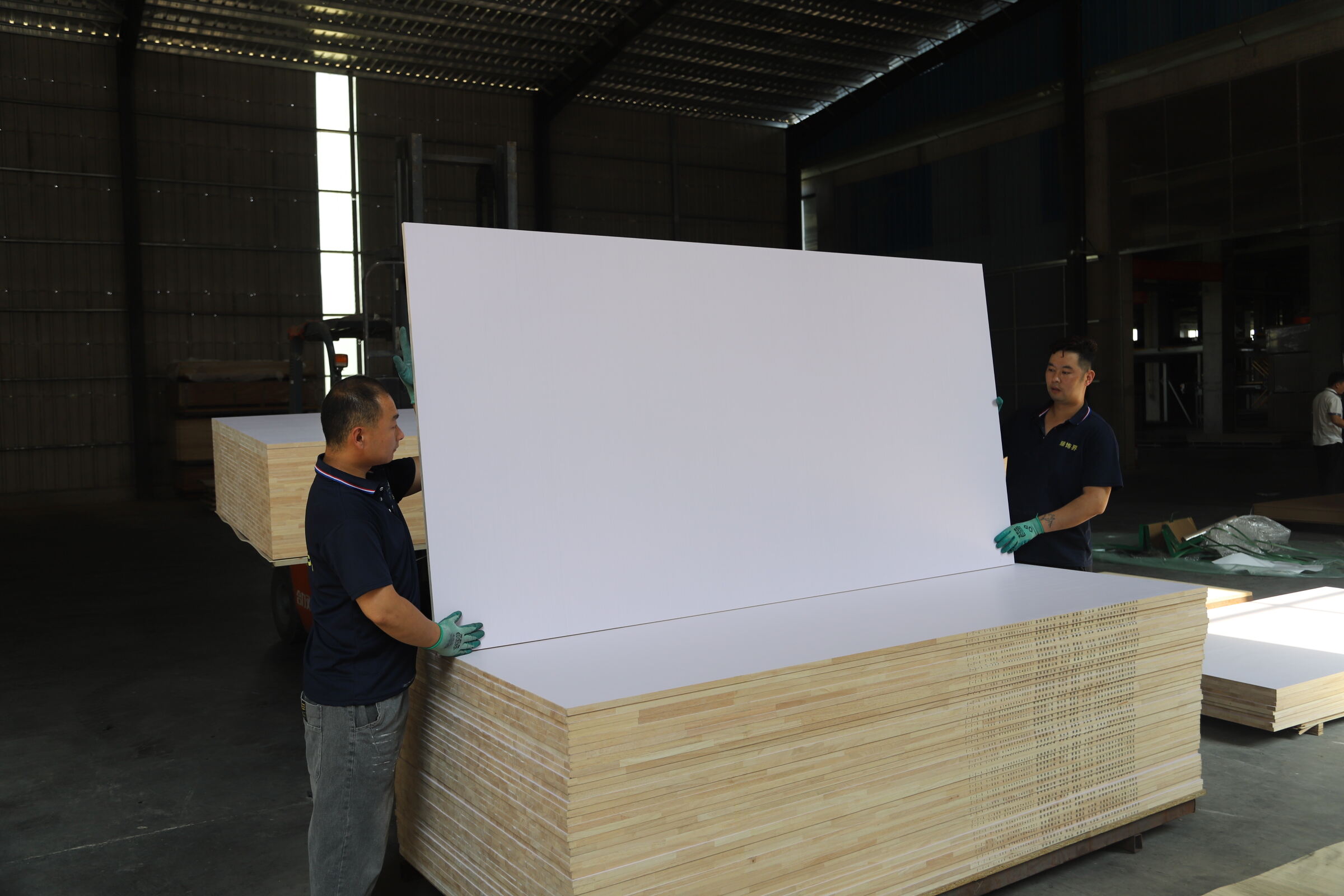
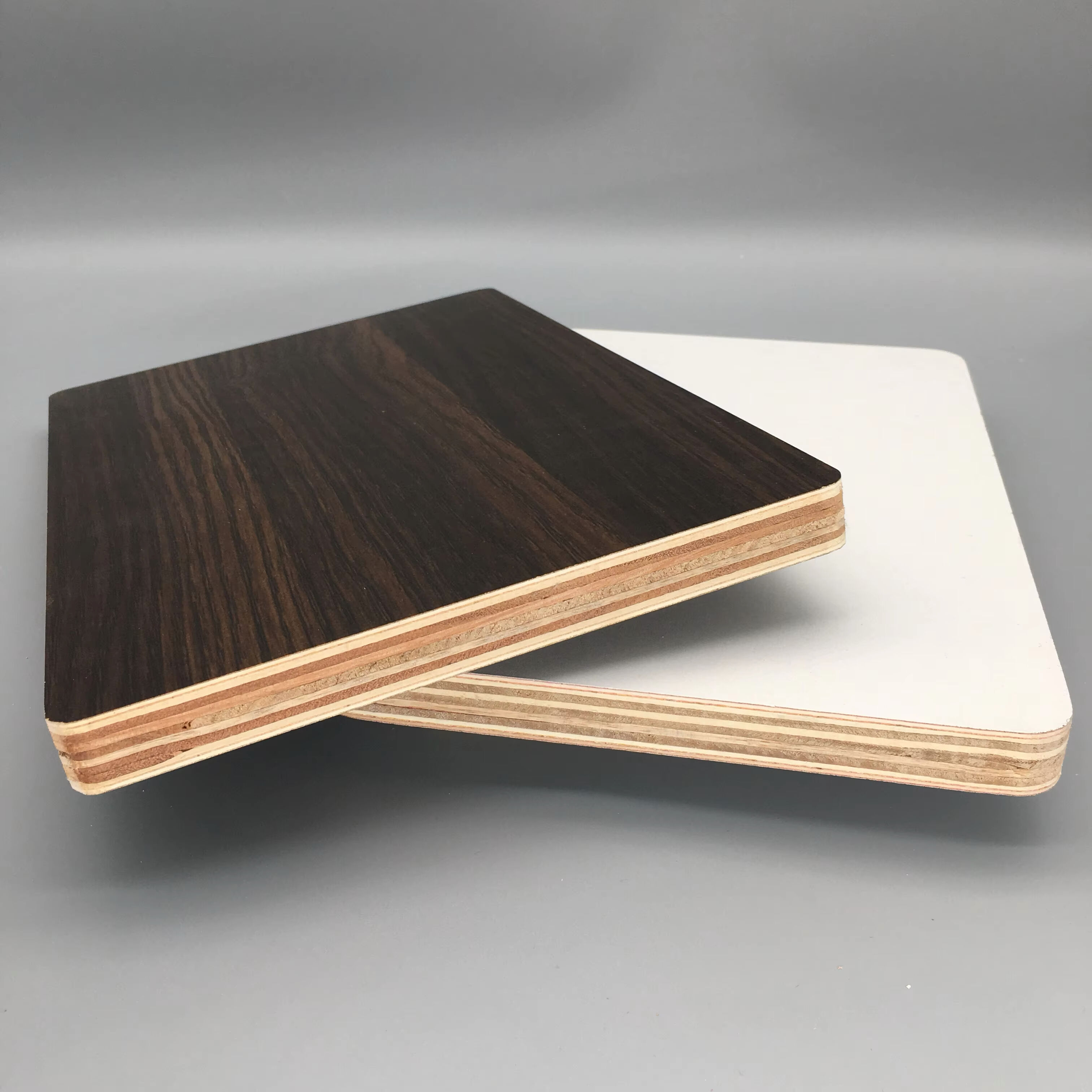
Low formaldehyde cabinet plywood represents a revolutionary advancement in engineered wood products, specifically designed to address growing health and environmental concerns in modern construction and furniture manufacturing. This premium-grade material combines traditional plywood manufacturing techniques with cutting-edge formaldehyde reduction technologies, resulting in a product that maintains structural integrity while significantly minimizing harmful chemical emissions. The core functionality of low formaldehyde cabinet plywood centers on its ability to provide exceptional strength, durability, and dimensional stability for cabinet construction while ensuring indoor air quality remains safe for occupants. The technological features of this material include advanced adhesive systems that utilize formaldehyde-free or ultra-low formaldehyde binding agents, precision-engineered veneer layering, and sophisticated curing processes that eliminate residual chemical compounds. These innovations result in emission levels that often fall below 0.1 parts per million, compared to standard plywood that may emit up to 0.5 parts per million or higher. The manufacturing process incorporates multiple quality control checkpoints, ensuring each sheet meets stringent environmental standards while delivering consistent performance characteristics. Applications for low formaldehyde cabinet plywood span residential and commercial sectors, including kitchen cabinetry, bathroom vanities, built-in storage solutions, office furniture, retail fixtures, and custom millwork projects. The material proves particularly valuable in healthcare facilities, schools, and residential spaces where occupant sensitivity to chemical emissions is a primary concern. Its versatility extends to both structural and decorative applications, supporting heavy loads while providing smooth surfaces suitable for various finishing techniques. The plywood's engineered composition allows for precise machining, edge banding, and joinery operations, making it an ideal choice for professional cabinet makers and furniture manufacturers who demand both performance and safety in their projects.

Popular Products

Low formaldehyde cabinet plywood delivers numerous practical benefits that directly impact both manufacturers and end users, making it an increasingly popular choice in today's health-conscious market. The primary advantage lies in its dramatically reduced chemical emissions, which create healthier indoor environments by minimizing exposure to volatile organic compounds that can cause respiratory irritation, headaches, and long-term health complications. This emission reduction proves especially beneficial for families with children, elderly individuals, or those with chemical sensitivities who require safer living spaces. The material maintains exceptional structural performance, offering superior strength-to-weight ratios that ensure long-lasting cabinet installations capable of supporting heavy loads without sagging or warping over time. Its dimensional stability prevents common issues like door misalignment, drawer binding, and panel distortion that plague lesser-quality materials, reducing maintenance costs and customer complaints. Manufacturing advantages include improved worker safety in production facilities, as reduced formaldehyde exposure creates healthier working conditions and potentially lowers insurance costs and regulatory compliance burdens. The plywood accepts various finishes beautifully, from paint and stain to veneer and laminate applications, providing designers and builders with maximum creative flexibility while maintaining consistent results across different surface treatments. Installation benefits include easier handling due to consistent thickness tolerances and reduced odor during construction, creating more pleasant working conditions for contractors and homeowners. The material's enhanced moisture resistance properties make it particularly suitable for kitchen and bathroom applications where humidity levels fluctuate regularly, extending cabinet lifespan and maintaining appearance over years of use. Cost benefits emerge through reduced warranty claims, fewer callbacks for odor-related issues, and increased customer satisfaction leading to repeat business and positive referrals. Environmental advantages include contribution to green building certifications, support for sustainable forestry practices, and alignment with increasingly strict building codes and environmental regulations. Quality control benefits manifest through consistent performance characteristics, predictable machining behavior, and reliable bonding strength that streamlines manufacturing processes and reduces waste from defective materials.

Tips And Tricks

What Are The Main Advantages Of Using Particleboard?

01

Mar

What Are The Main Advantages Of Using Particleboard?

Particleboard has emerged as one of the most versatile and cost-effective engineered wood products in modern construction and furniture manufacturing. This composite material, made from wood chips, sawmill shavings, and synthetic resin binders, offer...
View More
What Is Chipboard Particle Board Used For Today?

18

Mar

What Is Chipboard Particle Board Used For Today?

The versatility and cost-effectiveness of chipboard particle board have made it an essential material in modern construction, furniture manufacturing, and interior design applications. This engineered wood product, created from wood chips, sawmill sh...
View More
What Are The Benefits Of Chipboard Particle Board Panels?

27

Mar

What Are The Benefits Of Chipboard Particle Board Panels?

In the modern construction and furniture manufacturing industry, materials that offer versatility, cost-effectiveness, and reliable performance are highly sought after. Among these materials, chipboard particle board stands out as one of the most pra...
View More
What Is Pet Board And Why Is It Eco-Friendly?

03

Apr

What Is Pet Board And Why Is It Eco-Friendly?

Modern furniture manufacturing increasingly demands materials that combine durability, aesthetics, and environmental responsibility. Pet board has emerged as a revolutionary solution that addresses these requirements while offering superior performan...
View More

Get a Free Quote

Our representative will contact you soon.
Email
Mobile/WhatsApp
Name
Company Name
Message
0/1000

low formaldehyde cabinet plywood

Superior Indoor Air Quality Protection

Superior Indoor Air Quality Protection

The most compelling feature of low formaldehyde cabinet plywood is its exceptional ability to maintain healthy indoor air quality through advanced emission control technology. This critical advantage addresses one of the most significant concerns in modern construction and furniture manufacturing, where traditional wood products can release harmful chemicals for months or even years after installation. The sophisticated manufacturing process employs innovative adhesive systems that either completely eliminate formaldehyde or reduce emissions to levels so low they become virtually undetectable in typical indoor environments. These ultra-low emission levels, often measuring below 0.05 parts per million, represent a dramatic improvement over conventional plywood products that may emit formaldehyde at levels exceeding safe exposure guidelines established by health organizations worldwide. The health implications of this advancement cannot be overstated, particularly for vulnerable populations including pregnant women, young children, and individuals with respiratory conditions or chemical sensitivities. Prolonged exposure to elevated formaldehyde levels has been linked to various health issues ranging from immediate symptoms like eye irritation, throat discomfort, and breathing difficulties to more serious long-term concerns. By choosing low formaldehyde cabinet plywood, homeowners and building professionals actively protect occupant health while creating more comfortable living and working spaces. The material's emission reduction technology continues working throughout the product's lifespan, ensuring that indoor air quality remains consistently safe rather than gradually degrading as chemicals off-gas from traditional materials. This feature proves particularly valuable in tightly sealed modern buildings where indoor air circulation may be limited, preventing the accumulation of harmful compounds that could otherwise reach concerning concentrations. The peace of mind that comes with knowing cabinet installations will not compromise indoor air quality represents an invaluable benefit for health-conscious consumers and responsible building professionals who prioritize occupant safety above all other considerations.
Enhanced Structural Performance and Durability

Enhanced Structural Performance and Durability

Low formaldehyde cabinet plywood delivers exceptional structural performance that surpasses many traditional engineered wood products, combining advanced manufacturing techniques with carefully selected raw materials to create a product that excels in demanding applications. The sophisticated bonding systems used in this material not only reduce harmful emissions but also create stronger, more durable connections between wood layers, resulting in improved load-bearing capacity and enhanced resistance to delamination under stress. This superior structural integrity proves crucial in cabinet applications where shelves must support heavy items like dishes, books, appliances, and stored goods without sagging, cracking, or failing over time. The material's exceptional dimensional stability prevents common problems that plague inferior products, including warping, twisting, and expansion that can cause doors to bind, drawers to stick, and panel joints to separate. These stability characteristics remain consistent across varying temperature and humidity conditions, making the plywood suitable for installation in challenging environments like kitchens, bathrooms, and basements where moisture levels fluctuate regularly. The enhanced moisture resistance properties stem from improved resin penetration and curing processes that create more effective barriers against water infiltration, preventing the swelling, delamination, and fungal growth that can destroy conventional wood products. Manufacturing precision ensures consistent thickness tolerances and smooth surface finishes that facilitate professional installation and finishing processes, reducing labor costs and improving final appearance quality. The material's superior screw-holding power and edge strength support secure hardware installation and resist pull-out failures that can cause doors and drawers to become loose or detached over time. Quality control measures implemented throughout production ensure that each sheet meets rigorous performance standards, providing builders and manufacturers with reliable, predictable material characteristics that streamline construction processes and reduce waste from defective products.
Environmental Responsibility and Regulatory Compliance

Environmental Responsibility and Regulatory Compliance

Low formaldehyde cabinet plywood represents a significant advancement in environmental responsibility within the wood products industry, addressing growing concerns about sustainable manufacturing practices and building material safety regulations. This innovative product supports broader environmental goals through multiple pathways, beginning with its contribution to healthier indoor environments that reduce the burden on healthcare systems and improve quality of life for building occupants. The manufacturing process typically incorporates wood fibers from sustainably managed forests, supporting responsible forestry practices that maintain biodiversity, prevent deforestation, and ensure long-term resource availability for future generations. Many low formaldehyde cabinet plywood products qualify for green building certification programs, including LEED credits that help projects achieve higher sustainability ratings and demonstrate environmental commitment to stakeholders and regulatory agencies. The reduced chemical content aligns with increasingly stringent building codes and environmental regulations being implemented worldwide, helping builders and manufacturers stay ahead of compliance requirements while avoiding potential penalties or project delays. Workplace safety improvements in manufacturing facilities result from reduced formaldehyde exposure, creating healthier conditions for workers while potentially lowering insurance costs and regulatory oversight burdens. The material's longer lifespan and superior durability characteristics contribute to reduced waste generation over the building's lifetime, as cabinets and furniture constructed with this plywood require less frequent replacement or repair compared to products made with inferior materials. End-of-life considerations also favor this product, as reduced chemical content makes disposal or recycling processes safer and more environmentally friendly. The growing market demand for environmentally responsible building materials positions low formaldehyde cabinet plywood as a forward-thinking choice that anticipates future regulatory changes while meeting current consumer preferences for healthier, more sustainable products. This environmental leadership helps manufacturers, builders, and architects differentiate their services in competitive markets while contributing to broader sustainability goals that benefit communities and ecosystems worldwide.

Get a Free Quote

Our representative will contact you soon.
Email
Mobile/WhatsApp
Name
Company Name
Message
0/1000