EN


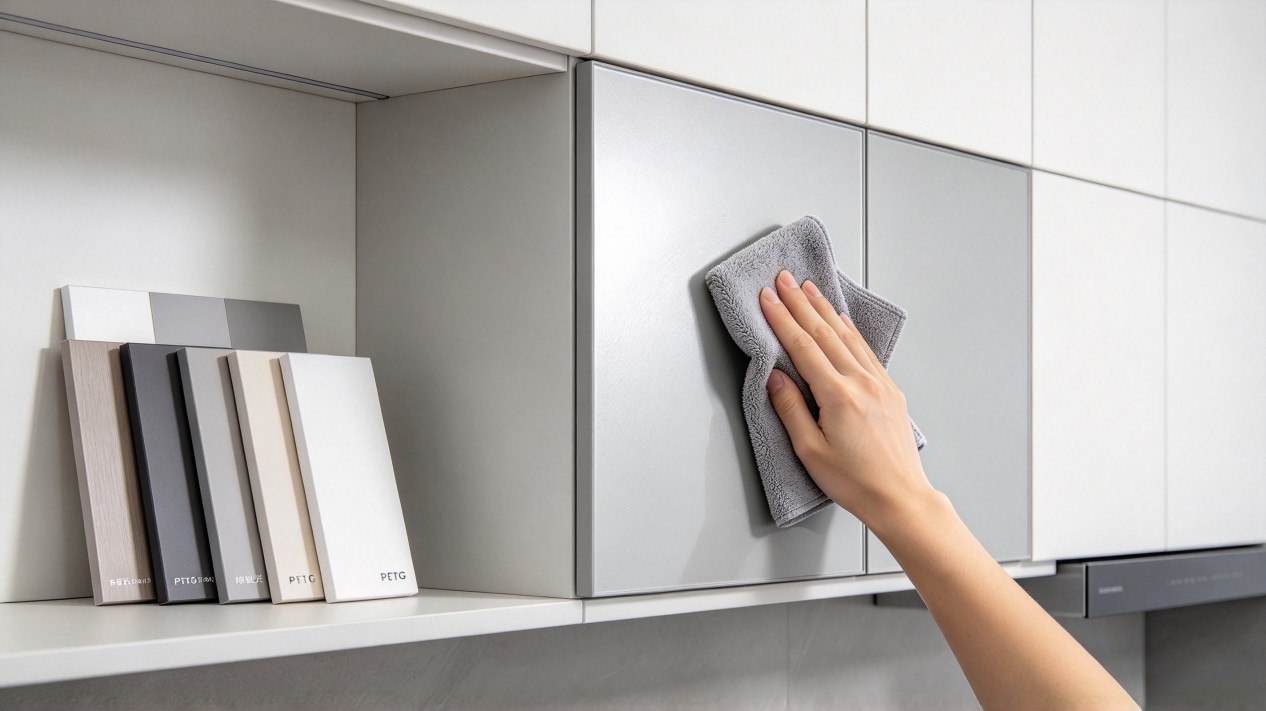
PETG boards are gaining increasing popularity in the global cabinetry and interior decoration sectors, with importers from Europe, North America, the Middle East, and Southeast Asia placing repeat orders. Compared to traditional painted boards and standard melamine boards, PETG MDF boards offer mirrorlike or ultramatte finishes, excellent moisture resistance, and extremely low formaldehyde levels. However, furniture distributors frequently receive inquiries from endusers regarding maintenance: How can PETG cabinets be cleaned without scratching the surface? How can yellowing and fingerprint smudges be prevented?
The vast majority of irreversible damage to PETG boards stems from the use of incorrect cleaning tools and improper daily usage habits. Zhenshijie Wood Industry presents this easytounderstand maintenance guide, offering care tips tailored to different climates to help endusers extend the lifespan of their cabinetry and reduce your aftersales workload.
1. Routine Cleaning Methods For Highgloss And Ultramatte Petg
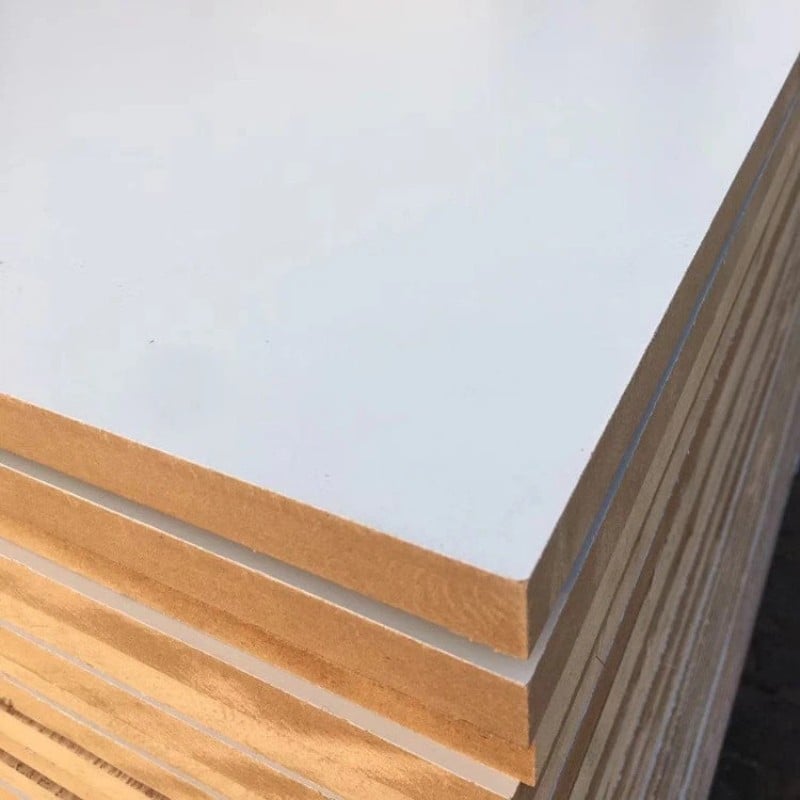
Highgloss Mirrorfinish Petg Boards
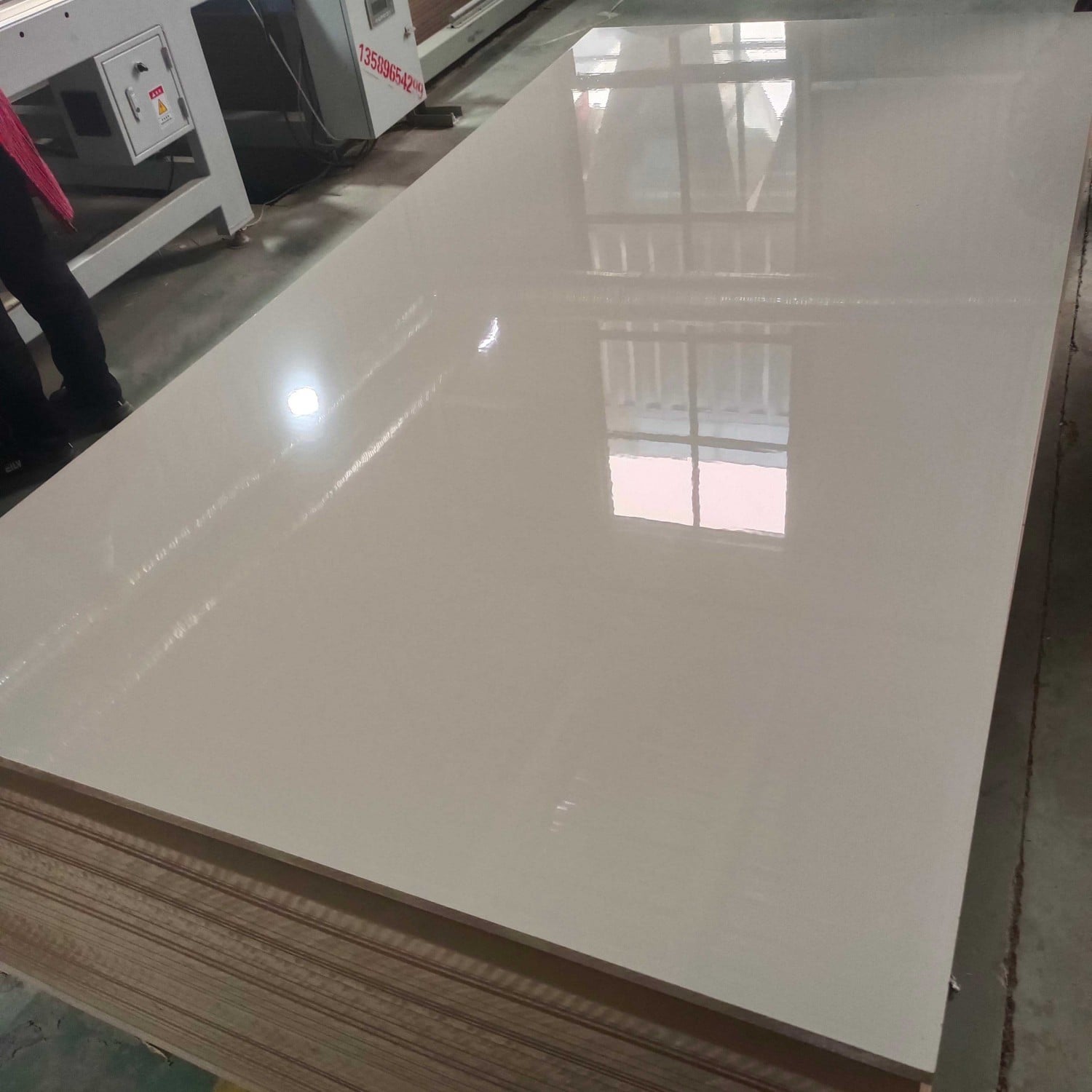
Fingerprints and faint oily smudges are particularly noticeable on glossy, reflective surfaces under indoor lighting. For routine cleaning, use a soft microfiber cloth and a solution of mild, neutral detergent in warm water; wipe the sheet in a single direction to avoid crossscratching, then dry with a separate, dry microfiber cloth to eliminate water spots. Strictly avoid using rough towels, steel wool, or abrasive sponges. Rough friction can leave permanent, fine scratches on the PETG film, permanently ruining the mirrorlike gloss.
Ultramatte Antifingerprint Petg Boards
Our upgraded ultramatte PETG features a special antifingerprint coating, offering superior stain resistance compared to the highgloss version. Most everyday surface dust and light fingerprints can be removed using only a dry microfiber cloth, without the need for detergent. If cleaning kitchen grease, use only a neutral detergent; vinegar, bleach, or strongly alkaline cleaners will corrode the matte coating, causing irreversible, patchy discoloration.
2. Simple Solutions For Stubborn Stains
Different stains require targeted cleaning methods to avoid damaging the board’s surface:
1. Food grease, sauces, and beverage spills: Dampen a microfiber cloth with a diluted neutral cleaner and lay it over the stain for 3 minutes to soften residue, then wipe gently. Never scrape using hardedged tools.
2. Tape residue: Wipe slowly using an alcoholfree glass cleaner; highconcentration alcohol will dissolve the PETG surface film and cause peeling.
3. Crayon and ink marks: Gently wipe with a soft white eraser; do not scrape with metal blades or hard plastic tools.
4. Dust accumulation: Weekly wiping is recommended to prevent dust from mixing with grease and forming a stubborn, adherent layer.
3. Four Common Mistakes That Cause Permanent Damage To Petg Boards
Many instances of irreversible board damage stem from minor daily habits; you can share the following four points with your customers:
1. Do not place hot pots, kettles, or baking trays directly onto PETG cabinet doors. Prolonged exposure to high heat accelerates the aging, yellowing, and warping of the film layer, effectively cutting its service life in half.
2. Immediately wipe up any standing water on the edges of sink or vanity cabinets. If water seeps into the exposed edges of the substrate (where it was cut), it can cause the substrate to swell and the film layer to peel.
3. Do not use scouring powder, bleach, toilet bowl cleaners, or strong acid/alkali descaling agents. Corrosive ingredients can rapidly damage the PETG protective film.
4. Do not hang metal knives, scissors, or heavy hardware items on the cabinet doors; impacts and friction can leave deep, irreparable scratches.
4. Seasonal Protection Recommendations For Different Global Climates
Climates vary significantly around the world; seasonal maintenance helps preserve the condition of the boards:
Humid coastal regions (Southeast Asia, Western Europe): Regularly open cabinet doors to allow for ventilation; place moistureabsorbing boxes inside wardrobes to prevent mold growth along the board’s edges. Hot, dry regions (Middle East, North Africa): Use sheer curtains to block intense, direct sunlight; prolonged UV exposure can cause PETG to fade or yellow. Cold regions (Northern Europe, Canada): Add extra foam cushioning during furniture transport and installation. In lowtemperature environments, the flexibility of the PETG film decreases, making it more susceptible to scratches from impacts.
5. Practical Methods To Extend The Service Life Of Petg Boards
All PETG boards from Zhenshijie Wood Industry feature a thickened, UVresistant protective film. With proper daily maintenance, the boards can remain in excellent condition for 10–15 years. We recommend advising customers to perform a thorough cleaning once a month and to avoid letting stains accumulate over several months. For importers of large quantities of PETG boards, we offer complimentary printed maintenance instruction cards that can be included with cabinet orders, allowing endusers to easily follow standard care procedures.
 Hot News
Shandong Zhenshijie — China's trusted manufacturer of PET & melamine veneer panels for cabinets, kitchens & furniture. MDF, plywood, particleboard & more — custom sizes, textures & finishes.
located north of Xiaowan Line, Tanyi Town, Feixian County, Linyi City, Shandong Province.
Copyright © 2026 Shandong Zhenshijie International Trade CO,. LTD All rights reserved. Privacy Policy