EN


In the delivery of export boards, color variation is a primary quality concern for overseas project buyers and furniture manufacturers. If an entire container of boards shows color discrepancies, assembled furniture will suffer visual inconsistency. Consequences may include payment deductions or full‑shipment rejection, bringing heavy costs for return shipping, rework and freight losses. Understanding the root causes of color variation and establishing standardized inspection protocols are crucial for both suppliers and buyers to avoid disputes and ensure the successful execution of overseas projects.
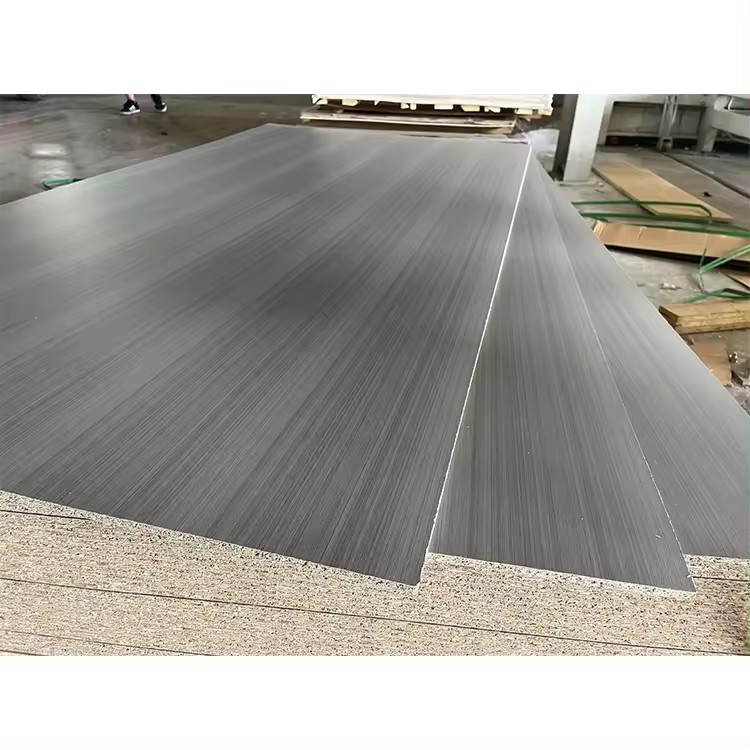
Color variation in boards stems primarily from three factors: raw materials, production processes, and storage/lighting conditions. Batch‑to‑batch raw‑material differences are the most common trigger; slight fluctuations naturally occur in the base material, decorative film, and base color of decorative paper across different batches. Even when the same color code is specified, minute changes in pigment ratios—whether in PET film, melamine‑impregnated paper, or PVC‑laminated films—manifest on the board’s surface. These color differences become particularly pronounced when large orders are produced across multiple batches.
Fluctuations in production process parameters also contribute to color variation. Instability in temperature, pressure, or dwell time during the hot‑pressing stage alters the color rendering of the surfacing materials. For instance, excessively high hot‑pressing temperatures for melamine boards can darken the surface color, while uneven roller temperatures during PET film lamination can create light and dark patches. Color inconsistencies often arise when production lines switch material rolls or resume operations after a shutdown.
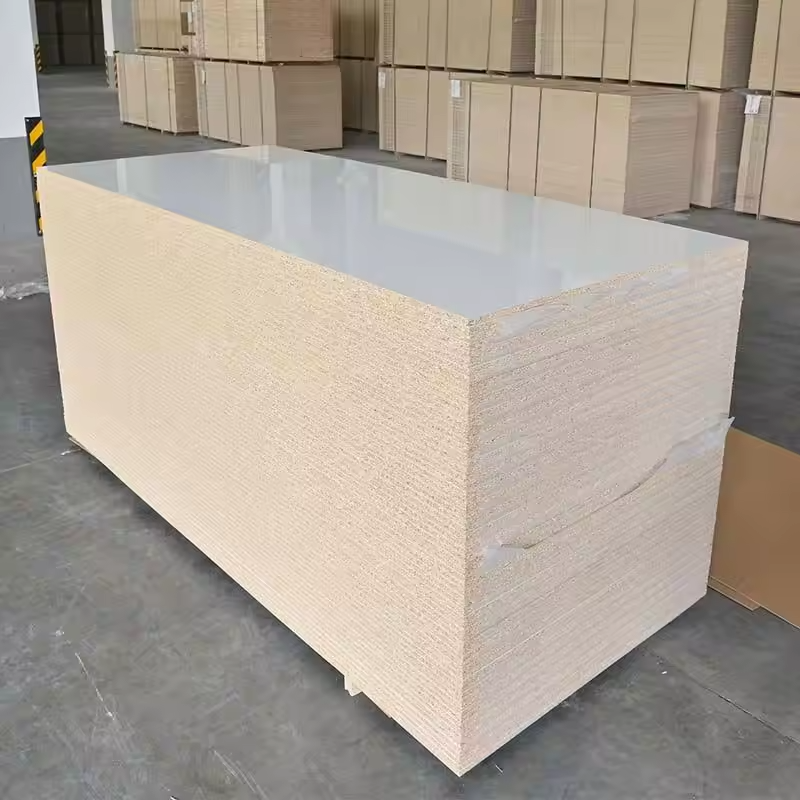
The impact of storage and lighting environments is frequently overlooked. Prolonged exposure to intense light, high temperatures, or humidity in warehouses causes surface materials to age and fade. Within a single batch, boards exposed to sunlight near a window may develop a noticeable color difference compared to those stored away from light. Furthermore, light sources can distort color perception; boards viewed under standard indoor lighting versus natural light often appear quite different, a discrepancy that lies at the heart of many inspection disputes.
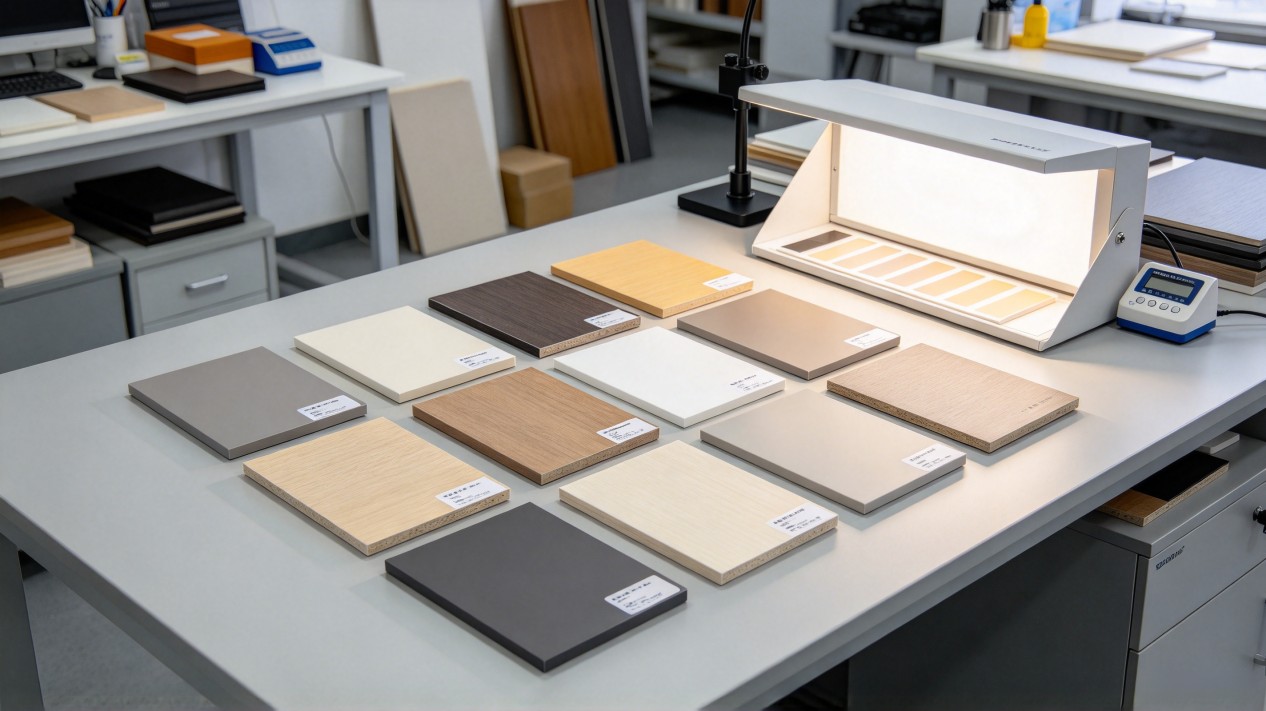
Effective management of color variation requires a standardized inspection process. When inspecting export orders, prioritize the use of a standard color‑matching light box with a fixed light source; avoid switching back and forth between natural light and fluorescent light for comparisons. During sample comparison, place the board under inspection flat and aligned with the customer‑approved reference sample, maintaining a consistent viewing angle and avoiding tilted observation.
Key practical points for export order inspections include:
1. Conduct sampling before each shipment to compare against the customer‑approved reference sample and verify in advance that the color falls within an acceptable range.
2. Clearly define color difference acceptance limits in the sales contract and inform the customer beforehand that slight natural color variations are normal in the industry, thereby managing expectations.
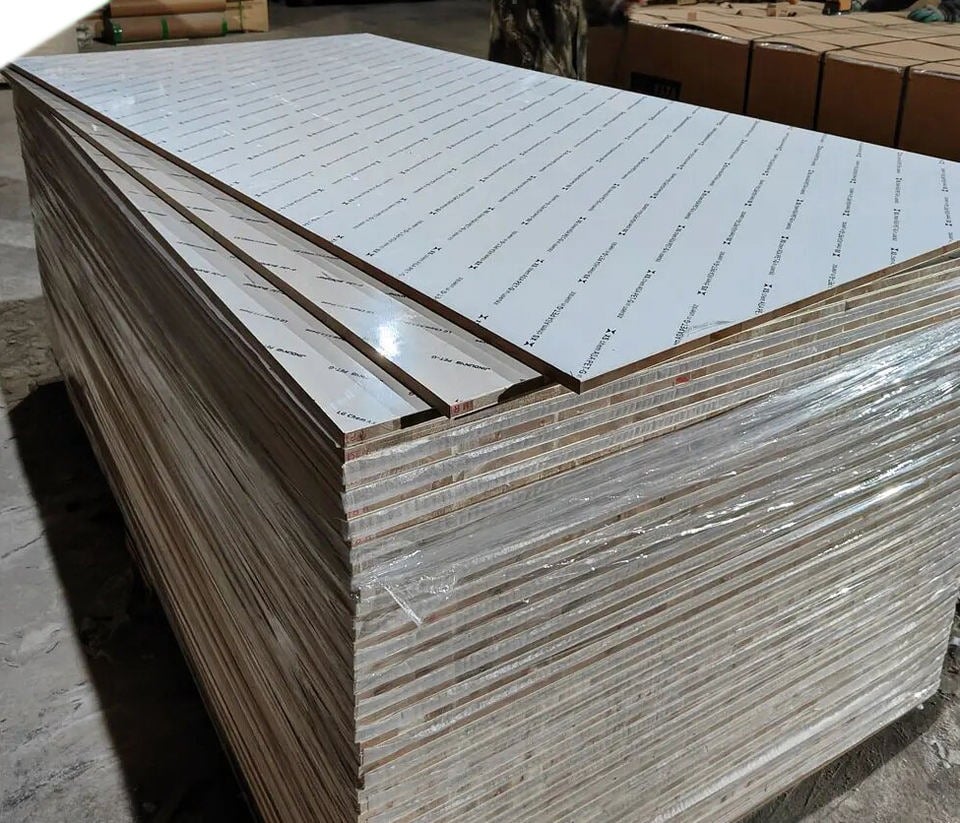
3. For a single project, arrange for the production and shipment of boards from the same batch whenever possible to avoid mixing boards from different batches.
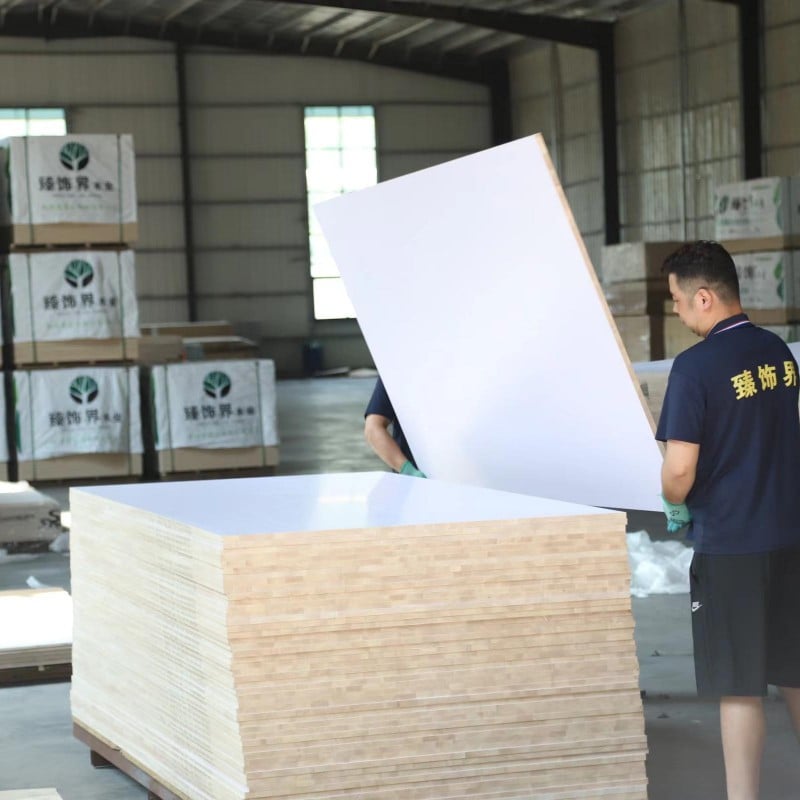
4. Ensure the finished goods warehouse is protected from light and moisture; keep boards away from direct UV exposure (e.g., near windows) and maintain stable temperature and humidity levels to slow surface‑finish fading.
Many purchasers hold the misconception that boards with the same color code must be completely free of color differences. In the board industry, achieving absolute zero color difference is difficult; natural variations in shade and depth caused by the substrate's wood grain fall within a normal range. Establishing acceptance standards through prior communication between supplier and buyer can significantly reduce post‑delivery disputes.
In summary, while color differences in boards are difficult to eliminate entirely, they can be kept within a range acceptable to the customer by stabilizing production parameters, scheduling production in batches, standardizing color inspection procedures, and implementing proper storage protections. If suppliers maintain comprehensive process control and purchasers conduct incoming inspections, color‑related complaints can be minimized, ensuring the stable delivery of overseas furniture and cabinetry projects.
 Hot News
Shandong Zhenshijie — China's trusted manufacturer of PET & melamine veneer panels for cabinets, kitchens & furniture. MDF, plywood, particleboard & more — custom sizes, textures & finishes.
located north of Xiaowan Line, Tanyi Town, Feixian County, Linyi City, Shandong Province.
Copyright © 2026 Shandong Zhenshijie International Trade CO,. LTD All rights reserved. Privacy Policy