EN
EN


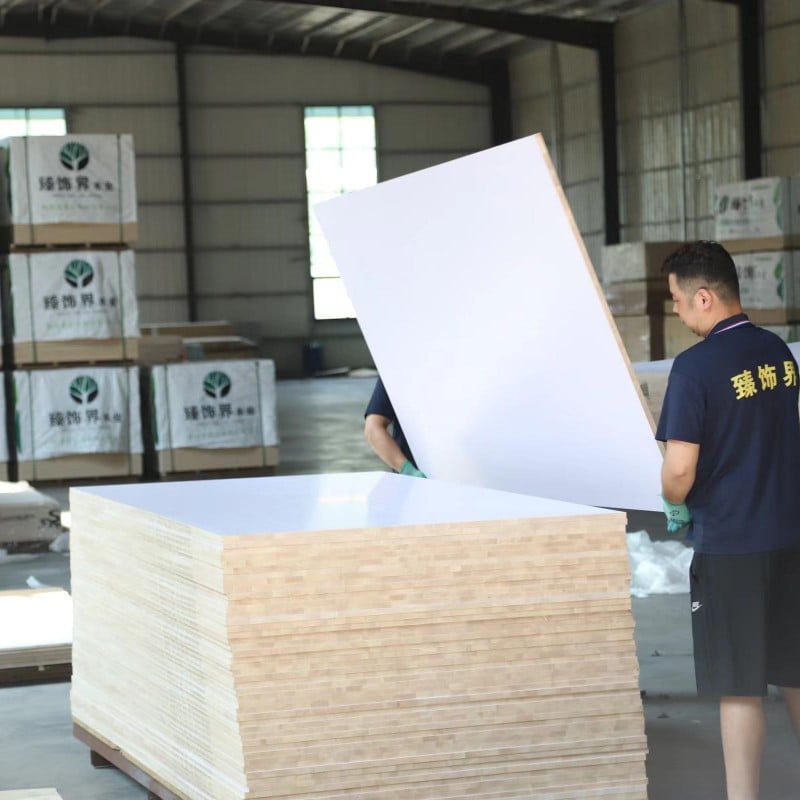
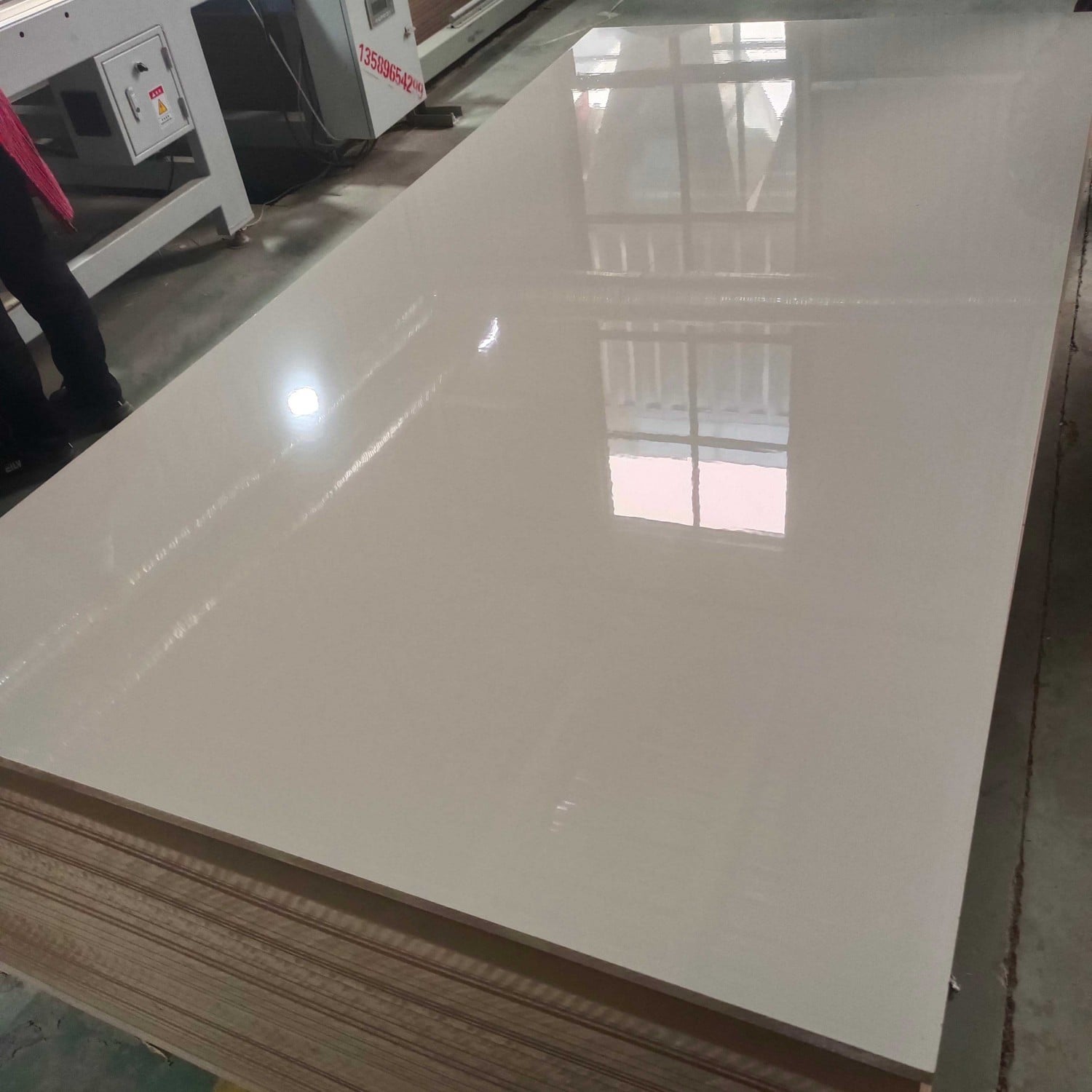
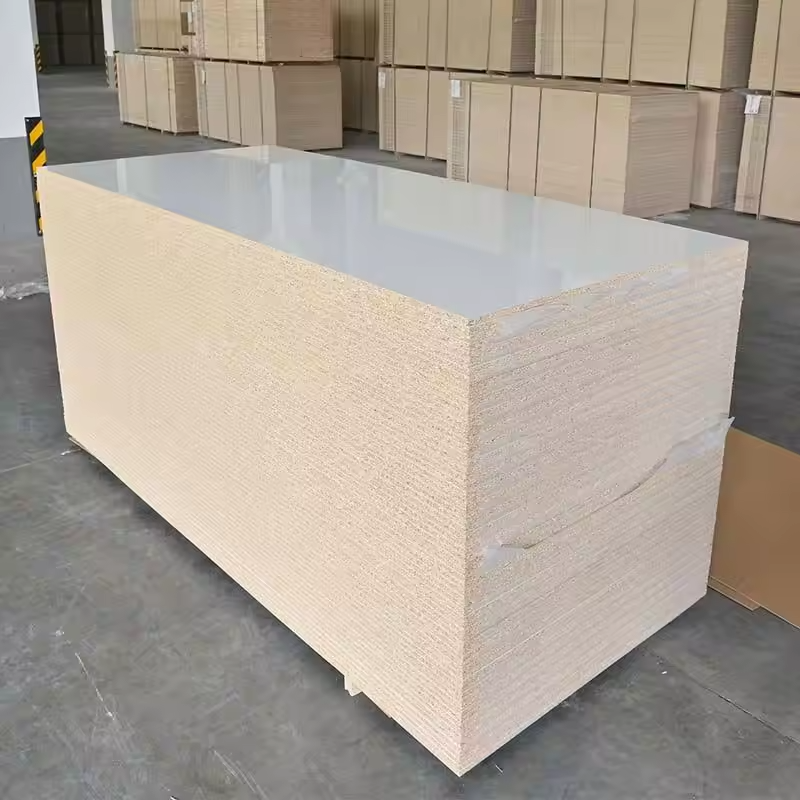
PVClaminated boards are produced by thermally bonding a decorative PVC film onto woodbased substrates such as particleboard or MDF; overseas buyers often confuse them with PVC foam boards. While the core material remains an engineered wood product, the surface finish is PVC film. Like melamine and PET, this is a mainstream surfacing option, yet it differs significantly in surface characteristics, processing performance, application suitability, and cost. Many buyers focus solely on the visual pattern, overlooking differences in surfacing materials, which leads to postdelivery issues such as fading or delamination of the film layer.
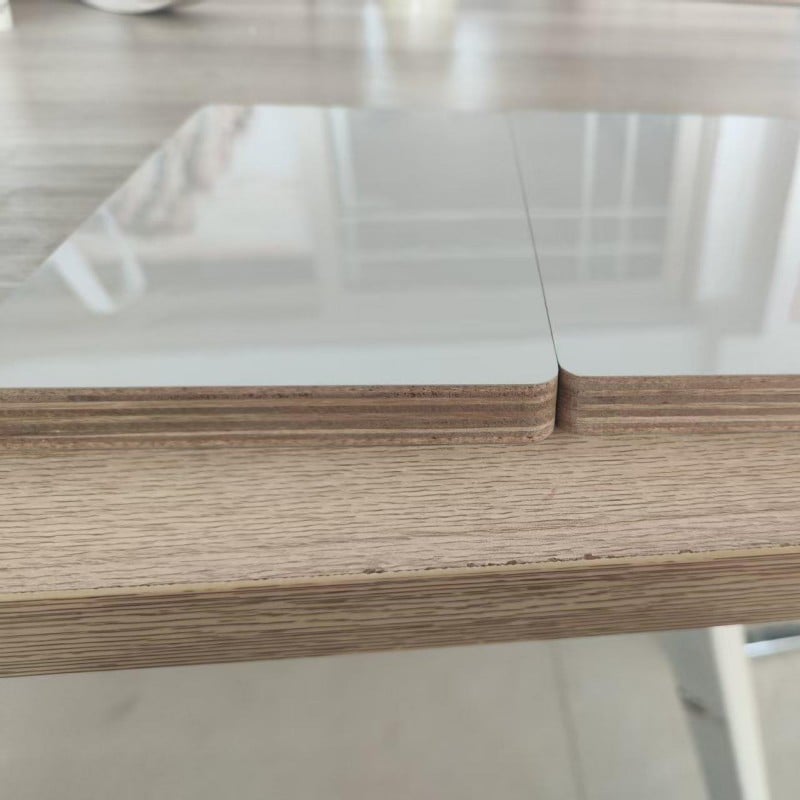
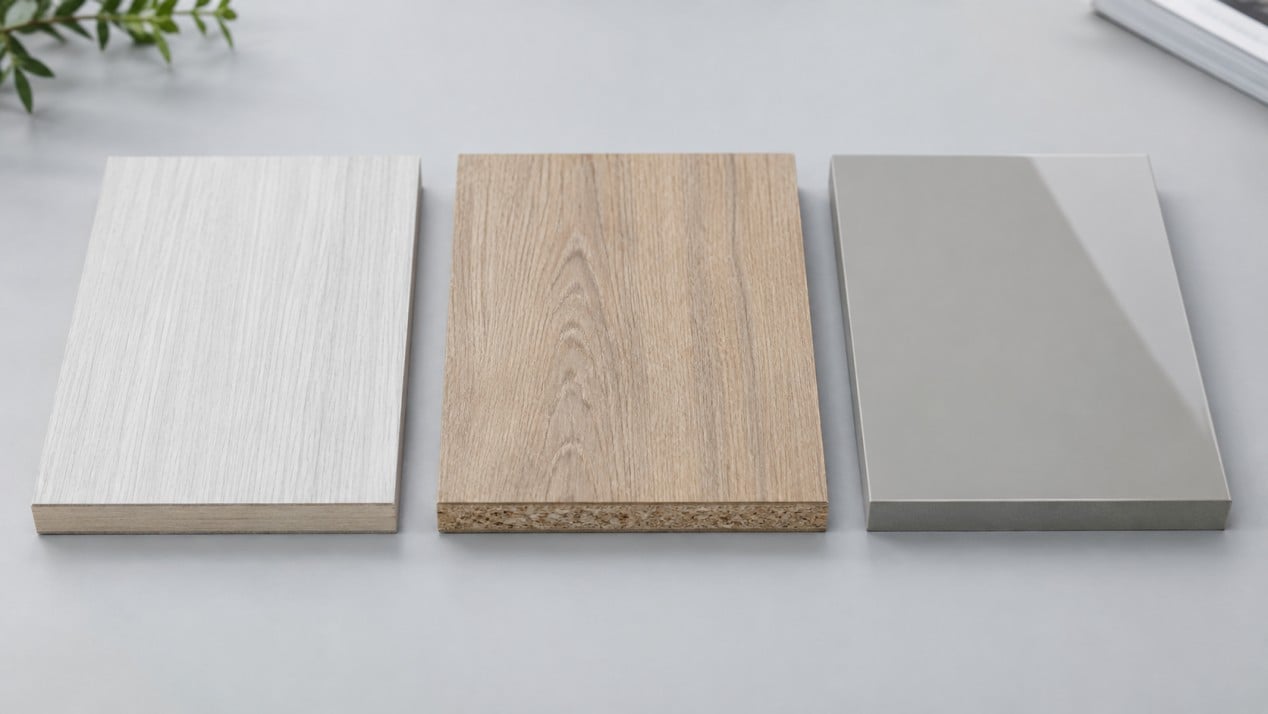
The photo below displays realworld sample appearances of PVClaminated boards, melamine boards and PET boards, showing differences in woodgrain texture and surface gloss.
Key Advantages Of Pvc‑Faced Boards
First, a wide range of patterns and high versatility. PVC decorative films can replicate various effects—such as solid colors, wood grains, stone textures, and metallic finishes—offering a broad color palette to meet diverse interior furniture design needs. The film layer can be produced with various surface textures, including highgloss, matte, and softtouch finishes.
Second, excellent costeffectiveness. Compared to PET finishes, PVC films have lower raw material costs and offer significant price advantages for largevolume orders, making them ideal for projects with budget constraints, such as commercial furniture, standard cabinetry, and storage units.
Third, good flexibility and suitability for shaped processing. PVC films possess excellent ductility; through thermal processing, they can bend and wrap around curved surfaces or simple door panel profiles, accommodating the fabrication of certain nonstandard or contoured cabinet shapes.
Fourth, basic stain resistance. The dense surface of the PVC film is impermeable to water, allowing everyday oil stains and water marks to be easily wiped clean; it is suitable for use in standard indoor environments subject to typical levels of moisture.
Understanding Scratch & Heat Resistance Of Pvc‑Laminated Boards
1. Limited heat resistance. The film surface is prone to softening and changes in gloss when exposed to high temperatures; prolonged direct sunlight can cause fading and loss of sheen, making it unsuitable for areas with extended sun exposure.
2. Lower abrasion resistance compared to melaminefaced boards. PVC films scratch more easily than melamine finishes; usage intensity should be carefully assessed for hightraffic commercial applications.
3. High reliance on the hotpressing process. Inadequate pressure or temperature settings during lamination can lead to issues such as surface bubbling or edge delamination over time.
4. Surface benefits do not alter substrate limitations. The core material remains particleboard or MDF, which is not inherently waterproof; moistureresistant substrates are still required for humid environments, so PVClaminated boards should not be equated with waterproof boards.
| Board Type | Price | Heat Resistance | Pattern Richness |
| PVCLaminated Boards | Low | Moderate | Very rich, multiple textures available |
| Melamine Boards | Medium | Excellent | Limited selection |
| PET Boards | High | Good | Medium, popular solid & wood grain |
Key Differences From Melamine And PET Boards
1. PVCLaminated Boards: Feature a heatlaminated PVC film; low cost and a wide range of patterns; moderate heat and scratch resistance; suitable for standard indoor commercial use and residential cabinetry; should be protected from intense, direct sunlight.
2. Melamine Boards: Made via heatpressing and curing impregnated paper; offer excellent wear and heat resistance; relatively limited pattern selection; suitable for hightraffic hotel environments and office furniture.
3. PET Boards: Feature a laminated PET film; offer a premium "softtouch" feel and excellent fingerprint resistance; superior resistance to yellowing compared to standard PVC; higher cost than PVClaminated boards; commonly used for midtohighend cabinet doors.
Three Common Misconceptions About Overseas Procurement
Misconception 1: Equating PVClaminated boards with waterproof boards. It is the PVC film that is waterproof; the underlying wood substrate will still absorb moisture and swell. Therefore, standard PVClaminated boards should not be used directly in highhumidity areas like bathrooms.
Misconception 2: Assuming PVC and PET are interchangeable simply because they look similar. The film materials differ significantly in terms of temperature resistance, resistance to yellowing, and fingerprint resistance; it is essential to specify the finish type when requesting quotes to prevent factories from using the wrong materials.
Misconception 3: Focusing only on the pattern while ignoring the film grade. Standard, lowcost PVC films have poor weather resistance and fade quickly under indoor lighting, whereas highend imported PVC films offer superior durability; one must verify the quality grade of the PVC film when inquiring about prices.
Practical Advice For Overseas Buyers
To ensure the best PVC‑laminated boards performance for indoor furniture, select products based on the application environment: avoid using standard PVC veneer boards in areas exposed to direct sunlight, and prioritize wear resistance ratings for hightraffic commercial settings.
1. During the inquiry stage, clearly specify "PVC veneer boards" and confirm the substrate type (particleboard or MDF) to distinguish them from PVC foam boards.
2. Request physical samples to conduct basic tests—such as heat resistance, wipeability, and light exposure comparisons—to verify the quality of the film layer; also, seal a sample to lock in the specific film batch and ensure consistency in bulk production.
3. Manufacturers should pay close attention to edgebanding compatibility; since PVC veneer edges are susceptible to high temperatures, control the edgebanding temperature during processing to prevent heat damage to the film surface.
PVClaminated boards offer a costeffective interior finishing solution, though they come with specific performance limitations. To select the right material and mitigate future project risks, it is essential to understand the performance differences between PVClaminated boards, melamine, and PET, while also considering project budgets and usage environments.
If you are working on a project involving PVClaminated boards, please share details regarding the application scenario, processing equipment, budget, and environmental conditions; Zhenshijie can provide physical samples and recommend a suitable material supply solution.
 Hot News
2026-09-29
2026-09-25
2026-09-17
Shandong Zhenshijie — China's trusted manufacturer of PET & melamine veneer panels for cabinets, kitchens & furniture. MDF, plywood, particleboard & more — custom sizes, textures & finishes.
located north of Xiaowan Line, Tanyi Town, Feixian County, Linyi City, Shandong Province.
Copyright © 2026 Shandong Zhenshijie International Trade CO,. LTD All rights reserved. Privacy Policy