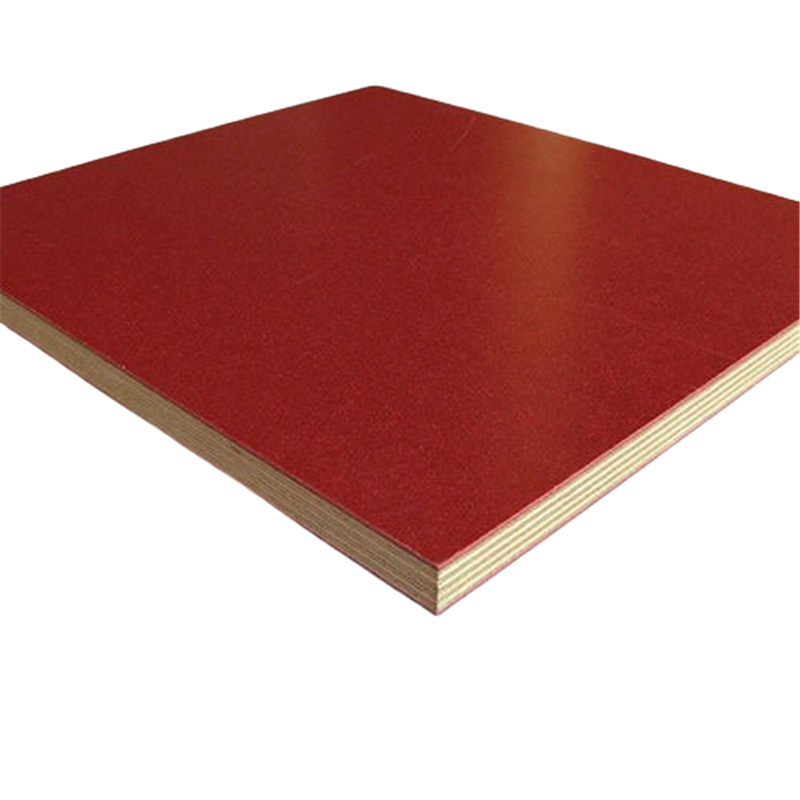
waterproof shuttering plywood
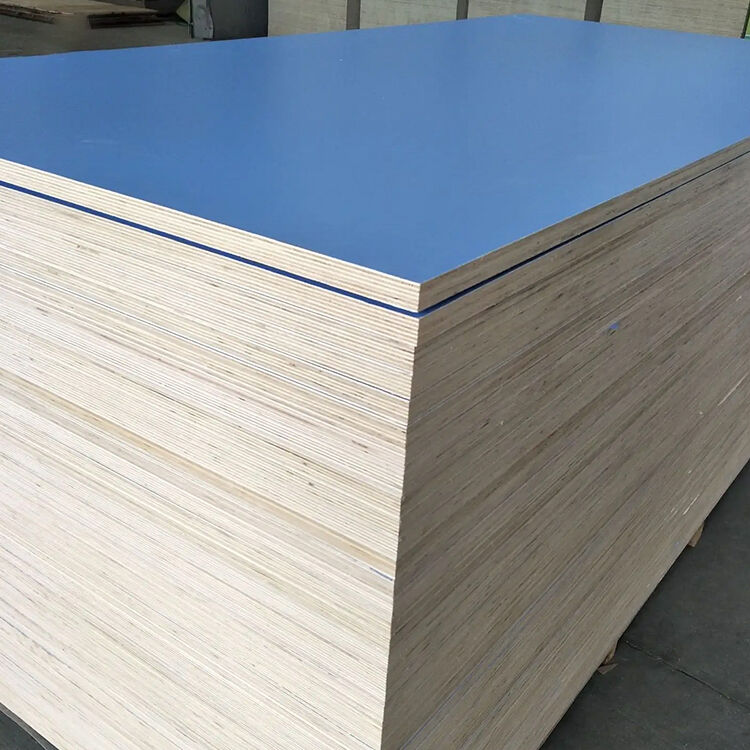
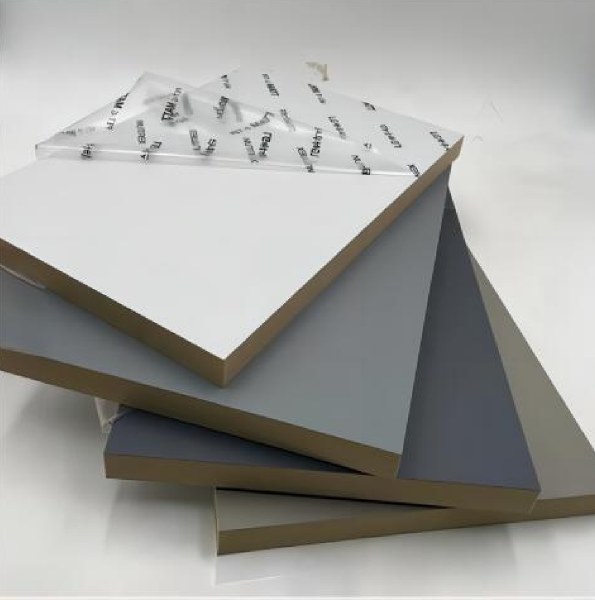
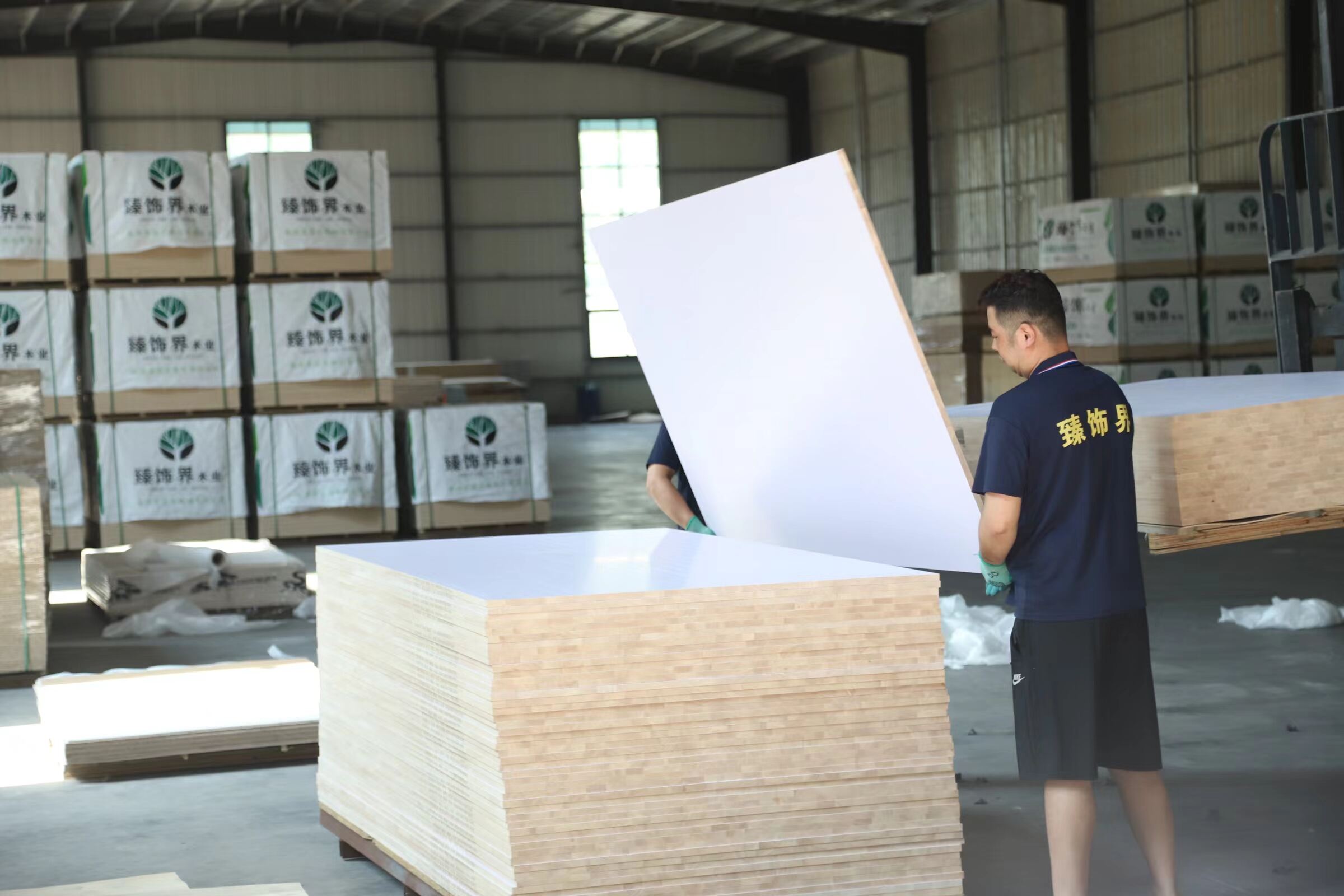
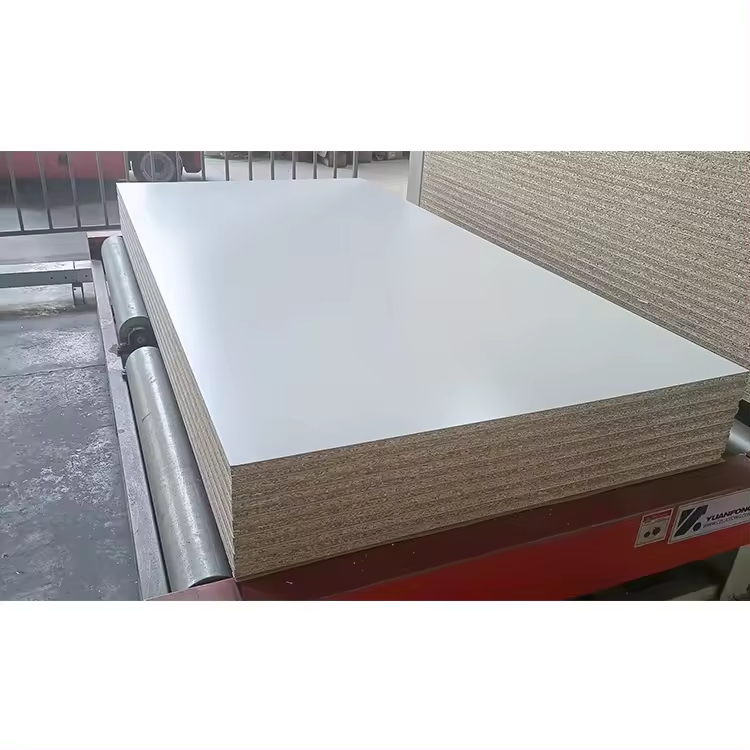
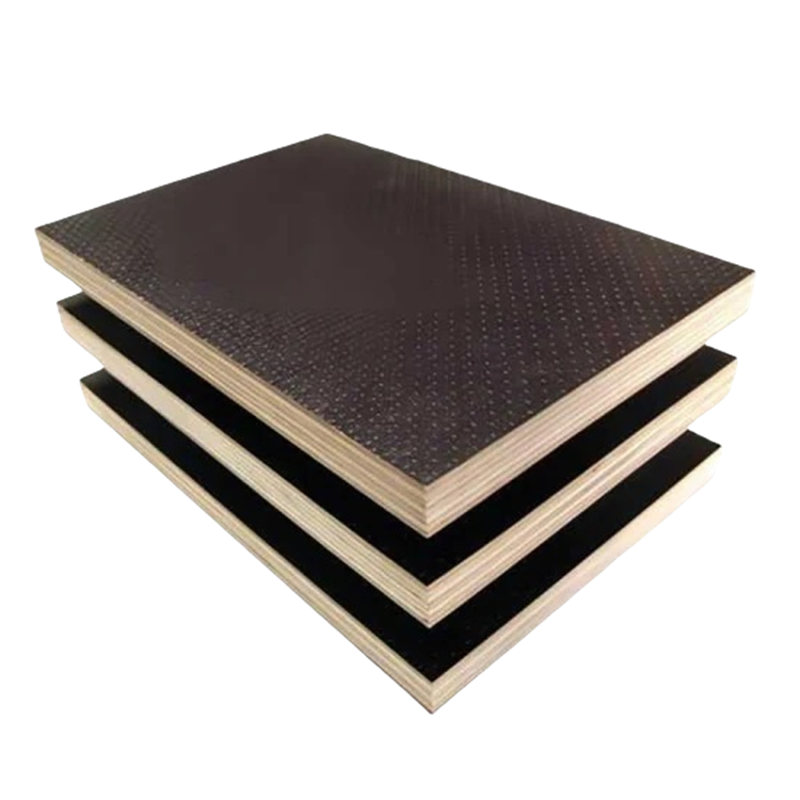
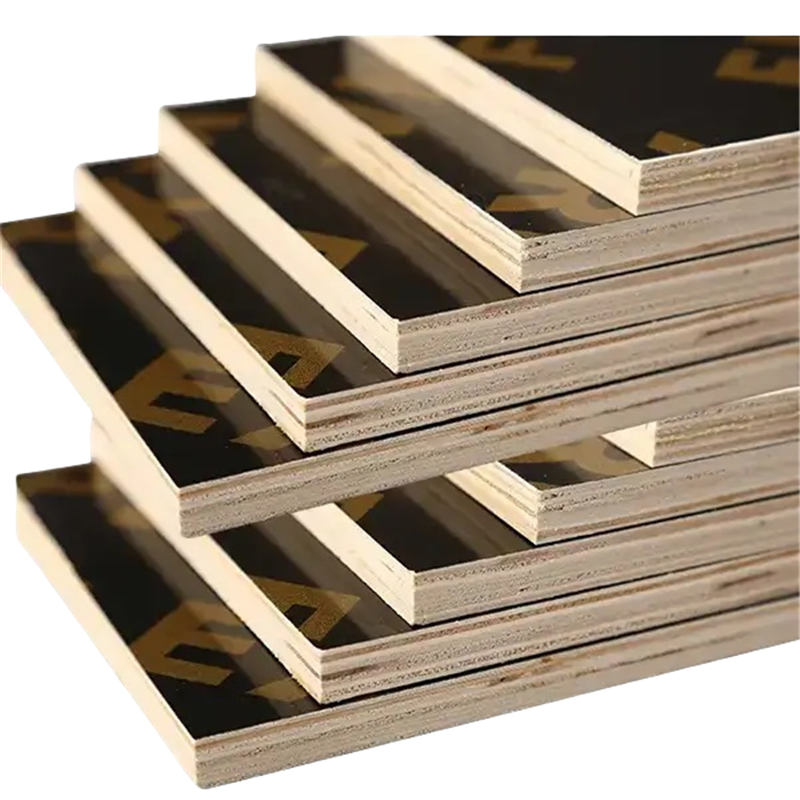
Waterproof shuttering plywood represents a revolutionary advancement in construction materials, specifically engineered to meet the demanding requirements of modern building projects. This specialized plywood combines traditional wood composite technology with advanced water-resistant treatments, creating a product that excels in wet and humid environments where standard materials would fail. The primary function of waterproof shuttering plywood centers on providing temporary structural support during concrete pouring operations, ensuring smooth surface finishes while maintaining dimensional stability throughout the curing process. The technological features of this material include multiple layers of carefully selected wood veneers bonded with phenolic or melamine-based adhesives that create an impermeable barrier against moisture penetration. These adhesives undergo thermal curing processes that cross-link molecular structures, resulting in bonds that remain stable even under prolonged water exposure. The surface treatments typically involve application of specialized coatings or films that further enhance water resistance while providing easy release properties for concrete work. Manufacturing processes incorporate quality control measures that ensure consistent density, thickness tolerances, and moisture content levels across every sheet. The applications for waterproof shuttering plywood span numerous construction scenarios, including foundation work, retaining walls, bridge construction, tunnel projects, and marine structures. Its versatility makes it suitable for both horizontal and vertical concrete forming applications. The material proves particularly valuable in environments where conventional plywood would deteriorate, such as basement construction, swimming pool installation, and infrastructure projects exposed to weather conditions. Professional contractors appreciate how waterproof shuttering plywood maintains its structural integrity through multiple reuse cycles, making it cost-effective for large-scale projects. The smooth surface finish achieved with this material reduces the need for additional concrete surface treatments, saving both time and labor costs during construction phases.
 EN
EN