Industrial Shuttering Plywood: Premium Concrete Formwork Solutions for Professional Construction

Get a Free Quote

Our representative will contact you soon.
Email
Mobile/WhatsApp
Name
Company Name
Message
0/1000

industrial shuttering plywood

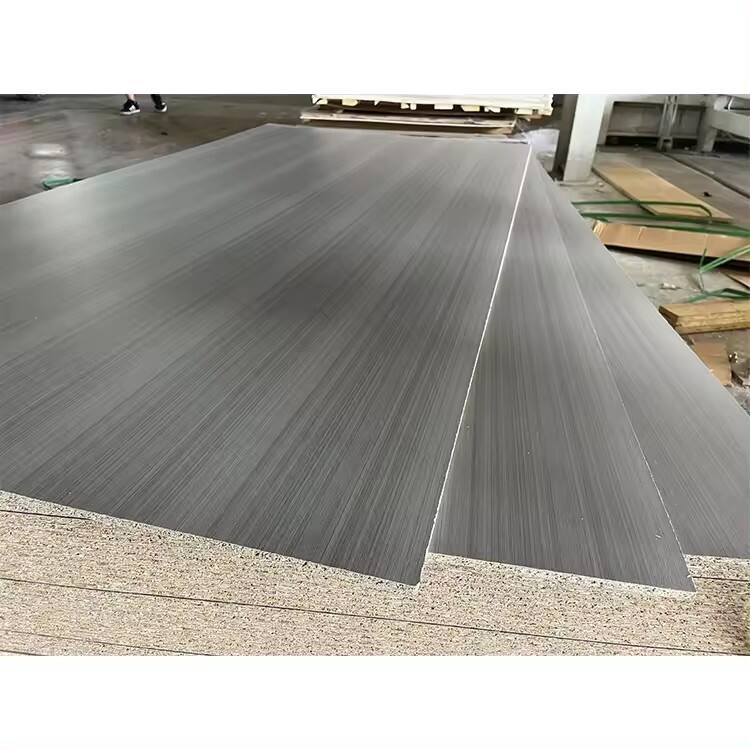
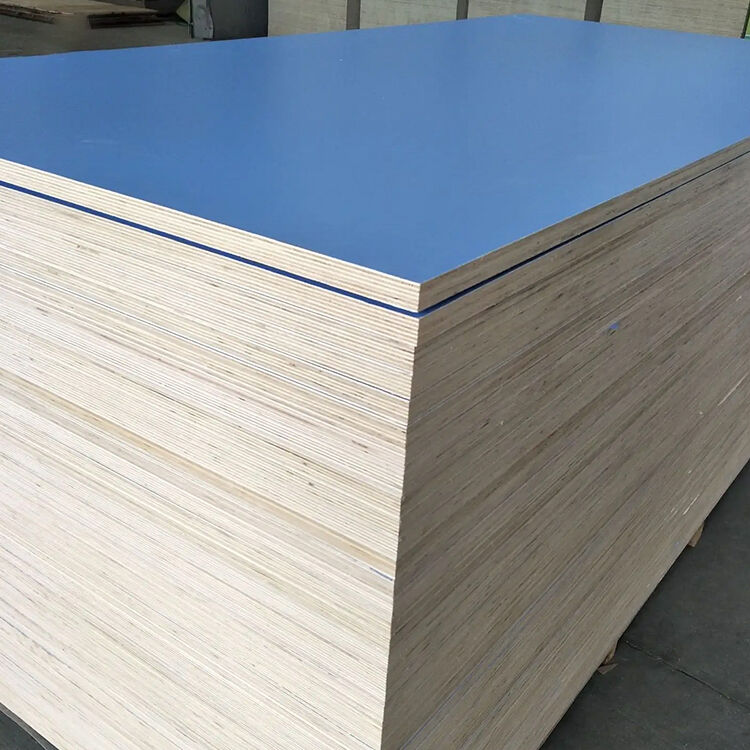
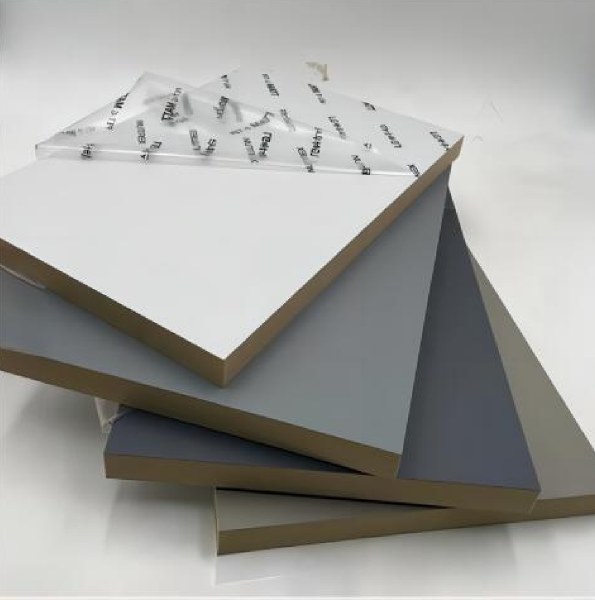
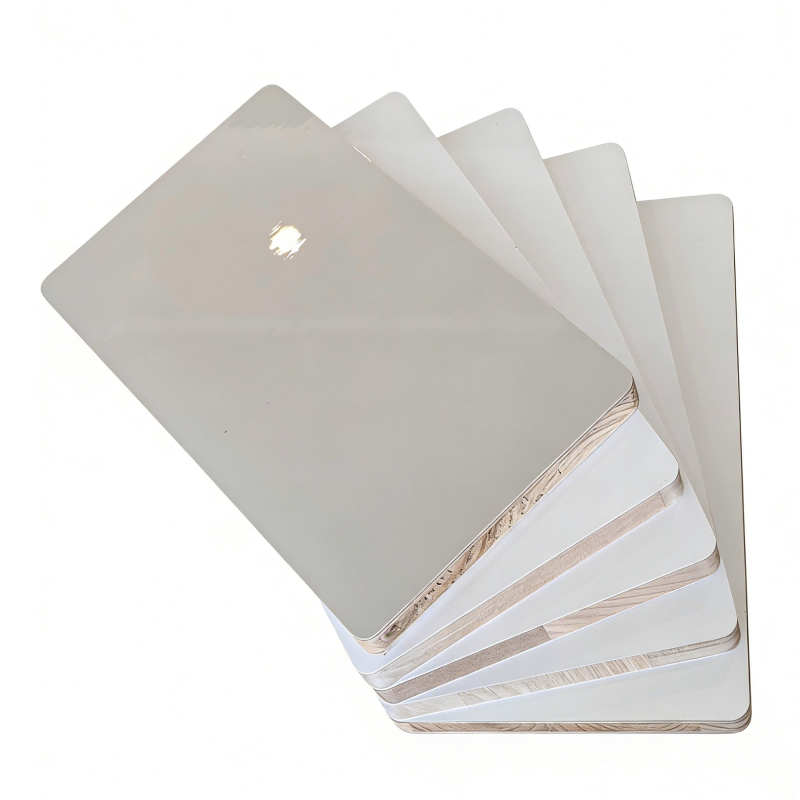
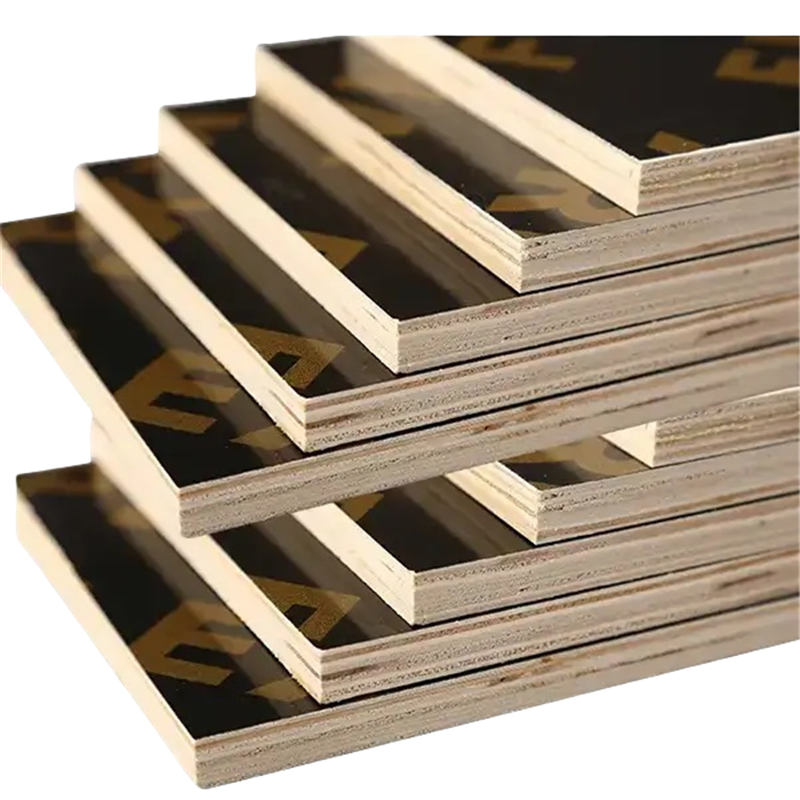
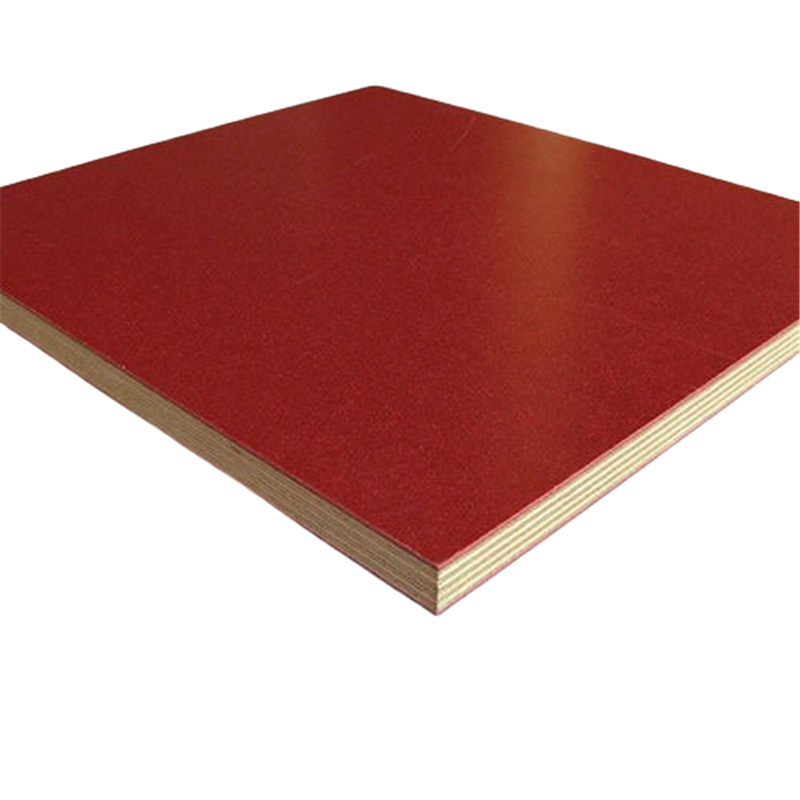
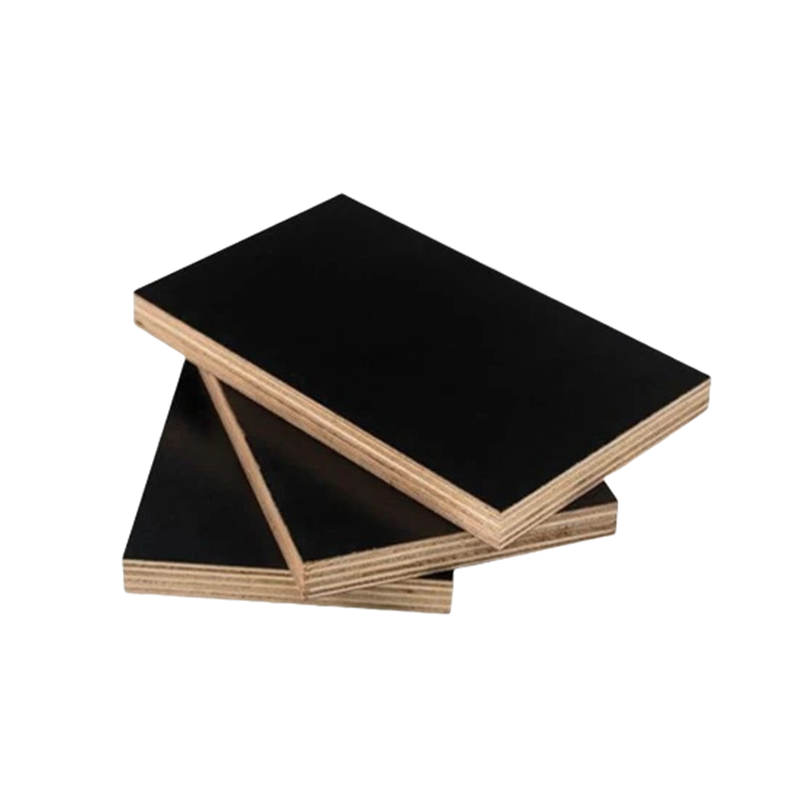
Industrial shuttering plywood represents a specialized engineered wood product designed specifically for concrete formwork applications in construction projects. This high-performance material serves as the foundation for creating smooth, uniform concrete surfaces while providing exceptional durability and reusability throughout multiple construction cycles. The primary function of industrial shuttering plywood centers on its ability to contain and shape liquid concrete during the curing process, ensuring precise dimensional accuracy and superior surface finishes. This structural component transforms raw concrete into architectural elements with professional-grade aesthetics and structural integrity. Technologically, industrial shuttering plywood incorporates advanced manufacturing processes that bond multiple wood veneer layers using waterproof phenolic resins and specialized adhesives. The cross-grain construction methodology enhances dimensional stability while minimizing warping, shrinkage, and expansion under varying environmental conditions. Surface treatments include smooth film overlays or specially treated faces that prevent concrete adhesion and facilitate easy release after curing. The core construction typically utilizes hardwood species known for their strength and moisture resistance properties. Applications for industrial shuttering plywood span across residential construction, commercial building projects, infrastructure development, and specialized architectural installations. Construction teams rely on this material for creating walls, columns, beams, slabs, and complex architectural features requiring precise geometric specifications. The versatility extends to both horizontal and vertical concrete applications, accommodating various structural requirements from simple foundations to intricate decorative elements. Quality industrial shuttering plywood meets international standards for load-bearing capacity, moisture resistance, and surface smoothness, making it indispensable for professional construction operations. The material's engineered properties ensure consistent performance across diverse climate conditions and project specifications, establishing it as the preferred choice for contractors demanding reliable formwork solutions that deliver superior concrete finishes while maintaining cost-effectiveness through extended service life.

New Products

Industrial shuttering plywood delivers exceptional value through its superior durability compared to traditional formwork materials, enabling contractors to achieve significant cost savings over project lifecycles. The robust construction withstands repeated concrete pours without compromising structural integrity, reducing material replacement frequency and associated labor costs. This extended service life translates directly into improved project profitability and resource efficiency for construction companies managing multiple concurrent projects. The smooth surface finish of industrial shuttering plywood creates concrete surfaces that require minimal post-pour finishing work, eliminating costly grinding, patching, or surface preparation steps. This time-saving benefit accelerates project timelines while reducing labor expenses associated with concrete surface remediation. The precision manufacturing ensures consistent thickness tolerance across panels, resulting in uniform concrete dimensions that meet strict architectural specifications without additional corrective measures. Installation efficiency represents another significant advantage, as industrial shuttering plywood features standardized dimensions and connection systems that streamline assembly processes. Workers can rapidly construct complex formwork configurations using familiar installation techniques, reducing setup time and minimizing specialized training requirements. The lightweight nature compared to steel alternatives reduces handling fatigue and enables smaller construction crews to manage large-scale formwork operations effectively. Moisture resistance properties protect the material from weather exposure during extended construction periods, maintaining structural performance and surface quality regardless of environmental conditions. This weather durability eliminates project delays caused by formwork deterioration and ensures consistent concrete quality across seasonal variations. The chemical resistance to concrete alkalinity prevents panel degradation during curing processes, preserving surface smoothness for multiple reuse cycles. Environmental sustainability benefits include the renewable wood fiber composition and recyclability at end-of-service life, supporting green building initiatives and corporate sustainability goals. The manufacturing process incorporates responsibly sourced materials and efficient production methods that minimize environmental impact while delivering superior performance characteristics. Cost predictability represents a crucial advantage for project budgeting, as the known service life and performance characteristics enable accurate formwork cost calculations throughout project planning phases. This financial transparency helps construction managers optimize resource allocation and maintain profit margins while delivering quality results that meet client expectations and industry standards.

Tips And Tricks

What Are The Main Advantages Of Using Particleboard?

01

Mar

What Are The Main Advantages Of Using Particleboard?

Particleboard has emerged as one of the most versatile and cost-effective engineered wood products in modern construction and furniture manufacturing. This composite material, made from wood chips, sawmill shavings, and synthetic resin binders, offer...
View More
Is Particleboard Suitable For Commercial Fit-Out Works?

13

Mar

Is Particleboard Suitable For Commercial Fit-Out Works?

Commercial fit-out projects demand materials that balance cost-effectiveness, durability, and aesthetic appeal. Particleboard has emerged as a versatile solution for various commercial applications, offering contractors and designers a reliable engin...
View More
Why Choose Chipboard Particle Board For Cabinets?

23

Mar

Why Choose Chipboard Particle Board For Cabinets?

Modern kitchen and furniture design increasingly relies on engineered wood products that deliver exceptional performance, durability, and cost-effectiveness. Among these materials, chipboard particle board has emerged as a leading choice for cabinet ...
View More
What Are The Benefits Of Chipboard Particle Board Panels?

27

Mar

What Are The Benefits Of Chipboard Particle Board Panels?

In the modern construction and furniture manufacturing industry, materials that offer versatility, cost-effectiveness, and reliable performance are highly sought after. Among these materials, chipboard particle board stands out as one of the most pra...
View More

Get a Free Quote

Our representative will contact you soon.
Email
Mobile/WhatsApp
Name
Company Name
Message
0/1000

industrial shuttering plywood

Superior Durability and Extended Service Life

Superior Durability and Extended Service Life

The exceptional durability of industrial shuttering plywood stems from its advanced multi-layer construction and specialized resin bonding systems that create a formwork solution capable of withstanding dozens of concrete pours without performance degradation. This remarkable longevity directly impacts construction economics by reducing material consumption and replacement costs throughout project lifecycles. The phenolic resin adhesive system penetrates deep into wood fibers, creating molecular bonds that resist moisture penetration, chemical attack from concrete alkalinity, and mechanical stress from repeated assembly and disassembly operations. The cross-laminated veneer structure distributes loads evenly across the panel surface, preventing localized stress concentrations that typically cause premature failure in conventional plywood products. Surface treatments include specialized film overlays or chemical coatings that maintain smoothness and release properties through multiple concrete applications, ensuring consistent surface quality for architectural concrete finishes. The edge sealing technology prevents moisture ingress at panel joints, maintaining structural integrity even in challenging weather conditions during extended construction periods. Quality control measures during manufacturing include rigorous testing for delamination resistance, water absorption rates, and flexural strength to guarantee performance standards that exceed international formwork specifications. The durability advantage becomes particularly significant in large-scale projects where formwork represents a substantial capital investment, as extended service life enables cost amortization across numerous applications while maintaining consistent concrete quality. Environmental exposure testing demonstrates superior performance under UV radiation, temperature cycling, and humidity variations that typically degrade conventional materials. The robust construction tolerates handling impacts, storage conditions, and transportation stresses that occur during normal construction operations, preserving surface quality and dimensional accuracy essential for professional concrete finishes. This durability translates into reduced waste generation, lower environmental impact, and improved project sustainability metrics that align with modern construction industry standards for responsible resource utilization.
Exceptional Surface Finish and Concrete Quality

Exceptional Surface Finish and Concrete Quality

Industrial shuttering plywood delivers unparalleled surface smoothness that translates directly into superior concrete finishes, eliminating costly post-pour remediation work and accelerating project completion schedules. The precision-manufactured surface incorporates specialized treatments that create optimal release characteristics while maintaining texture consistency across the entire panel area. This smooth finish technology prevents concrete bonding while ensuring uniform surface quality that meets architectural specifications for exposed concrete applications. The manufacturing process employs advanced surface preparation techniques including multi-stage sanding, quality inspection protocols, and protective coating applications that create defect-free surfaces capable of producing mirror-like concrete finishes. The phenolic film overlay option provides an ultra-smooth surface that resists wear and maintains release properties through extensive reuse cycles, making it ideal for high-end architectural projects requiring flawless concrete aesthetics. Surface consistency across panel joins creates seamless concrete surfaces without visible formwork lines or texture variations that typically require expensive finishing operations. The controlled surface porosity prevents air bubble formation at the concrete interface, eliminating common surface defects like blowholes, honeycombing, or surface voids that compromise architectural concrete quality. Quality assurance testing includes surface roughness measurements, release agent compatibility verification, and concrete adhesion testing to ensure optimal performance characteristics. The smooth surface reduces concrete curing time by promoting uniform moisture distribution and heat dissipation, enabling faster form removal and accelerated construction schedules. Professional contractors rely on this surface quality advantage to bid competitively on projects requiring superior concrete finishes while maintaining profit margins through reduced finishing labor costs. The consistency enables predictable concrete results that meet strict quality standards for commercial and institutional projects where appearance quality directly impacts client satisfaction. Surface durability maintains smoothness characteristics through multiple applications, ensuring consistent concrete quality throughout project duration without degradation that would compromise architectural specifications or require material replacement.
Enhanced Structural Performance and Load-Bearing Capacity

Enhanced Structural Performance and Load-Bearing Capacity

The engineered construction of industrial shuttering plywood delivers exceptional structural performance that safely accommodates high concrete pressures and construction loads while maintaining dimensional stability throughout the curing process. The cross-laminated veneer construction distributes forces uniformly across the panel structure, preventing localized deflection or failure points that could compromise concrete geometry or surface quality. This structural integrity enables the use of larger panel sizes and reduced support spacing, streamlining formwork design and reducing installation complexity for construction teams. The load-bearing capacity calculations incorporate safety factors that exceed international construction standards, ensuring reliable performance under maximum concrete pressure conditions encountered in high-rise construction or thick structural elements. Advanced engineering analysis during product development includes finite element modeling, stress distribution testing, and deflection measurements under various loading scenarios to optimize structural efficiency while maintaining safety margins. The dimensional stability characteristics prevent formwork movement during concrete placement and curing, ensuring accurate structural dimensions that meet strict tolerance requirements for modern construction projects. Moisture absorption testing demonstrates minimal dimensional change under varying humidity conditions, maintaining geometric accuracy essential for precise architectural concrete work. The structural performance extends to edge details and connection systems that maintain integrity under construction loads while facilitating rapid assembly and disassembly operations. Quality control testing includes flexural strength verification, modulus of elasticity measurements, and creep resistance evaluation to ensure consistent structural behavior throughout service life. The enhanced performance enables construction teams to utilize standardized support systems and formwork designs across multiple projects, reducing engineering costs and simplifying construction planning processes. Structural reliability minimizes the risk of formwork failure incidents that could result in project delays, safety hazards, or quality defects requiring costly remediation. The predictable structural behavior enables engineers to optimize formwork designs for material efficiency while maintaining required safety performance, contributing to overall project cost effectiveness and construction productivity improvements that benefit both contractors and project owners seeking reliable construction solutions.

Get a Free Quote

Our representative will contact you soon.
Email
Mobile/WhatsApp
Name
Company Name
Message
0/1000