Complete Guide to Plywood Veneer Thickness: Specifications, Benefits, and Applications

Get a Free Quote

Our representative will contact you soon.
Email
Mobile/WhatsApp
Name
Company Name
Message
0/1000

plywood veneer thickness

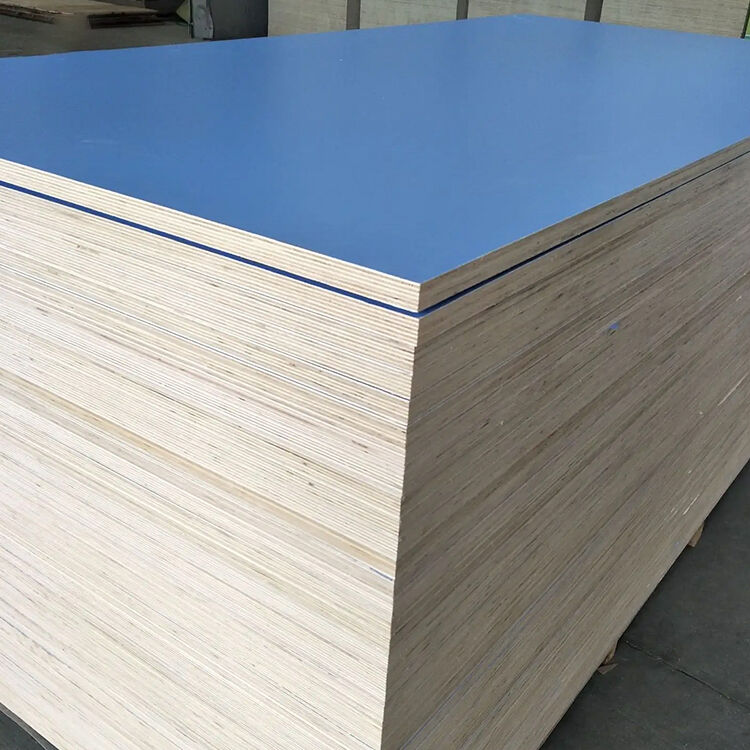
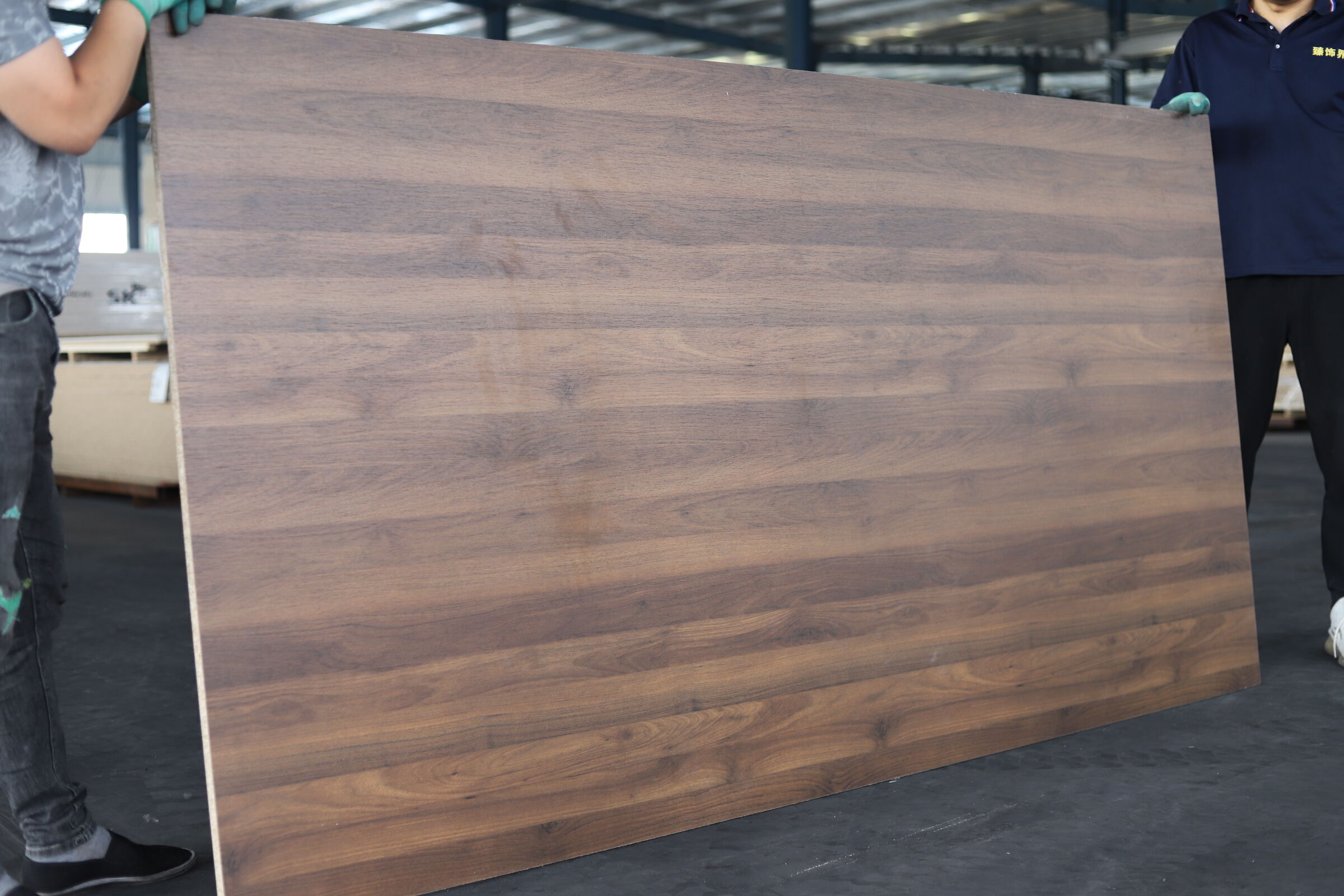
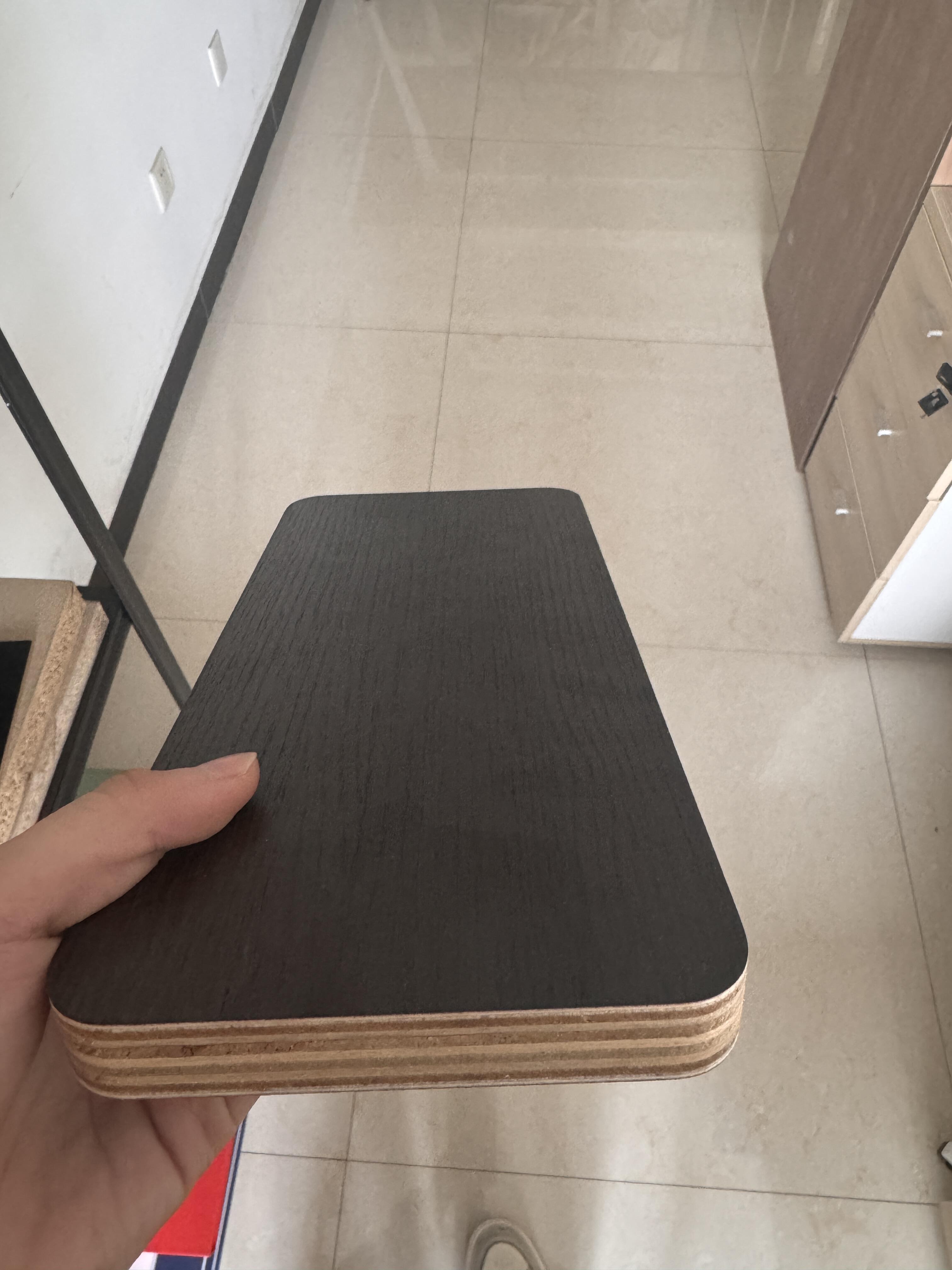
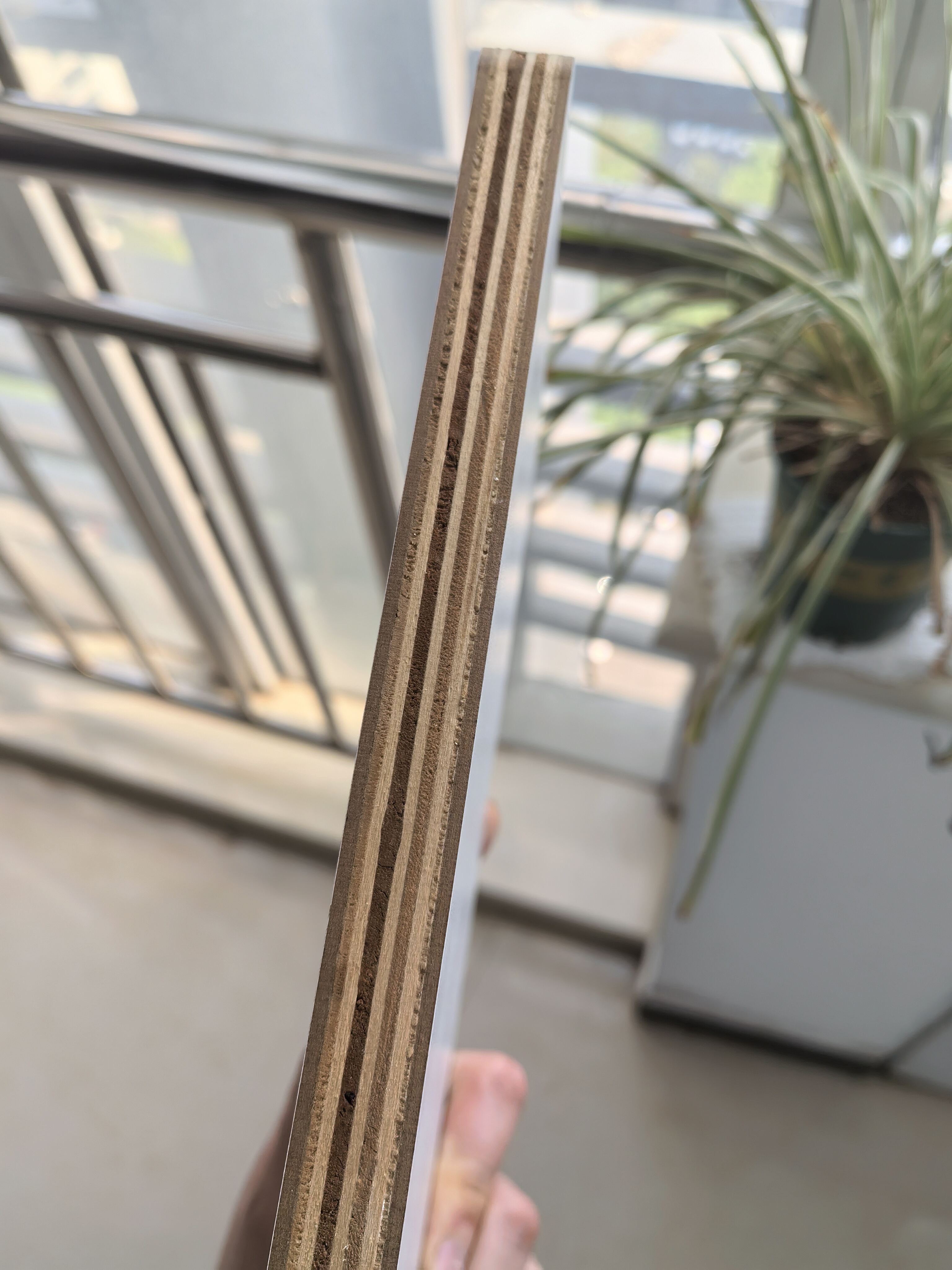
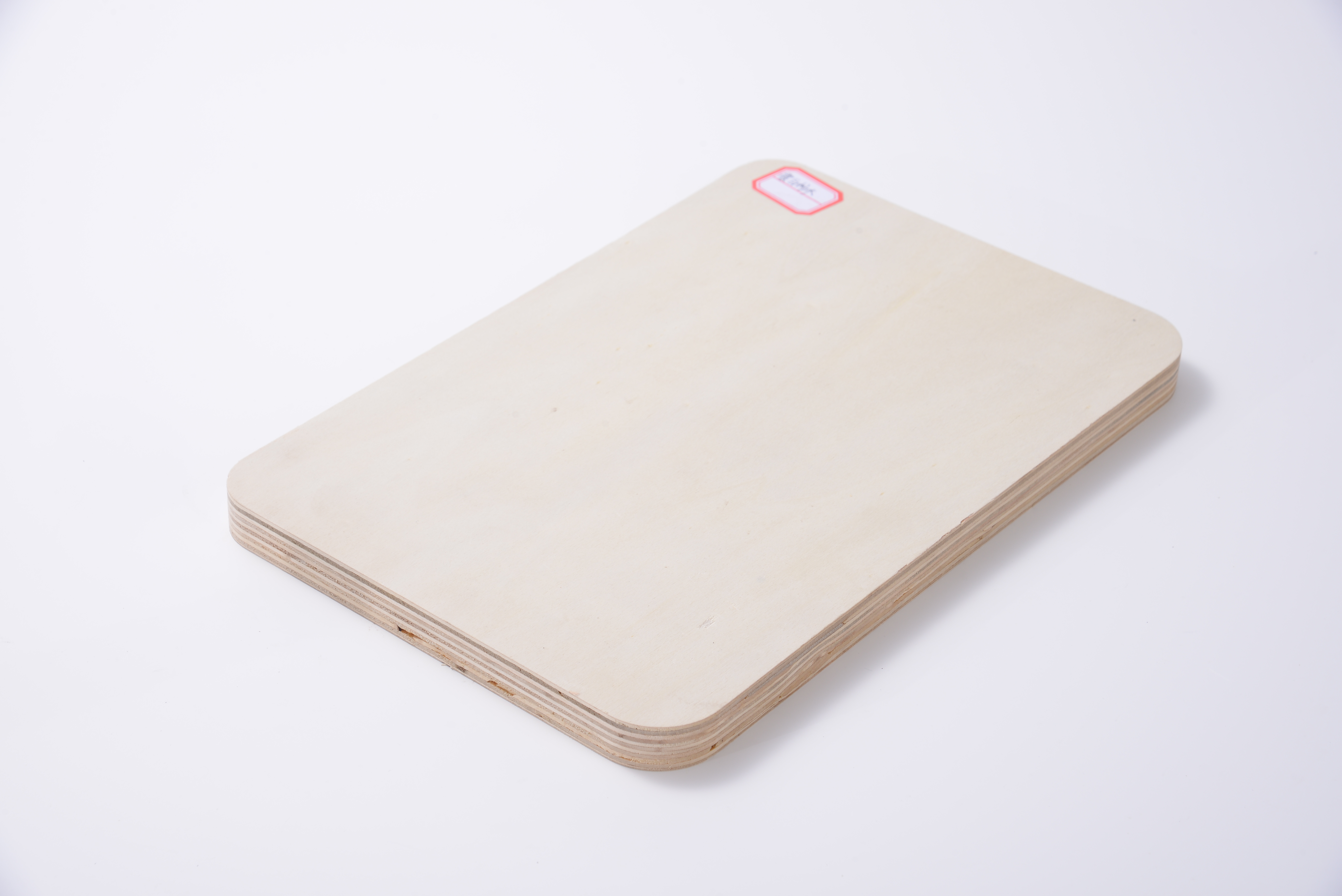
Plywood veneer thickness plays a crucial role in determining the structural integrity, appearance, and performance characteristics of plywood products. The veneer layers, typically ranging from 0.6mm to 3.2mm in thickness, are carefully engineered wood sheets that form the foundation of high-quality plywood construction. Understanding plywood veneer thickness is essential for manufacturers, contractors, and consumers who seek optimal performance in their woodworking projects. The main function of plywood veneer thickness lies in its ability to provide balanced strength distribution across multiple layers. Each veneer sheet contributes to the overall load-bearing capacity while maintaining flexibility and dimensional stability. The cross-grain construction method, where alternating veneer layers are positioned perpendicular to each other, maximizes the structural benefits of plywood veneer thickness. This arrangement prevents warping, splitting, and cracking that commonly occurs in solid wood applications. Technological features of plywood veneer thickness include precise manufacturing controls that ensure consistent layer uniformity. Modern production facilities utilize advanced peeling machines and slicing equipment to achieve exact thickness specifications. Quality control systems monitor each veneer sheet to maintain strict tolerances, typically within 0.1mm variations. The adhesive bonding process between veneer layers requires specific thickness parameters to achieve optimal penetration and curing characteristics. Applications for various plywood veneer thickness specifications span across construction, furniture manufacturing, marine applications, and specialty industrial uses. Thicker veneer layers provide enhanced durability for heavy-duty applications, while thinner veneers offer superior bendability for curved surfaces and intricate designs. The selection of appropriate plywood veneer thickness directly impacts project outcomes, cost-effectiveness, and long-term performance. Understanding these specifications enables better decision-making for specific application requirements, ensuring optimal material selection and project success in diverse woodworking environments.

New Product Recommendations

The advantages of optimized plywood veneer thickness extend far beyond basic structural requirements, offering significant practical benefits that directly impact project success and cost-effectiveness. Properly selected plywood veneer thickness delivers superior strength-to-weight ratios compared to solid wood alternatives, making it an ideal choice for applications where weight considerations matter. This characteristic proves especially valuable in construction projects where reduced structural load requirements can lead to substantial cost savings in foundation and support systems. The manufacturing precision associated with controlled plywood veneer thickness ensures consistent quality across entire production runs. This reliability eliminates the variability commonly found in natural wood products, allowing contractors and manufacturers to predict performance characteristics accurately. The standardized nature of plywood veneer thickness specifications enables better project planning, material estimation, and quality control processes. Users benefit from reduced waste, improved installation efficiency, and predictable outcomes that streamline project timelines. Enhanced moisture resistance represents another significant advantage of properly engineered plywood veneer thickness. The cross-layered construction method distributes moisture absorption evenly across multiple veneer layers, preventing localized swelling and dimensional changes that can compromise structural integrity. This moisture stability makes plywood with optimized veneer thickness particularly suitable for environments with fluctuating humidity levels, including kitchens, bathrooms, and exterior applications. The economic advantages of appropriate plywood veneer thickness selection cannot be overstated. Thinner veneer options reduce raw material consumption while maintaining necessary performance characteristics, directly impacting material costs. The ability to specify exact thickness requirements prevents over-engineering situations where unnecessarily thick materials increase project expenses without providing corresponding benefits. Additionally, the consistent quality of manufactured plywood veneer thickness reduces labor costs associated with material preparation, fitting, and finishing processes. The versatility offered by various plywood veneer thickness options allows users to optimize their material selection for specific applications. This flexibility enables cost-effective solutions that balance performance requirements with budget constraints, making plywood an attractive option for both professional contractors and DIY enthusiasts seeking reliable, predictable results in their woodworking projects.

Practical Tips

What Are The Main Advantages Of Using Particleboard?

01

Mar

What Are The Main Advantages Of Using Particleboard?

Particleboard has emerged as one of the most versatile and cost-effective engineered wood products in modern construction and furniture manufacturing. This composite material, made from wood chips, sawmill shavings, and synthetic resin binders, offer...
View More
What Is Chipboard Particle Board Used For Today?

18

Mar

What Is Chipboard Particle Board Used For Today?

The versatility and cost-effectiveness of chipboard particle board have made it an essential material in modern construction, furniture manufacturing, and interior design applications. This engineered wood product, created from wood chips, sawmill sh...
View More
Why Choose Chipboard Particle Board For Cabinets?

23

Mar

Why Choose Chipboard Particle Board For Cabinets?

Modern kitchen and furniture design increasingly relies on engineered wood products that deliver exceptional performance, durability, and cost-effectiveness. Among these materials, chipboard particle board has emerged as a leading choice for cabinet ...
View More
What Are The Benefits Of Chipboard Particle Board Panels?

27

Mar

What Are The Benefits Of Chipboard Particle Board Panels?

In the modern construction and furniture manufacturing industry, materials that offer versatility, cost-effectiveness, and reliable performance are highly sought after. Among these materials, chipboard particle board stands out as one of the most pra...
View More

Get a Free Quote

Our representative will contact you soon.
Email
Mobile/WhatsApp
Name
Company Name
Message
0/1000

plywood veneer thickness

Superior Structural Performance Through Optimized Layer Distribution

Superior Structural Performance Through Optimized Layer Distribution

The engineering excellence of plywood veneer thickness lies in its sophisticated approach to load distribution and structural stability. Each carefully calibrated veneer layer contributes to an integrated system where the combined thickness specifications work together to create exceptional strength characteristics. The cross-grain arrangement of alternating veneer layers, each with precisely controlled thickness, generates a composite material that outperforms solid wood in multiple performance categories. This structural advantage stems from the way plywood veneer thickness specifications are designed to counteract natural wood weaknesses while amplifying its inherent strengths. The alternating grain direction in each veneer layer creates a matrix that resists splitting along grain lines, a common failure point in solid wood applications. When properly engineered, plywood veneer thickness provides uniform load distribution across the entire panel surface, eliminating stress concentration points that typically cause premature failure. This characteristic makes plywood with optimized veneer thickness particularly valuable in applications requiring consistent performance under varying load conditions. The manufacturing precision required to achieve optimal plywood veneer thickness involves sophisticated peeling and slicing technologies that maintain exact dimensional tolerances. These controlled thickness specifications ensure that adhesive penetration occurs uniformly between layers, creating strong chemical bonds that complement the mechanical interlocking achieved through cross-grain construction. The result is a composite material where each veneer layer thickness contributes proportionally to overall panel strength, creating predictable performance characteristics that engineers and builders can rely upon. Furthermore, the ability to customize plywood veneer thickness for specific applications allows manufacturers to optimize material properties for intended uses. Thicker outer veneers can provide enhanced surface durability, while thinner inner layers contribute flexibility without compromising structural integrity. This layered approach to thickness optimization enables the creation of specialized plywood products that excel in particular applications, from high-stress structural uses to precision furniture manufacturing where surface quality and dimensional stability are paramount.
Cost-Effective Material Optimization and Waste Reduction

Cost-Effective Material Optimization and Waste Reduction

The economic advantages of strategic plywood veneer thickness selection extend throughout the entire supply chain, from raw material procurement to final installation and long-term performance. Understanding how different veneer thickness specifications impact project costs enables informed decision-making that balances performance requirements with budget considerations. The ability to specify exact plywood veneer thickness requirements prevents over-specification situations where unnecessarily thick materials increase costs without providing corresponding performance benefits. This precision in material selection translates directly into cost savings that can significantly impact project profitability. Manufacturing efficiency improvements associated with standardized plywood veneer thickness specifications create additional economic advantages. Consistent thickness tolerances enable automated processing equipment to operate at optimal speeds with minimal waste generation. The predictable nature of manufactured veneer thickness allows for precise cutting, machining, and finishing operations that minimize material loss and reduce labor requirements. These efficiency gains are passed along to end users in the form of more competitive pricing and improved product availability. The standardization of plywood veneer thickness specifications also facilitates better inventory management and supply chain optimization, reducing carrying costs and improving material availability for time-sensitive projects. Installation cost reductions represent another significant economic benefit of properly specified plywood veneer thickness. Consistent thickness tolerances eliminate the need for extensive material preparation, shimming, or adjustment procedures that consume valuable labor time. The predictable dimensions associated with manufactured veneer thickness allow contractors to streamline installation processes, reducing both direct labor costs and project completion times. Additionally, the superior dimensional stability provided by optimized plywood veneer thickness minimizes callback and warranty issues that can impact long-term project profitability. The durability advantages of properly engineered veneer thickness contribute to reduced maintenance and replacement costs over the product lifecycle. The enhanced moisture resistance, structural stability, and surface durability provided by optimized thickness specifications extend product service life, creating long-term value that often exceeds the initial cost savings. This lifecycle cost advantage makes plywood with appropriate veneer thickness an attractive investment for applications where long-term performance and reliability are essential considerations.
Versatile Applications Across Diverse Industry Requirements

Versatile Applications Across Diverse Industry Requirements

The remarkable versatility of plywood veneer thickness specifications enables applications across an extraordinarily wide range of industries and use cases, each benefiting from the unique characteristics provided by specific thickness configurations. In construction applications, varying plywood veneer thickness requirements accommodate everything from subflooring systems that demand structural integrity to decorative paneling where appearance and workability take precedence. The ability to select appropriate veneer thickness for specific construction applications ensures optimal performance while maintaining cost-effectiveness across diverse project requirements. Structural applications benefit from thicker outer veneer layers that provide enhanced load-bearing capacity and impact resistance, while maintaining the cross-grain stability that prevents warping and dimensional changes under varying environmental conditions. Marine and exterior applications showcase the environmental adaptability of optimized plywood veneer thickness specifications. The controlled thickness parameters enable uniform adhesive distribution and curing, creating moisture-resistant bonds that maintain integrity in challenging environments. Thicker veneer layers in marine-grade plywood provide additional protection against moisture penetration, while the cross-layered construction distributes environmental stresses evenly across the panel structure. This combination makes plywood with appropriate veneer thickness ideal for boat building, exterior siding, and other applications where environmental resistance is crucial. The precision manufacturing capabilities associated with controlled veneer thickness enable specialty applications in furniture manufacturing, cabinetry, and architectural millwork where appearance and dimensional accuracy are paramount. Furniture manufacturers utilize various plywood veneer thickness specifications to optimize both structural performance and surface quality, enabling the creation of lightweight yet durable products that meet stringent quality standards. The ability to specify exact thickness requirements allows furniture designers to minimize weight while maintaining necessary strength characteristics, creating products that are both functional and aesthetically appealing. Industrial applications benefit from the customization possibilities offered by variable plywood veneer thickness specifications. Packaging applications utilize thinner veneer configurations to minimize weight and material costs while maintaining necessary protective characteristics. Heavy-duty industrial applications employ thicker veneer specifications to provide enhanced durability and load-bearing capacity. The flexibility to optimize veneer thickness for specific industrial requirements enables cost-effective solutions that balance performance needs with economic considerations, making plywood an attractive material choice across diverse industrial sectors.

Get a Free Quote

Our representative will contact you soon.
Email
Mobile/WhatsApp
Name
Company Name
Message
0/1000