Complete Guide to Plywood Thickness Sizes: Applications, Benefits & Selection Tips

Get a Free Quote

Our representative will contact you soon.
Email
Mobile/WhatsApp
Name
Company Name
Message
0/1000

plywood thickness sizes

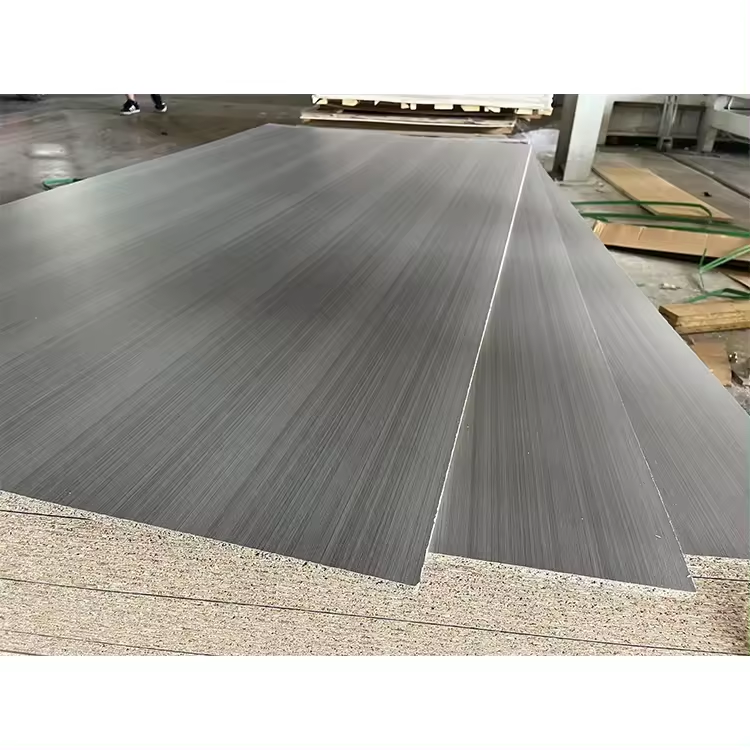
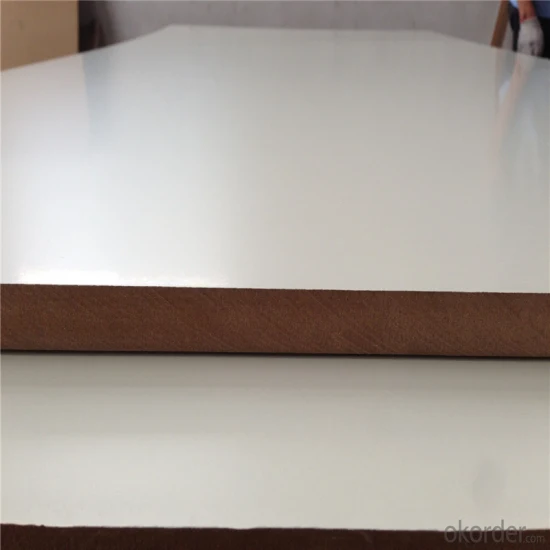
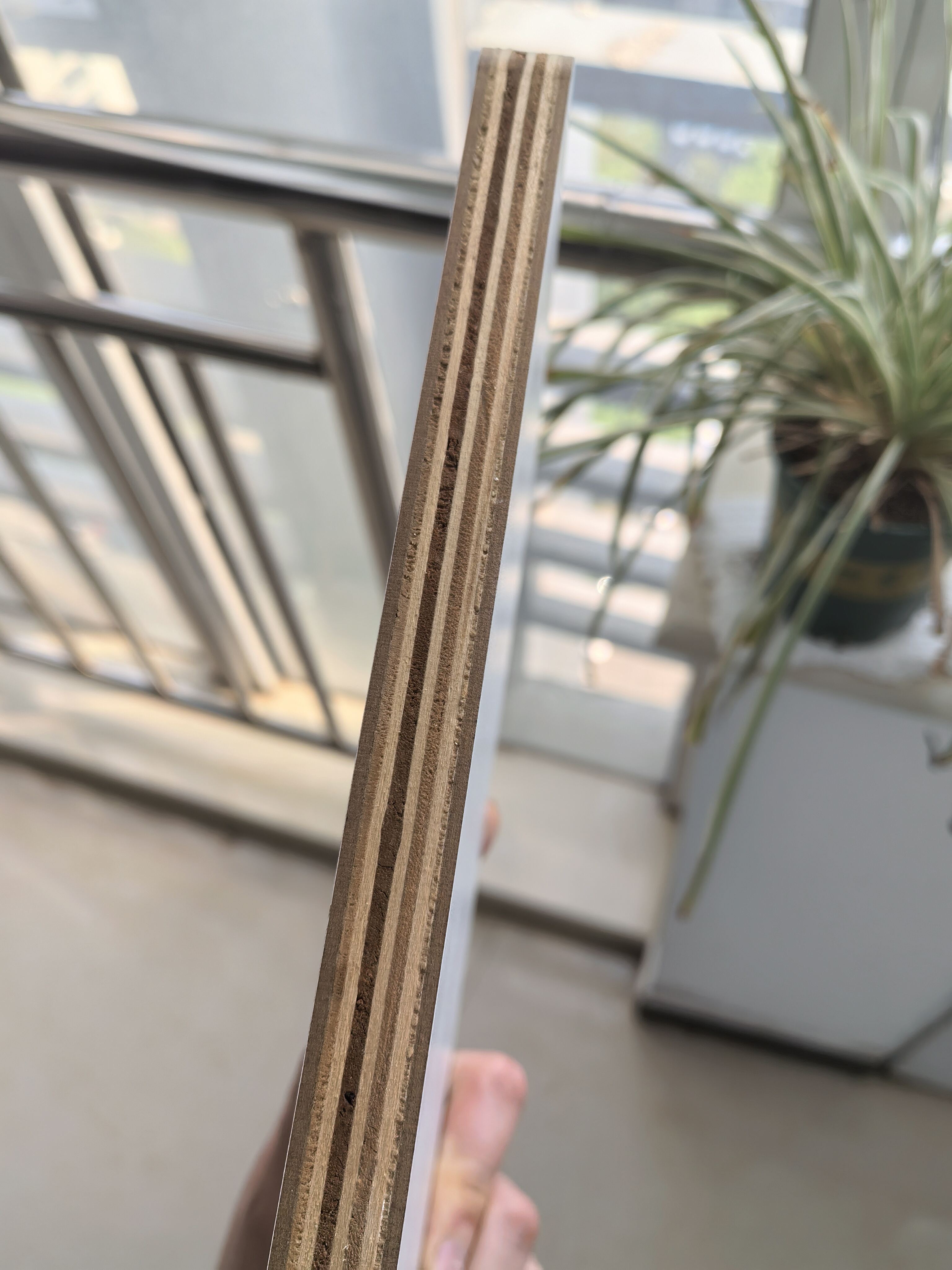
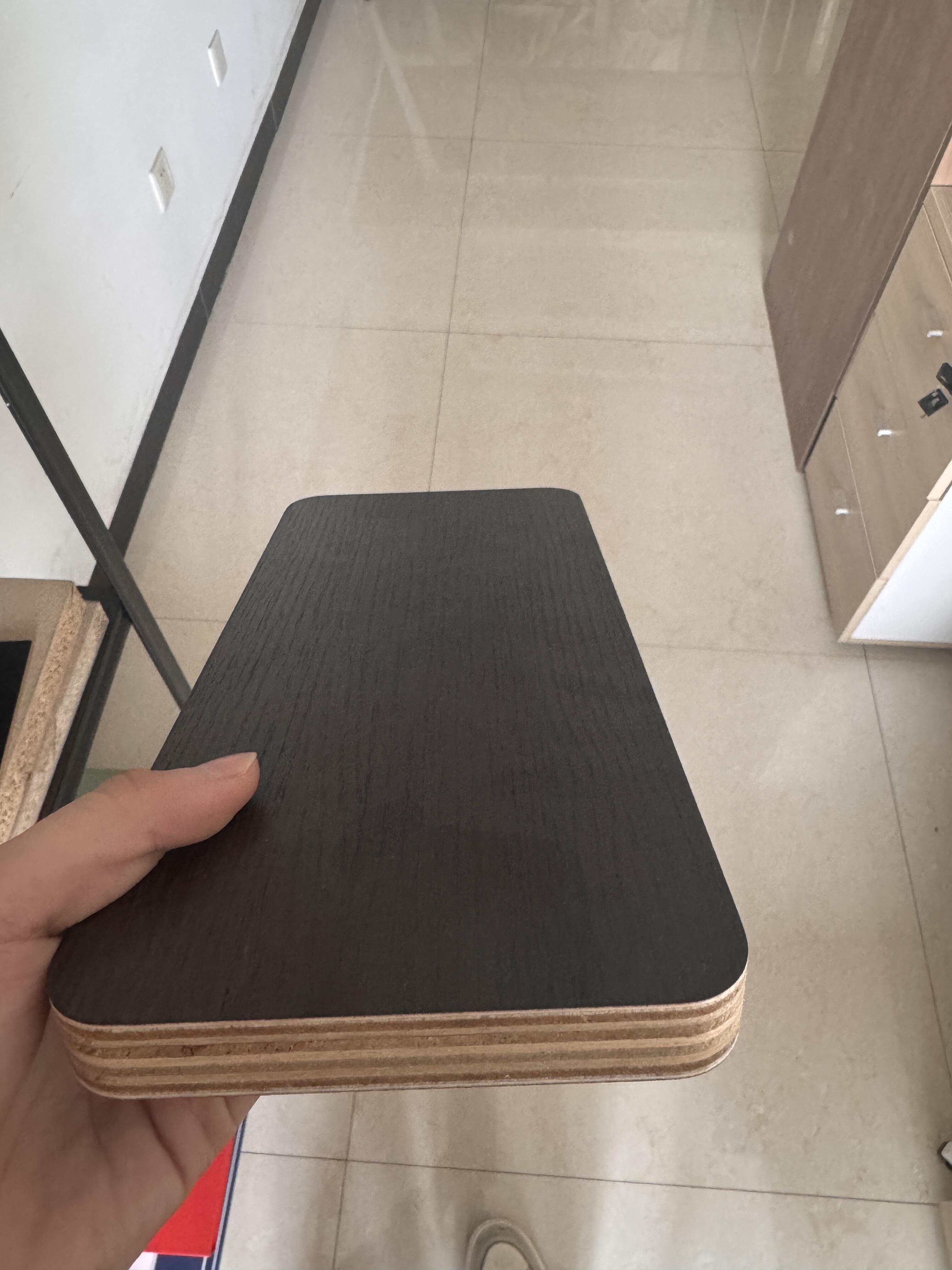
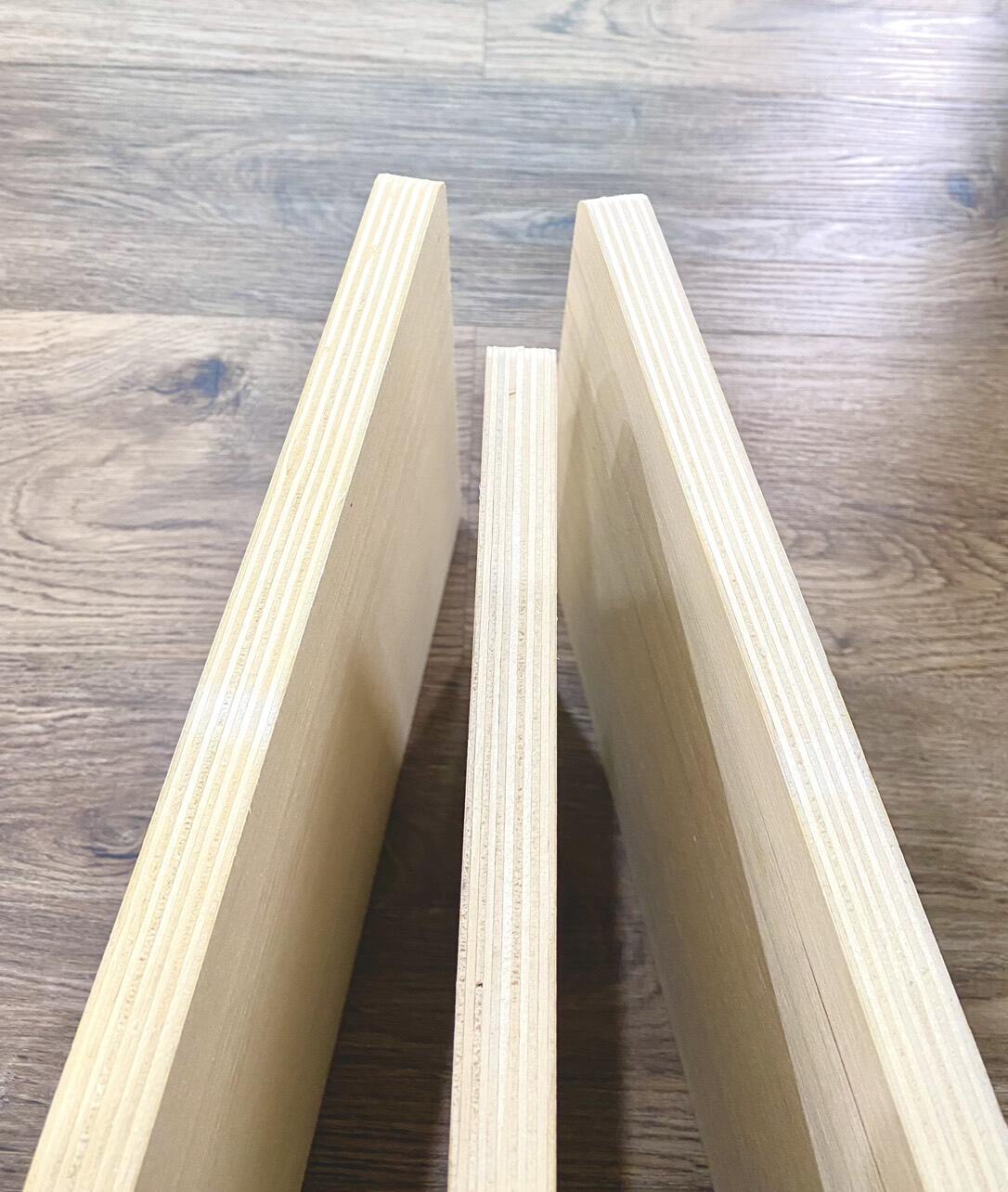
Plywood thickness sizes represent one of the most crucial specifications in woodworking and construction industries, directly influencing structural integrity, functionality, and project outcomes. These standardized measurements typically range from ultra-thin 3mm sheets to robust 40mm panels, each serving distinct purposes across diverse applications. The fundamental function of plywood thickness sizes lies in providing engineers, architects, and craftsmen with precise dimensional control for their projects, ensuring optimal performance while maintaining cost-effectiveness. Modern manufacturing processes have standardized these measurements globally, creating consistency across different suppliers and regions. The technological features behind plywood thickness sizes involve sophisticated pressing techniques that compress multiple wood veneer layers under controlled pressure and temperature conditions. This process creates uniform thickness throughout each sheet while maintaining the inherent strength characteristics of the wood fibers. Quality control systems continuously monitor thickness variations to ensure they remain within acceptable tolerances, typically ±0.5mm for most standard grades. The layered construction methodology allows manufacturers to achieve specific thickness requirements by adjusting the number of veneer plies and their individual thicknesses. Applications for various plywood thickness sizes span numerous industries and project types. Thin sheets between 3-6mm excel in decorative veneering, cabinet backing, and craft projects where flexibility and lightweight properties are essential. Medium thickness options from 9-18mm dominate furniture manufacturing, flooring underlayment, and general construction applications. Heavy-duty thickness sizes exceeding 20mm serve structural purposes including subflooring, roofing decking, and load-bearing wall systems. The versatility of plywood thickness sizes enables architects to specify exact requirements for different building components while ensuring compliance with building codes and engineering standards. Each thickness category offers unique characteristics in terms of load-bearing capacity, deflection resistance, and thermal properties, making proper selection critical for project success and long-term durability.

New Products

Understanding plywood thickness sizes delivers significant practical benefits that directly impact project success and cost efficiency. These standardized dimensions eliminate guesswork during planning phases, allowing contractors and DIY enthusiasts to calculate material requirements accurately before beginning construction. This precision reduces waste, minimizes unexpected expenses, and ensures projects stay within budget constraints while meeting deadlines. The availability of multiple plywood thickness sizes provides flexibility in design optimization, enabling users to select the most appropriate specification for each application without overengineering or compromising structural integrity. This targeted selection approach results in material savings that compound across large projects, making efficient thickness selection a profitable strategy for businesses and homeowners alike. Quality control benefits emerge from standardized plywood thickness sizes as manufacturers maintain consistent production parameters across different thickness categories. This reliability means buyers can confidently specify materials knowing they will receive products meeting exact dimensional requirements. The predictable nature of these specifications streamlines inventory management for suppliers and reduces the likelihood of delays caused by dimensional discrepancies. Professional contractors appreciate the scheduling advantages that come with reliable plywood thickness sizes, as they can sequence installation activities knowing materials will fit properly without field modifications. The structural advantages of properly selected plywood thickness sizes contribute to building performance and longevity. Appropriate thickness selection ensures adequate load distribution, prevents excessive deflection, and maintains structural stability under various environmental conditions. This engineering precision translates into reduced maintenance costs and extended service life for completed structures. Additionally, the thermal and acoustic properties vary with plywood thickness sizes, allowing designers to optimize comfort levels while maintaining structural requirements. Installation efficiency improves dramatically when using correctly specified plywood thickness sizes because panels handle predictably during cutting, fastening, and finishing operations. Workers can adjust their techniques and tool settings for specific thicknesses, reducing installation time and improving quality outcomes. The compatibility between different plywood thickness sizes and standard fastening systems simplifies connection details and ensures reliable joint performance. Furthermore, the resale value of properties benefits from proper plywood thickness sizes selection as building inspectors and appraisers recognize quality construction practices that utilize appropriate materials for each application.

Practical Tips

Is Particleboard Suitable For Commercial Fit-Out Works?

13

Mar

Is Particleboard Suitable For Commercial Fit-Out Works?

Commercial fit-out projects demand materials that balance cost-effectiveness, durability, and aesthetic appeal. Particleboard has emerged as a versatile solution for various commercial applications, offering contractors and designers a reliable engin...
View More
What Is Chipboard Particle Board Used For Today?

18

Mar

What Is Chipboard Particle Board Used For Today?

The versatility and cost-effectiveness of chipboard particle board have made it an essential material in modern construction, furniture manufacturing, and interior design applications. This engineered wood product, created from wood chips, sawmill sh...
View More
Is Chipboard Particle Board Good For Interior Projects?

31

Mar

Is Chipboard Particle Board Good For Interior Projects?

When considering materials for interior projects, many homeowners and contractors find themselves evaluating the merits of chipboard particle board as a practical solution. This engineered wood product has gained significant traction in the construct...
View More
What Is Pet Board And Why Is It Eco-Friendly?

03

Apr

What Is Pet Board And Why Is It Eco-Friendly?

Modern furniture manufacturing increasingly demands materials that combine durability, aesthetics, and environmental responsibility. Pet board has emerged as a revolutionary solution that addresses these requirements while offering superior performan...
View More

Get a Free Quote

Our representative will contact you soon.
Email
Mobile/WhatsApp
Name
Company Name
Message
0/1000

plywood thickness sizes

Structural Performance Optimization Through Proper Thickness Selection

Structural Performance Optimization Through Proper Thickness Selection

The relationship between plywood thickness sizes and structural performance represents a fundamental engineering principle that directly affects building safety, durability, and code compliance. When selecting appropriate plywood thickness sizes for structural applications, engineers must consider multiple factors including span distances, load requirements, deflection limits, and environmental conditions. Thicker plywood panels inherently provide greater bending strength and stiffness, making them suitable for applications with longer spans or higher loads. However, the optimization process involves finding the most economical thickness that meets performance requirements without excessive over-design. The moment of inertia increases dramatically with plywood thickness sizes, following mathematical relationships that make small increases in thickness provide substantial improvements in structural capacity. For example, increasing from 15mm to 18mm plywood thickness sizes can improve load-carrying capacity by approximately 30 percent while adding minimal material cost. This engineering advantage allows designers to achieve required performance levels efficiently while controlling project expenses. The connection between plywood thickness sizes and deflection control becomes particularly important in flooring and roofing applications where excessive movement can cause finish materials to crack or fail. Building codes specify maximum allowable deflection ratios, and proper plywood thickness sizes selection ensures compliance while providing comfortable, stable surfaces for occupants. The distributed load characteristics of plywood change significantly with thickness variations, affecting how forces transfer through structural systems and influence adjacent components. Professional structural engineers utilize sophisticated analysis software that accounts for plywood thickness sizes when calculating system performance, ensuring that all components work together harmoniously. The long-term durability benefits of appropriate plywood thickness sizes extend beyond initial structural performance to include resistance to environmental stresses such as moisture cycling, temperature fluctuations, and dynamic loading conditions. Properly specified thickness provides adequate material depth to accommodate natural wood movement while maintaining structural integrity throughout the building lifecycle.
Cost-Effectiveness and Material Efficiency Benefits

Cost-Effectiveness and Material Efficiency Benefits

The economic advantages of understanding plywood thickness sizes extend far beyond simple material costs to encompass installation efficiency, waste reduction, and long-term maintenance savings that significantly impact project profitability. Smart selection of plywood thickness sizes enables contractors to optimize material usage by matching panel specifications precisely to application requirements, avoiding both inadequate performance and wasteful over-specification. This targeted approach becomes particularly valuable in large-scale construction projects where small percentage improvements in material efficiency translate into substantial cost savings across hundreds or thousands of sheets. The relationship between plywood thickness sizes and cutting waste demonstrates another economic benefit, as standard thickness dimensions coordinate with common construction dimensions to minimize off-cuts and unusable remnants. Professional estimators recognize that proper plywood thickness sizes selection reduces the contingency factors needed in material calculations, allowing more accurate bidding and improved profit margins on competitive projects. The installation labor efficiency gains from using appropriate plywood thickness sizes often exceed the material cost savings, as workers can maintain consistent productivity rates when panels handle predictably and require minimal field modifications. Thinner plywood thickness sizes reduce handling fatigue and allow faster installation in applications where structural requirements permit their use, while thicker panels eliminate the need for additional reinforcement or multiple layers in high-stress applications. The tool wear and consumable costs also vary with plywood thickness sizes, as cutting blades, fasteners, and adhesives must be sized appropriately for each thickness category. Equipment productivity improves when operators can establish optimal settings for specific plywood thickness sizes rather than constantly adjusting parameters for varying material dimensions. The inventory management advantages of standardized plywood thickness sizes enable suppliers to maintain focused stock levels that meet diverse customer needs without excessive carrying costs or obsolete inventory risks. This supply chain efficiency ultimately benefits end users through improved availability and competitive pricing structures that reflect the economies of scale achieved through standardization.
Versatility and Application Flexibility Across Industries

Versatility and Application Flexibility Across Industries

The diverse range of available plywood thickness sizes creates unprecedented flexibility for designers and builders to optimize material selection across countless applications, from delicate craft projects to heavy industrial construction. This versatility stems from the unique characteristics that each thickness category brings to specific use cases, allowing professionals to fine-tune their material specifications for optimal performance and cost efficiency. Ultra-thin plywood thickness sizes between 3-6mm excel in applications requiring flexibility, light weight, and smooth surface characteristics, making them ideal for curved surfaces, backing materials, and decorative overlays where structural demands remain minimal. These thin panels bend easily around radii that would cause thicker materials to crack or delaminate, opening design possibilities that would be impossible with conventional lumber products. The intermediate plywood thickness sizes ranging from 9-15mm represent the workhorse category for furniture manufacturing, cabinetry, and general construction applications where moderate strength requirements combine with reasonable cost considerations. These dimensions provide excellent screw-holding power for hardware installation while maintaining sufficient stiffness for shelving, drawer bottoms, and cabinet sides that experience regular use loads. The manufacturing processes for these intermediate thicknesses optimize the balance between material properties and production efficiency, resulting in consistent quality and competitive pricing structures. Heavy-duty plywood thickness sizes exceeding 18mm serve specialized applications in structural engineering, marine construction, and industrial equipment manufacturing where maximum strength and durability justify premium material costs. These thick panels resist impact damage, provide excellent thermal mass, and accommodate large fasteners required for high-stress connections. The application flexibility of plywood thickness sizes extends into specialized industries such as aerospace, where precise thickness control enables weight optimization while meeting stringent performance requirements. Architectural applications benefit from the aesthetic possibilities created by varying plywood thickness sizes, as designers can create visual depth and textural interest through strategic thickness transitions in wall paneling and ceiling treatments. The compatibility between different plywood thickness sizes and modern finishing systems allows seamless integration across projects that incorporate multiple panel thicknesses for functional or design purposes.

Get a Free Quote

Our representative will contact you soon.
Email
Mobile/WhatsApp
Name
Company Name
Message
0/1000