Premium Melamine Coated Chipboard: Durable, Versatile & Cost-Effective Wood Alternative

Get a Free Quote

Our representative will contact you soon.
Email
Mobile/WhatsApp
Name
Company Name
Message
0/1000

melamine coated chipboard

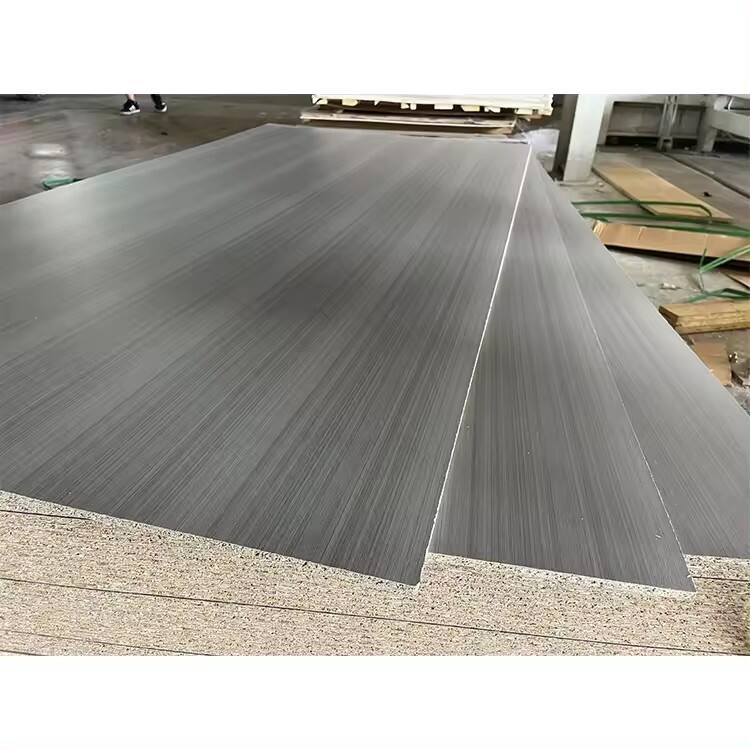
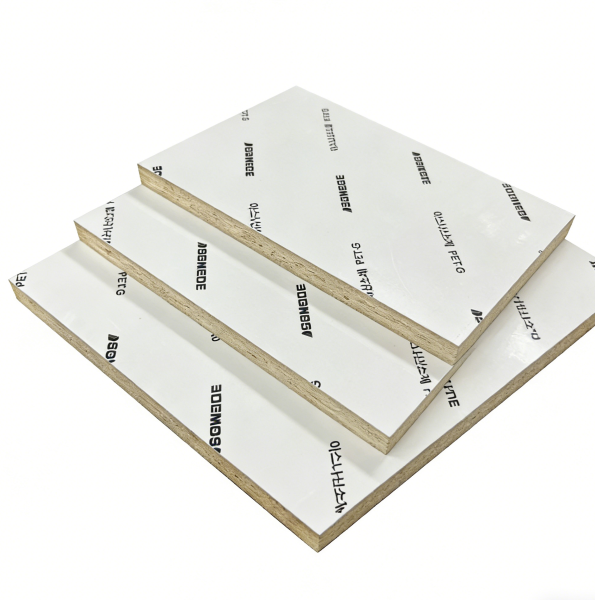
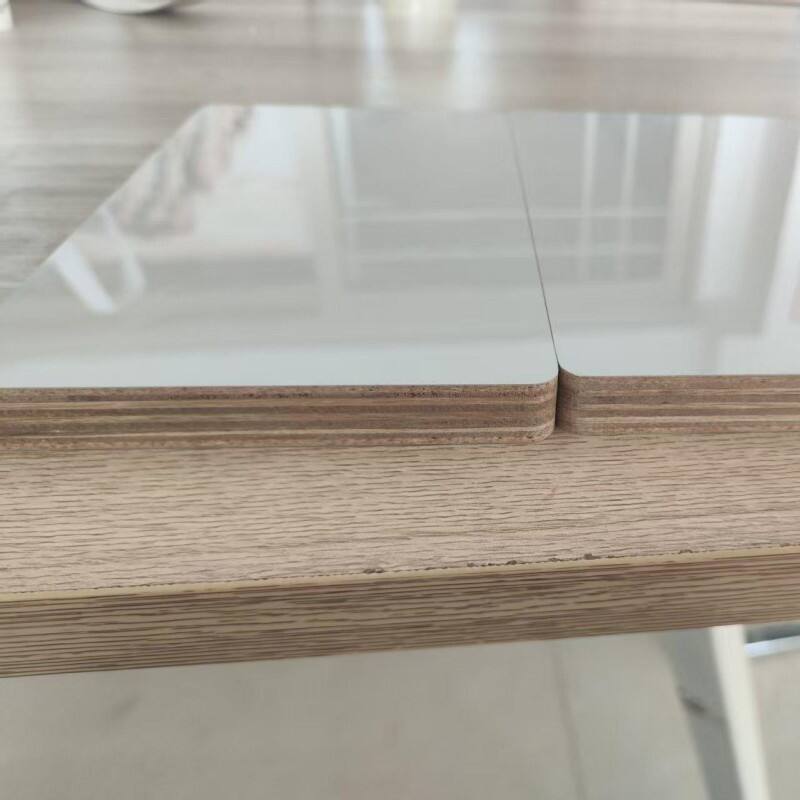
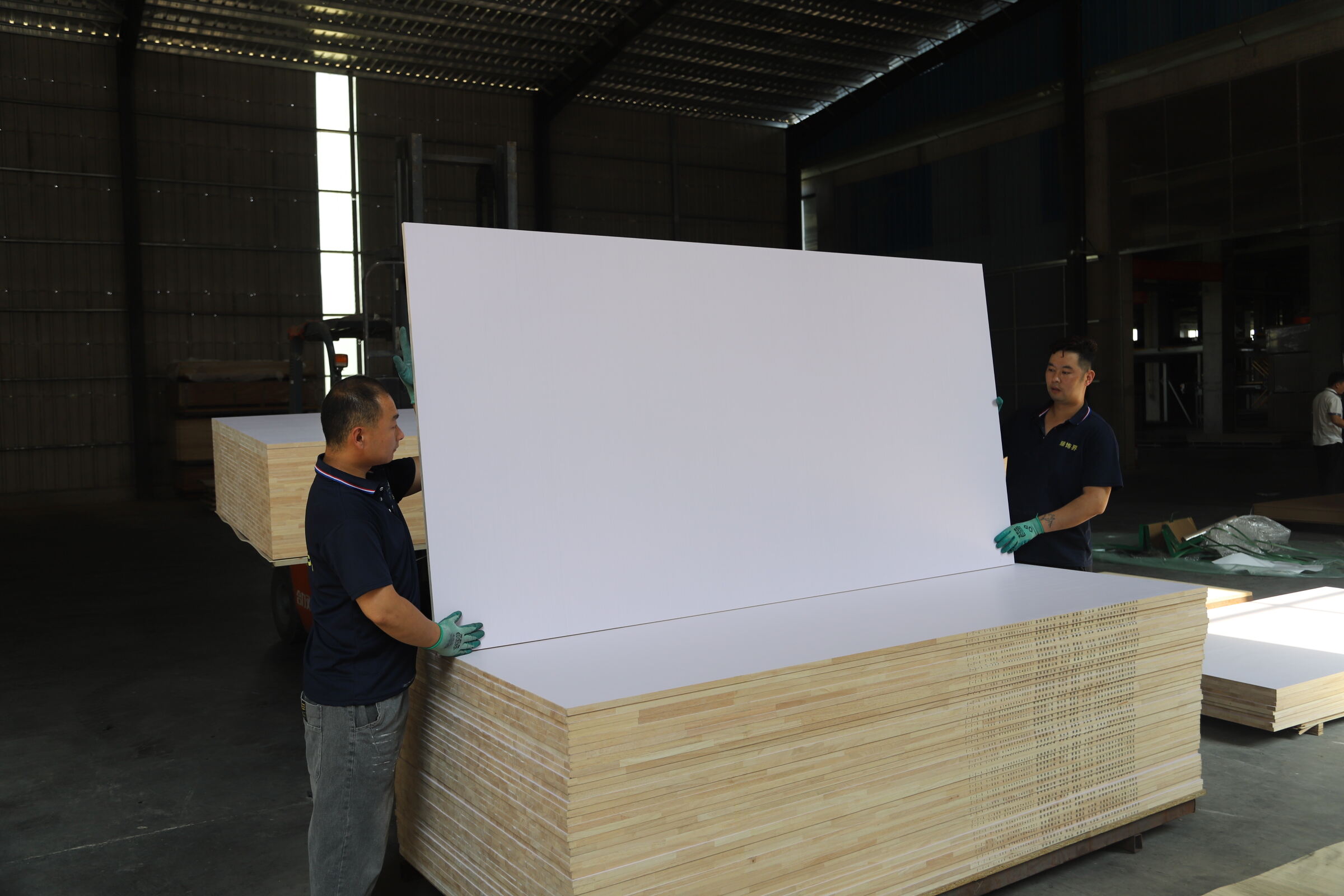
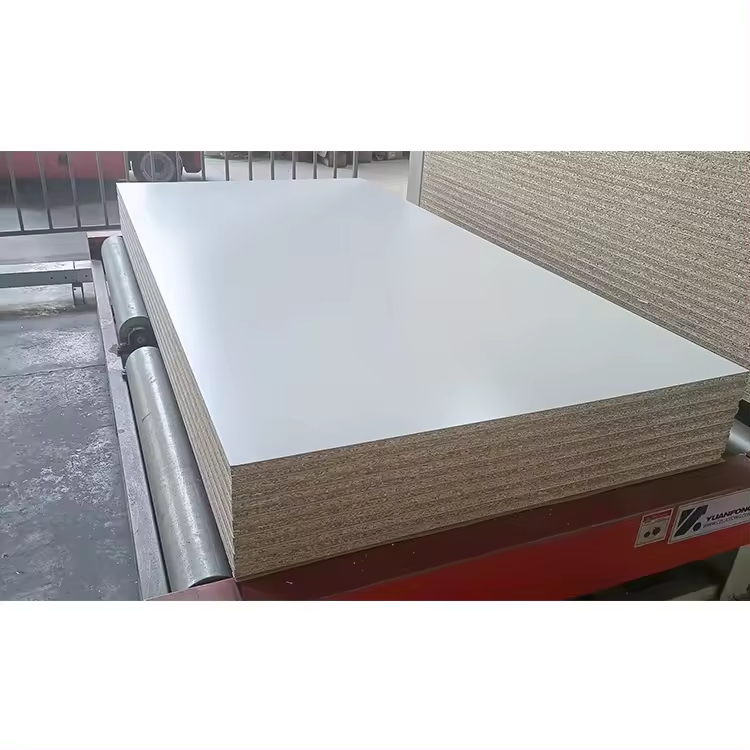
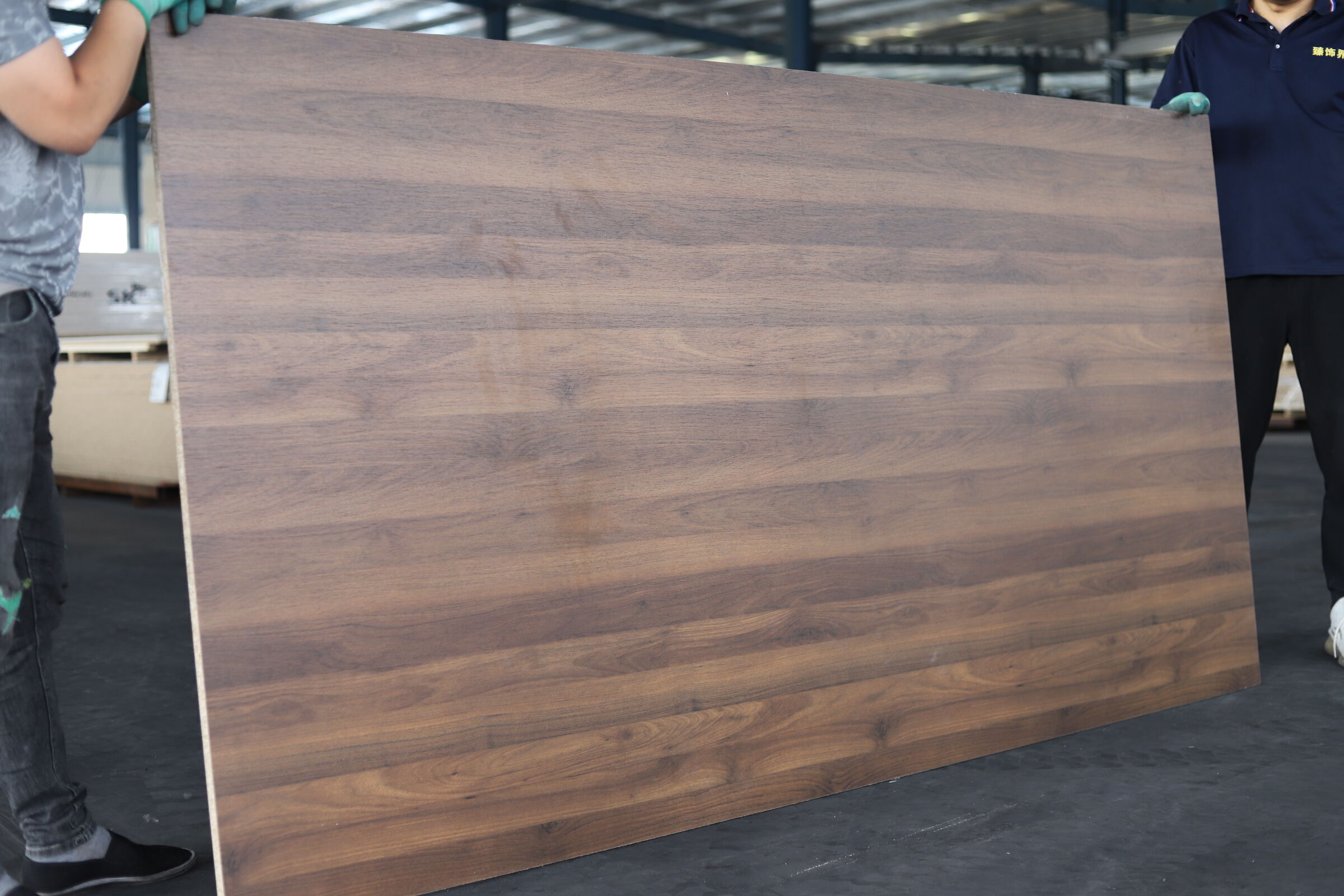
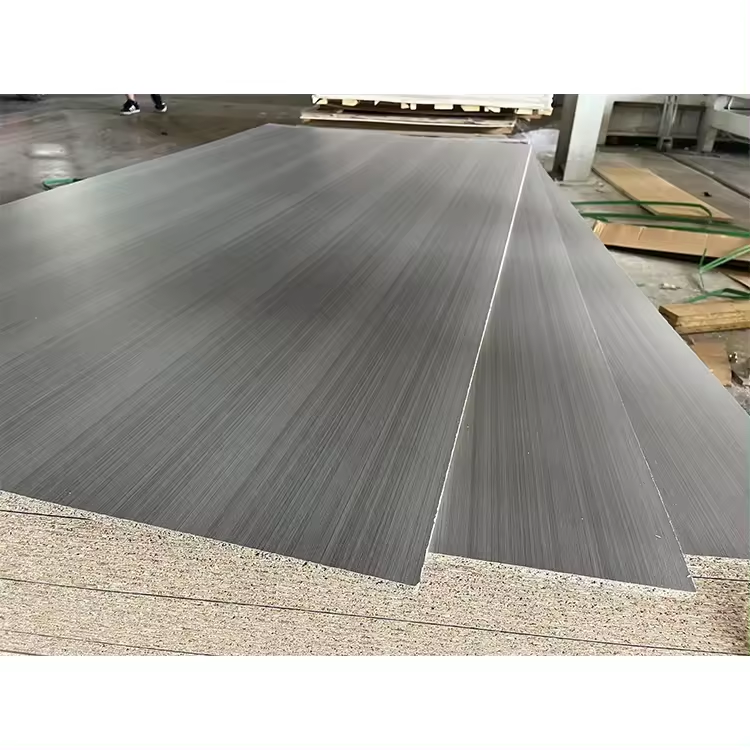
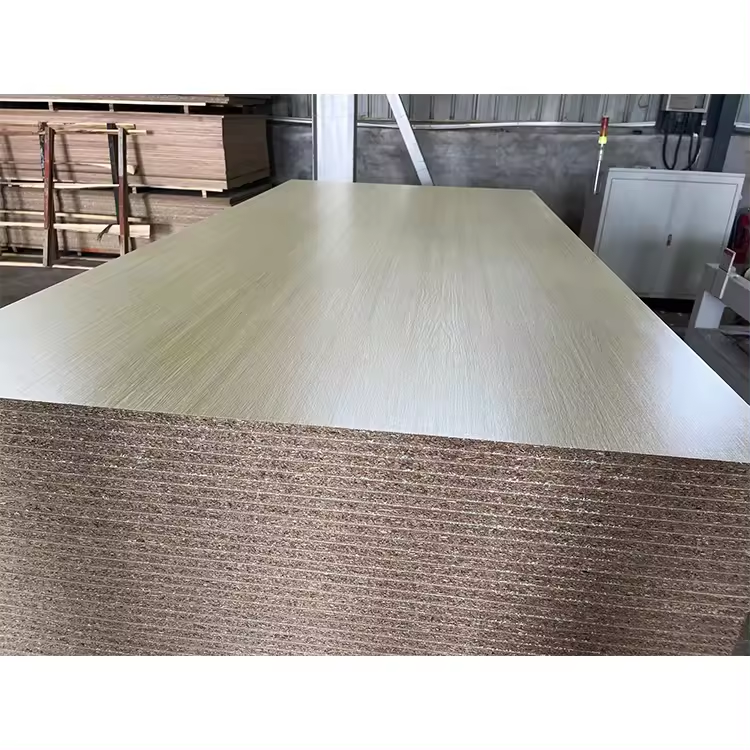
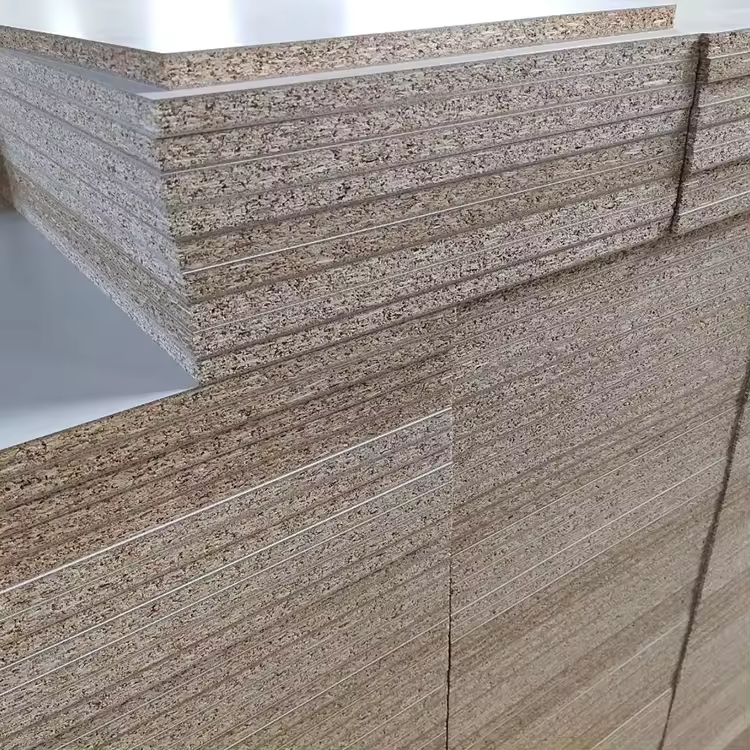
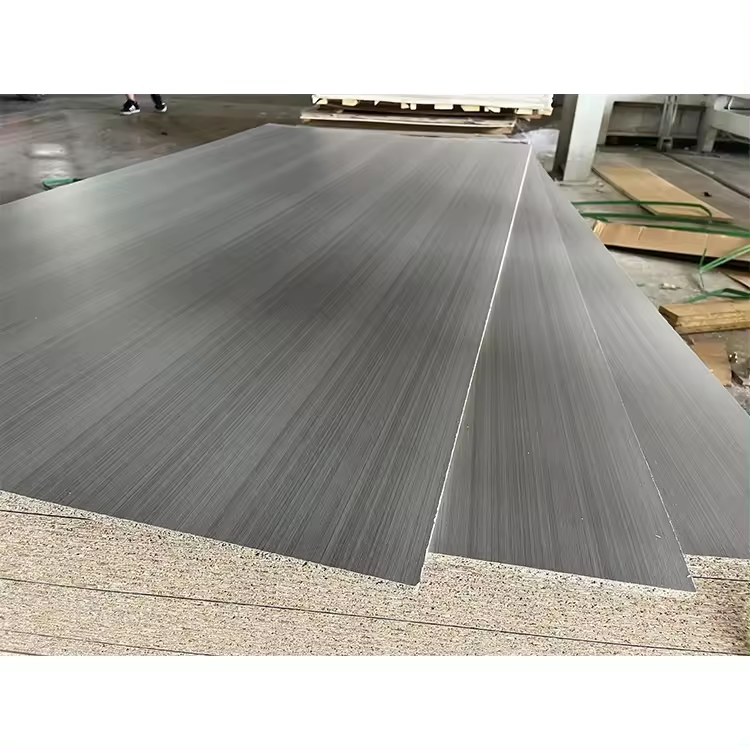
Melamine coated chipboard represents a revolutionary engineered wood product that combines the structural integrity of particleboard with the aesthetic appeal and durability of melamine resin surface treatment. This composite material consists of wood particles, typically sourced from recycled wood waste and sawmill residues, which are compressed and bonded together using specialized adhesives under high pressure and temperature conditions. The resulting substrate undergoes a sophisticated lamination process where melamine-impregnated decorative paper is thermally fused to create a robust, attractive surface finish. The technological foundation of melamine coated chipboard involves precise manufacturing processes that ensure consistent density distribution throughout the core material. Advanced pressing techniques create uniform thickness and smooth surfaces that provide excellent adhesion for the melamine overlay. The melamine resin system offers exceptional chemical resistance, making the final product suitable for demanding environments where traditional wood surfaces might deteriorate. Manufacturing facilities utilize computer-controlled systems to monitor temperature, pressure, and timing parameters during production, ensuring consistent quality across all panels. The core chipboard material typically ranges from 12mm to 25mm in thickness, accommodating various structural requirements while maintaining cost-effectiveness. Surface textures can vary from smooth finishes to embossed patterns that replicate natural wood grains, stone textures, or contemporary designs. Color options span an extensive palette, from classic wood tones to bold contemporary shades, allowing designers and manufacturers flexibility in product development. The melamine coating provides a non-porous surface that resists moisture penetration, staining, and bacterial growth, making it ideal for hygienic applications. Primary applications include furniture manufacturing, cabinetry construction, retail display systems, office environments, and architectural millwork where durability and visual appeal are paramount considerations for long-term performance and customer satisfaction.

New Products

Melamine coated chipboard delivers exceptional durability that surpasses traditional wood materials in demanding applications. The melamine surface creates a hard, scratch-resistant barrier that maintains its appearance even under heavy use conditions. This enhanced durability translates into longer product lifecycles, reducing replacement costs and maintenance requirements for businesses and consumers alike. The material resists impact damage, thermal shock, and chemical exposure better than conventional wood finishes, making it perfect for high-traffic commercial environments and busy household applications. Cost-effectiveness represents another significant advantage of melamine coated chipboard compared to solid wood alternatives. The manufacturing process utilizes recycled wood materials and efficient production methods, resulting in substantial cost savings that manufacturers can pass along to consumers. These savings do not compromise quality or performance, as the engineered construction often provides superior consistency compared to natural wood products that may contain defects or irregular grain patterns. The standardized manufacturing process eliminates waste associated with natural wood variations, contributing to both economic and environmental benefits. Installation simplicity makes melamine coated chipboard accessible to professional contractors and DIY enthusiasts alike. The stable dimensions and consistent thickness ensure precise fitting during assembly projects. Pre-finished surfaces eliminate the need for additional painting, staining, or sealing steps that traditional materials require, reducing project timelines and labor costs significantly. Standard woodworking tools can easily cut and shape the material, while the smooth surface accepts hardware installation without splitting or chipping concerns. Maintenance requirements for melamine coated chipboard remain minimal throughout its service life. Regular cleaning with mild detergents and water removes most stains and soil accumulation effectively. The non-porous surface prevents liquid absorption that could cause swelling, warping, or degradation common with untreated wood products. This low-maintenance characteristic proves especially valuable in commercial settings where cleaning protocols must be efficient and effective. Environmental benefits emerge from the sustainable manufacturing approach used in melamine coated chipboard production. The recycled wood content reduces demand for virgin timber resources while diverting waste materials from landfills. Energy-efficient manufacturing processes and local sourcing options minimize transportation-related environmental impacts. The extended product lifespan reduces replacement frequency, contributing to overall resource conservation and waste reduction initiatives that benefit both businesses and communities seeking sustainable building material solutions.

Practical Tips

Is Particleboard Suitable For Commercial Fit-Out Works?

13

Mar

Is Particleboard Suitable For Commercial Fit-Out Works?

Commercial fit-out projects demand materials that balance cost-effectiveness, durability, and aesthetic appeal. Particleboard has emerged as a versatile solution for various commercial applications, offering contractors and designers a reliable engin...
View More
What Is Chipboard Particle Board Used For Today?

18

Mar

What Is Chipboard Particle Board Used For Today?

The versatility and cost-effectiveness of chipboard particle board have made it an essential material in modern construction, furniture manufacturing, and interior design applications. This engineered wood product, created from wood chips, sawmill sh...
View More
Why Choose Chipboard Particle Board For Cabinets?

23

Mar

Why Choose Chipboard Particle Board For Cabinets?

Modern kitchen and furniture design increasingly relies on engineered wood products that deliver exceptional performance, durability, and cost-effectiveness. Among these materials, chipboard particle board has emerged as a leading choice for cabinet ...
View More
Is Chipboard Particle Board Good For Interior Projects?

31

Mar

Is Chipboard Particle Board Good For Interior Projects?

When considering materials for interior projects, many homeowners and contractors find themselves evaluating the merits of chipboard particle board as a practical solution. This engineered wood product has gained significant traction in the construct...
View More

Get a Free Quote

Our representative will contact you soon.
Email
Mobile/WhatsApp
Name
Company Name
Message
0/1000

melamine coated chipboard

Superior Surface Protection and Longevity

Superior Surface Protection and Longevity

The melamine coating system integrated into melamine coated chipboard provides unparalleled surface protection that exceeds the performance characteristics of traditional wood finishes and competitive materials. This advanced protective layer forms through a sophisticated thermal fusion process where melamine resin penetrates the decorative paper substrate, creating a molecularly bonded surface that cannot delaminate or peel under normal use conditions. The resulting surface demonstrates exceptional resistance to scratches, abrasion, and impact damage that would severely compromise conventional wood products or laminate alternatives. Laboratory testing confirms that melamine coated chipboard maintains its surface integrity even after exposure to standardized wear tests that simulate decades of normal use. The chemical composition of the melamine resin creates cross-linked polymer chains that form an incredibly durable matrix resistant to heat, moisture, and common household chemicals including cleaning agents, food acids, and alcohols. This chemical resistance prevents staining, discoloration, and surface degradation that plague untreated wood materials. The longevity benefits extend beyond mere surface protection to encompass dimensional stability that prevents warping, cupping, or other deformation issues common with solid wood products exposed to varying humidity conditions. Temperature resistance ensures that hot cookware, electronics, or other heat sources will not damage the surface finish, eliminating concerns about permanent marks or burns that require expensive repairs or replacement. The melamine surface also provides natural antimicrobial properties that inhibit bacterial growth and make cleaning more effective, contributing to healthier indoor environments in both residential and commercial applications. Color stability represents another crucial longevity factor, as the melamine coating protects underlying decorative patterns from UV degradation that causes fading in conventional materials. This comprehensive protection system ensures that melamine coated chipboard maintains its aesthetic appeal and functional performance throughout extended service periods, delivering exceptional value through reduced maintenance costs and extended replacement intervals that benefit both initial purchasers and end users.
Versatile Design Flexibility and Aesthetic Options

Versatile Design Flexibility and Aesthetic Options

Melamine coated chipboard offers unprecedented design flexibility that empowers architects, designers, and manufacturers to achieve virtually any aesthetic vision while maintaining practical functionality and cost-effectiveness. The manufacturing process accommodates an extensive range of decorative paper options, from photorealistic wood grain reproductions that capture the subtle nuances of exotic hardwood species to contemporary solid colors, metallic finishes, and abstract patterns that support modern design trends. Advanced printing technologies enable incredibly detailed surface textures that replicate not only the visual appearance but also the tactile characteristics of natural materials, creating convincing alternatives to expensive solid wood, stone, or metal surfaces. The design possibilities extend beyond traditional wood tones to encompass bold architectural statements including high-gloss finishes, matte textures, and specialized effects that would be impossible or prohibitively expensive to achieve with natural materials. Customization capabilities allow manufacturers to develop exclusive patterns and colors that differentiate their products in competitive markets while meeting specific customer requirements for unique applications. The consistent substrate quality ensures that complex designs reproduce accurately across large production runs without the variations inherent in natural wood grain patterns. This consistency proves especially valuable for commercial projects requiring uniform appearance across multiple installations or furniture collections. Surface embossing techniques add dimensional texture that enhances the realistic appearance of wood grain patterns while providing improved grip and tactile interest for user interfaces. The melamine system accommodates both subtle textures that complement traditional design schemes and dramatic surface treatments that create focal points in contemporary spaces. Digital printing capabilities enable rapid prototype development and small-batch custom production that supports emerging design trends and niche market applications. The substrate stability prevents the telegraphing of underlying chipboard texture through the decorative surface, ensuring smooth, professional-grade finishes regardless of the chosen design pattern. This design flexibility extends to edge treatment options, where matching or contrasting edge banding materials can be applied to create seamless transitions or intentional design accents that enhance the overall aesthetic impact while protecting vulnerable edges from damage.
Economic Efficiency and Sustainable Manufacturing

Economic Efficiency and Sustainable Manufacturing

The economic advantages of melamine coated chipboard stem from innovative manufacturing processes that maximize material utilization while minimizing waste generation and production costs. The substrate construction utilizes recycled wood particles and agricultural residues that would otherwise require disposal, transforming waste streams into valuable raw materials that reduce both environmental impact and material costs. This efficient resource utilization enables manufacturers to offer high-quality products at price points significantly lower than solid wood alternatives while maintaining superior performance characteristics in many applications. The standardized manufacturing process eliminates the unpredictability and waste associated with natural wood defects, ensuring consistent quality that reduces rejection rates and improves production efficiency. Automated production systems optimize material usage and minimize labor requirements, contributing to cost savings that benefit both manufacturers and consumers. The pre-finished surface eliminates secondary processing steps required for traditional wood products, including sanding, staining, and protective coating applications that add significant time and material costs to conventional manufacturing workflows. Transportation efficiency improves through the consistent dimensions and lightweight characteristics of melamine coated chipboard compared to solid wood alternatives, reducing shipping costs and enabling more efficient packaging configurations. Installation cost savings result from the material's dimensional stability and ease of handling, as professional installers can work more quickly and with greater precision than projects involving natural wood materials prone to variations and defects. The extended service life reduces long-term ownership costs through decreased replacement frequency and minimal maintenance requirements compared to alternatives that may require refinishing or replacement within shorter timeframes. Sustainability benefits extend beyond recycled content to encompass energy-efficient manufacturing processes that utilize waste heat recovery and optimized production schedules that minimize energy consumption. Local sourcing opportunities reduce transportation-related environmental impacts while supporting regional economies and reducing supply chain vulnerabilities. The durability and longevity of melamine coated chipboard contribute to sustainable building practices by reducing the frequency of renovation and replacement cycles that consume additional resources and generate construction waste. End-of-life recyclability ensures that melamine coated chipboard can be reclaimed and reprocessed into new products, supporting circular economy principles that maximize resource utilization while minimizing environmental impact throughout the product lifecycle.

Get a Free Quote

Our representative will contact you soon.
Email
Mobile/WhatsApp
Name
Company Name
Message
0/1000