 EN
EN

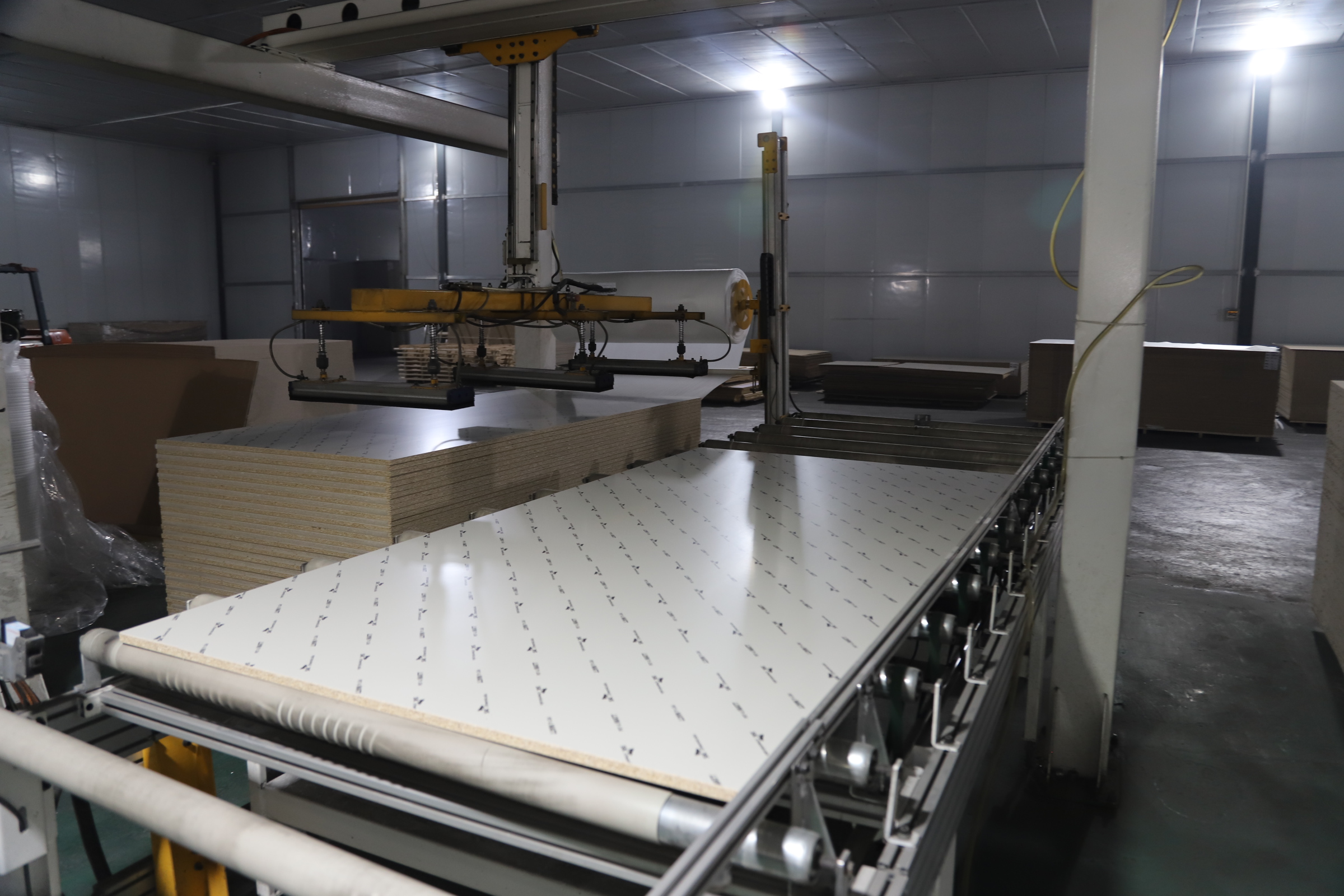
Choosing between pet chipboard and melamine chipboard is a critical decision for manufacturers, designers, and contractors working on furniture, cabinetry, and interior projects. Both materials dominate the engineered wood market, yet they offer distinctly different performance characteristics, aesthetic qualities, and cost implications. Understanding how pet chipboard compares to melamine chipboard enables you to select the material that best aligns with your project requirements, budget constraints, and long-term durability expectations.
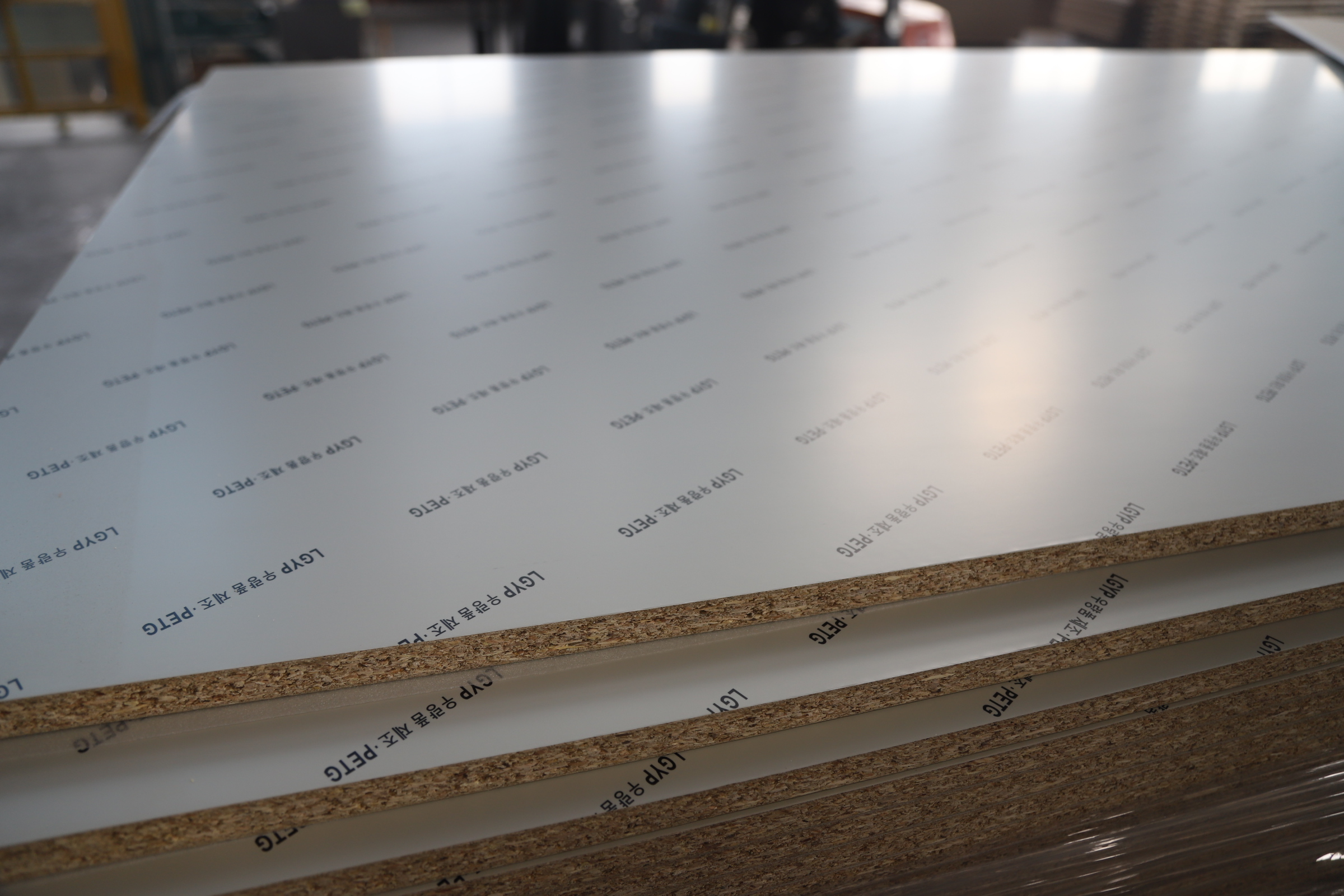
Pet chipboard has emerged as a premium alternative for applications demanding superior resistance to moisture, impact, and surface wear. Melamine chipboard, conversely, remains the industry standard for cost-effective solutions where moderate environmental protection suffices. Both materials serve as particle board substrates, yet their surface finishes, structural resilience, and suitability for specific environments differ significantly. This guide explores the material science, practical applications, performance metrics, and decision criteria that separate these two engineered wood solutions.
Material Composition and Surface Characteristics
Understanding Pet Chipboard Structure
Pet chipboard consists of wood particles bonded with resin and overlaid with a polyethylene terephthalate (PET) film or coating. This thermoplastic surface layer creates a durable, non-porous barrier that resists moisture penetration, staining, and physical damage more effectively than traditional veneer or paper-based finishes. The pet chipboard core remains particle board—wood residue compressed with adhesive—while the PET overlay provides superior aesthetic flexibility and environmental protection. The combination produces a material that bridges the gap between economy particle board and solid wood or veneer applications.
Melamine Chipboard Surface Composition
Melamine chipboard employs a melamine-formaldehyde resin overlay bonded directly to the particle board substrate. This decorative laminate offers a smooth, wipeable surface available in countless colors, patterns, and wood-grain finishes. Melamine chipboard provides adequate moisture resistance for indoor cabinetry and furniture but remains more susceptible to edge swelling, delamination, and surface scratching under heavy use. The material remains budget-friendly because melamine overlay technology has reached manufacturing maturity and economies of scale, making melamine chipboard widely accessible and cost-competitive globally.
Durability, Moisture Resistance, and Longevity
Pet Chipboard Performance in Challenging Environments
Pet chipboard excels in moisture-intensive environments such as kitchens, bathrooms, laundries, and commercial food preparation areas where humidity fluctuation and water splash represent ongoing stressors. The PET surface film prevents moisture absorption at the core level, maintaining dimensional stability over time and resisting microorganism growth, mold formation, and wood fiber swelling. Because pet chipboard resists delamination and edge deterioration more effectively, it delivers extended service life in applications exposed to daily moisture and thermal cycling. The material also resists chemical damage from cleaning agents, foodstuffs, and industrial solvents better than melamine alternatives, making pet chipboard suitable for laboratory counters, pharmaceutical storage, and hygiene-sensitive facilities.
Melamine Chipboard Durability Limitations
Melamine chipboard performs adequately in dry indoor environments with moderate use but shows vulnerabilities in high-moisture contexts. The melamine overlay bonds to particle board via adhesive, creating a potential delamination point if water penetrates edges or joints. Prolonged humidity exposure can cause the particle board core to swell, warping the entire assembly and compromising door alignment, drawer operation, and visual appearance. Melamine chipboard edges require sealing with edge banding or trim to prevent moisture ingress, adding assembly complexity and cost. For residential cabinetry in controlled indoor spaces, melamine chipboard remains adequate; however, pet chipboard delivers superior protection for demanding commercial or high-moisture applications where long-term reliability justifies material investment.
Cost, Aesthetic Options, and Project Fit
Cost Comparison and Budget Implications
Melamine chipboard remains the cost leader due to established manufacturing infrastructure, high production volumes, and competitive supplier markets. Budget-conscious residential furniture makers, mass-market cabinetry producers, and contract manufacturers typically favor melamine chipboard for projects where moisture risk remains minimal and aesthetics satisfy mid-market expectations. Pet chipboard commands a premium because PET film technology involves additional processing steps, specialized equipment, and lower production volumes compared to traditional melamine lamination. However, the cost differential between pet chipboard and melamine chipboard narrows significantly when factoring lifecycle cost, warranty obligations, replacement frequency, and reputational risk from premature material failure. Projects requiring extended service life, premium positioning, or moisture exposure often justify pet chipboard investment despite higher unit material cost.
Aesthetic and Specification Flexibility
Melamine chipboard dominates aesthetic variety because the overlay technology permits unlimited color, pattern, and finish combinations at low production cost. Designers and manufacturers seeking maximum visual options, fashion-forward aesthetics, or custom branding typically default to melamine chipboard. Pet chipboard offers growing aesthetic choice through modern PET film manufacturing, yet remains more limited in exotic colors, metallic effects, and highly textured patterns compared to melamine's extensive catalog. Pet chipboard finishes tend toward modern, minimalist aesthetics with solid colors, naturalistic wood tones, and subtle surface texture that appeal to contemporary furniture markets and premium commercial projects. The aesthetic choice between pet chipboard and melamine chipboard should align with brand positioning, target market expectations, and the functional requirements dictated by environmental exposure and use intensity.
Application Scenarios and Selection Criteria
When to Choose Pet Chipboard
Select pet chipboard for kitchen cabinetry exposed to steam, splashing water, and thermal fluctuation; bathroom vanities and storage in high-humidity climates; commercial hospitality furniture and catering equipment; laboratory workbenches and medical storage; retail display systems in showrooms with frequent cleaning; and outdoor-adjacent projects where weather protection matters but solid wood cost exceeds budget. Pet chipboard also suits projects where environmental durability represents a competitive differentiator—manufacturers positioning products as 'lifetime' or 'premium quality' find that pet chipboard material choice validates performance claims and justifies premium pricing. Educational institutions, healthcare facilities, and corporate offices increasingly specify pet chipboard for built-in cabinetry where replacement cycles span decades and maintenance staff require easy-clean, damage-resistant surfaces.
When to Choose Melamine Chipboard
Melamine chipboard remains optimal for residential bedroom and living room furniture, dry storage cabinetry, office desks and shelving in climate-controlled environments, and decorative interior applications where moisture exposure stays minimal. Budget-constrained residential projects, mass-market furniture retailers, and temporary installations benefit from melamine chipboard's cost advantage and rapid availability. Projects emphasizing aesthetic variety, color trends, and design flexibility favor melamine chipboard because manufacturers offer extensive finish libraries and shorter lead times for custom specifications. Melamine chipboard suits applications where eight to ten years of service life satisfies business objectives and environmental conditions remain stable and predictable.
Installation, Maintenance, and Long-Term Considerations
Edge Treatment and Assembly Differences
Pet chipboard tolerates unfinished edges better than melamine chipboard because the continuous PET film provides some moisture protection even at cut edges, though professional sealing remains recommended for longevity. Melamine chipboard edges demand immediate edge banding or trim application during assembly to prevent moisture infiltration, delamination, and visible particle board exposure. This edge treatment requirement adds labor cost and assembly complexity to melamine chipboard projects, partially offsetting the lower material cost advantage. Pet chipboard simplifies assembly procedures and reduces edge-related rework, delivering labor savings in manufacturing environments where efficiency and speed drive profitability. Both materials benefit from professional edge sealing for maximum longevity, but pet chipboard's inherent edge stability reduces the urgency and scope of protective treatment.
Cleaning, Maintenance, and Lifecycle Value
Pet chipboard surfaces clean easily with mild soap, water, and soft cloths without degradation or surface damage, making it ideal for high-touch commercial environments and hygiene-sensitive applications. The PET film resists staining from coffee, wine, cosmetics, and food residues better than melamine, requiring less aggressive cleaning chemistry and fewer repeat cleanings to restore appearance. Melamine chipboard requires gentler cleaning protocols—excessive moisture, abrasive scrubbing, and harsh chemicals accelerate surface damage and delamination risk. Over fifteen to twenty-year timescales in commercial environments, pet chipboard typically maintains superior appearance, dimensional stability, and functionality compared to melamine chipboard assemblies that may require replacement, refinishing, or component renovation. Facility managers and property owners increasingly factor lifecycle maintenance burden into material selection, often favoring pet chipboard despite higher initial investment because reduced replacement frequency and maintenance intensity deliver long-term cost savings.
Industry Trends and Future Outlook
Sustainability and Material Innovation
Manufacturers increasingly develop pet chipboard formulations incorporating recycled PET content from post-consumer bottles and textile waste, aligning engineered wood solutions with circular economy principles and corporate sustainability commitments. Melamine chipboard innovation focuses on reducing formaldehyde emissions and expanding upcycled content integration, yet the fundamental overlay technology remains mature with limited performance advancement. Pet chipboard represents the growth category within engineered particle board markets as commercial customers, specifiers, and architects prioritize material durability, environmental credibility, and lifecycle efficiency over lowest acquisition cost. Regulatory pressure on formaldehyde limits, microplastic concerns around traditional melamine, and customer demand for premium interior materials continue driving market share migration toward pet chipboard and similar performance-engineered alternatives.
FAQ
Is pet chipboard waterproof compared to melamine chipboard?
Pet chipboard offers superior moisture resistance through its PET film overlay, which prevents water penetration into the particle board core more effectively than melamine's adhesive-bonded interface. However, neither material qualifies as fully 'waterproof'—prolonged immersion, standing water, or edge exposure remains problematic for both. Pet chipboard tolerates splashing, humidity, and wet environments far better than melamine chipboard, making it suitable for kitchens and bathrooms, while melamine chipboard remains vulnerable to long-term moisture damage in these contexts. For applications near water sources or subject to regular cleaning, pet chipboard delivers measurably better performance and longevity than melamine alternatives.
Can pet chipboard and melamine chipboard be used interchangeably in cabinetry projects?
Project context determines substitutability between pet chipboard and melamine chipboard. In dry indoor furniture and storage applications, either material functions adequately, making cost-driven selection toward melamine chipboard logical. However, kitchen cabinetry, bathroom vanities, and commercial hospitality projects create moisture exposure that favors pet chipboard specifically because melamine chipboard performance declines significantly under these conditions. Substituting melamine chipboard where pet chipboard was specified introduces warranty risk, premature failure liability, and customer satisfaction issues. Conversely, specifying pet chipboard in dry-environment projects adds unnecessary cost without functional benefit. Match material selection to documented environmental exposure rather than applying either material universally.
What is the cost premium for pet chipboard versus melamine chipboard?
Market pricing typically places pet chipboard at 20–40% higher per-unit material cost than melamine chipboard, depending on thickness, supplier, order volume, and regional market conditions. The premium varies seasonally and responds to PET resin availability, manufacturing capacity, and competitive supplier behavior. For standard residential applications, this cost differential translates to $300–$800 additional expense per typical kitchen or bathroom cabinet run. However, reduced replacement frequency, extended service life, lower maintenance overhead, and avoided warranty claims often recover this material investment premium within eight to twelve years of service in commercial or high-moisture environments. Evaluating total cost of ownership—initial materials plus lifecycle maintenance and replacement cycles—frequently reveals pet chipboard as the more economical choice despite higher upfront material expense.