 EN
EN

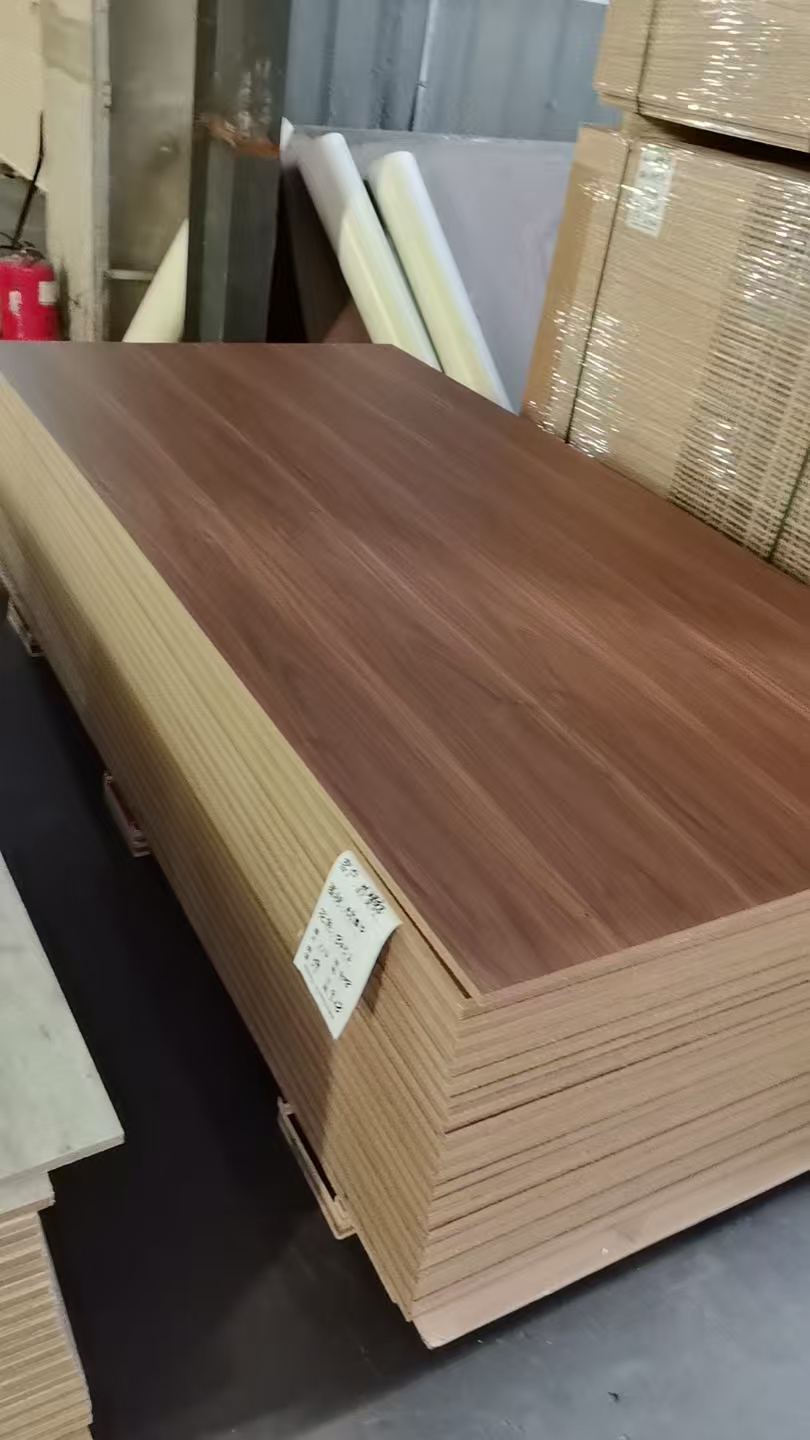
MDF material, short for medium density fiberboard, is one of the most versatile and widely used engineered wood products in modern manufacturing and construction. Understanding MDF material is essential for anyone involved in furniture production, interior design, cabinetry, or industrial applications. MDF material is created through a process that combines wood fibers with adhesive resins under high pressure and temperature, resulting in a dense, uniform composite board. Unlike plywood or solid wood, MDF material offers exceptional consistency, affordability, and workability, making it the preferred choice for countless industries worldwide. This comprehensive guide explores what MDF material is, its defining characteristics, practical applications, and how long MDF material actually lasts.
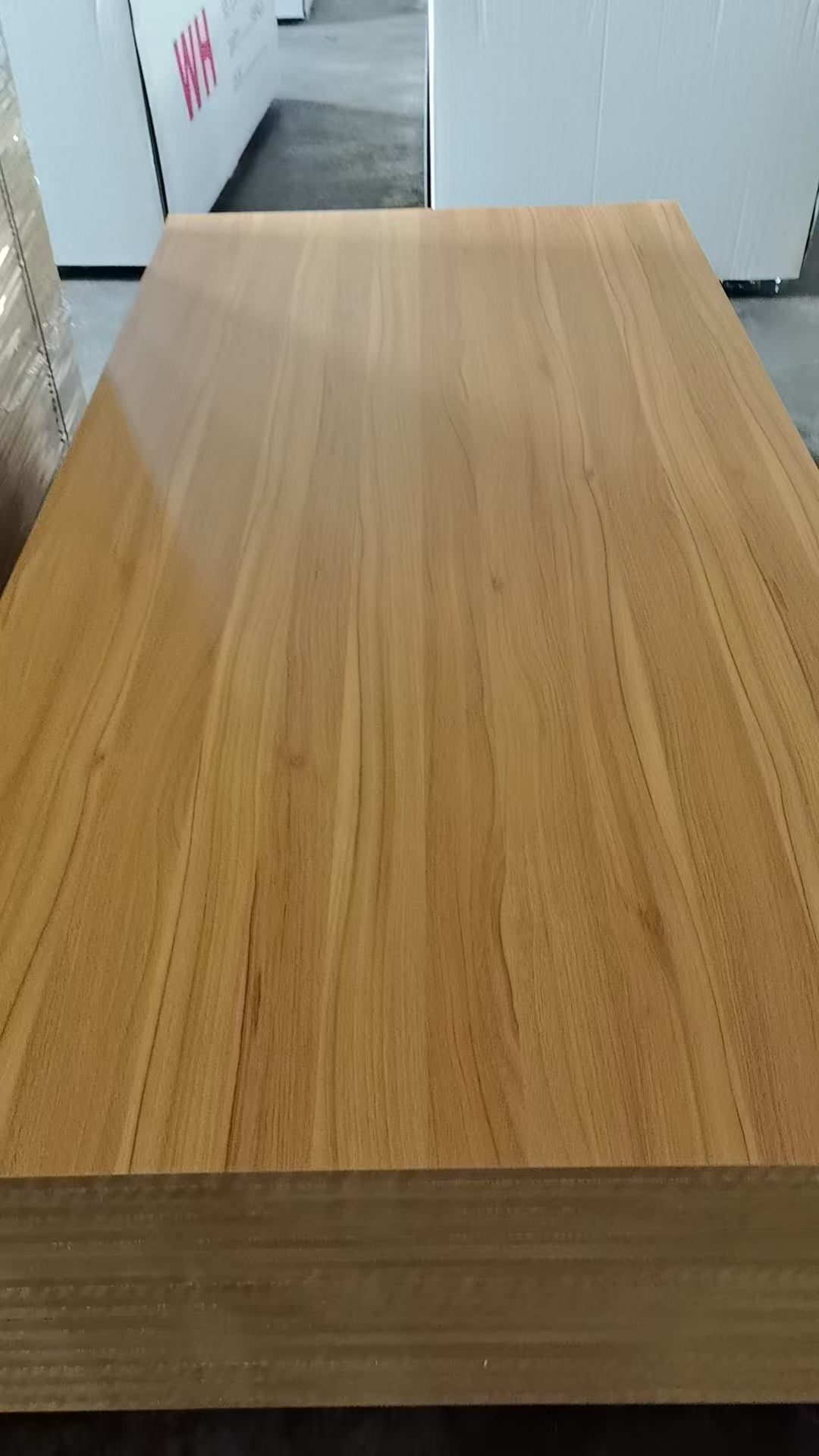
The manufacturing process behind MDF material involves breaking down wood waste and residues into fine fibers, then bonding them with resin adhesives and pressing the mixture into solid sheets. This engineered approach gives MDF material distinct advantages over natural wood in terms of uniformity, surface quality, and dimensional stability. Whether you're selecting materials for cabinetry, flooring underlayment, or decorative panels, understanding the true nature and performance of MDF material helps ensure the right choice for your specific project requirements and budget constraints.
Understanding MDF Material Composition and Structure
How MDF Material Is Made
MDF material production begins with sourcing raw materials, typically wood sawdust, wood chips, and other forest residues that would otherwise become waste. These materials are refined through a defibration process, where wood is broken down into individual fibers using heat and mechanical action. The resulting fibers are then mixed with adhesive resins, most commonly urea-formaldehyde or melamine-formaldehyde, creating a homogeneous mat. This mat is carefully layered and pressed under extreme heat and pressure, forming continuous sheets of MDF material with consistent density throughout. The final MDF material sheets are then sanded to achieve smooth surfaces ready for finishing, veneer application, or direct use in manufacturing.
Physical Characteristics of MDF Material
MDF material typically has a density ranging from 600 to 800 kilograms per cubic meter, positioning it between low-density particleboard and solid hardwood in terms of weight and structural properties. The uniform fiber distribution throughout MDF material creates a smooth, consistent surface free from knots, grain variations, and imperfections common in natural wood. MDF material comes in various thicknesses, ranging from 2mm to 50mm or beyond, allowing flexibility in design and application. The fine, homogeneous structure of MDF material means it machines beautifully, accepts stains and finishes evenly, and offers superior dimensional stability compared to solid wood that expands and contracts with moisture and temperature changes. This exceptional uniformity is why MDF material has become the benchmark material for precision cutting, edge banding, and detailed finishing work.
Key Properties and Performance Characteristics of MDF Material
Strength and Workability
MDF material possesses excellent strength-to-weight ratio, making it ideal for applications requiring structural integrity without excessive mass. The internal bond strength of MDF material is significantly higher than particleboard, allowing it to hold fasteners, screws, and dowels securely without stripping or loosening over time. MDF material machines with precision using standard woodworking tools, enabling intricate routing, drilling, and shaping that would be impossible with particle-based alternatives. The absence of grain direction in MDF material means cuts and edges are equally clean from any angle, eliminating the tear-out and splintering problems common with solid wood. This superior workability makes MDF material the material of choice for detailed cabinetry, built-in furniture, and architectural millwork where precision finishing is non-negotiable.
Moisture Resistance and Environmental Stability
Standard MDF material is susceptible to swelling and deterioration when exposed to high moisture environments, limiting its use in bathrooms, kitchens, and outdoor applications without additional protective treatment. However, moisture-resistant grades of MDF material incorporate special water-repellent additives and modified binders that dramatically improve performance in humid conditions. MDF material exhibits minimal movement in response to temperature and humidity fluctuations compared to solid wood, maintaining dimensional stability that protects joints, finishes, and overall structural integrity. This stability makes MDF material exceptionally suitable for precision cabinetry where tight tolerances must be maintained across seasonal variations. When properly sealed and finished, MDF material performs reliably in controlled interior environments for extended periods.
Finishing and Aesthetic Capabilities
MDF material accepts paint, stain, and veneer with exceptional uniformity, providing flawless aesthetic results that rival solid wood at a fraction of the cost. The smooth, pore-free surface of MDF material eliminates the need for extensive sanding and surface preparation required with natural wood products. Decorative laminates, melamine overlays, and specialty finishes adhere perfectly to MDF material, creating durable surfaces resistant to daily wear and staining. MDF material can be edge-banded with matching materials to create seamless, professional appearances in furniture and cabinetry. The versatility of finishing options available for MDF material makes it the preferred substrate for contemporary design applications where aesthetic precision matters.
Practical Applications of MDF Material Across Industries
Furniture Manufacturing and Interior Design
MDF material dominates the furniture industry because it provides reliable, consistent material properties ideal for mass production and custom design work alike. Cabinet makers specify MDF material for everything from kitchen cabinetry to built-in wall units, valuing its stability, machinability, and ability to hold complex joinery permanently. Decorative panels, room dividers, and architectural elements frequently utilize MDF material for its aesthetic appeal and structural reliability. Retail fixtures and display components are commonly manufactured from MDF material because it combines strength with the ability to be quickly modified and updated. The combination of affordability and quality finish achievable with MDF material makes it indispensable across residential and commercial interior applications.
Construction and Building Applications
In construction, MDF material serves as an underlayment for laminate and resilient flooring systems, providing moisture control, impact absorption, and dimensional stability for the finished floor surface. Architectural trim, crown molding, and baseboard components are routinely manufactured from MDF material because it machines cleanly and accepts stain and paint without imperfections. Soundproofing and acoustic panel systems incorporate MDF material as a core structural component, benefiting from its uniform density and sound-dampening properties. Door substrates and frame components frequently utilize MDF material for its consistency and ability to support veneers and laminates evenly. The reliability of MDF material in these demanding applications stems from its predictable performance across manufacturing tolerances and environmental conditions.
Industrial and Specialty Applications
Packaging and protective materials often utilize MDF material for its cushioning properties and machinability for precision-fit inserts and components. Signage and display applications benefit from MDF material's ability to be laser-cut, CNC-machined, and finished to exact specifications. Speaker enclosures and audio equipment components incorporate MDF material for its acoustic properties and dimensional stability. Promotional merchandise and custom decorative items frequently employ MDF material as the base material because it can be shaped, engraved, and finished rapidly for small or large production runs. The adaptability of MDF material across such diverse applications demonstrates its fundamental importance to modern manufacturing.
Durability and Longevity of MDF Material
Typical Lifespan and Degradation Factors
MDF material can last 10 to 20 years or longer when installed and maintained properly in interior, climate-controlled environments, making it comparable to solid wood in terms of functional lifespan. The primary durability factor for MDF material is protection from moisture exposure and direct water contact, which compromises the adhesive resins binding the fibers together. Physical impacts and mechanical stress can eventually crack or split MDF material, though properly reinforced installations minimize these risks significantly. UV exposure gradually degrades surface finishes on MDF material, making interior location and light control important considerations for long-term preservation. With appropriate environmental management and maintenance protocols, MDF material installations consistently achieve or exceed 15-year service life in most applications.
Protective Measures to Extend MDF Material Life
Sealing edges and unfinished surfaces of MDF material with primer, paint, or specialized sealers dramatically improves moisture resistance and extends service life substantially. Selecting moisture-resistant or waterproof grades of MDF material from the outset ensures superior performance in applications with elevated humidity or occasional water contact. Proper installation techniques that protect MDF material from direct moisture exposure, such as elevating cabinetry above splash zones in kitchens and bathrooms, preserve structural integrity indefinitely. Maintaining stable indoor humidity levels between 30 and 50 percent prevents the expansion and contraction cycles that degrade MDF material over decades of use. Regular inspection and preventive maintenance of protective coatings on MDF material surfaces allows early detection and repair of any damage before it compromises structural function.
FAQ
Is MDF material stronger than particleboard?
Yes, MDF material is considerably stronger than particleboard due to its finer fiber structure and higher density, typically ranging from 600 to 800 kilograms per cubic meter compared to particleboard at 400 to 600 kilograms per cubic meter. MDF material holds fasteners more securely, exhibits superior internal bond strength, and resists edge crushing better than particleboard. The uniform fiber distribution in MDF material contributes to these performance advantages, making MDF material the preferred choice for applications requiring structural reliability and repeated fastening cycles. Particleboard remains suitable for less demanding applications where cost is the primary consideration, but MDF material delivers superior performance across most professional applications.
Can MDF material be used in bathrooms?
Standard MDF material is not recommended for bathroom applications due to its susceptibility to moisture absorption and swelling, which can cause warping, delamination, and failure of fastened joints. Moisture-resistant grades of MDF material with water-repellent additives and modified binders perform acceptably in bathrooms when properly sealed, finished, and protected from direct water exposure. Bathroom cabinetry manufactured from moisture-resistant MDF material should have all edges sealed with epoxy or waterproof paint, and the installation should keep the material away from direct water splash zones. For maximum durability in moisture-prone areas, specify waterproof grades of MDF material or consider marine plywood alternatives designed specifically for wet environments. Even moisture-resistant MDF material requires careful maintenance and periodic inspection to prevent long-term water damage.
How does MDF material compare to plywood?
MDF material offers superior surface smoothness, better machinability for detailed work, and greater uniformity than plywood, while plywood provides superior moisture resistance and greater inherent strength for structural applications. MDF material machines without splintering, finishes evenly without grain irregularities, and accepts paint and veneer flawlessly, advantages that plywood cannot match. Plywood resists moisture better than standard MDF material and provides greater long-term durability in exposed or semi-exposed conditions. Cost comparisons favor MDF material for most interior cabinetry and furniture applications, while plywood remains preferable for flooring, exterior cladding, and structural applications requiring inherent moisture resistance. The choice between MDF material and plywood depends on specific application requirements regarding moisture exposure, strength demands, and aesthetic priorities.