 EN
EN

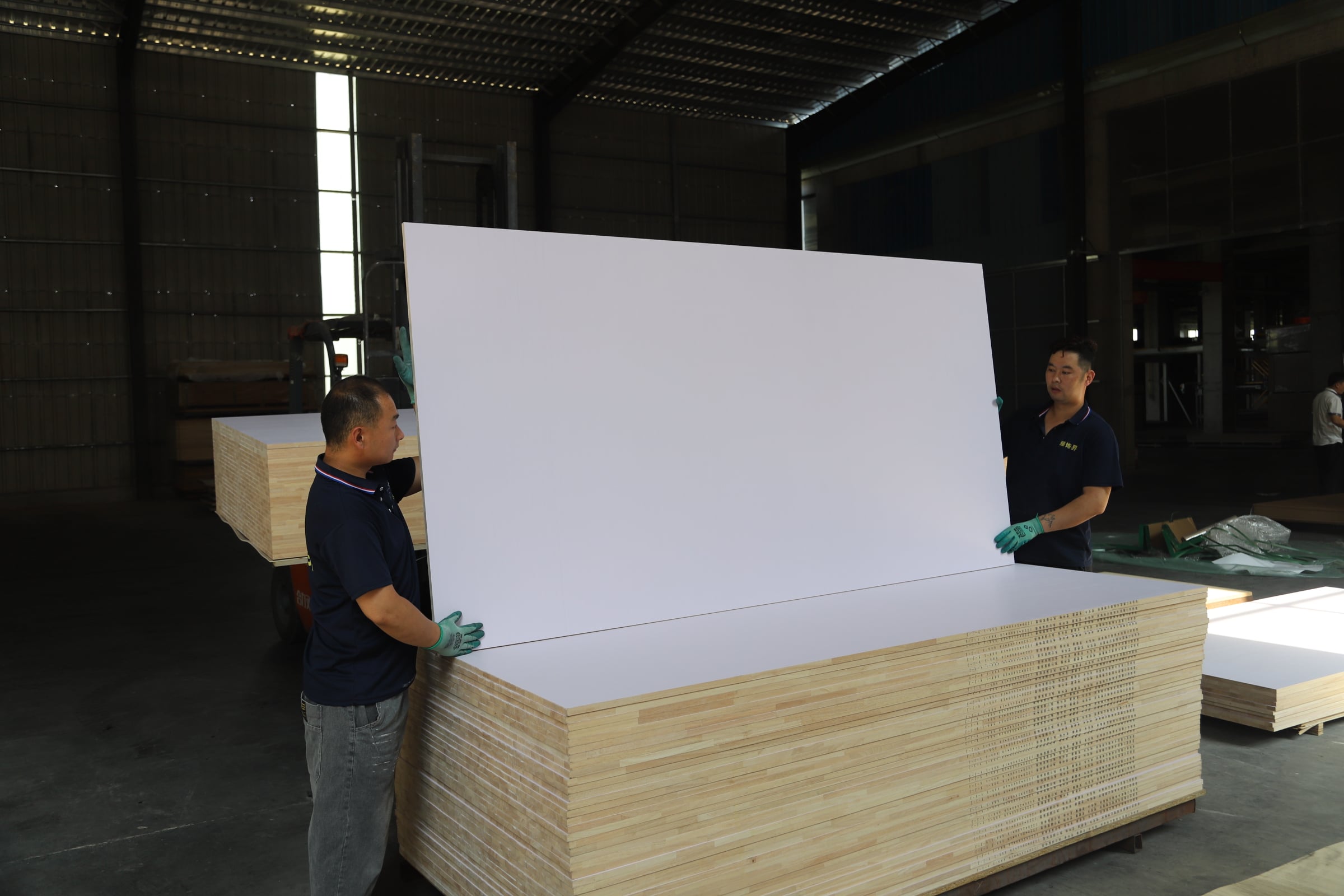
Commercial furniture demands materials that balance durability, cost-effectiveness, and aesthetic appeal. One material that has gained significant traction in the B2B furniture industry is melamine wood, a engineered composite that combines veneer surfaces with particleboard or plywood cores. Business owners, facility managers, and interior designers frequently ask whether melamine wood truly meets the rigorous demands of commercial environments. The answer depends on your specific application, budget constraints, and performance expectations. Understanding the strengths and limitations of melamine wood will help you make an informed decision for your commercial furniture needs.
Melamine wood has become a preferred choice for many commercial applications because it offers a compelling combination of performance characteristics. The material consists of a resin-impregnated paper layer bonded to a substrate, creating a surface that resists scratches, stains, and moisture better than solid wood. For businesses looking to furnish offices, retail spaces, or hospitality environments, melamine wood presents a practical alternative to traditional hardwoods while maintaining professional appearance and functionality.
Durability and Performance in High-Traffic Environments
Resistance to Damage and Wear
Melamine wood excels in resistance to surface damage, making it ideal for commercial settings where furniture endures constant use. Unlike solid wood, melamine wood surfaces resist scratches from daily handling, accidental impacts, and furniture movement. The material's hard, non-porous surface prevents moisture penetration, which is critical in commercial environments where spills occur frequently. Staining is minimal because liquids sit on the surface rather than soaking in, allowing quick cleanup without permanent marks. When used in office break rooms, cafeterias, or retail showrooms, melamine wood maintains its appearance far longer than untreated wood surfaces.
Longevity and Structural Integrity
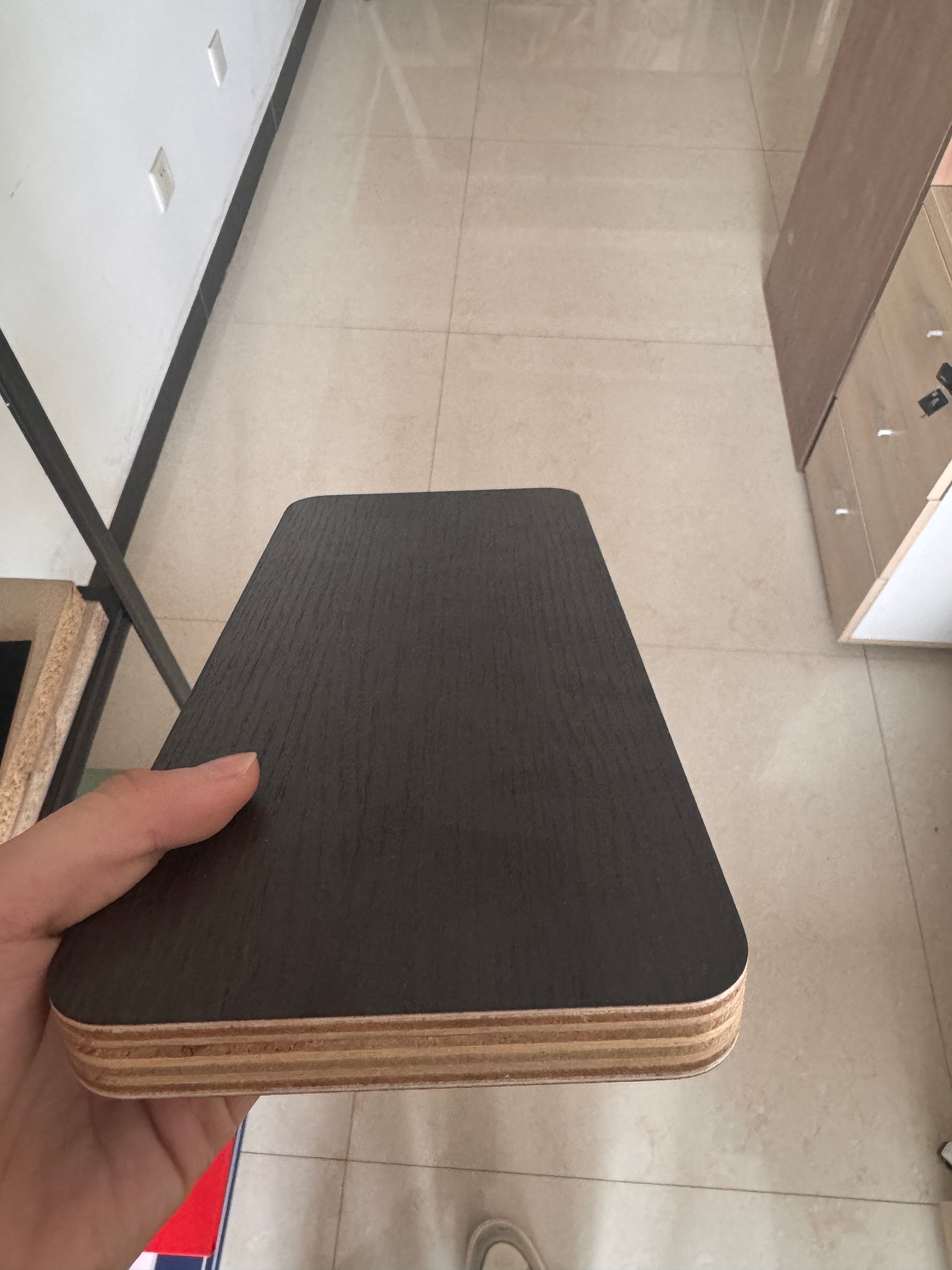
Commercial-grade melamine wood is engineered to withstand years of intensive use without significant degradation. The melamine wood construction with plywood or particleboard cores provides structural stability that resists warping and twisting, even in temperature-fluctuating environments. Many commercial furniture manufacturers choose melamine wood specifically because it maintains dimensional stability, preventing drawers from sticking or doors from misaligning over time. When properly manufactured, melamine wood components can last through multiple office relocations and reconfiguration cycles, protecting your investment in commercial furniture solutions.
Cost Advantages for Business Budgets
Initial Purchase and Installation Savings
One of the most compelling reasons businesses select melamine wood is its substantially lower cost compared to solid wood or veneer alternatives. The manufacturing process for melamine wood allows for efficient production at scale, reducing per-unit costs without sacrificing quality. Commercial furniture made from melamine wood typically costs 30-50% less than comparable hardwood pieces, which directly impacts capital equipment budgets. For organizations furnishing multiple offices, warehouses, or retail locations, choosing melamine wood can result in significant savings while maintaining professional standards. These cost advantages make melamine wood particularly attractive for growing companies that need flexible budgeting for commercial furniture investments.
Reduced Long-Term Maintenance Costs
Beyond initial savings, melamine wood reduces operational expenses through minimal maintenance requirements. Unlike solid wood furniture that may require refinishing, waxing, or professional restoration, melamine wood needs only basic cleaning with mild soap and water. The non-porous nature of melamine wood eliminates the need for protective coatings or periodic treatments common with traditional wood. Organizations using melamine wood in their commercial furniture portfolios report lower replacement rates and fewer damage-related repairs, which compounds savings over time. For facility managers overseeing large furniture inventories, the maintenance advantage of melamine wood represents substantial operational efficiency.
Design Flexibility and Aesthetic Considerations
Surface Finishes and Professional Appearance
Melamine wood offers extensive design options through various surface finishes, colors, and patterns that can match any commercial environment aesthetic. Modern melamine wood products include wood grain finishes, solid colors, matte surfaces, and textured options that rival natural materials in appearance. These finishes create a professional look suitable for executive offices, client-facing retail spaces, and formal conference rooms. The visual consistency of melamine wood surfaces—without natural wood variations or grain irregularities—provides a uniform, contemporary appearance that many corporate environments prefer. Designers appreciate melamine wood for its ability to create cohesive interior spaces while maintaining budget discipline for commercial furniture projects.
Customization and Scalability
Commercial furniture applications often require standardization across multiple locations or departments, and melamine wood supports this need exceptionally well. The material can be precisely cut, finished, and fabricated to exact specifications, enabling consistent quality across large commercial furniture orders. Whether you need modular office systems, retail display fixtures, or hospitality furniture components, melamine wood adapts to standardized production processes that commercial manufacturers have perfected. This scalability makes melamine wood ideal for chain retailers, large corporations, and organizations with distributed locations requiring identical furniture solutions.
Limitations and Considerations for Commercial Use
Surface Vulnerability and Repair Challenges
While melamine wood resists scratches and stains well, deep gouges or chips expose the substrate underneath, creating visible damage that cannot be easily repaired. Unlike solid wood, melamine wood cannot be sanded, stained, or refinished, so damaged surfaces typically require component replacement rather than restoration. In extremely high-impact environments—such as warehouses, manufacturing facilities, or loading areas—melamine wood may not provide sufficient resilience compared to industrial-grade alternatives. When commercial furniture faces heavy mechanical stress, edge chipping can occur if the melamine surface layer experiences repeated pressure or impact. Organizations must honestly assess their environment's intensity when deciding whether melamine wood meets their durability expectations.
Substrate Quality Variations
The quality of commercial furniture made from melamine wood depends significantly on the core material—either particleboard or plywood—used in construction. Lower-quality melamine wood products use cheaper particleboard cores that absorb moisture and swell over time, particularly problematic in humid commercial environments. Premium melamine wood utilizes plywood cores that resist moisture and provide superior structural integrity for demanding applications. When selecting commercial furniture, specifying melamine wood with plywood cores ensures better performance, though at a higher cost than particleboard-based alternatives. Distinguishing between standard and premium melamine wood prevents disappointment when budget-conscious purchasing compromises functional performance.
FAQ
Is melamine wood safe for use in commercial food service areas?
Melamine wood is appropriate for food service furniture such as tables and counters, but surfaces must comply with food safety regulations. The non-porous nature of melamine wood makes it hygienic for food contact applications, as it resists bacterial growth and cleans easily. However, high temperatures from commercial kitchen equipment may damage the melamine wood surface, so it should not be placed directly against heat sources. For commercial food service environments, ensure melamine wood products meet applicable health department standards and food safety certifications before installation.
How does melamine wood compare to laminate for commercial furniture?
Melamine wood and laminate share similar construction methods but differ in substrate quality and durability standards. Melamine wood typically uses thicker, more stable substrates designed for commercial-grade applications, while laminate often uses thinner cores suitable for lighter residential use. For demanding commercial environments, melamine wood generally outperforms standard laminate in terms of dimensional stability and long-term performance. The distinction matters when selecting furniture for commercial projects where longevity and consistent appearance over years justify the melamine wood investment.
Can melamine wood furniture be reconfigured or repurposed in commercial spaces?
Melamine wood furniture offers moderate flexibility for reconfiguration, though it depends on construction methods. Modular commercial furniture systems designed with melamine wood components can often be disassembled, relocated, and reassembled multiple times. However, the melamine wood surface may show stress marks or minor damage during repeated reconfiguration cycles. Organizations planning frequent furniture reconfigurations should invest in premium melamine wood pieces specifically engineered for modular systems, which provide superior performance through multiple reconfiguration iterations compared to fixed commercial furniture designs.