 EN
EN

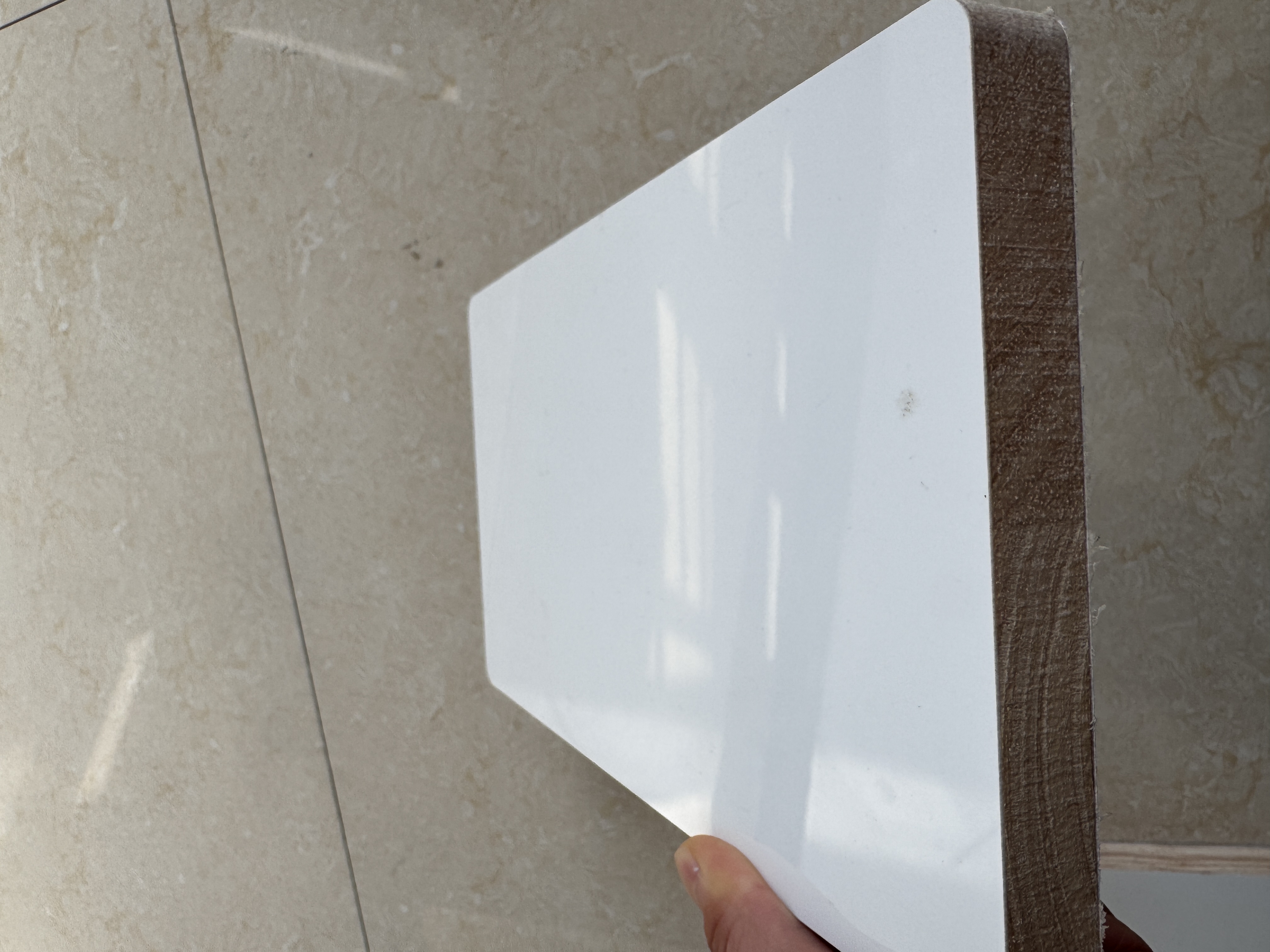
Selecting the right materials for furniture, cabinetry, and interior design projects requires careful evaluation of multiple factors. PET MDF has emerged as a premium material choice for manufacturers and designers who demand both aesthetic appeal and functional durability. Understanding the key buying points for PET MDF panels ensures you invest in a product that delivers long-term value, meets your design specifications, and performs reliably in demanding environments.
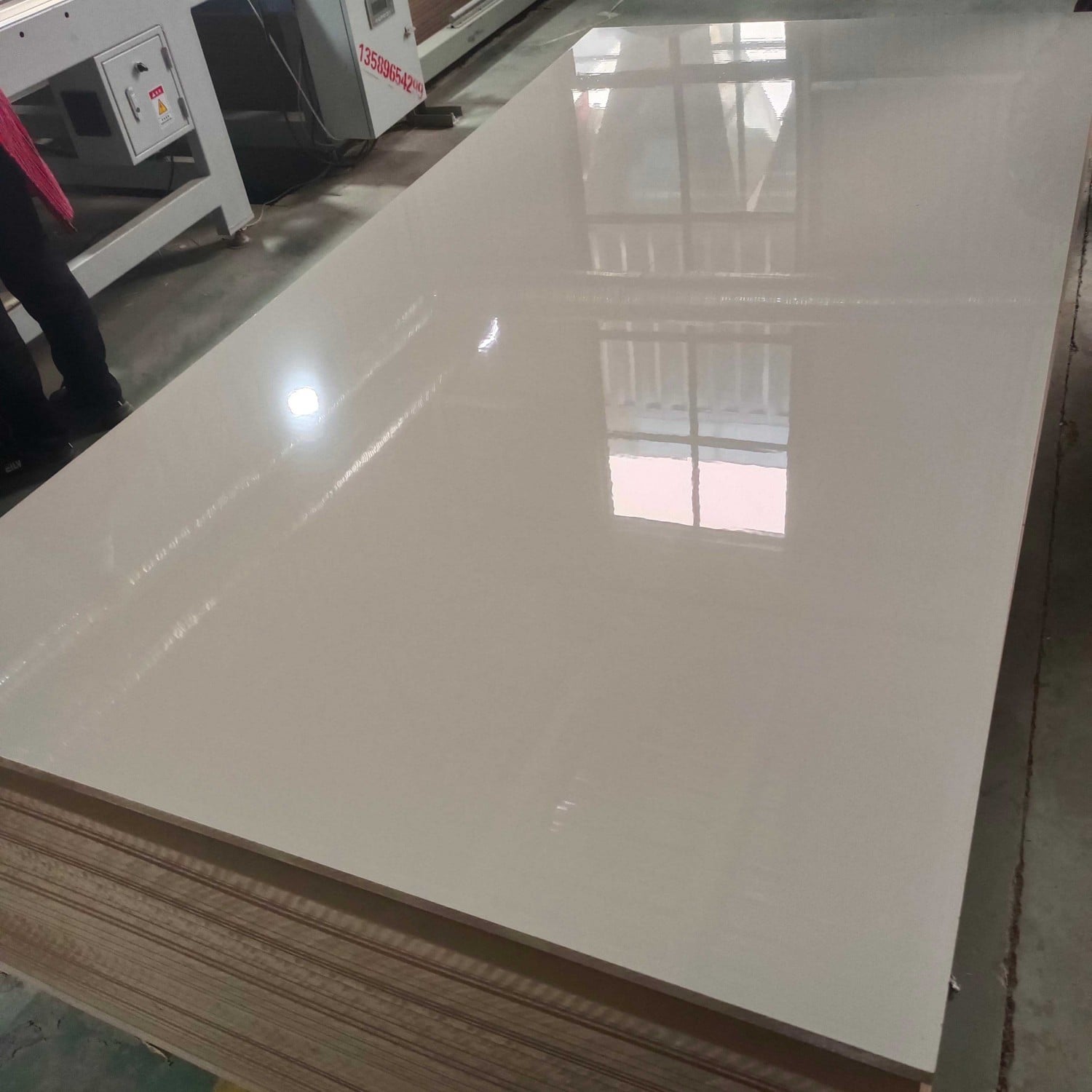
PET MDF panels combine the structural stability of medium-density fiberboard with the superior protective and aesthetic properties of polyethylene terephthalate coating. This combination creates a material that resists moisture, staining, and UV damage while maintaining a pristine appearance over time. Whether you are specifying materials for kitchen cabinets, commercial fixtures, or high-end residential applications, evaluating PET MDF through key buying criteria will help you make informed procurement decisions.
Surface Quality and Aesthetic Durability
Visual Appeal and Finish Options
The aesthetic dimension of PET MDF panels represents one of the most compelling reasons designers specify this material. High-gloss PET MDF surfaces deliver a refined, professional appearance that enhances the perceived value of finished products. The PET MDF coating creates a smooth, even finish without the visible grain imperfections or waviness common in standard MDF or veneer alternatives. Matte and semi-gloss variants of PET MDF also provide designers with flexibility to match contemporary aesthetic trends while maintaining the material's protective qualities.
Resistance to Staining and Surface Damage
One of the most practical buying advantages of PET MDF is its inherent resistance to staining and surface marks. Unlike bare MDF or standard painted finishes, PET MDF panels repel liquids, oils, and common household stains, making them ideal for kitchens, bathrooms, and food service environments. The non-porous nature of the PET coating ensures that accidental spills, fingerprints, and dust adhere minimally to the surface. For commercial applications where hygiene and appearance maintenance are critical operational requirements, PET MDF panels reduce long-term cleaning costs and downtime associated with surface restoration. This resistance extends the visible lifespan of cabinetry and fixtures, preserving the original finish quality throughout the product lifecycle.
Structural Performance and Moisture Management
Moisture Resistance and Environmental Stability
Moisture infiltration represents one of the primary failure mechanisms in standard MDF materials, causing swelling, warping, and surface deterioration. PET MDF panels address this vulnerability through their moisture-resistant PET outer layer, which acts as a physical barrier against humidity and moisture penetration. In bathroom cabinets, kitchen islands, and other high-humidity environments, PET MDF maintains dimensional stability where conventional MDF would fail. The structural integrity of PET MDF remains consistent even when subjected to temperature fluctuations and seasonal humidity variations. This environmental stability translates into lower warranty claims, reduced field failures, and enhanced customer satisfaction for manufacturers specifying PET MDF in moisture-prone applications.
Durability and Long-Term Performance
The durability profile of PET MDF extends well beyond initial installation, providing measurable value over five to ten year product lifecycles. Unlike melamine-coated panels that chip and delaminate at edges and impact points, PET MDF panels maintain edge integrity and surface cohesion through normal operational wear. The PET coating does not yellow or discolor under UV exposure, making PET MDF suitable for applications in bright, naturally lit environments. Thermal cycling, which degrades many composite materials over time, has minimal impact on PET MDF panel performance. This durability advantage means that products manufactured from PET MDF maintain their appearance and function significantly longer than alternatives, reducing replacement cycles and lifecycle costs for end users.
Manufacturing and Application Advantages
Workability and Finishing Flexibility
From a manufacturing perspective, PET MDF panels offer substantial advantages in workability and finishing efficiency. Unlike solid wood or veneer-faced panels that require specialized edge-banding and complex finishing procedures, PET MDF allows manufacturers to complete edge-treatment with adhesive-backed PET edge banding or heat-applied solutions. The uniform surface of PET MDF eliminates the need for sanding and staining operations, reducing labor hours and manufacturing complexity. CNC machining, drilling, and routing operations perform cleanly on PET MDF without splintering or tear-out, enabling precision joinery and component design. For cabinet manufacturers and custom furniture producers, specifying PET MDF improves production scheduling, reduces quality control variability, and increases output capacity without compromising finished product appearance.
Sustainability and Material Sourcing Considerations
PET MDF panels represent a more sustainable material choice than alternatives in several important dimensions. The base MDF core typically incorporates recycled wood fiber and sustainable forestry inputs, reducing dependence on virgin materials. The PET coating itself increasingly incorporates recycled plastic content, advancing circular economy principles in building material supply chains. Specifying PET MDF from manufacturers committed to responsible sourcing helps architects, designers, and brand companies meet corporate sustainability objectives and customer expectations regarding material environmental impact. The longevity of PET MDF products also contributes to sustainability by extending functional lifespan and delaying landfill disposition compared to materials that require frequent replacement. For procurement departments evaluating environmental performance metrics, PET MDF panels demonstrate measurable advantages in resource efficiency and lifecycle environmental cost.
Cost-Value Relationship and Application-Specific ROI
Total Cost of Ownership Analysis
While initial per-unit pricing for PET MDF panels may exceed uncoated MDF or lower-grade alternatives, the total cost of ownership calculation typically favors PET MDF across most application scenarios. The elimination of edge-banding, staining, and finishing labor reduces manufacturing overhead that would be required for standard MDF. The superior durability of PET MDF translates into lower warranty costs, fewer field replacements, and reduced service callbacks. For hospitality, retail, and commercial installations where appearance maintenance is a recurring operational expense, PET MDF reduces labor allocation to cleaning and restoration. When evaluated over the actual useful life of cabinets, fixtures, or furniture, PET MDF typically delivers superior economic performance than materials offering only initial cost advantages.
Specification Alignment with End-Use Environments
Optimal buying decisions regarding PET MDF require alignment between material capabilities and specific end-use environmental demands. Kitchen cabinet applications, where moisture exposure and staining risk are elevated, strongly justify PET MDF specification. Commercial catering facilities and laboratory furniture environments demand the hygiene properties that PET MDF delivers. Retail display systems in bright retail environments benefit from the UV stability and appearance retention of PET MDF. Conversely, dry interior applications with minimal moisture or staining exposure may not require PET MDF performance levels, allowing consideration of cost-optimized alternatives. Matching PET MDF specification to application-specific environmental demands ensures you acquire appropriate quality without paying for unnecessary premium features.
FAQ
What makes PET MDF different from standard MDF or veneer alternatives?
PET MDF combines the structural benefits of MDF core material with a protective polyethylene terephthalate surface layer that resists moisture, staining, and UV damage. Standard MDF lacks this protective coating and is susceptible to swelling and deterioration in humid environments. Veneer alternatives require multiple finishing steps and offer less consistent protection against damage. PET MDF delivers superior durability and lower maintenance requirements compared to both traditional options, making it ideal for high-performance applications.
Is PET MDF suitable for bathroom and kitchen applications?
Yes, PET MDF is exceptionally well-suited for bathroom and kitchen environments due to its moisture resistance and stain-repellent properties. The PET coating prevents water infiltration that would cause standard MDF to swell and warp. Kitchen spills, bathroom humidity, and exposure to cleaning chemicals do not compromise PET MDF structural integrity or surface appearance. For these moisture-prone applications, PET MDF cabinets and fixtures maintain their appearance and functionality significantly longer than uncoated MDF alternatives.
How does PET MDF impact manufacturing efficiency and cost structure?
PET MDF reduces manufacturing complexity by eliminating surface preparation, staining, and detailed finishing operations required for other materials. The pre-finished surface means components are production-ready with minimal additional processing, improving production scheduling and throughput. While the material cost per unit may exceed uncoated MDF, total manufacturing cost often decreases due to eliminated labor and process steps. When considering total cost of ownership including durability advantages, PET MDF typically delivers superior economic performance across most commercial applications.