 EN
EN

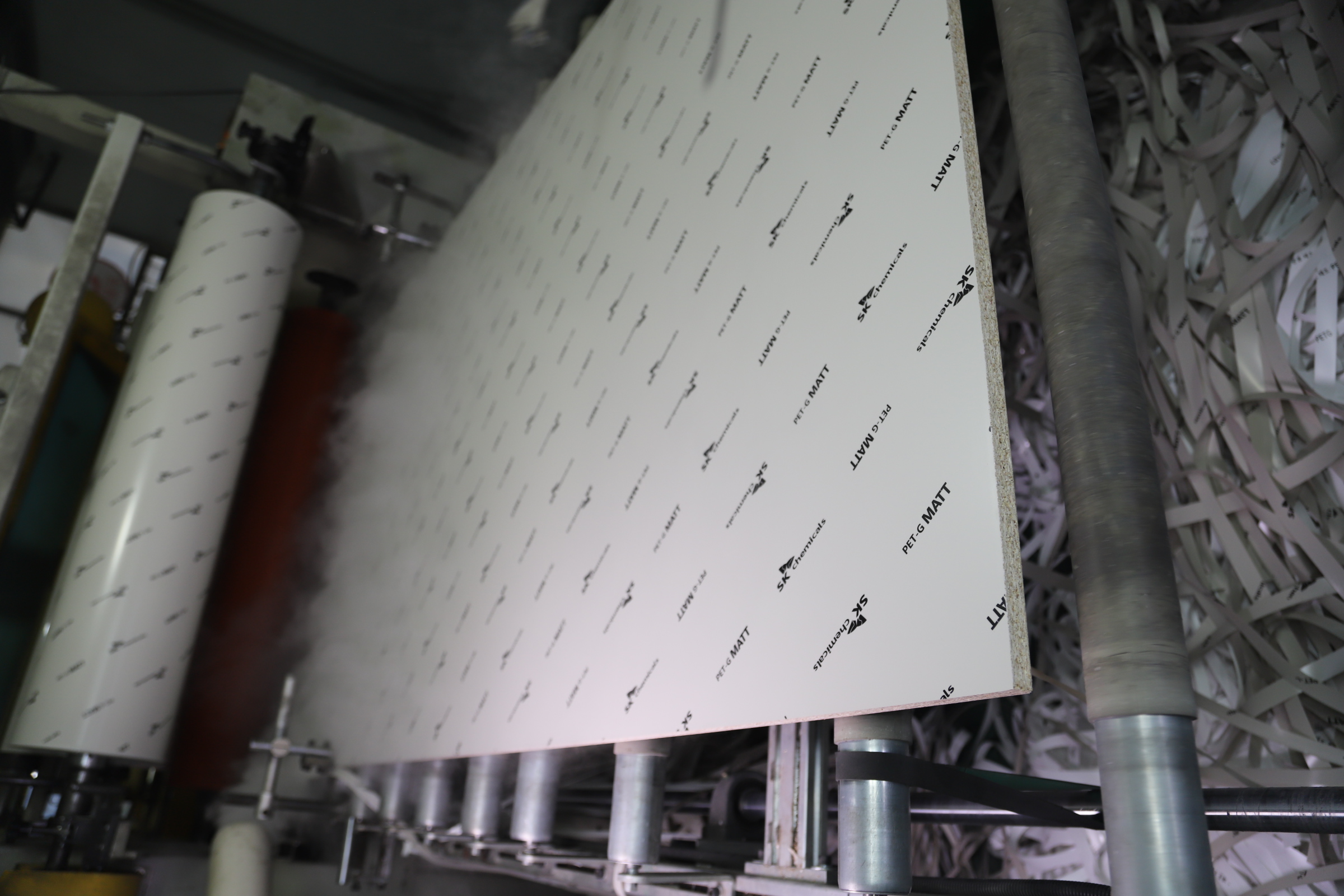
Choosing the right material for cabinet construction is one of the most important decisions in furniture design and home improvement. Pet chipboard has emerged as a popular alternative to traditional wood and plywood, offering distinct advantages that appeal to both manufacturers and homeowners. Understanding whether pet chipboard is truly a good option for cabinets requires examining its composition, performance characteristics, cost implications, and suitability for various applications.
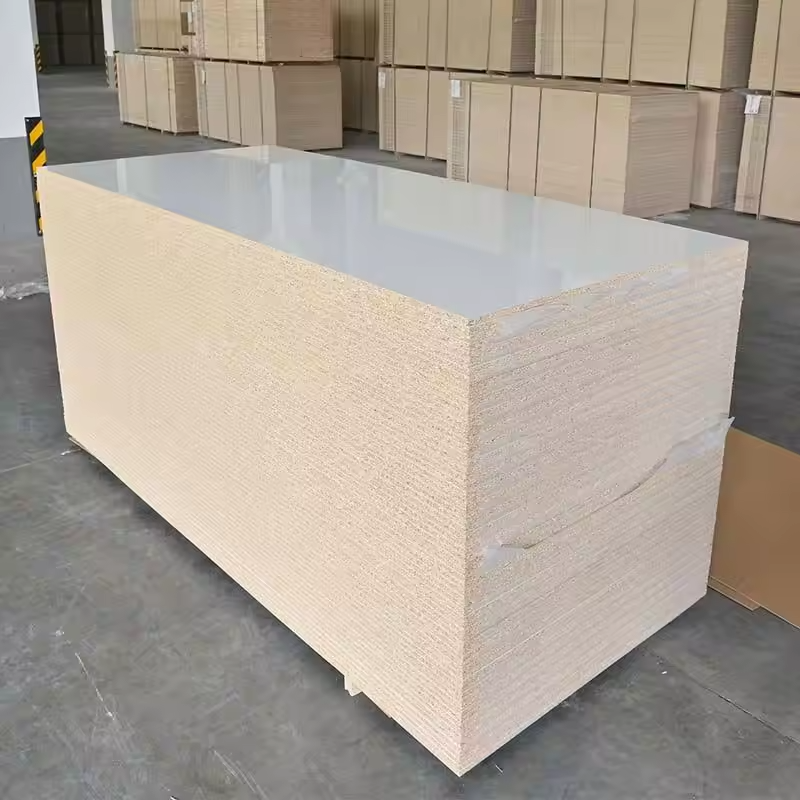
Pet chipboard represents a modern engineered wood product that combines wood particles with polyethylene terephthalate (PET) film or resin coating. This combination creates a material that balances structural integrity with enhanced surface protection. For cabinet applications, pet chipboard offers practical benefits that traditional particleboard and MDF cannot always provide, making it an increasingly relevant choice in residential and commercial cabinetry.
Performance Characteristics of Pet Chipboard for Cabinet Use
Moisture and Water Resistance
One of the most significant advantages of pet chipboard is its superior moisture resistance compared to conventional particleboard. The PET film coating creates a protective barrier that prevents water absorption, a critical factor in kitchen and bathroom cabinets where humidity levels are consistently elevated. Pet chipboard resists swelling, warping, and delamination in high-moisture environments, which extends the cabinet's functional lifespan significantly. Standard particleboard and plywood tend to absorb moisture readily, leading to dimensional instability and surface degradation over time.
When pet chipboard is properly sealed and installed in kitchens or bathrooms, the material maintains its structural integrity through temperature and humidity fluctuations. This performance advantage is especially valuable in regions with tropical climates or homes with poor ventilation. The water-resistant properties of pet chipboard make it particularly suitable for under-sink cabinet applications, where occasional water exposure is almost inevitable.
Surface Durability and Scratch Resistance
Pet chipboard typically comes with a durable surface finish that resists scratching, staining, and color fading better than uncoated particleboard. The PET coating provides a smooth, hard surface that withstands daily wear and tear in busy kitchens and commercial settings. Cabinets made from pet chipboard maintain their aesthetic appearance longer, reducing the need for refinishing or replacement. The scratch resistance of pet chipboard makes it an attractive option for high-traffic areas where cabinet doors and surfaces experience frequent contact and potential damage.
The surface quality of pet chipboard also simplifies maintenance and cleaning. Fingerprints, dust, and spills can be easily wiped away without damaging the finish, and the material does not require special protective treatments to maintain its appearance. This practical advantage contributes to the overall value proposition of pet chipboard for residential and commercial cabinet applications.
Cost-Effectiveness and Economic Advantages
Affordability Compared to Solid Wood
Pet chipboard offers a significant cost advantage over solid wood and premium plywood options while delivering comparable or superior performance in many cabinet applications. The manufacturing process for pet chipboard is more efficient than solid wood processing, resulting in lower material and production costs. For builders, furniture manufacturers, and homeowners working within budget constraints, pet chipboard provides a practical way to achieve quality cabinetry without excessive expense. The cost savings can be redirected toward hardware, finishing details, or expanding cabinet functionality.
When evaluating pet chipboard as a cabinet material, the price-to-performance ratio is exceptionally favorable. Budget-conscious projects benefit significantly from this material choice, as pet chipboard eliminates premium pricing associated with solid hardwoods while still providing durability and aesthetic appeal. The economic advantages of pet chipboard make it accessible for broader market segments without compromising on essential performance characteristics.
Reduced Maintenance and Long-Term Value
Choosing pet chipboard for cabinets contributes to reduced maintenance costs over the cabinet's operational lifespan. Because pet chipboard resists damage and degradation more effectively than standard particleboard, the need for repairs, refinishing, or premature replacement is minimized. The total cost of ownership for pet chipboard cabinets is lower when factoring in maintenance, repairs, and longevity. Manufacturers and consumers can justify the initial material investment based on the extended service life and minimal intervention requirements.
The long-term economic value of pet chipboard becomes evident through reduced replacement cycles and maintenance expenses. Cabinets constructed from pet chipboard maintain functional and aesthetic standards for extended periods, providing consistent return on the initial investment. This financial predictability appeals to both commercial operations and residential customers seeking reliable, low-maintenance cabinet solutions.
Practical Application Considerations for Cabinet Selection
Best Use Cases for Pet Chipboard Cabinets
Pet chipboard is particularly well-suited for kitchen cabinets, where moisture exposure, temperature fluctuations, and frequent use are standard conditions. Bathroom vanity cabinets benefit enormously from pet chipboard's water resistance and durability. Commercial kitchen cabinetry, laboratory storage, and industrial applications also align well with the performance characteristics of pet chipboard. Utility cabinets, storage solutions in laundry rooms, and mudrooms are excellent environments where pet chipboard cabinets deliver reliable, long-lasting service.
In residential renovation projects where budget optimization is essential, pet chipboard enables homeowners to invest in quality cabinetry across multiple rooms. The material's versatility accommodates various design styles, finishes, and configurations, making it adaptable to diverse aesthetic preferences. Pet chipboard cabinets integrate seamlessly into modern, transitional, and traditional interior designs when appropriate finishing techniques are applied.
Limitations and Design Considerations
While pet chipboard offers substantial advantages, certain limitations warrant consideration during the selection process. The material may not suit all high-end, luxury cabinet applications where solid hardwood aesthetics are specifically desired. Pet chipboard can show edge banding more visibly than solid wood, requiring attention to finishing details for a polished appearance. Extreme temperature fluctuations beyond typical indoor ranges may impact material stability, though this rarely affects standard residential or commercial environments.
Pet chipboard cabinets require proper installation practices to maximize performance benefits. Adequate ventilation around cabinets, appropriate sealant application at joints and edges, and adherence to manufacturer guidelines ensure optimal durability. Understanding these practical considerations enables informed decision-making and proper implementation of pet chipboard cabinet solutions. Projects that align with these guidelines consistently achieve excellent results and customer satisfaction.
FAQ
Is pet chipboard more durable than standard particleboard for cabinets?
Yes, pet chipboard is considerably more durable than standard particleboard in cabinet applications. The PET film coating provides superior moisture resistance, scratch resistance, and dimensional stability. Pet chipboard maintains structural integrity in humid environments where conventional particleboard would swell, warp, or delaminate. The enhanced surface protection also resists staining and color fading better than uncoated particleboard, making pet chipboard the preferred choice for kitchen and bathroom cabinets requiring extended service life and minimal maintenance.
Can pet chipboard cabinets be used in bathrooms and kitchens?
Absolutely, pet chipboard is highly suitable for both bathroom and kitchen cabinets. The material's water-resistant properties and moisture-resistant core make it specifically designed for environments with elevated humidity levels. Pet chipboard resists swelling, warping, and surface degradation caused by moisture exposure, steam, and temperature fluctuations typical in kitchens and bathrooms. Proper installation, adequate ventilation, and appropriate sealing of edges and joints ensure optimal performance of pet chipboard cabinets in these moisture-prone environments.
How does the cost of pet chipboard compare to plywood and solid wood for cabinetry?
Pet chipboard is significantly more affordable than both plywood and solid wood while offering comparable or superior performance for most cabinet applications. The material cost of pet chipboard is substantially lower, and manufacturing is more efficient, reducing labor expenses. This cost advantage makes pet chipboard an economical choice for budget-conscious projects without sacrificing durability or aesthetics. The price-to-performance ratio of pet chipboard provides exceptional value compared to premium alternatives, making it accessible for diverse market segments and applications.